November 20th, 2012
1 comment
Categories: C128/128D/128DCR, C64/SX64, DTV, News & Rumors, Today
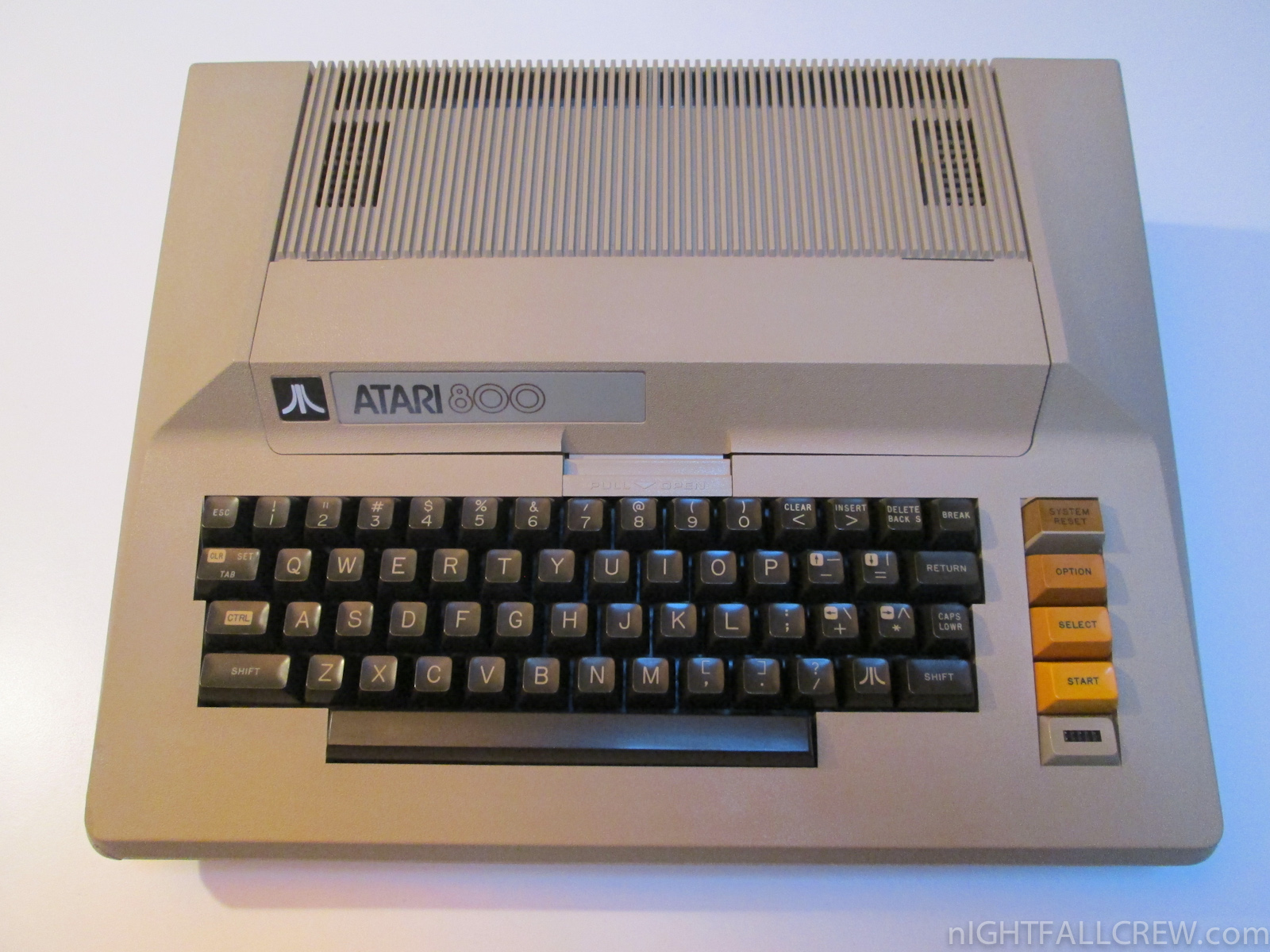
Autopsy:
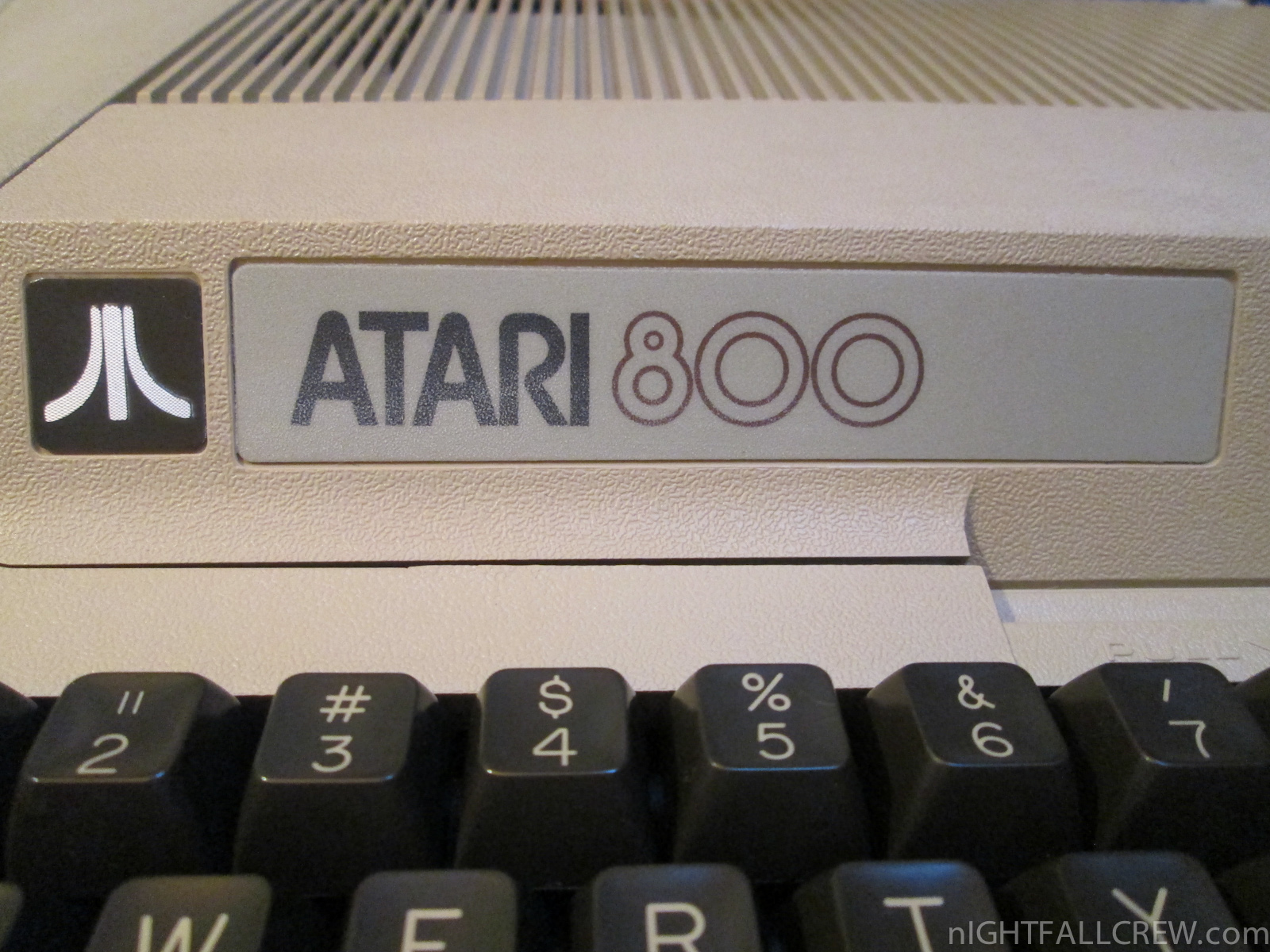
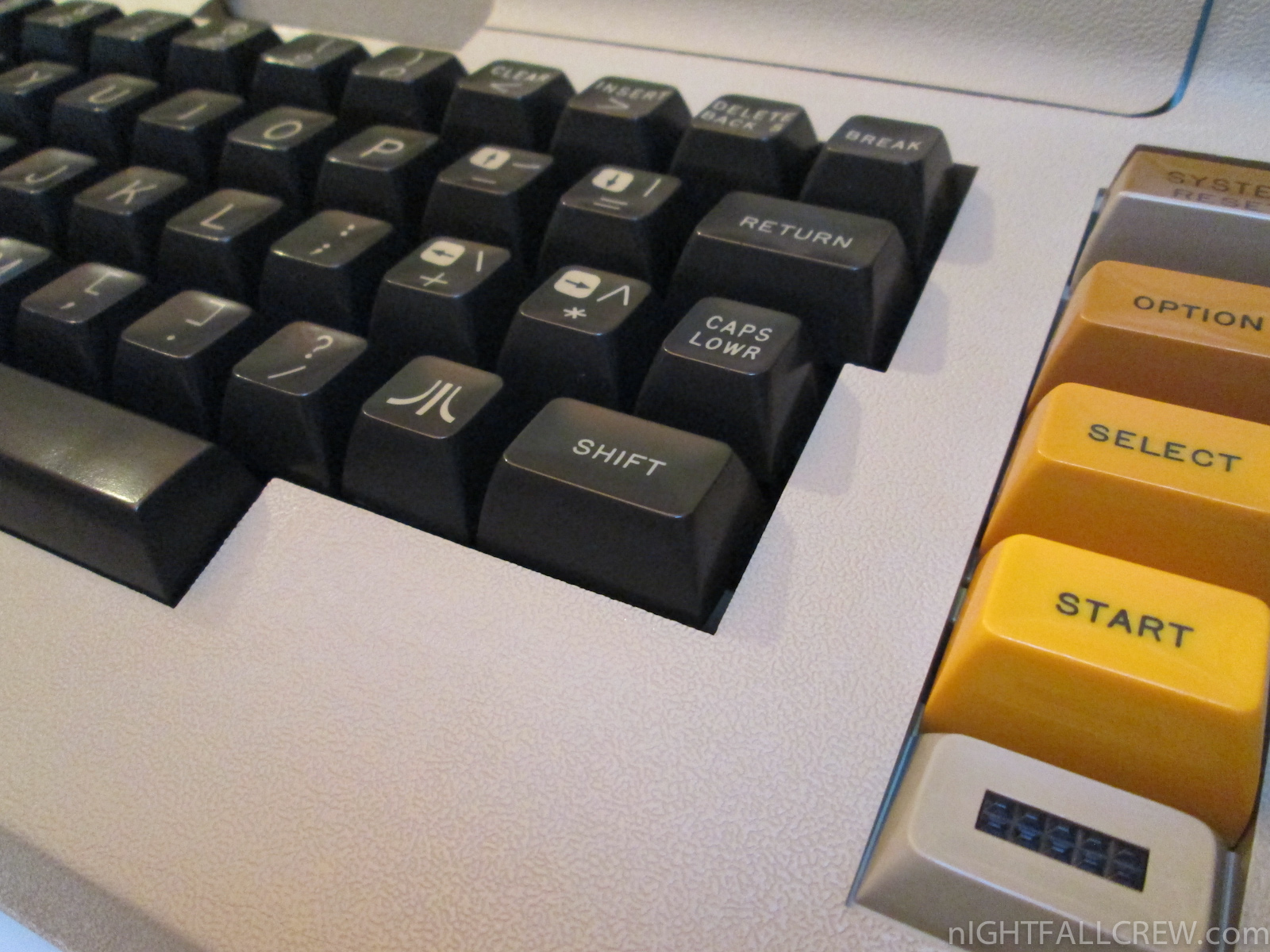
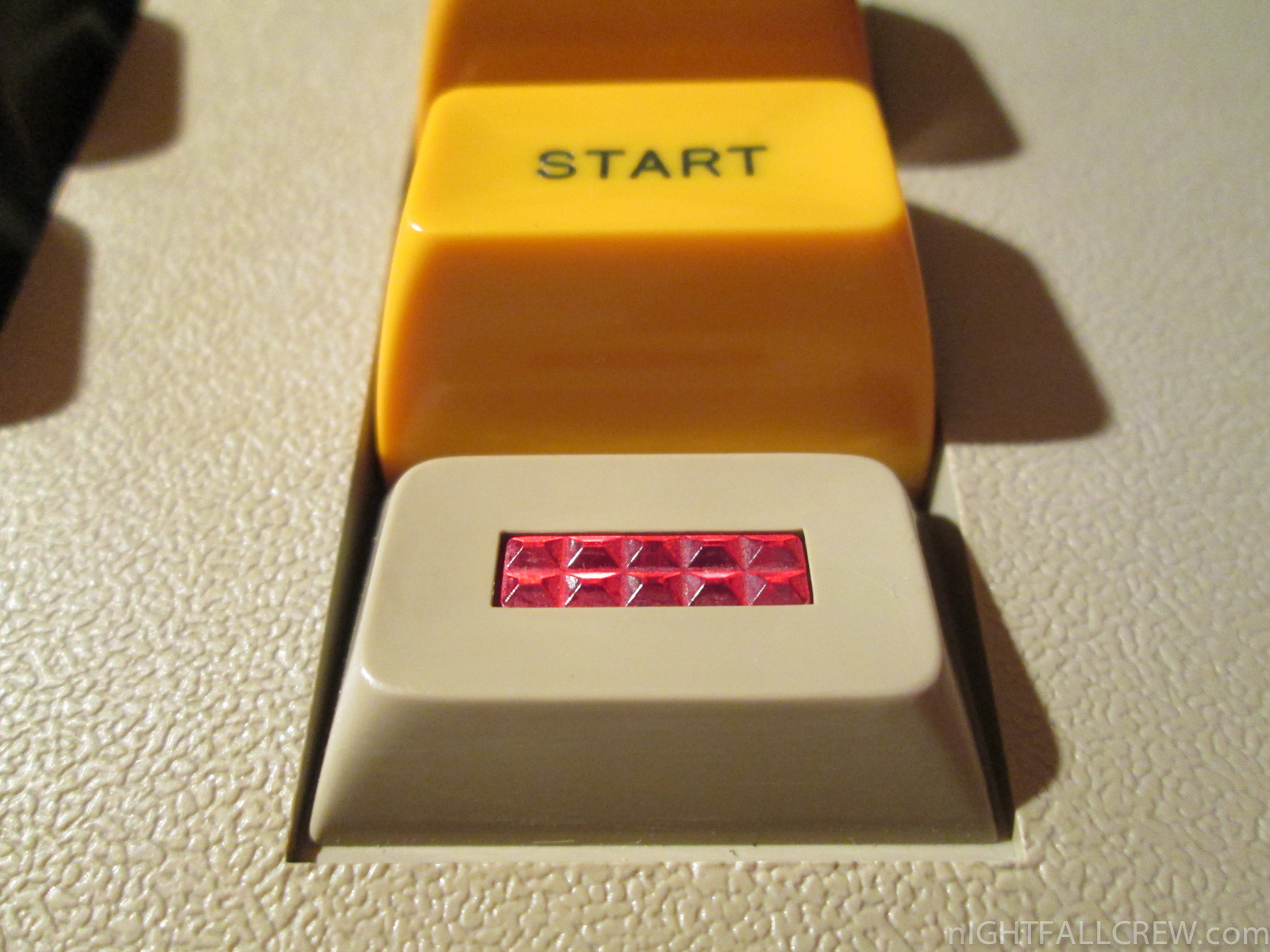
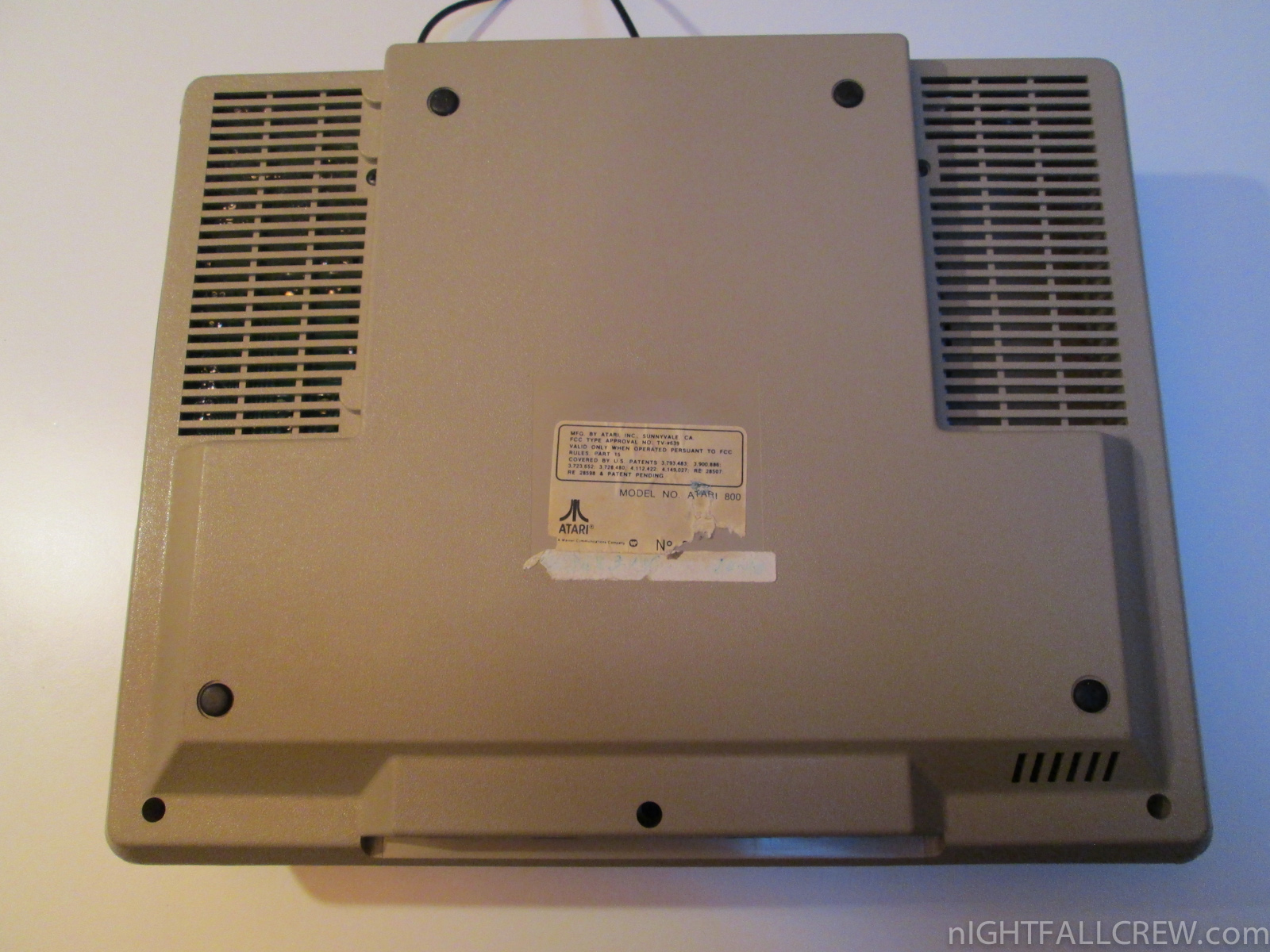
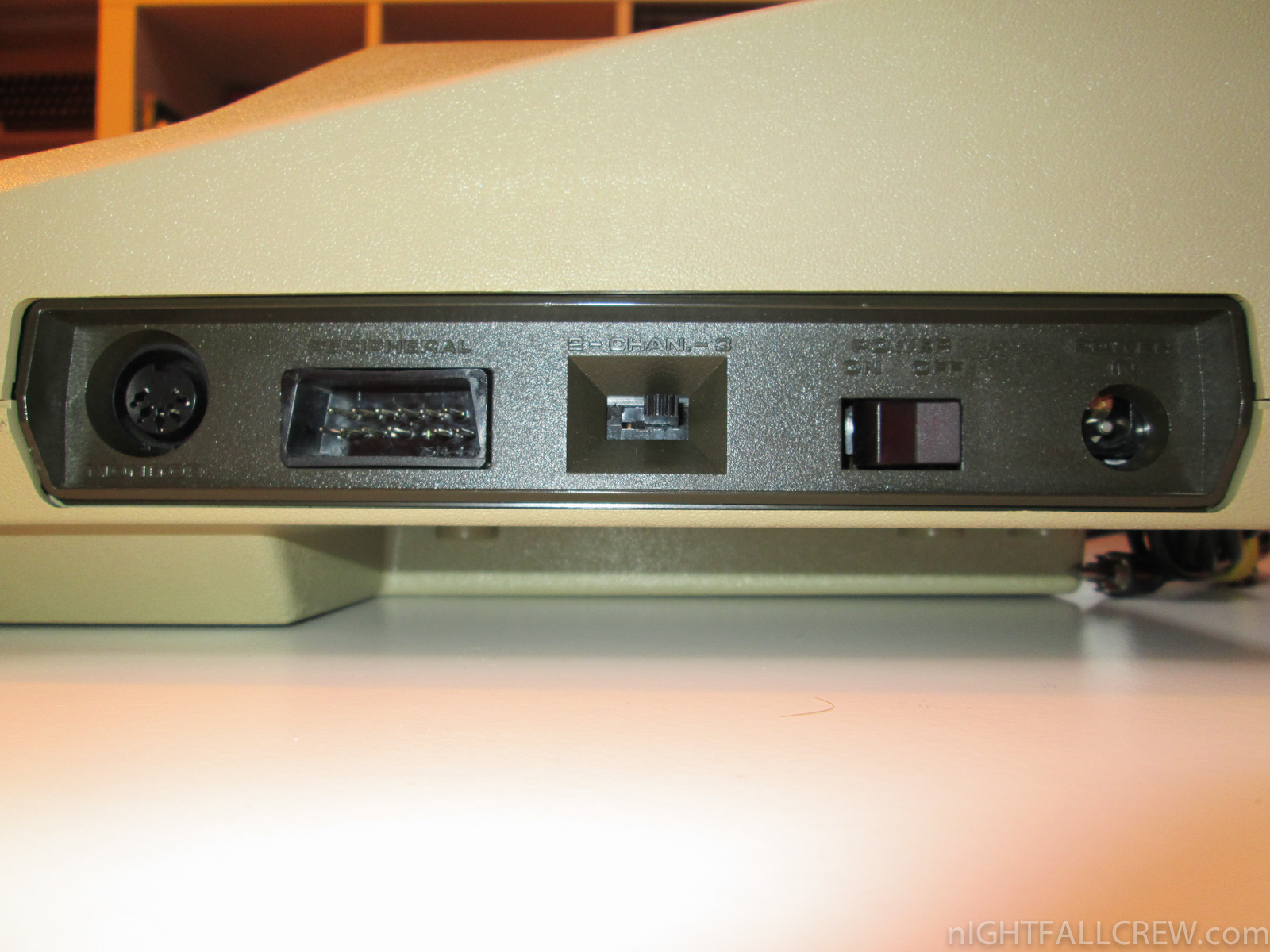
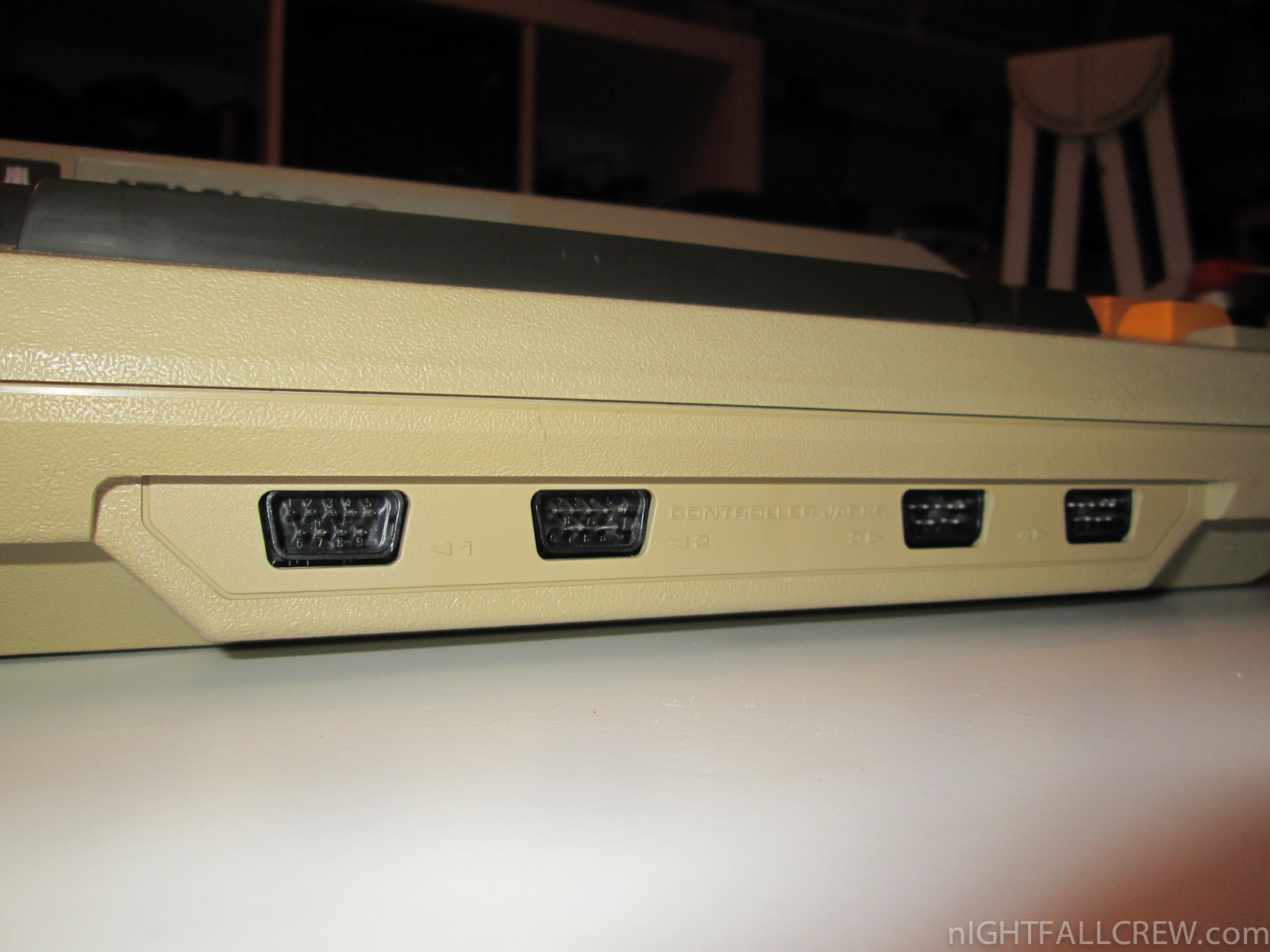
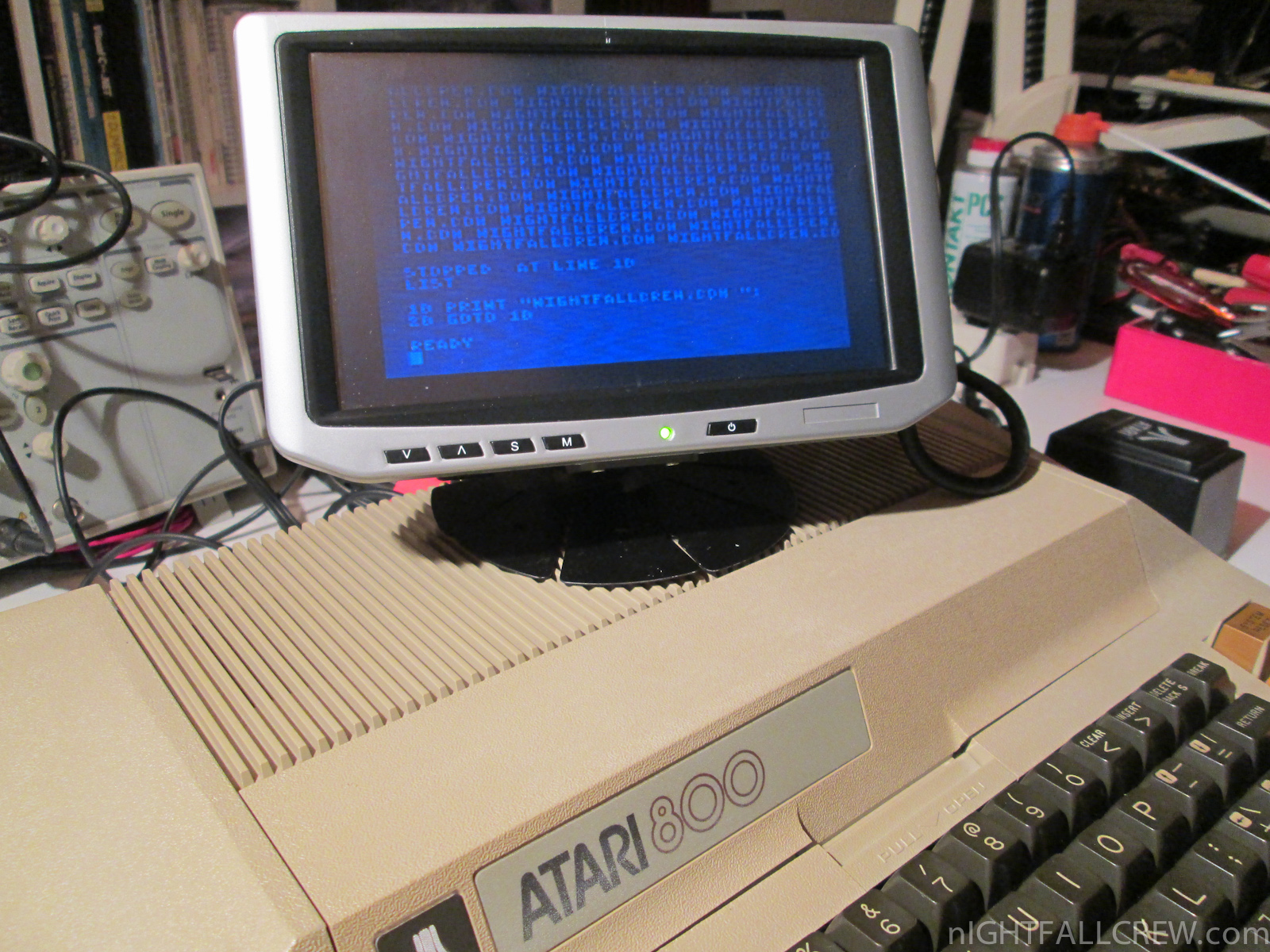
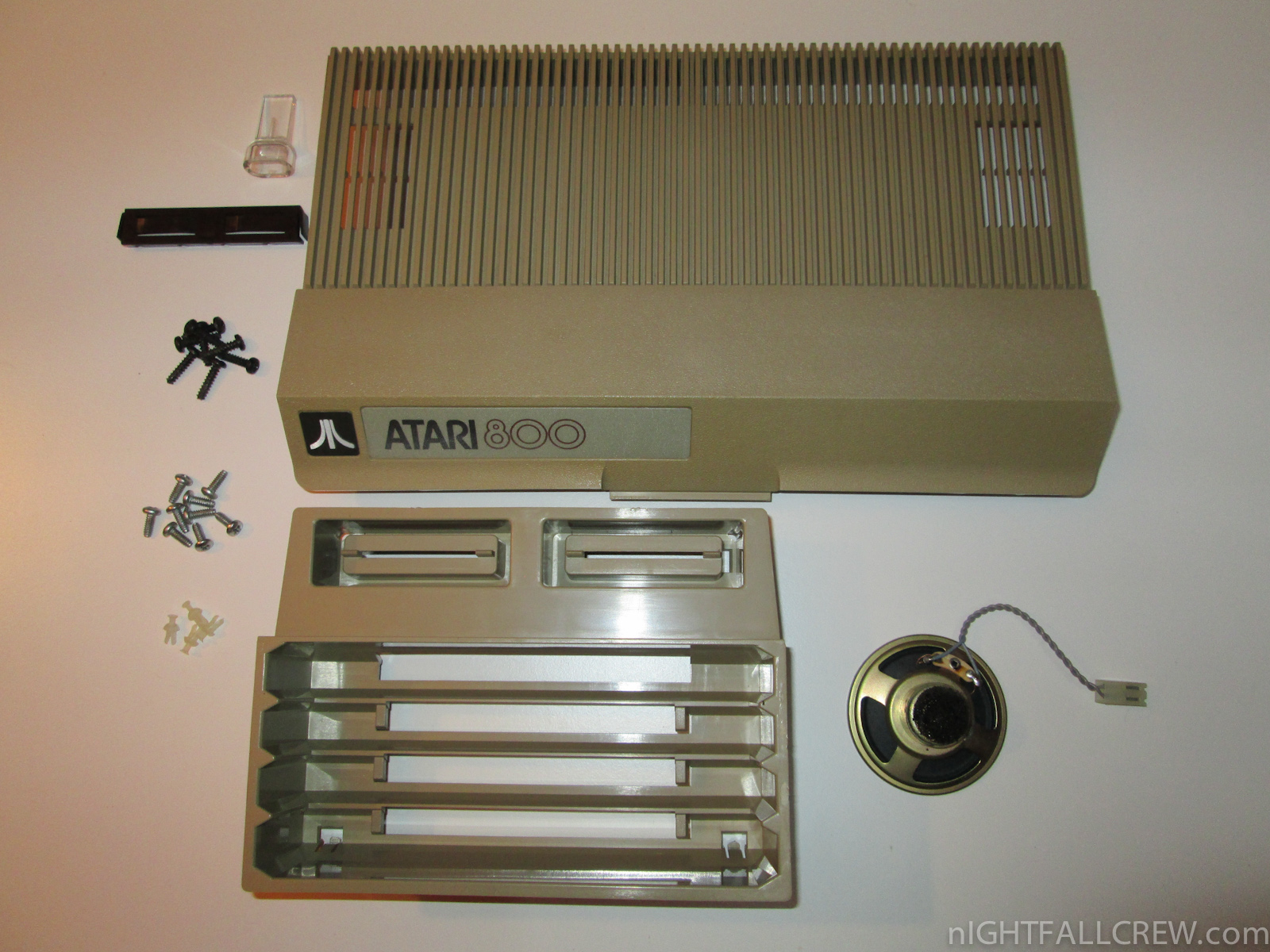
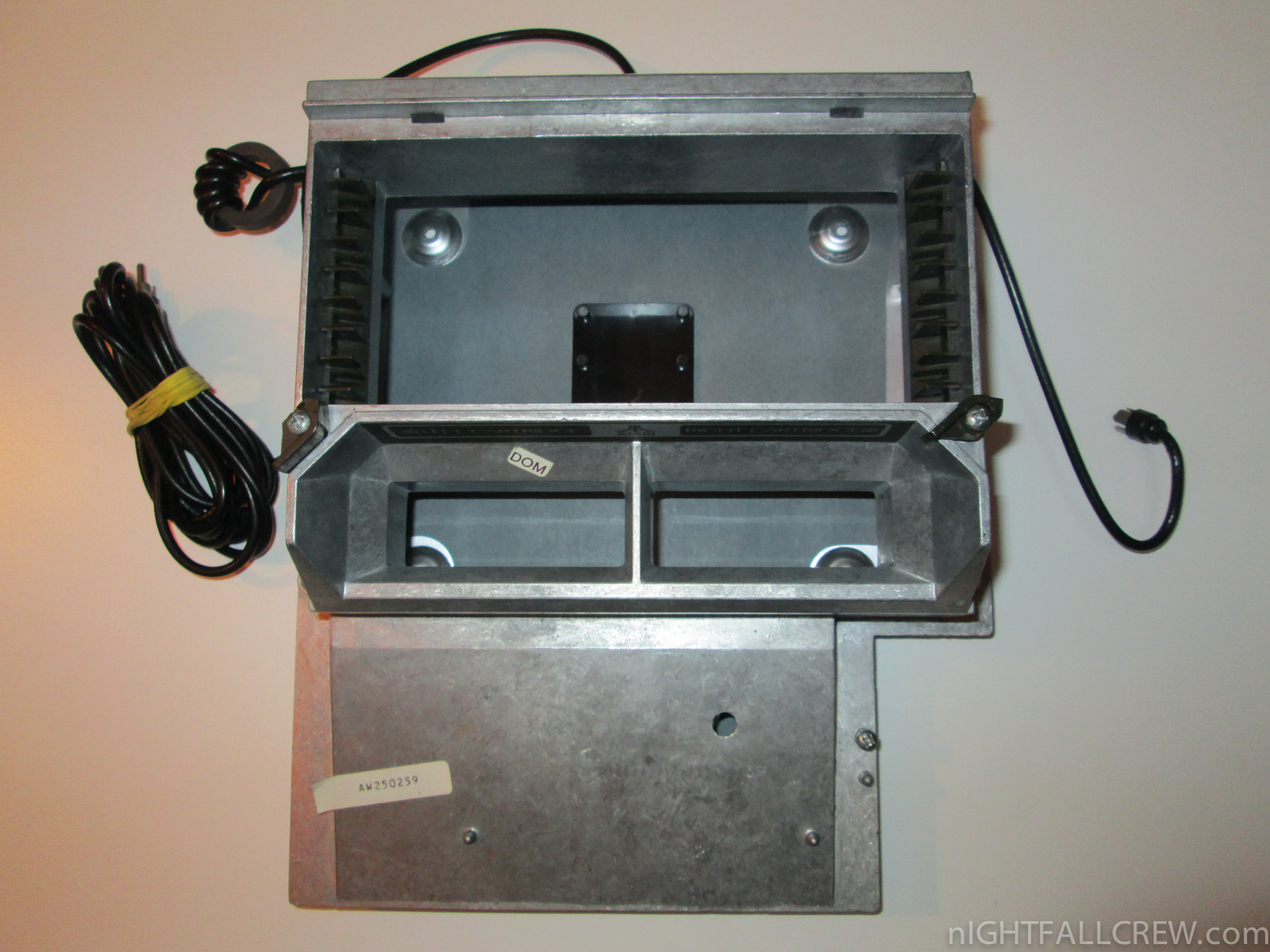
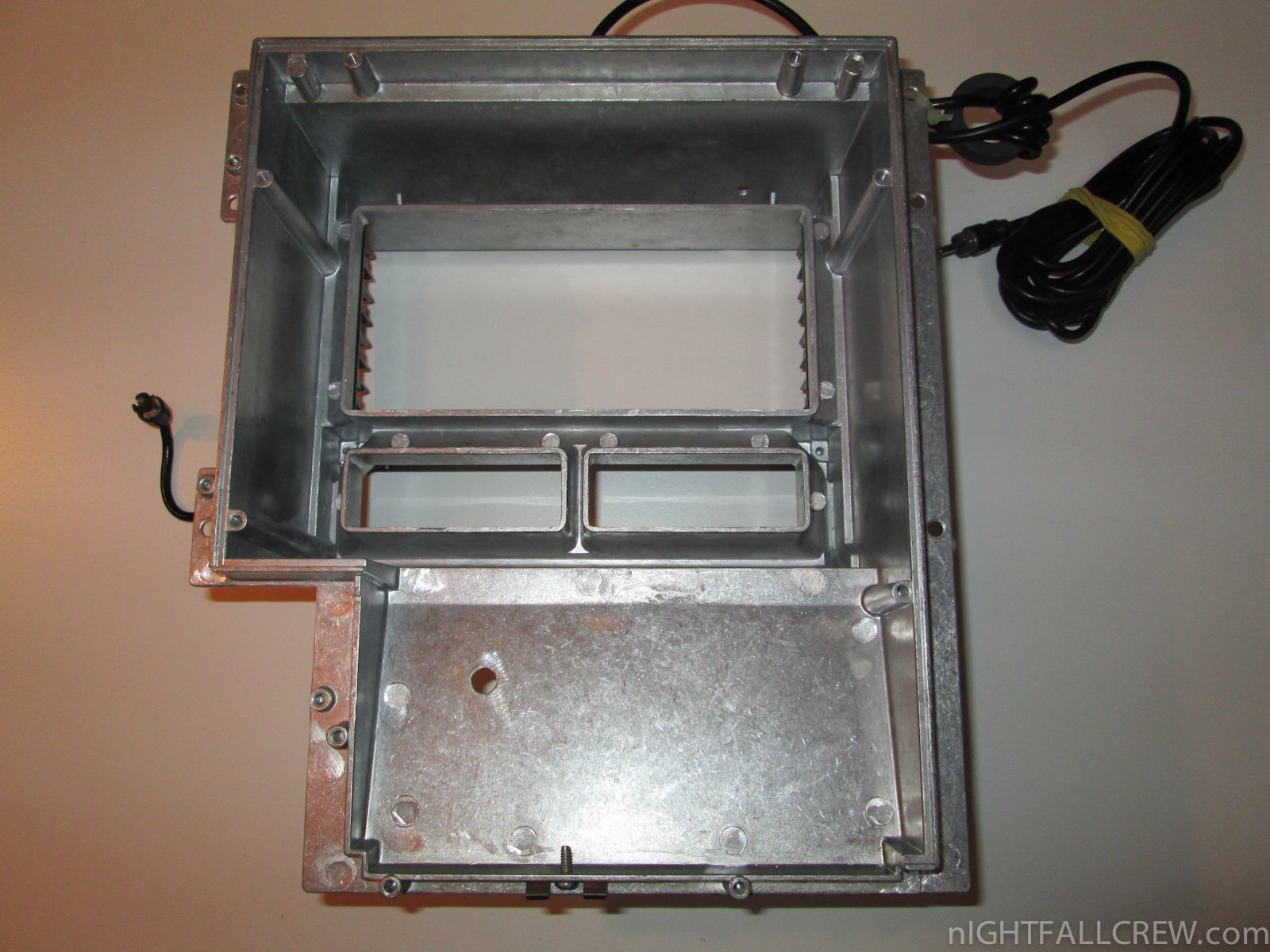
from MyOldComputers.com:
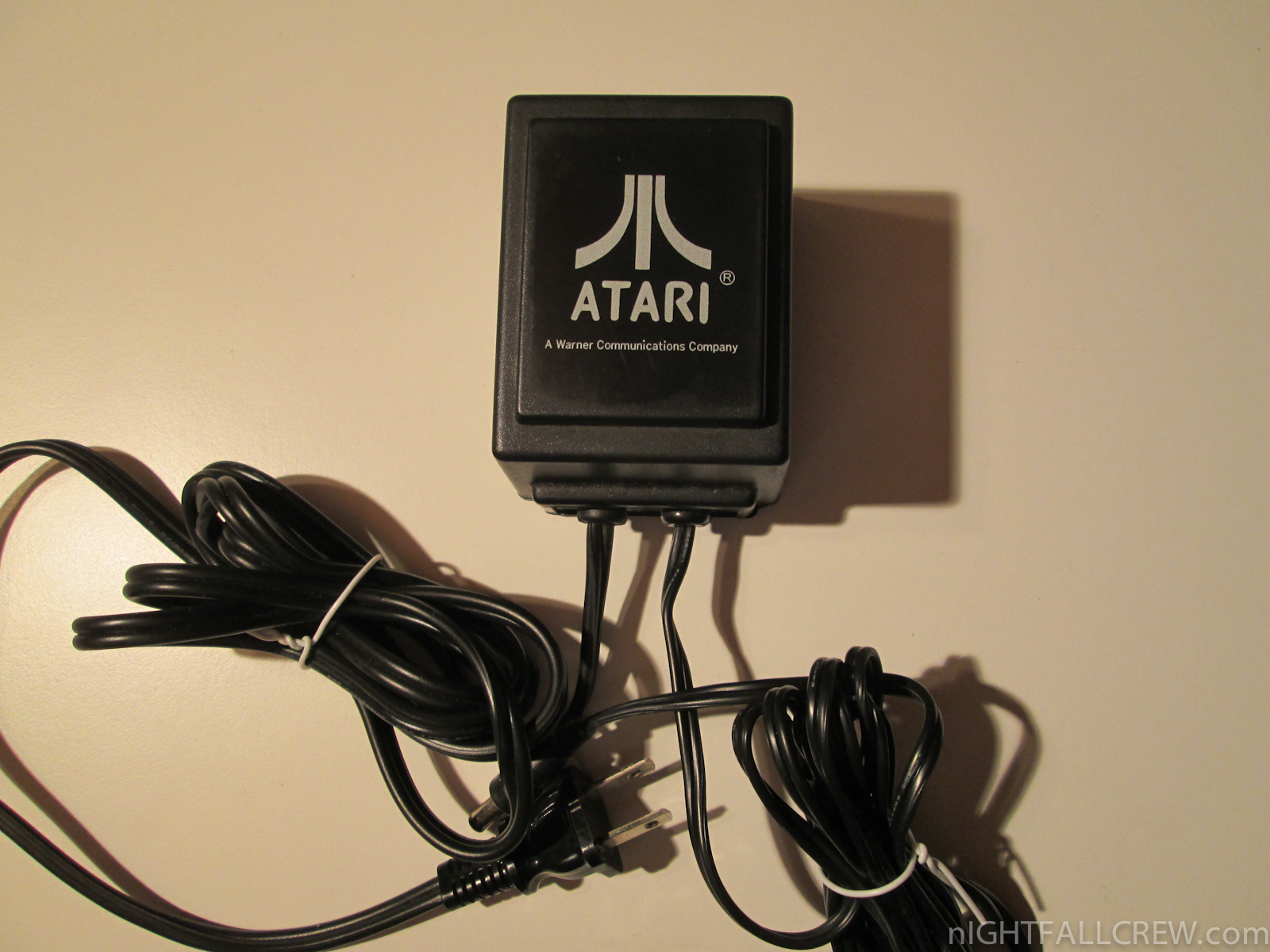
The year was 1978. Atari was at the top of the video gamming world with its 2600 VCS game console. Atari management looked around and saw a new and potentially lucrative market just beginning to take shape. This market was the Home Computer Market. They saw a market with relatively few major competitors and Atari was in a great position to market a computer of their own. They, after all, were a trusted household name, everyone owned an Atari or knew someone who did!
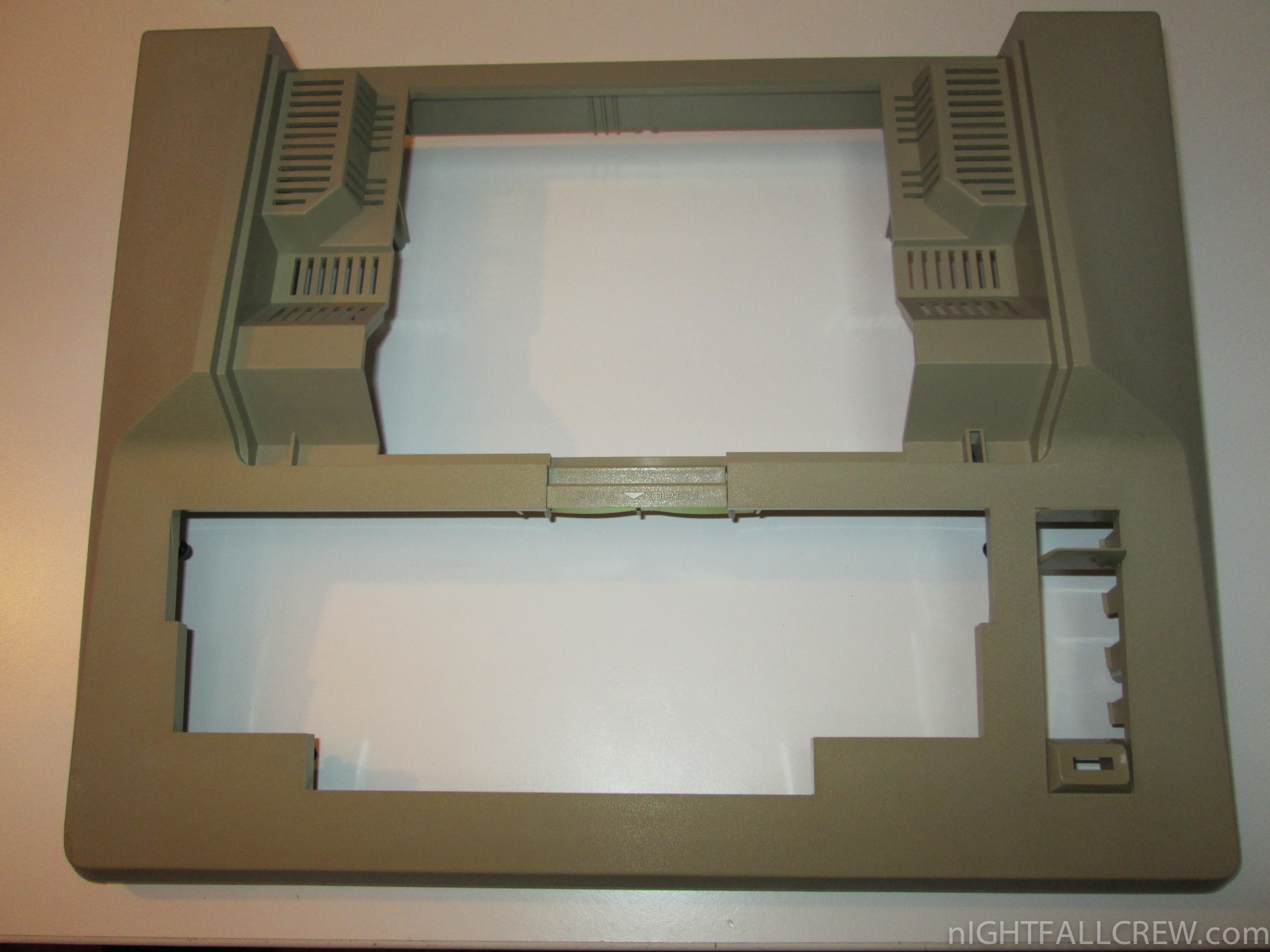
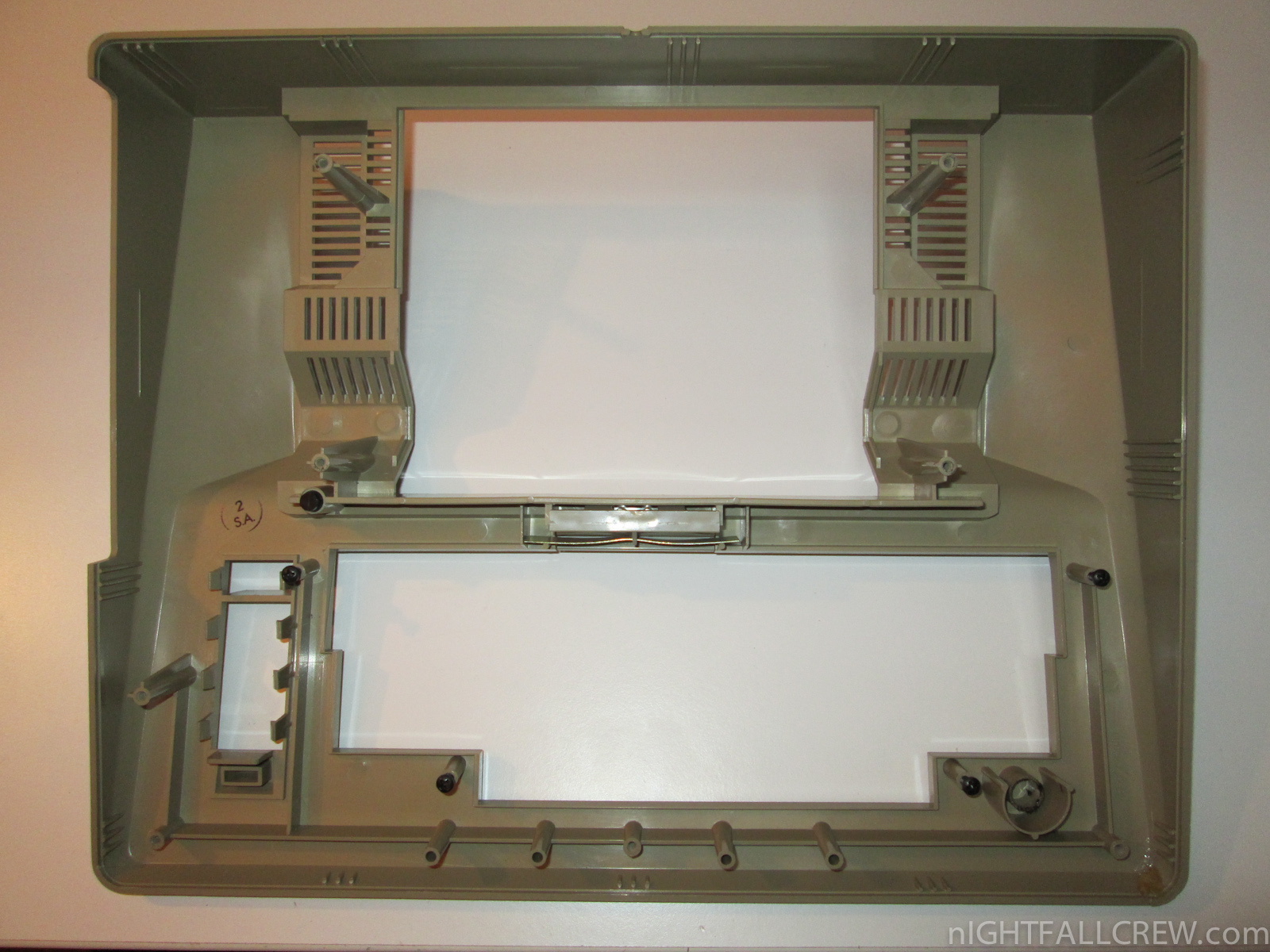
So December of 1978 Atari introduced the 400 and 800 series computers. The actual computers were not delivered until late 1979 due to production problems. The 400 was a scaled down version of the Atari 800. Introduced as an entry level computer based on the same MOSTEK 6502A processor running at 1.70 MHz with 16K of user RAM built in. It had a membrane style keyboard (not very touch type friendly) with 62 touch sensitive keys and 4 special keys to the right of the keyboard.
It stood out amongst the other computer offerings of the day with its graphics and sound capabilities. It was capable of producing 128 colors on the screen using the CTIA video processor and up to 256 colors with the upgraded GTIA video processor chip used on later versions of the computer. The 400 was first amongst the early computers to be able to display 4 programmable screen objects simultaneously called ‘Player-missiles’ (also known as ‘Sprites’ on Commodore computers). This was at a time when the most computers produced only monochrome displays or very primitive 8 color screens. The graphics were handled by a custom chip called the “ANTIC” (CTIA/GTIA). This chip was designed to work as a sort of co-processor to take the work load away from the main processor to display graphics and color on the screen.
The team that developed the custom chips inside the 400 and 800 was headed by Jay Miner who later, after leaving Atari, headed the teams who developed the custom chips that surrounded the Motorola MC68000 processor that powered arguably the most advanced computer of its time, The Amiga 1000!
source: myoldcomputers.com
Autopsy:
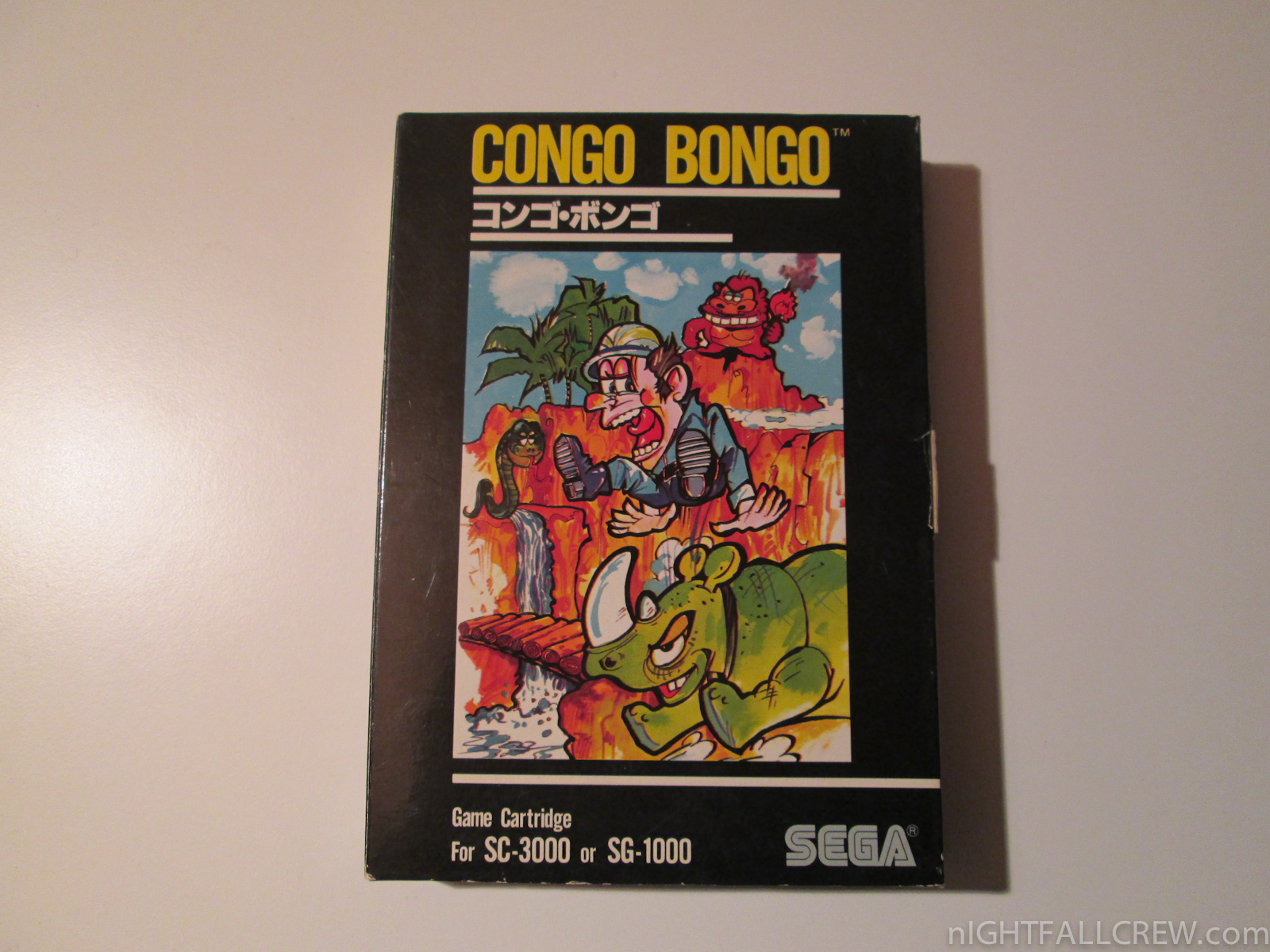
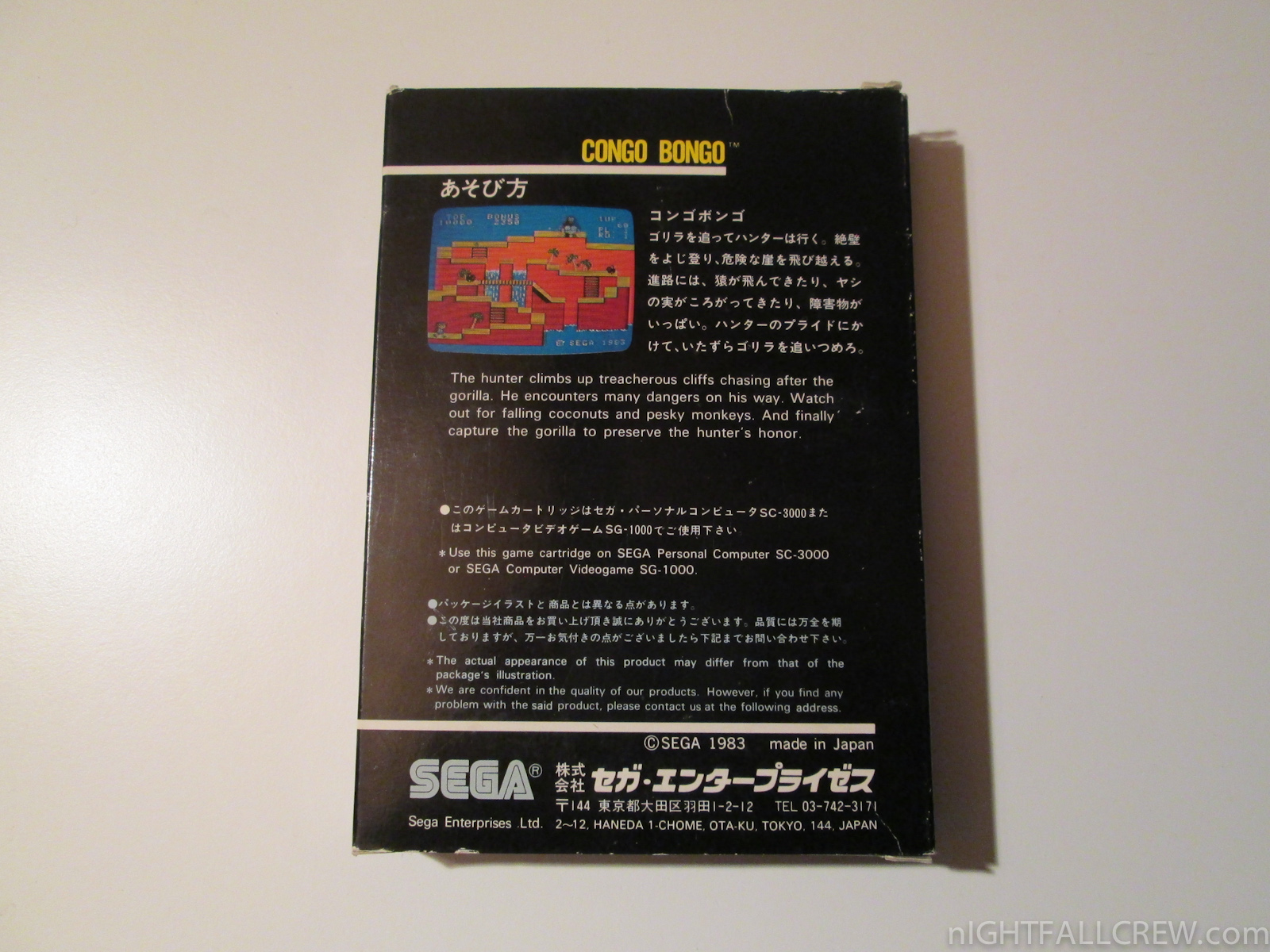
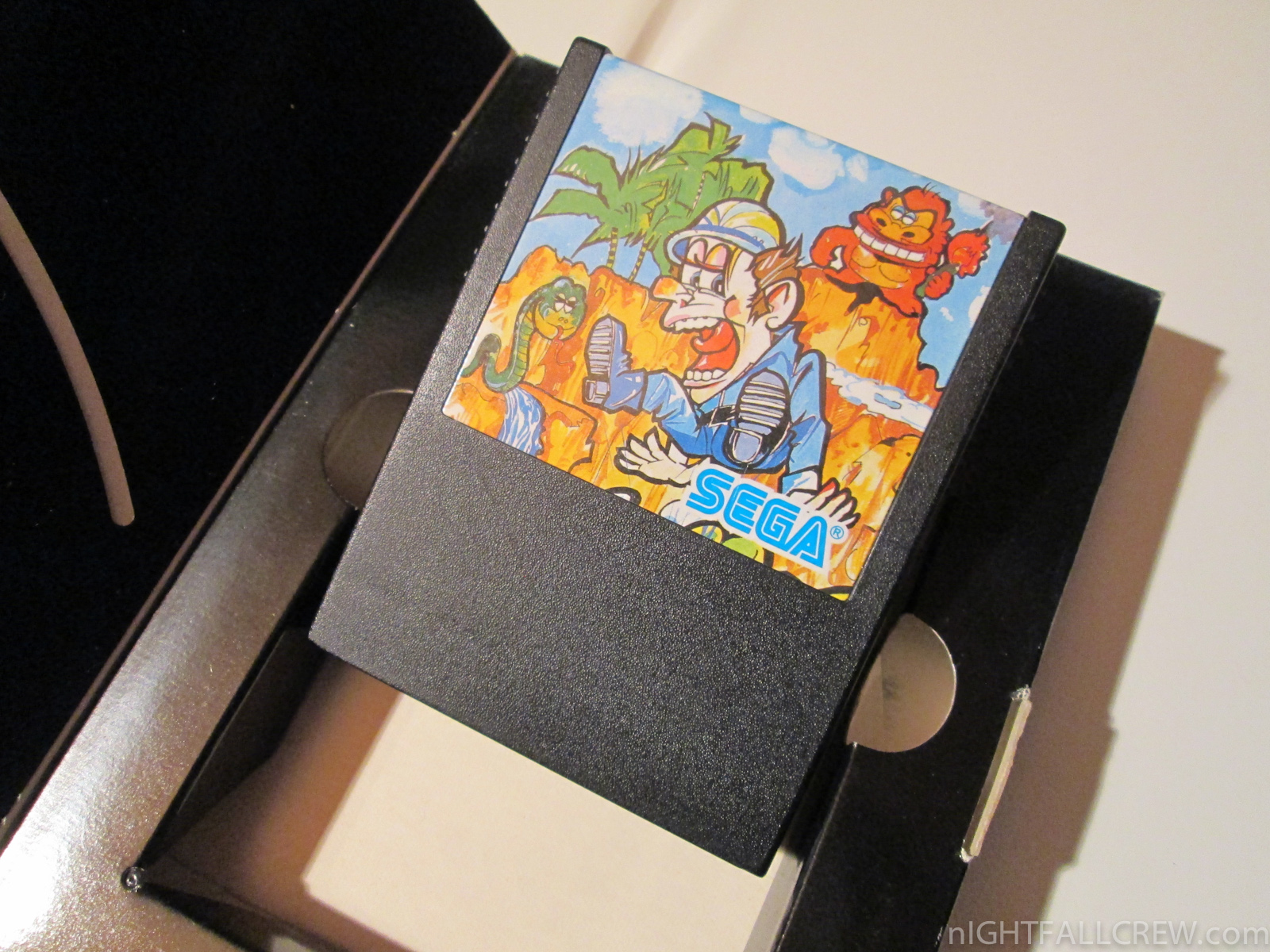
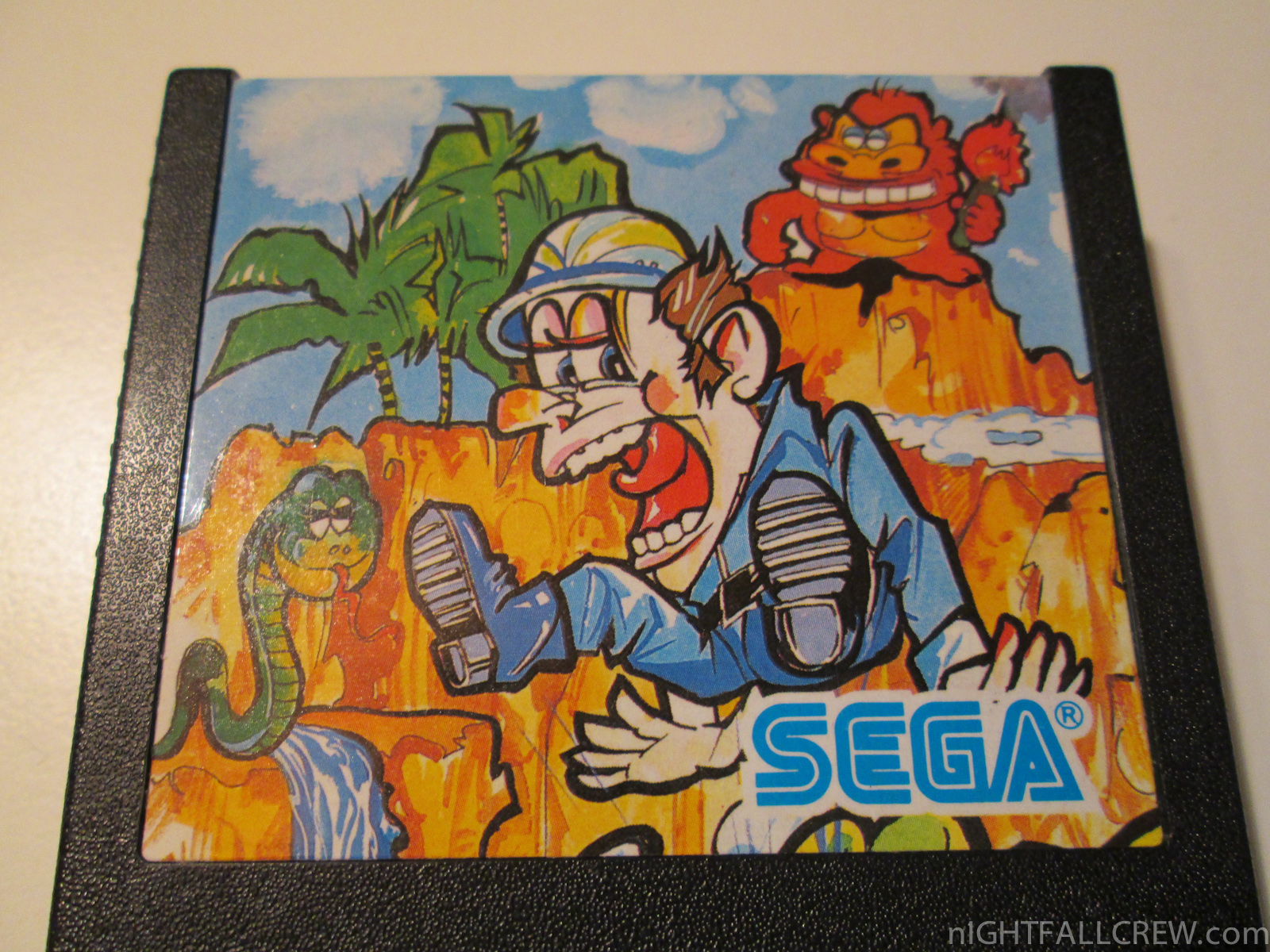
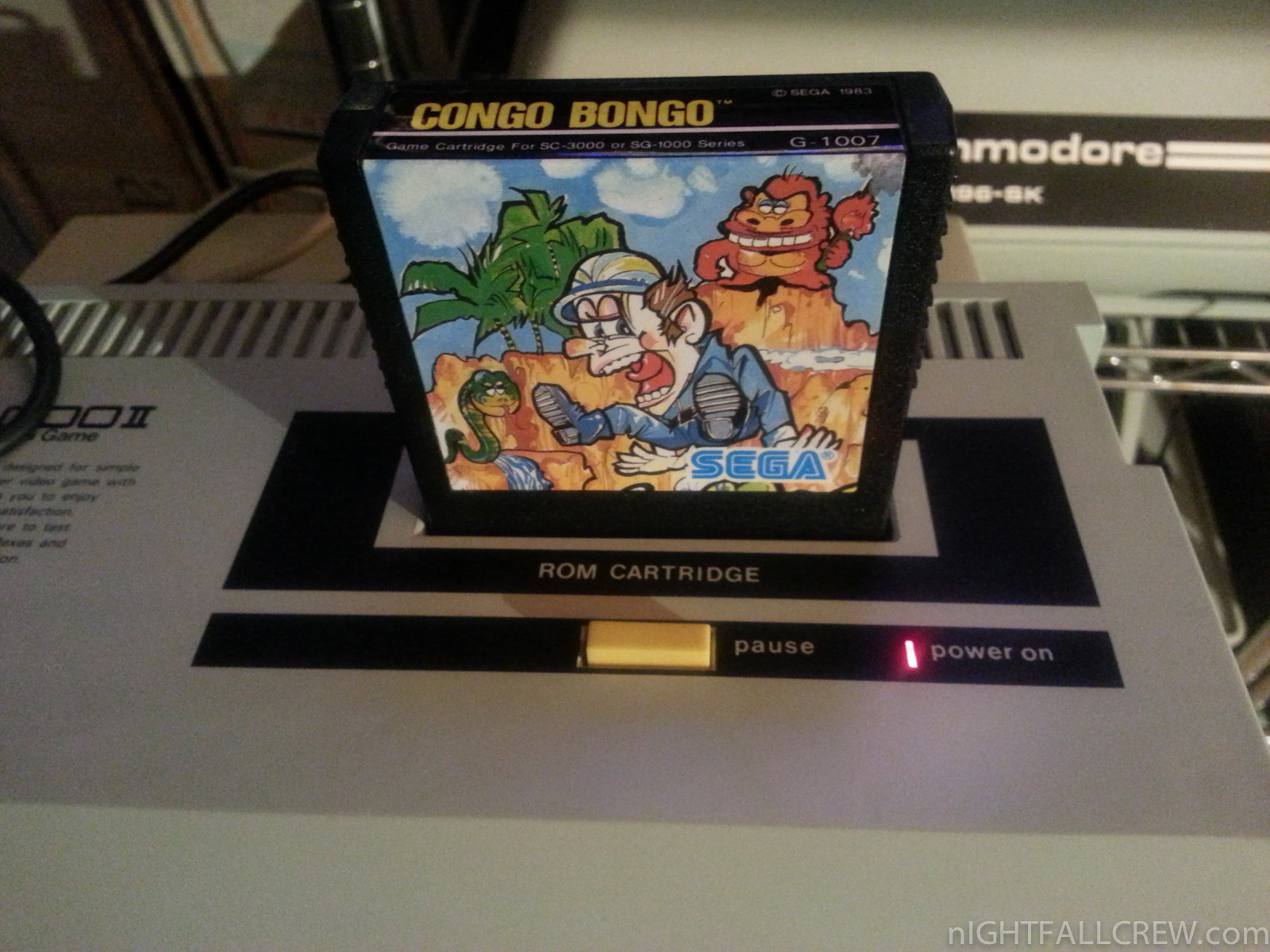
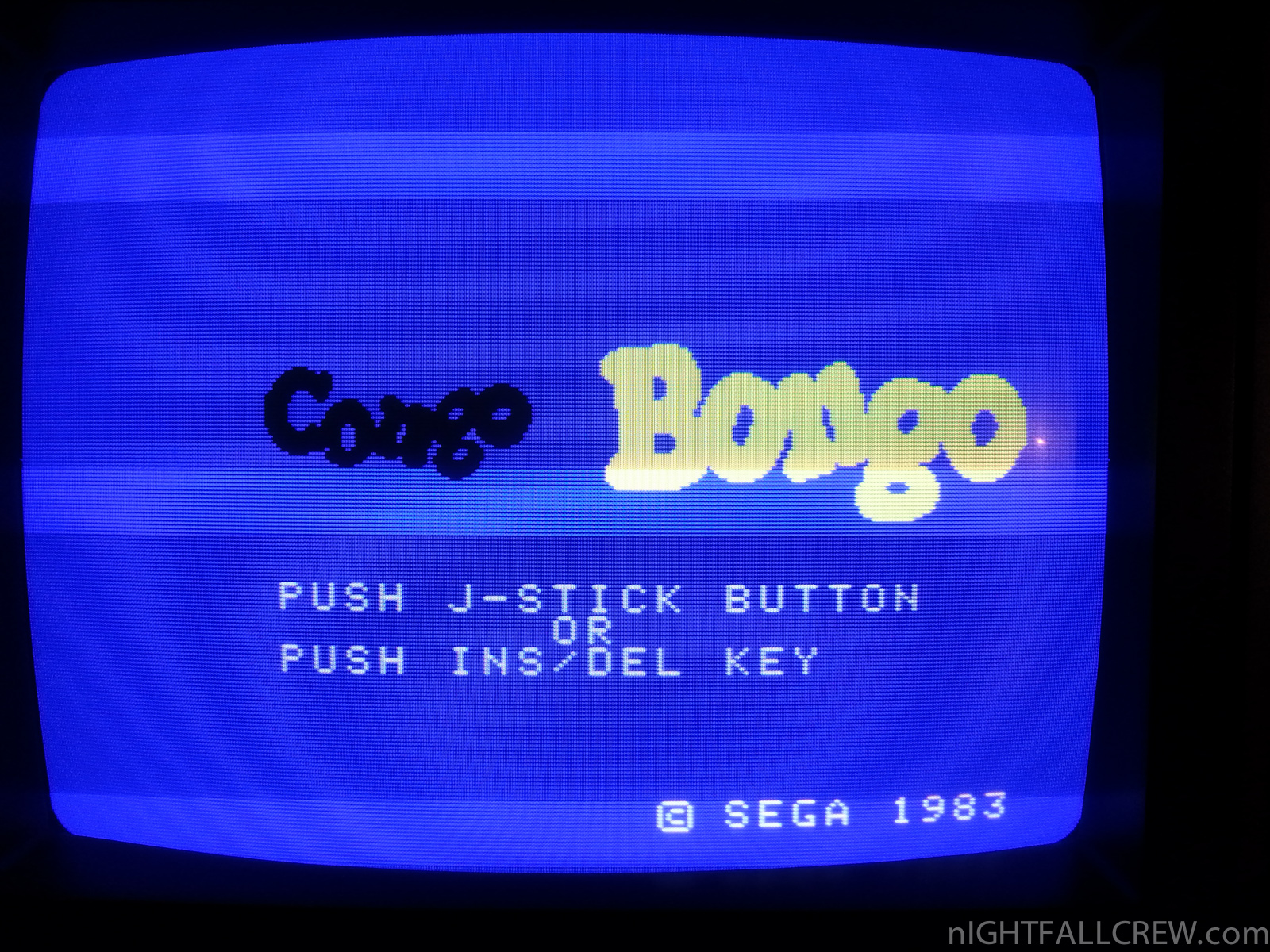
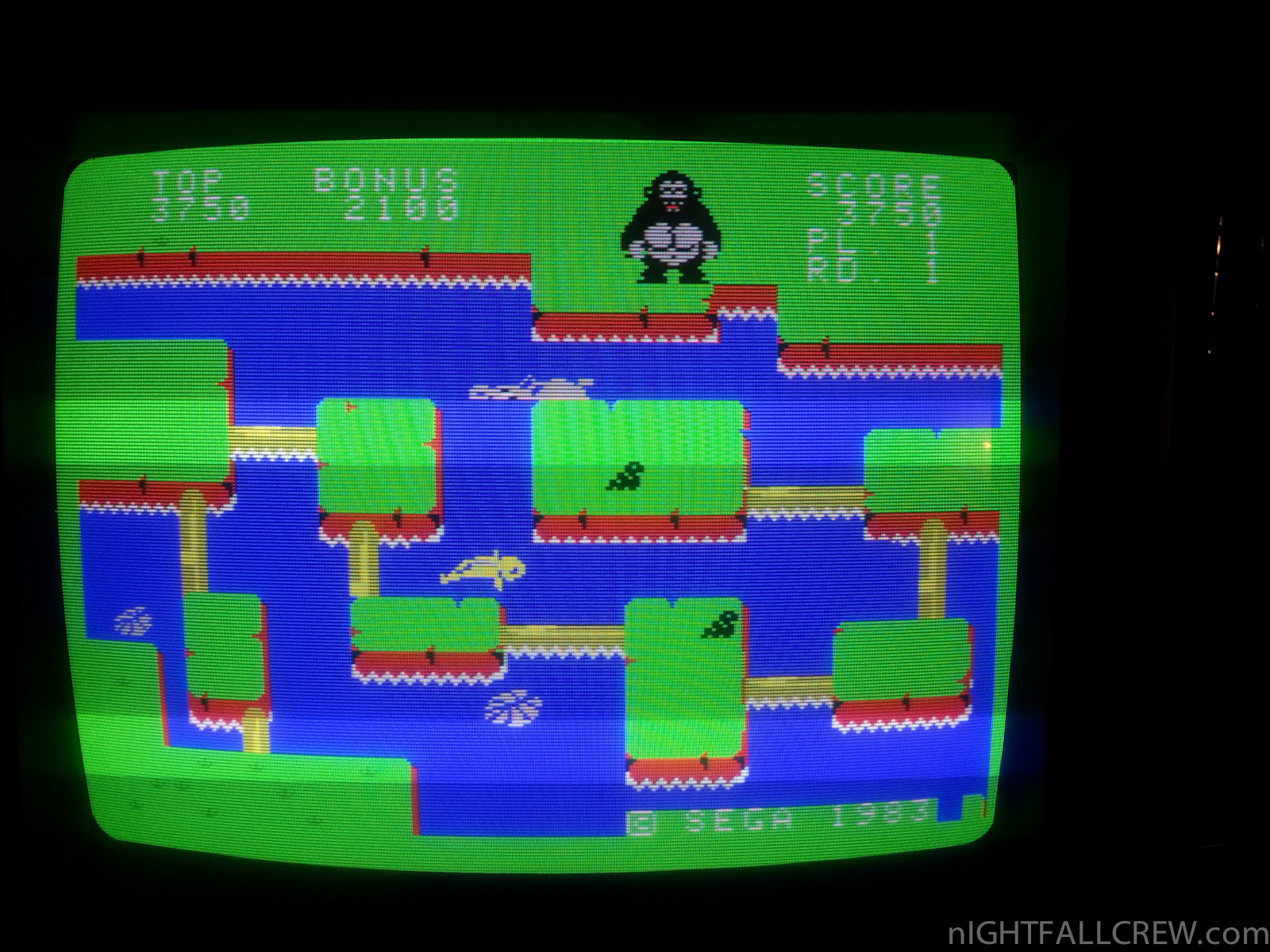
This is a gift from my brother for my birthday.
from Wikipedia:
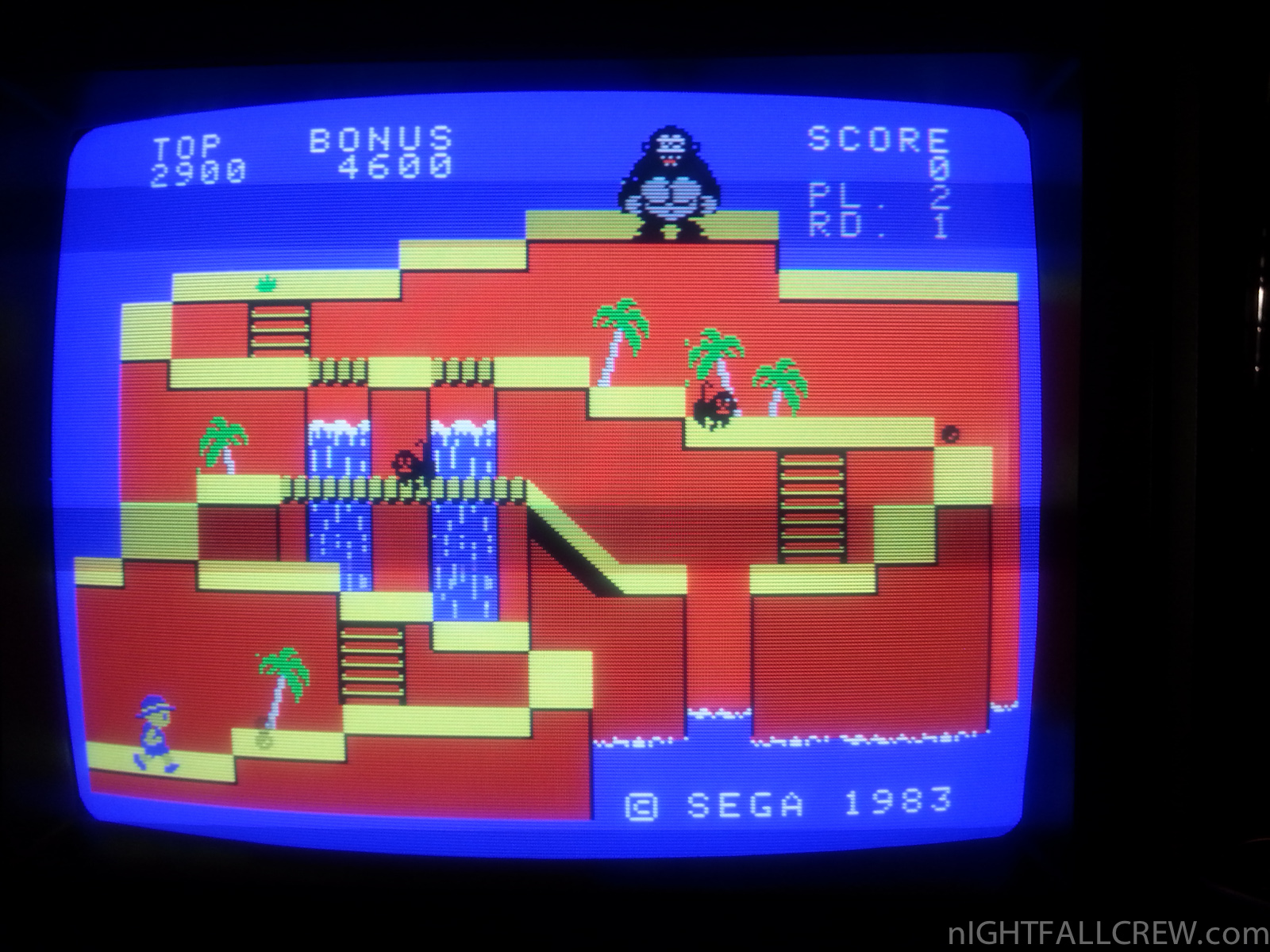
Congo Bongo (J: Tip Top (ティップタップ Tippu Tappu?)) is an isometric platform arcade game released by Sega in 1983. Strong evidence from analysis of the game’s ROM claim that Ikegami Tsushinki also did development work on Congo Bongo.
The game has come to be seen as Sega’s answer to the highly successful Donkey Kong game that was released two years prior. The player takes the role of a red-nosed safari hunter who tries to catch an ape named “Bongo”. The hunter seeks Bongo to exact revenge for an apparent practical joke in which Bongo set fire to the hunter’s tent, giving him a literal “hotfoot”. Game was named by Pete Gorrie who was the CFO at that time.
source: wikipedia
Autopsy:
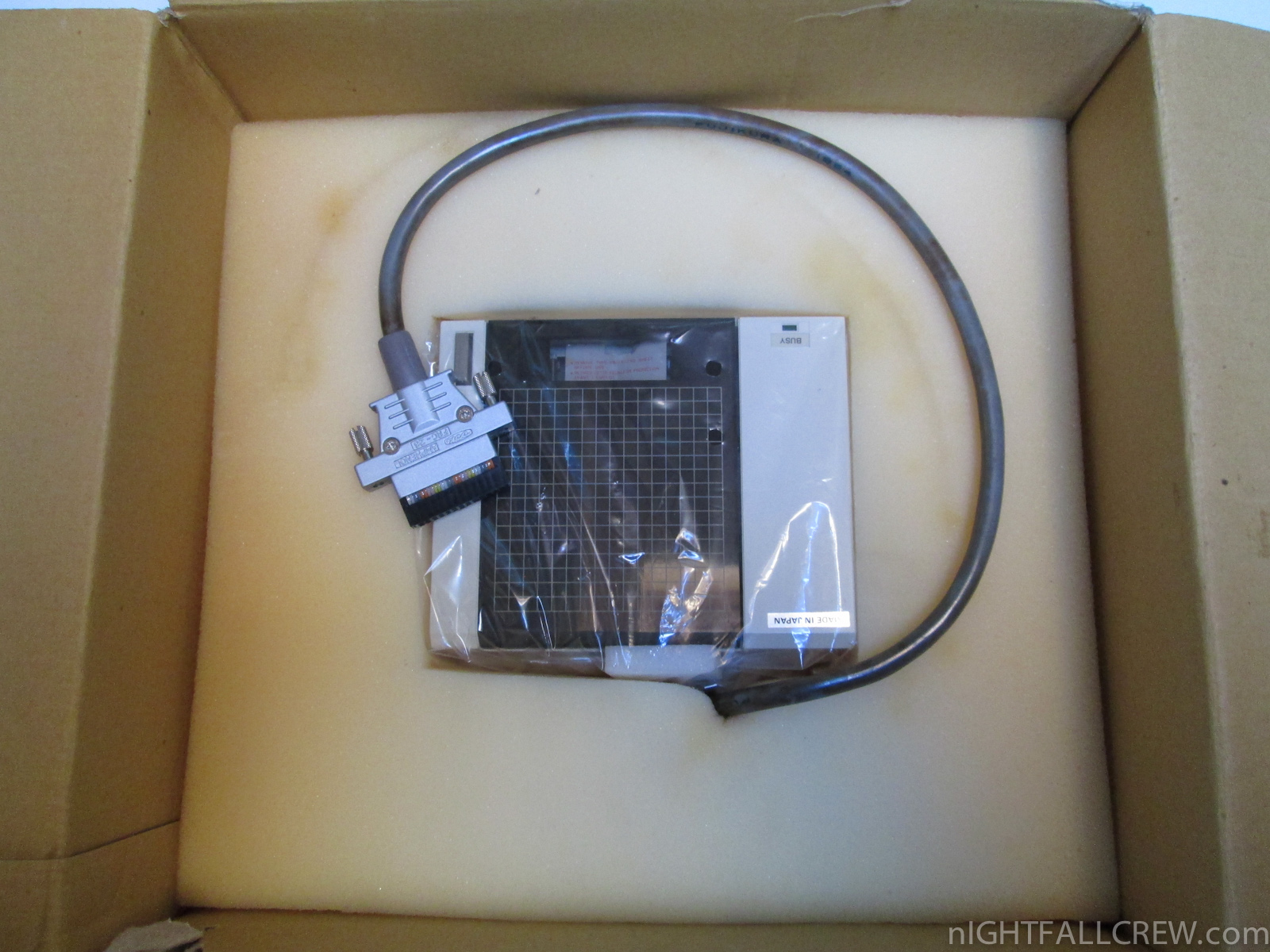
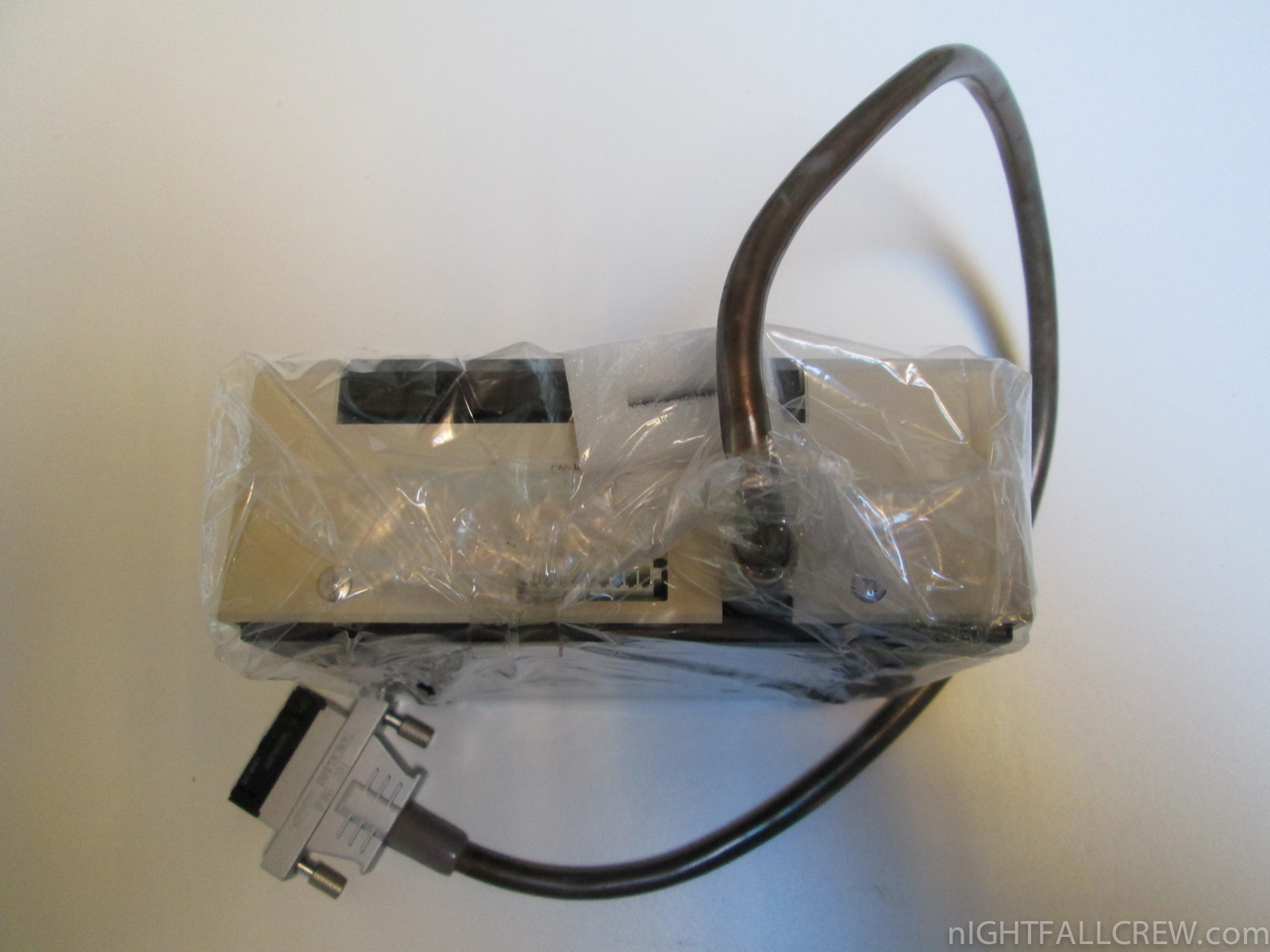

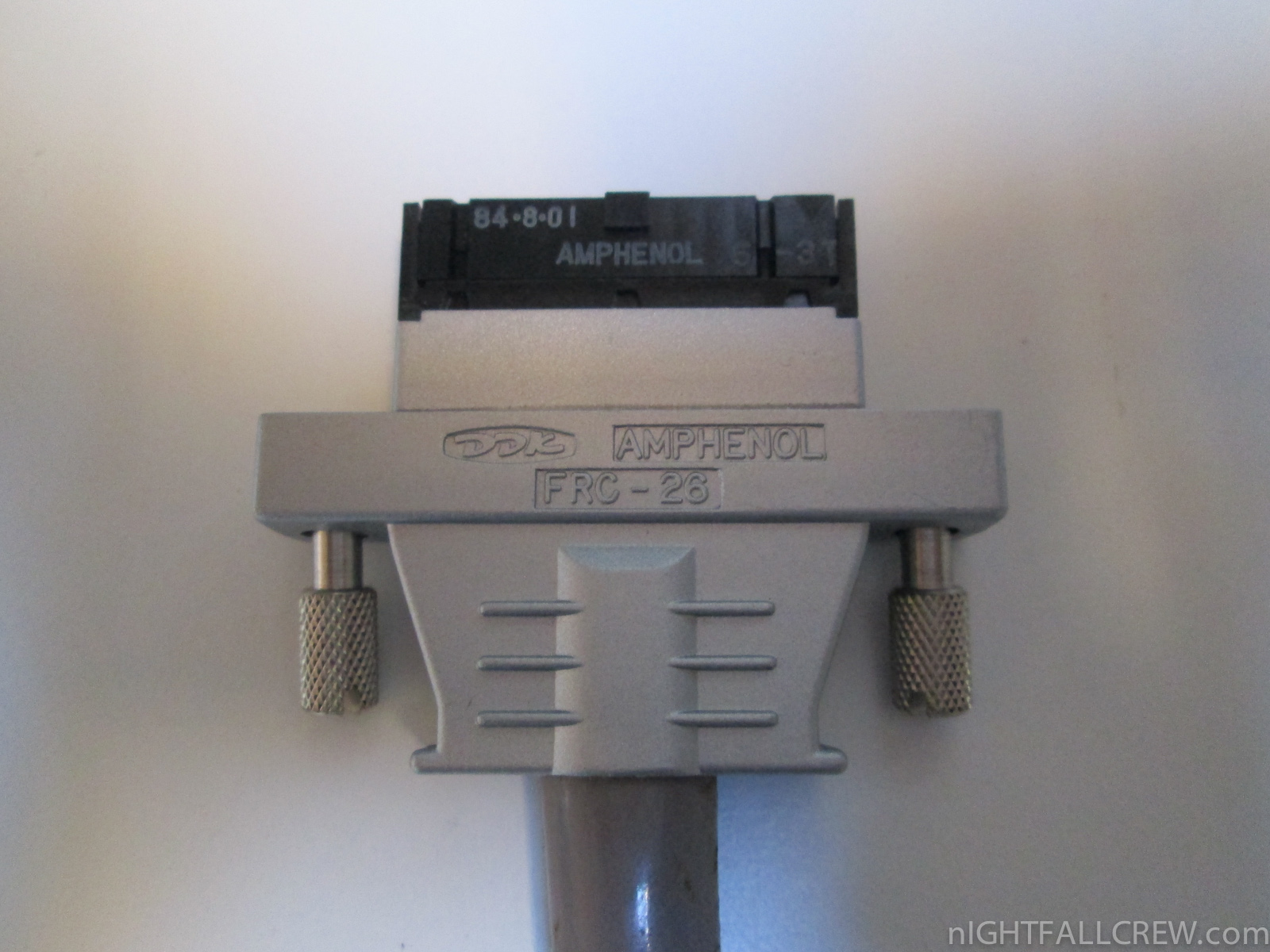
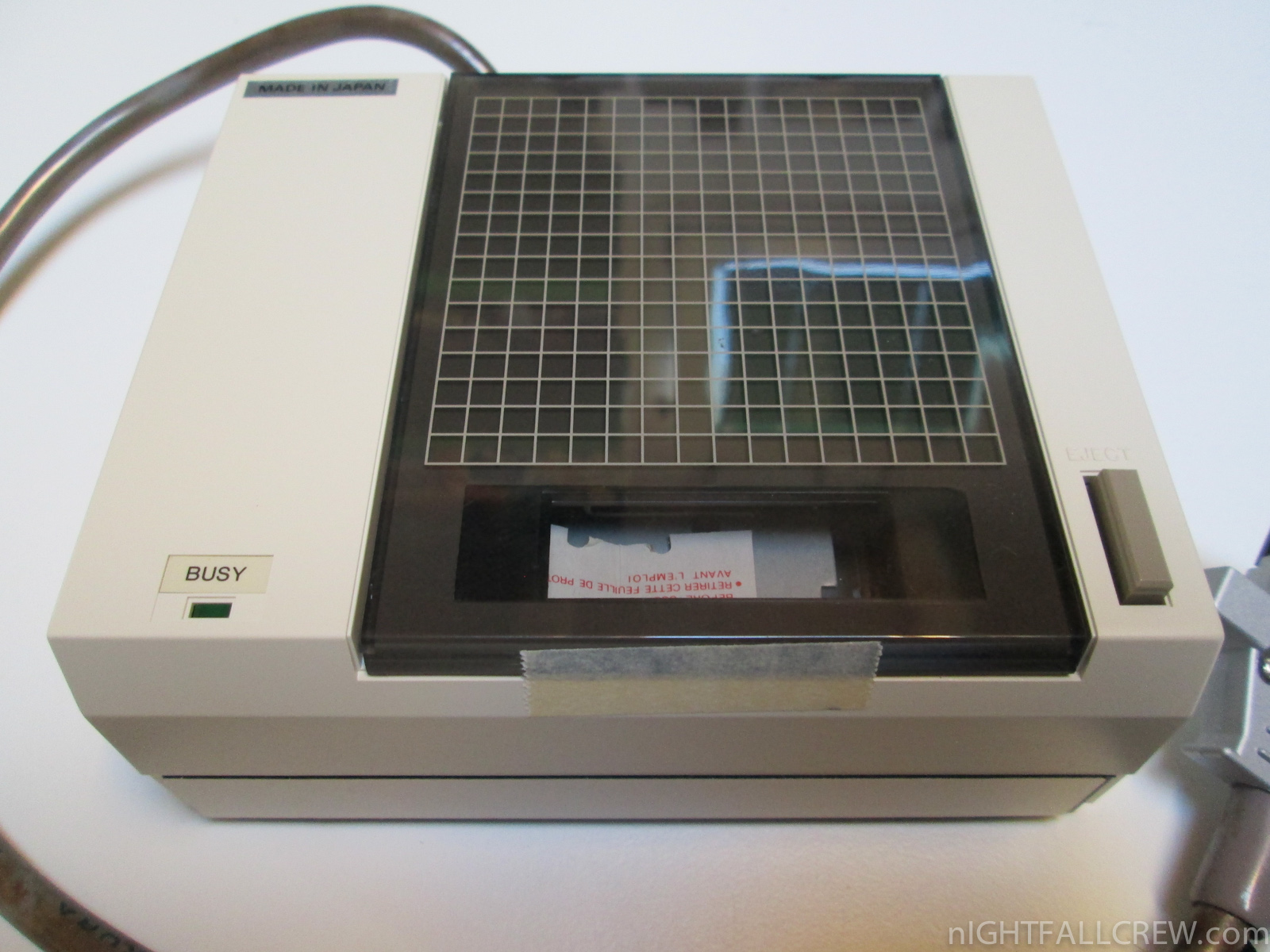
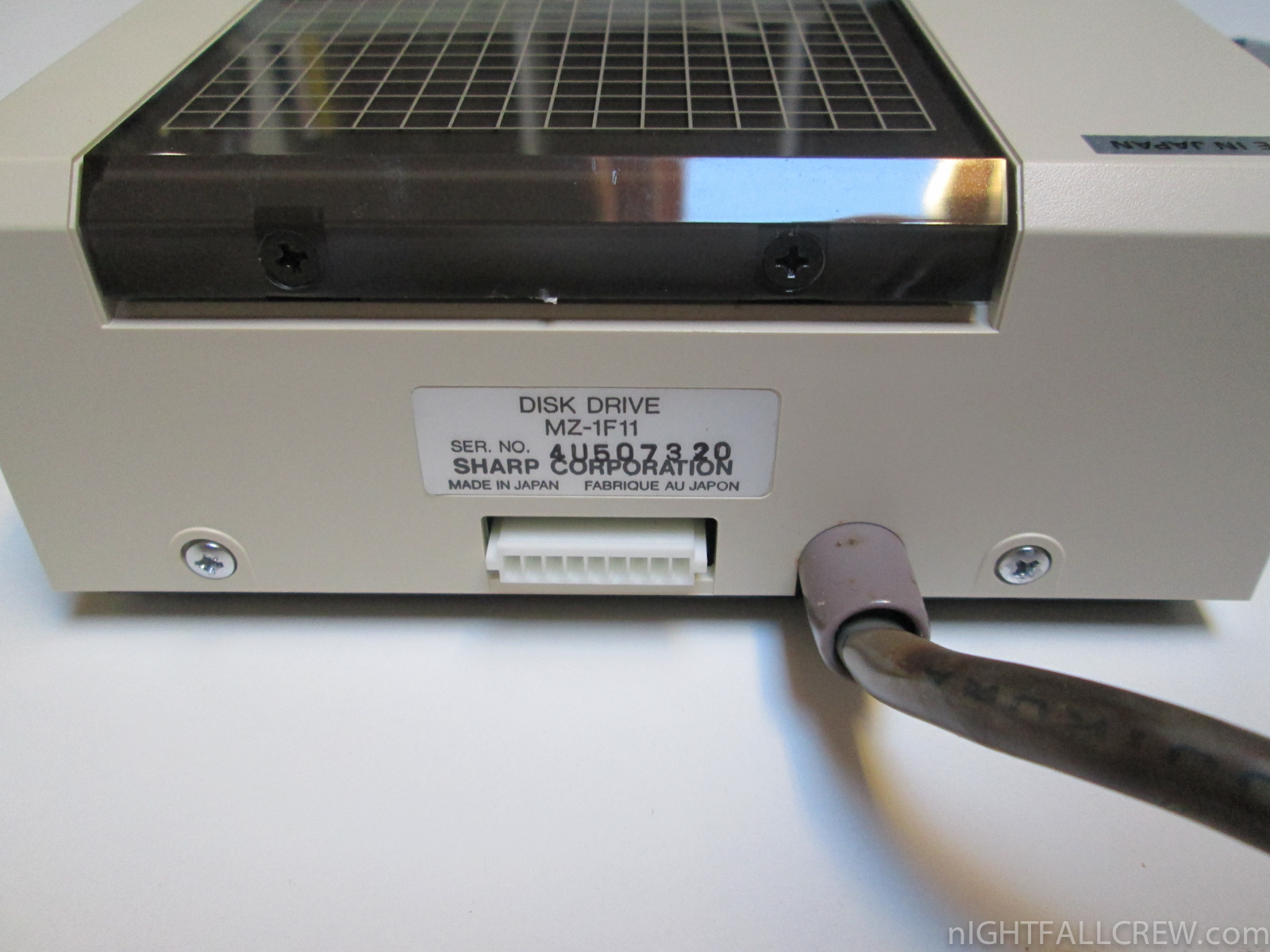
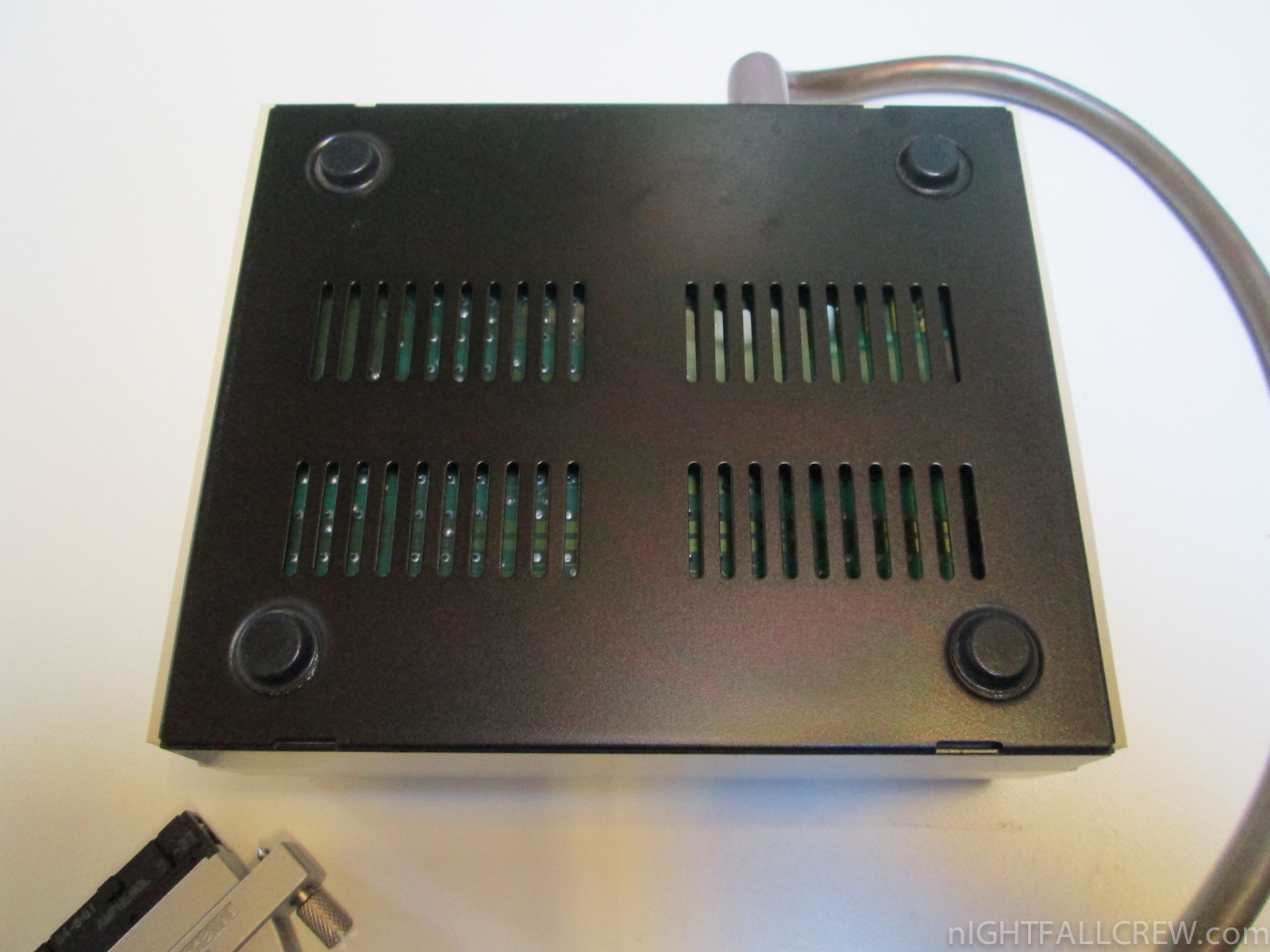
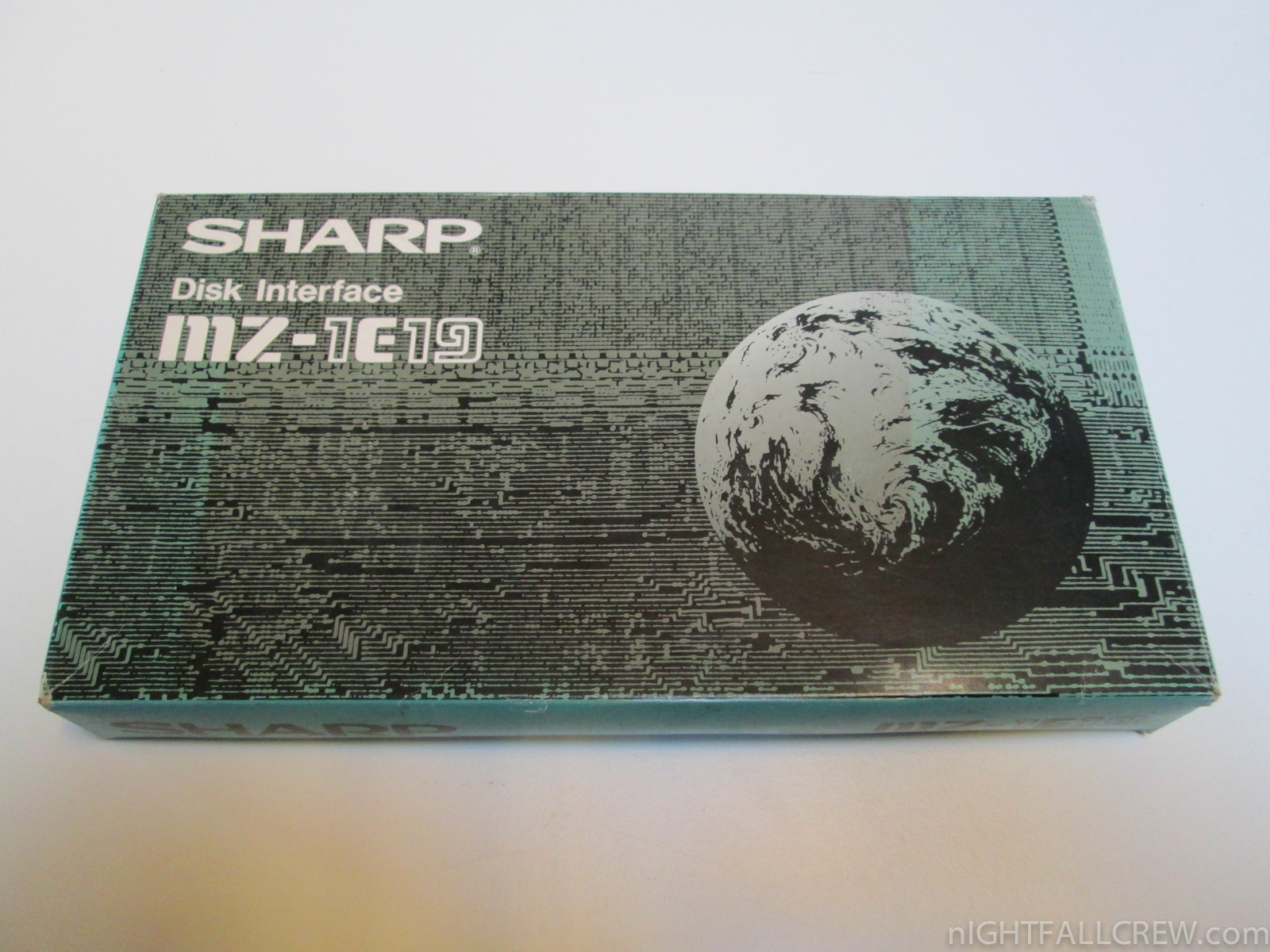
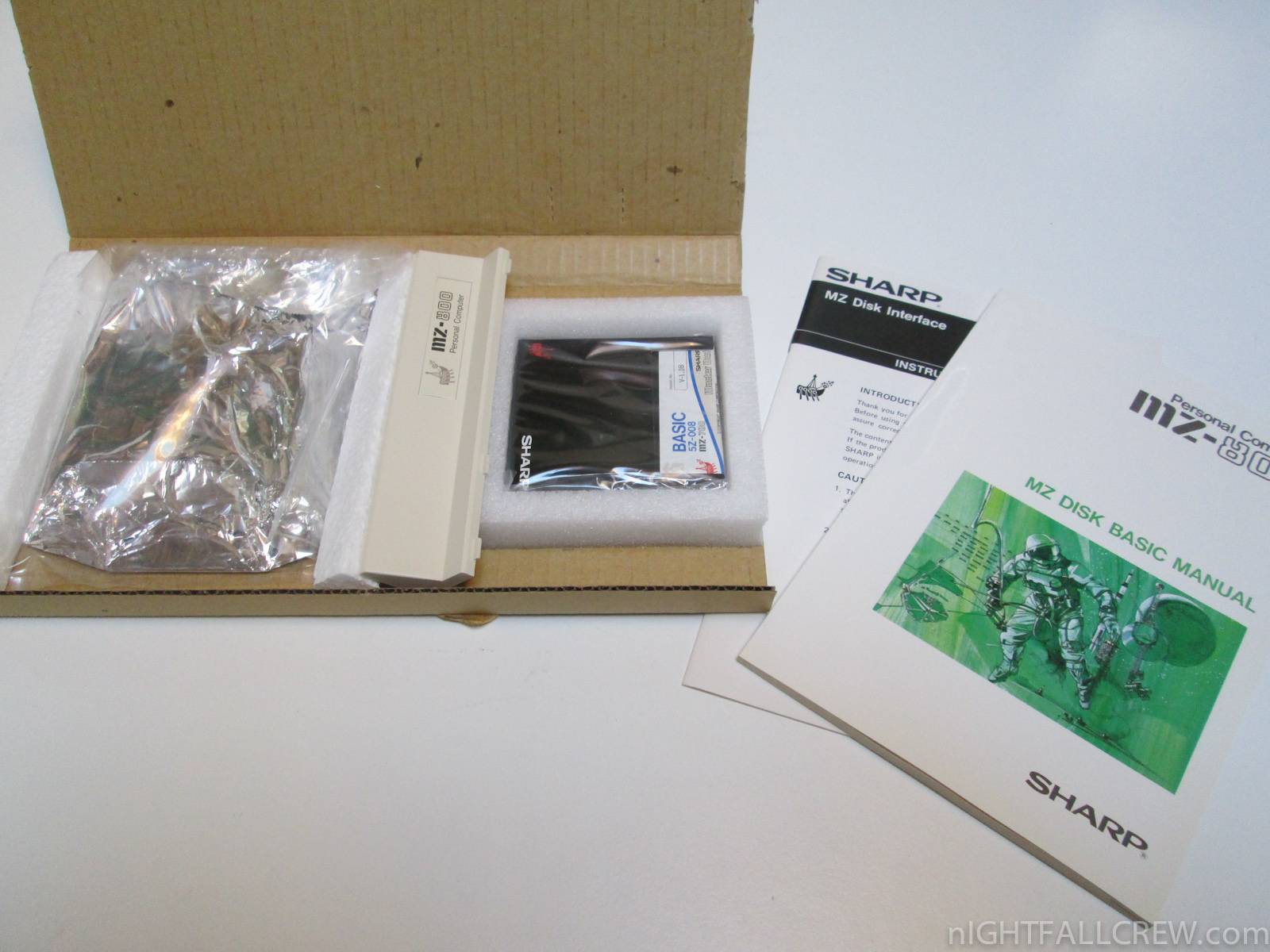
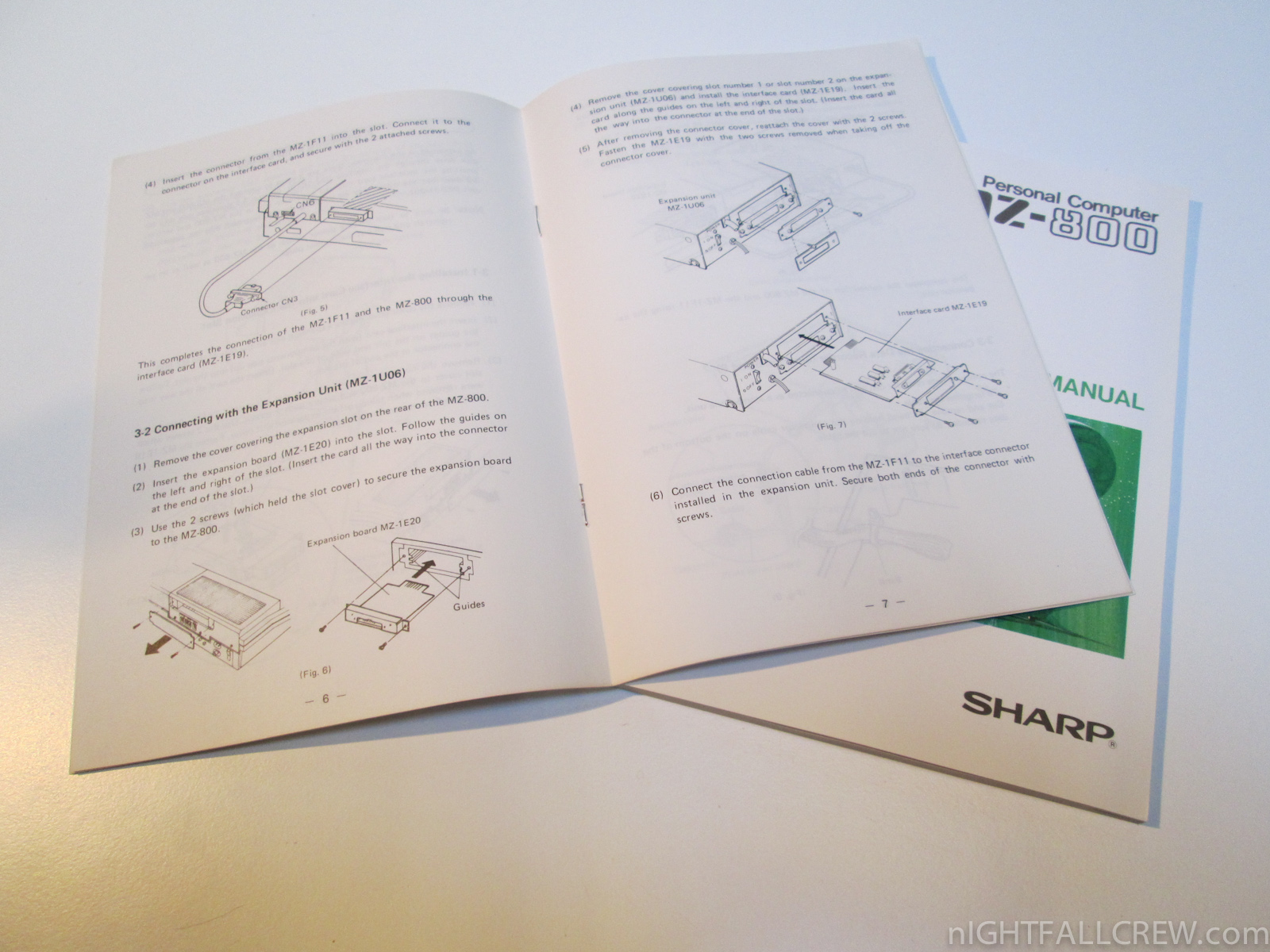
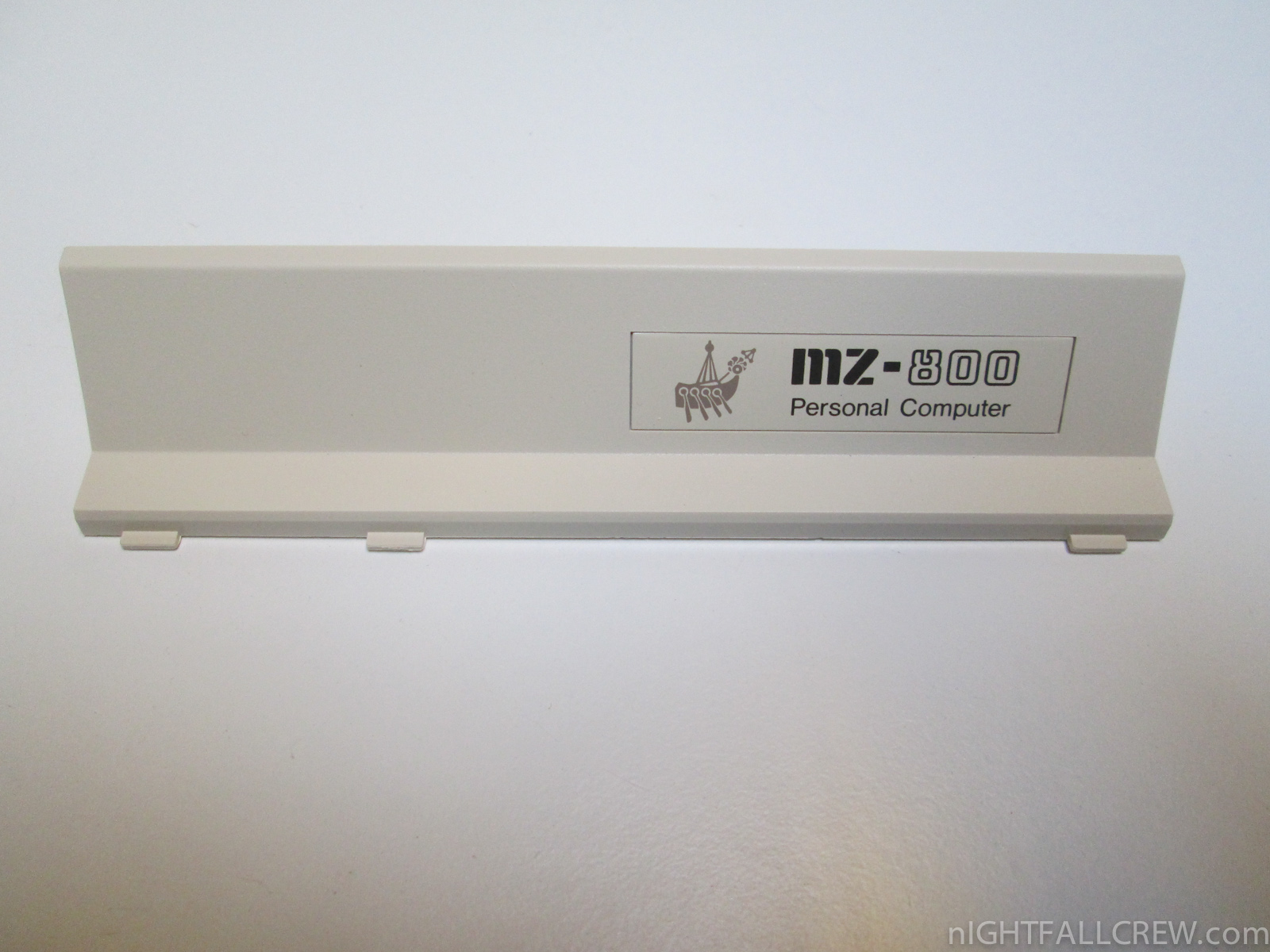
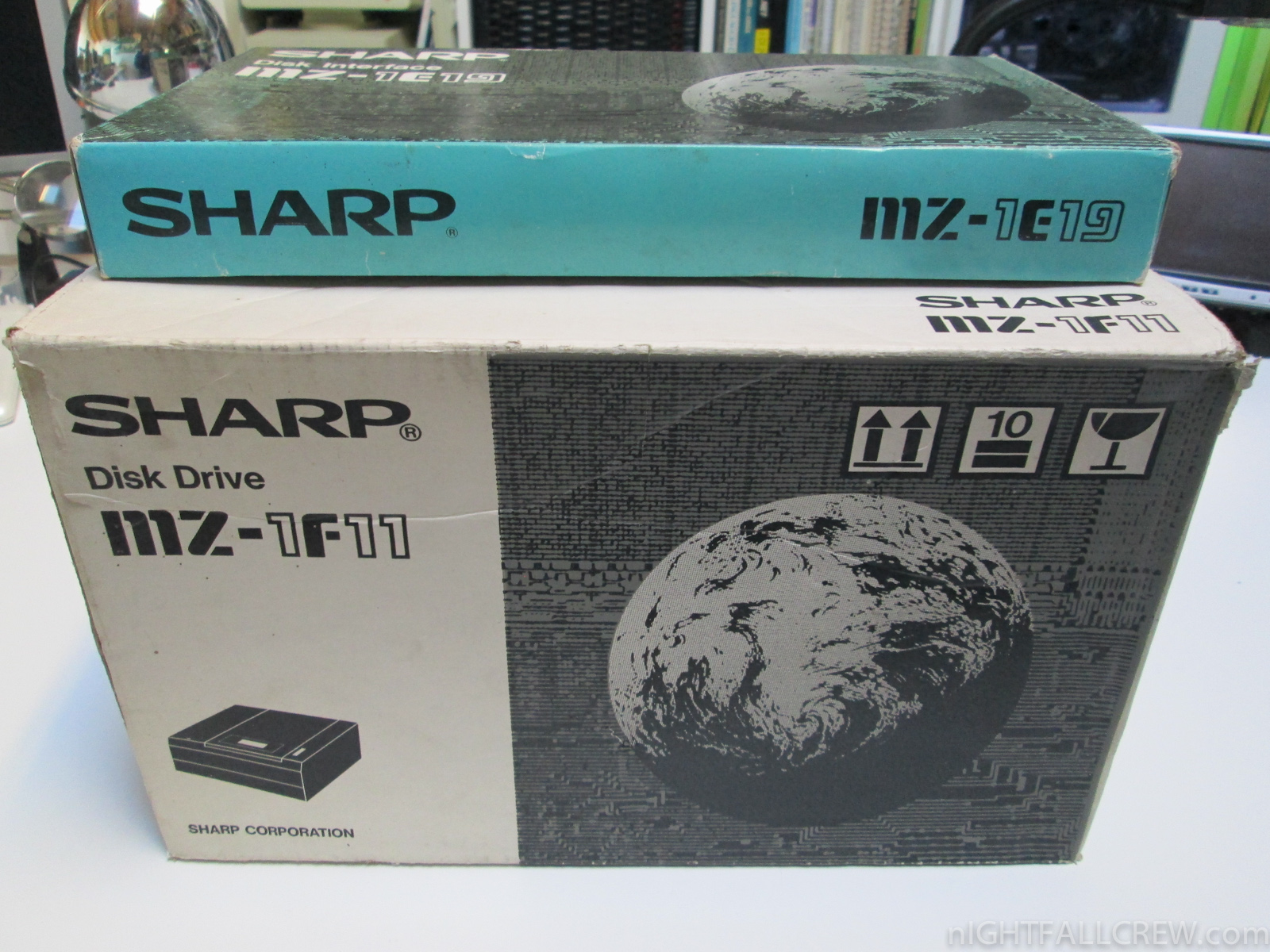
Thanks go to Andrea Pierdomenico for sending these two things in perfect condition and ‘seems’ never used.
from SharpMz.org:
The Quick Disk drive in terms of cost is was a more practical proposition for the home user. The drive is built into the computer for the MZ-700 and MZ-800 in place of the data recorder.
The Quick Disk allows you to load 64K of sequential data in 8 seconds, which is a vast improvement in performance compared to cassette tapes. However, the Quick Disk operates in a very similar way to cassette tapes in that data has to be accessed sequentially, rather than at random as is possible with the floppy drives.
A special Quick BASIC is supplied. However, perhaps the most interesting way of using the Quick Disk would be as a back-up store to the RAM file card, described in the next section, as this configuration would give a very effective system which was rapid in use, at reasonable cost.
source: sharpmz.org


Recent Comments