September 18th, 2009
1 comment
Categories: CBS Coleco Vision, Gallery, Retro Computers and other stuff...
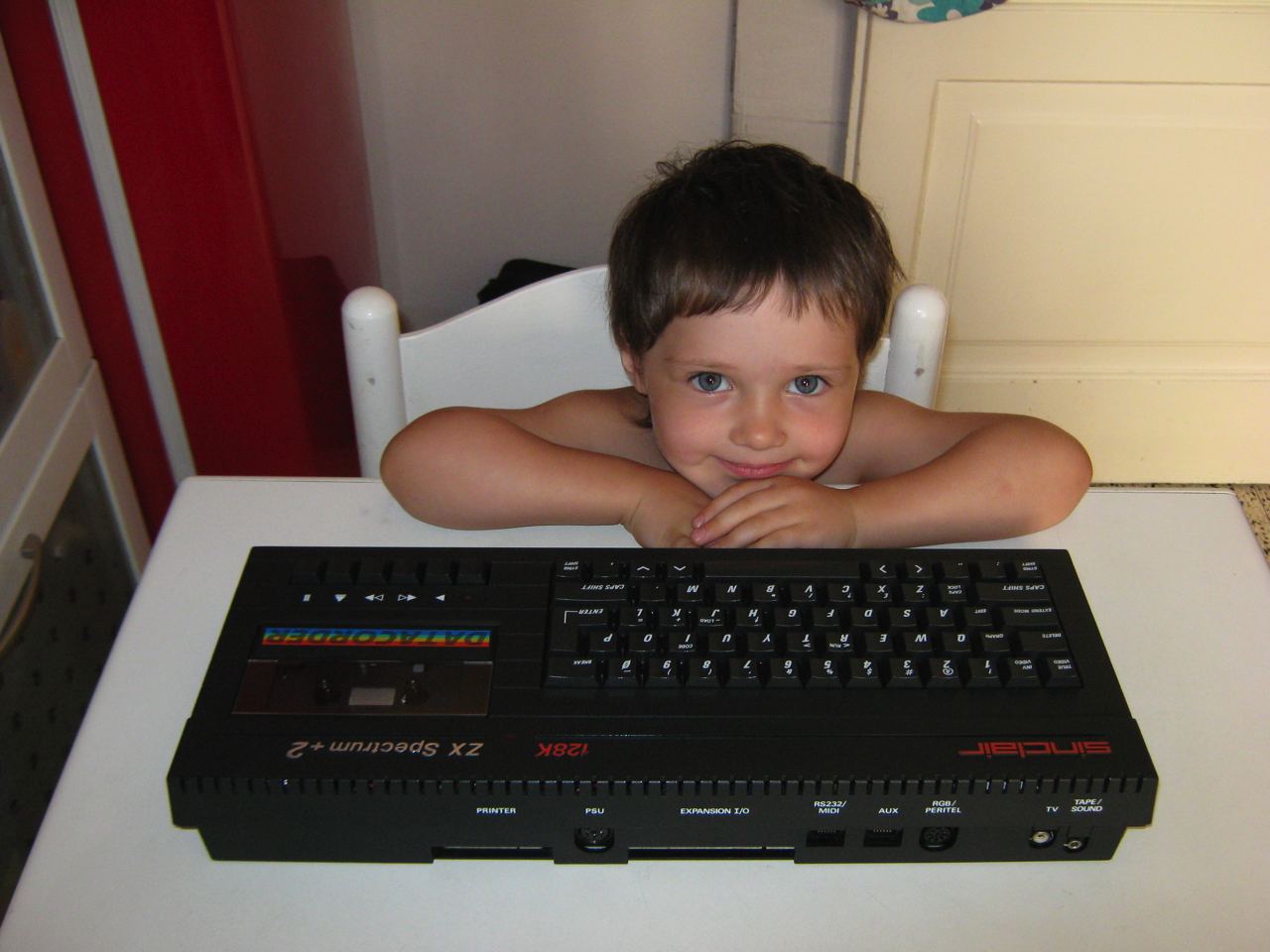
Autopsy:
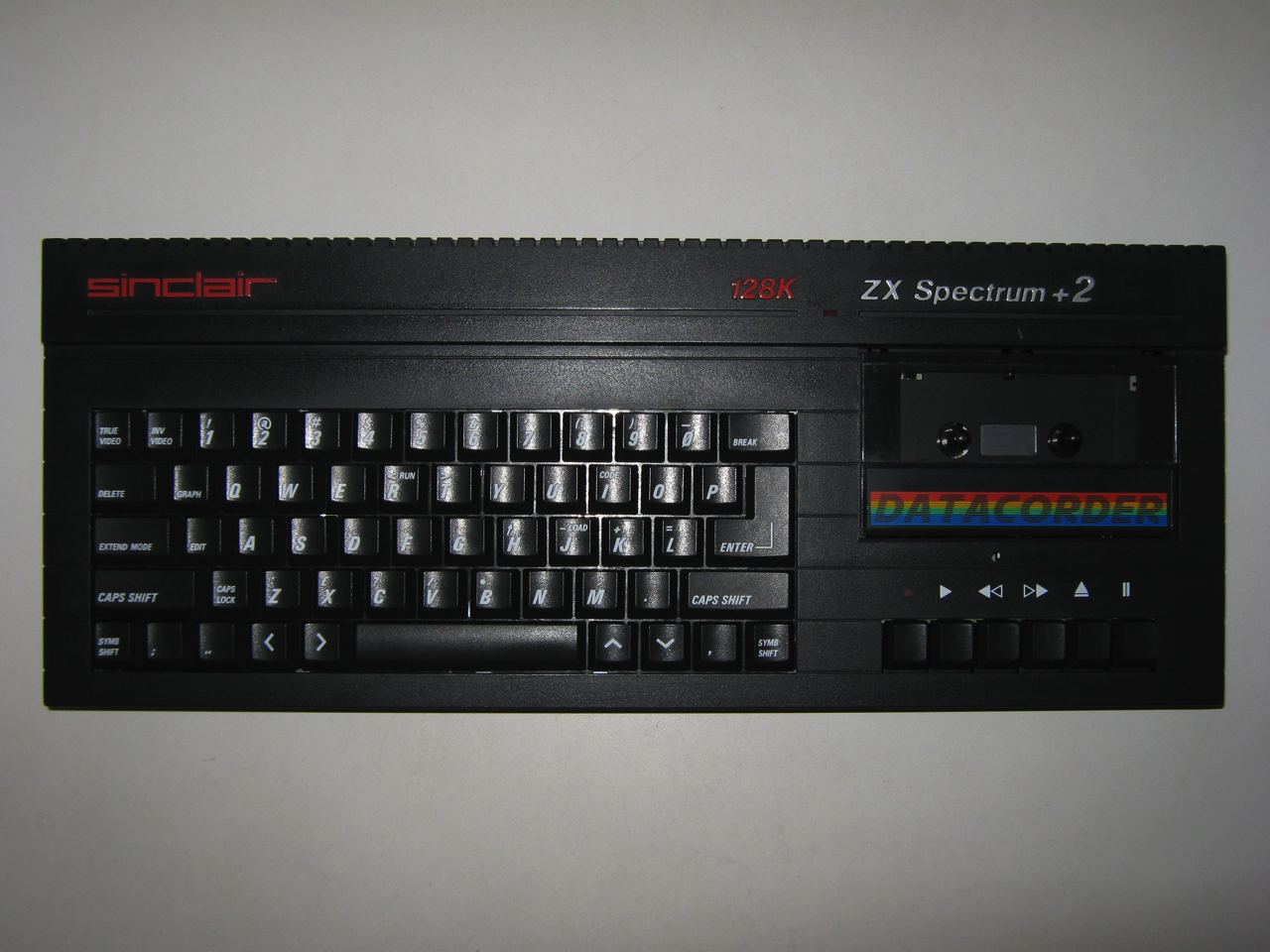
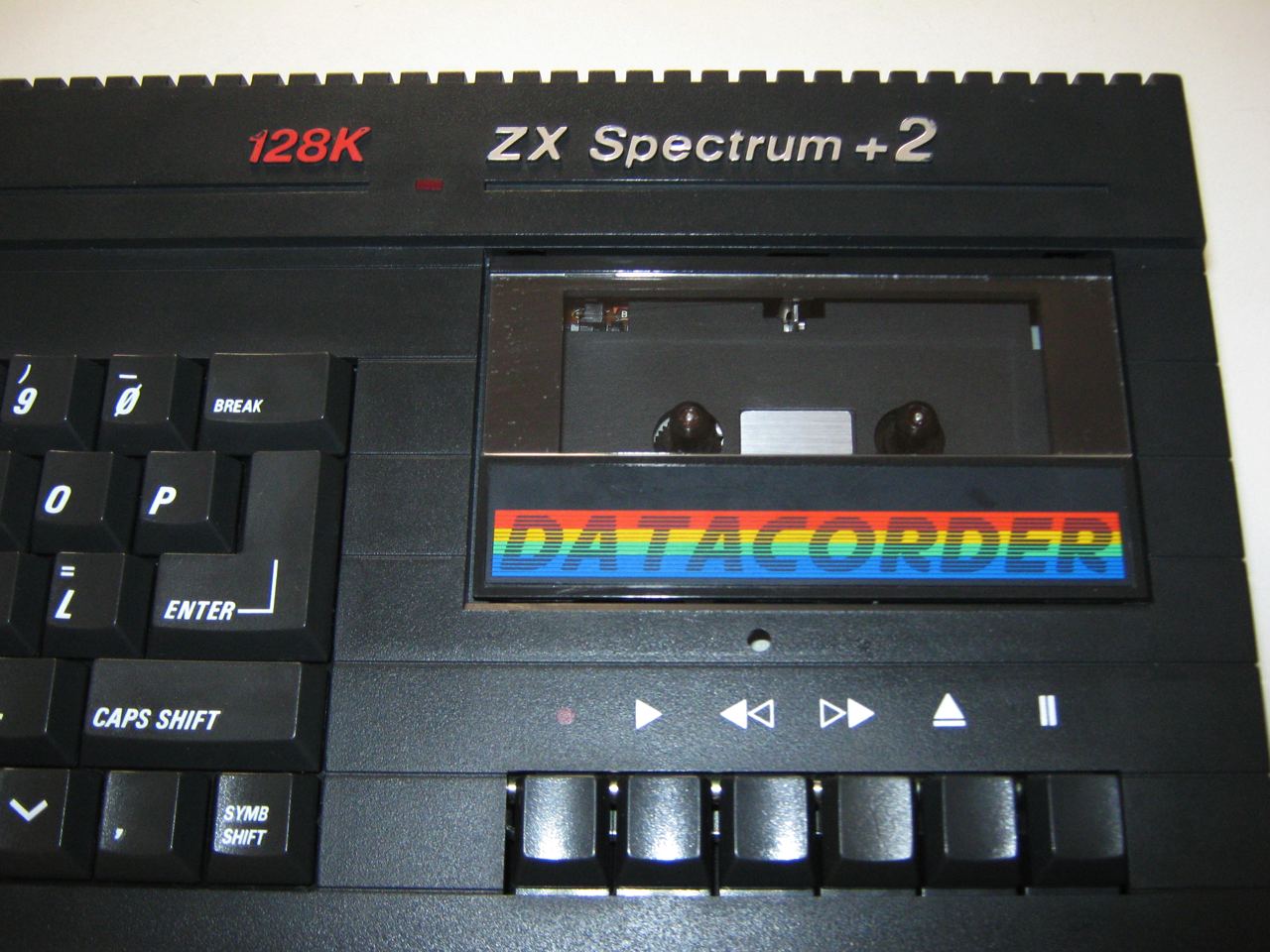
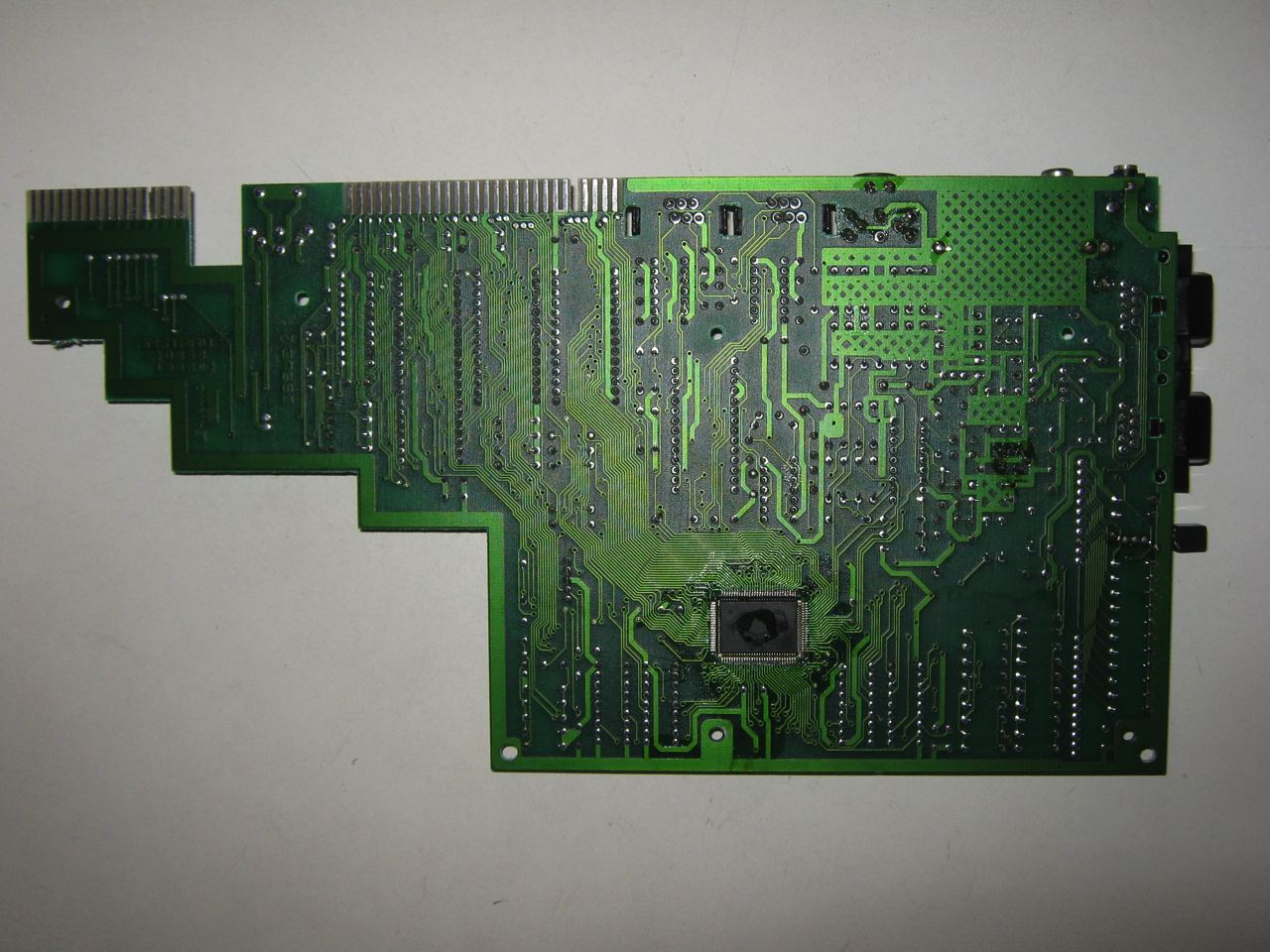
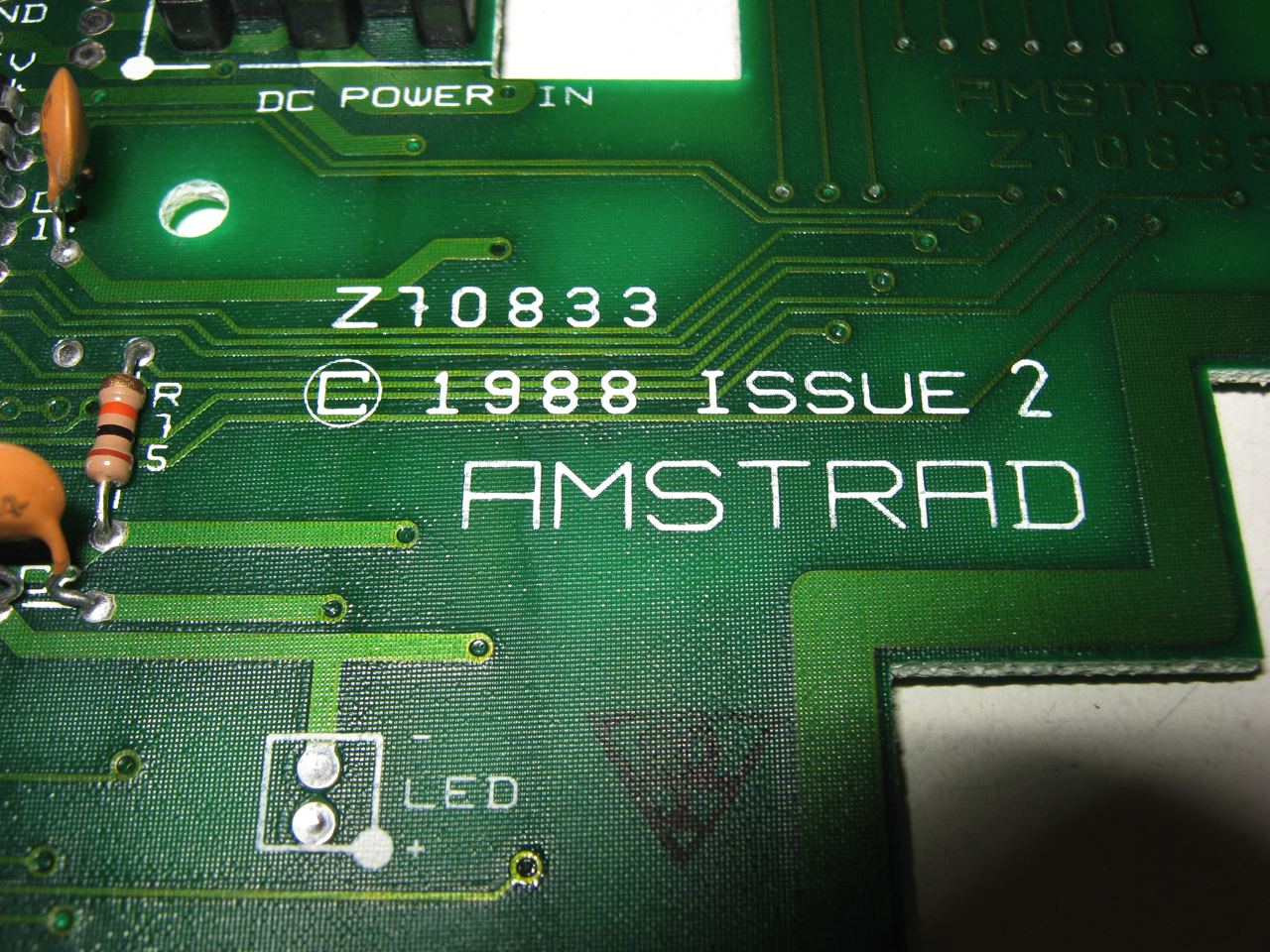
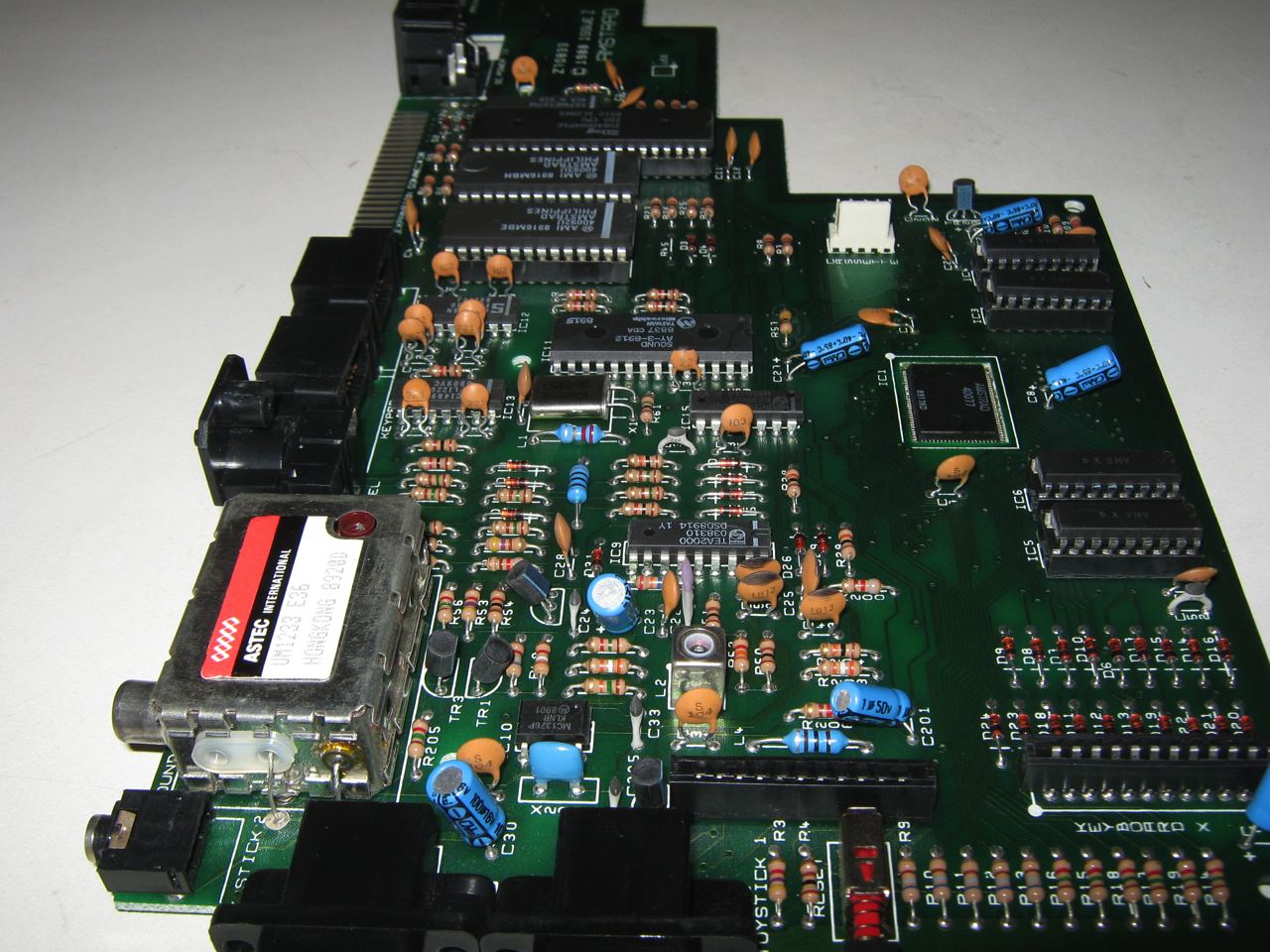
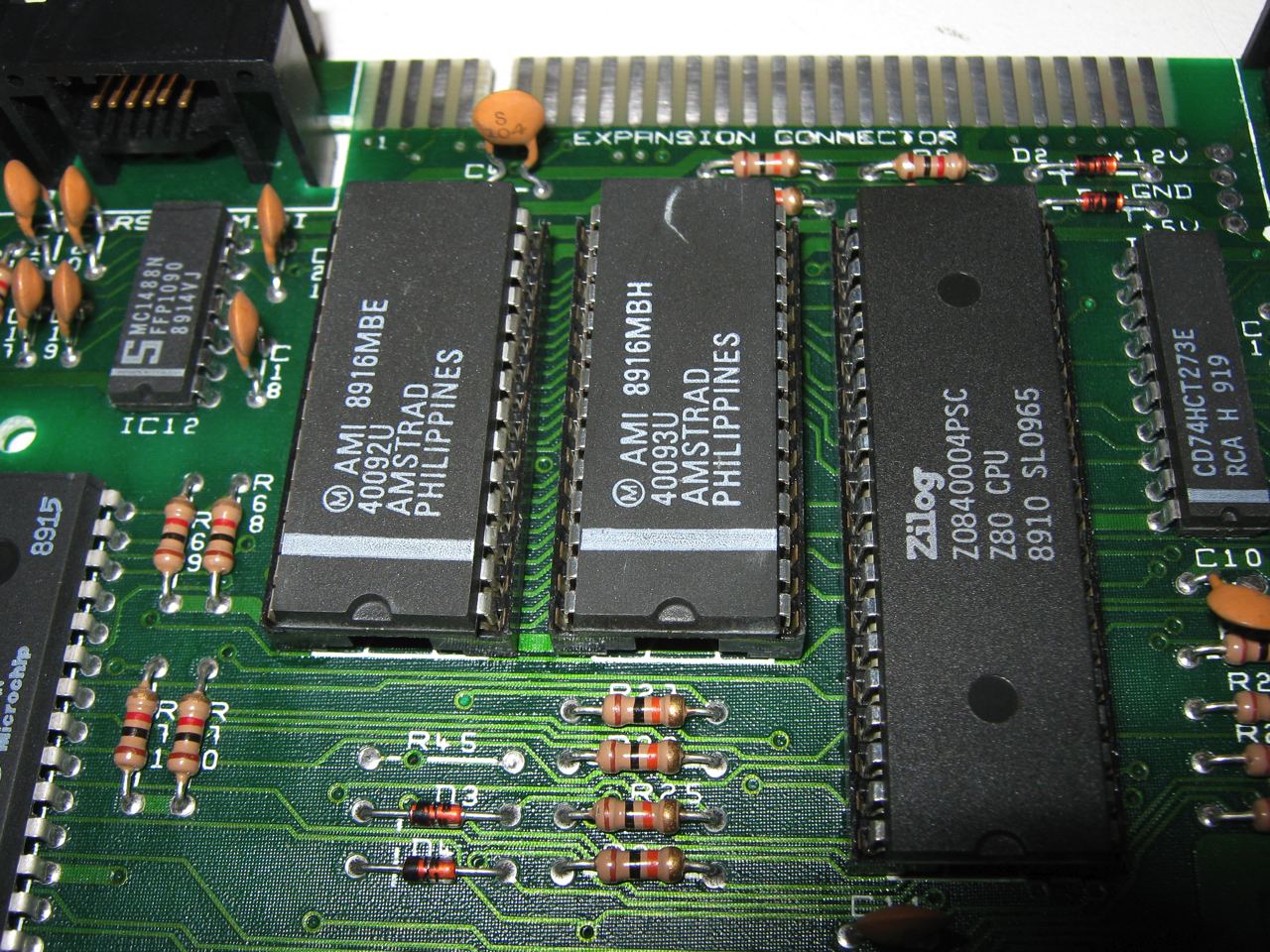
from Wikipedia homepage:
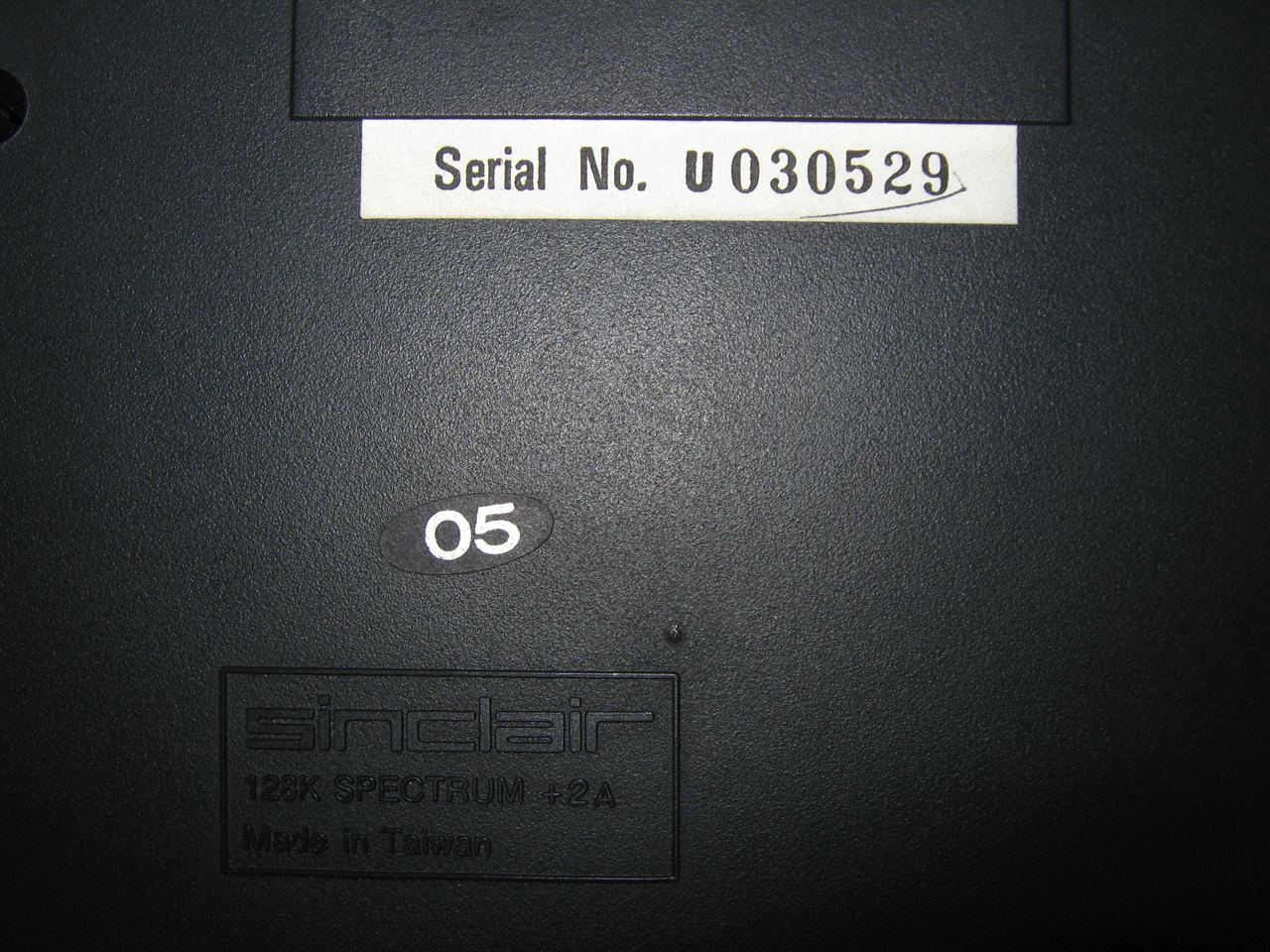
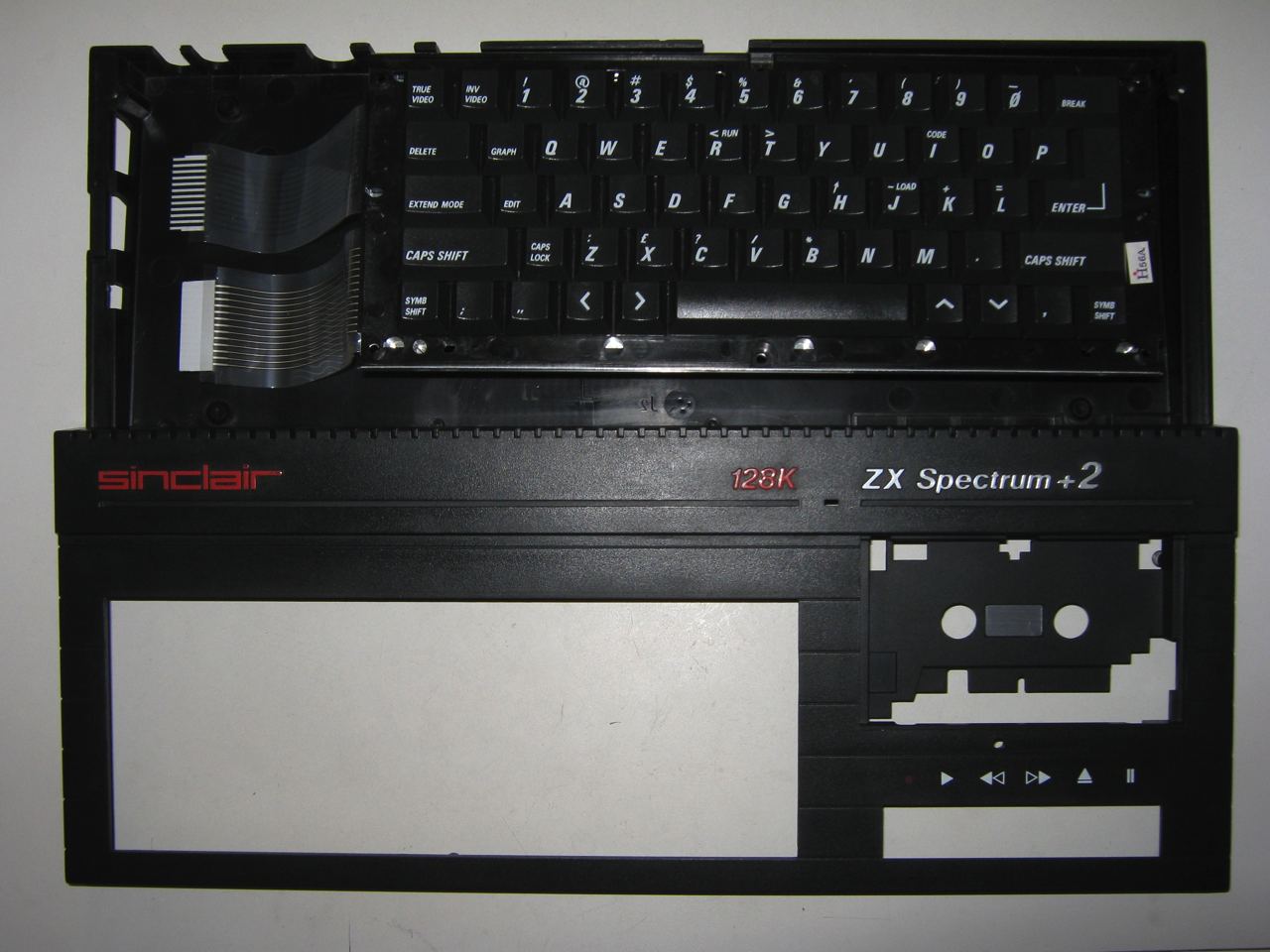
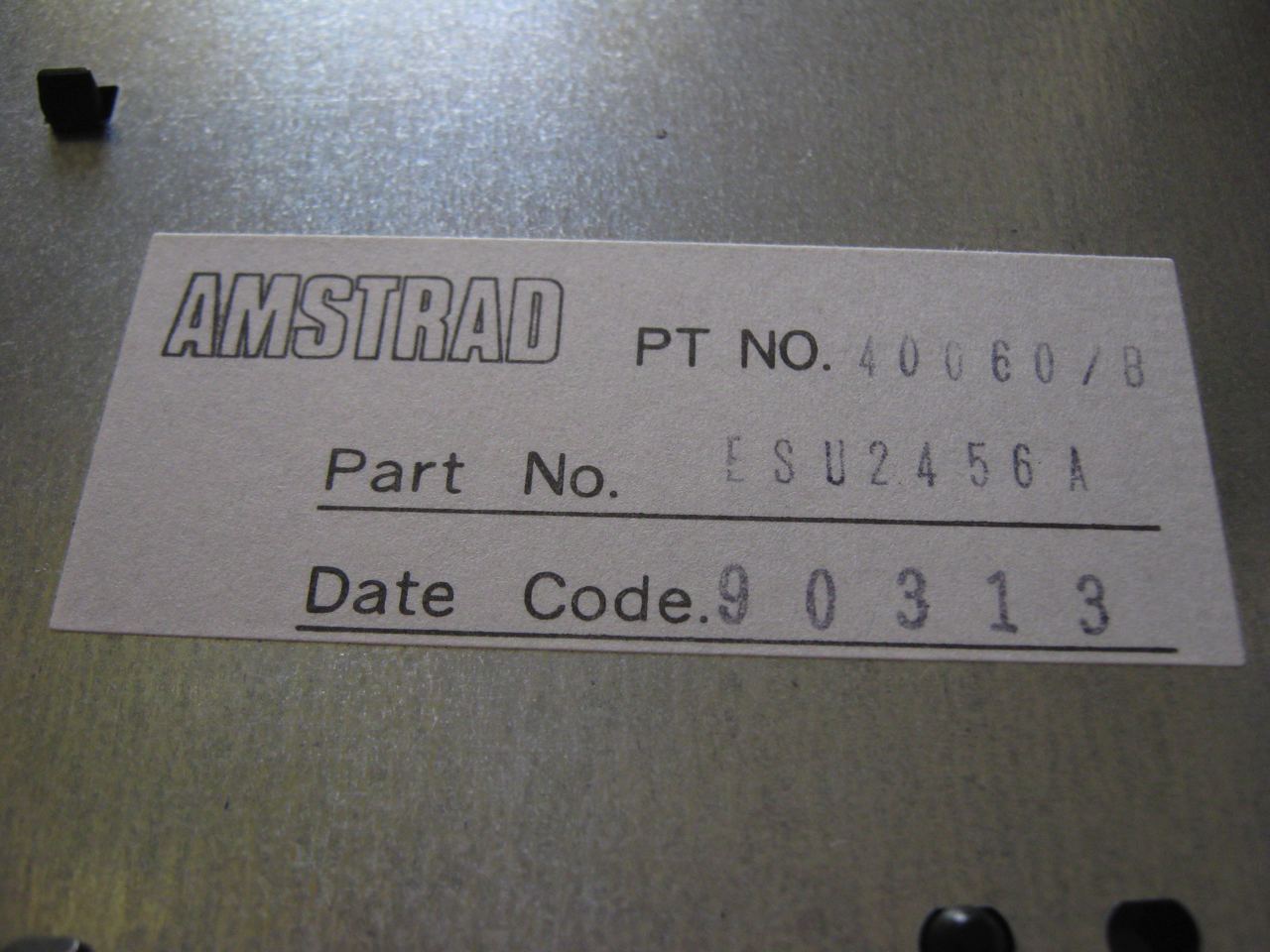
The ZX Spectrum +2A was produced to homogenise Amstrad’s range in 1987. Although the case reads “ZX Spectrum +2″, the +2A/B is easily distinguishable from the original +2 as the case was restored to the standard Spectrum black.
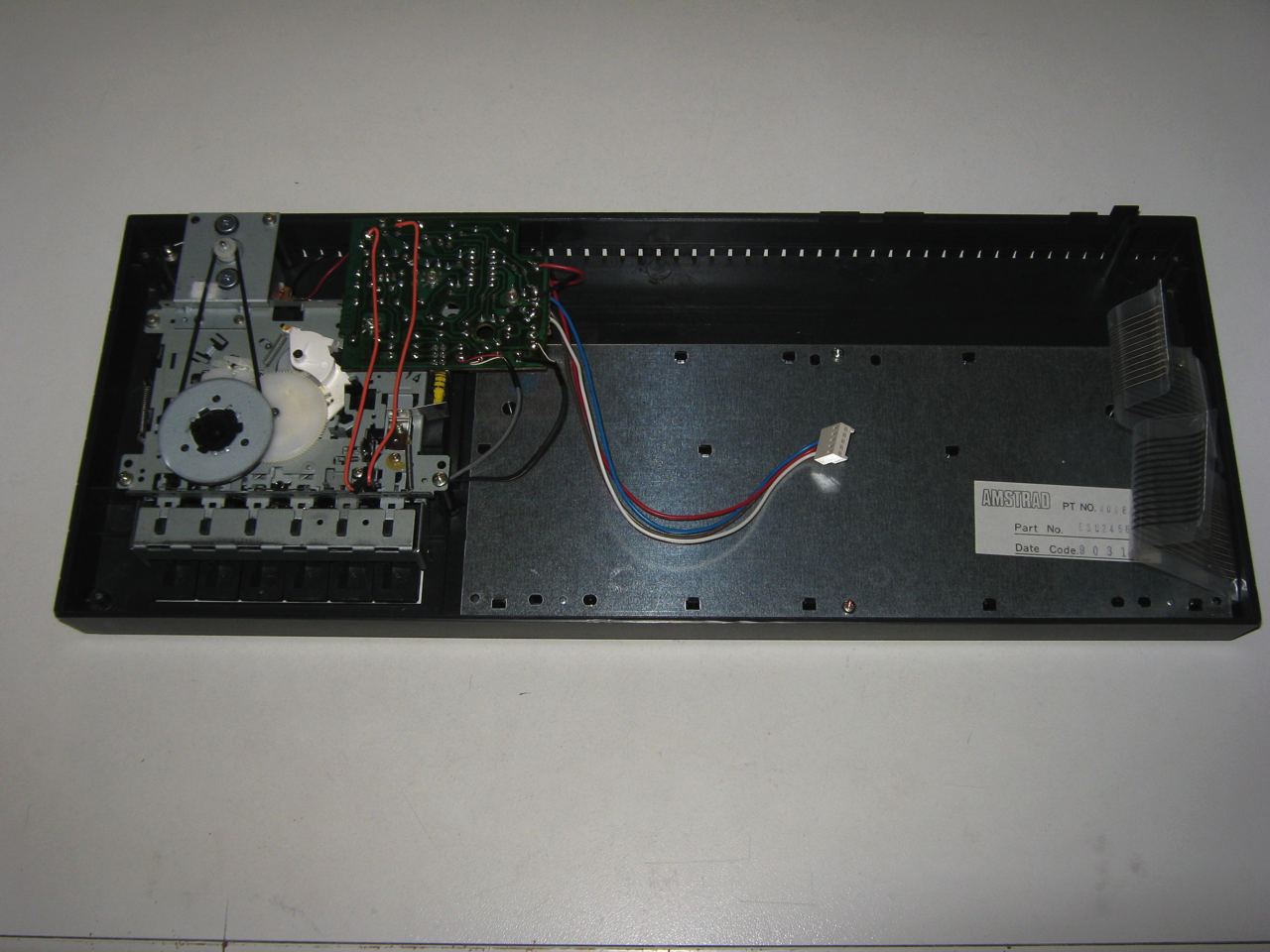
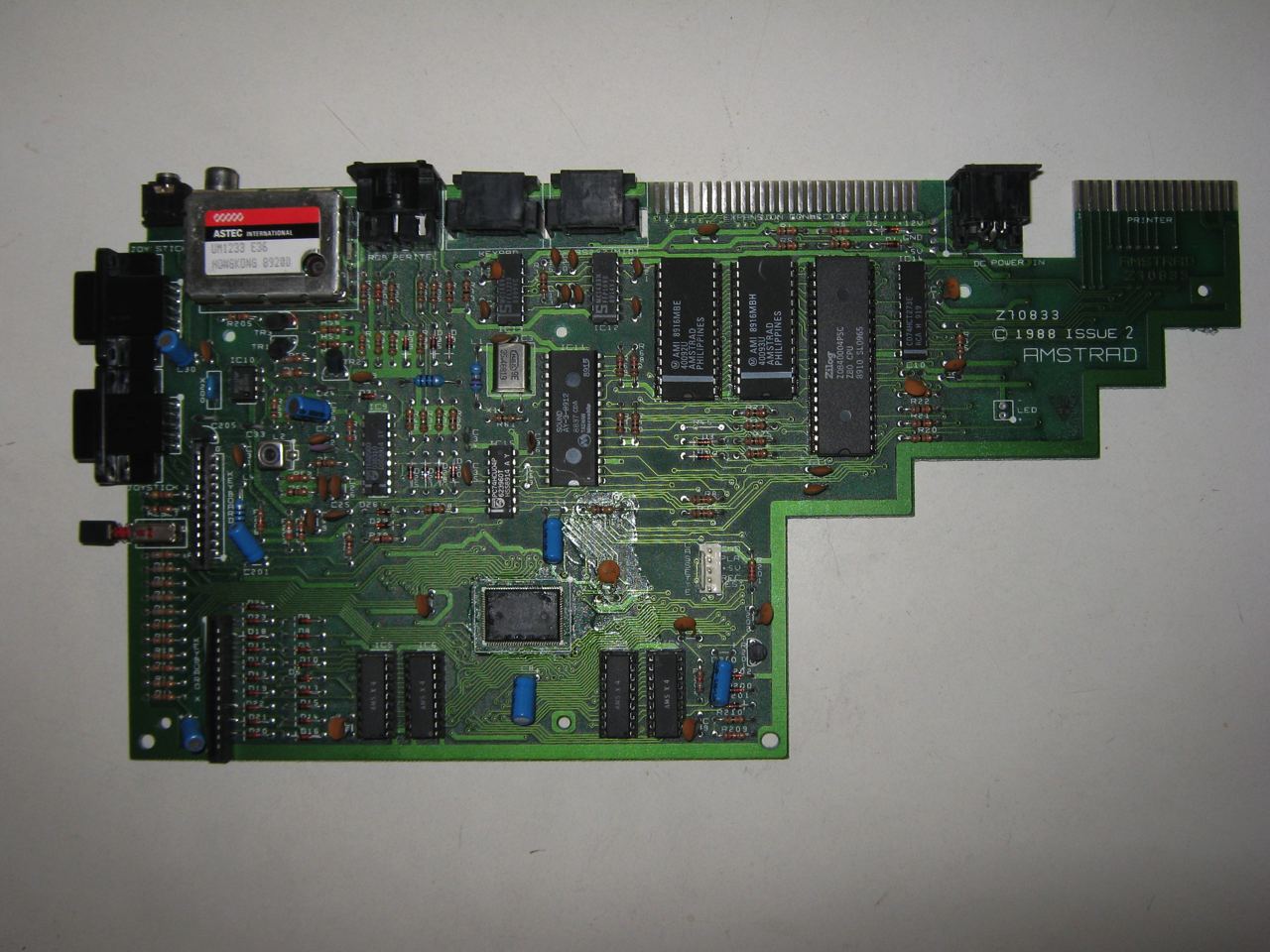
The +2A was derived from Amstrad’s +3 4.1 ROM model, using a new motherboard which vastly reduced the chip count, integrating many of them into a new ASIC. The +2A replaced the +3′s disk drive and associated hardware with a tape drive, as in the original +2. Originally, Amstrad planned to introduce an additional disk interface, but this never appeared. If an external disk drive was added, the “+2A” on the system OS menu would change to a +3.
As with the ZX Spectrum +3, some older 48K, and a few older 128K, games were incompatible with the machine. The ZX Spectrum +2B signified a manufacturing move from Hong Kong to Taiwan later in 1987.
source: wikipedia
Click here for my Commodore Modem 8010.
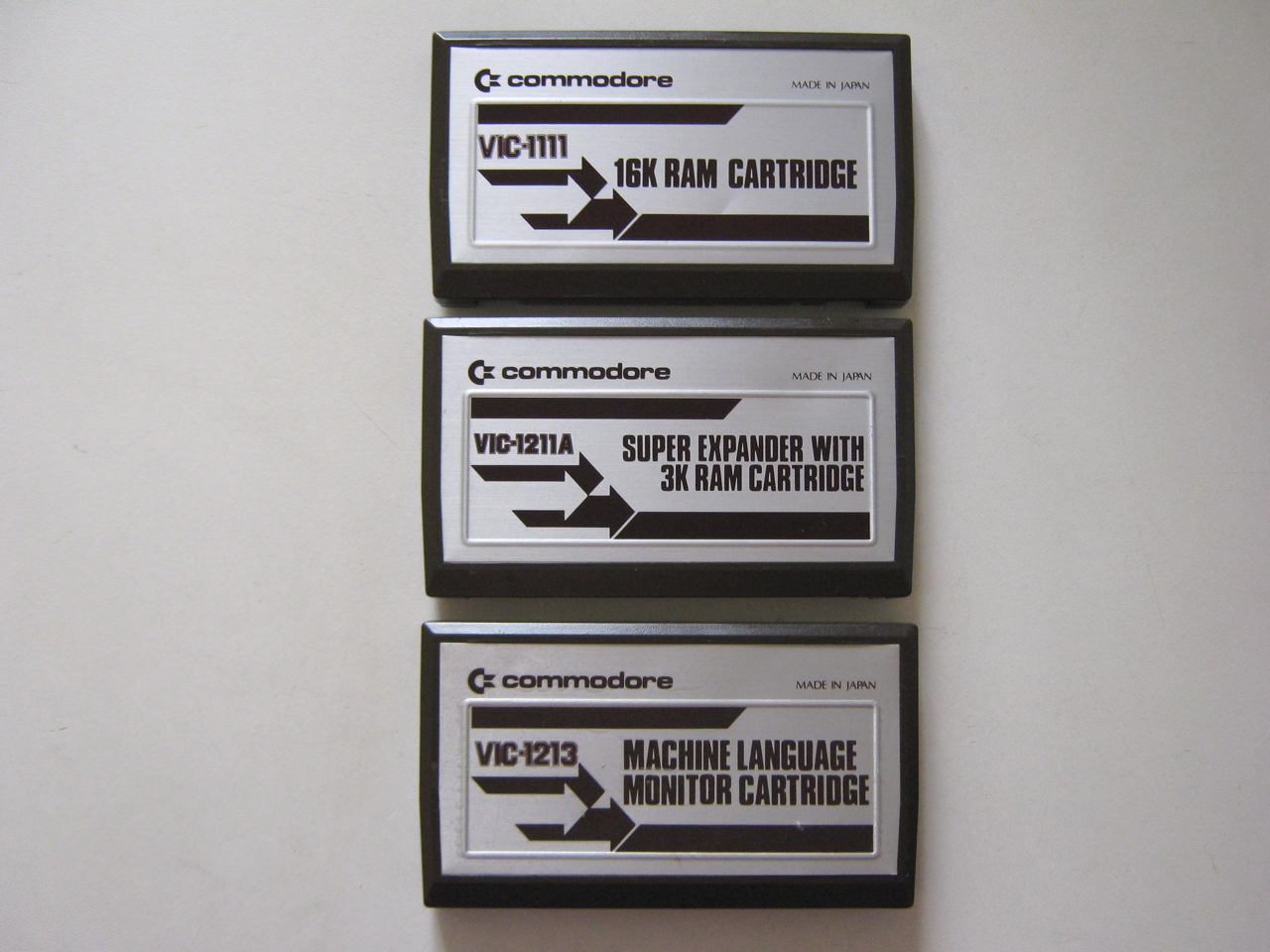
Cartridges list:
click here for the vic-20 cartridges category.
from Wikipedia:
As for commercial software offerings, an estimated 300 titles were available on cartridge, and another 500+ titles were available on tape. By comparison, the Atari 2600—the most popular of the video game consoles at the time—had a library of about 900 titles near the end of its production life (many were variations of another title).
Most cartridge games were ready to play as soon as VIC-20 was turned on, as opposed to games on tape which required a time-consuming loading process. Titles on cartridge included Gorf, Cosmic Cruncher, Sargon II Chess, and many others.
source: wikipedia
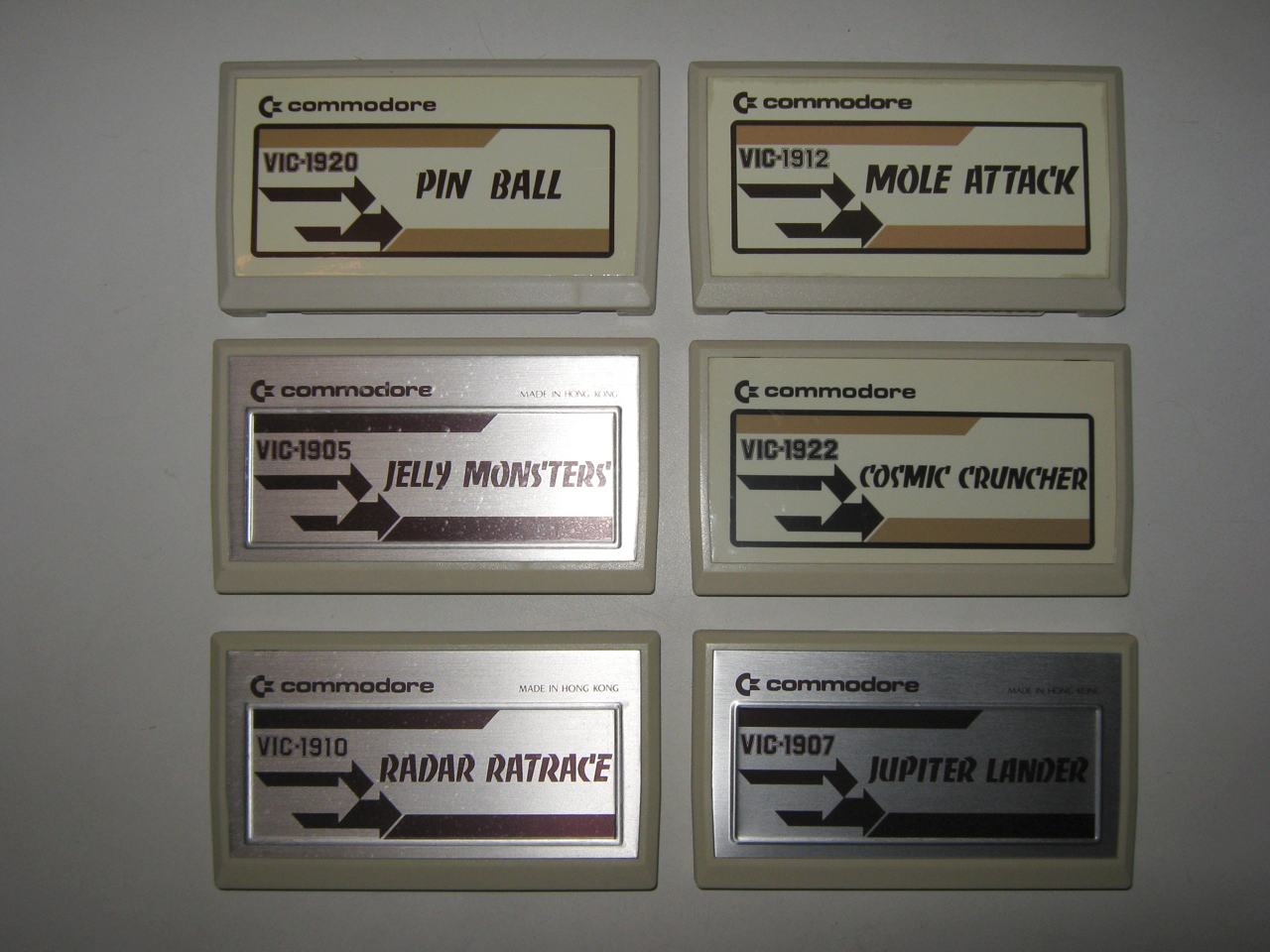
Cartridges list:
click here for the vic-20 cartridges category.
from Wikipedia:
As for commercial software offerings, an estimated 300 titles were available on cartridge, and another 500+ titles were available on tape. By comparison, the Atari 2600—the most popular of the video game consoles at the time—had a library of about 900 titles near the end of its production life (many were variations of another title).
Most cartridge games were ready to play as soon as VIC-20 was turned on, as opposed to games on tape which required a time-consuming loading process. Titles on cartridge included Gorf, Cosmic Cruncher, Sargon II Chess, and many others.
source: wikipedia
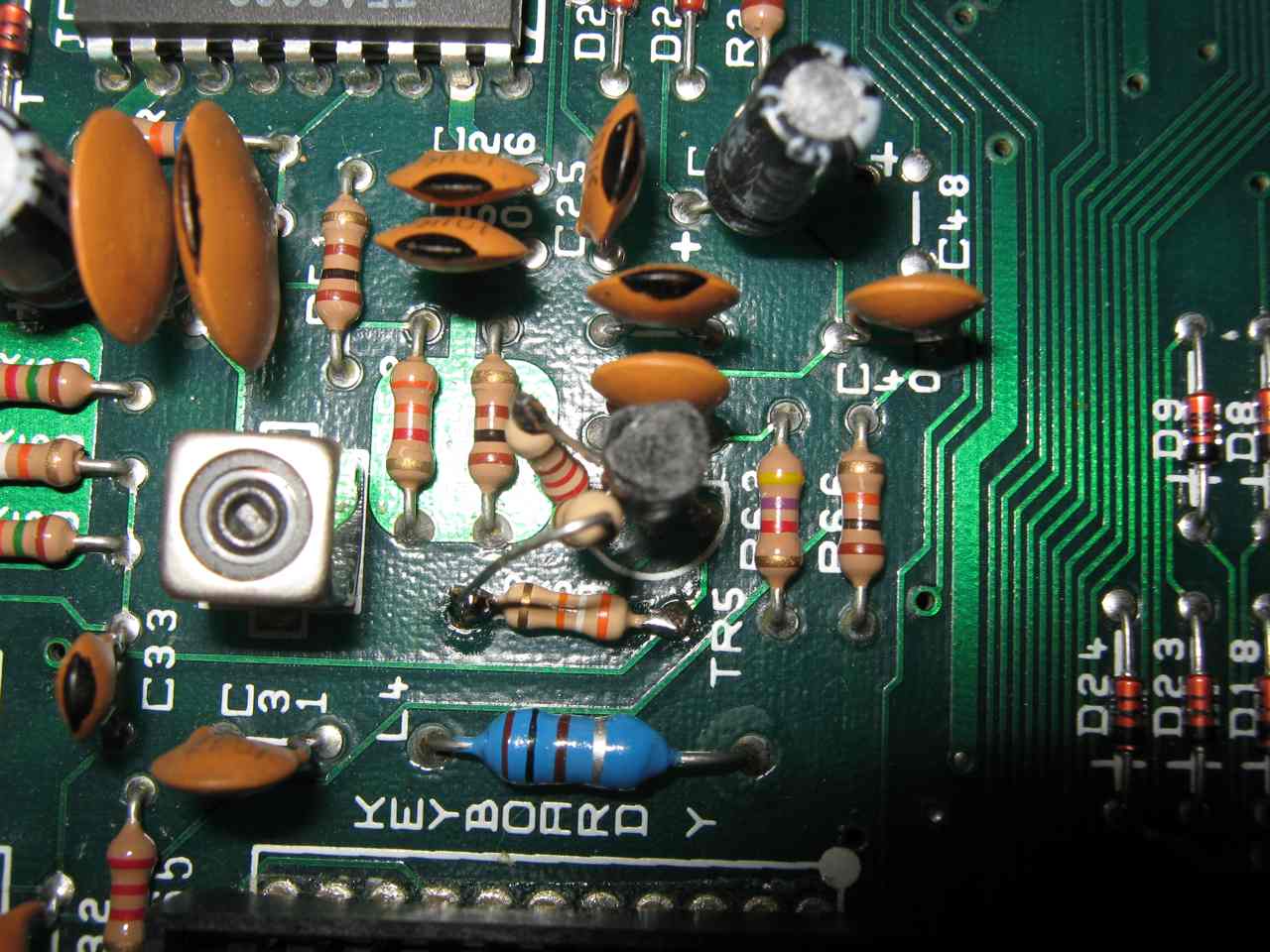
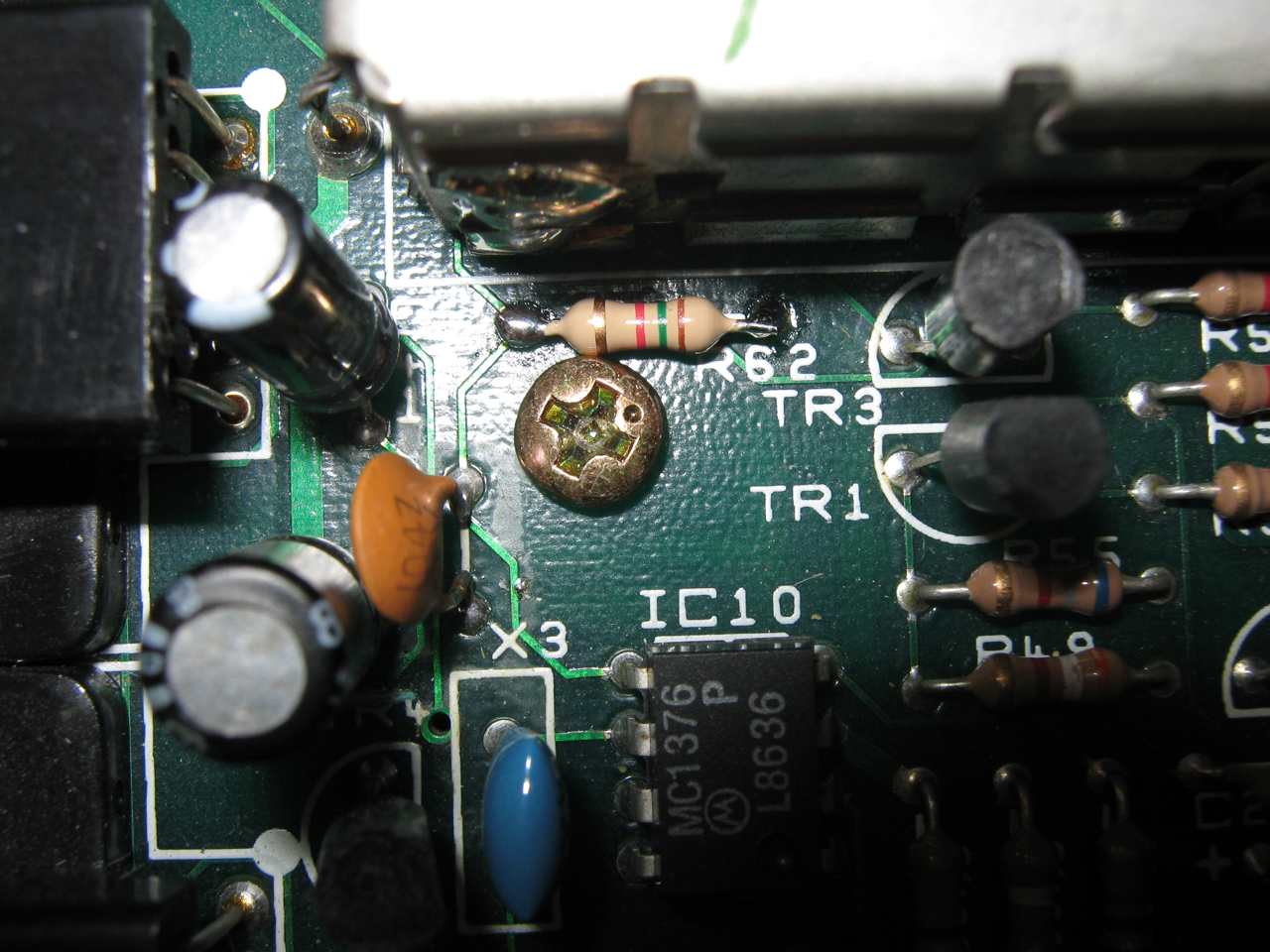
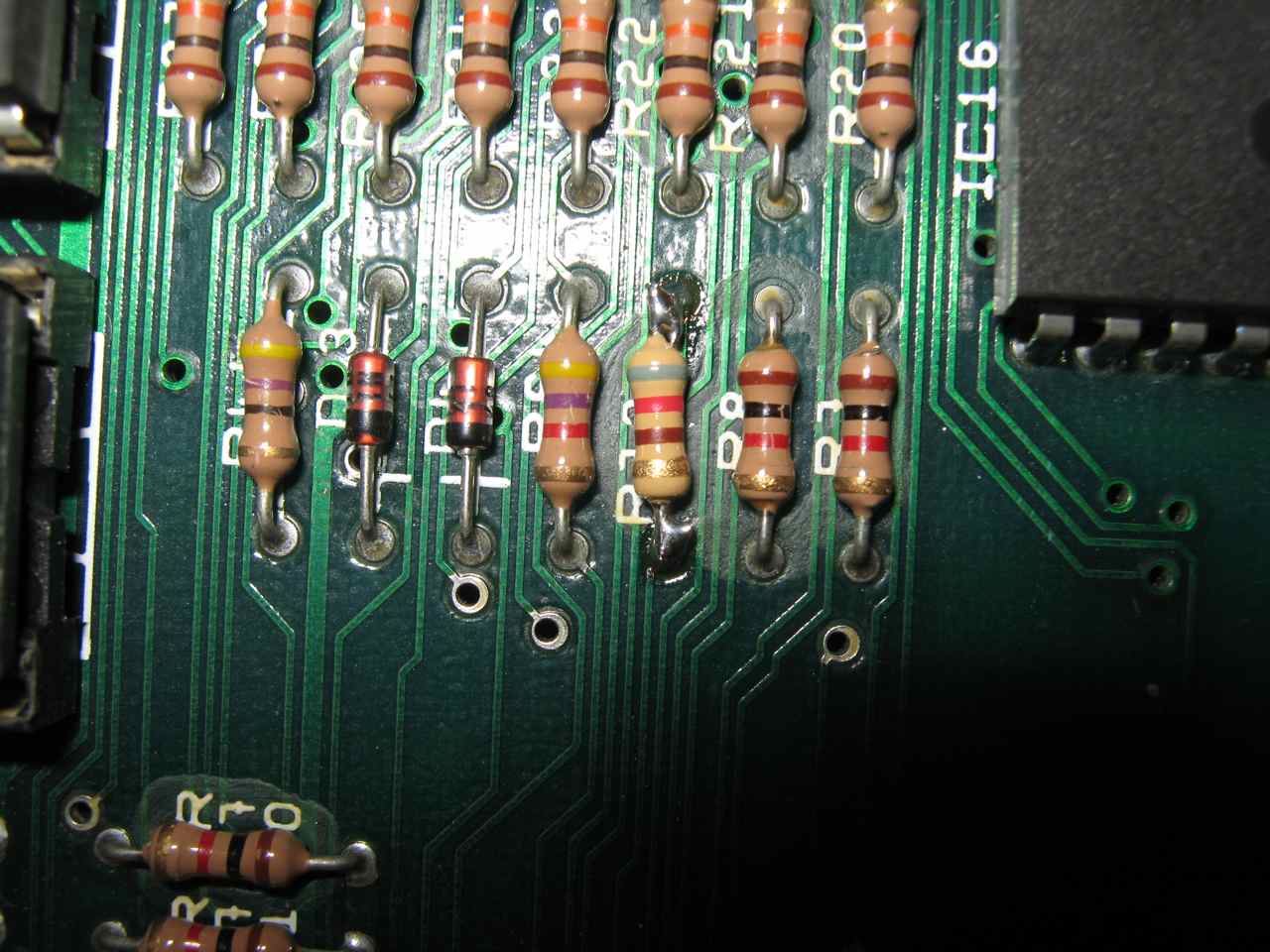
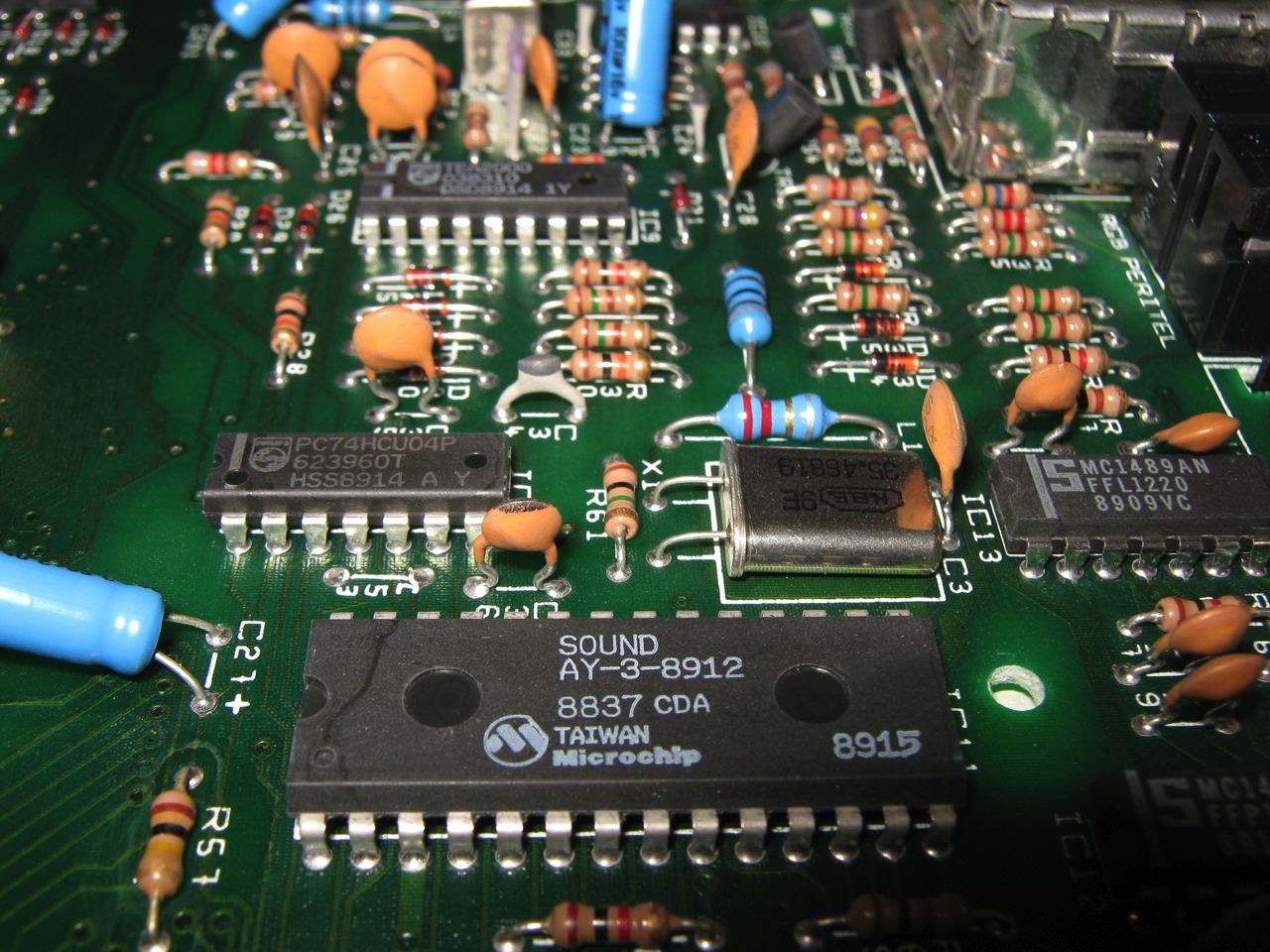
Sound fix diagram here. (pdf)
from Cristian Secară Homepage:
The first release (the +3) has a fatal hardware mistake: the 128K sound output is completely distorted.
source: secarica.ro ay8912 Demos
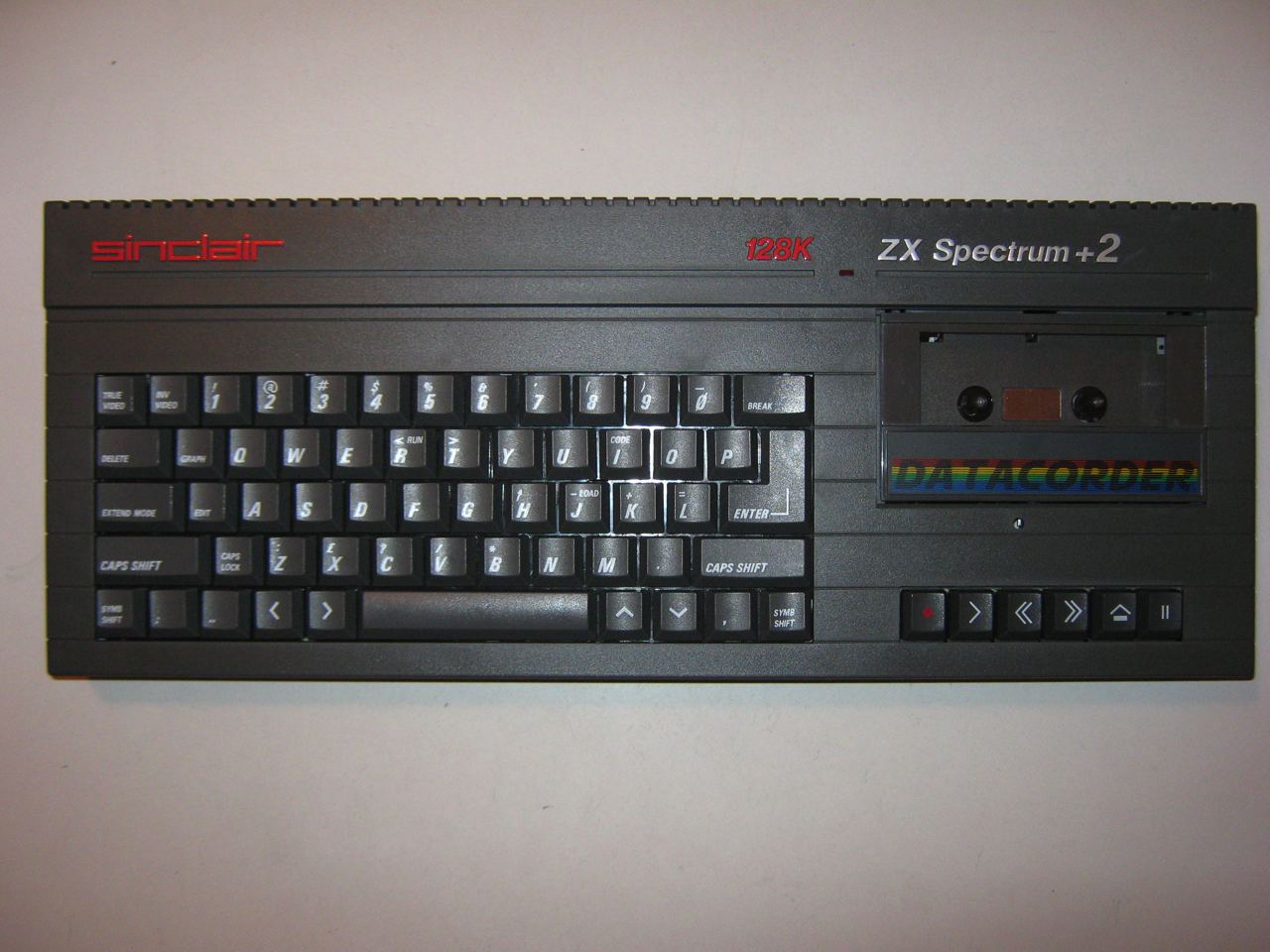
Autopsy:
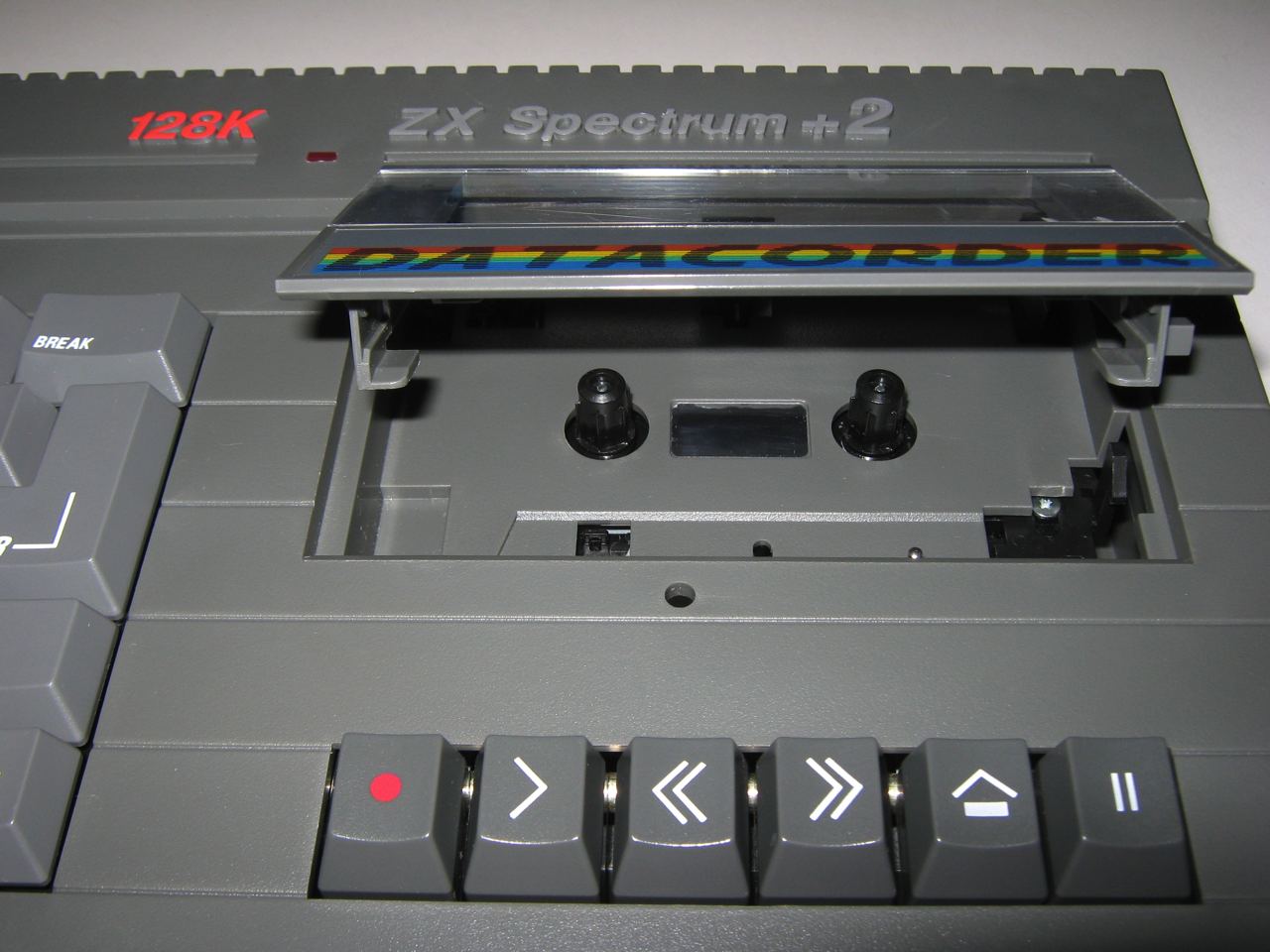
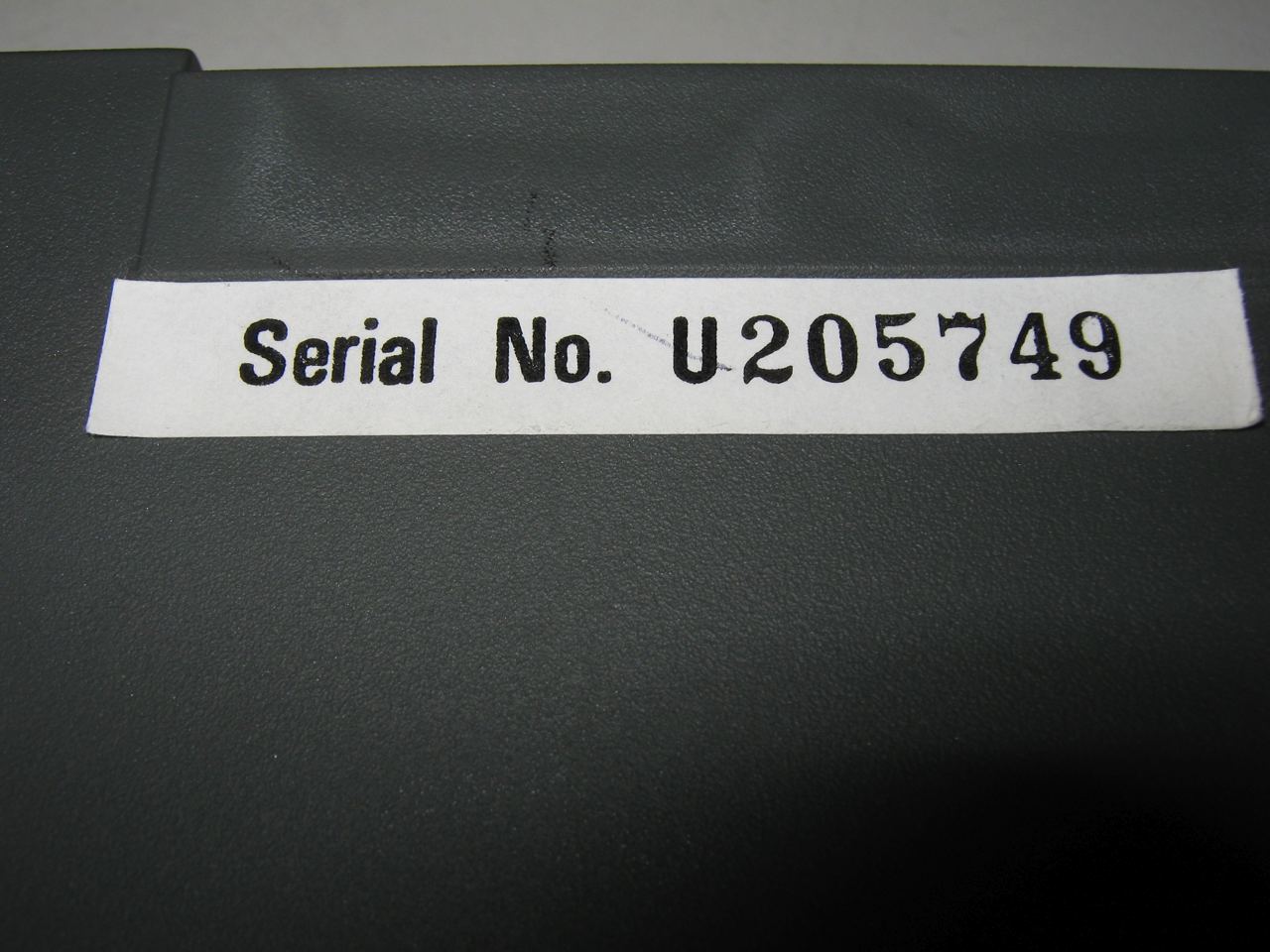
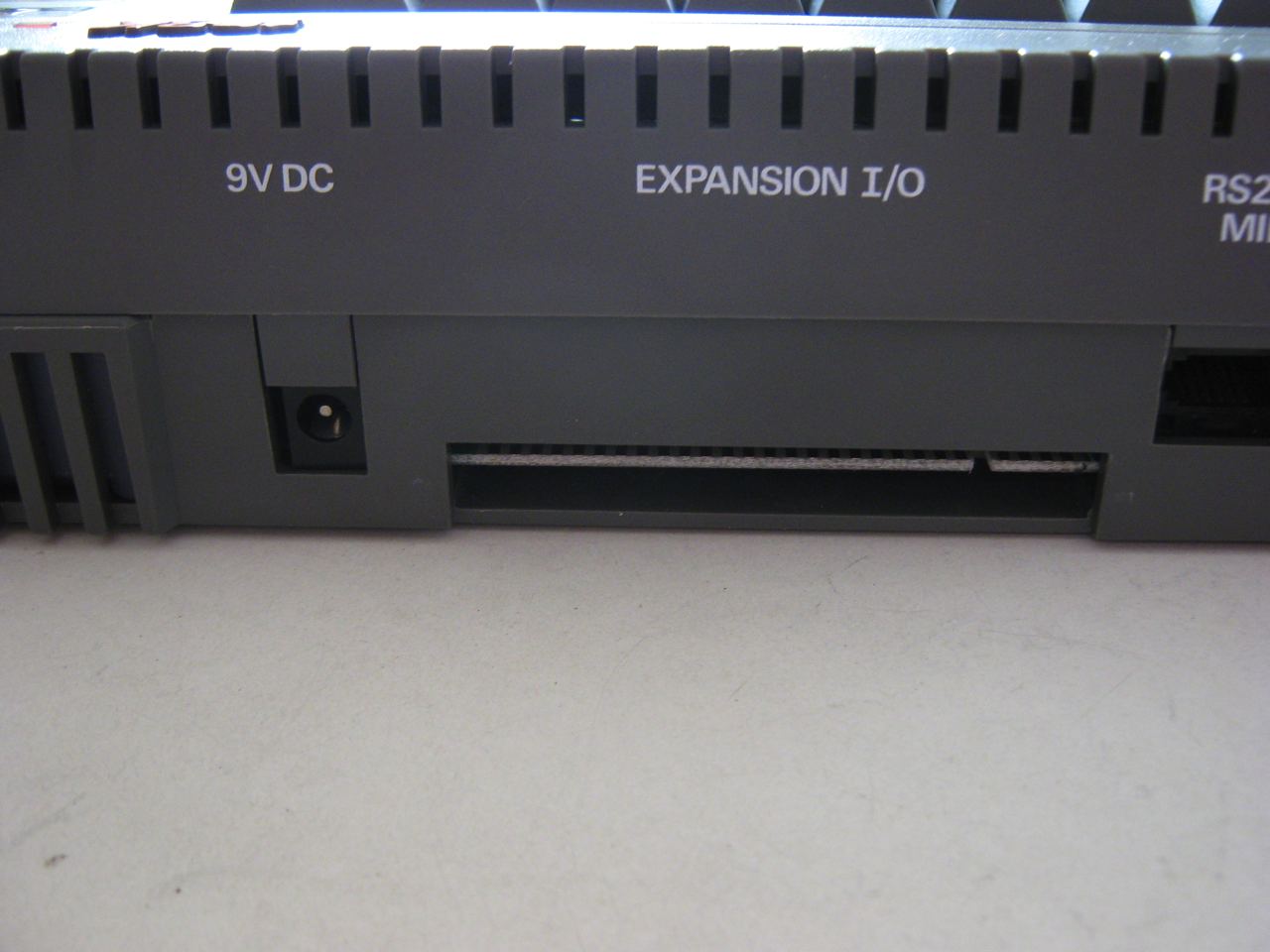
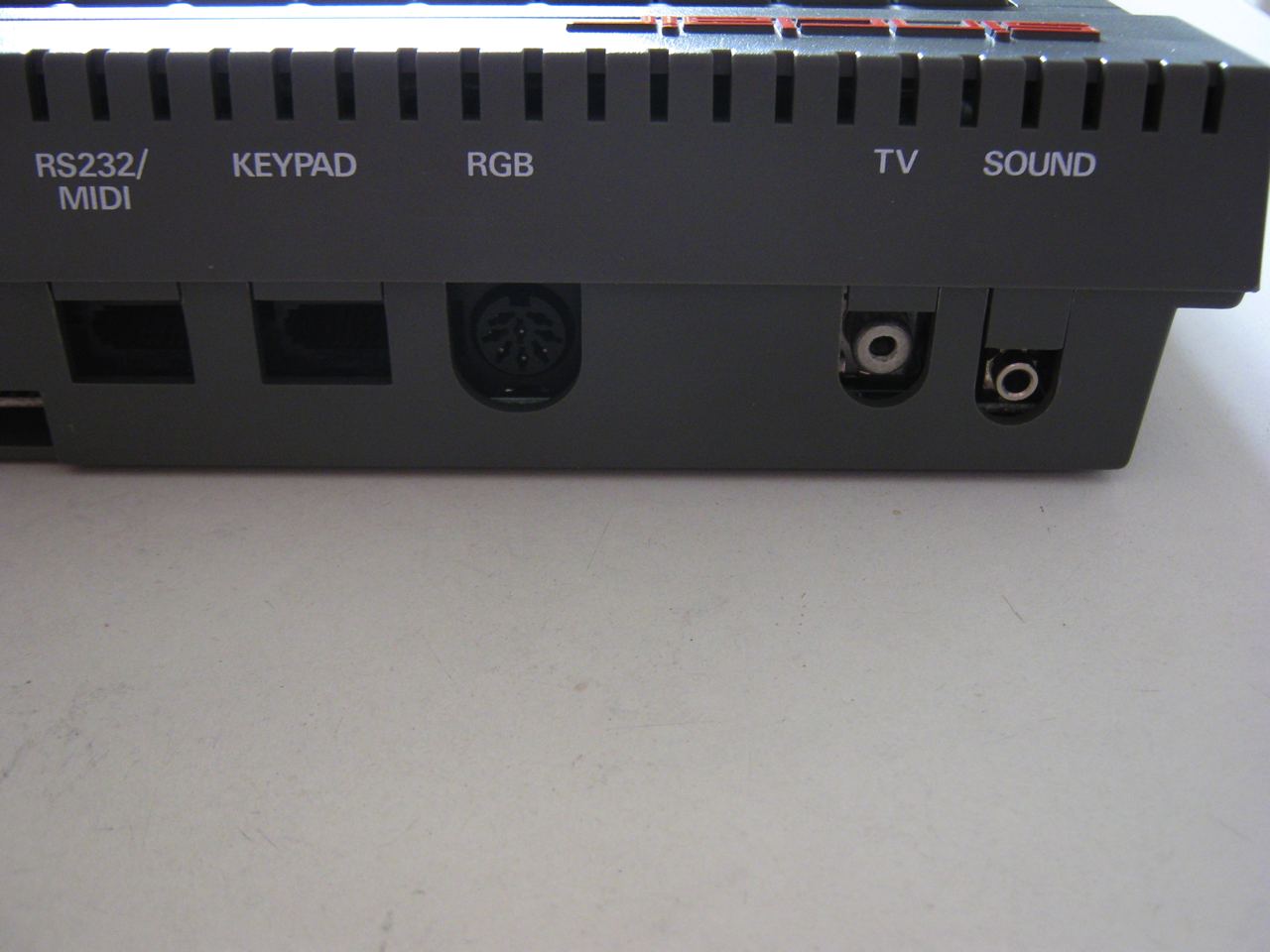
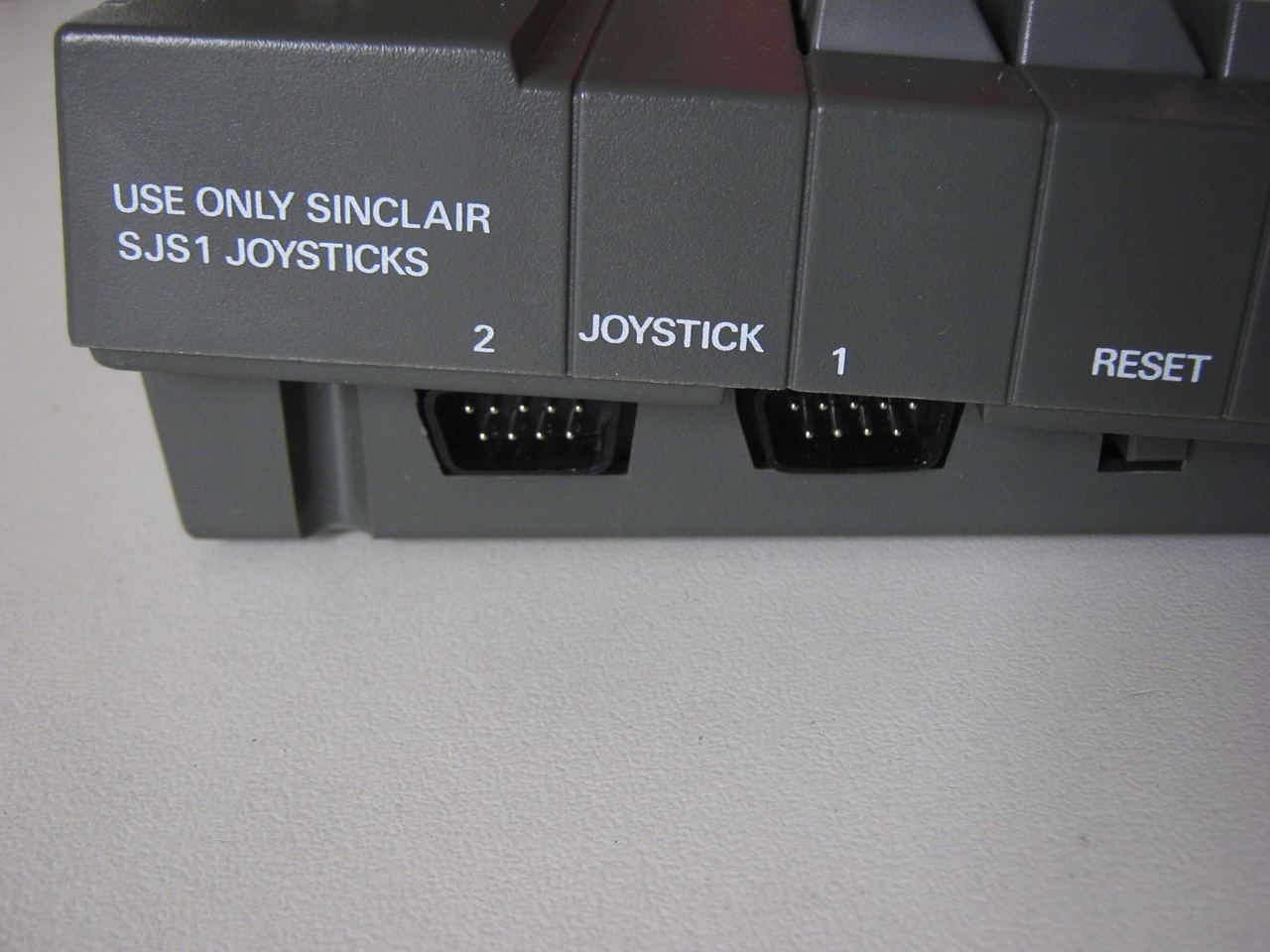
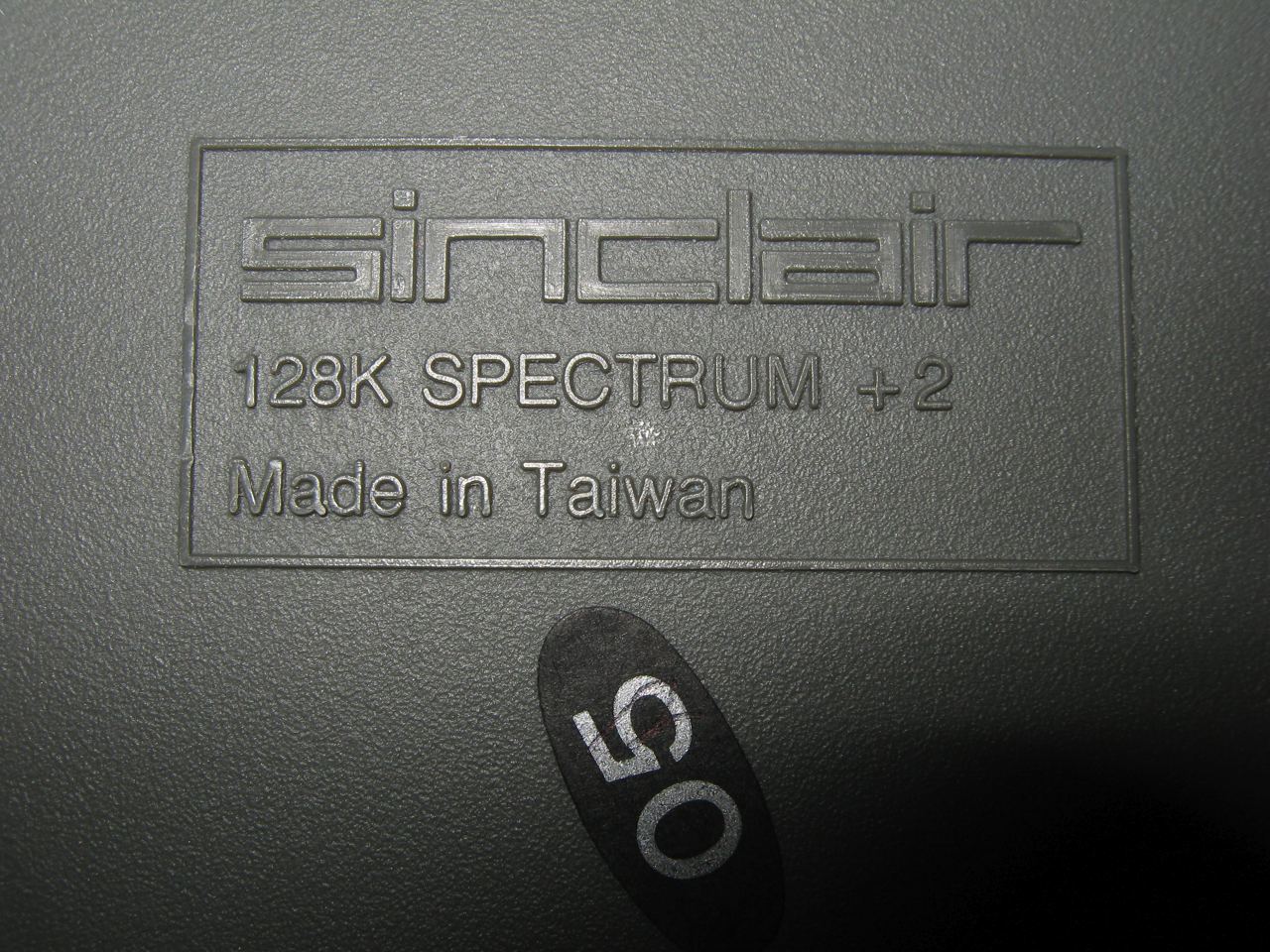
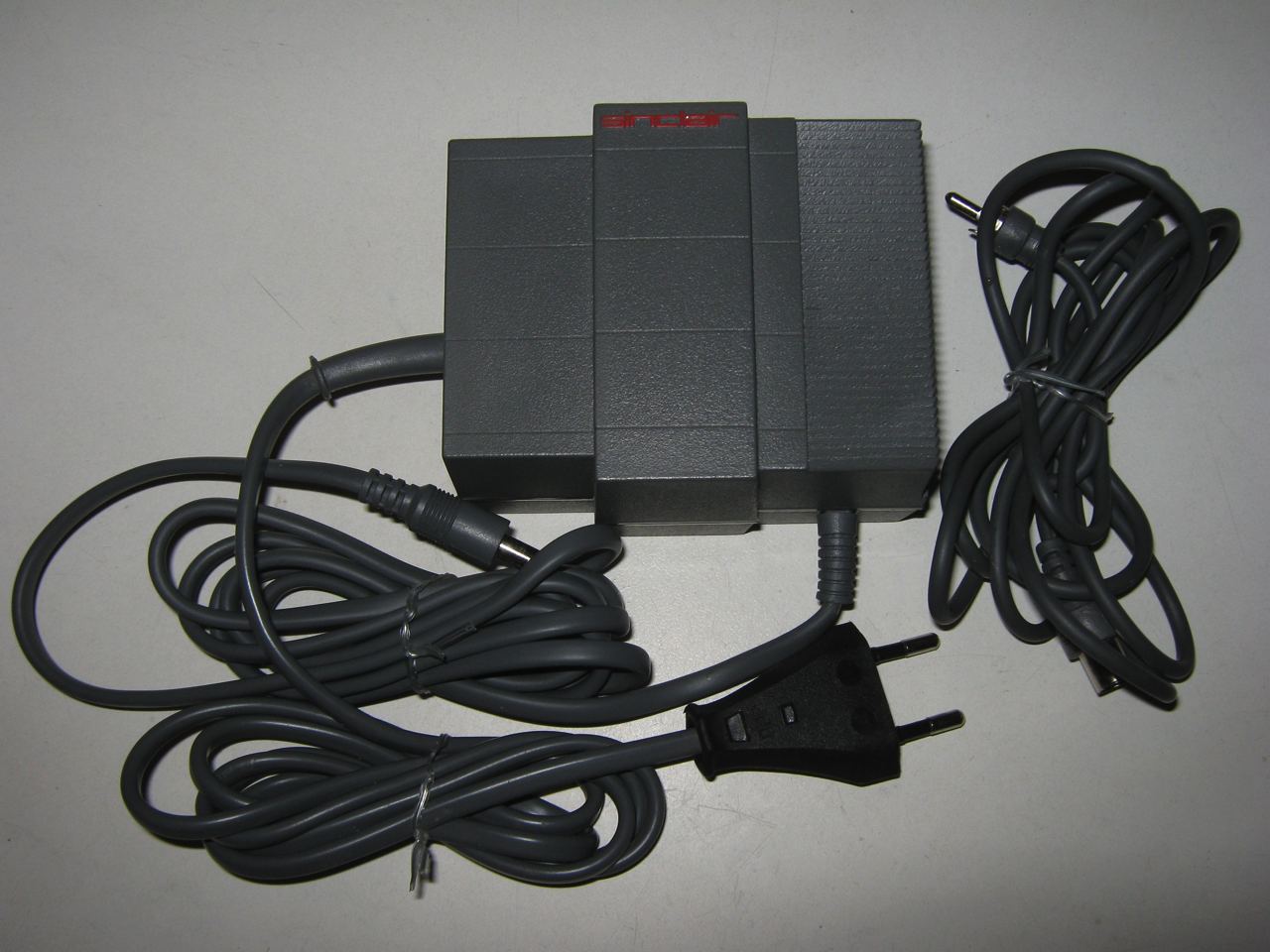
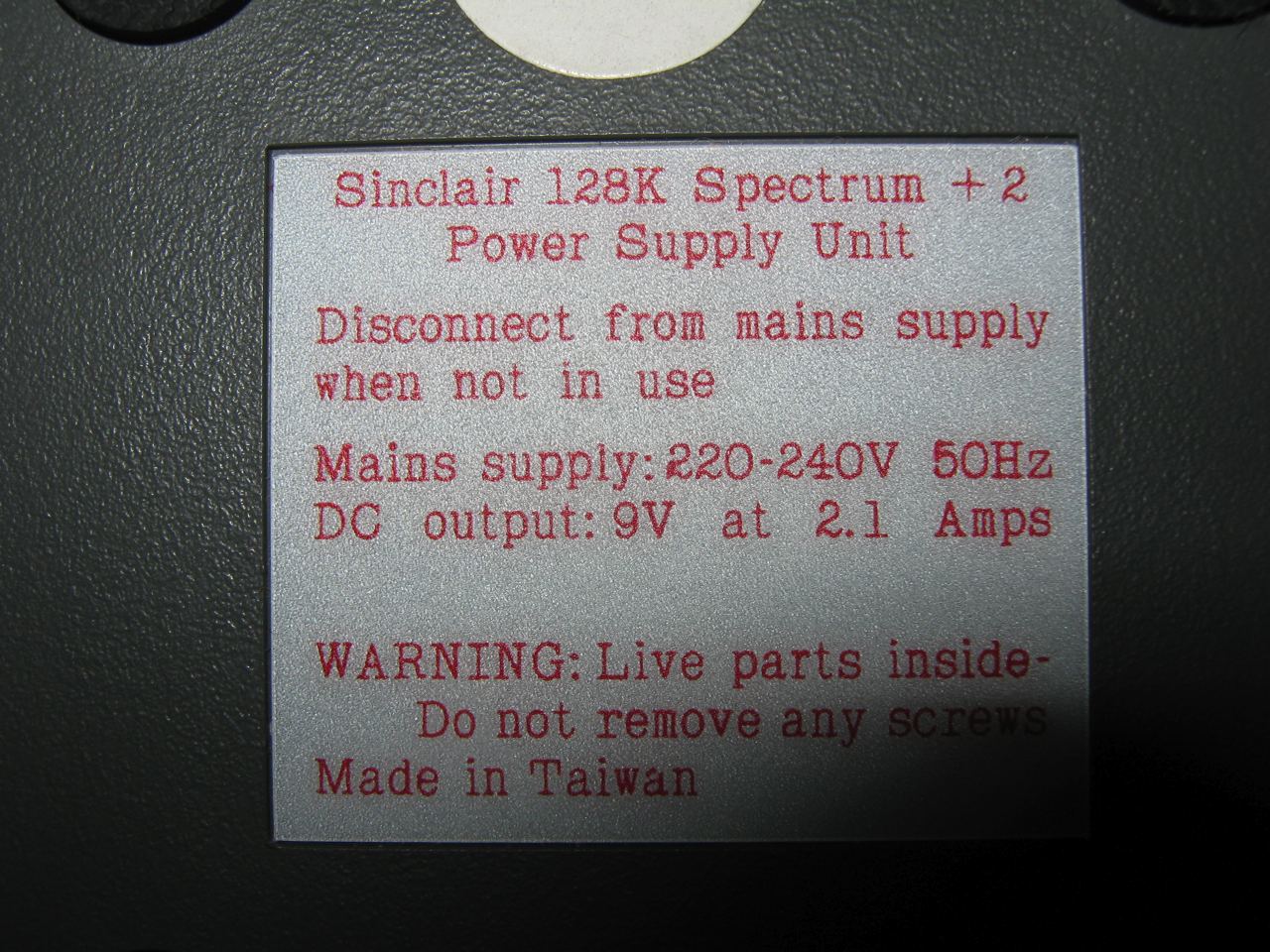
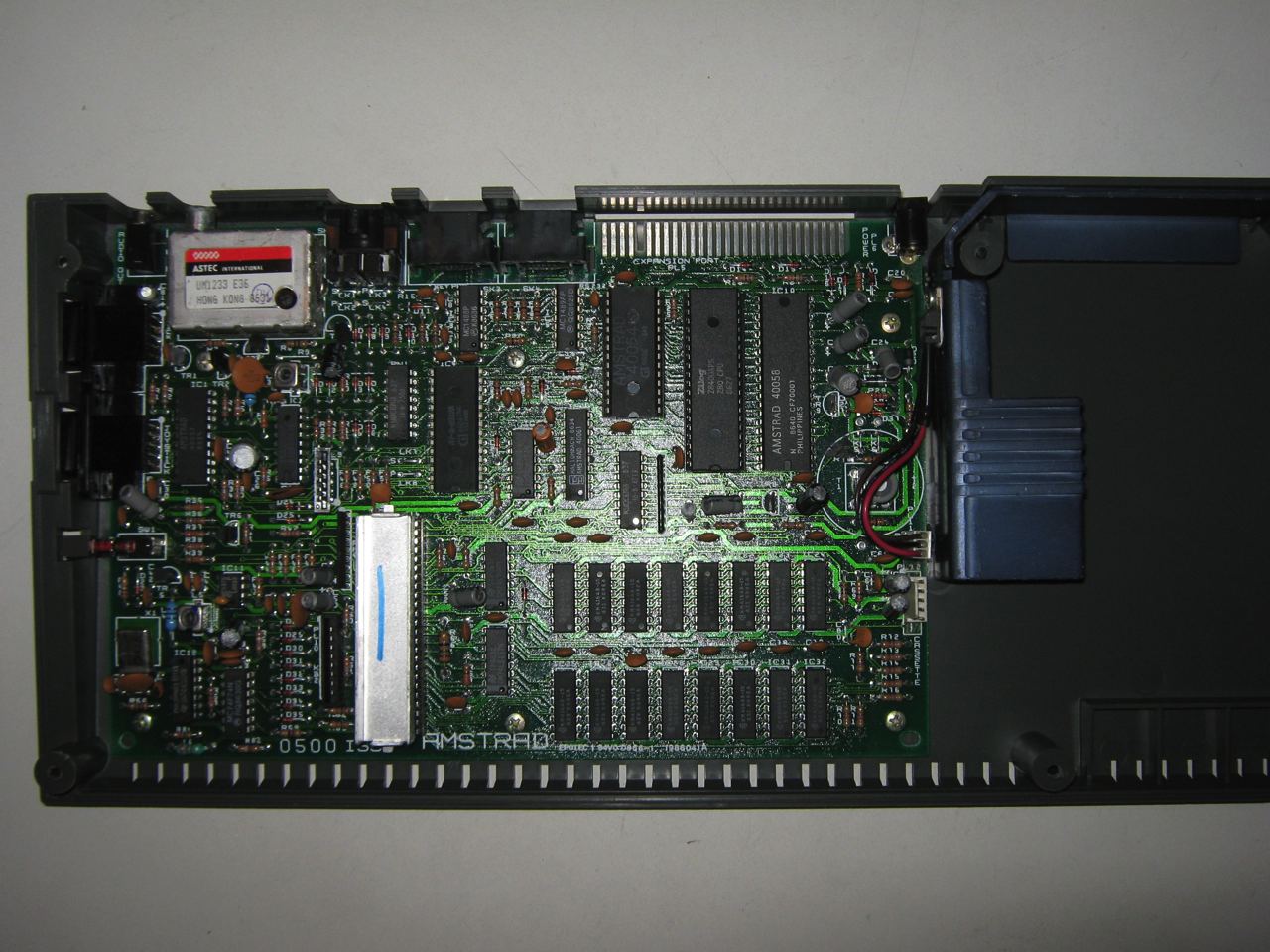
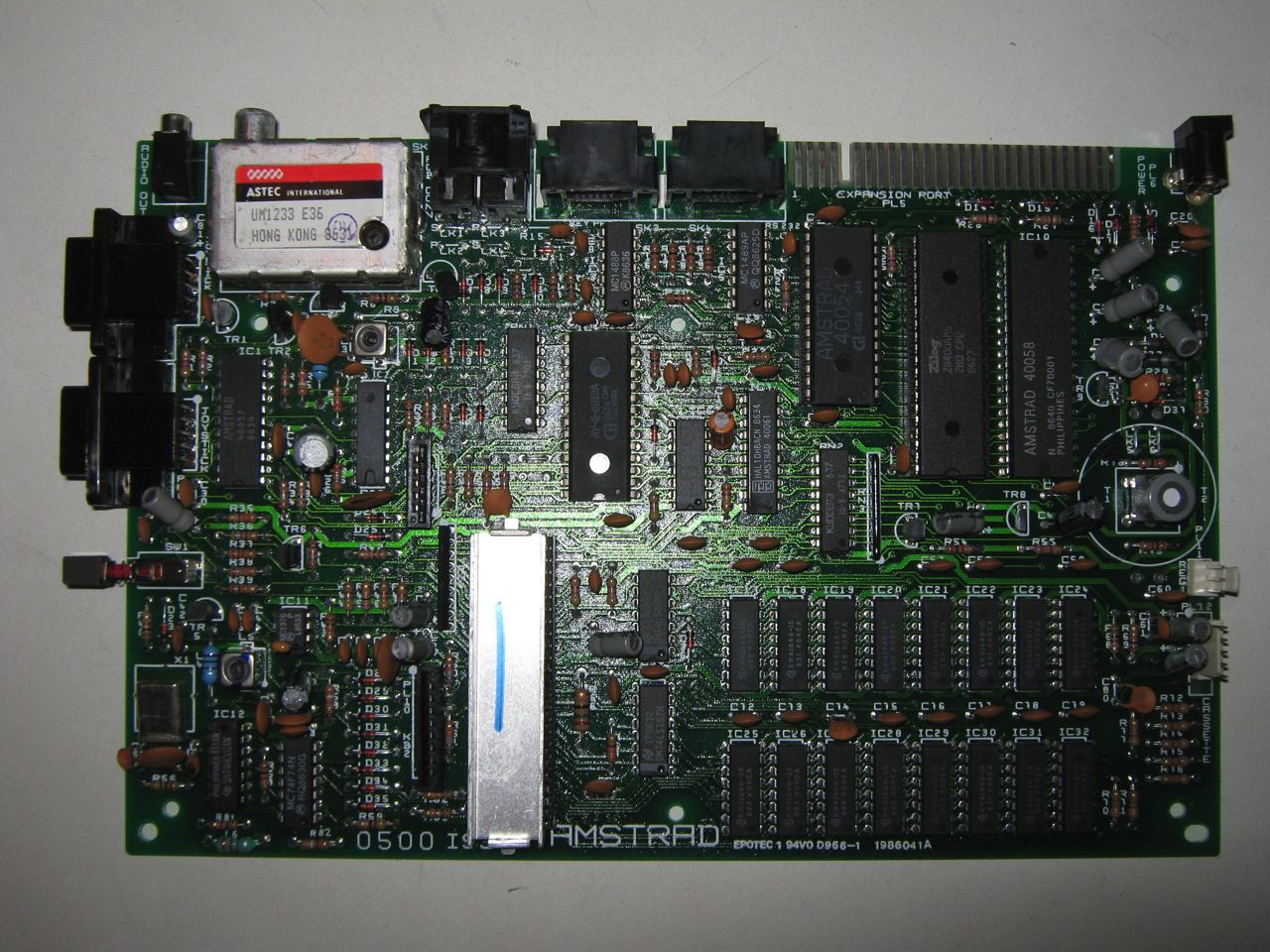
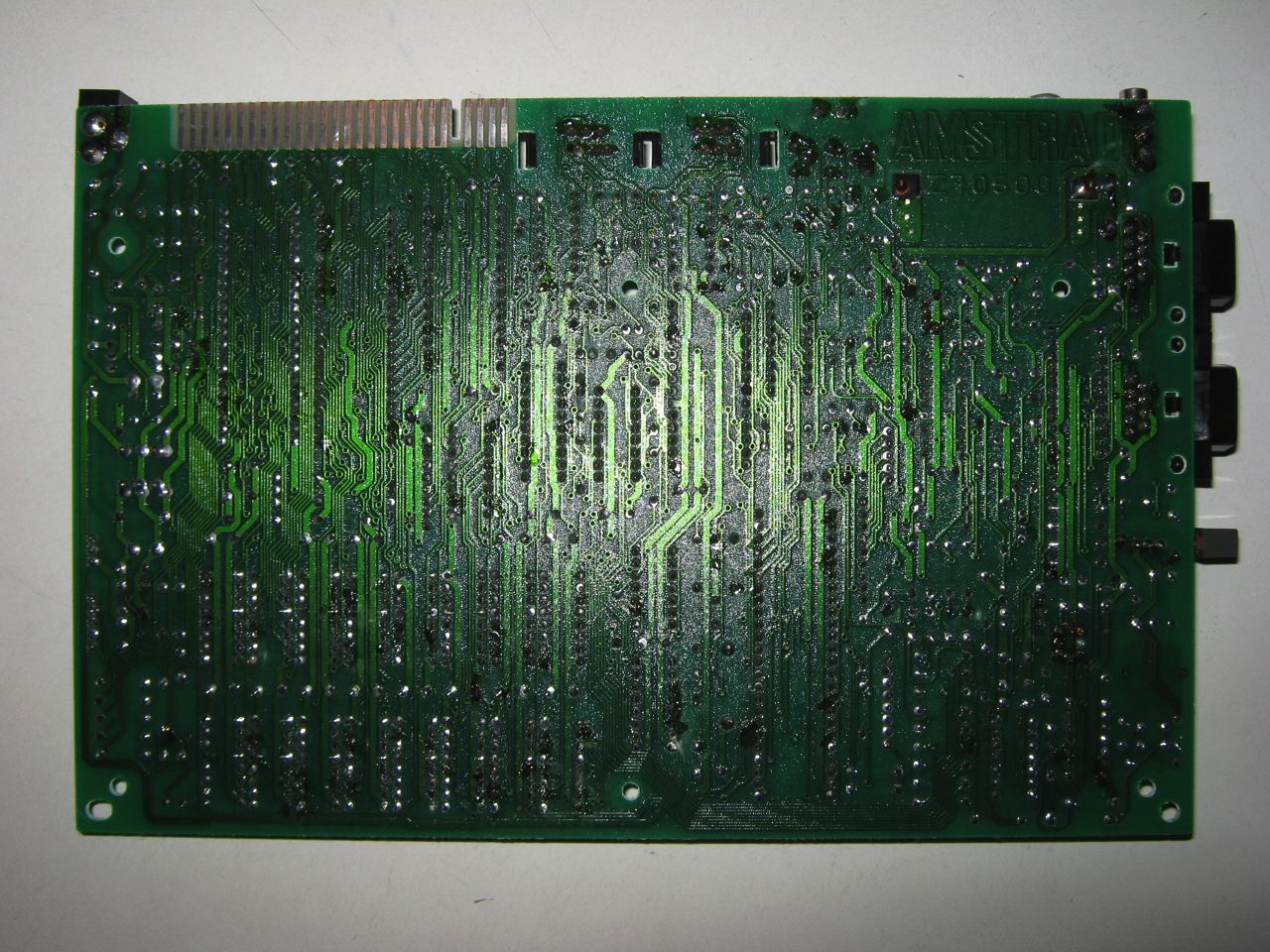
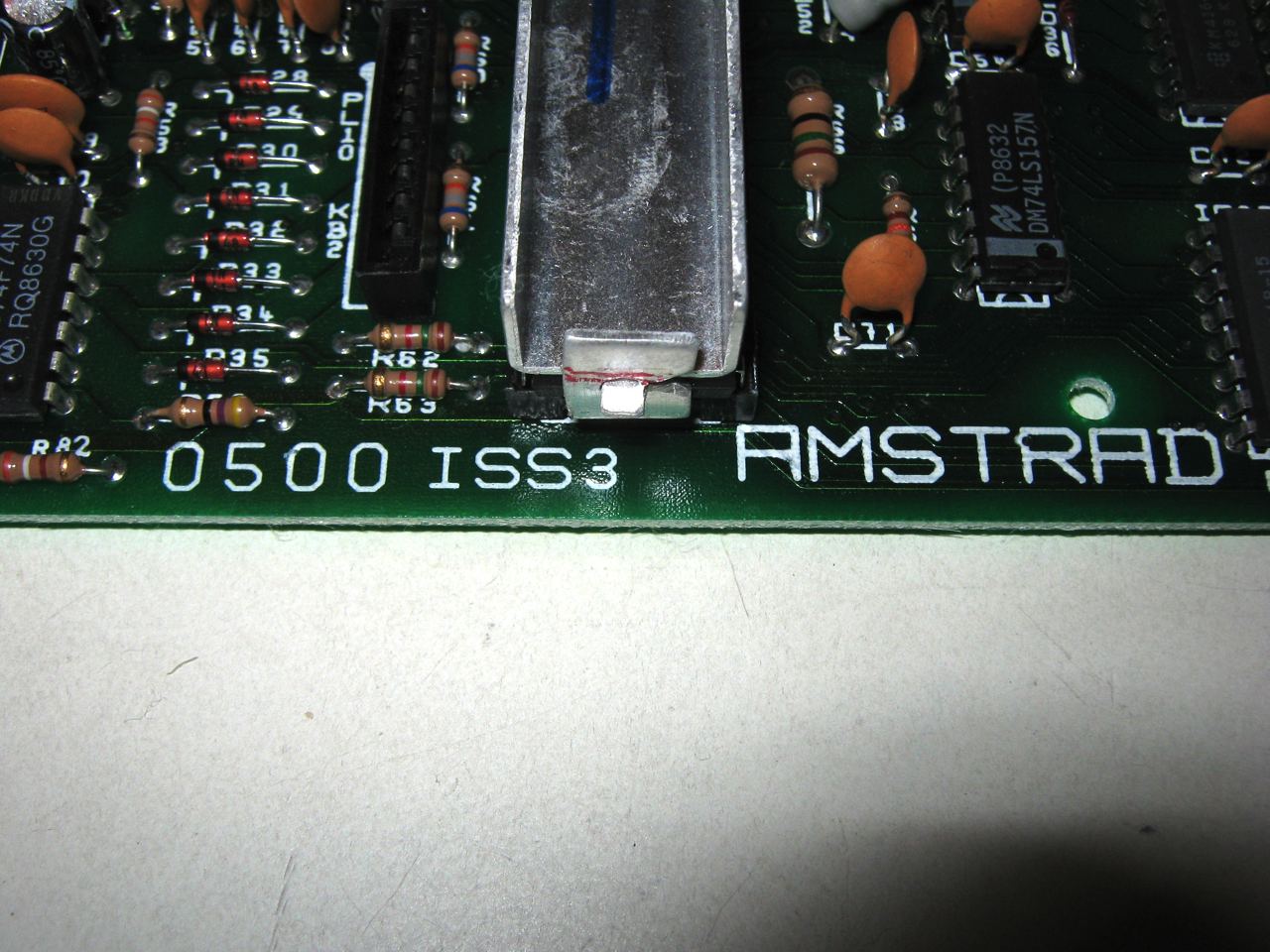
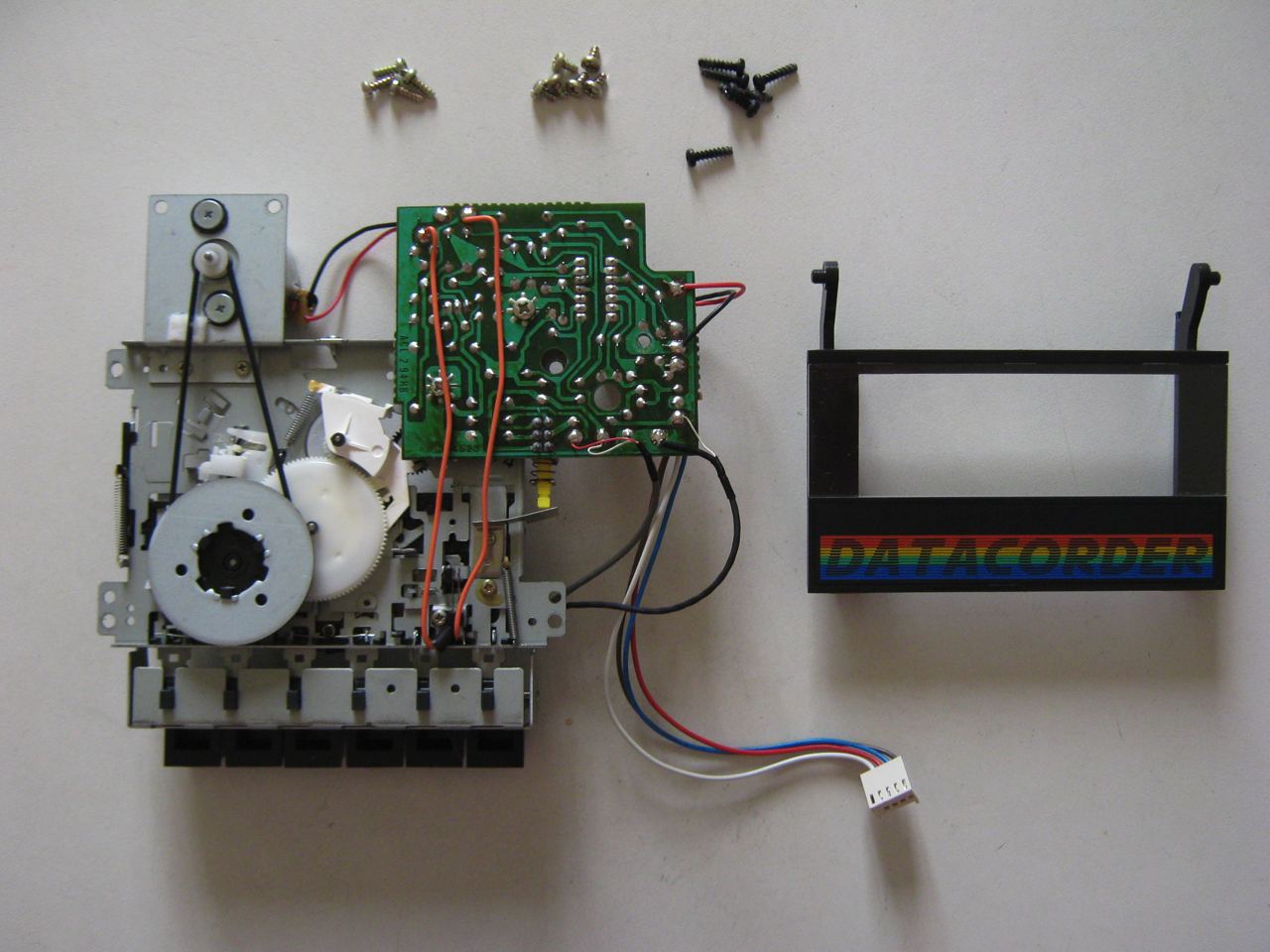
The original Plus2 (in the grey case) was released in 1987 to get away from the old Spectrums now that Amstrad had taken over. It was very different from previous Spectrums and had a proper typewriter keyboard, built-in casette recorder and 2 joystick ports.
For some unknown reason Amstrad later released a +2A in a black case which is actually a Plus3 with a casette recorder instead of a disk drive.
from Wikipedia:
The ZX Spectrum +2 was Amstrad’s first Spectrum, coming shortly after their purchase of the Spectrum range and “Sinclair” brand in 1986. The machine featured an all-new grey case featuring a spring-loaded keyboard, dual joystick ports, and a built-in cassette recorder dubbed the “Datacorder” (like the Amstrad CPC 464), but was in most respects identical to the ZX Spectrum 128. The main menu screen lacked the Spectrum 128′s “Tape Test” option, and the ROM was altered to account for a new 1986 Amstrad copyright message.
These changes resulted in minor incompatibility problems with software that accessed ROM routines at certain addresses. Production costs had been reduced and the retail price dropped to £139–£149.
The new keyboard did not include the BASIC keyword markings that were found on earlier Spectrums, except for the keywords LOAD, CODE and RUN which were useful for loading software. This was not a major issue however, as the +2 boasted a menu system, almost identical to the ZX Spectrum 128, where one could switch between 48k BASIC programming with the keywords, and 128k BASIC programming in which all words (keywords and otherwise) must be typed out in full (although the keywords are still stored internally as one character each).
Despite these changes, the layout remained identical to that of the 128.
source: wikipedia

Autopsy:
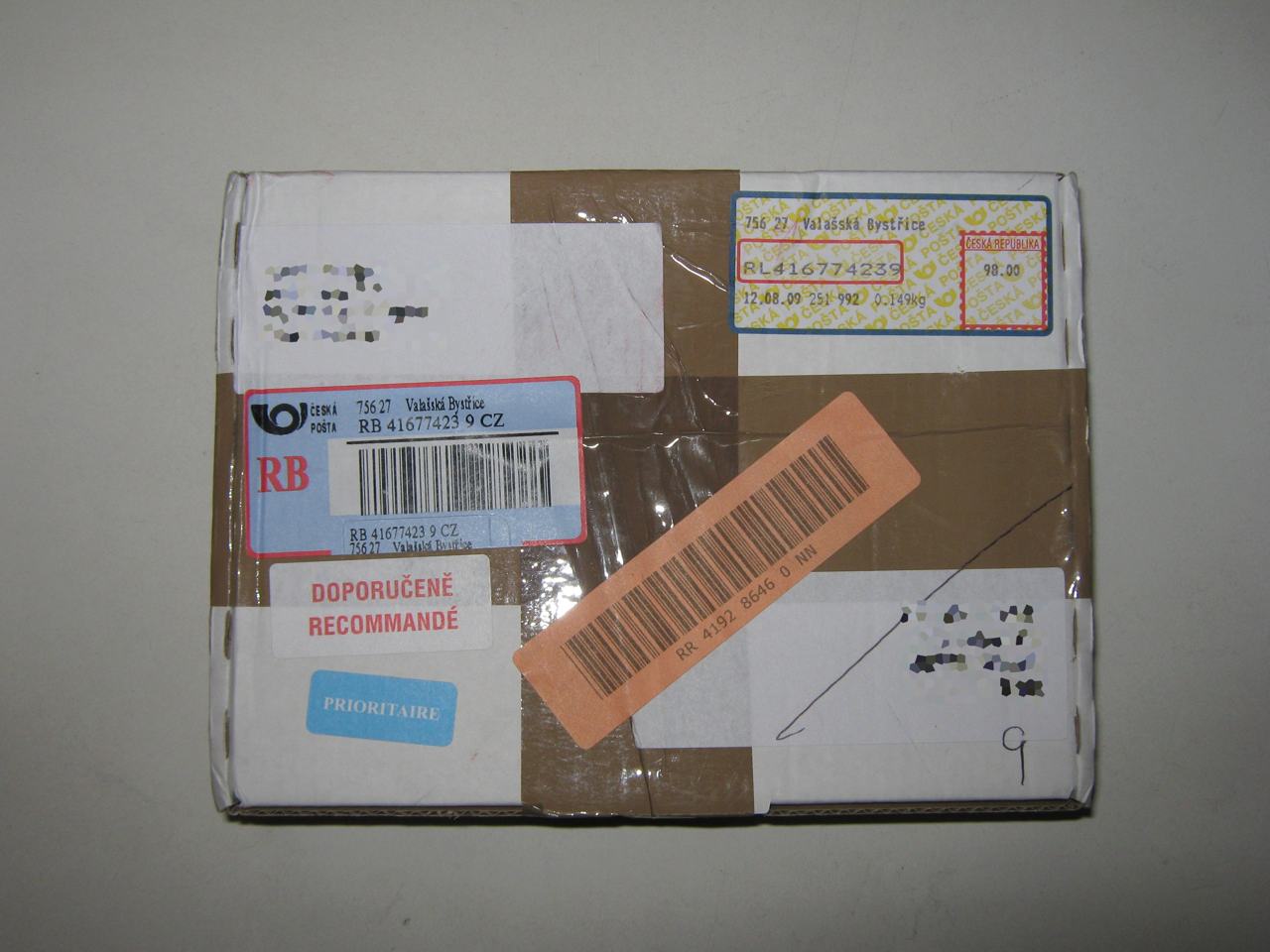
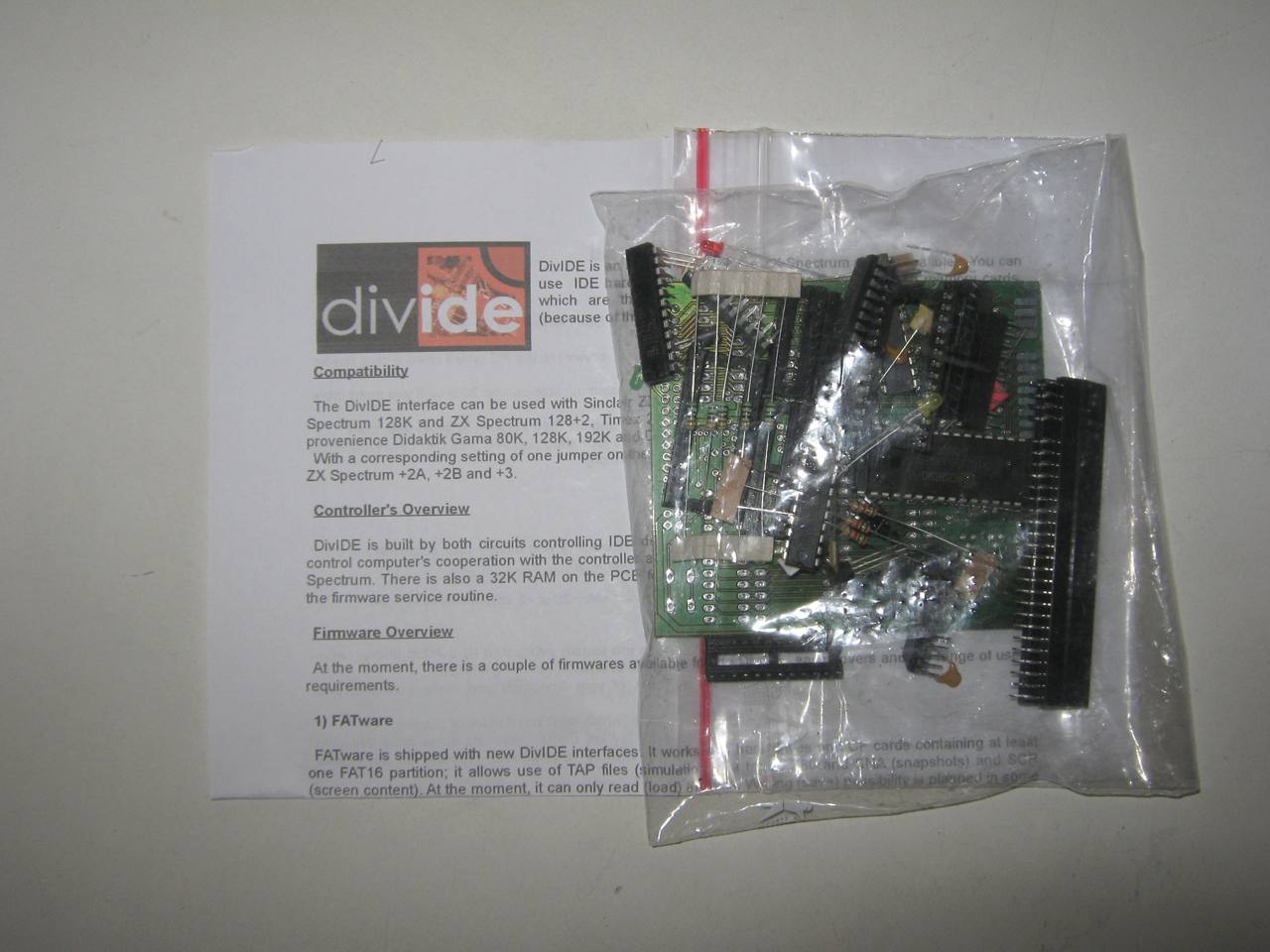
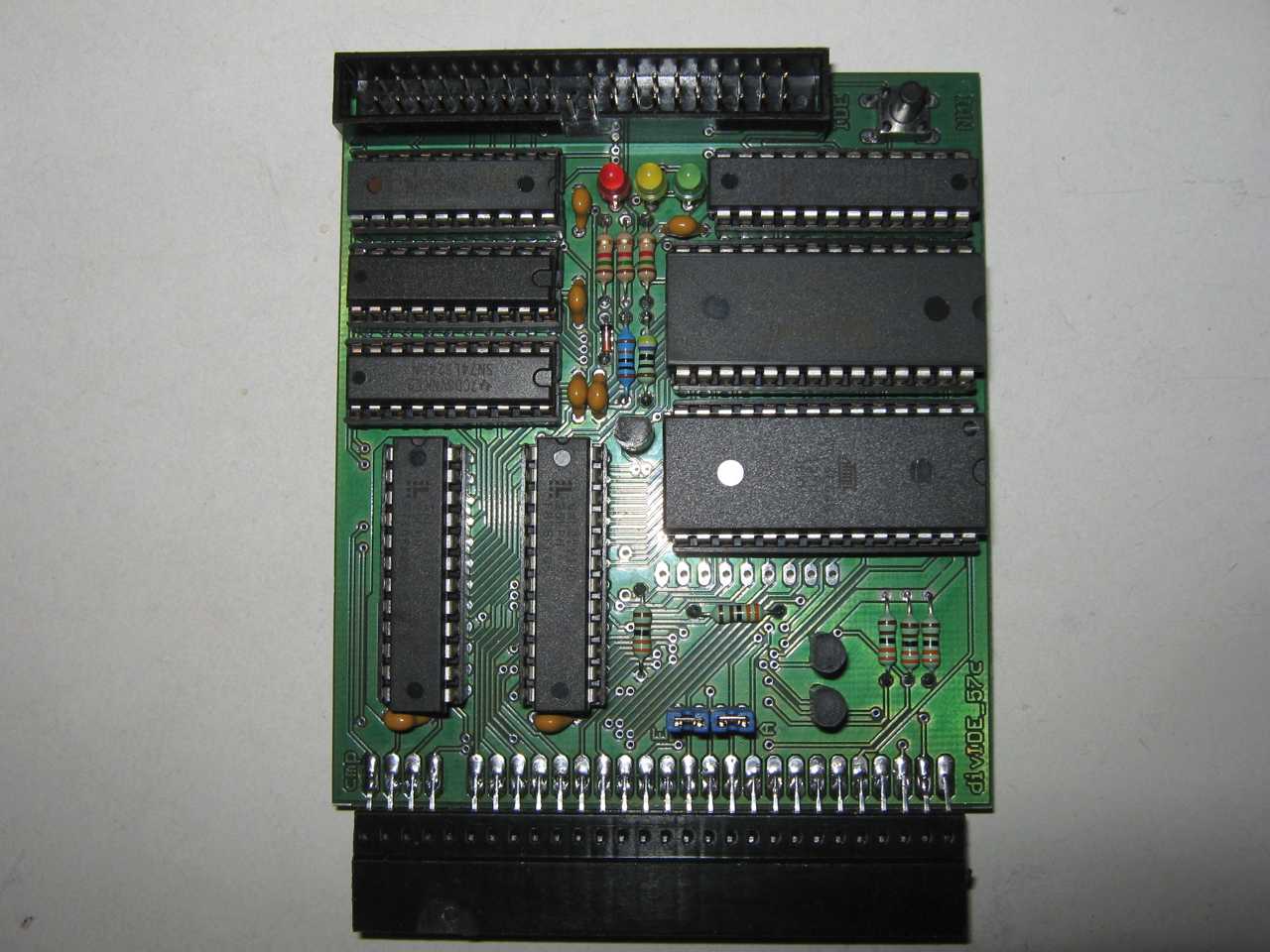
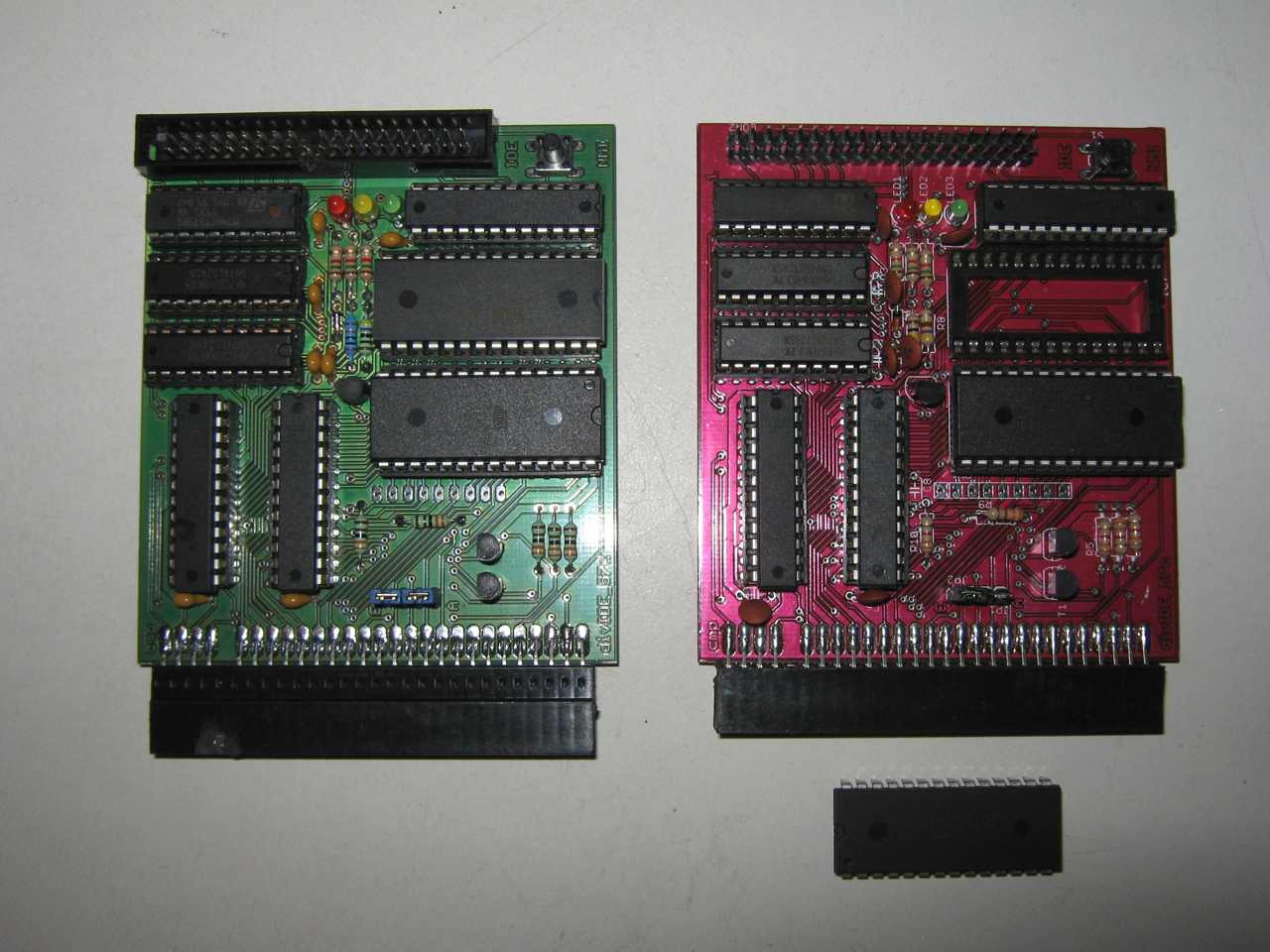
On the last Photo you see two Divide Interfaces. On the left, the PCB Green color, is the Original from DivIde Homepage , On the right, the PCB Red color, is a “clone” from Ebay.
Both working good, but the Divide “clone” has stopped to work after two weeks, chip ram 62256 is broken. Some components of Divide “clone” are differents from the Original Divide interface. like: some values of resistors.
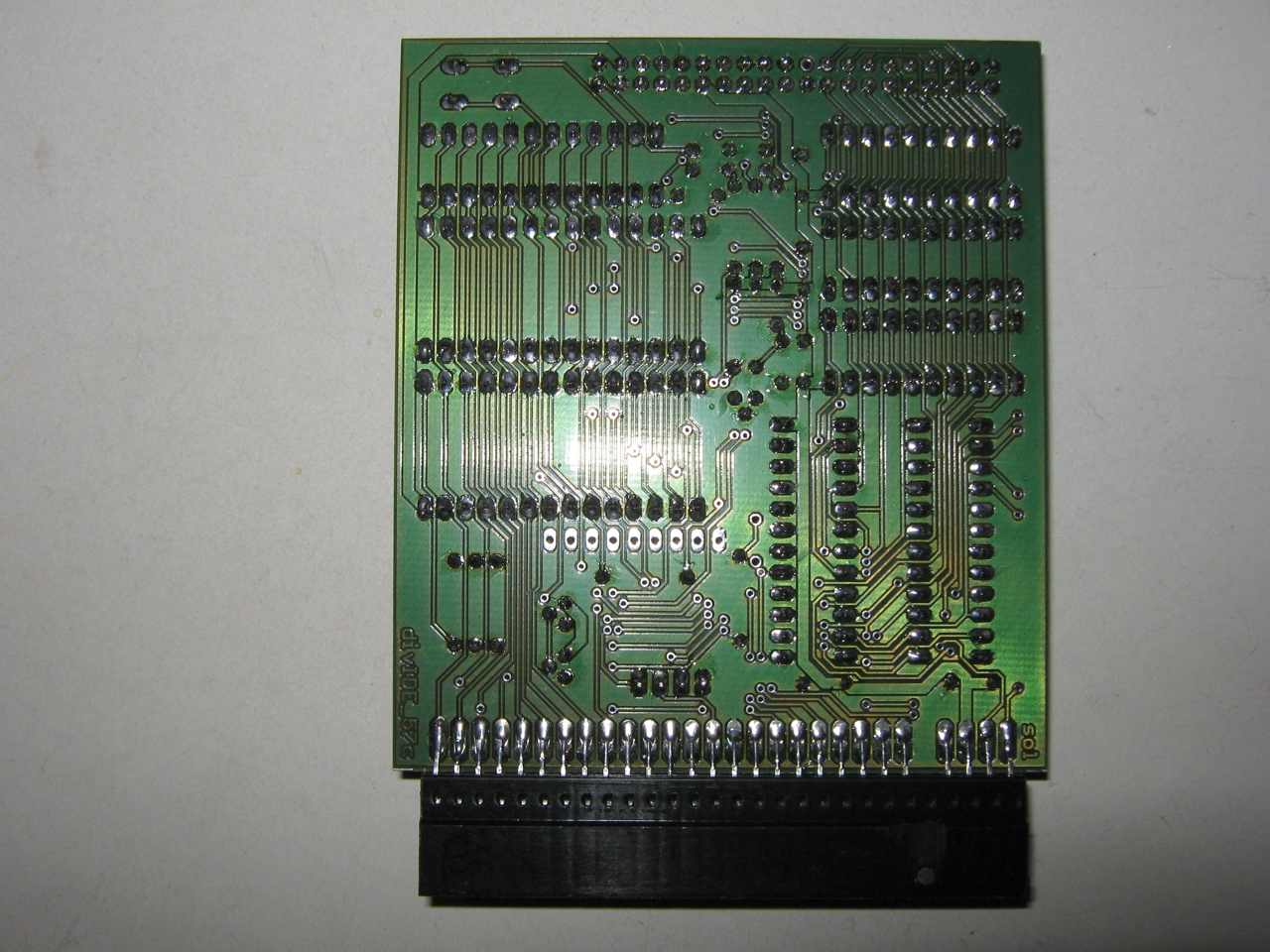
Here it’s the correct picture of solder side on DivIDE 57c. (thanks to Valesoft)
from Divide homepage:
divIDE is an ATA (IDE) interface which takes your ZX Spectrum computing to a whole new level. As the time takes its toll on ageing media such as audio tapes or diskettes, many ZX Spectrum enthusiasts simply stick to emulation for better reliability and comfort.
With divIDE you can put your software collection to a hard disk, CD-ROM or even CompactFlash card and experience your favourite games, demos and utilities the way the were meant to be run – and even better. Using existing firmwares, many users find their Speccy box again a live platform – time for you to make the switch?
Features:
Autopsy:
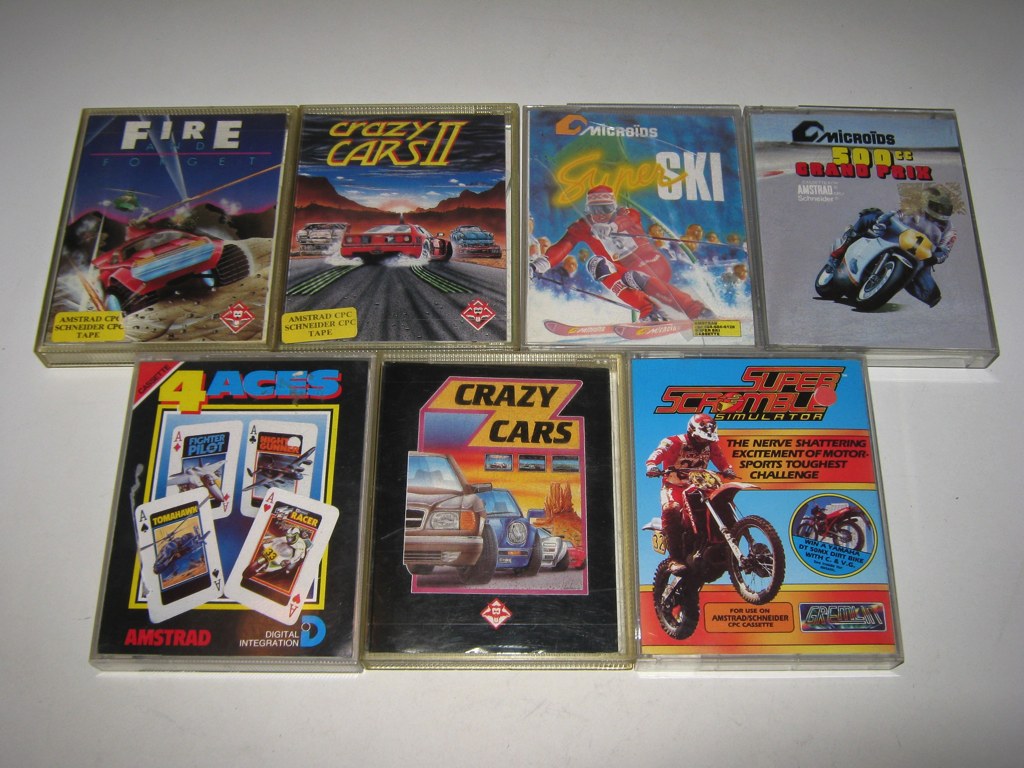
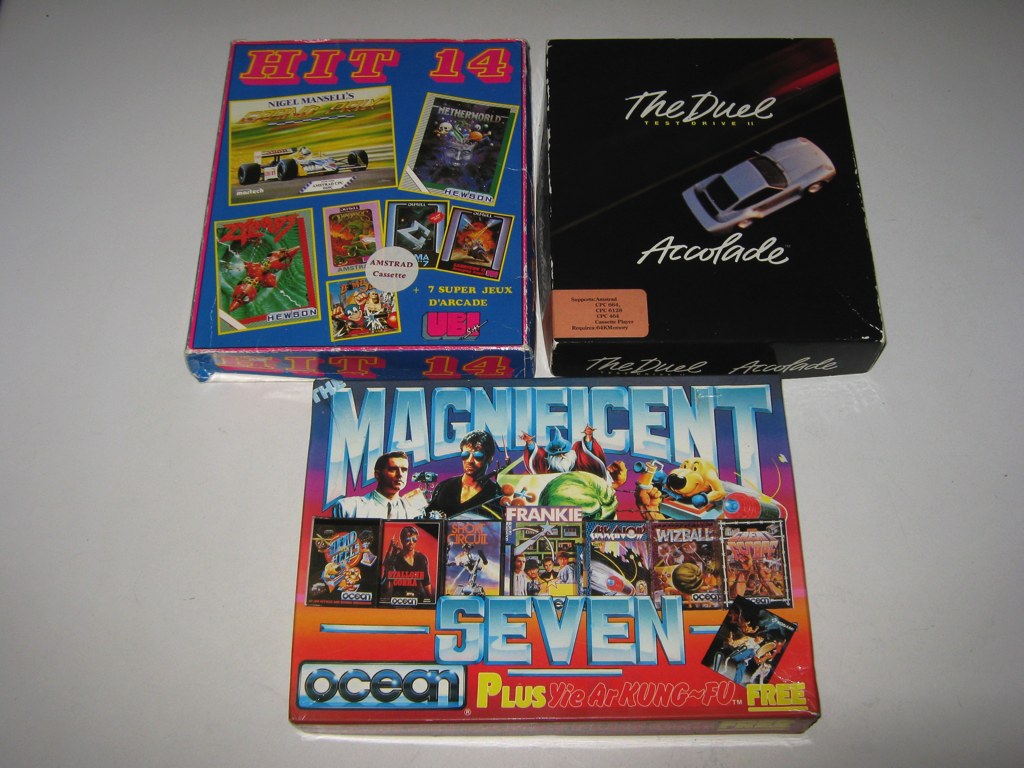
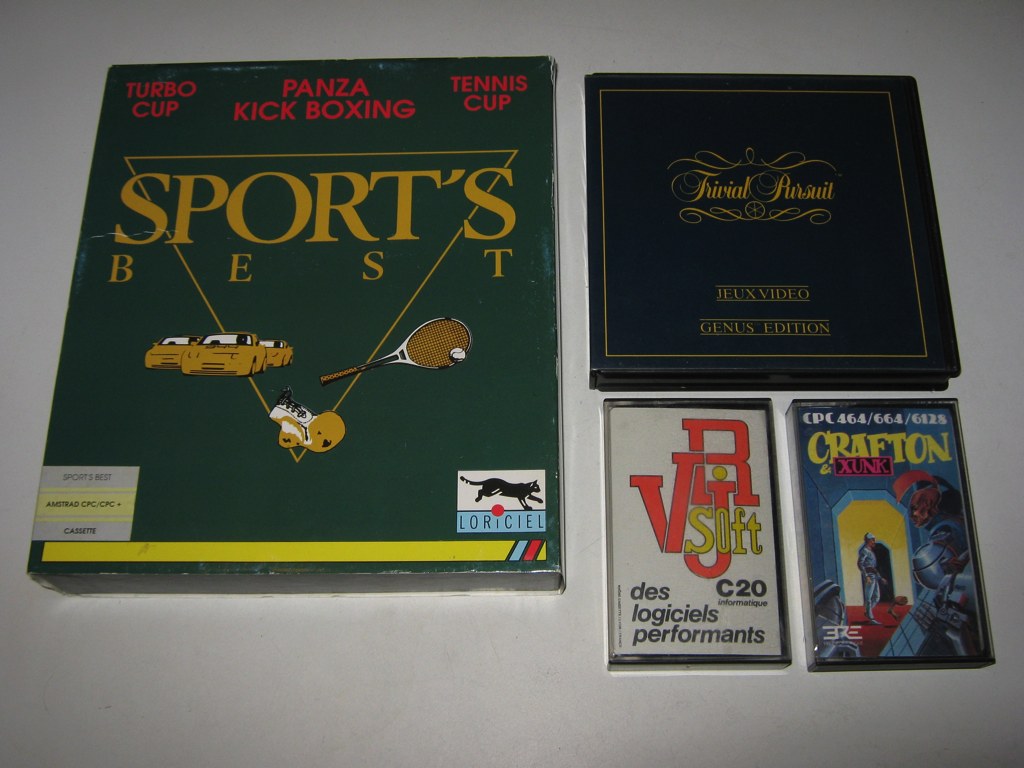
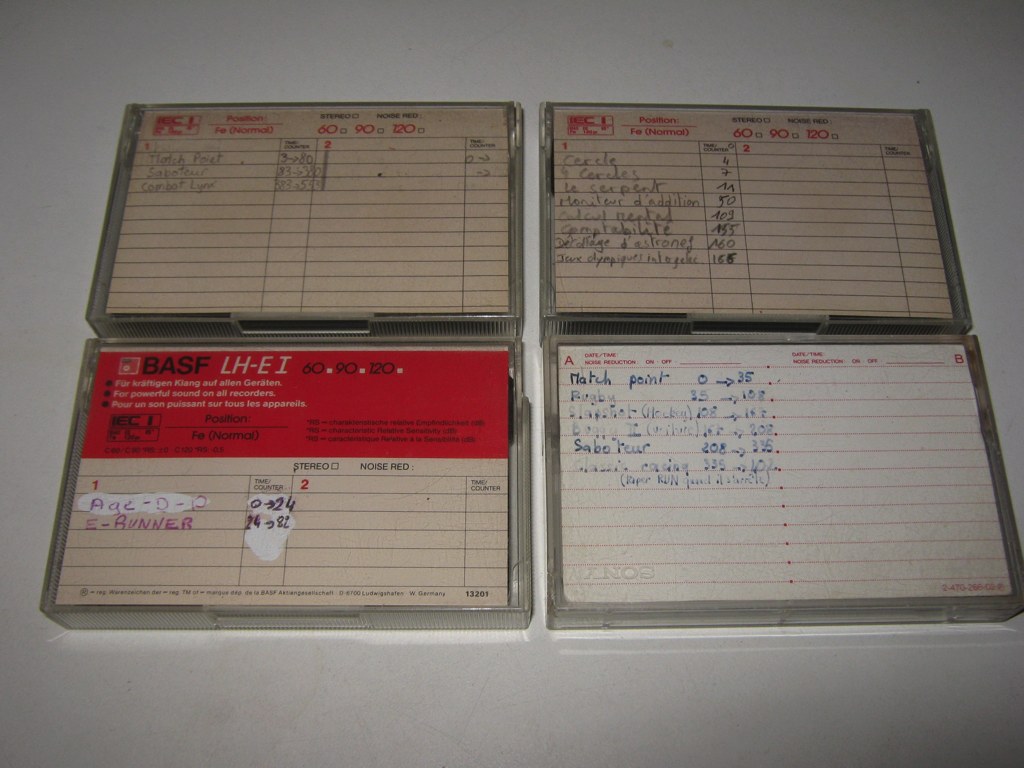
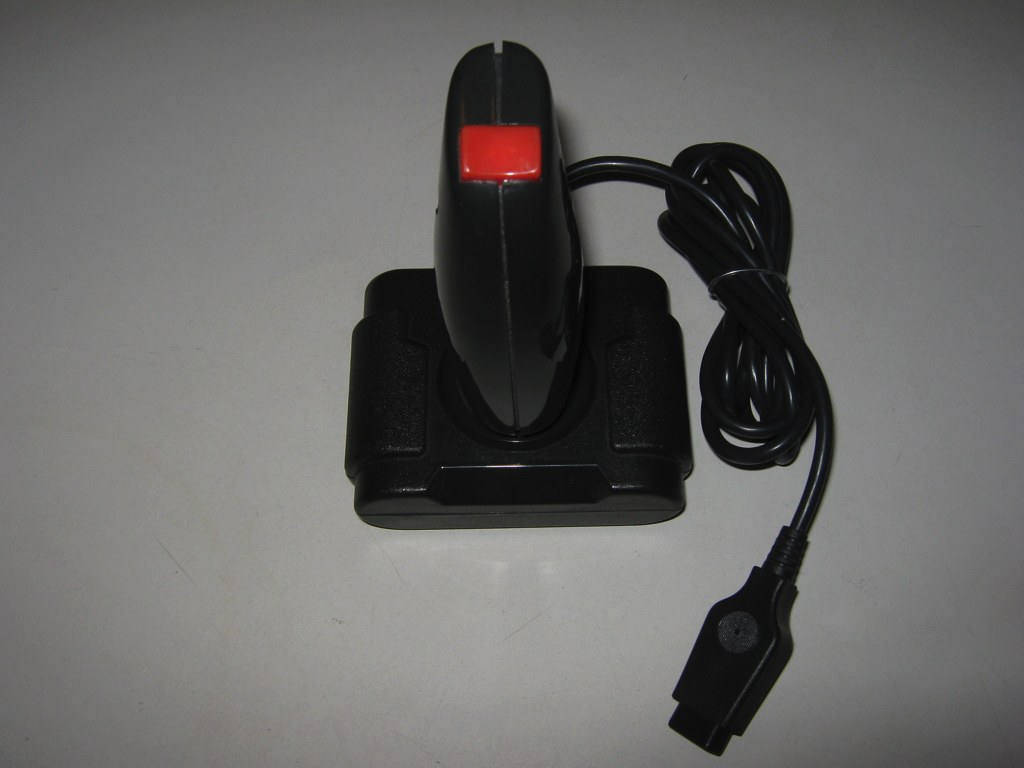
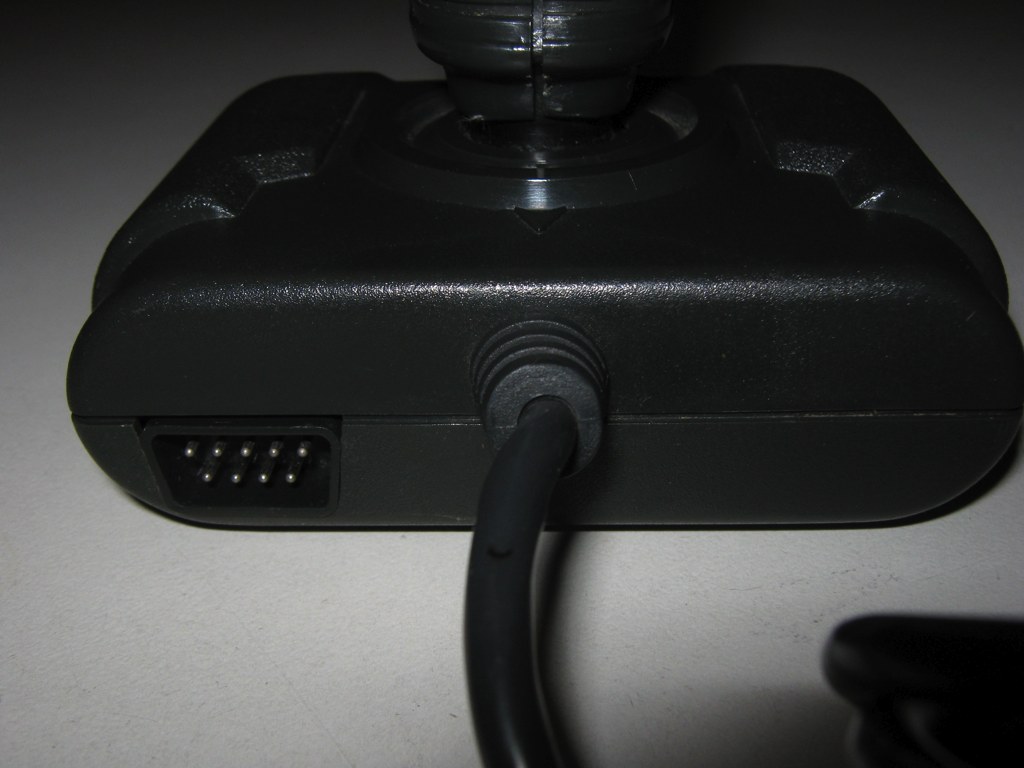
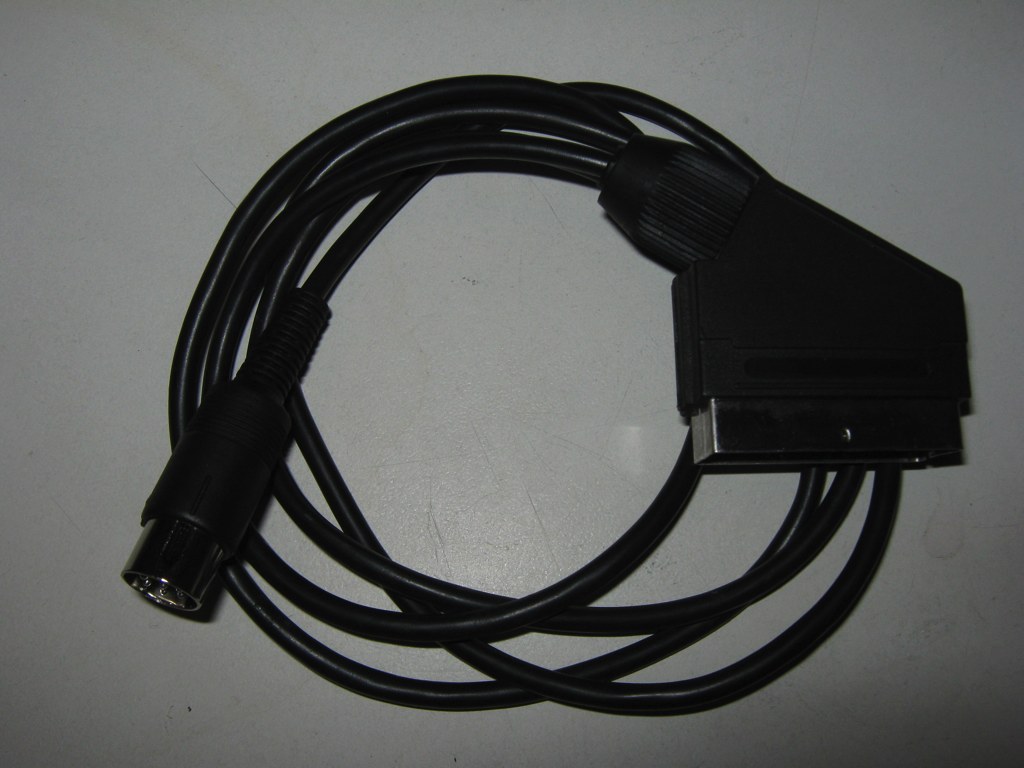
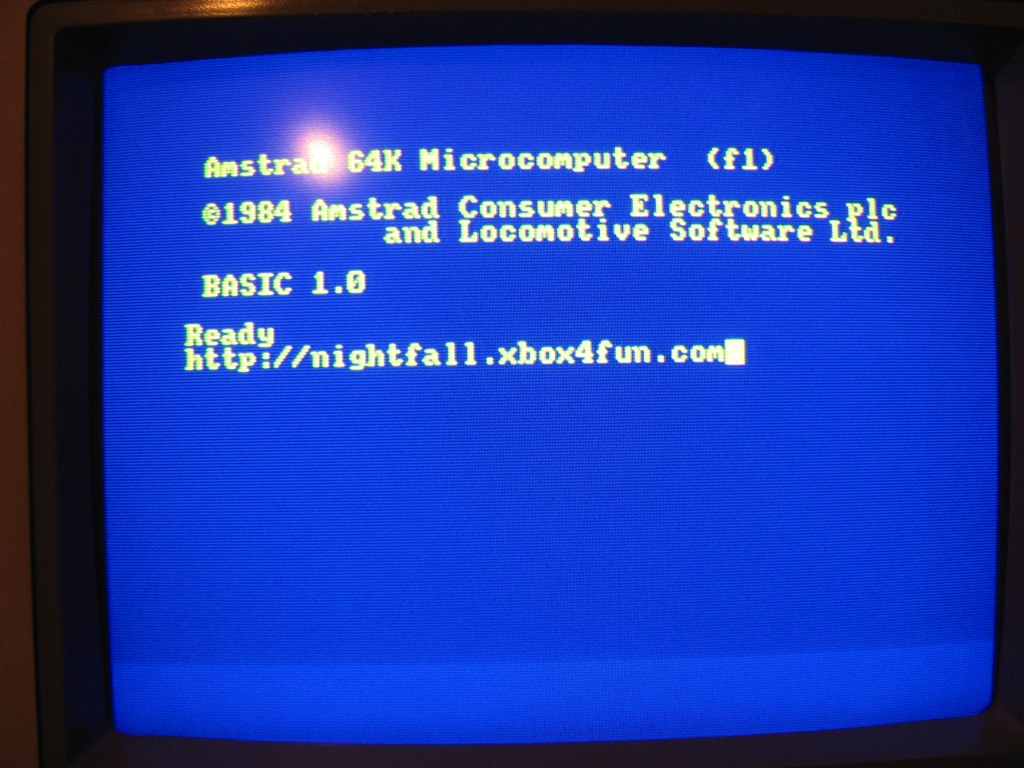
from Wikipedia:
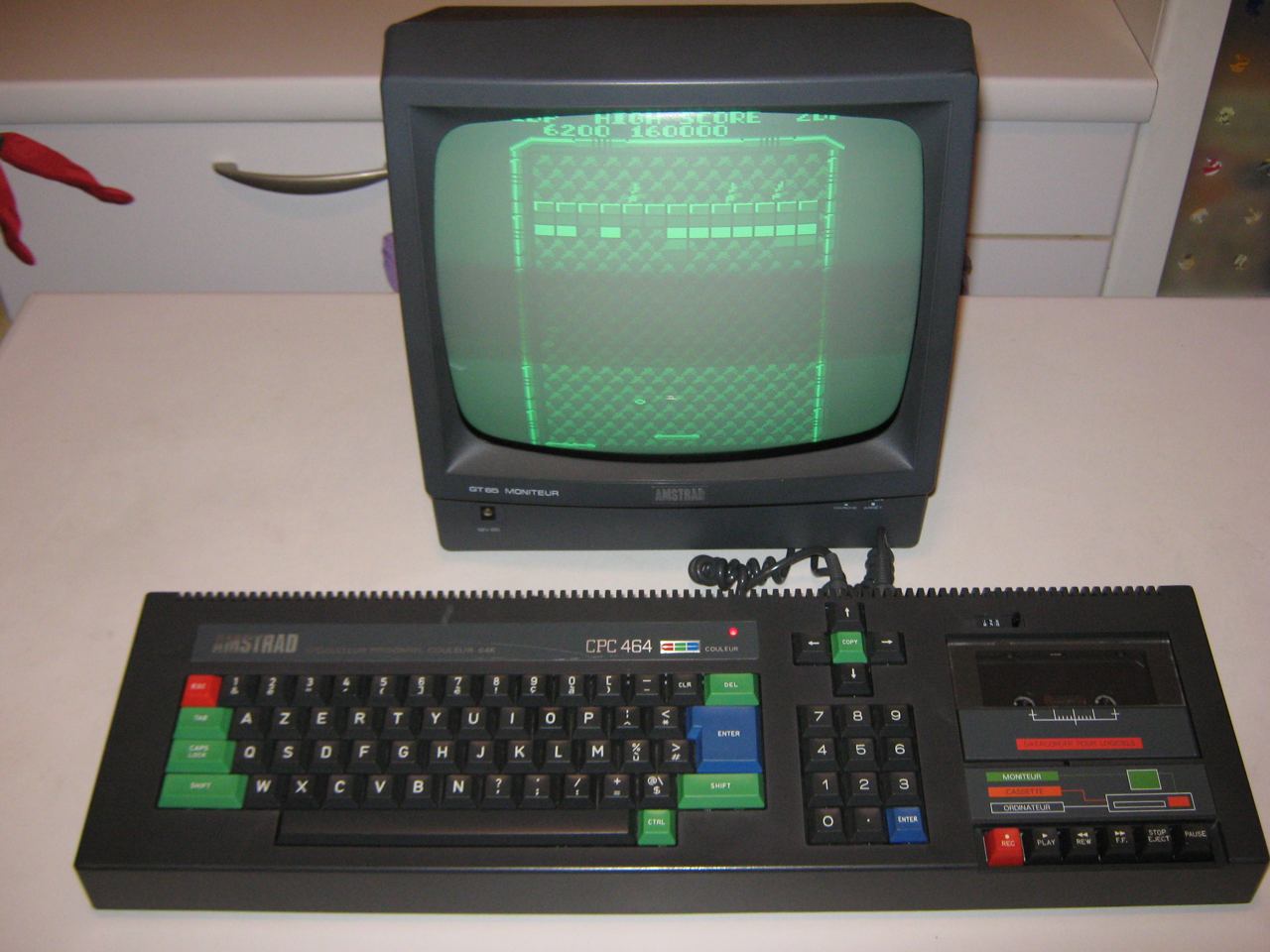
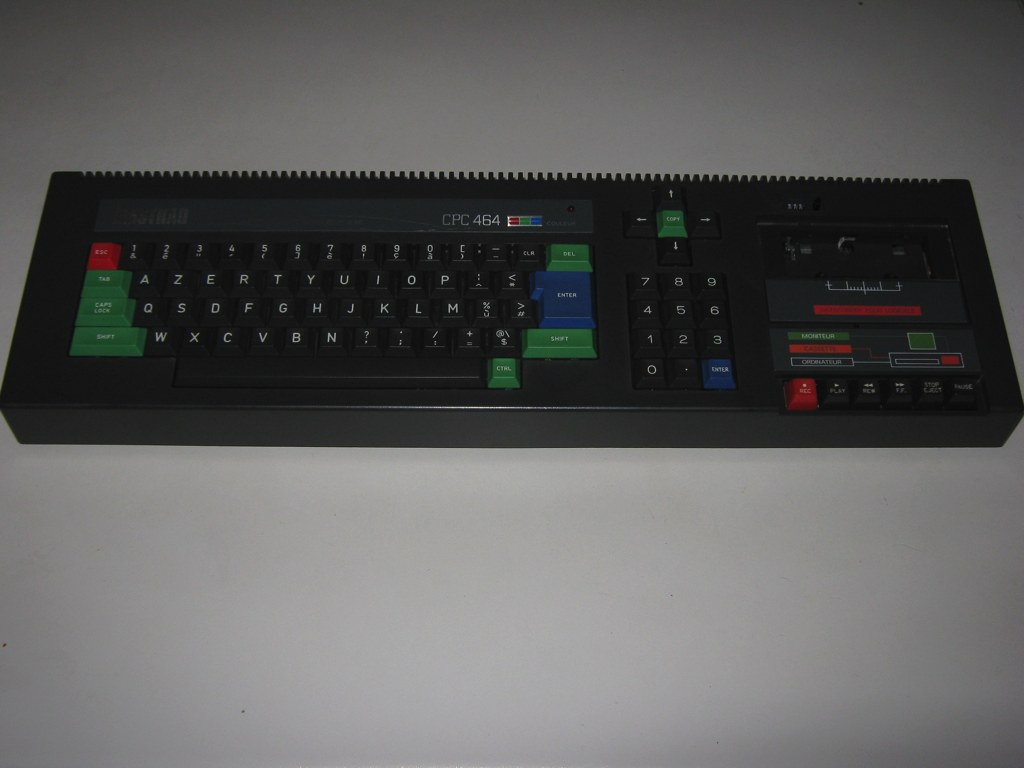
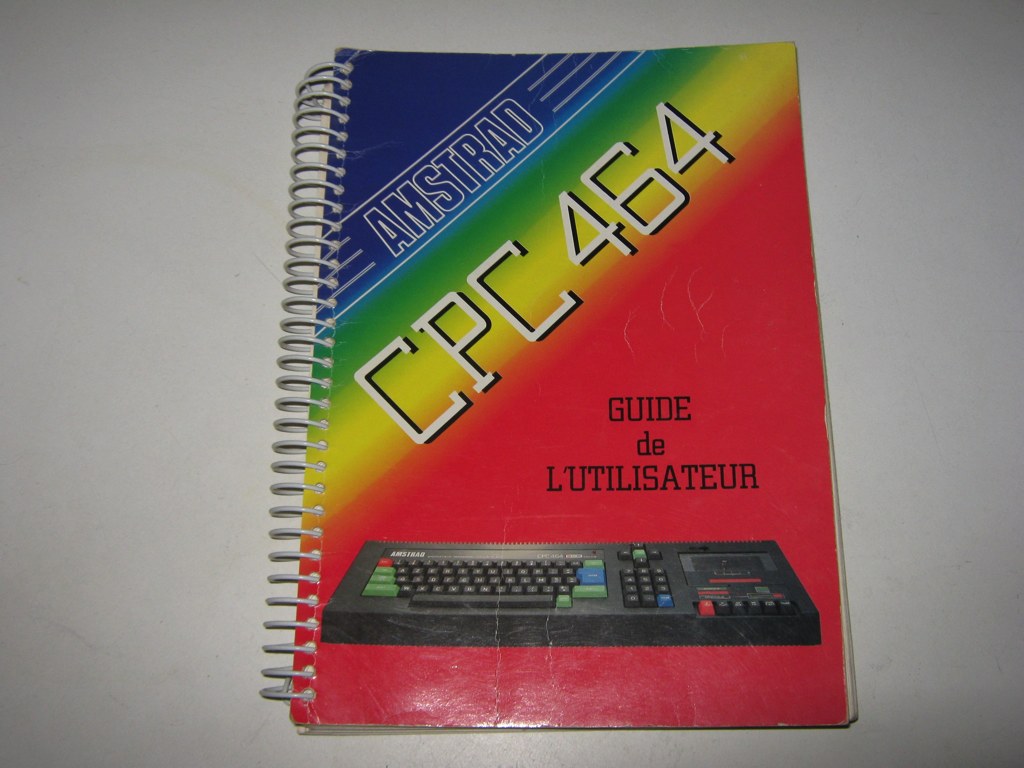
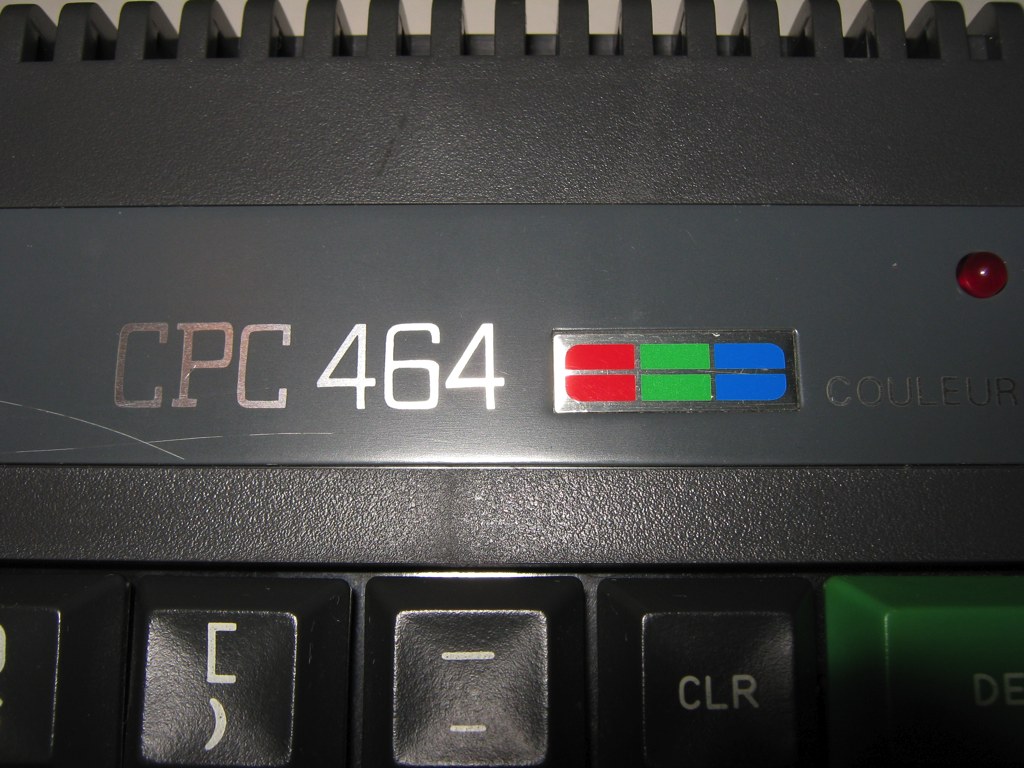
The Amstrad CPC is a series of 8 bit home computers produced by Amstrad during the 1980s and early 1990s. “CPC” stands for ‘Colour Personal Computer’, although it was possible to purchase a CPC with a green screen (GT64/65) as well as with the standard colour screen (CTM640/644).
The Amstrad CPC’s main competitors were the Commodore 64 and the Sinclair ZX Spectrum, though the CPC was bundled with a monitor unlike the Commodore and the Spectrum. The Amstrad CPC 464 sold approximately over 2 million units.
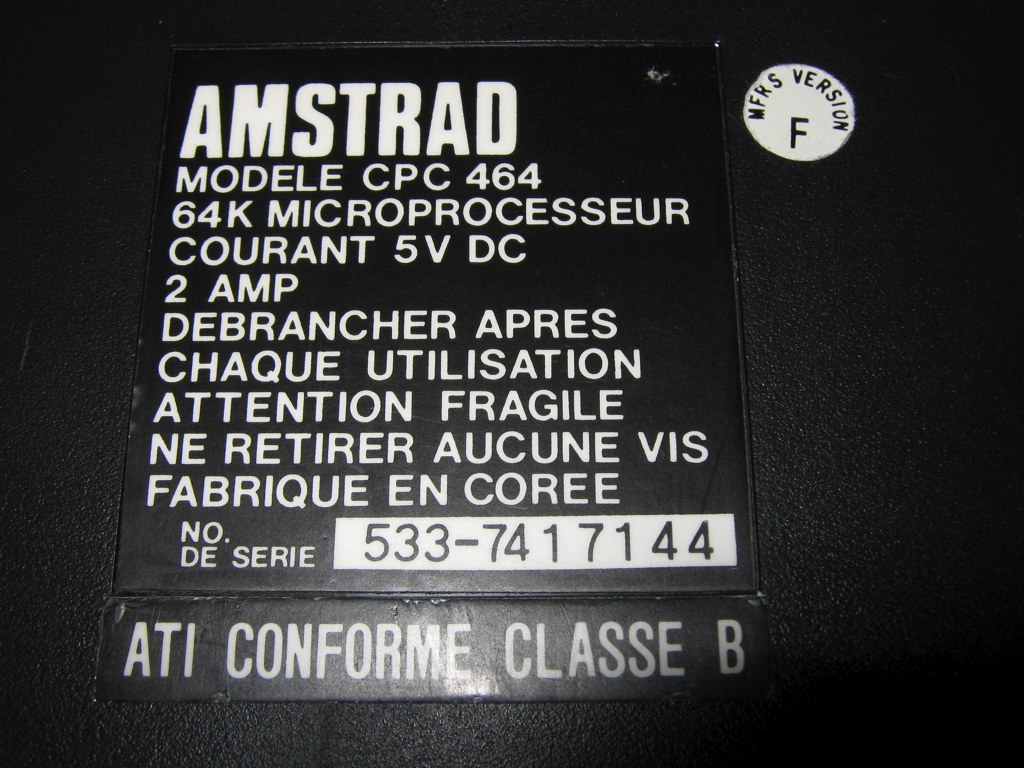
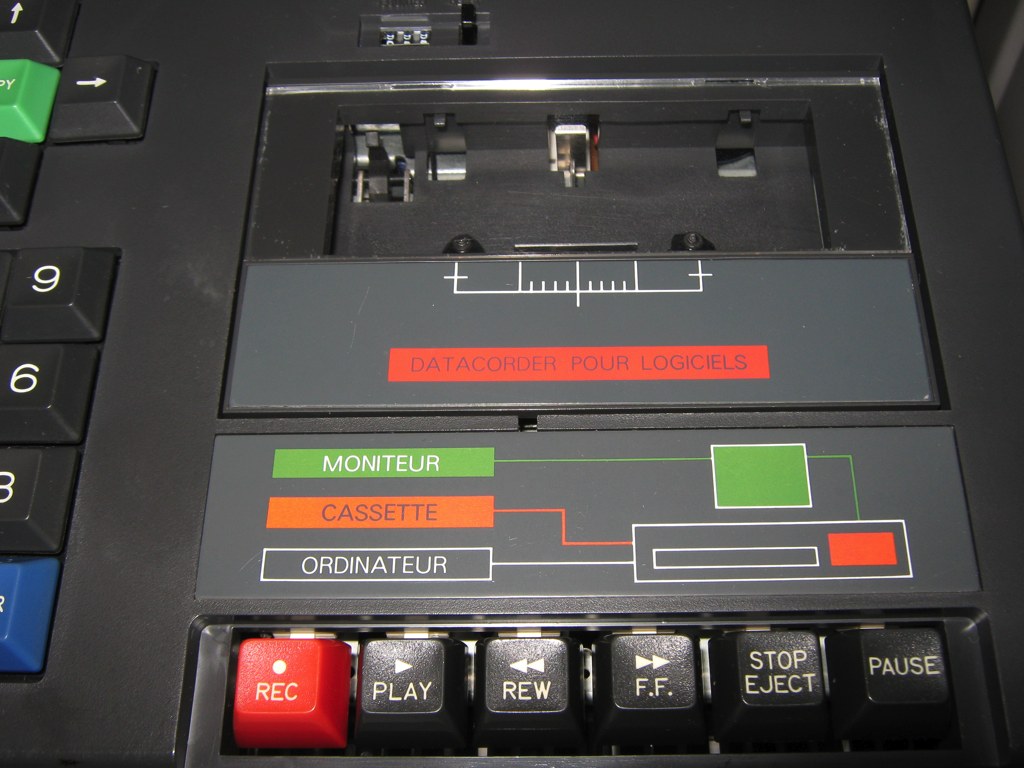
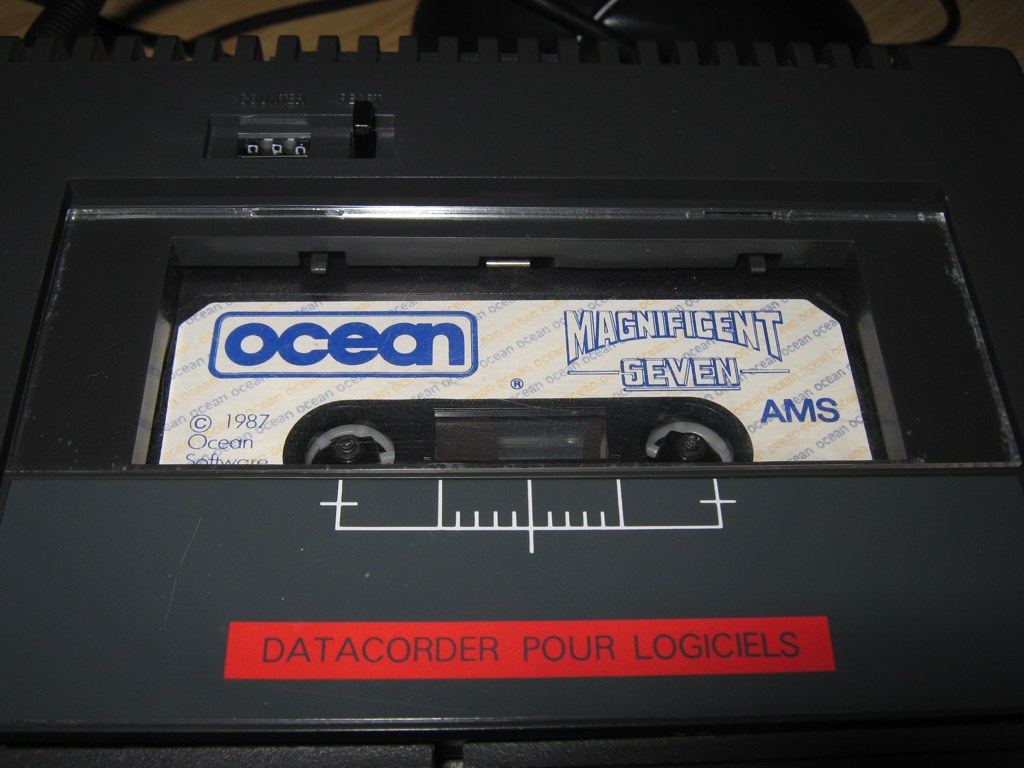
The first machine, the CPC 464, introduced in 1984, was designed as a direct competitor to the Commodore 64 system. Packaged as a “complete system” the CPC 464 came with its own monitor and built-in cassette tape deck. The CPC 664, with its own built-in floppy disk drive, arrived early in 1985, to be replaced itself later that same year by the CPC 6128.
The original CPC range was successful, especially in Europe, with three million units sold. Following this, Amstrad launched the Amstrad PCW word-processor range, which sold eight million units. Variations and clones of the CPC range were also released in Germany and Spain. The Plus range failed to find a market amongst the higher spec 16-bit Atari ST and Commodore Amiga systems.
source: wikipedia


Recent Comments