February 28th, 2010
Comments off
Categories: Gallery, Magazine, Retro Computers and other stuff...
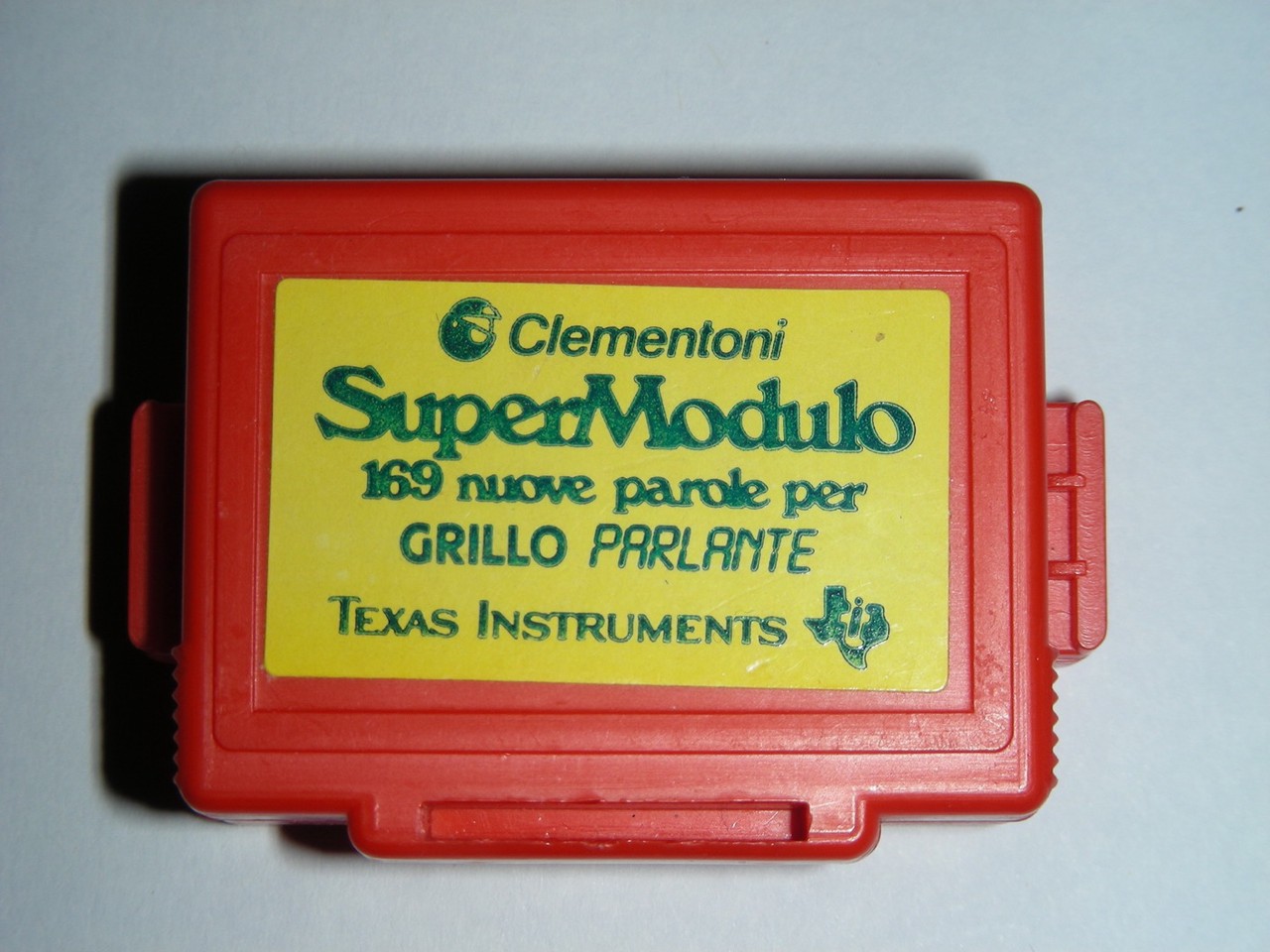
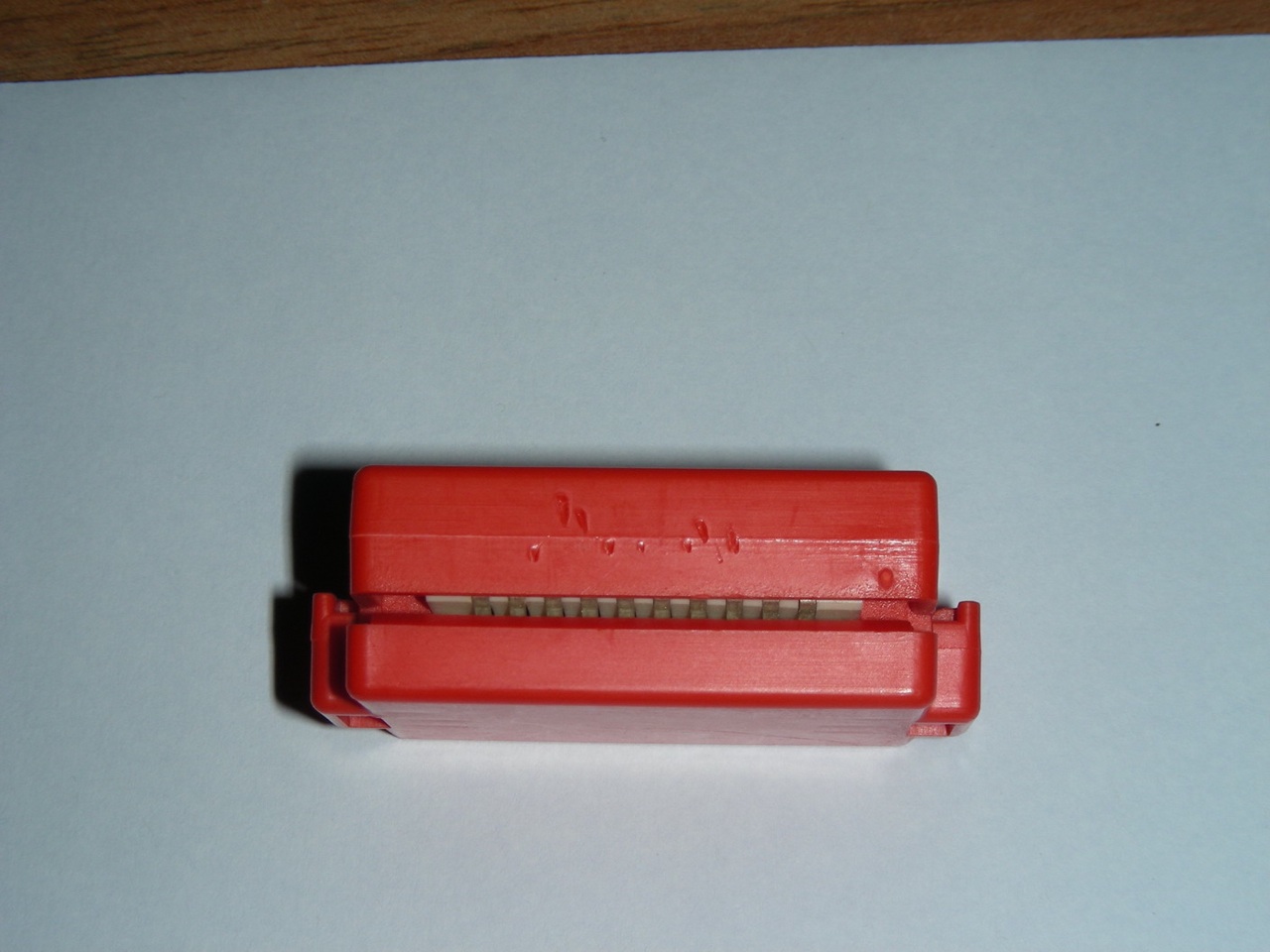
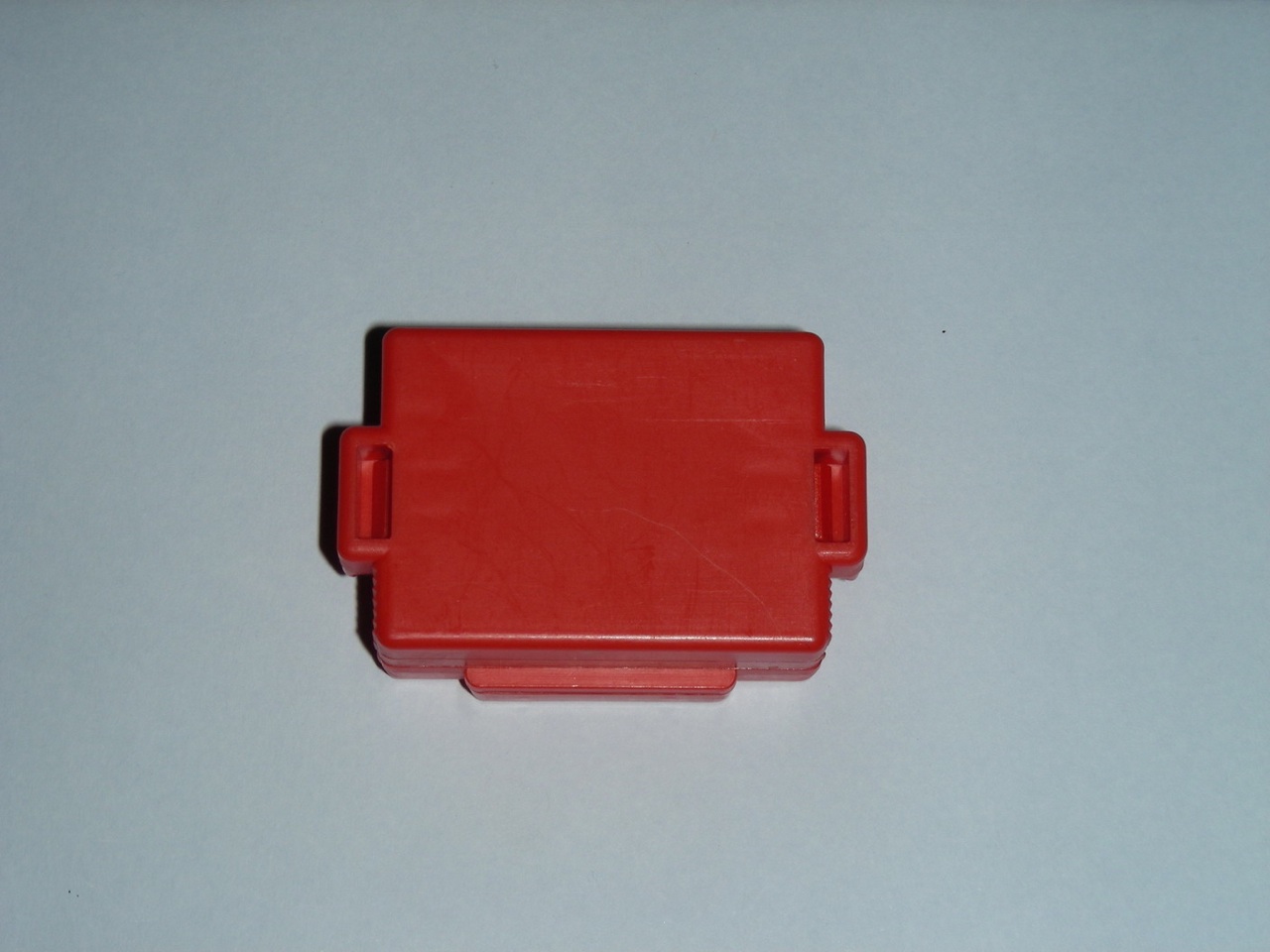
Thanks to My Brother for the Photo.
Cartridges (also known as expansion modules) are freely exchangeable ROM libraries that provide additional content without providing additional functionality. These cartridges are plugged into a slot near the battery compartment in order to introduce new software libraries.
Word and game lists are of differing lengths depending upon the cartridge and the word lists in models marketed for different languages reflect the language marketed for. Separate word lists also exist for regional variants such as the American and British English versions.
The word list used in each of the regional models reflects the recommendations of educators in each country. The English, French, German and Italian versions were all created by a team of non-specialists, in TI’s plant near Antibes, France, under the watchful eye of Larry Brantingham who had patented the underlying technology.
source: wikipedia speaknspell.co.uk
Autopsy:
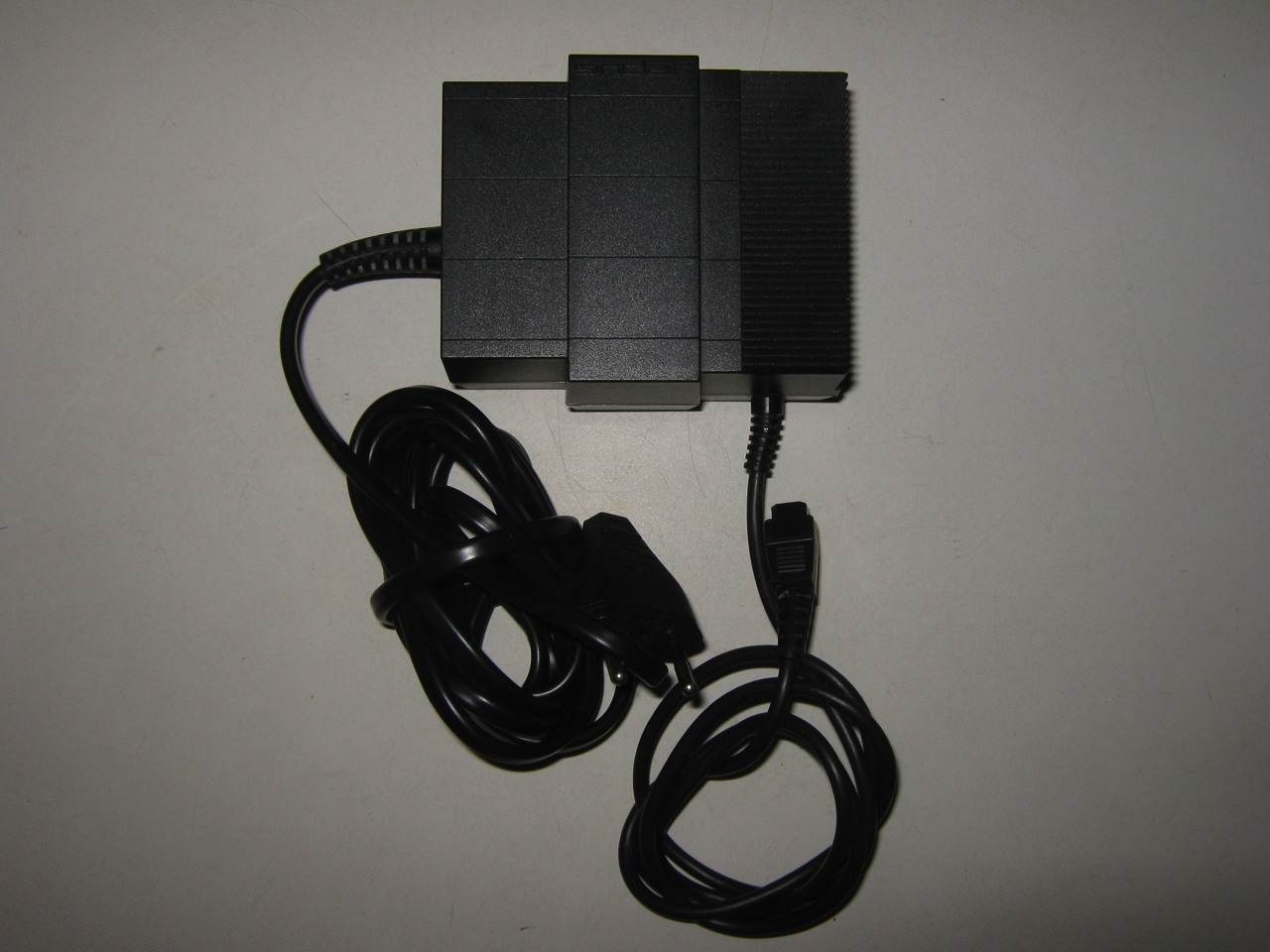
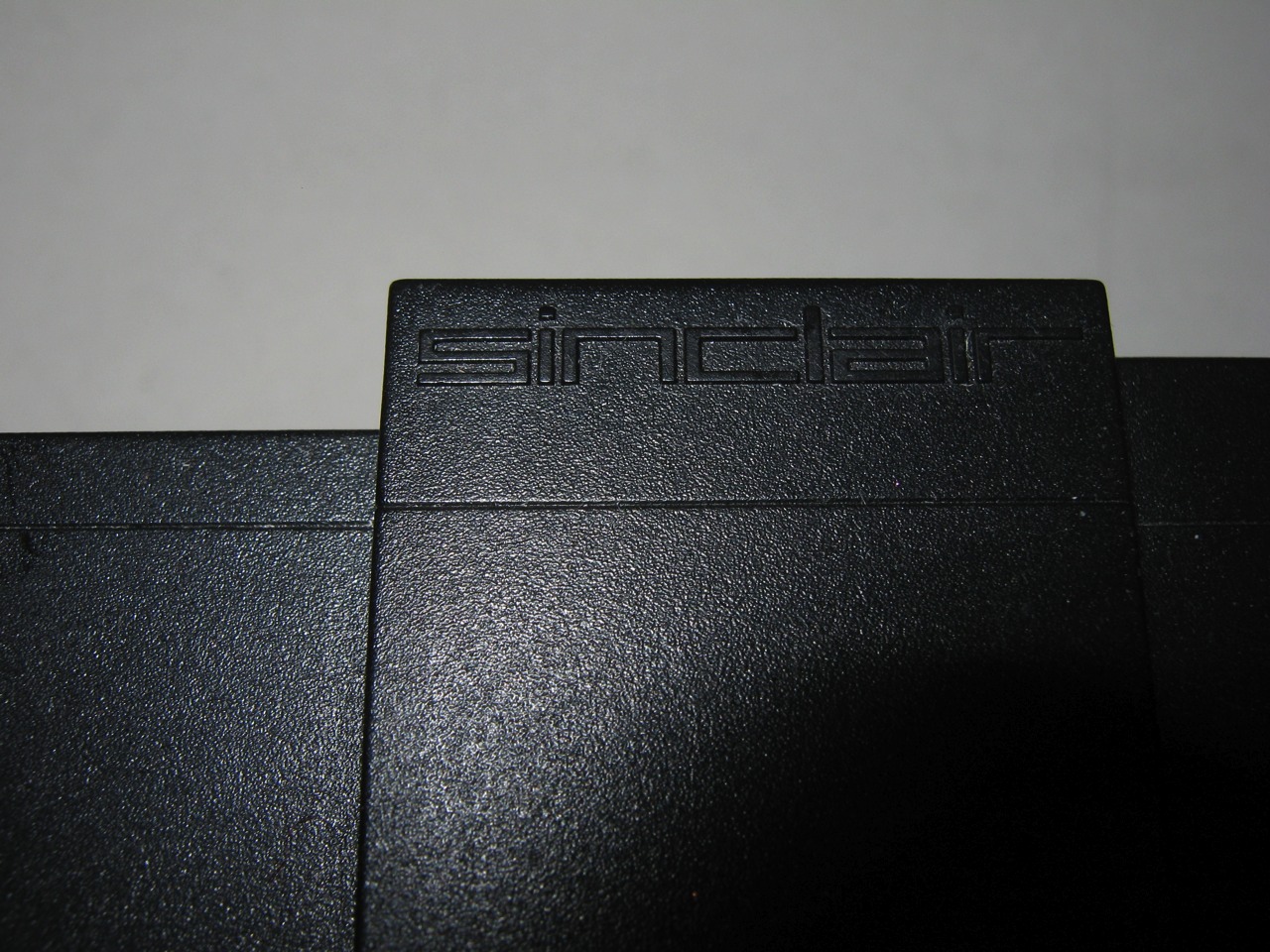
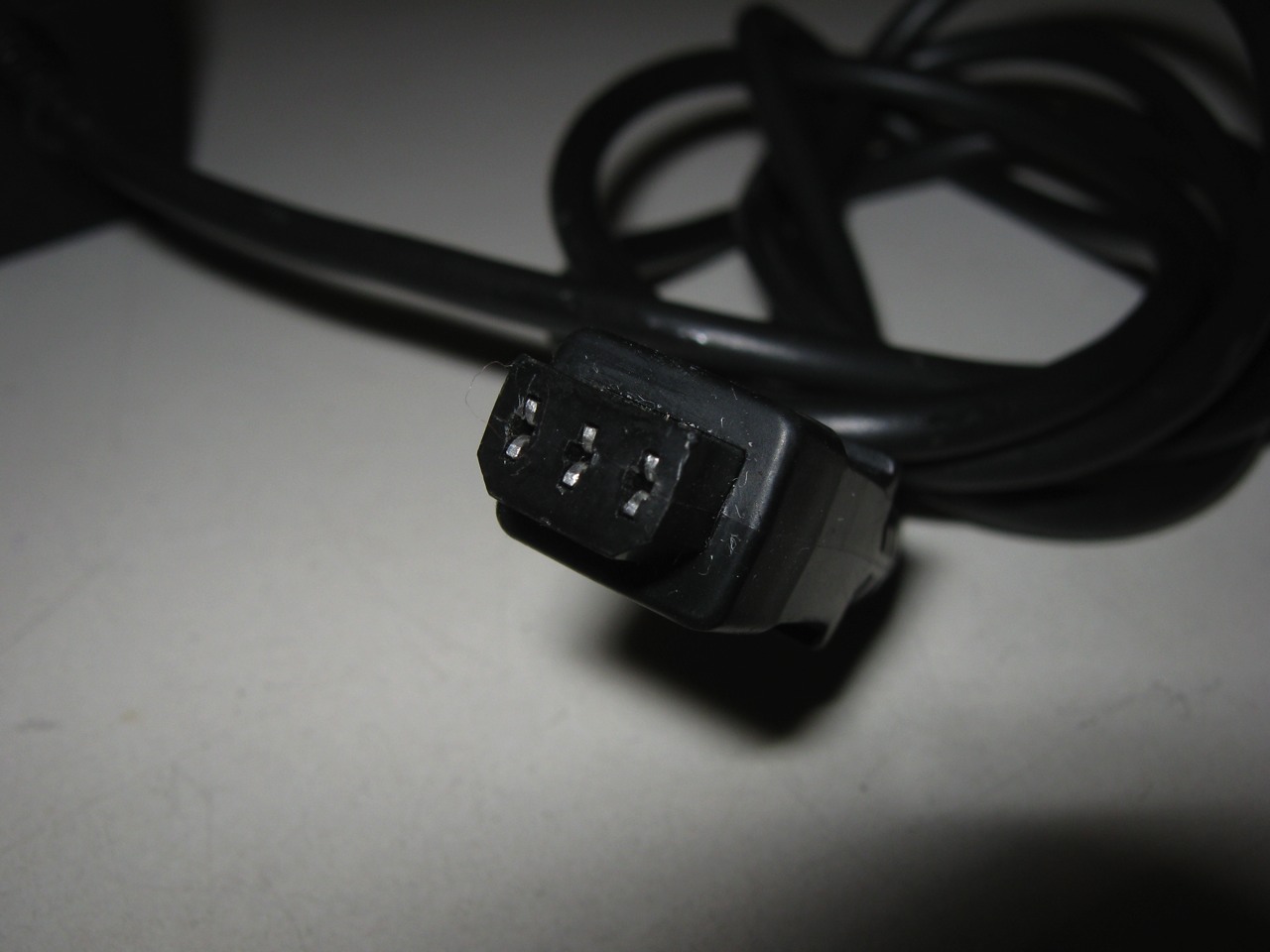
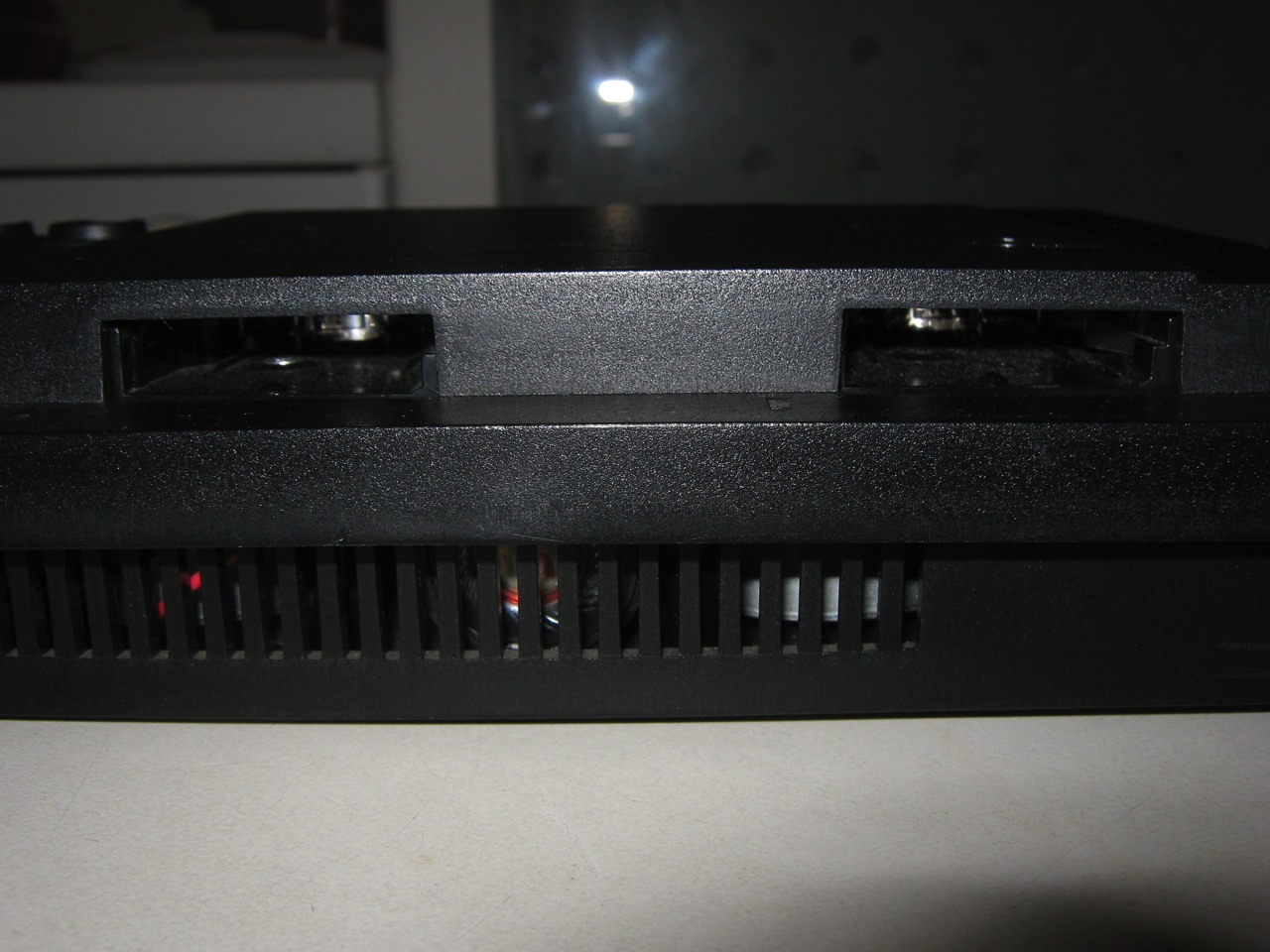
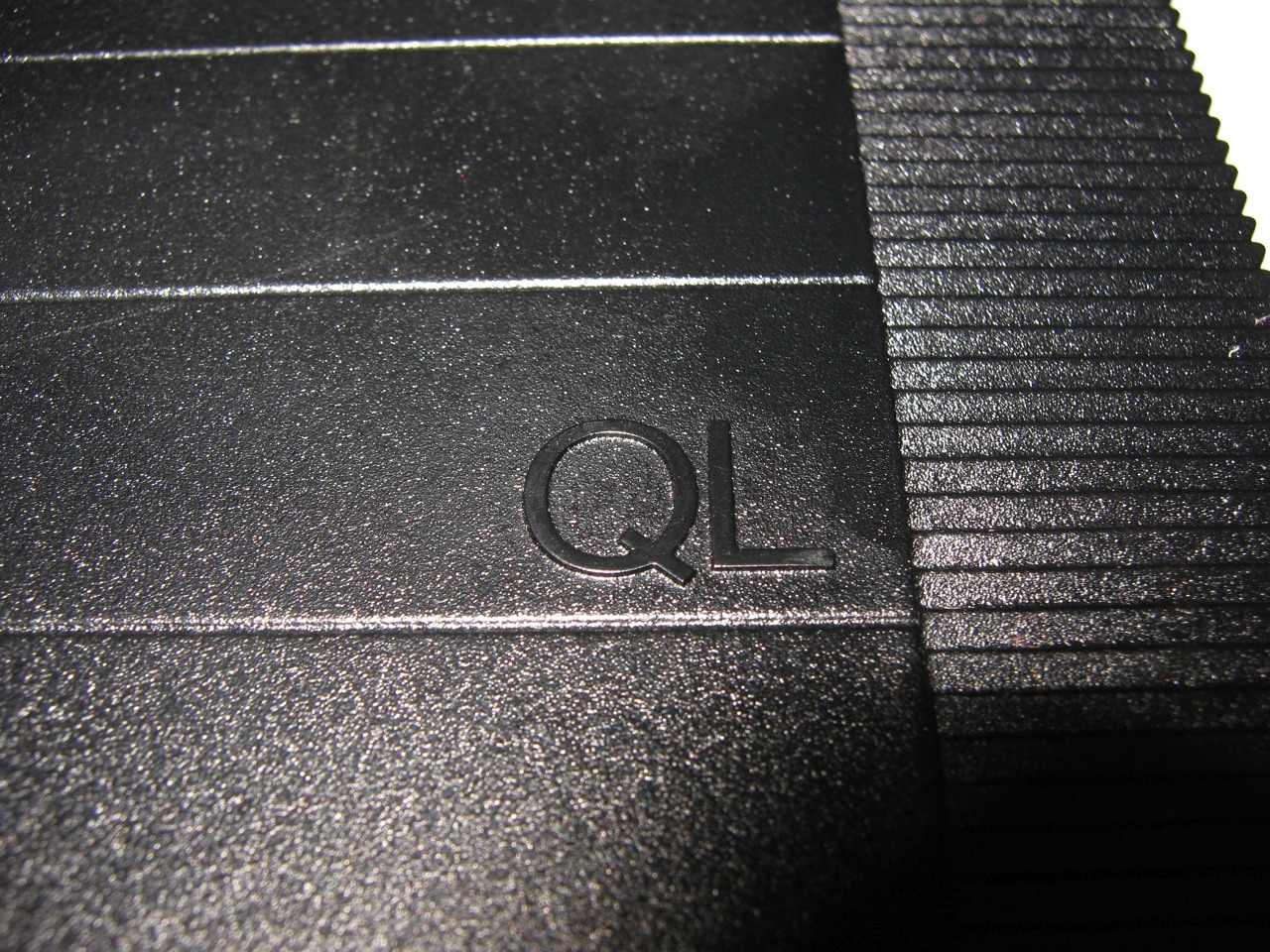
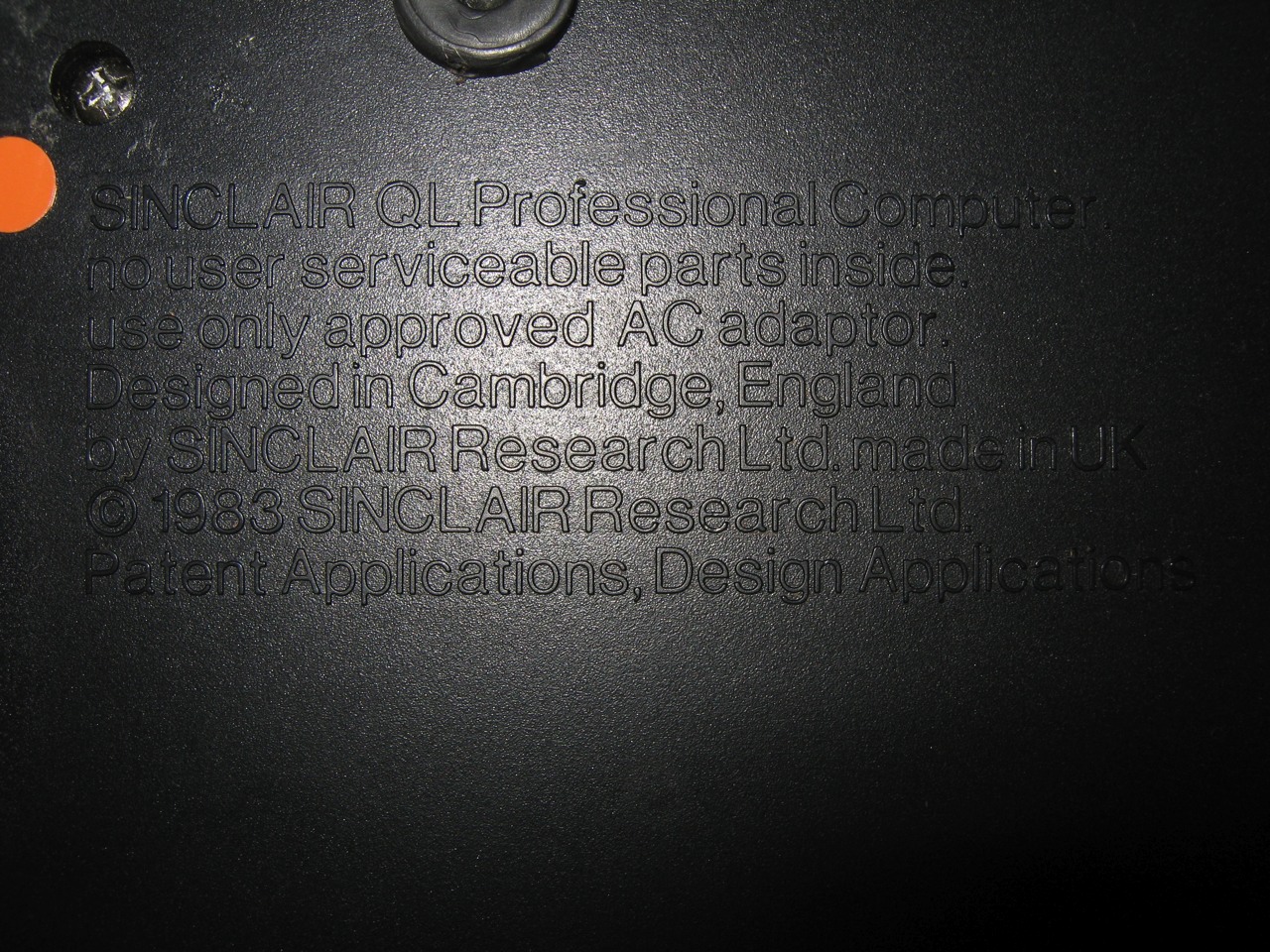
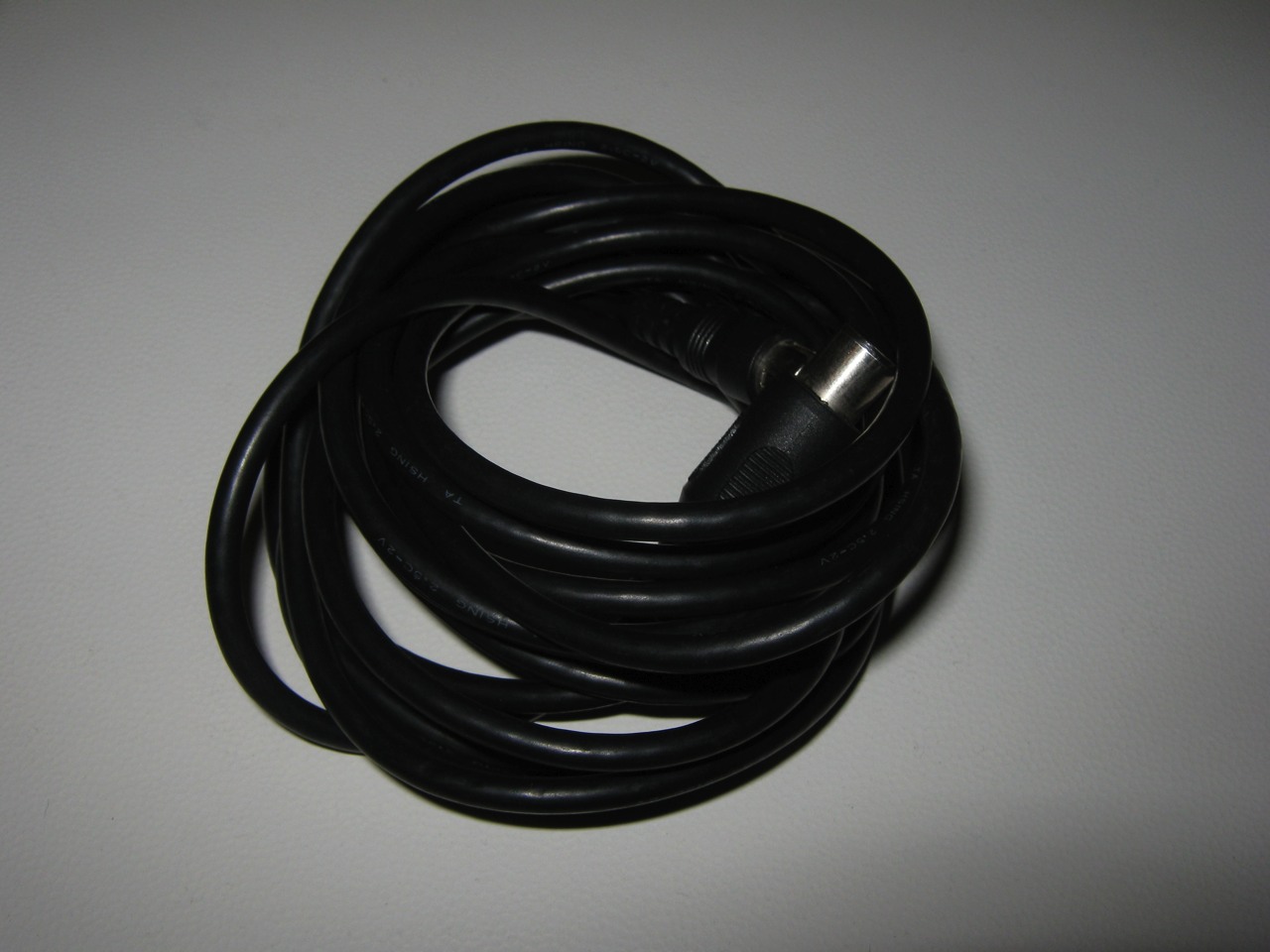
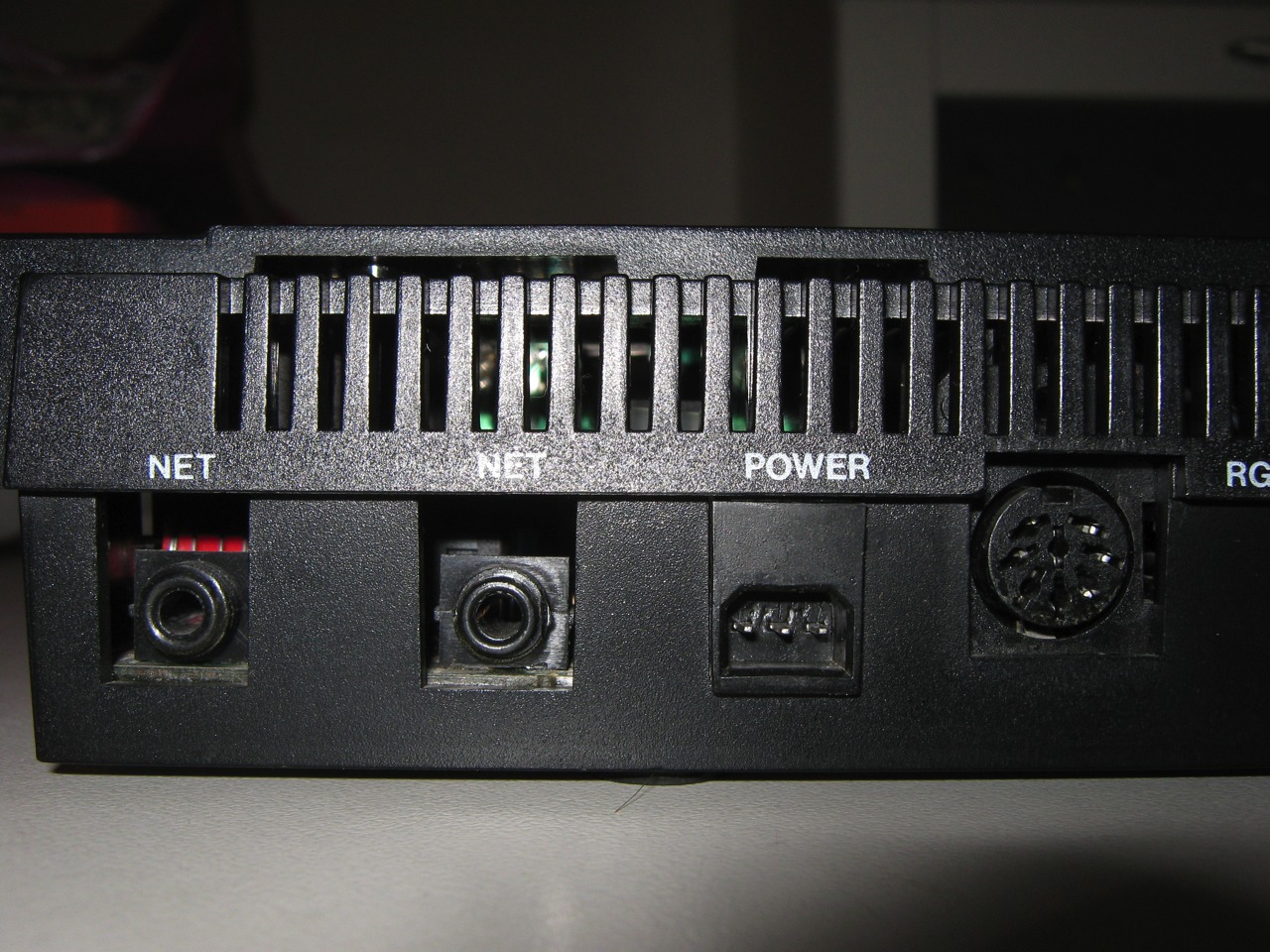
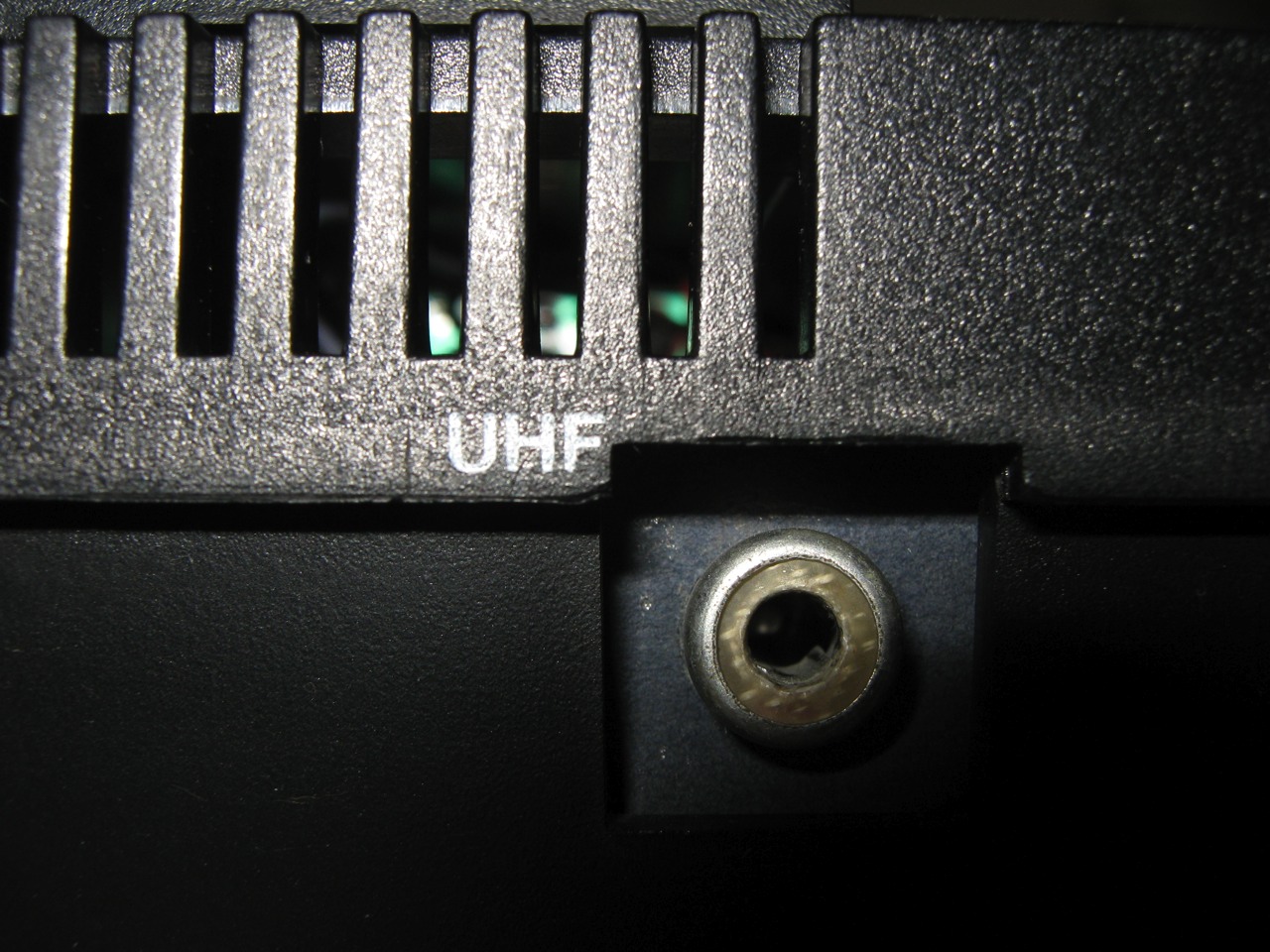
from Wikipedia:
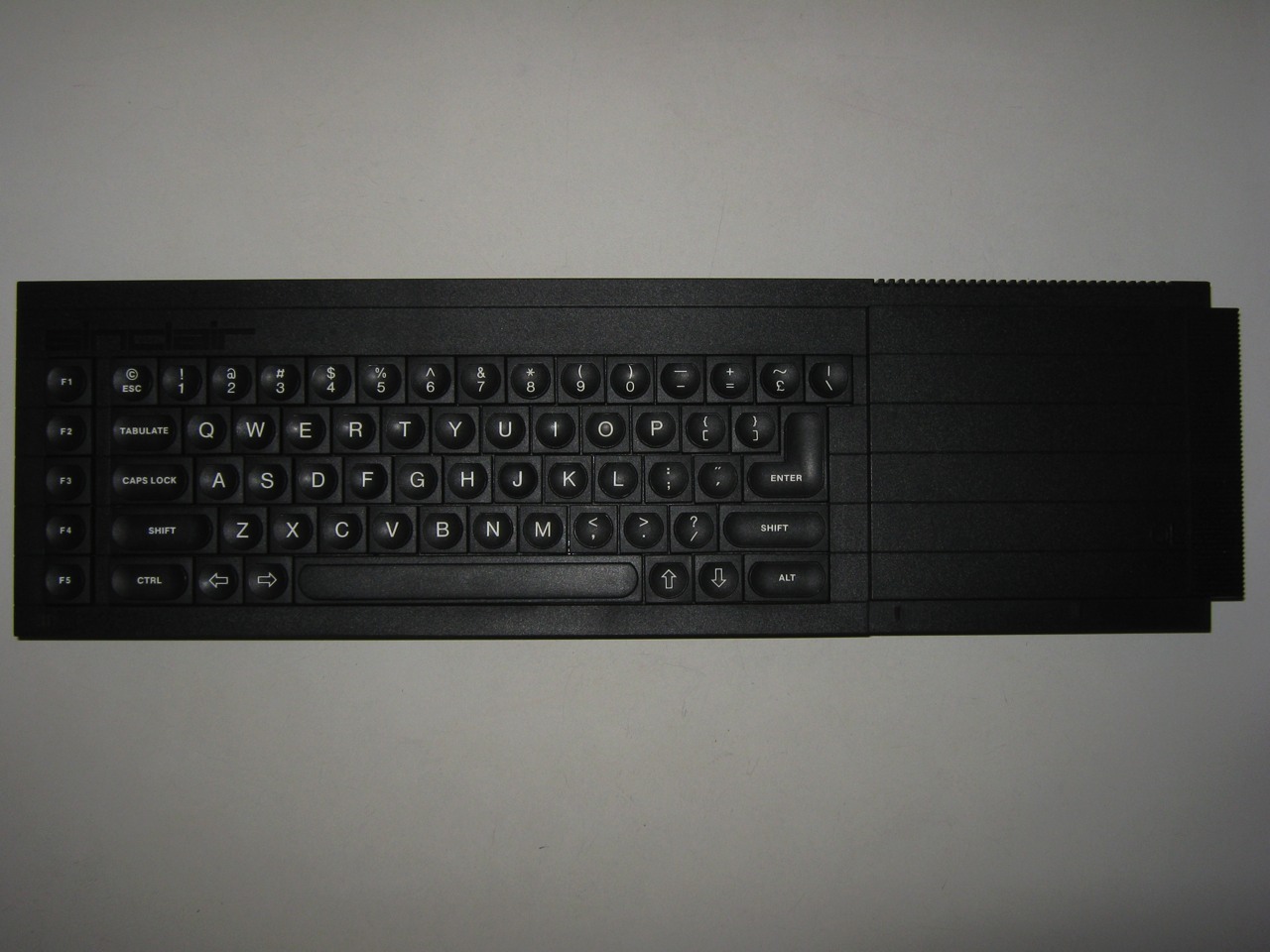
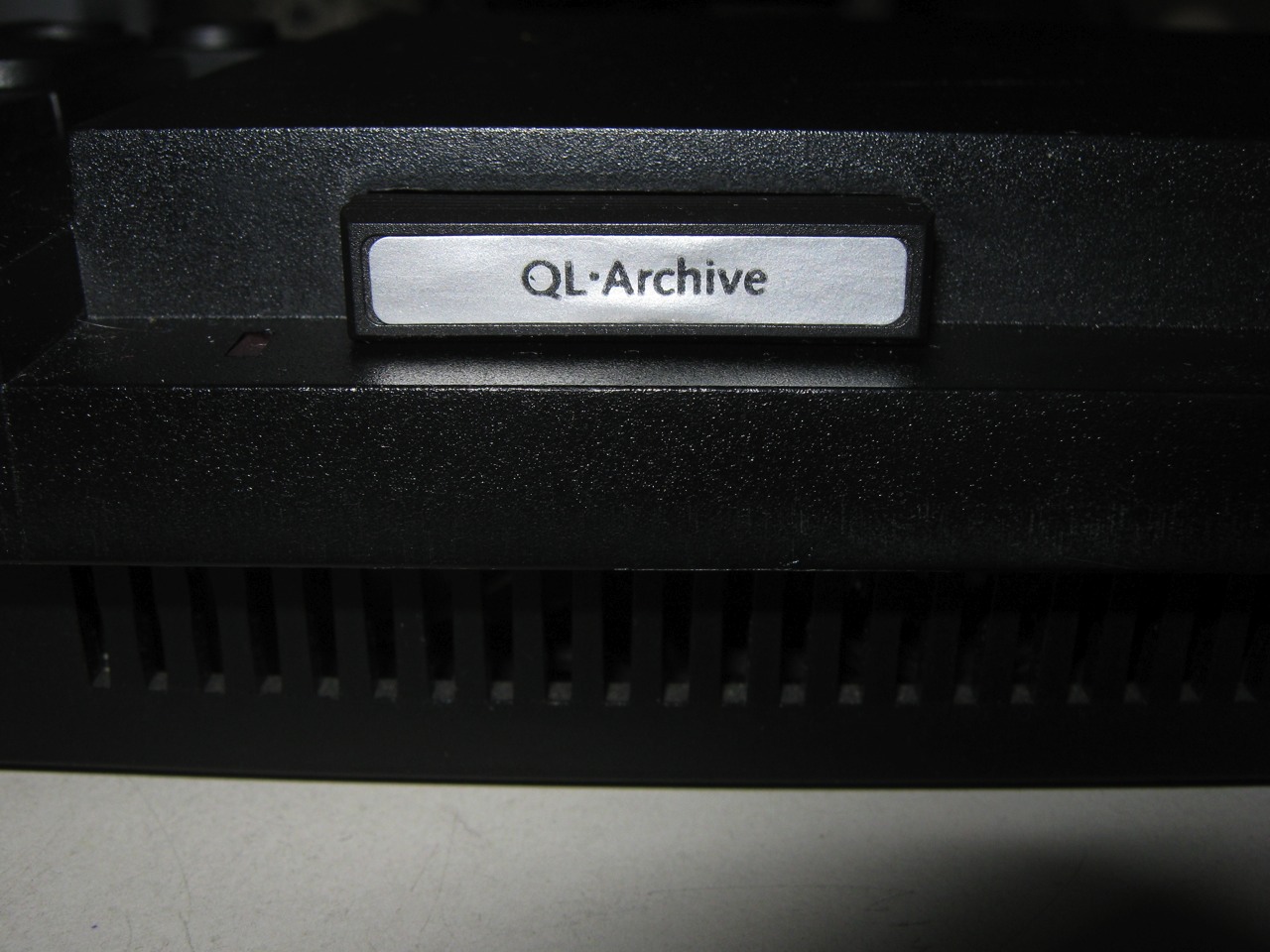
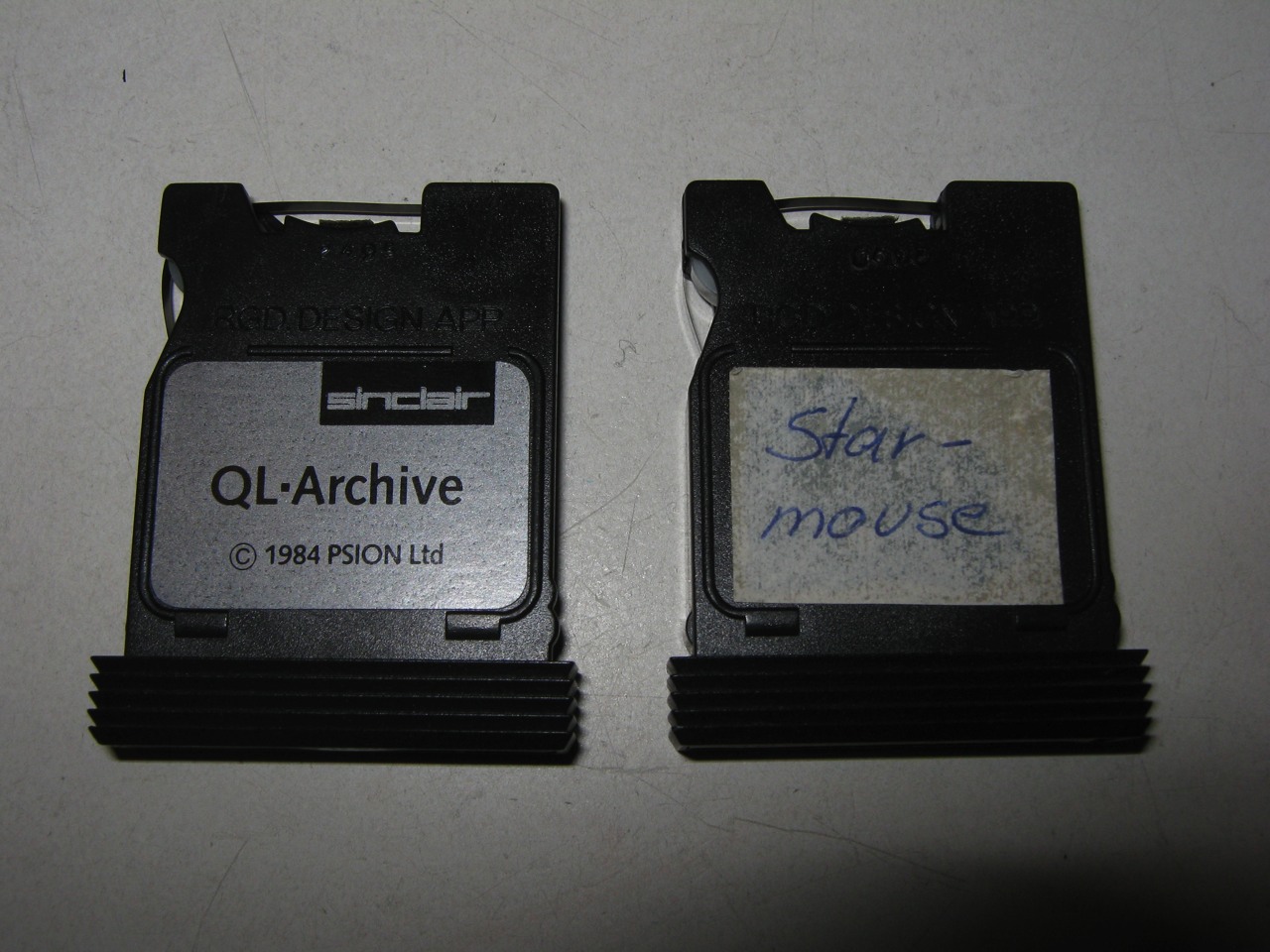
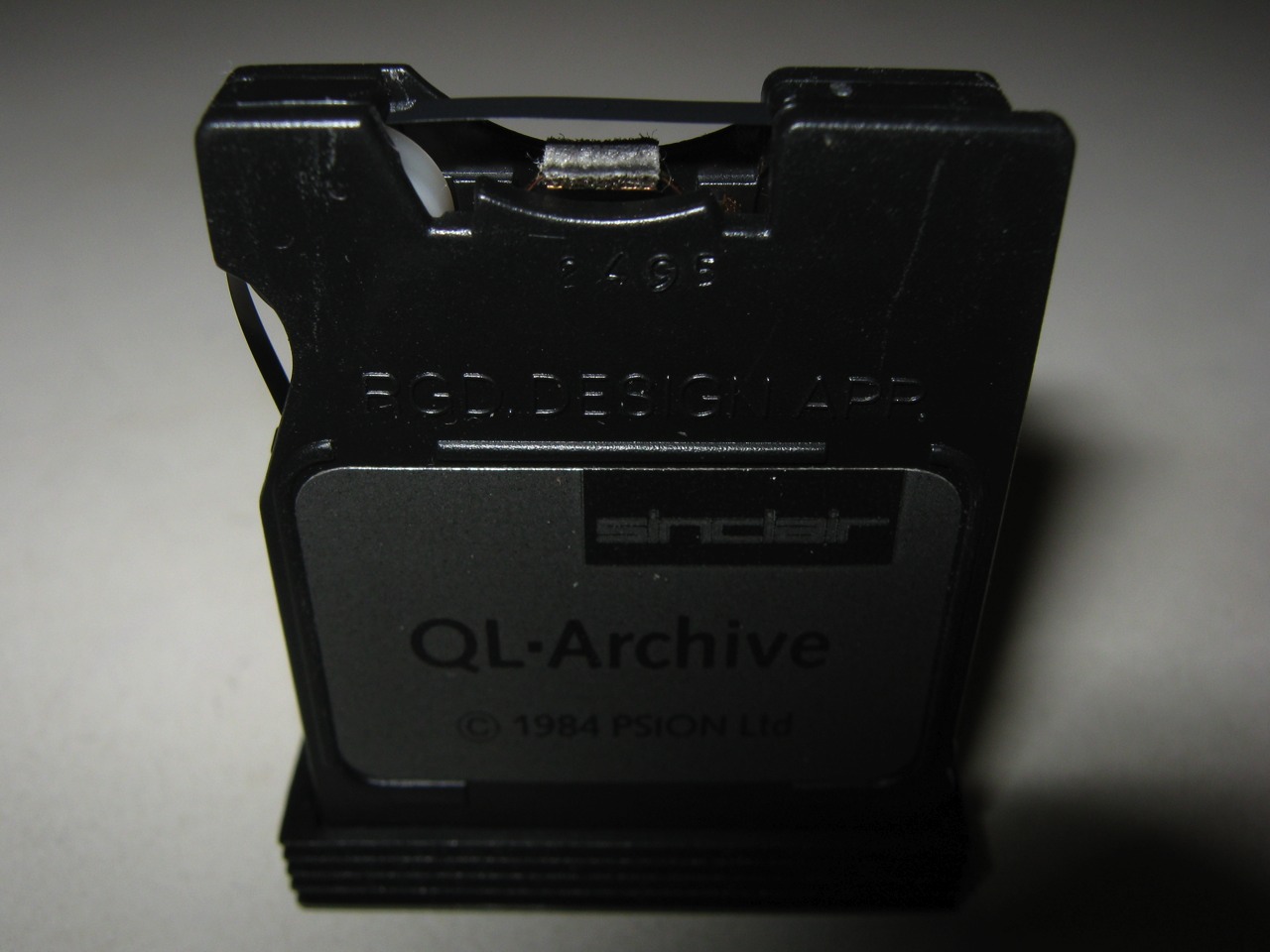
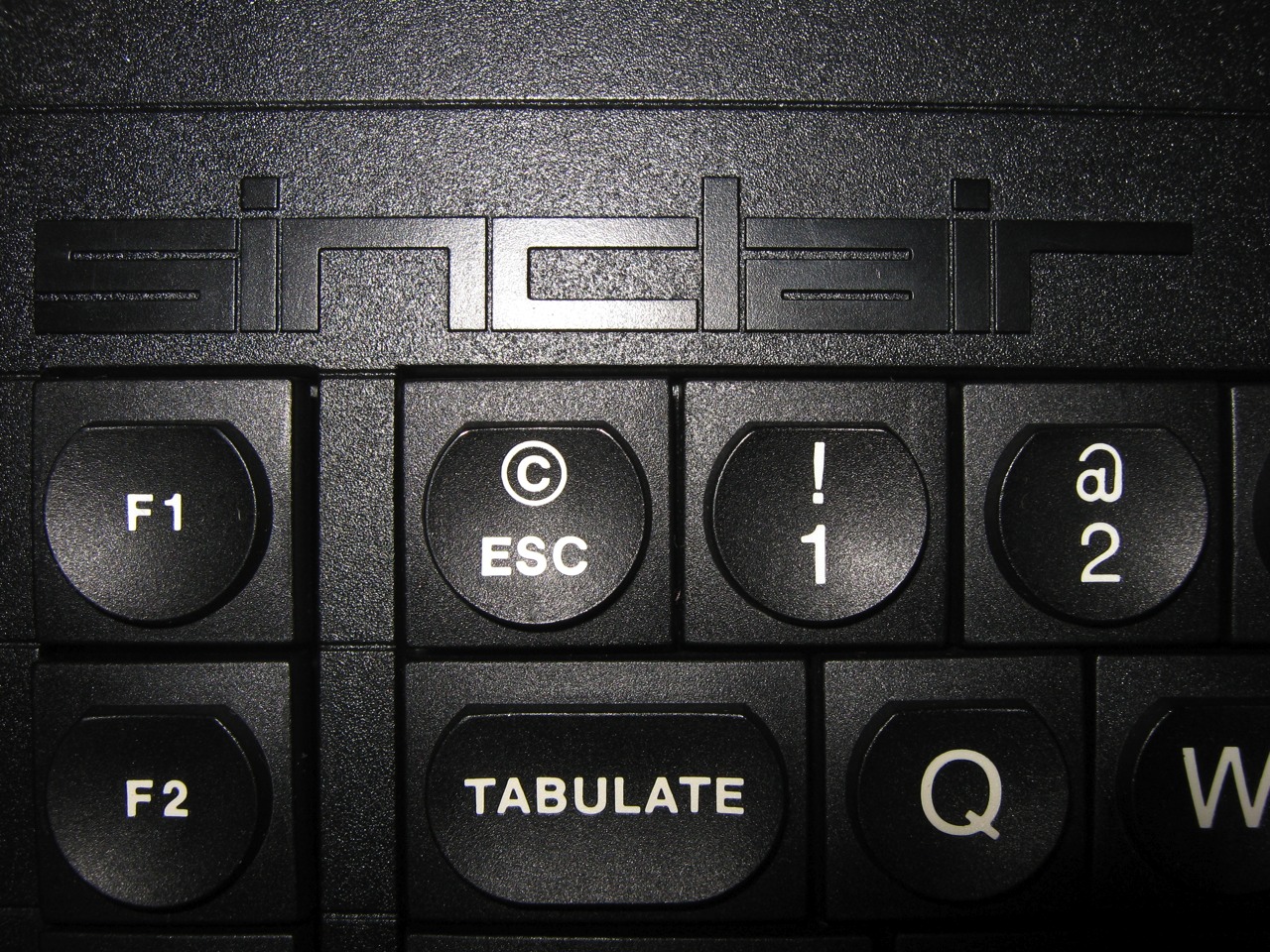
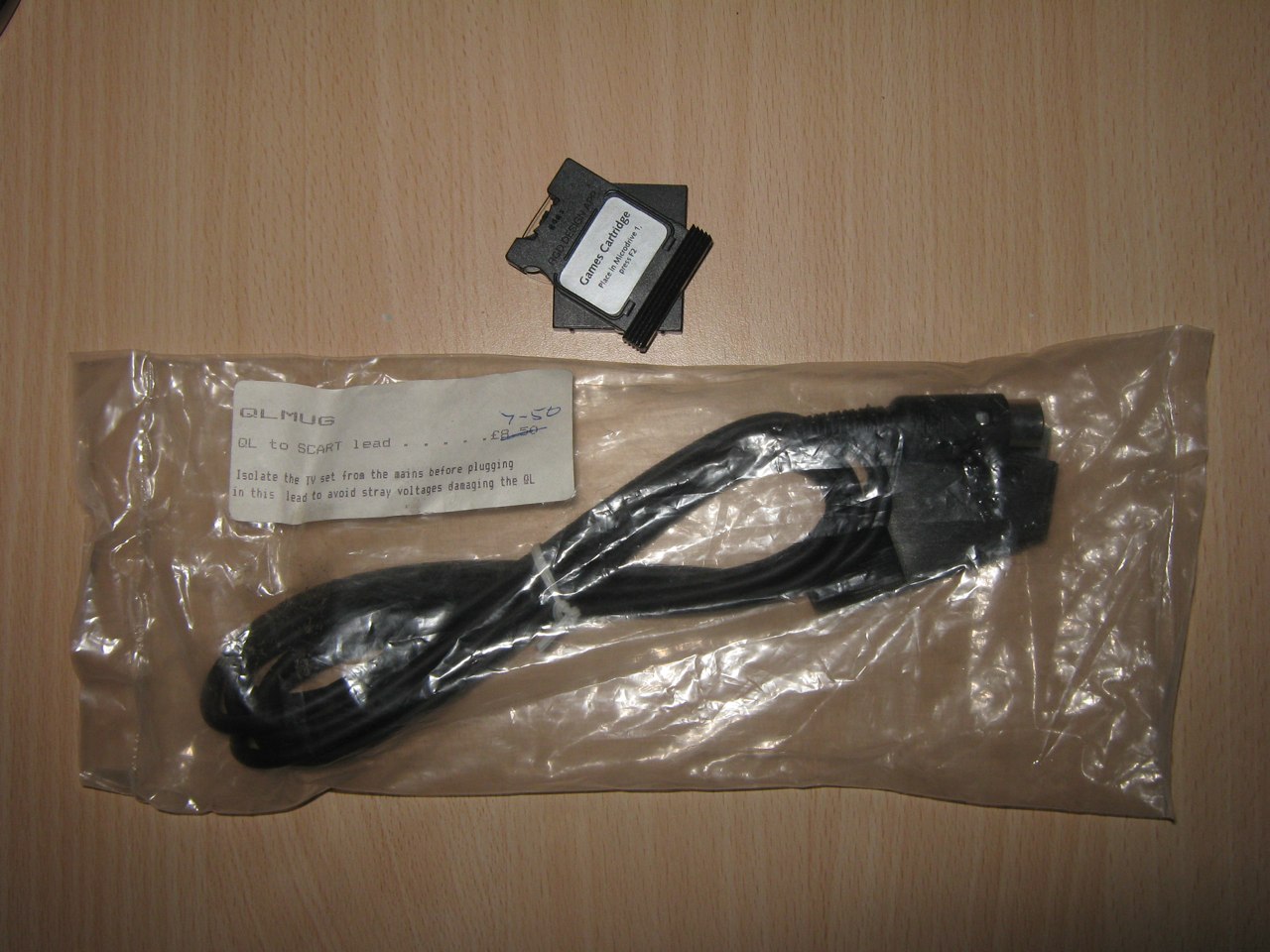
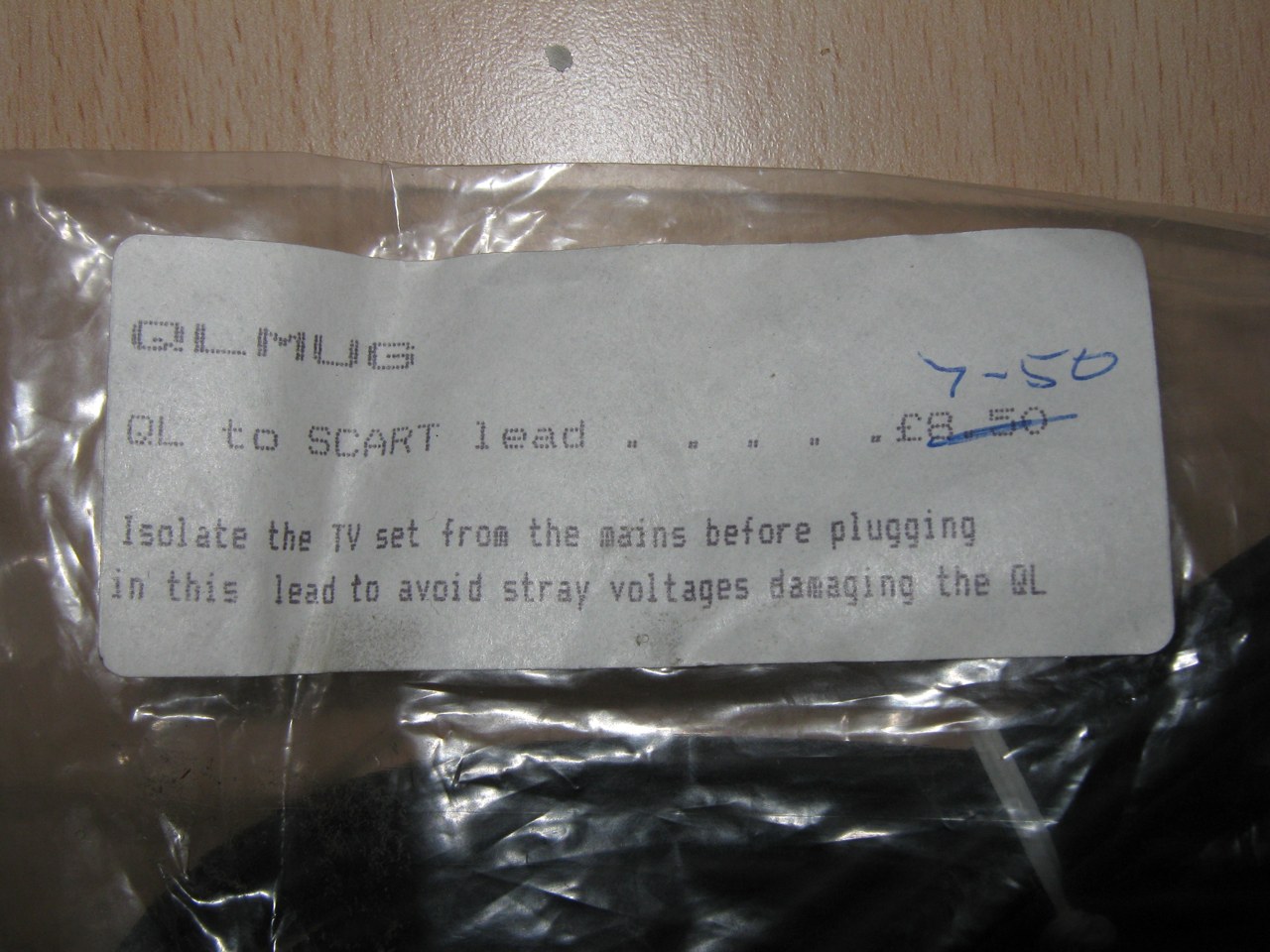
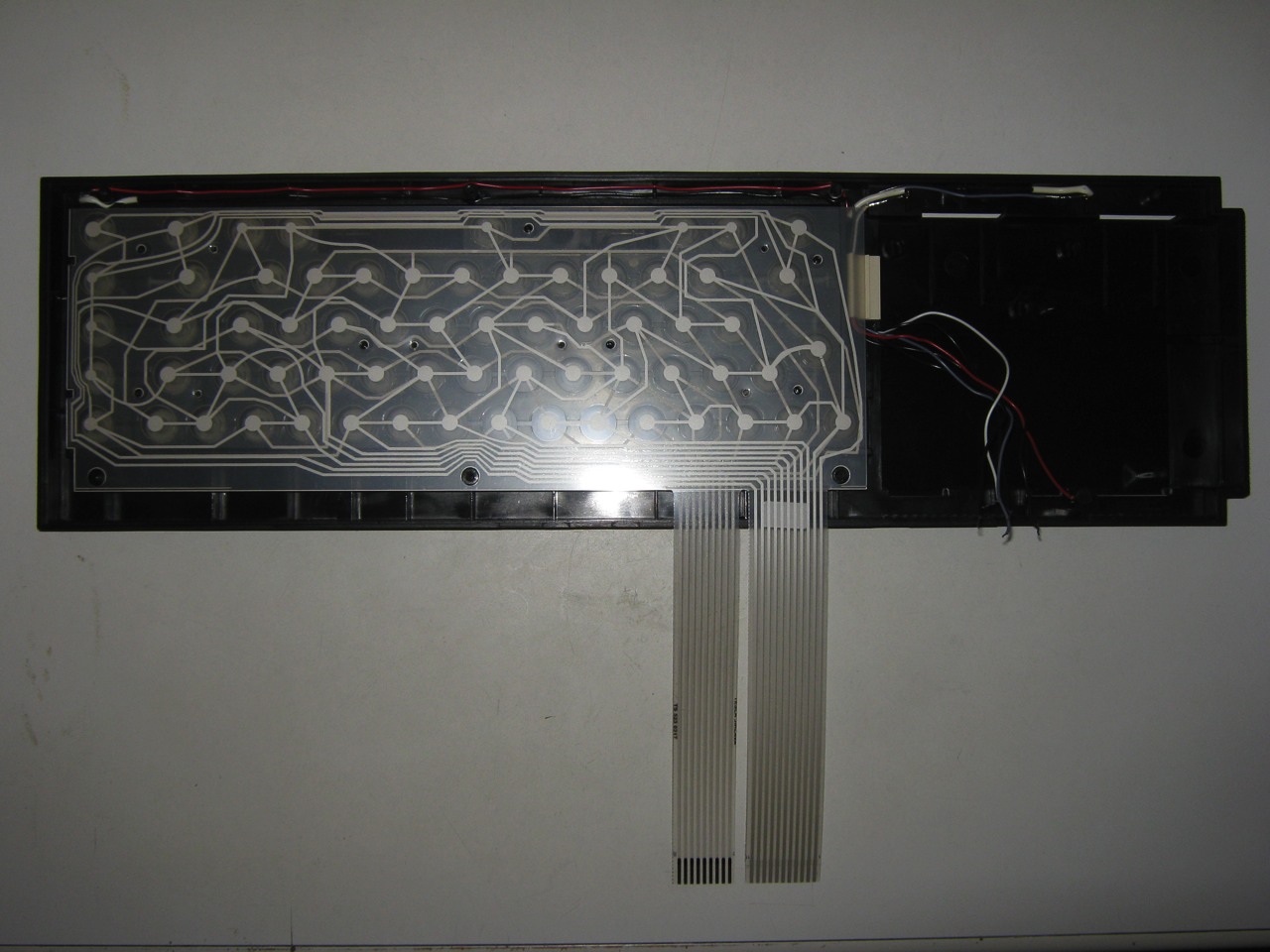
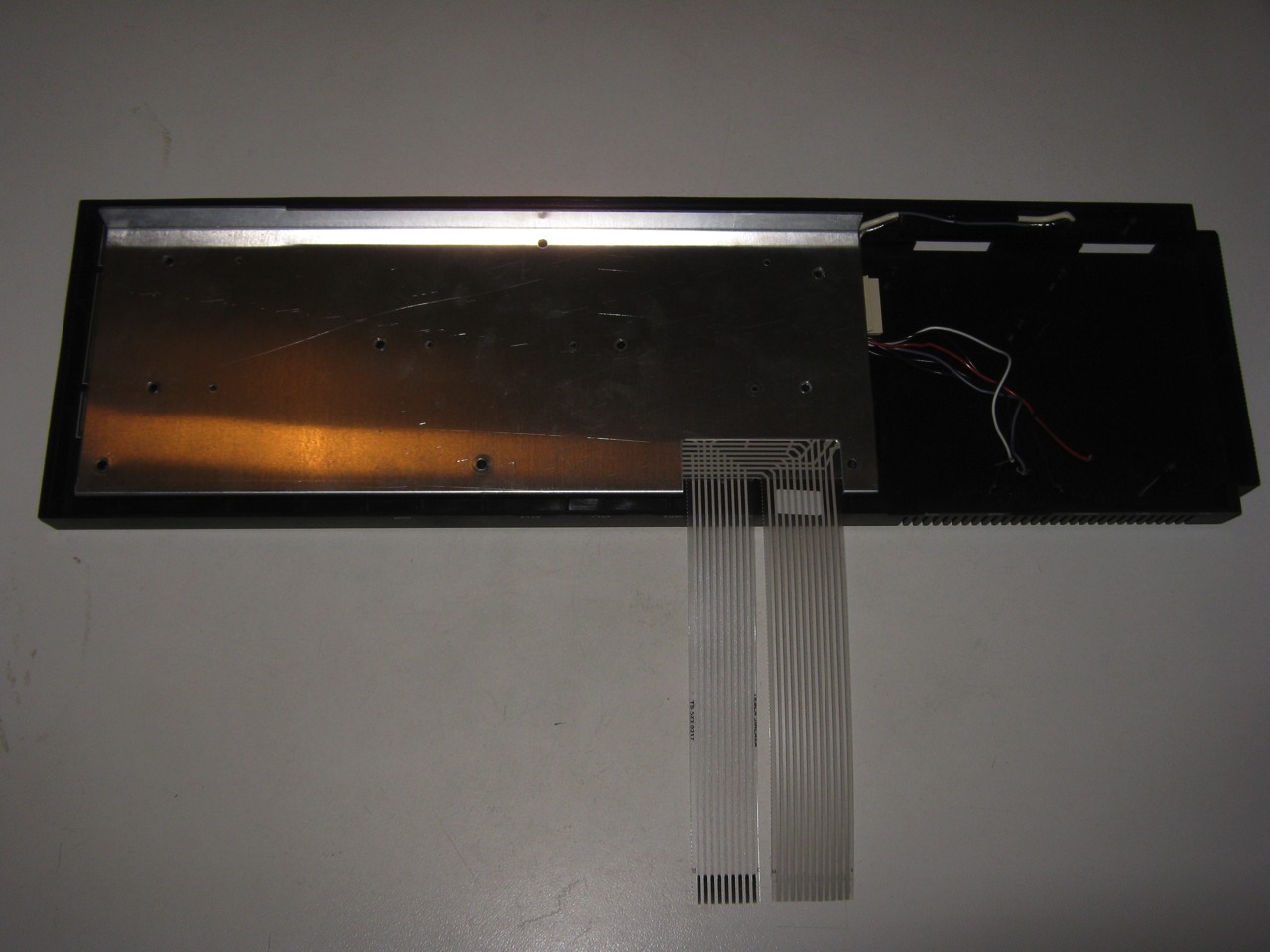
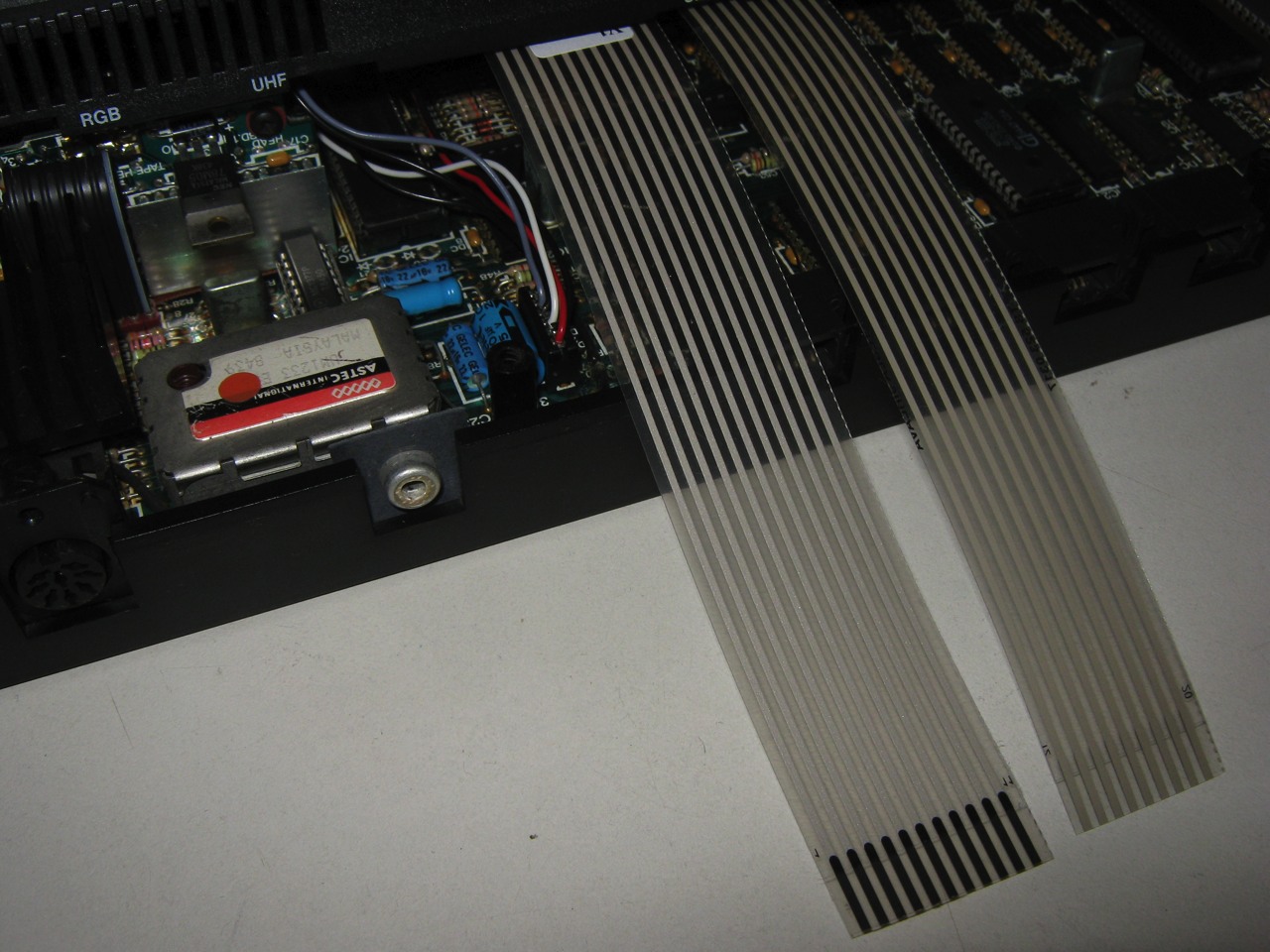
The Sinclair QL (for Quantum Leap), was a personal computer launched by Sinclair Research in 1984, as the successor to the Sinclair ZX Spectrum. The QL was aimed at the hobbyist and small business markets, but failed to achieve commercial success.
The QL was originally conceived in 1981 under the code-name ZX83, as a portable computer for business users, with a built-in ultra-thin flat-screen CRT display (similar to the later TV80 pocket TV), printer and modem. As development progressed, and ZX83 became ZX84, it eventually became clear that the portability features were over-ambitious and the specification was reduced to a conventional desktop configuration.
Based on a Motorola 68008 processor clocked at 7.5 MHz, the QL included 128 KB of RAM (officially expandable to 640 KB) and could be connected to a monitor or TV for display. Two built-in Microdrive tape-loop cartridge drives (first seen as a peripheral for the Sinclair ZX Spectrum) provided mass storage, in place of the more expensive floppy disk drives found on similar systems of the era.
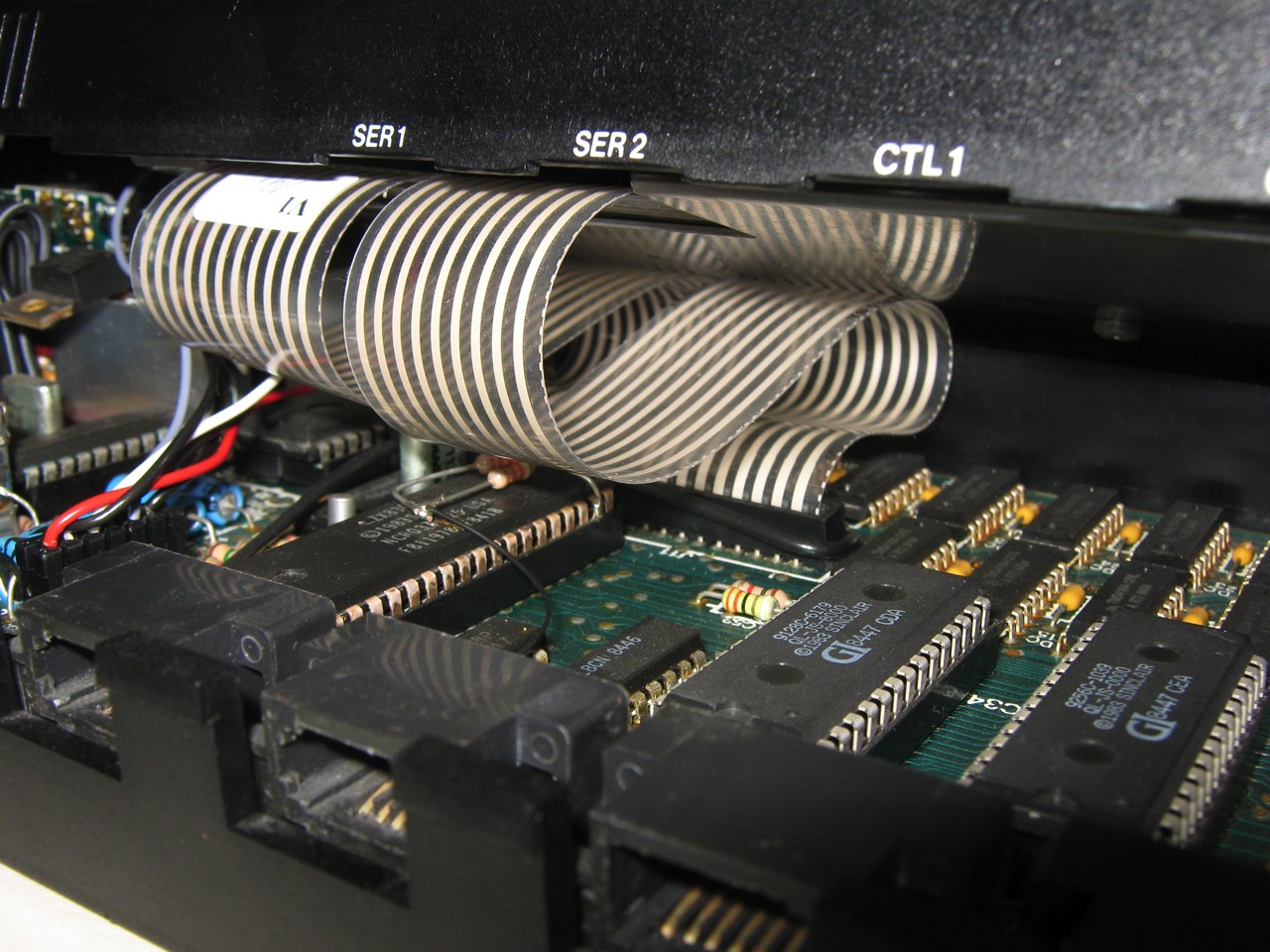
Interfaces included an expansion slot, ROM cartridge socket, dual RS-232 ports, proprietary QLAN local area network ports, dual joystick ports and an external Microdrive bus. Two video modes were available, 256×256 pixels with 8 RGB colours and per-pixel flashing, or 512×256 pixels with four colours (black, red, green and white). Both screen modes used a 32 KB framebuffer in main memory.
The hardware was capable of switching between two different areas of memory for the framebuffer, thus allowing double buffering. However, this would have used 64 KB of the standard machine’s 128 KB of RAM and there is no support for this feature in the QL’s original firmware. The alternative and much improved operating system Minerva does provide full support for the second framebuffer.
source: wikipedia
Autopsy:
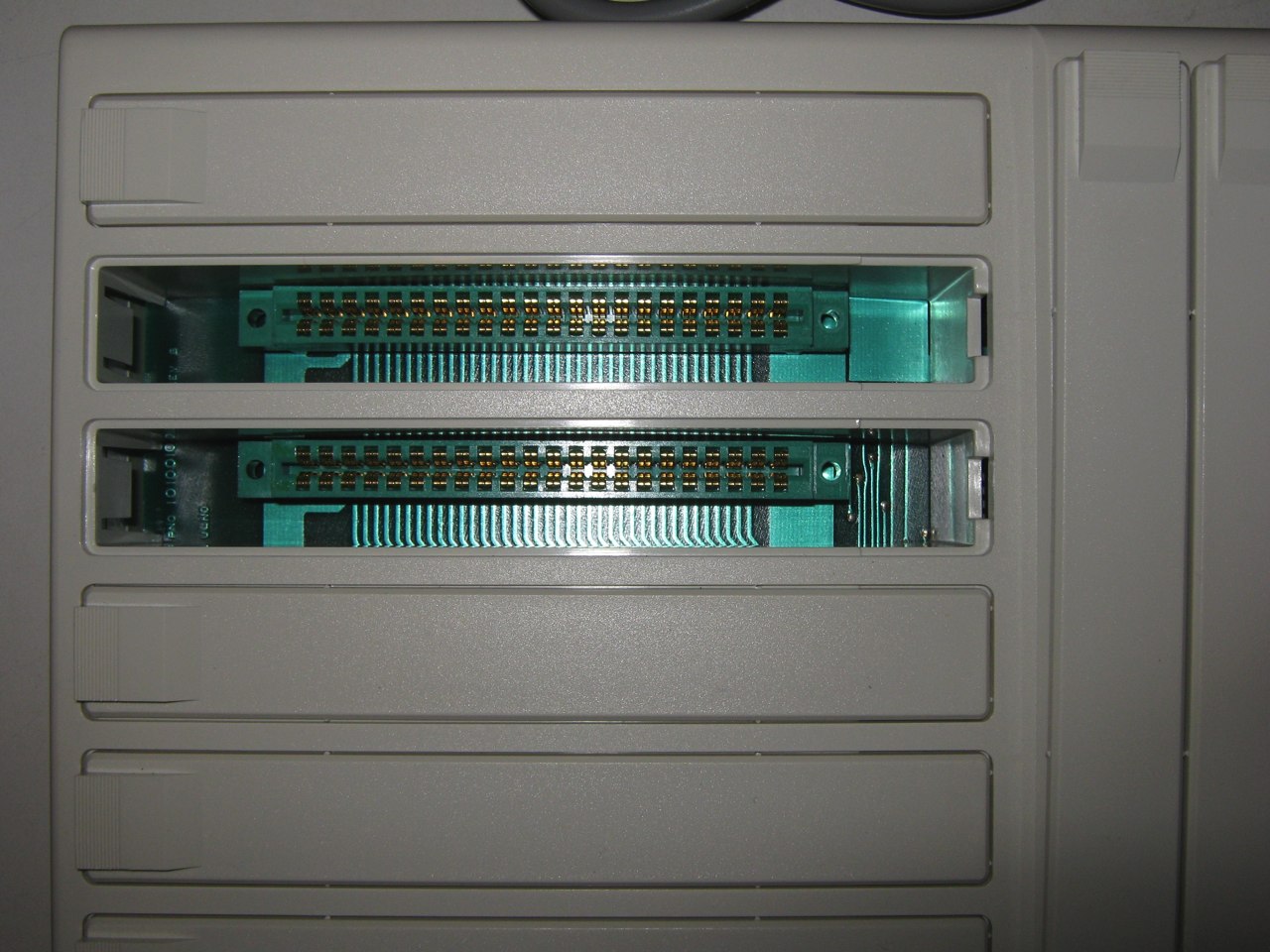
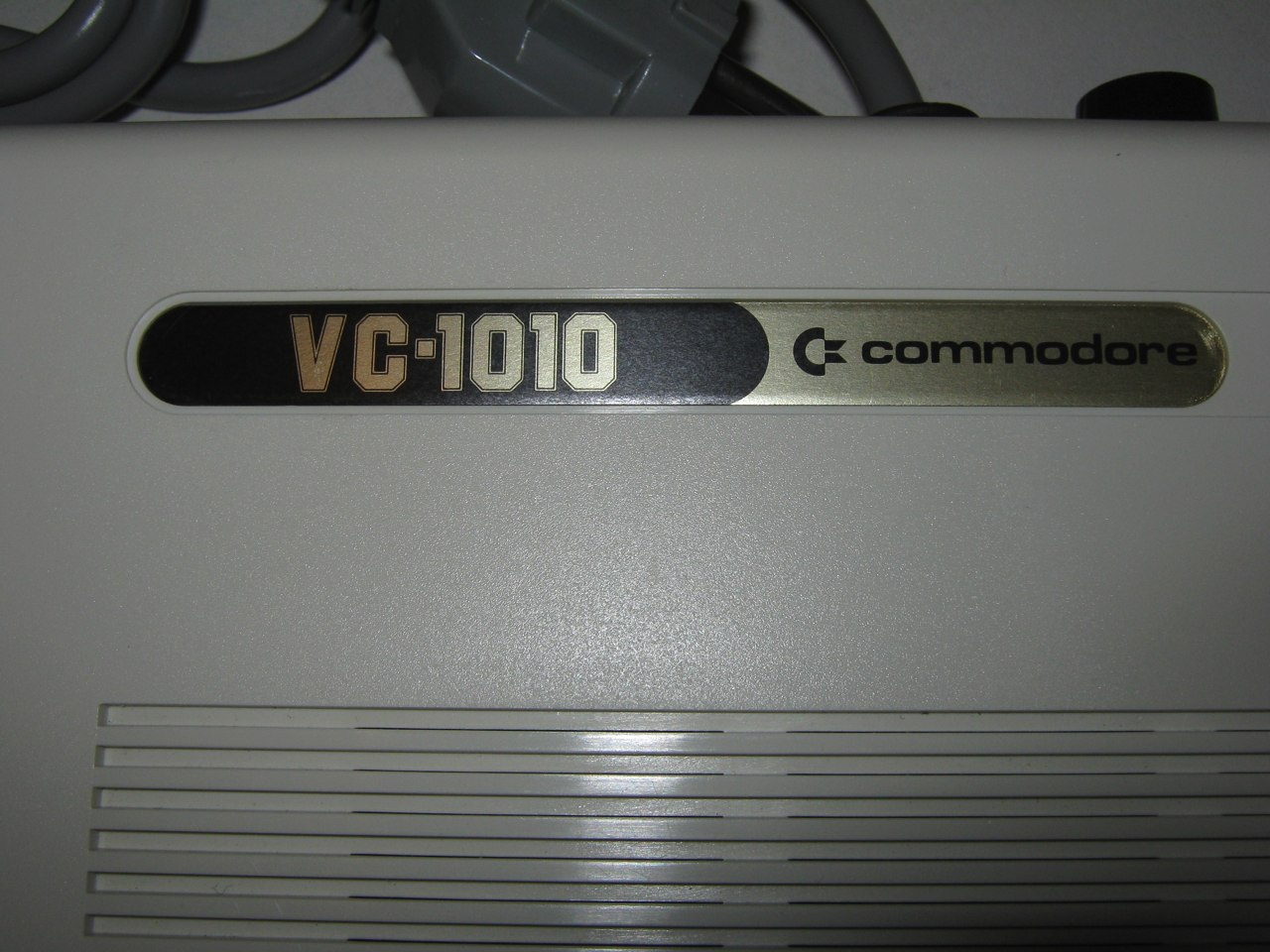
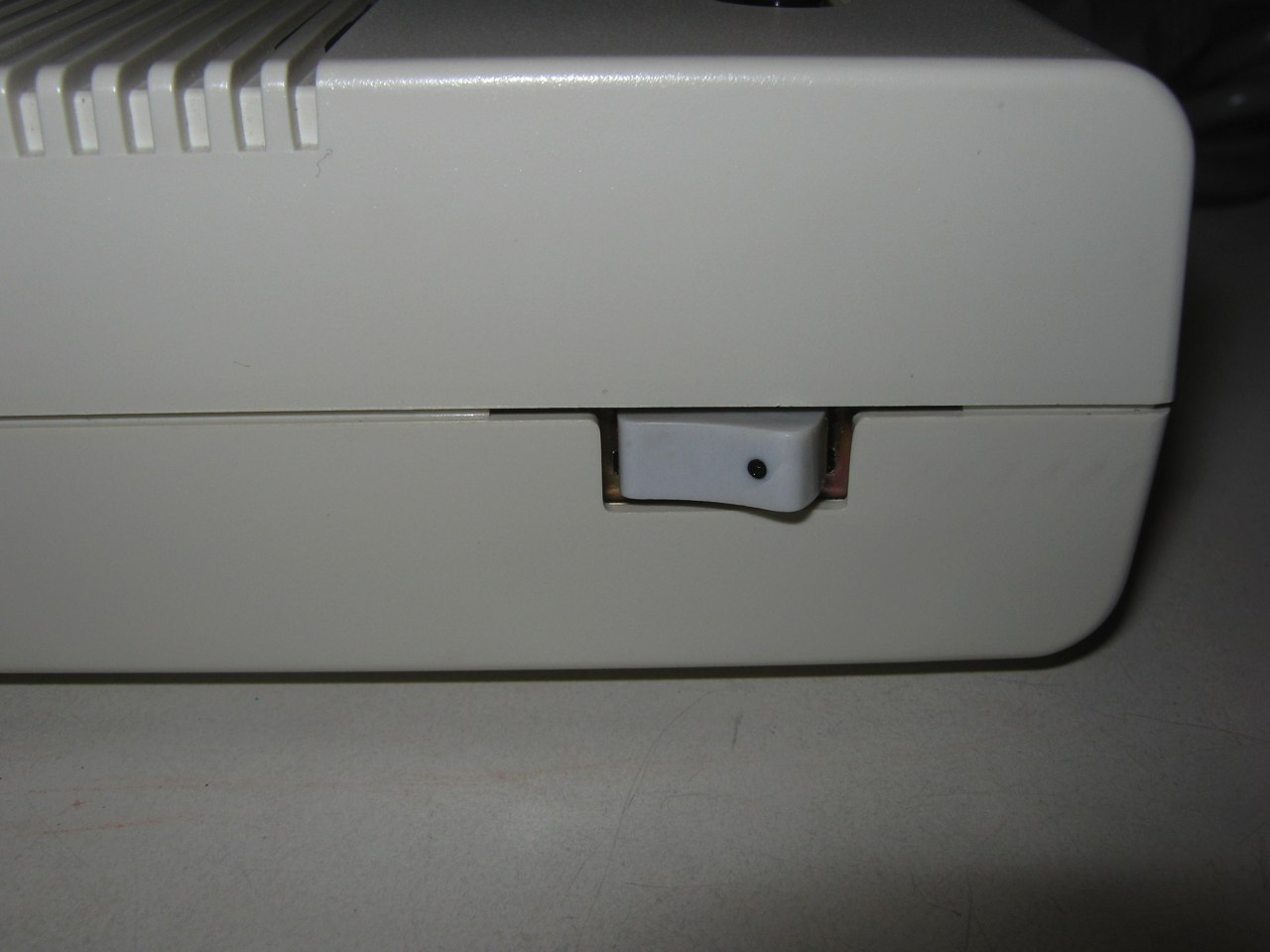
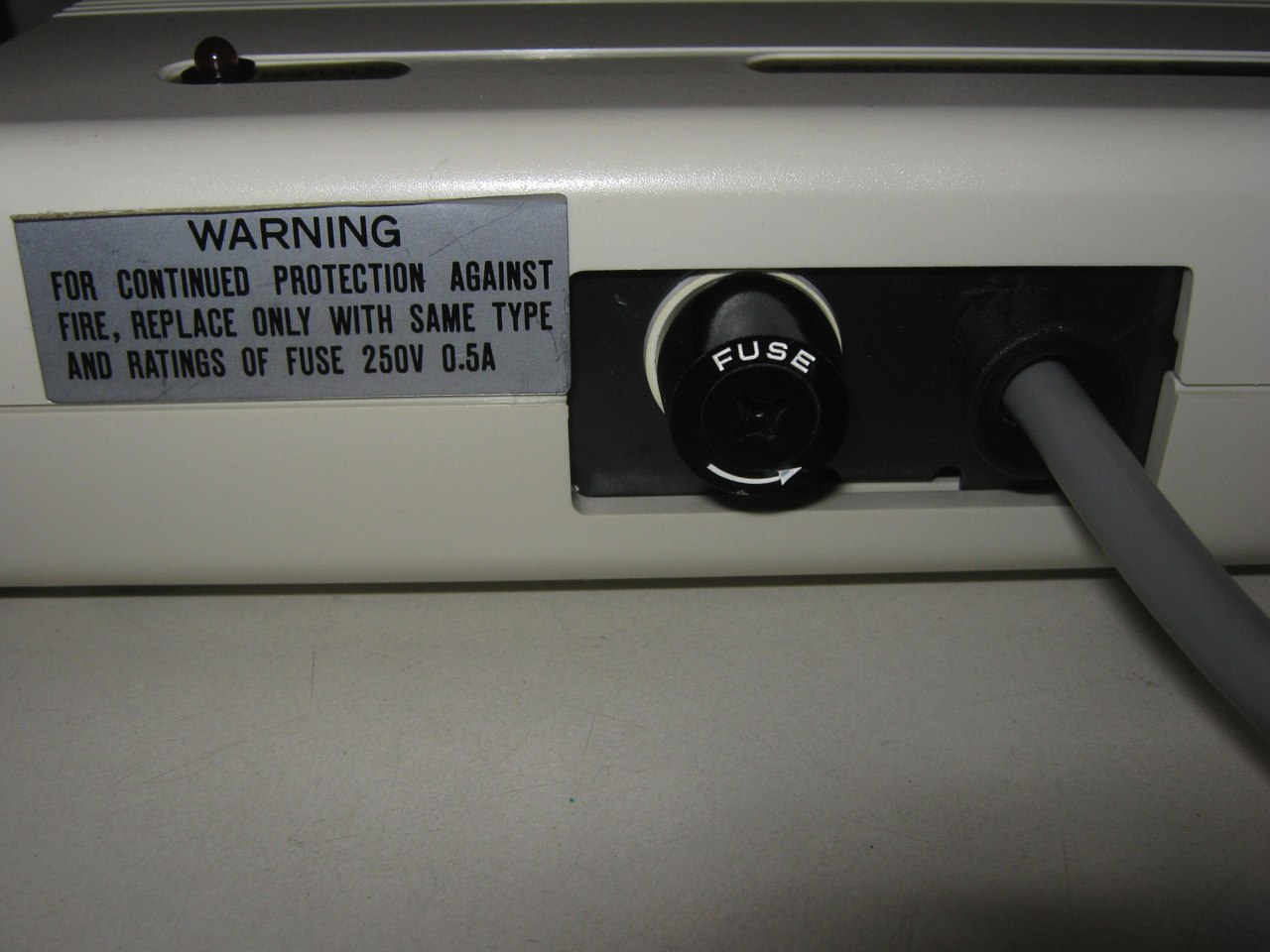
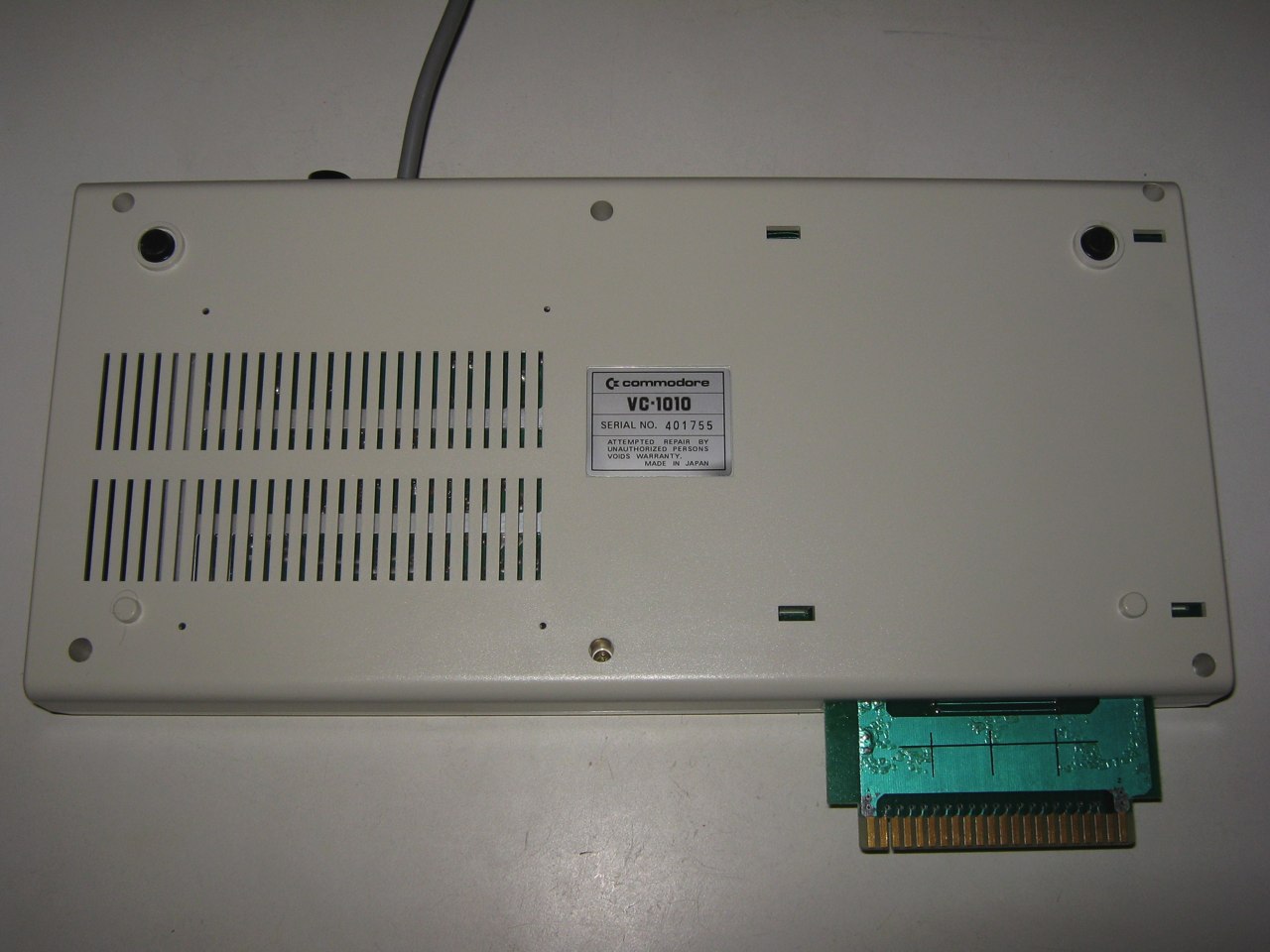
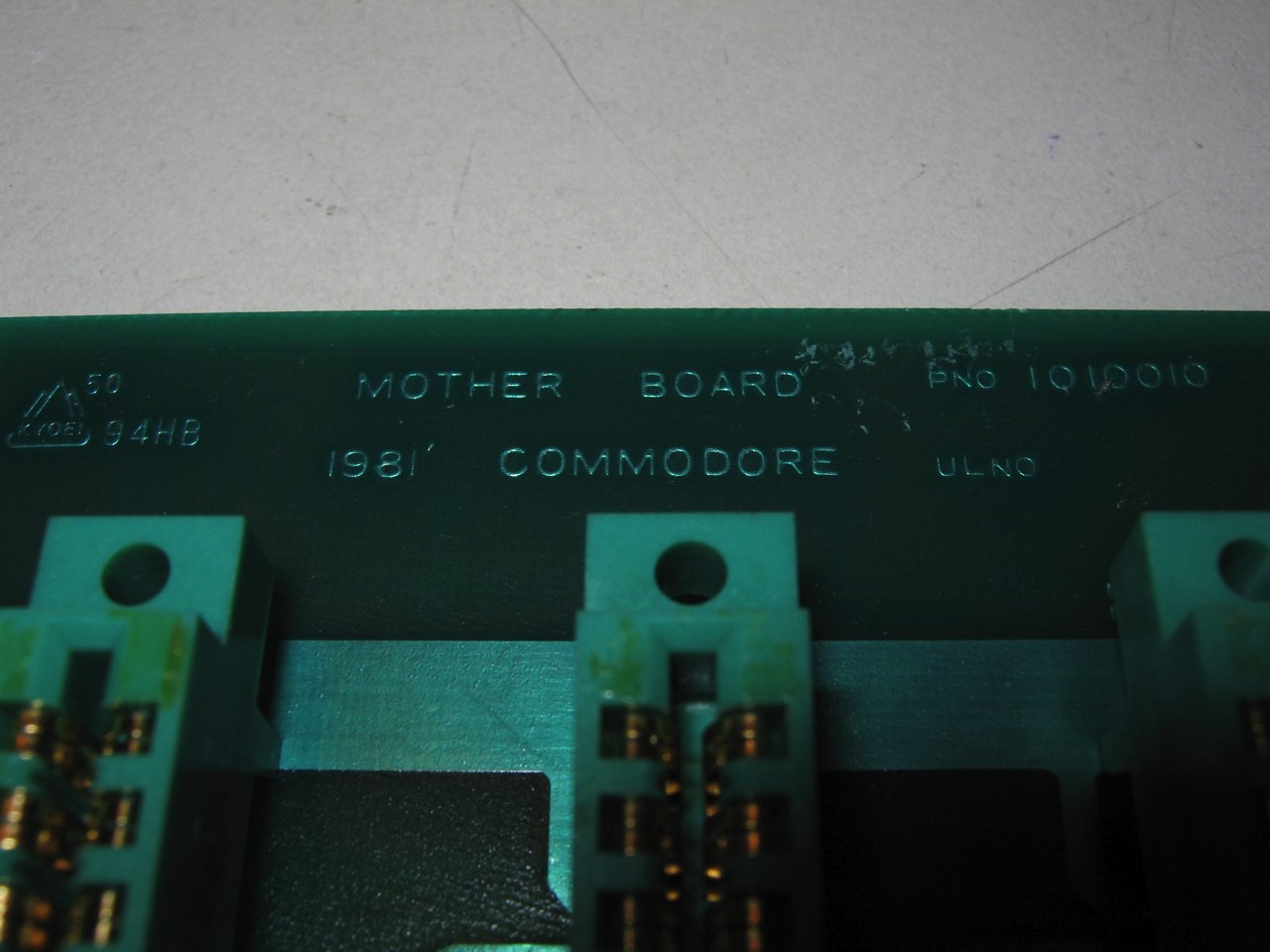
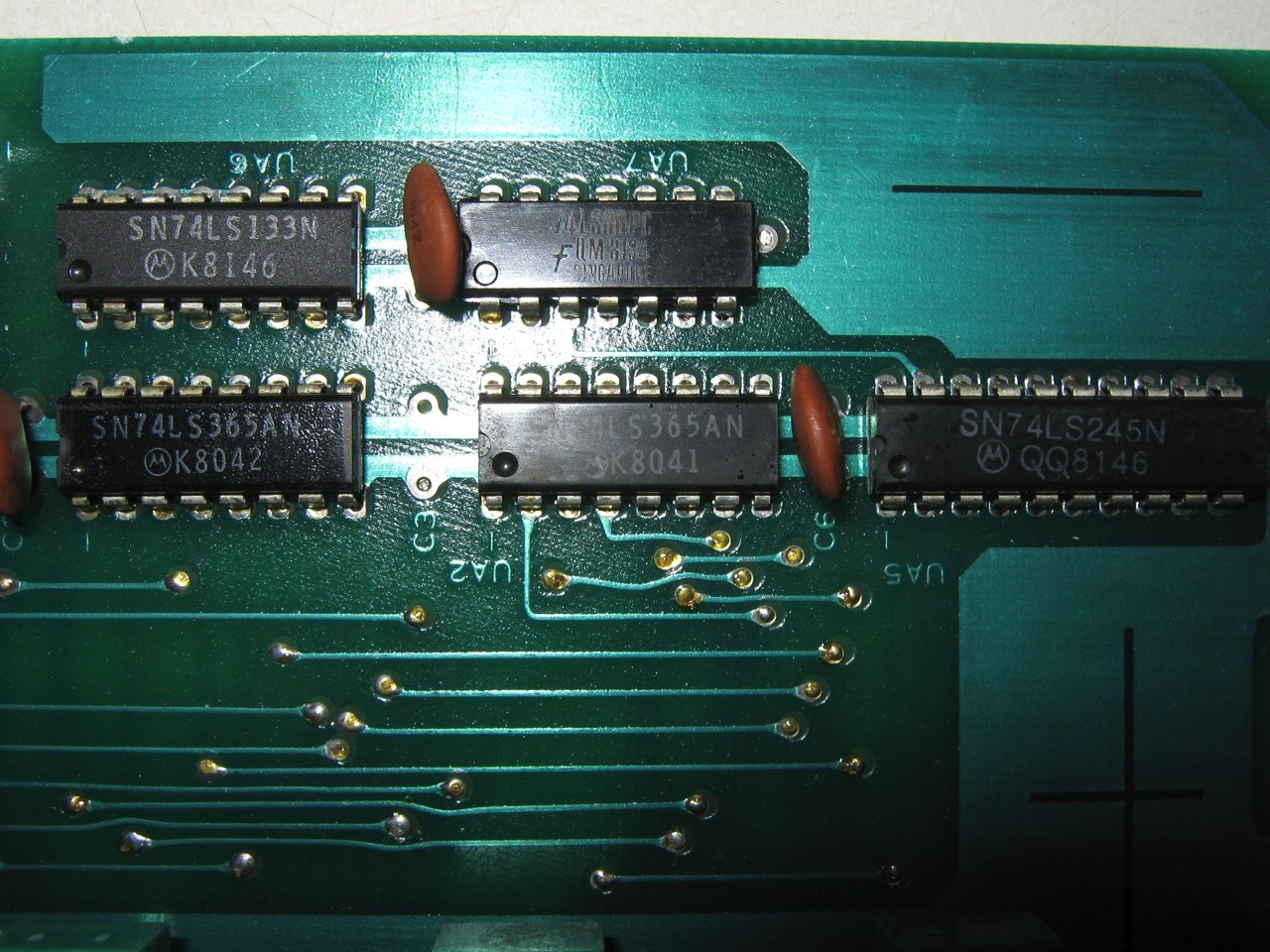
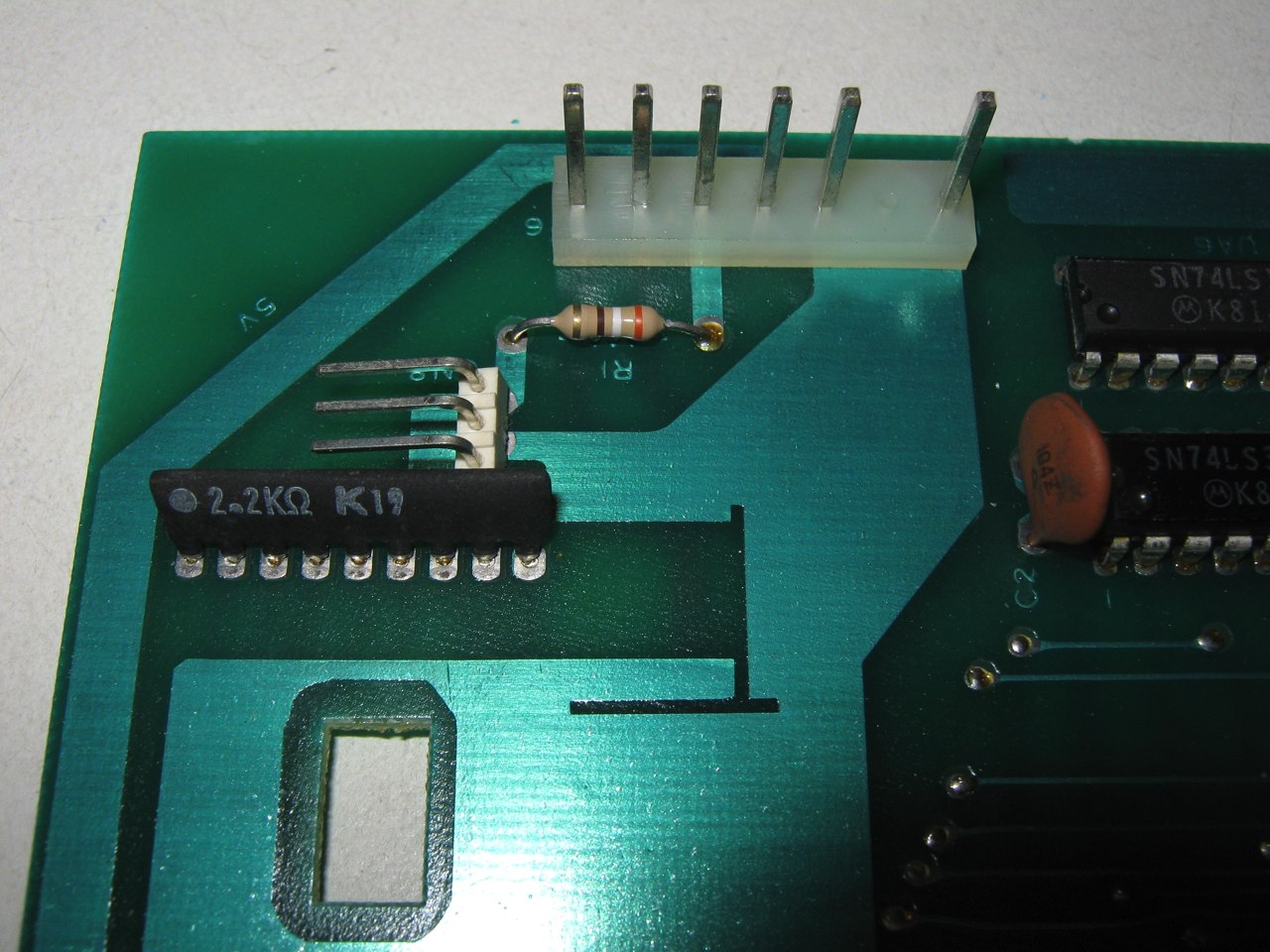
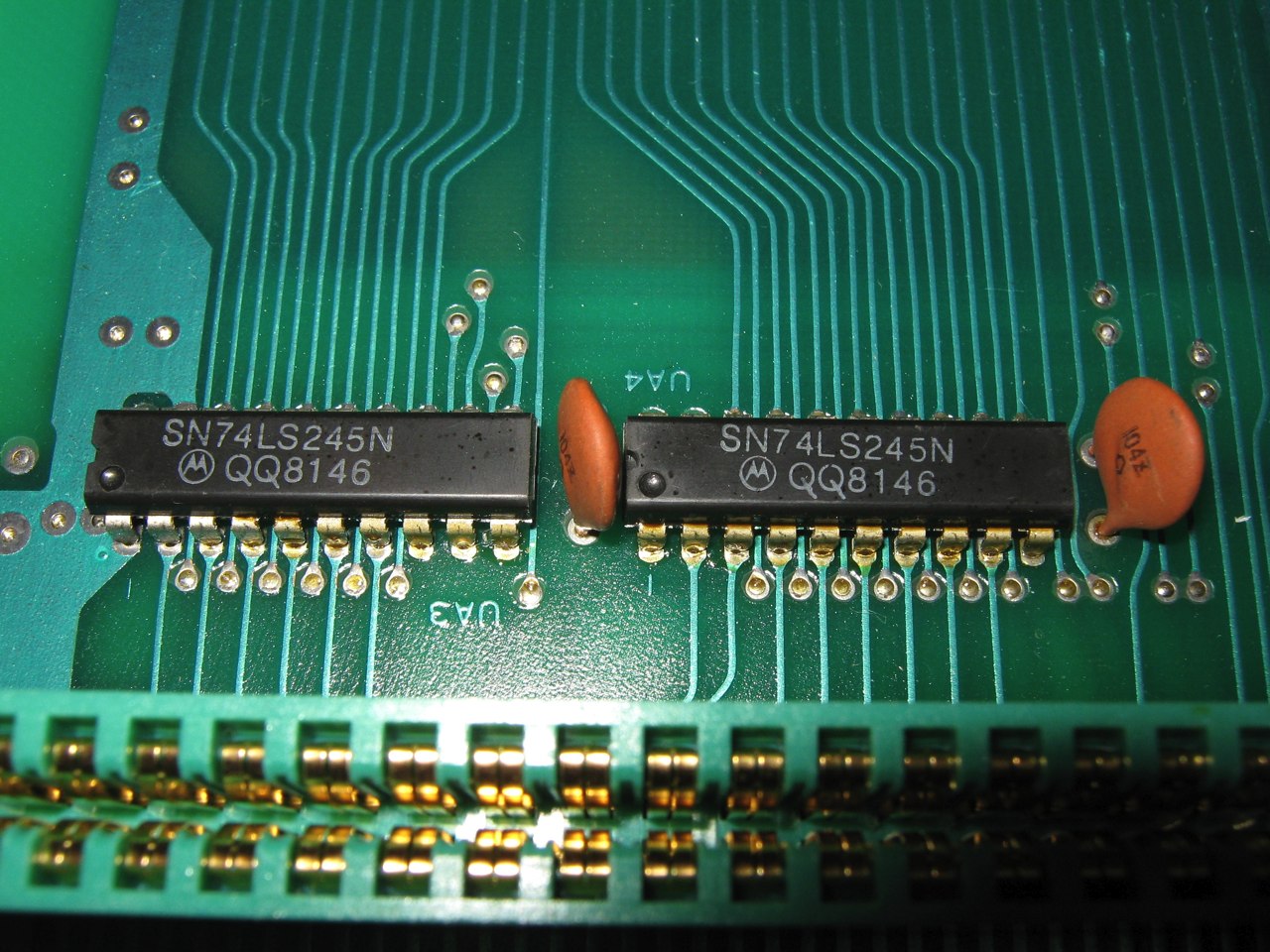
from Bo Zimmerman Homepage:
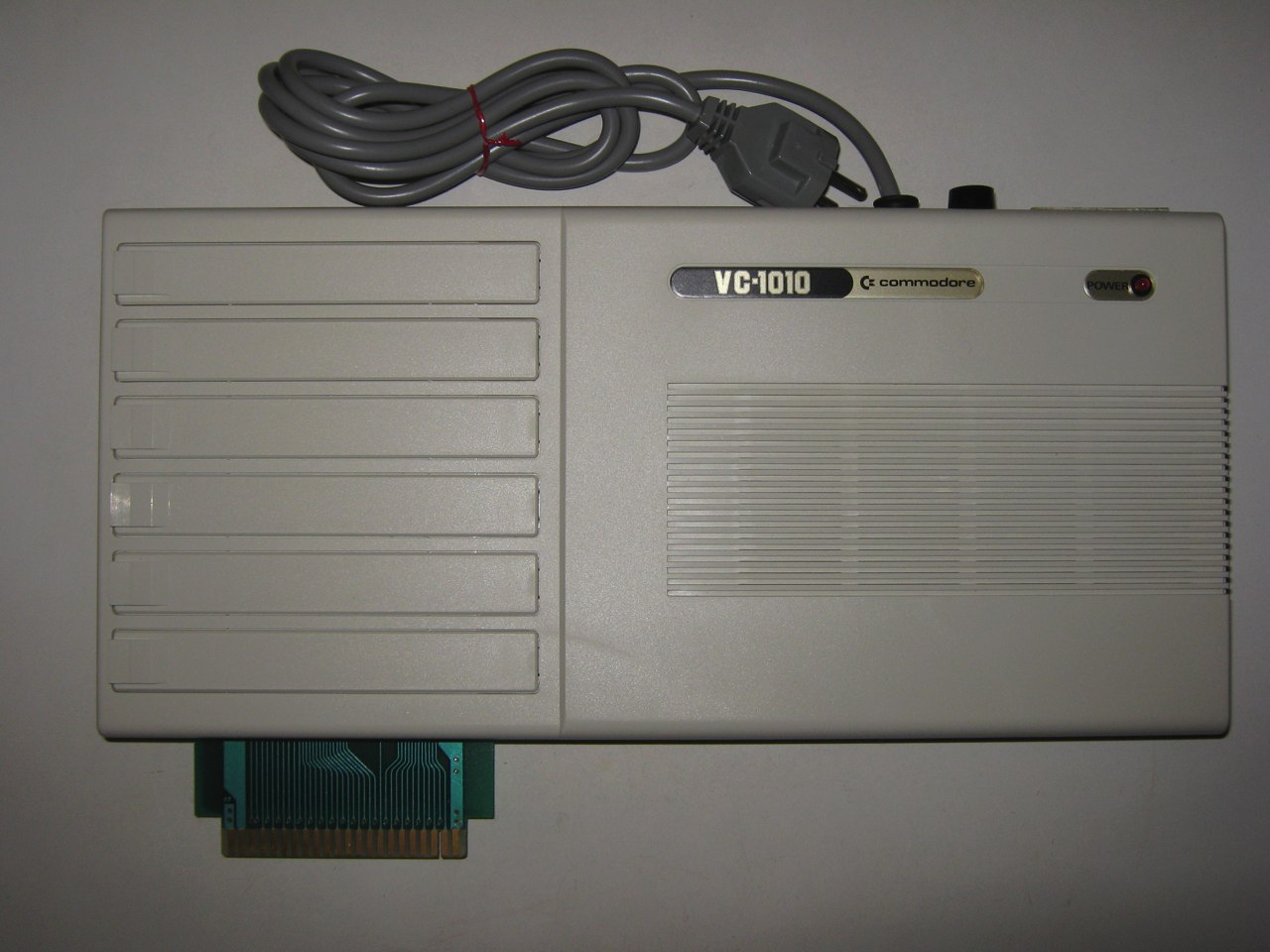
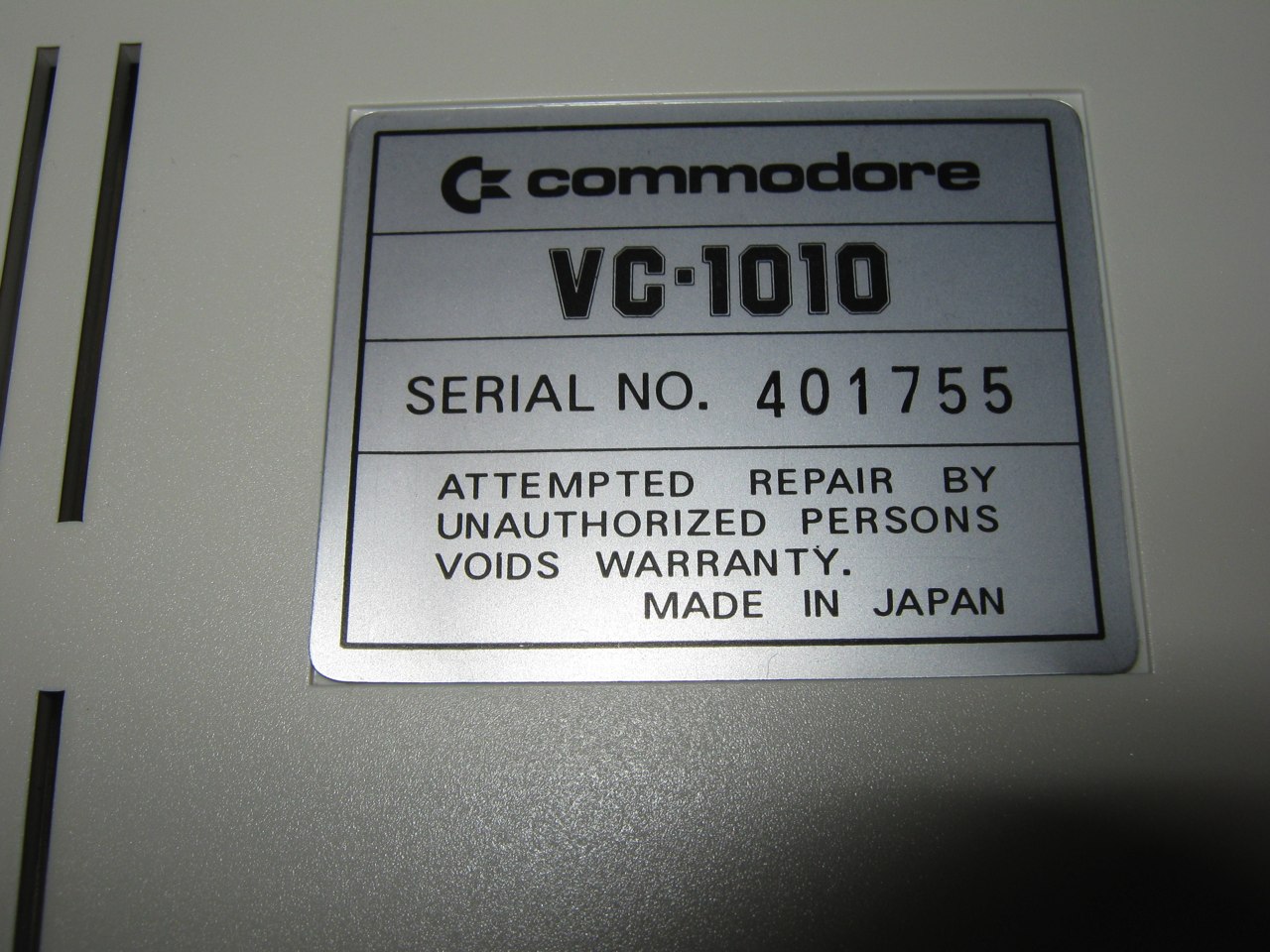
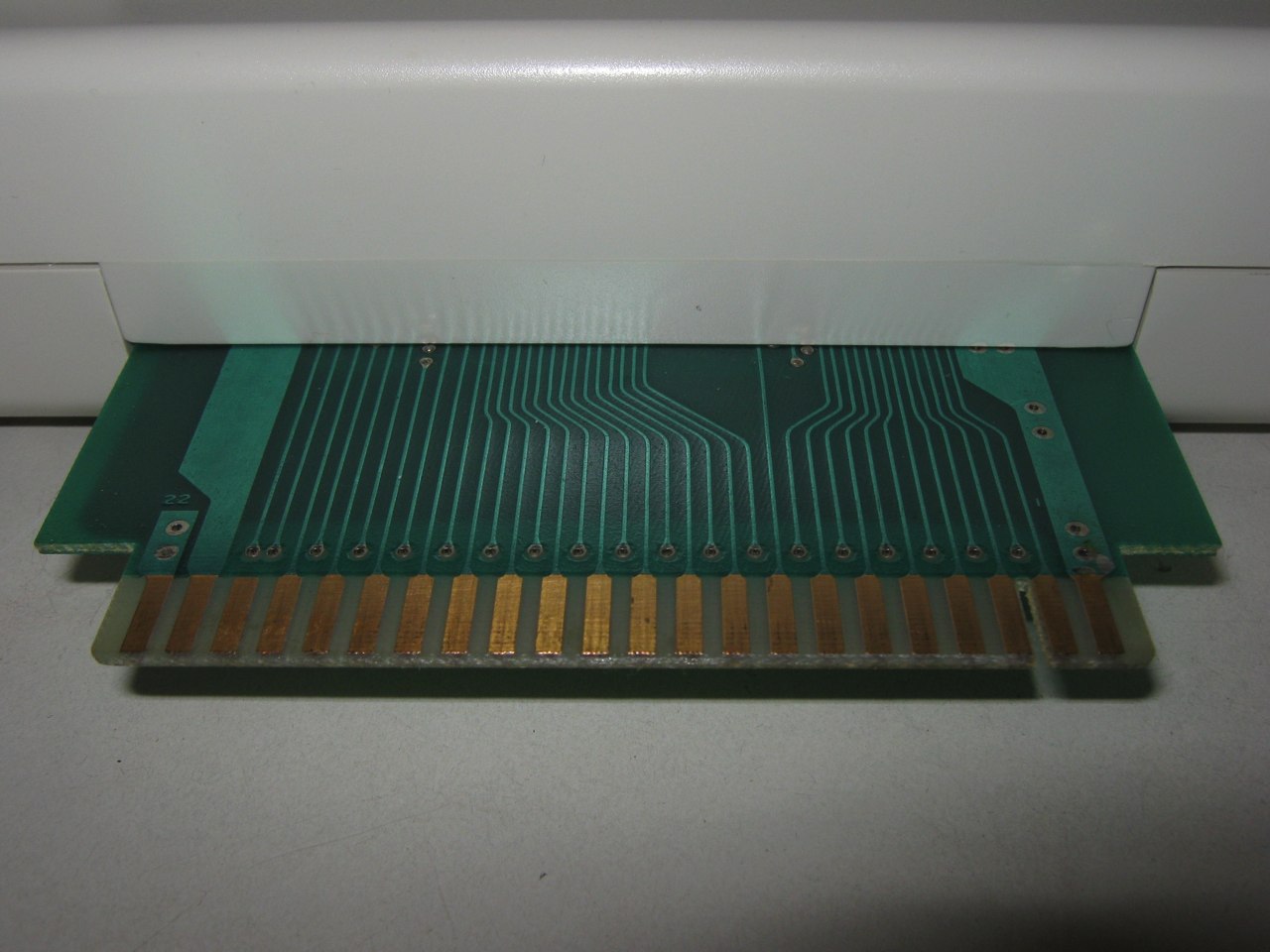
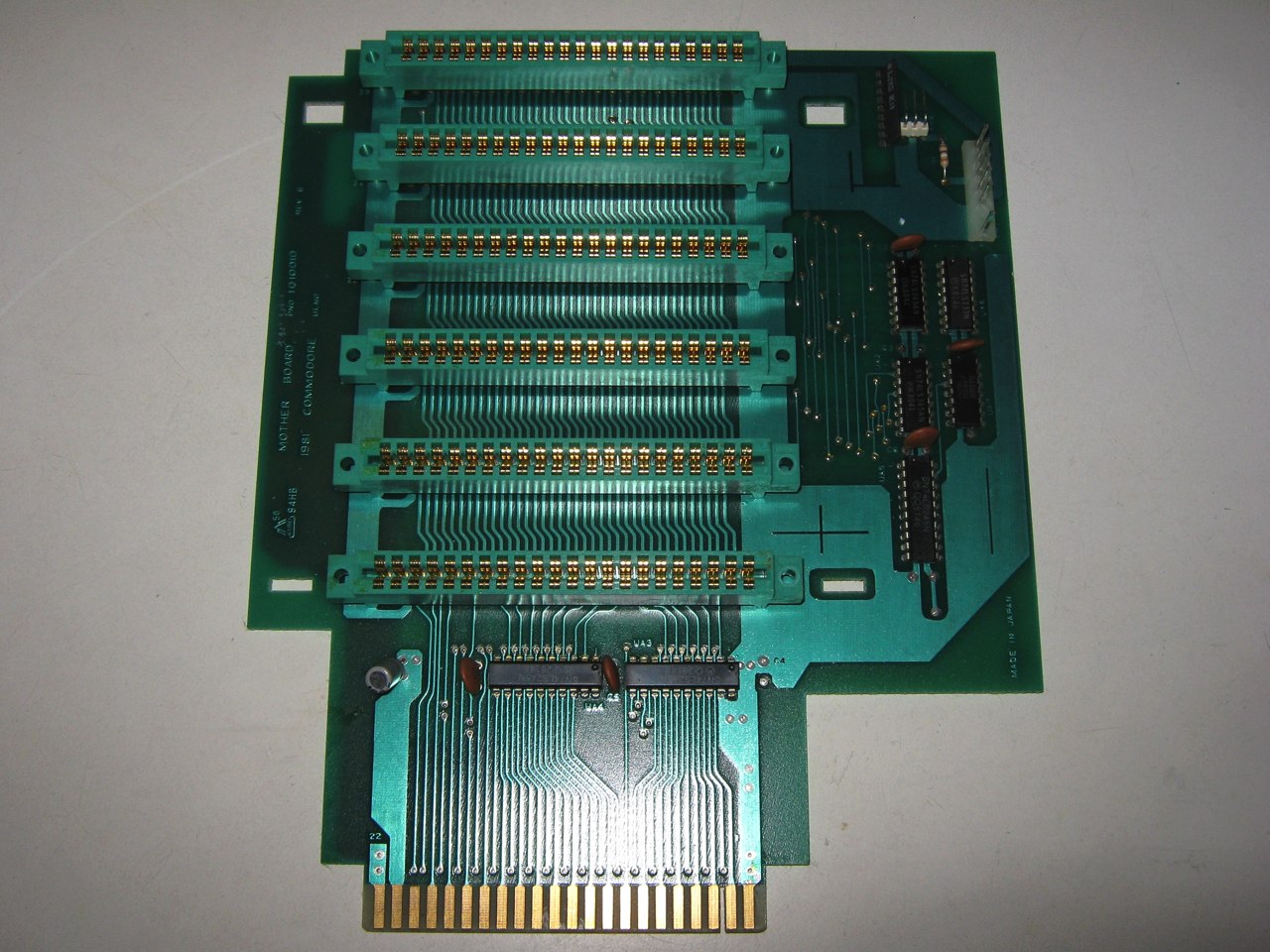
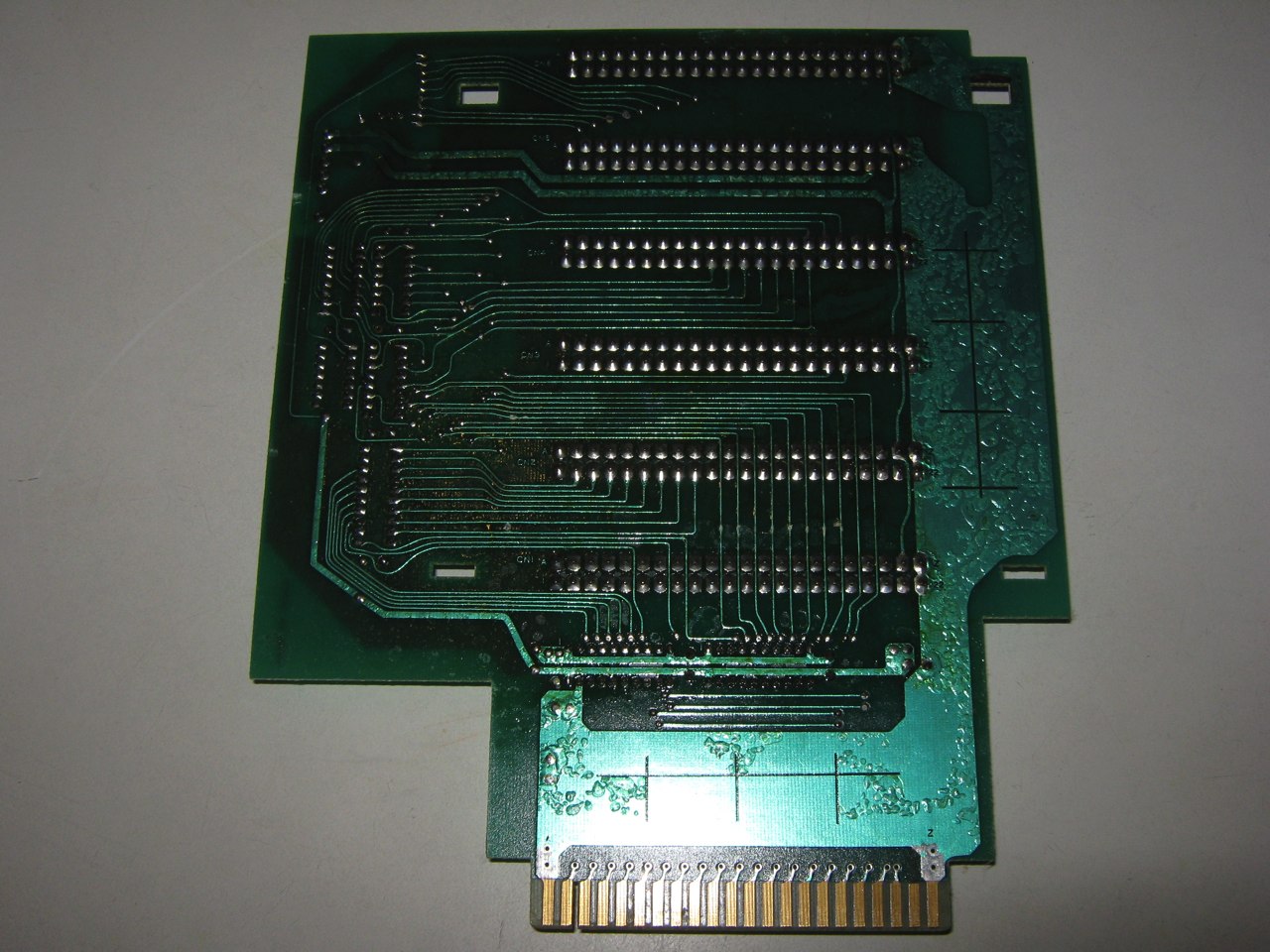
The VIC-1010 is an optional expansion to the VIC-20 manufactured by Commodore UK. It plugs into the VIC-20′s game/expansion/bus port, providing 6 more such ports along the top.
The rest of the unit sits behind and a bit off to the right of the machine, preventing any obstruction of the VIC’s other ports. Built into the 1010 is a 220V power supply to supplement the computer’s supply.
source: zimmers.net
Autopsy:
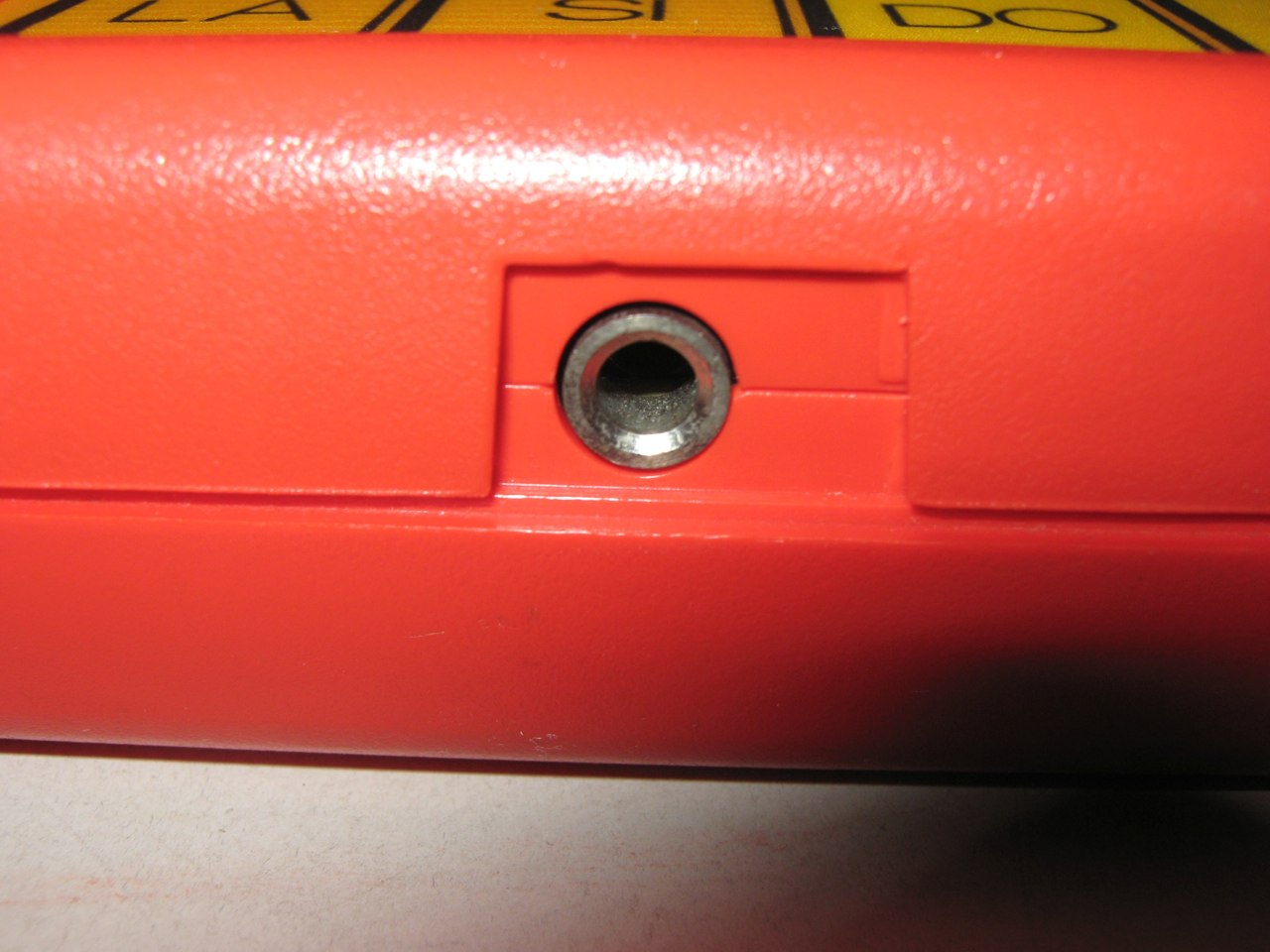
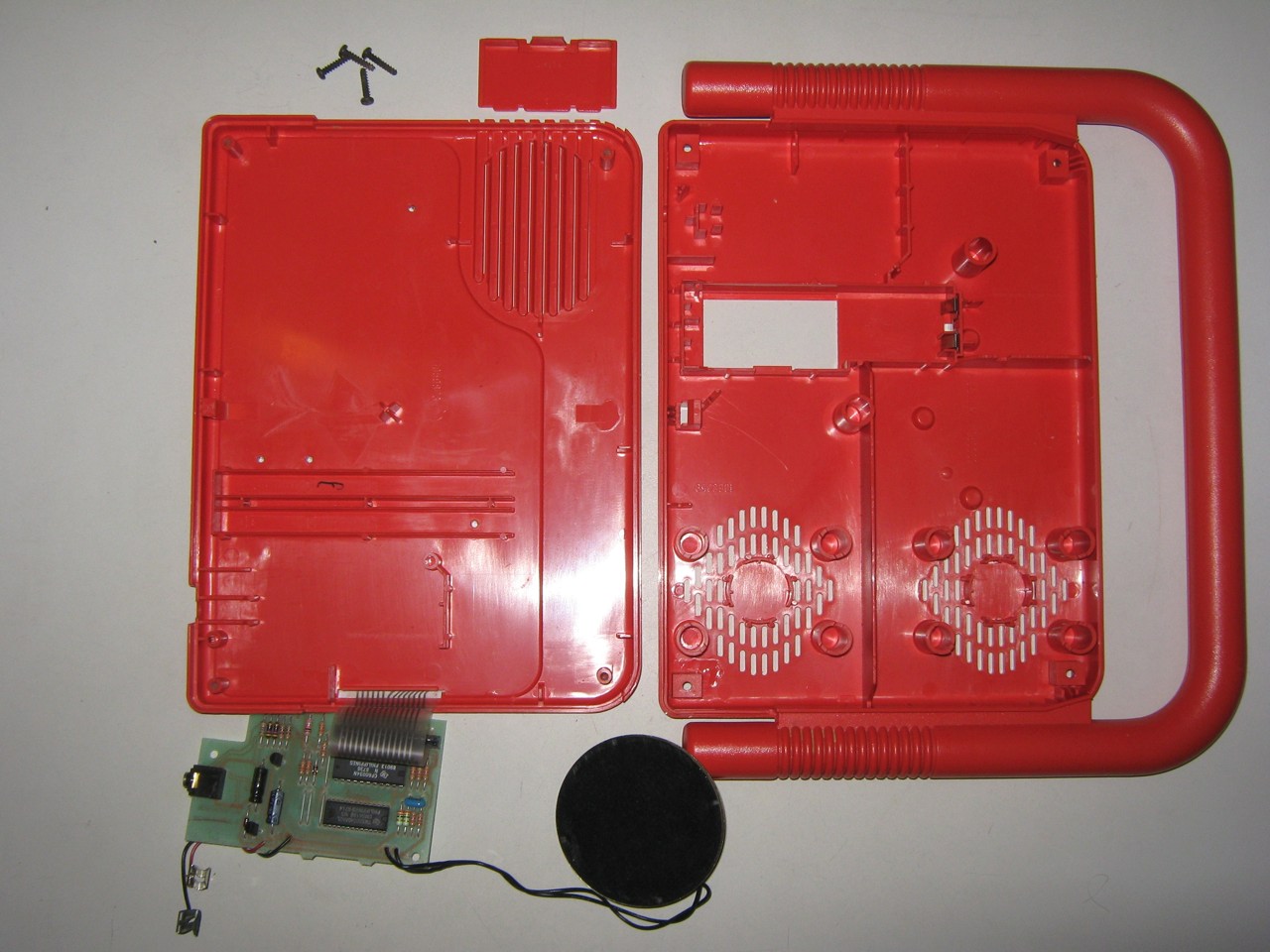
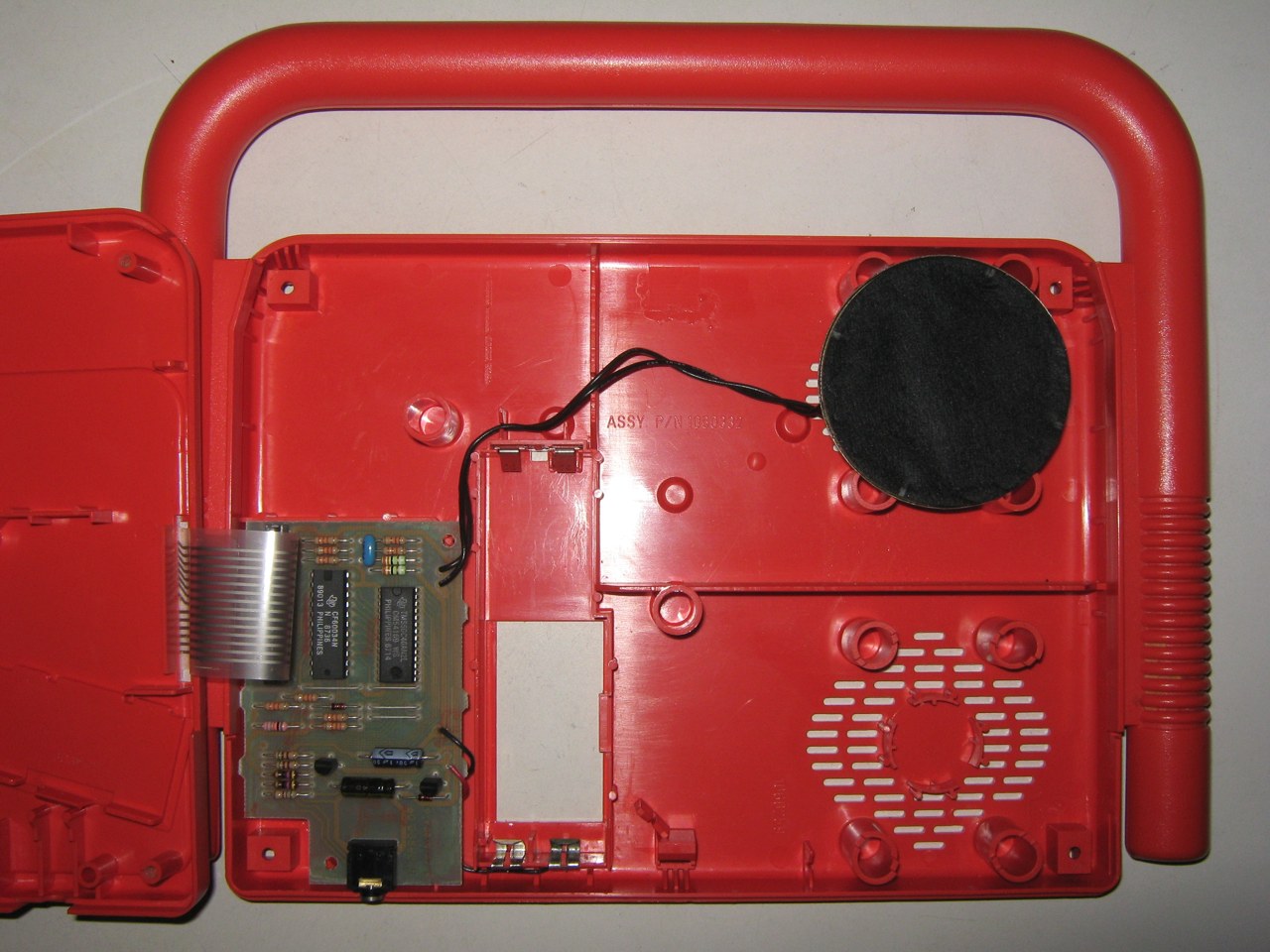
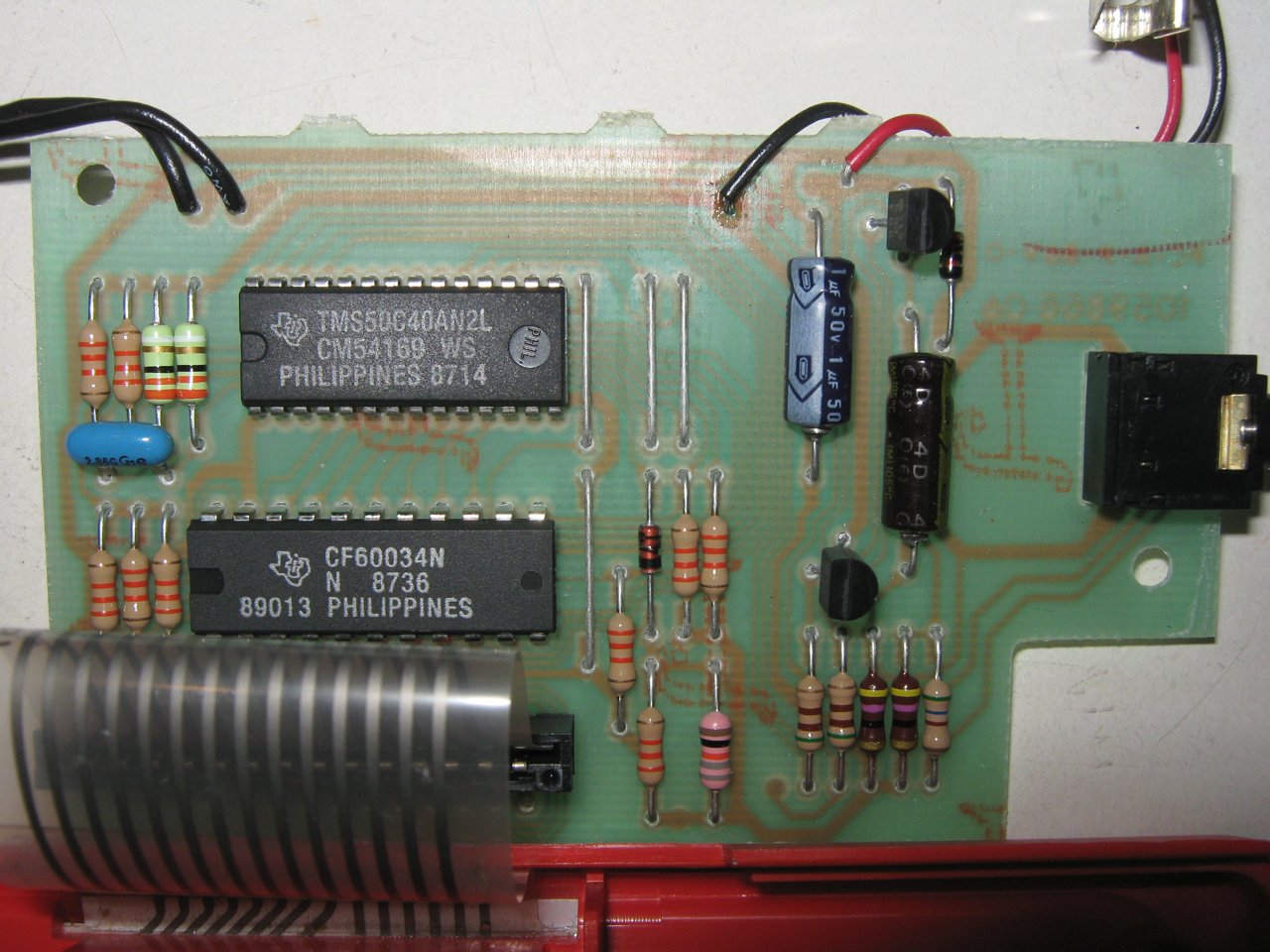
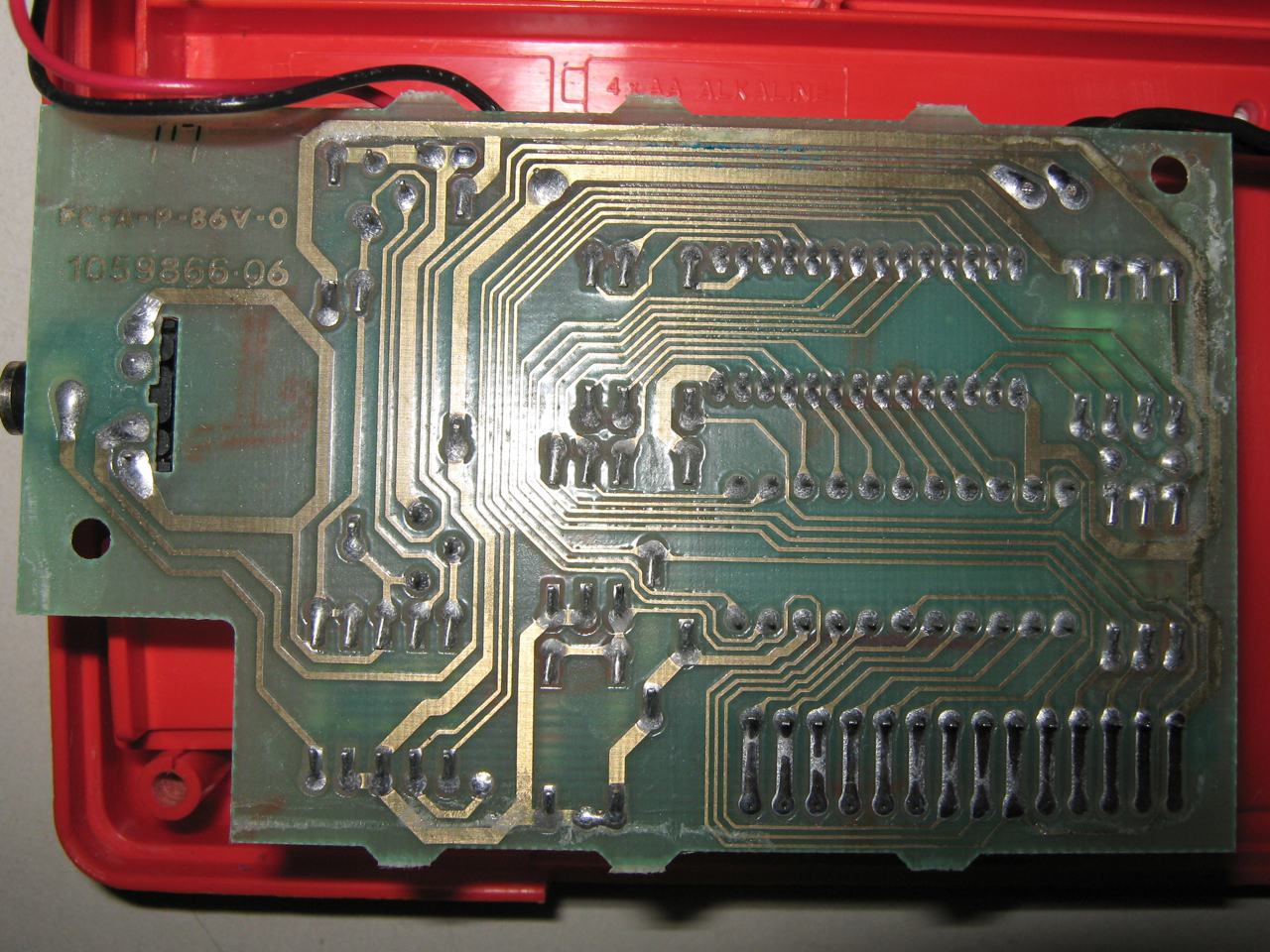
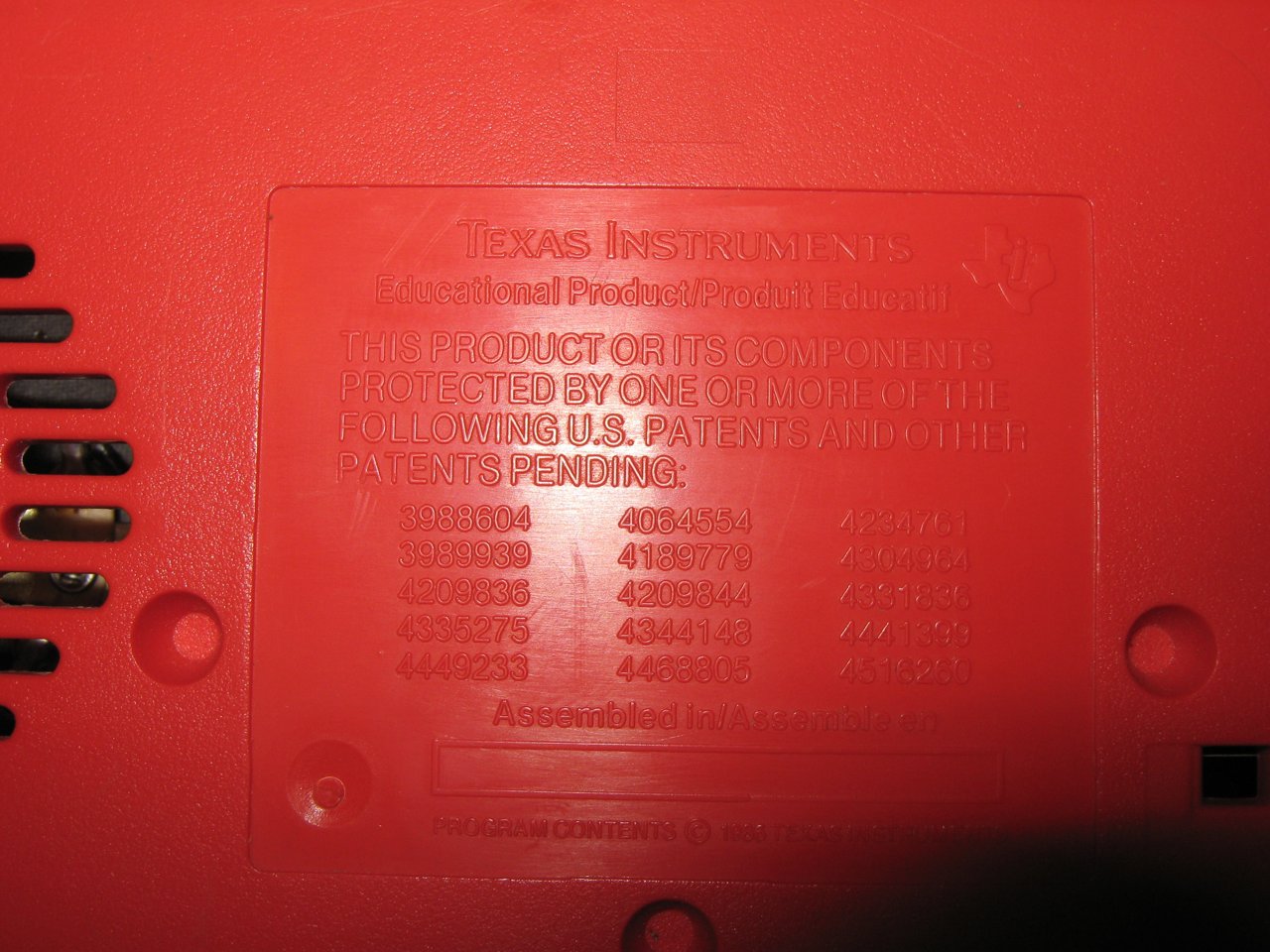
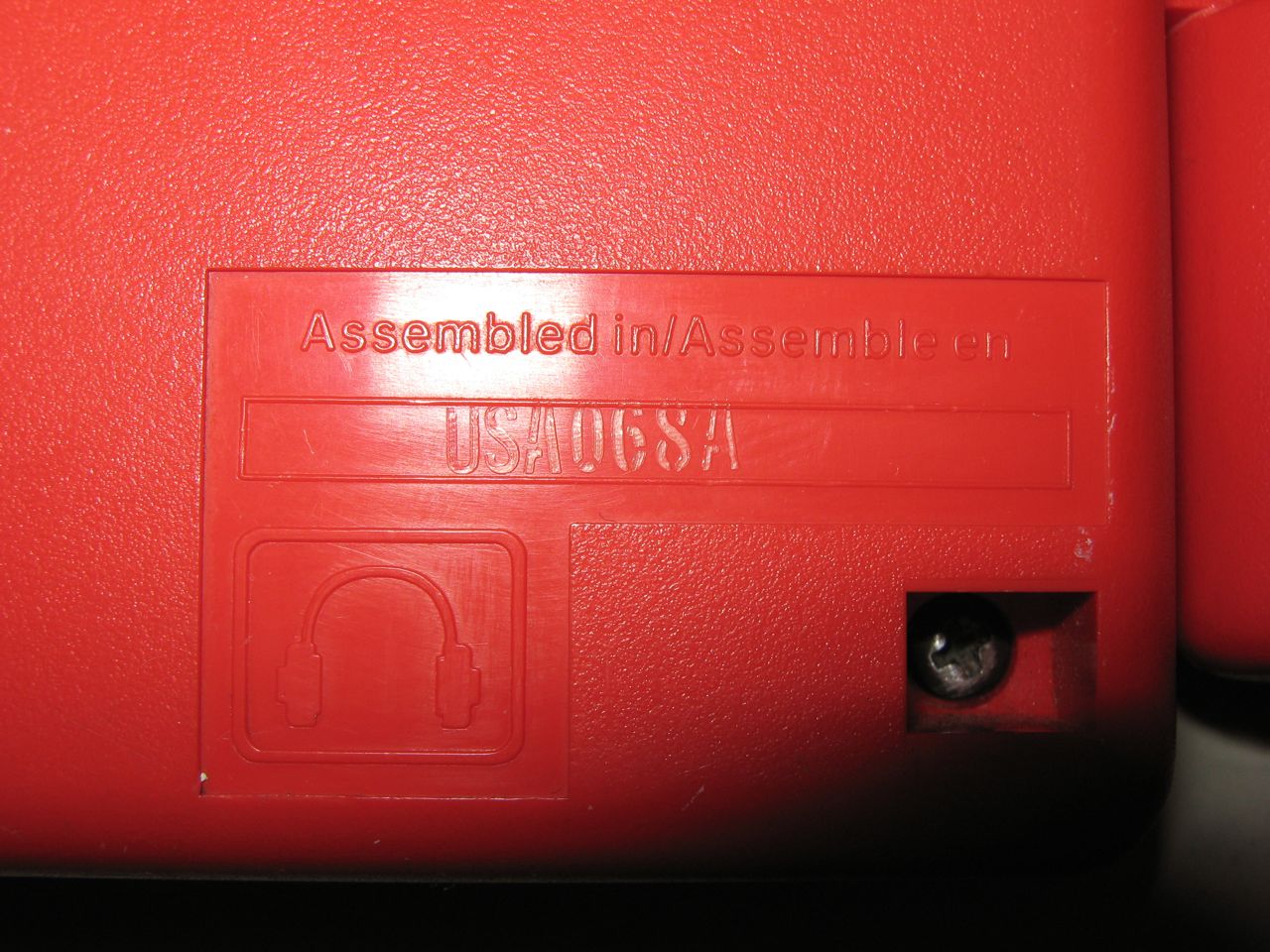
from Datamath:
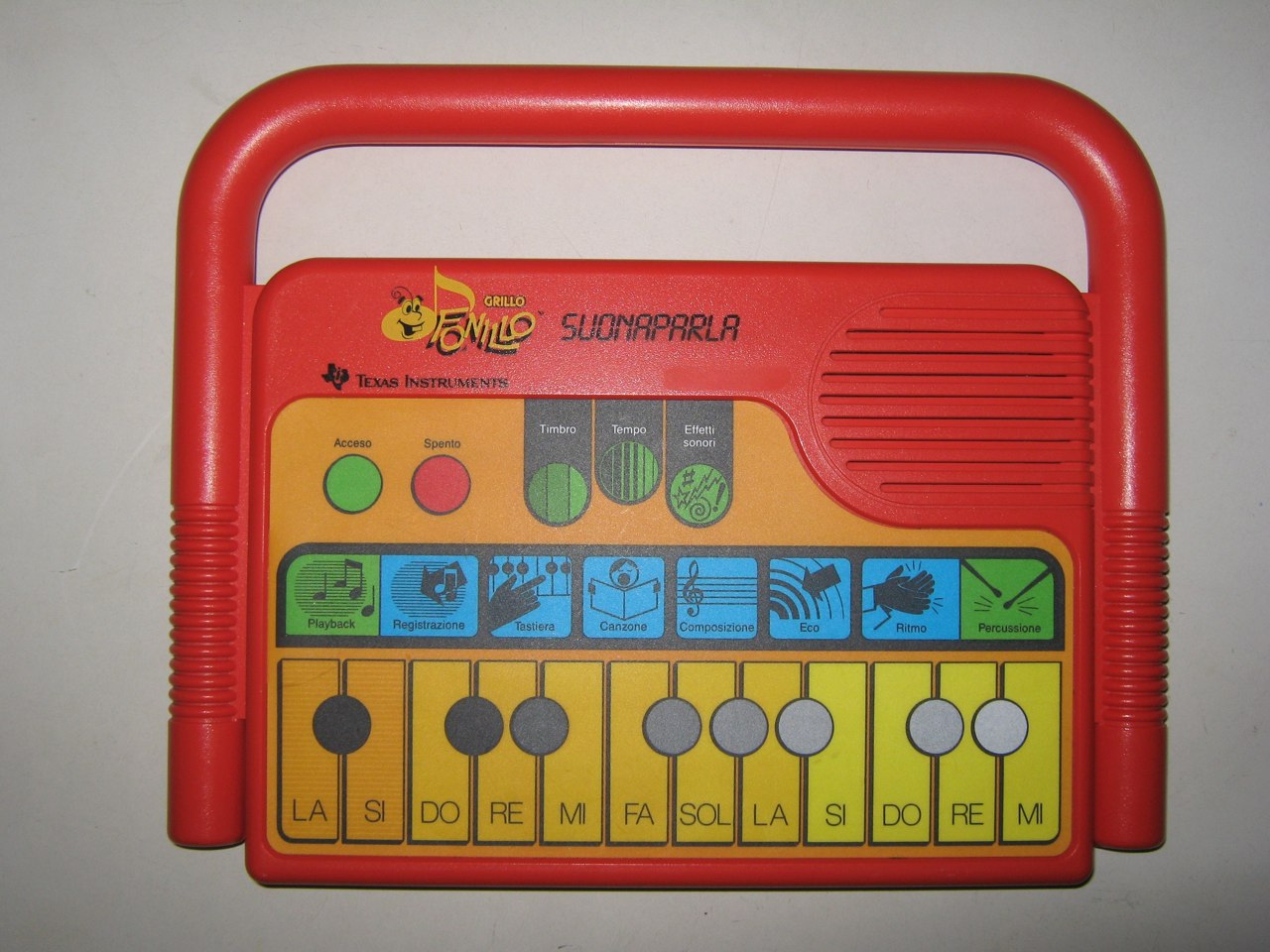
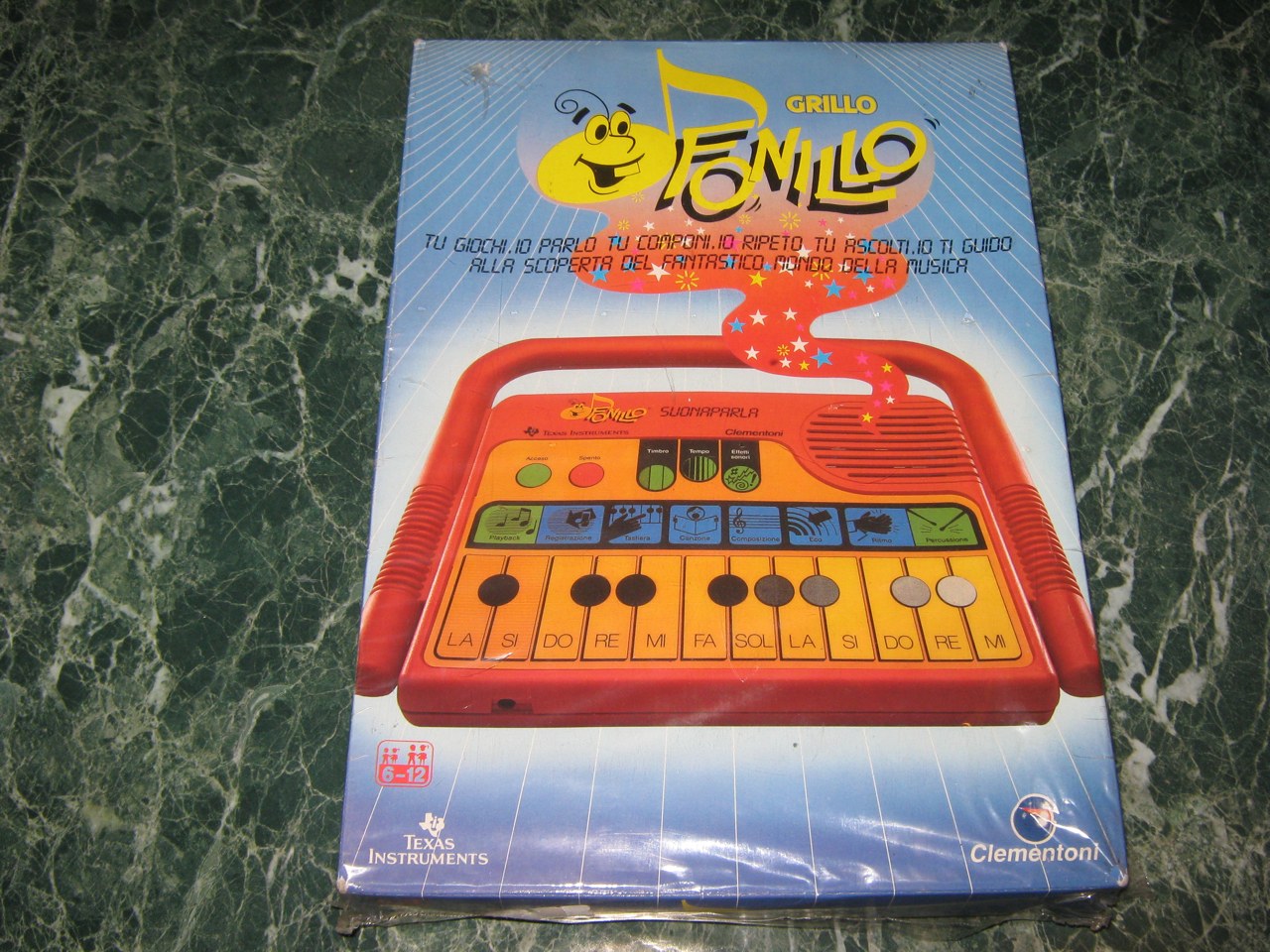
This funny synthesizer based product from Texas Instruments generates a lot of different sounds and stores them into internal memory. Compared with earlier products of the Speak & line this one uses a quite simple technology.
This educational toy is very similar to the Speak & Music but uses an Italian speaking language.
source: datamath.org
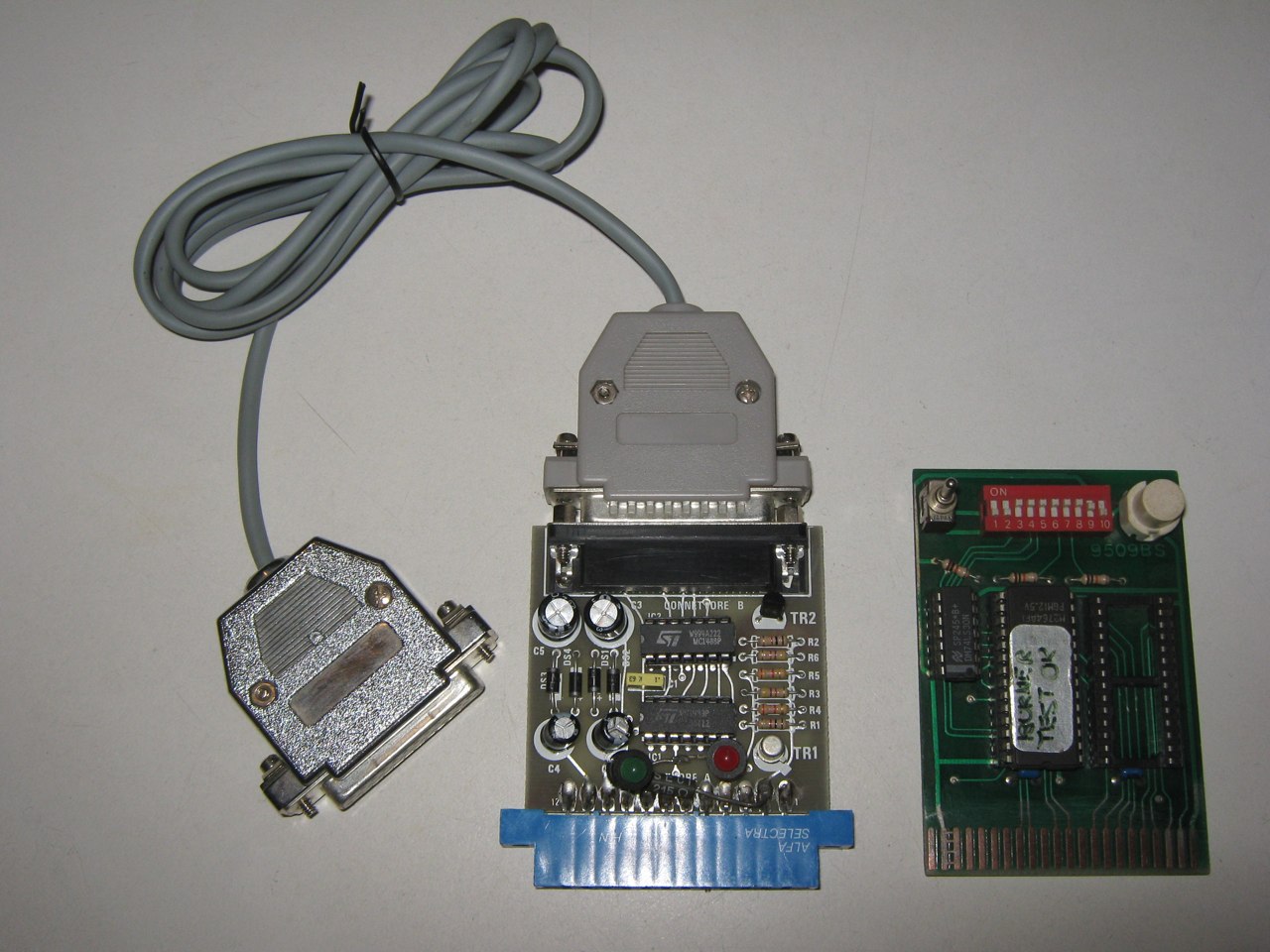
Autopsy:
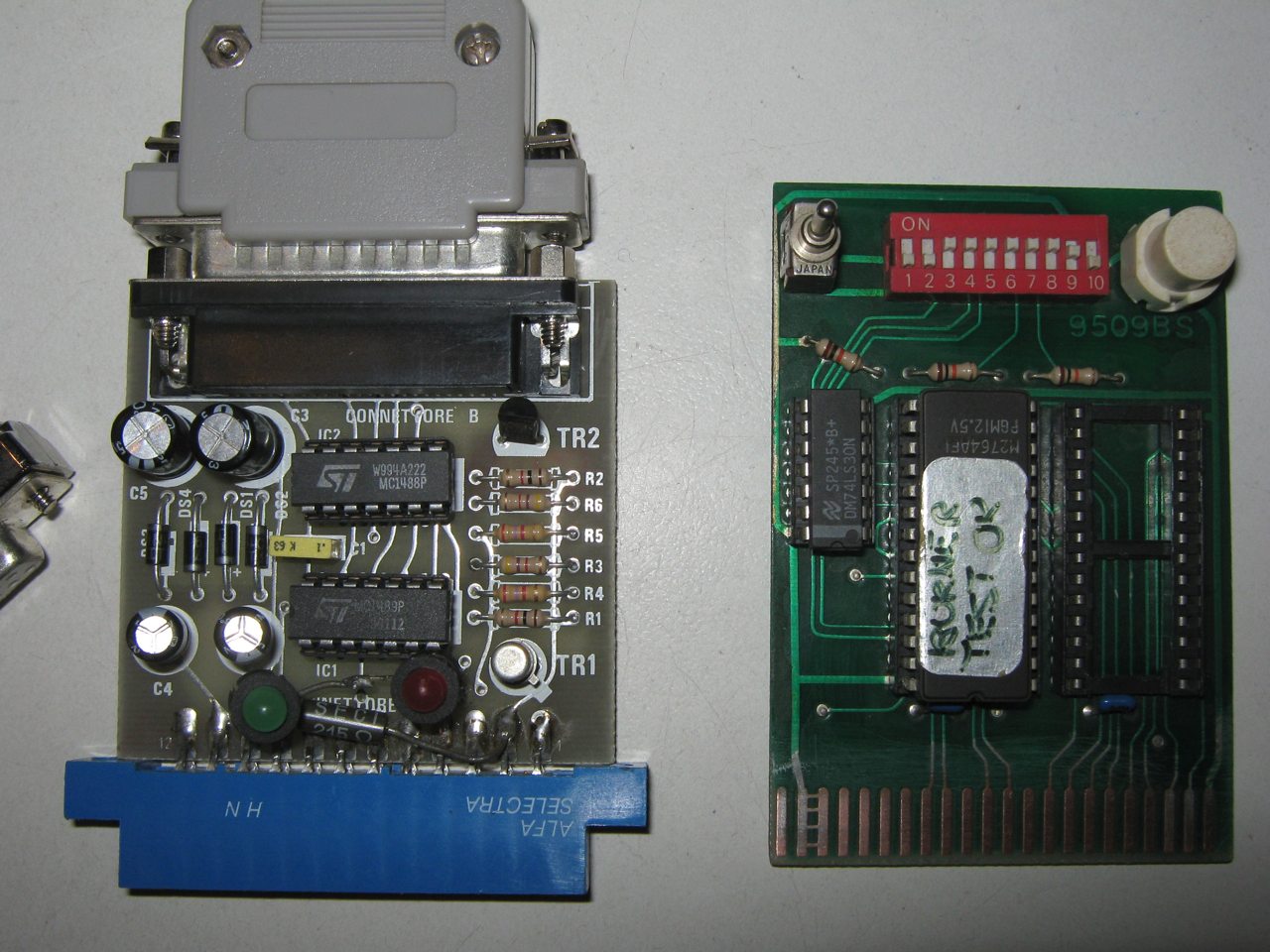
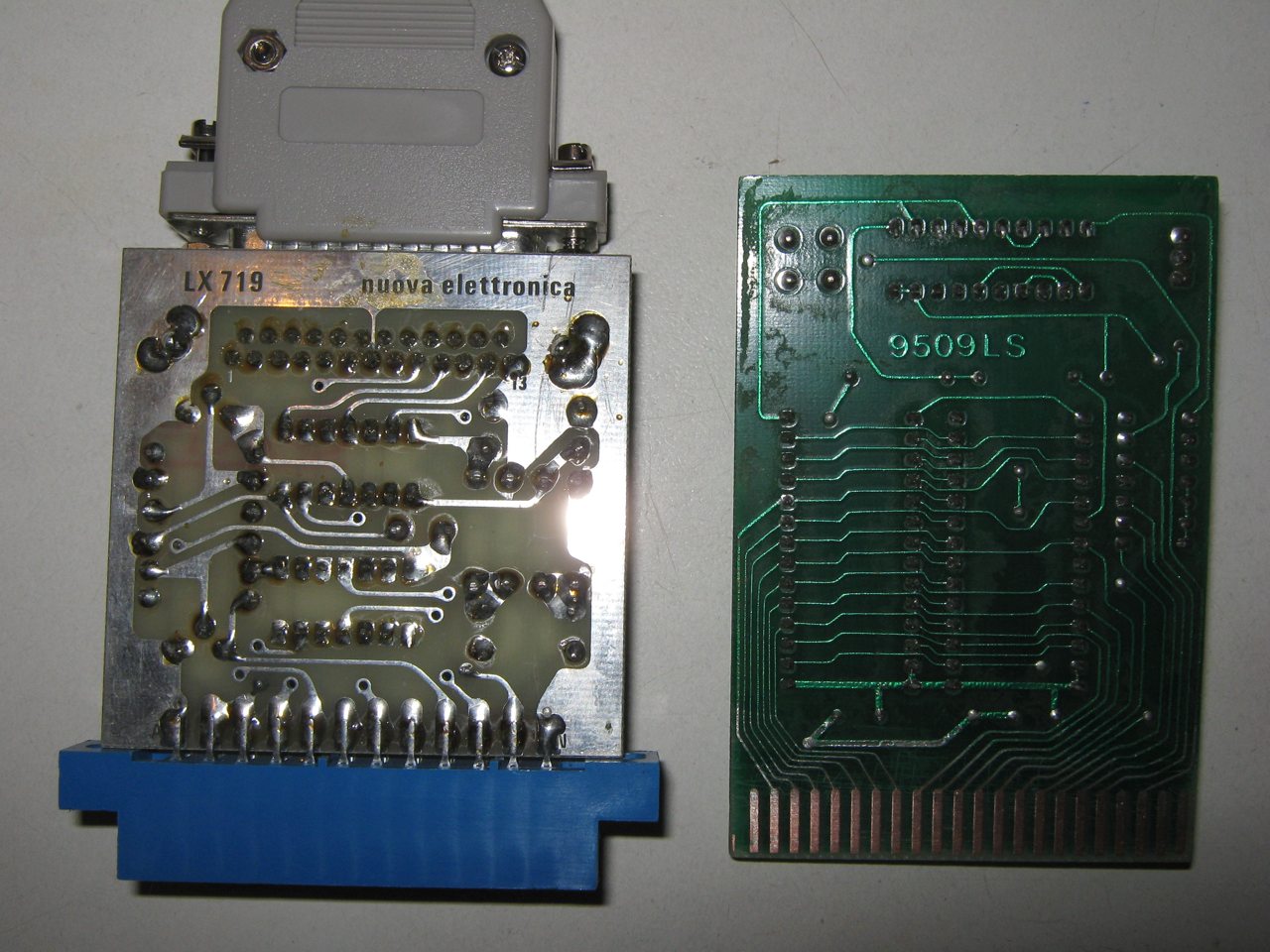
Description:
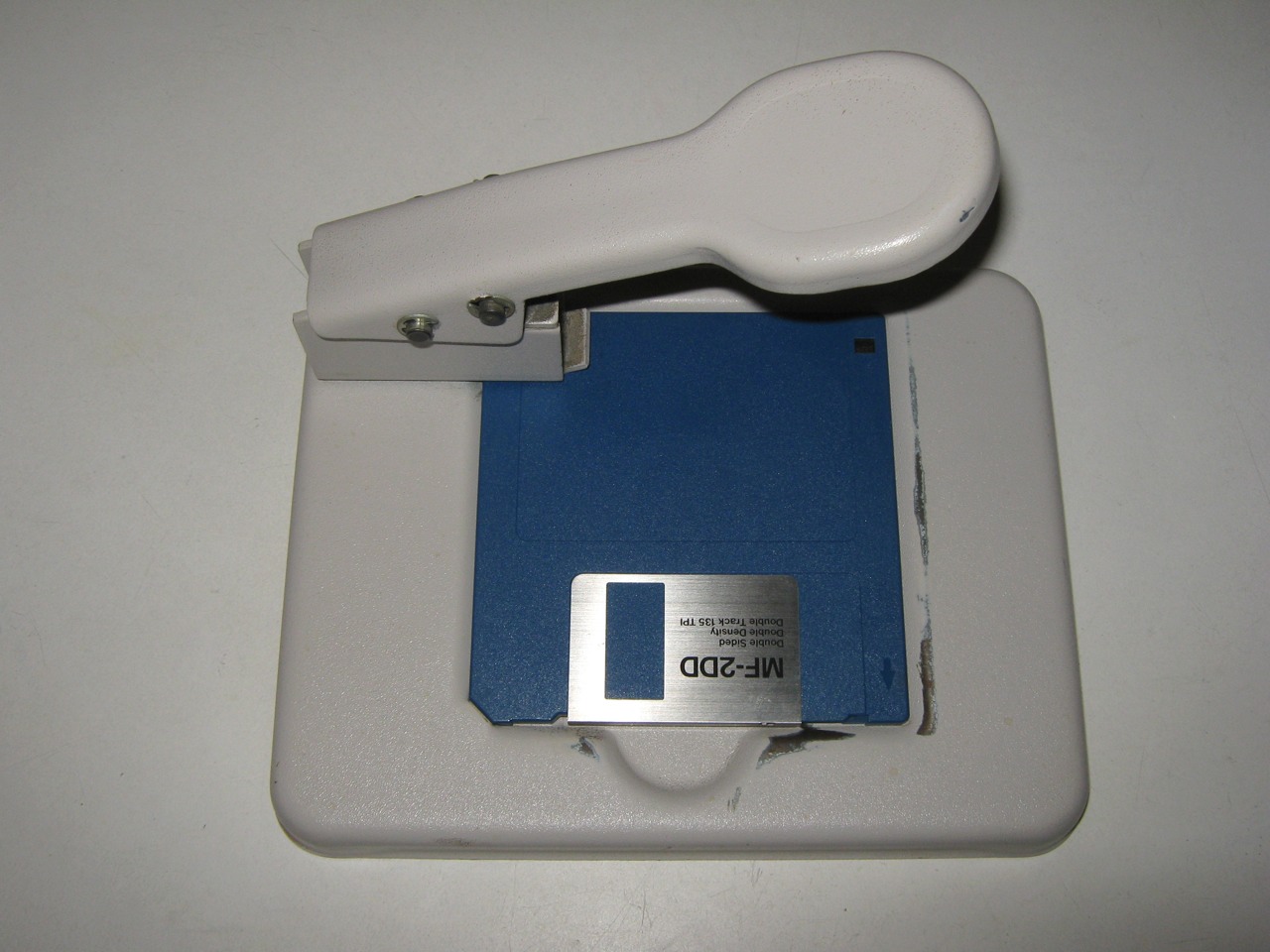
A disk notcher used to convert 3½ Floppy Disk 720k/800k to 1.44Mb HD.
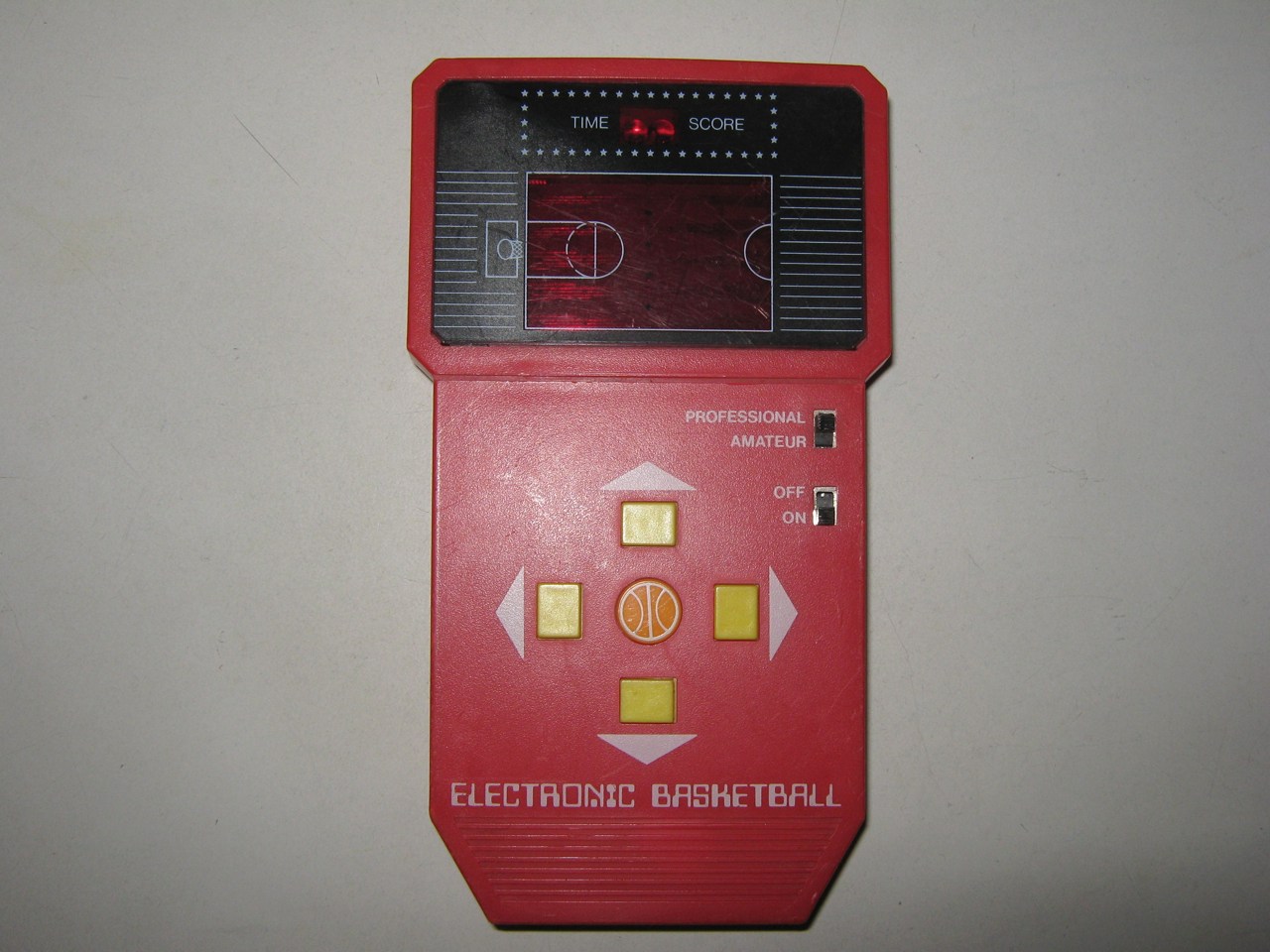
Autopsy:
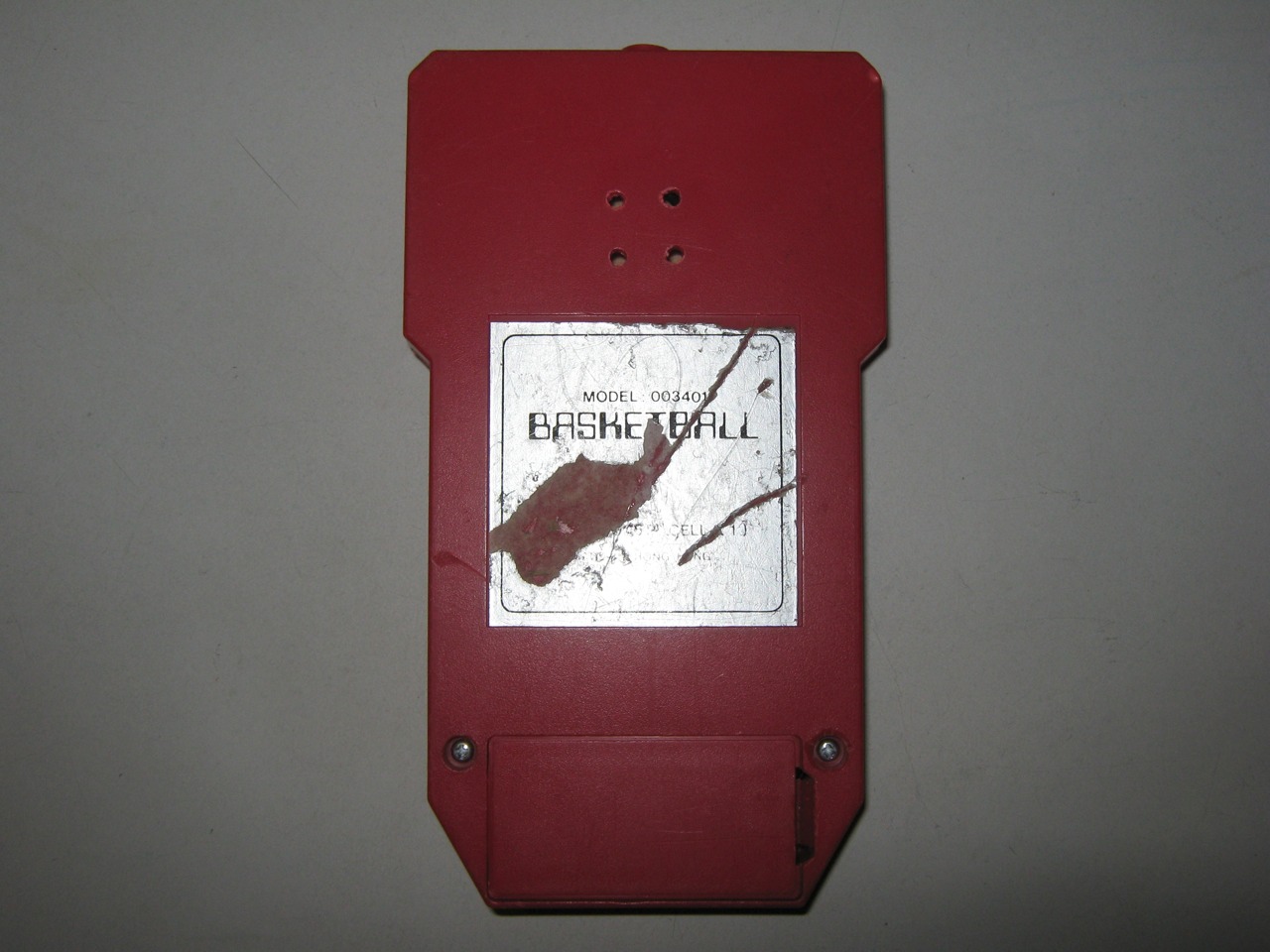
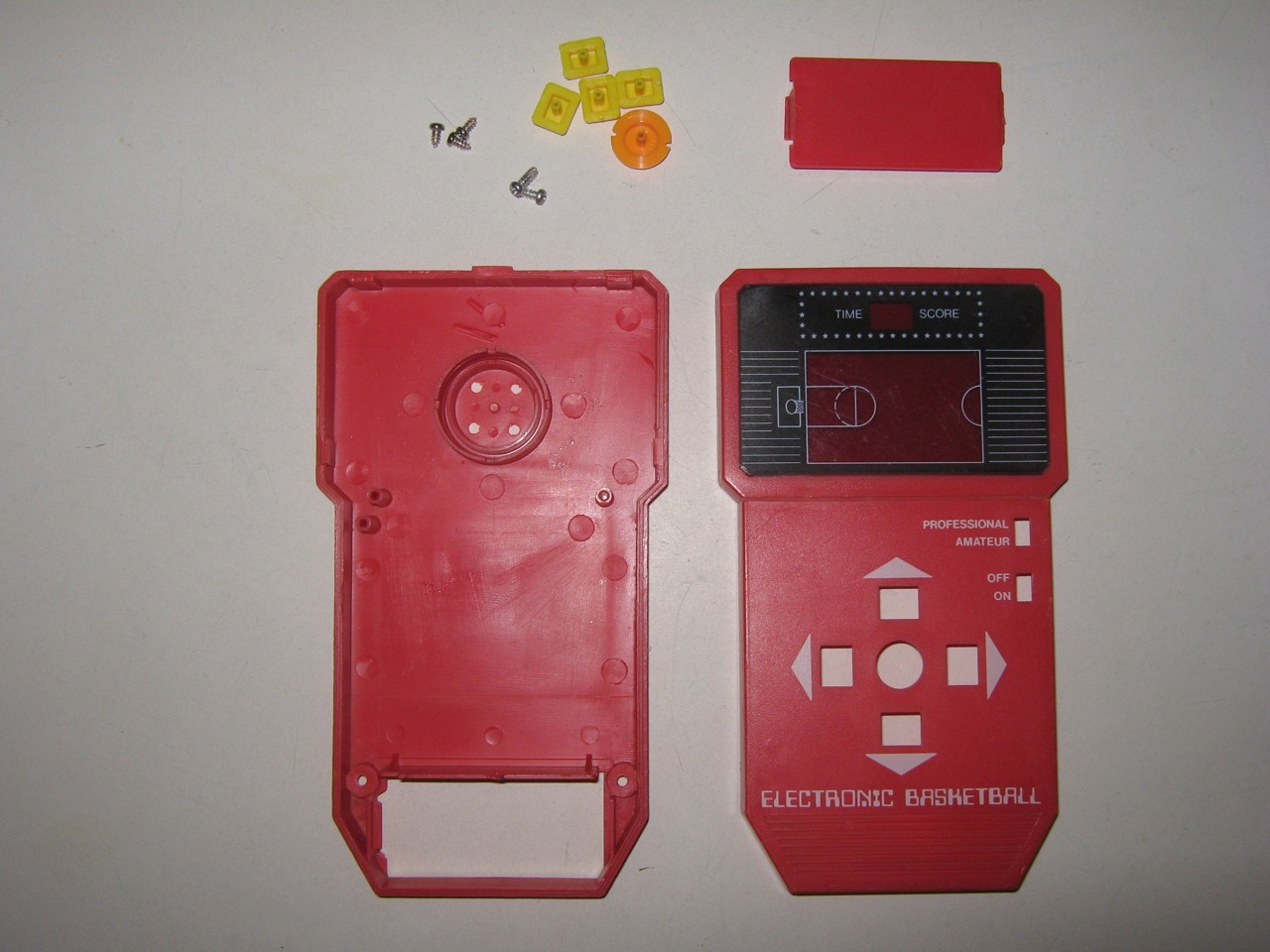
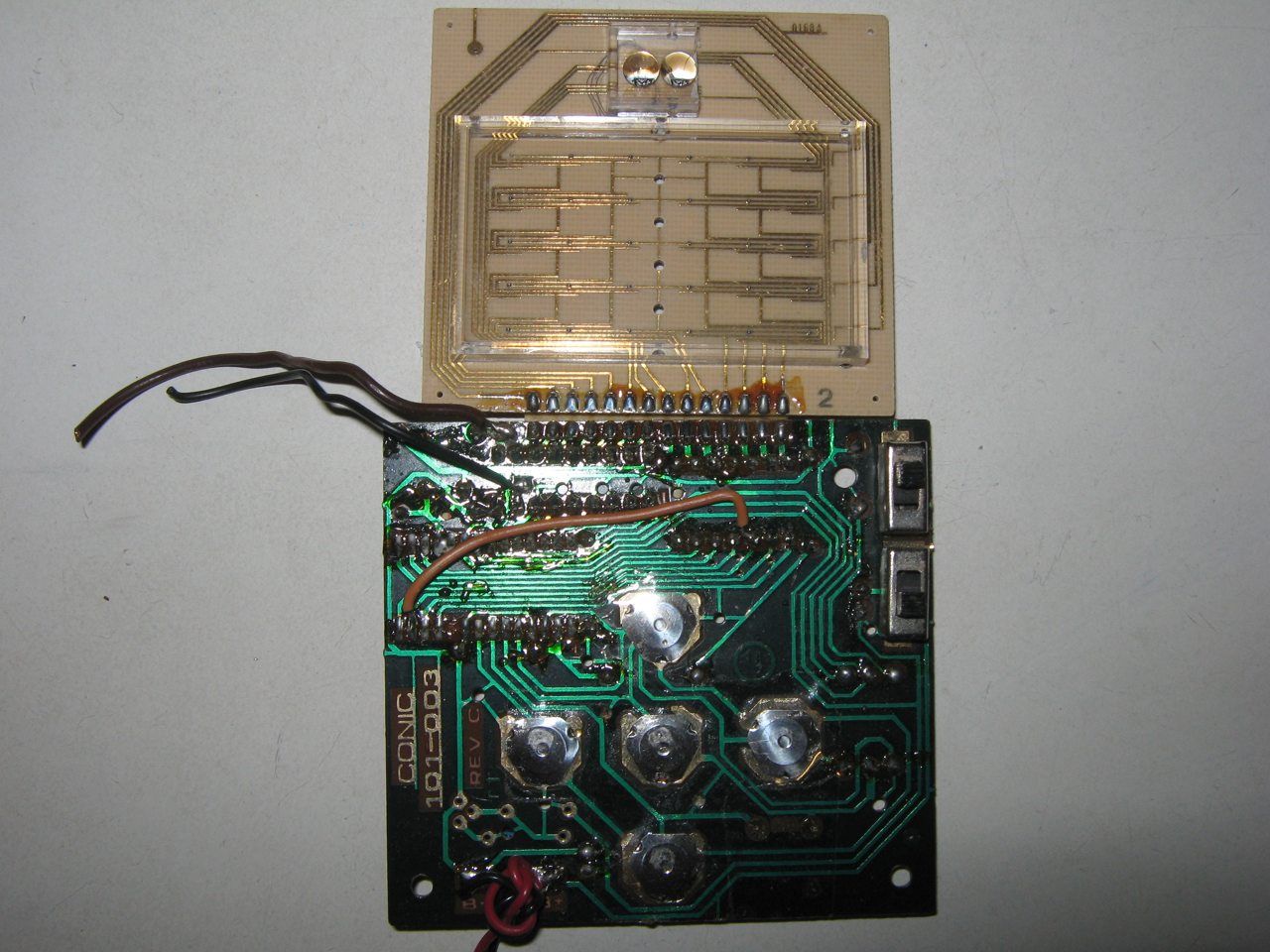
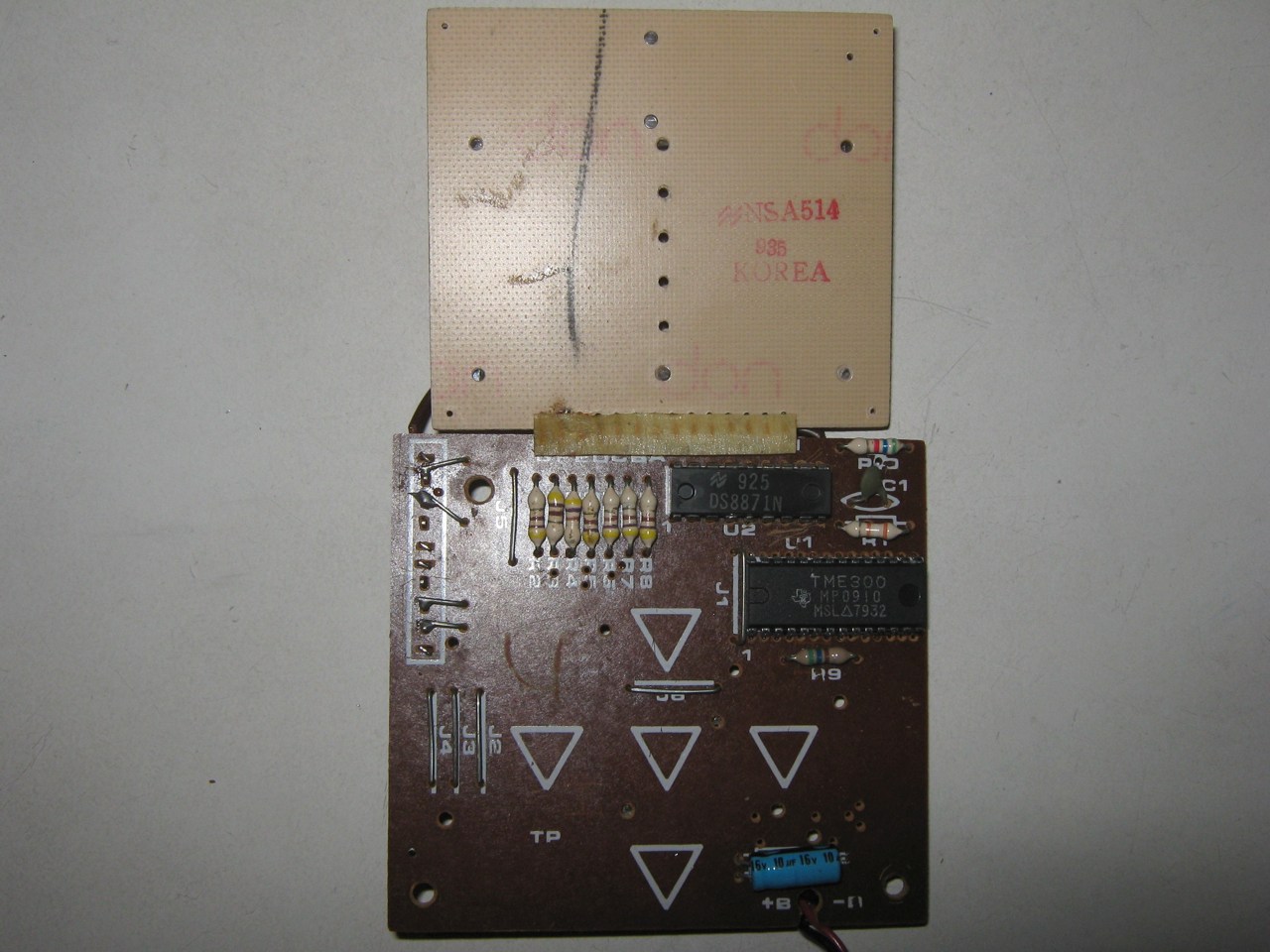
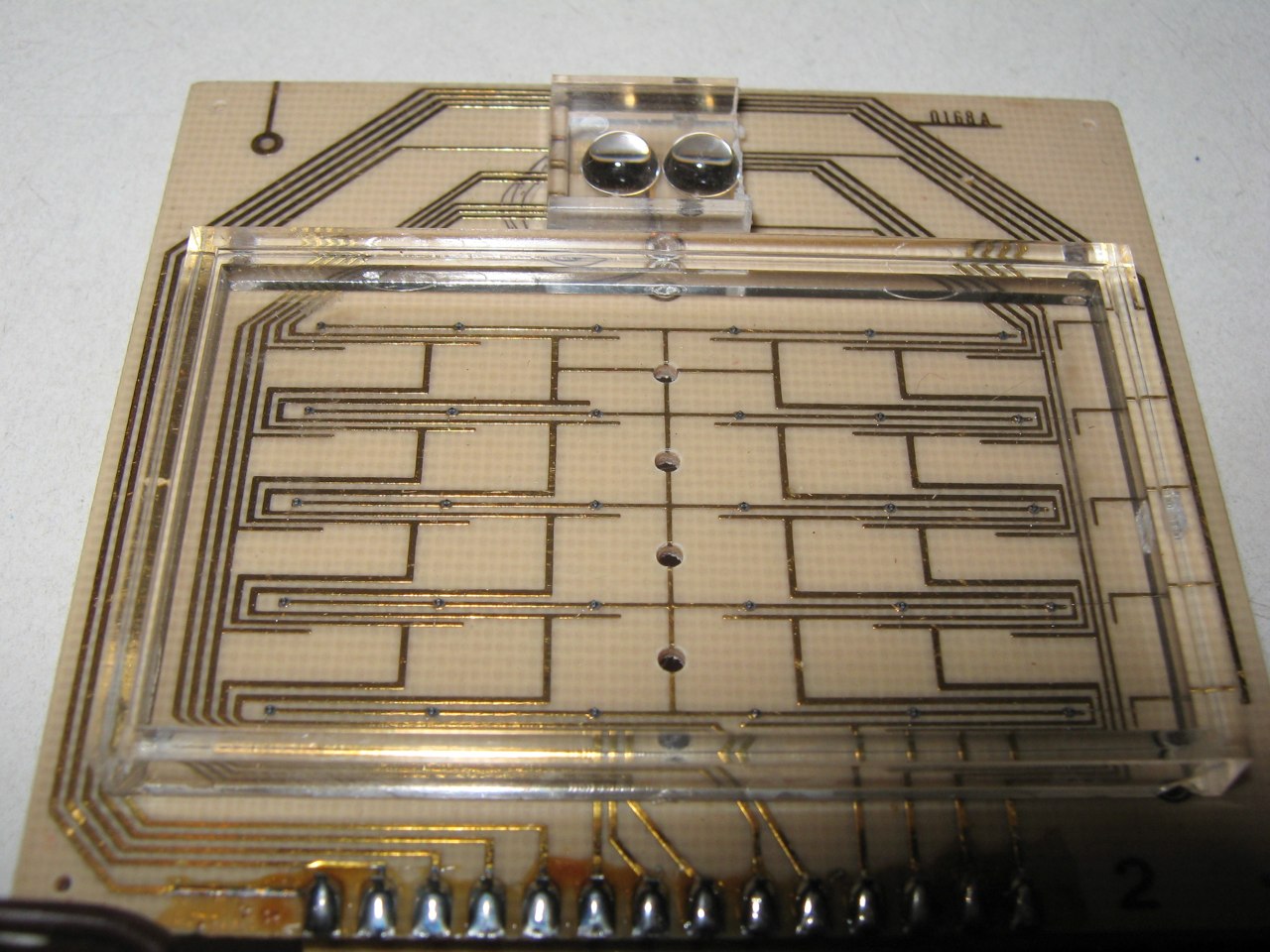
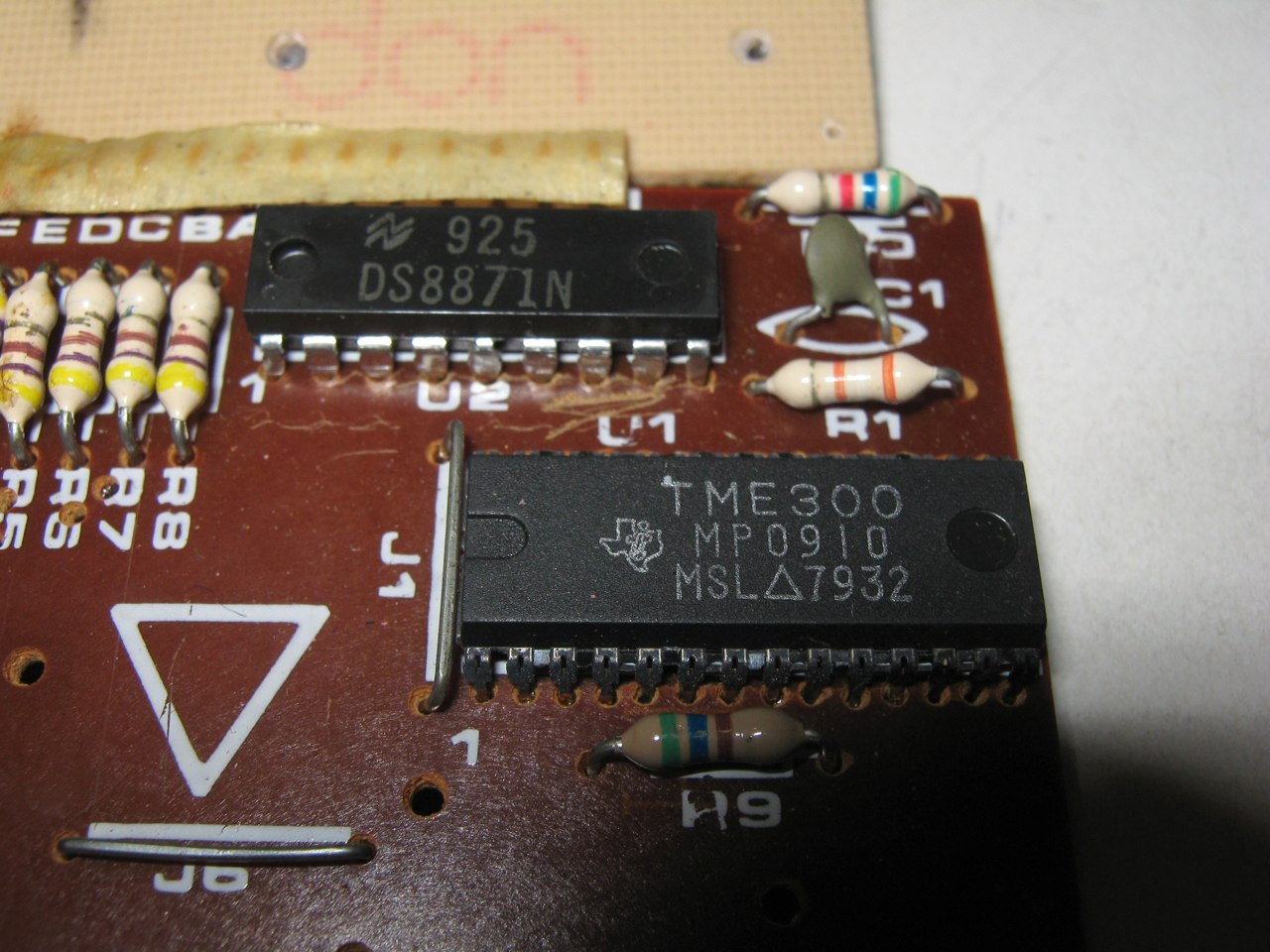
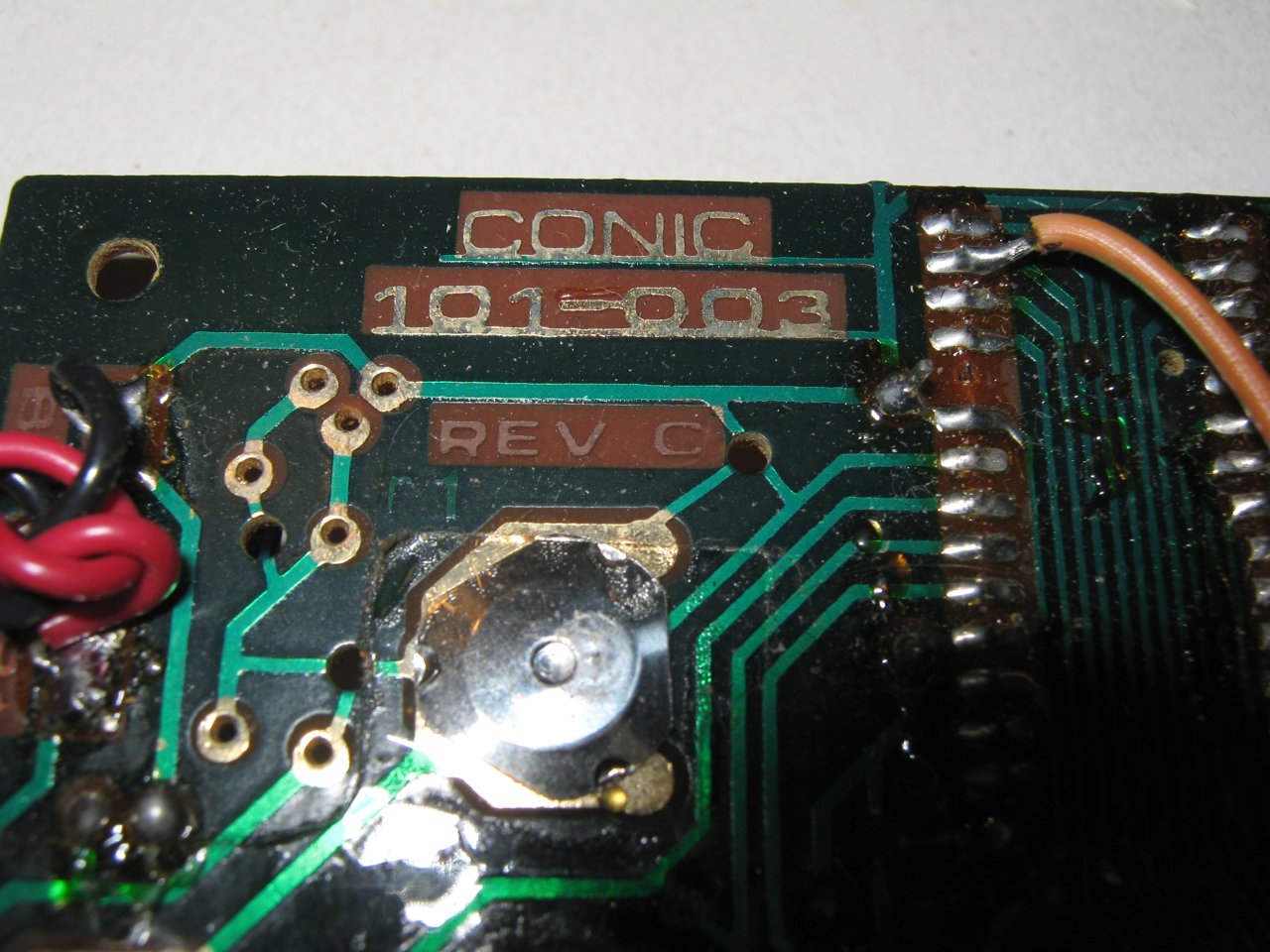
Description:
Autopsy:
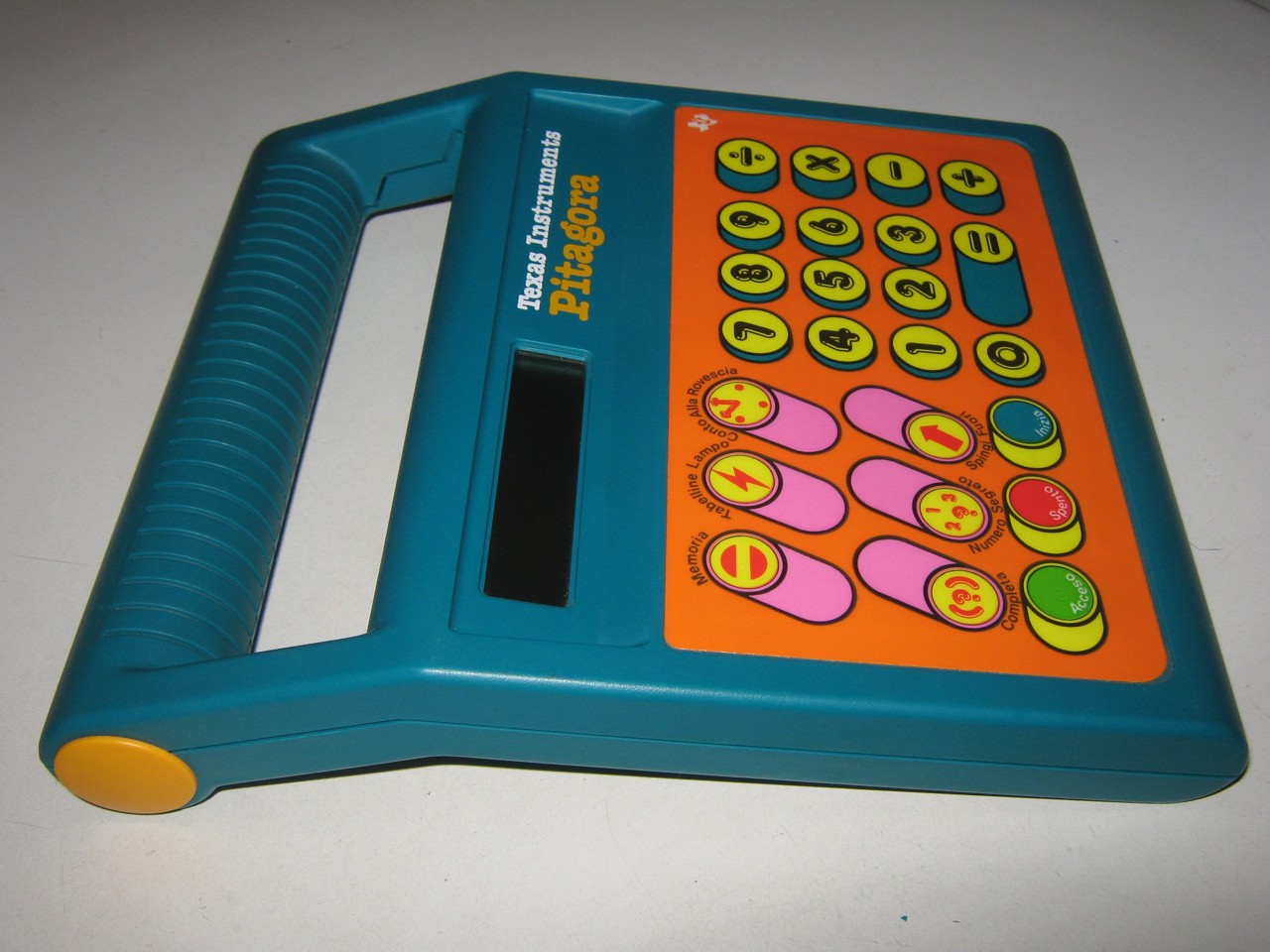
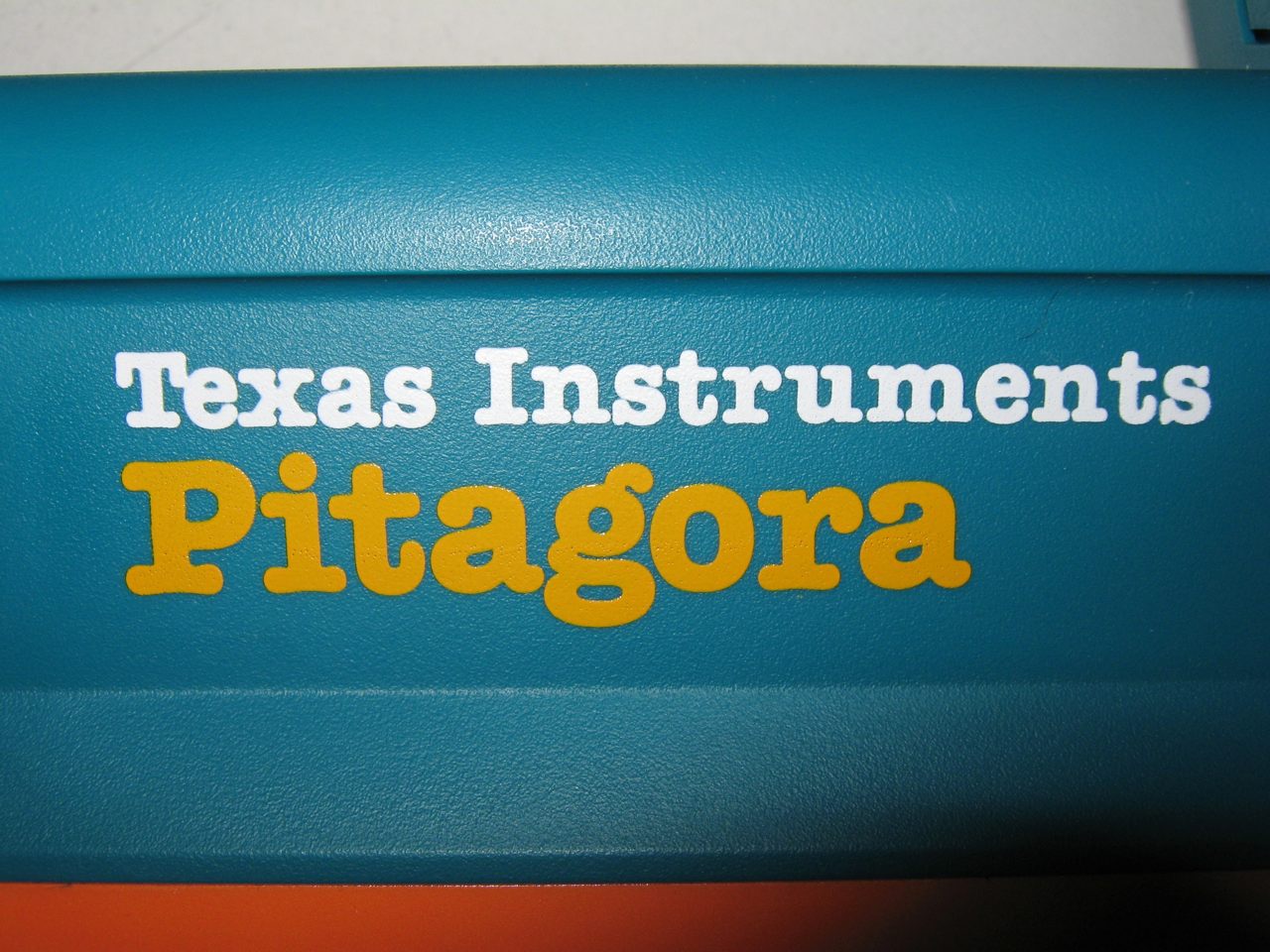
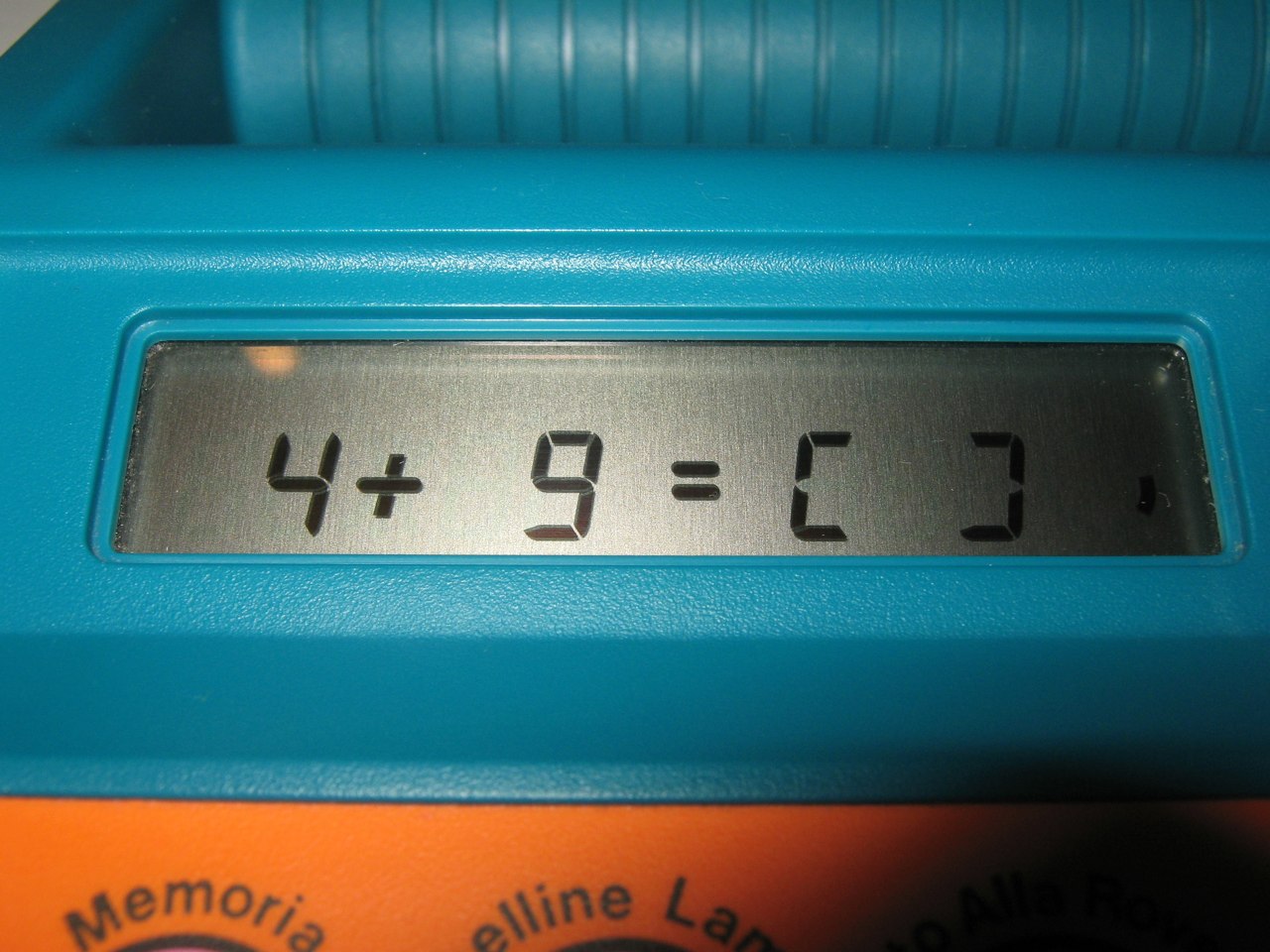
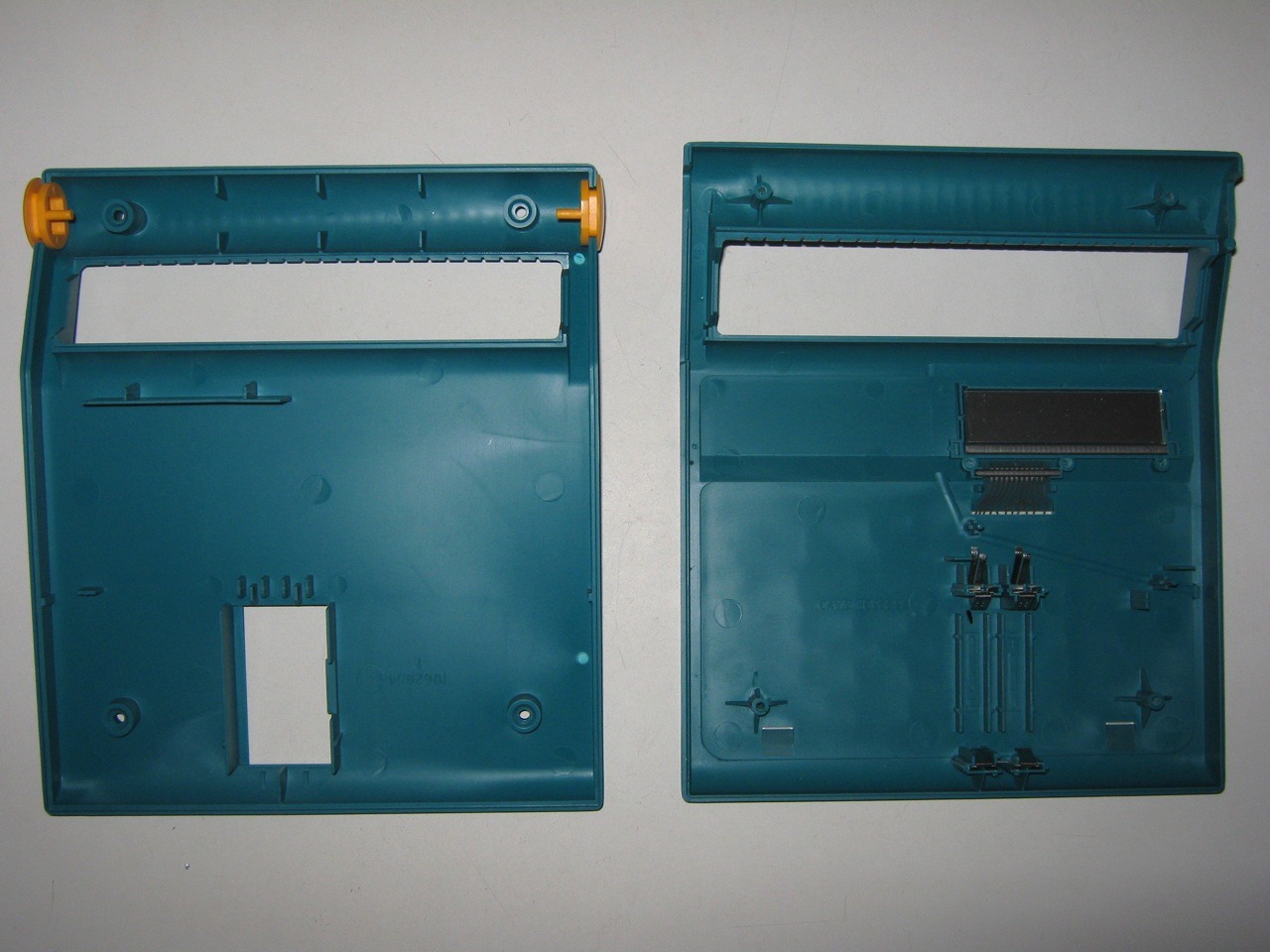
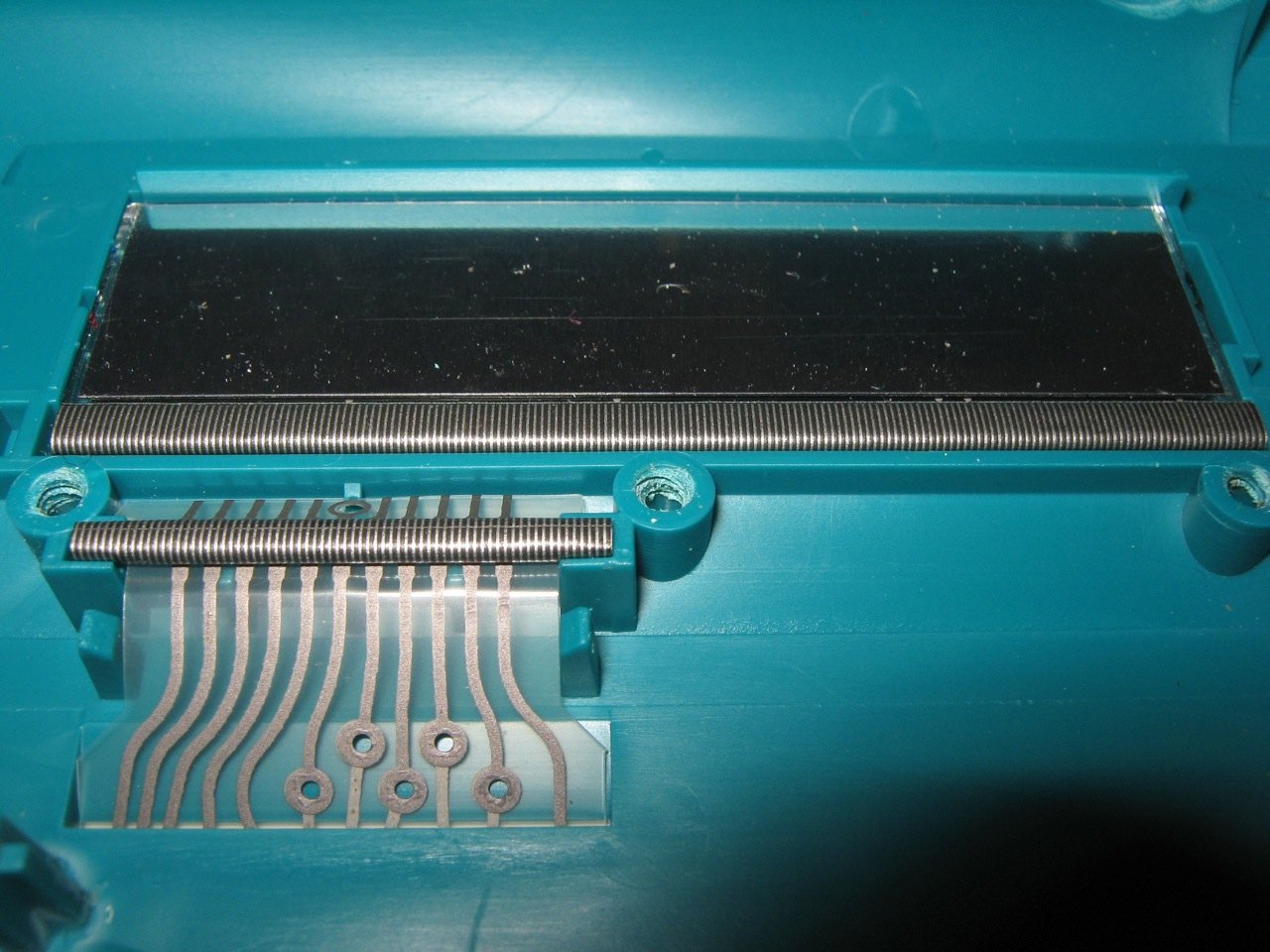
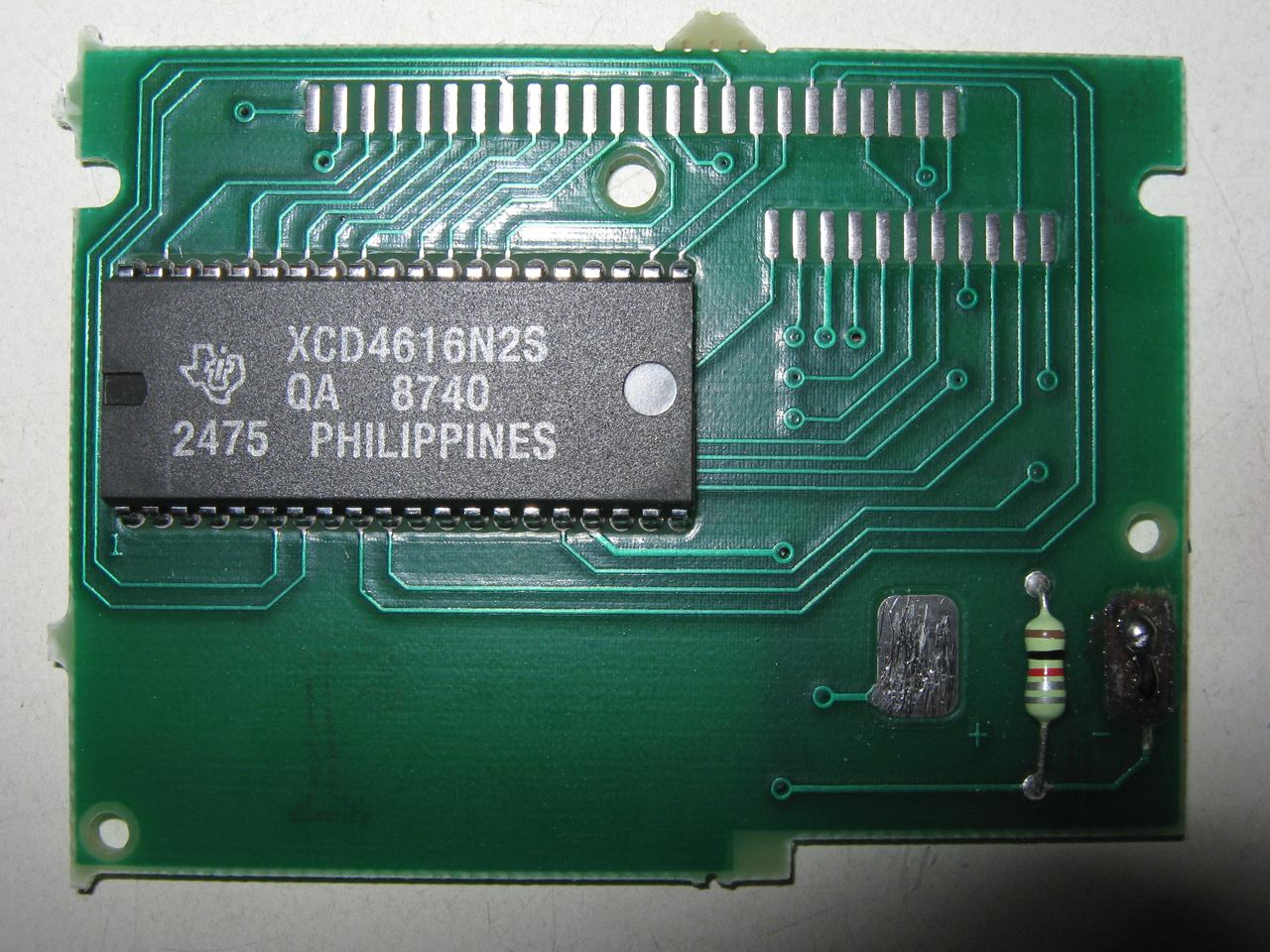
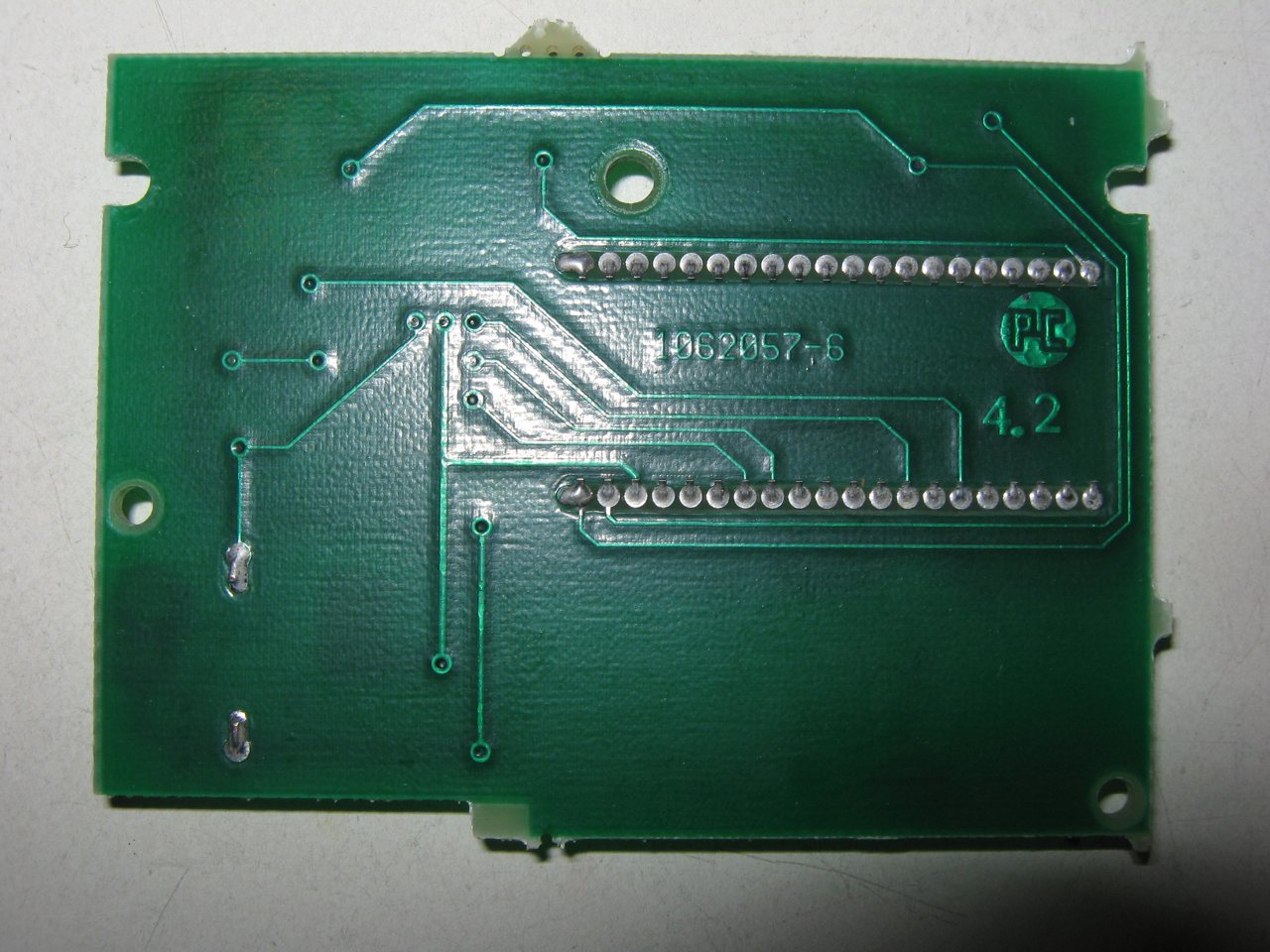
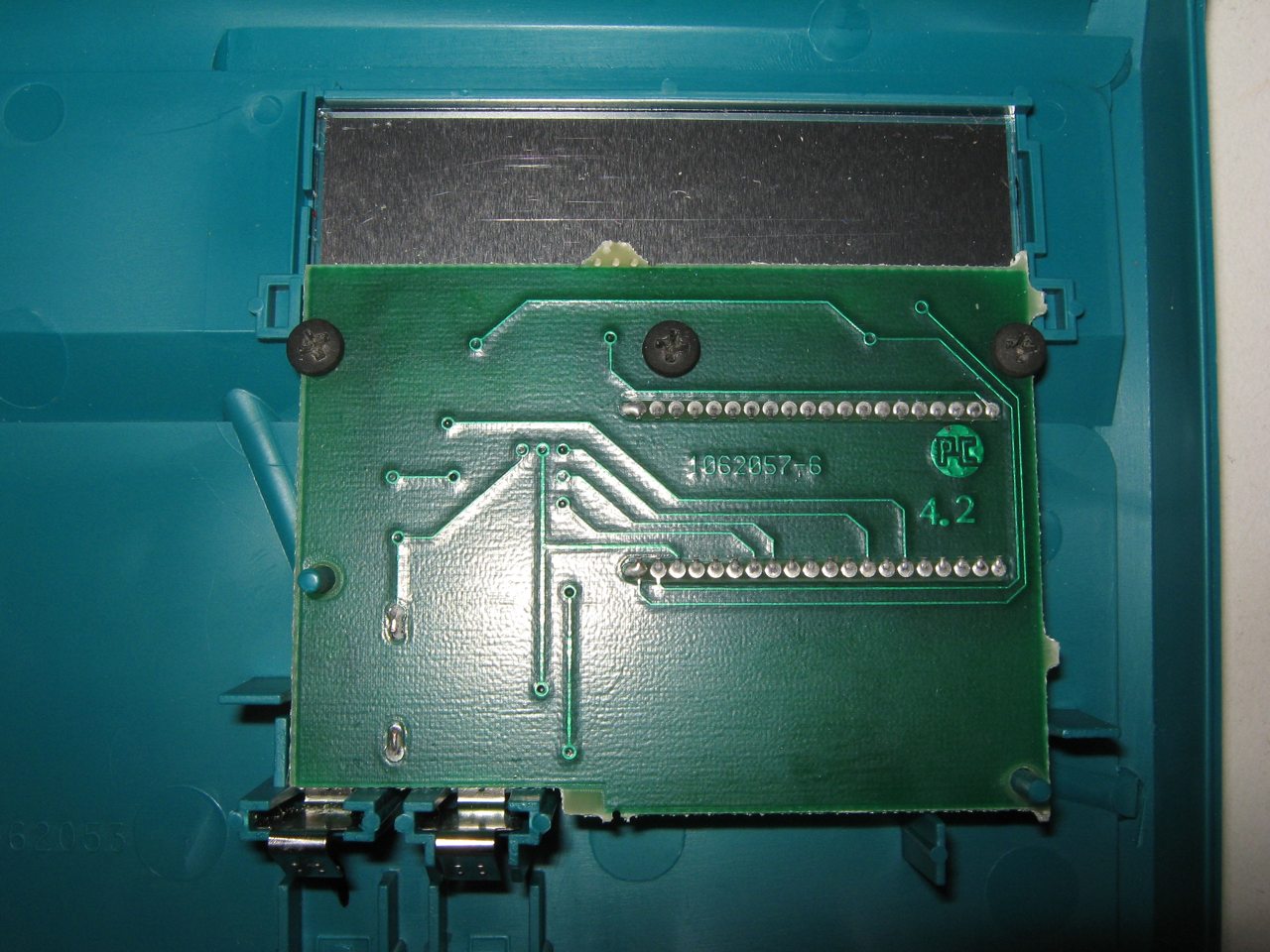
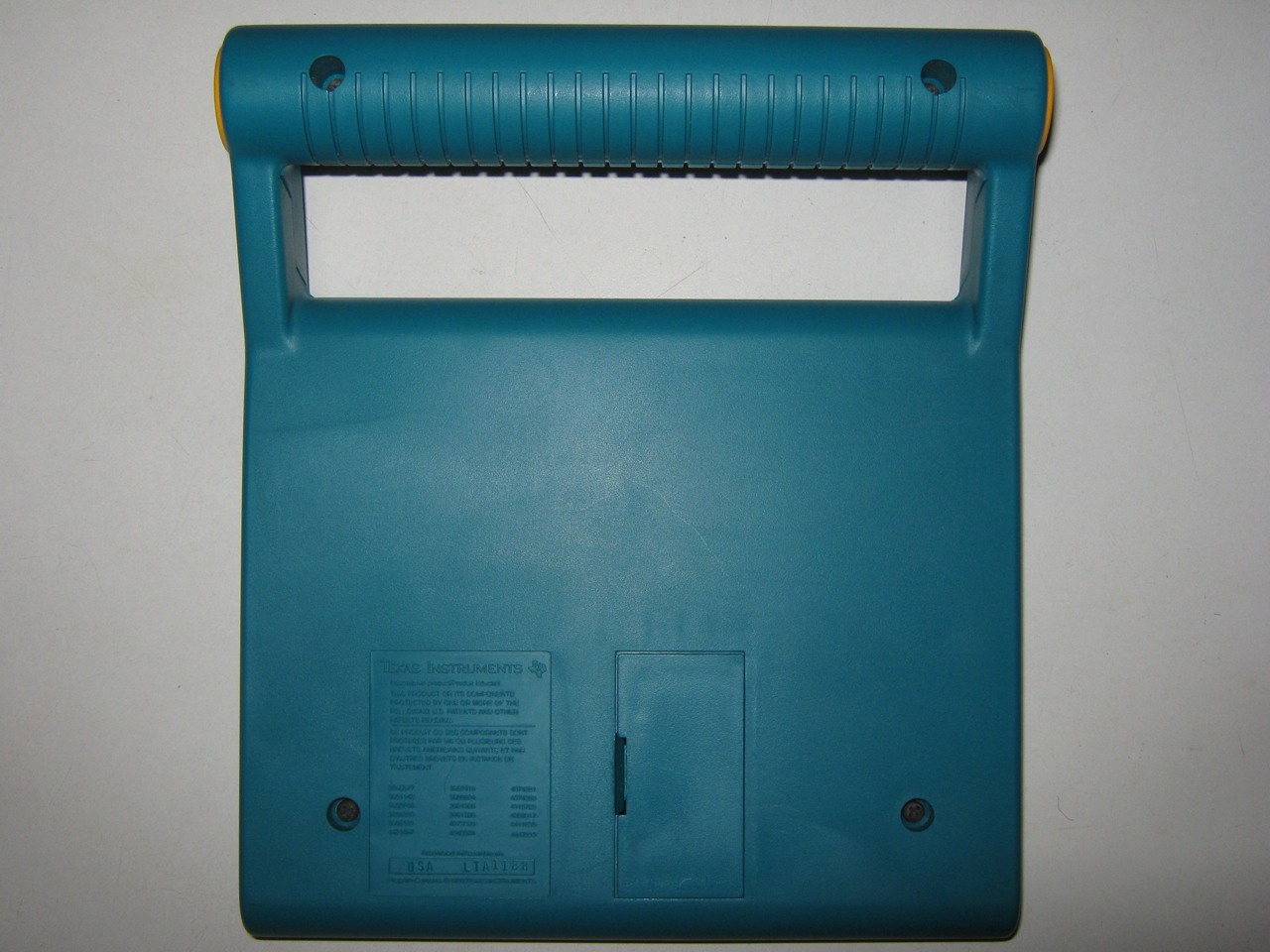
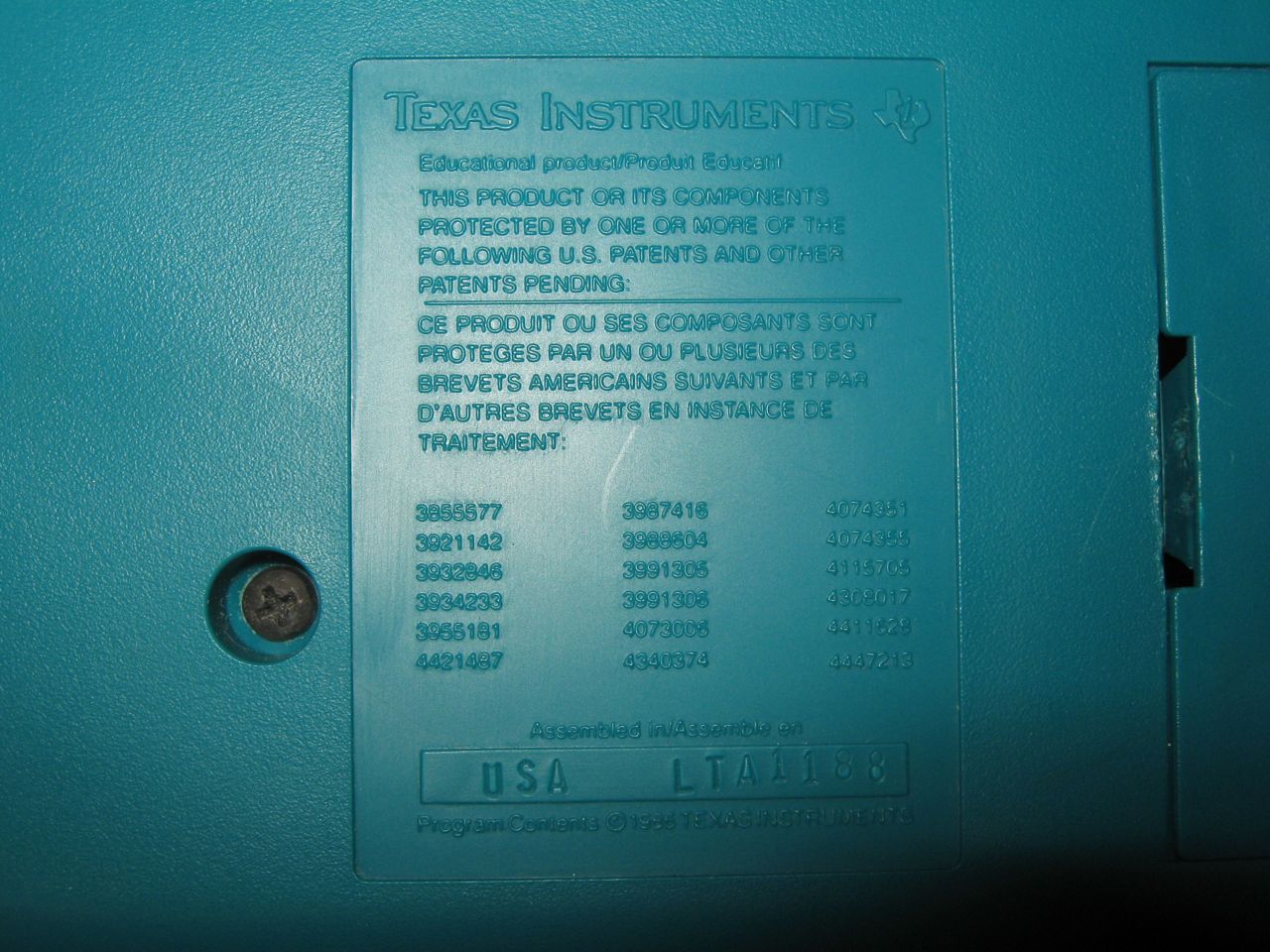
from Datamath:
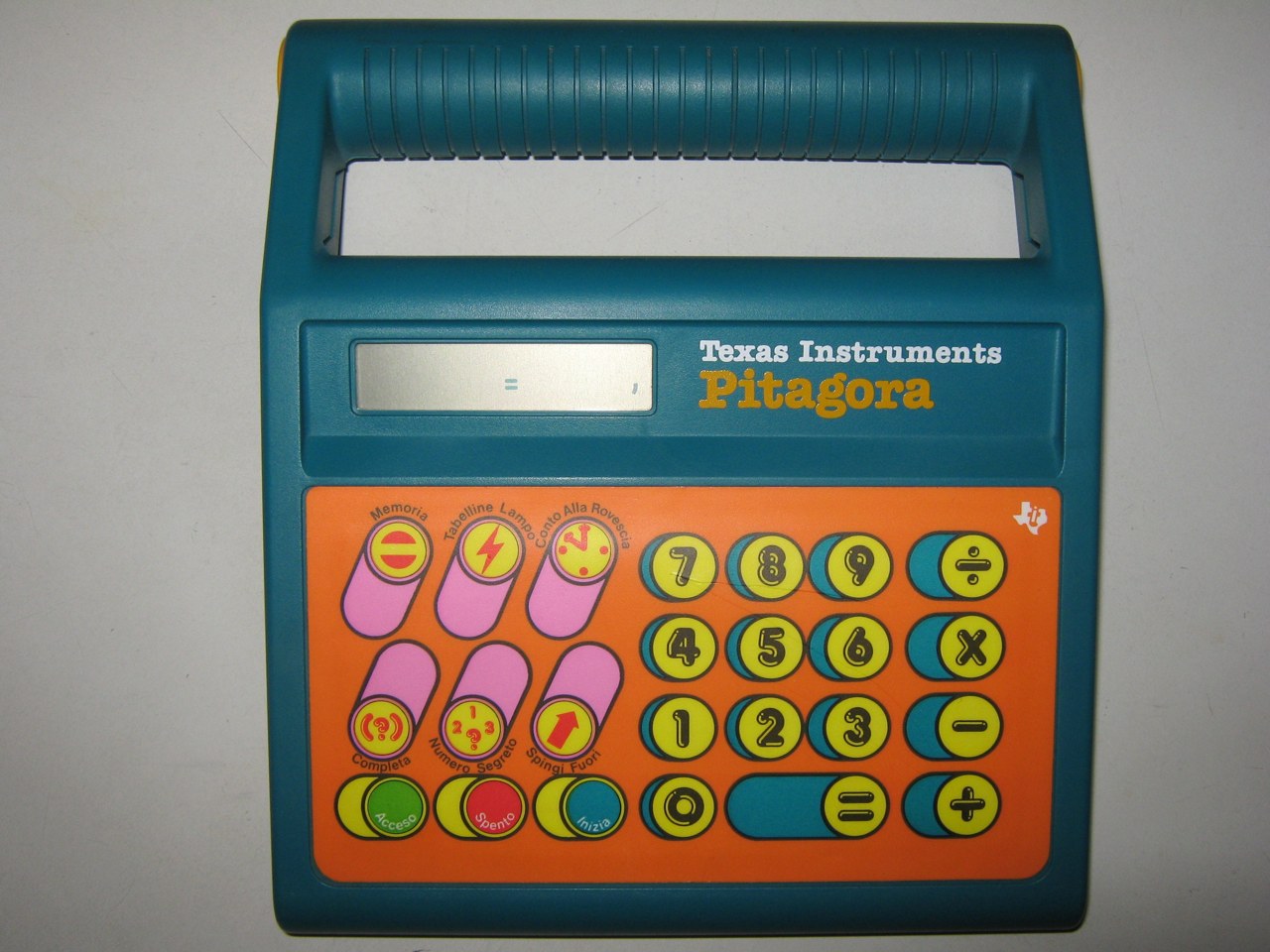
This educational toy for youngsters replaced the Math Marvel. The Math Star is preprogrammed to teach the basic four mathematic functions through different games. This educational toy was rated by Texas Instruments for childrens aged between 6 and 11 years.
The Math Star shared the housing with the Spelling B teaching word games. In the United Kingdom the game was sold as Maths Star, in Germany as Mathe-Star, in Italian it was labelled Pitagora and France knows the Les Nombres Magiques.
source: datamath.org
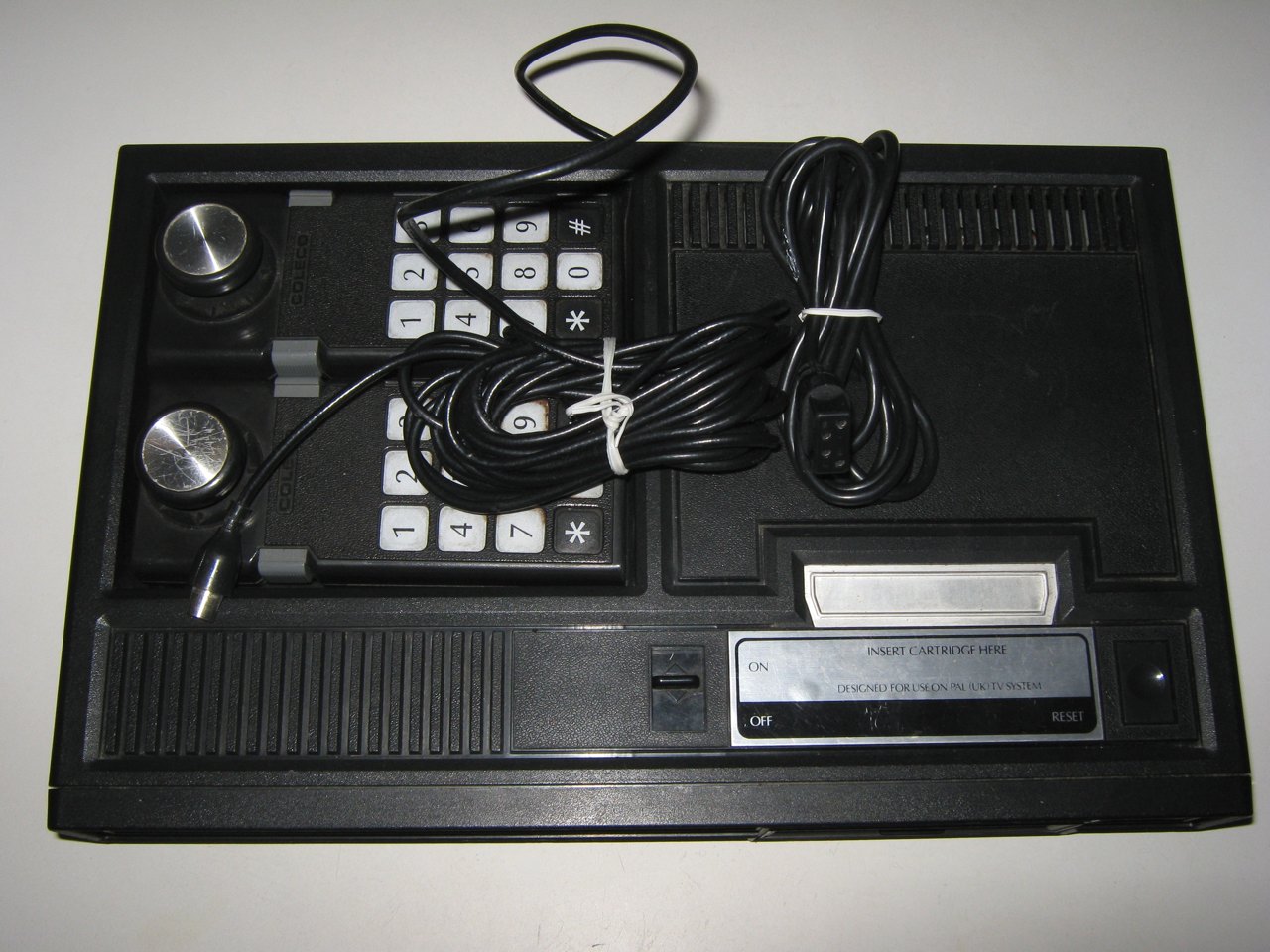
Special thanks to a friend. He donated this console for spare parts.
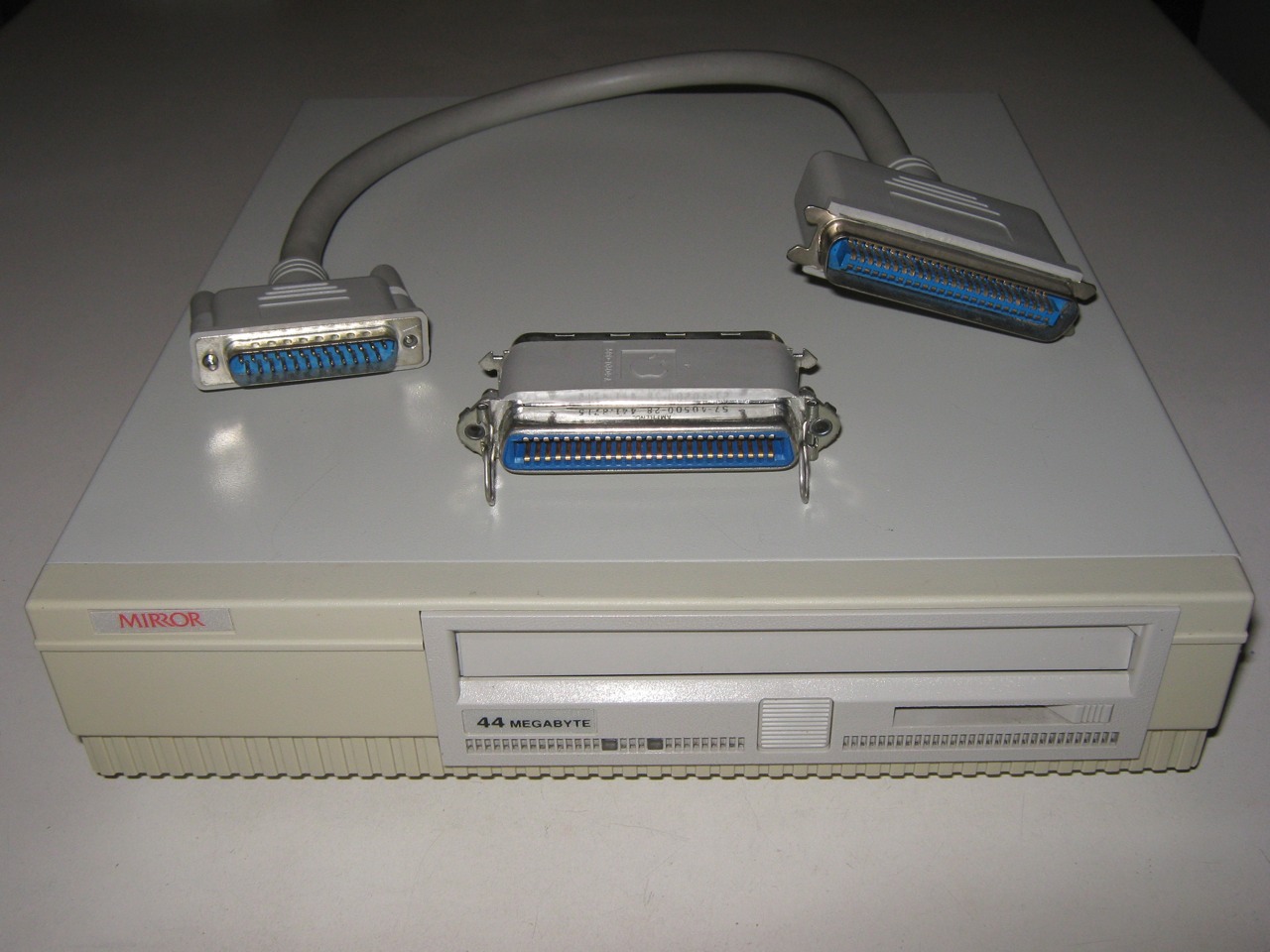
Autopsy:
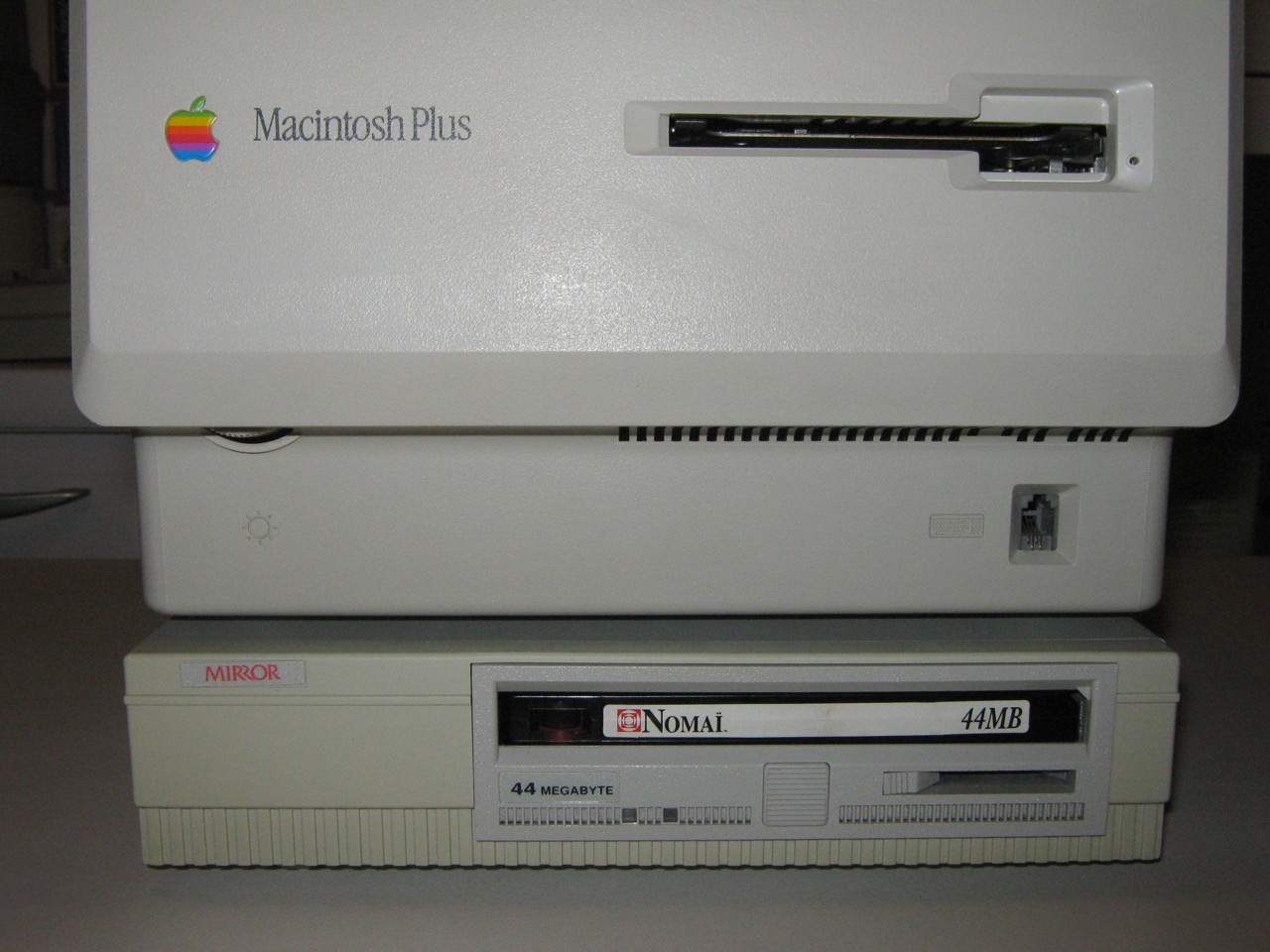
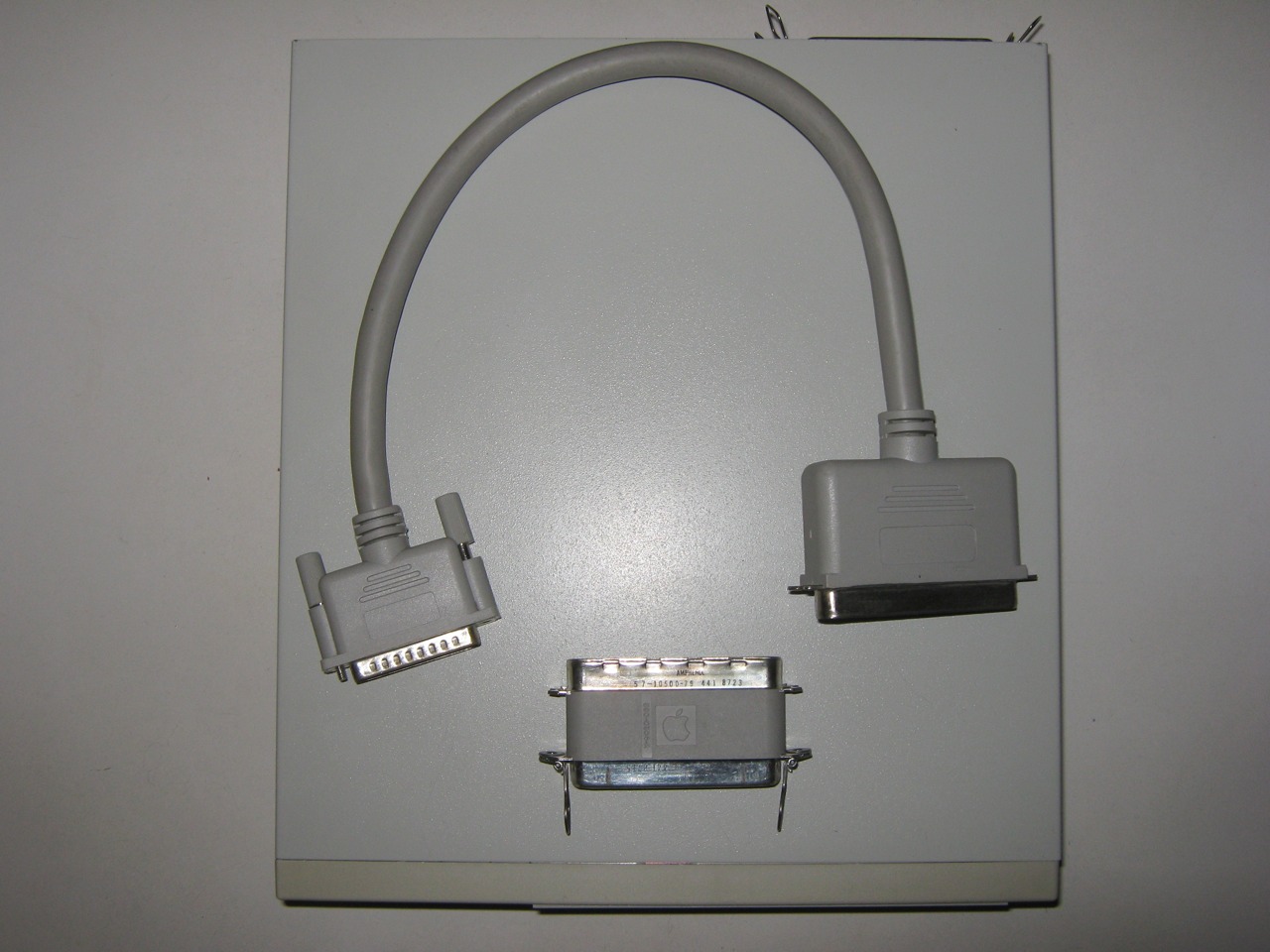
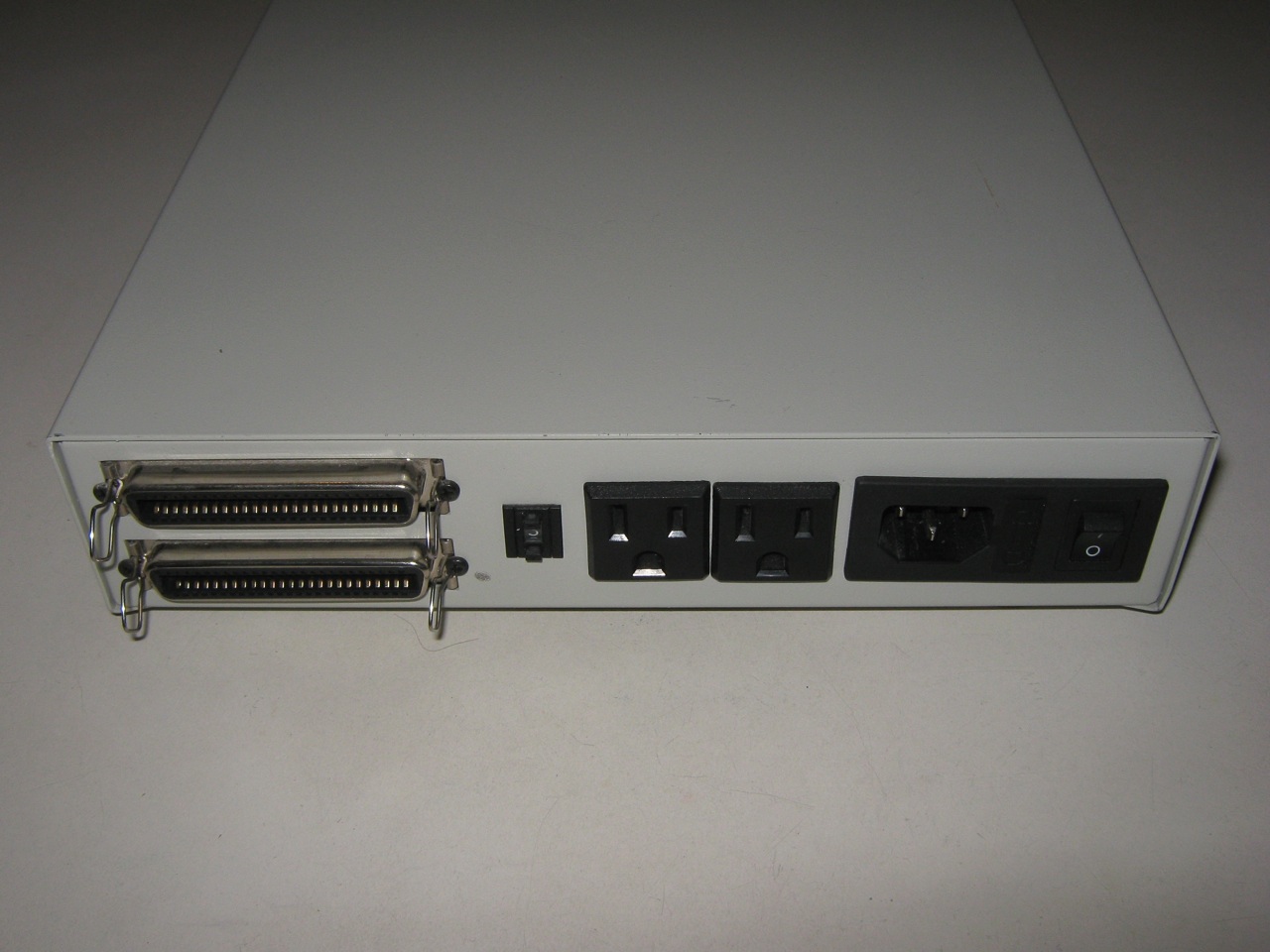
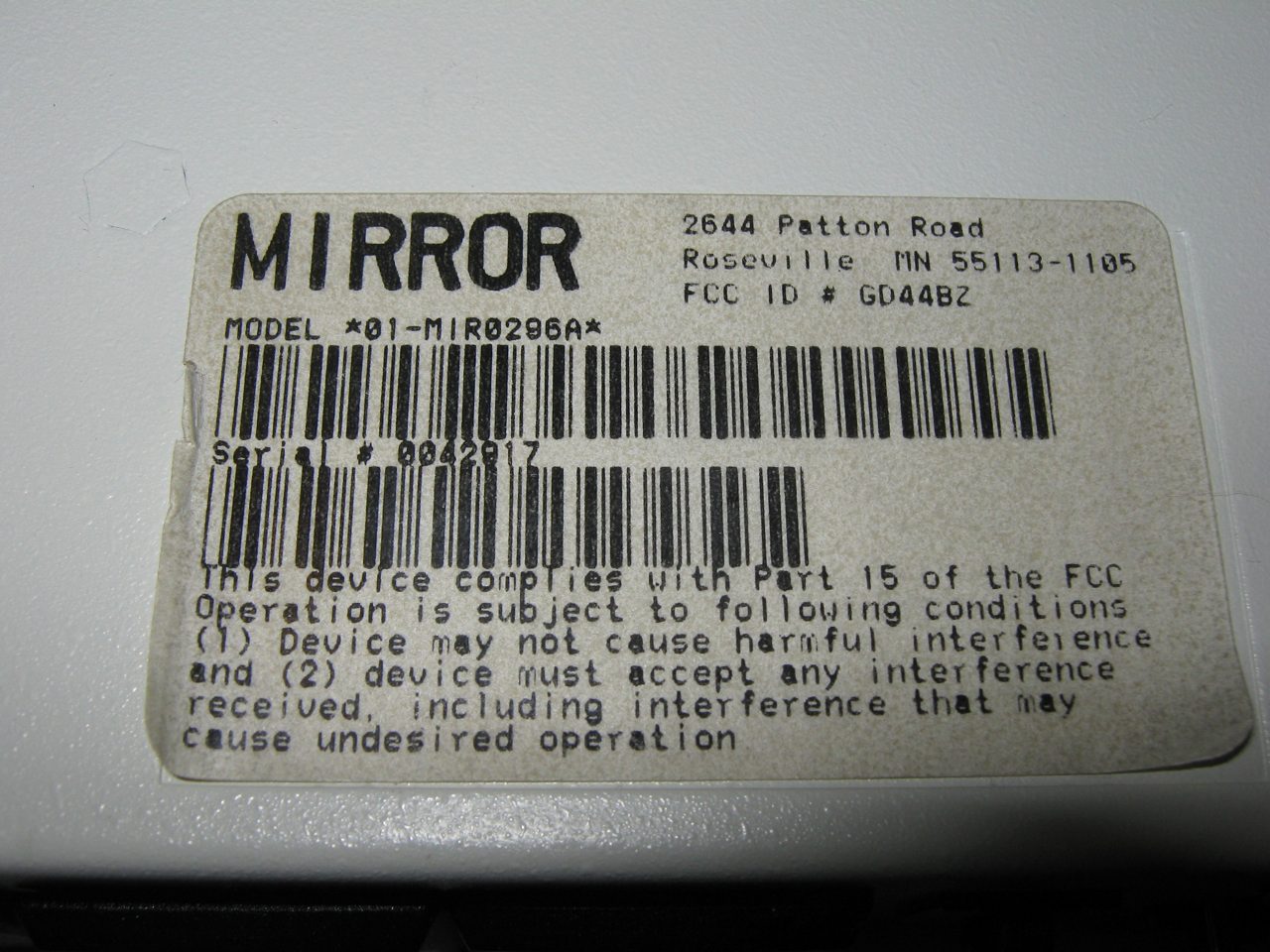
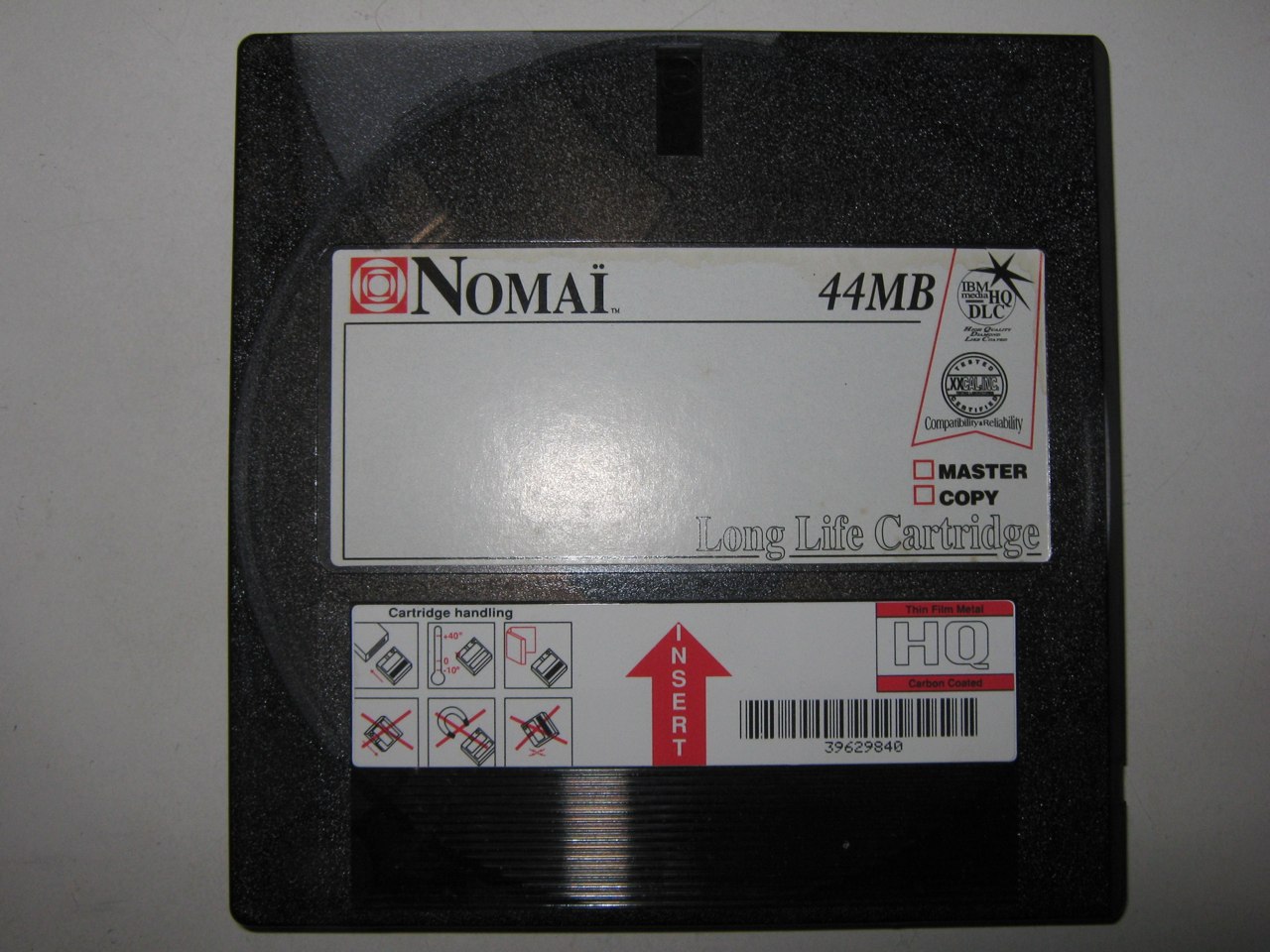
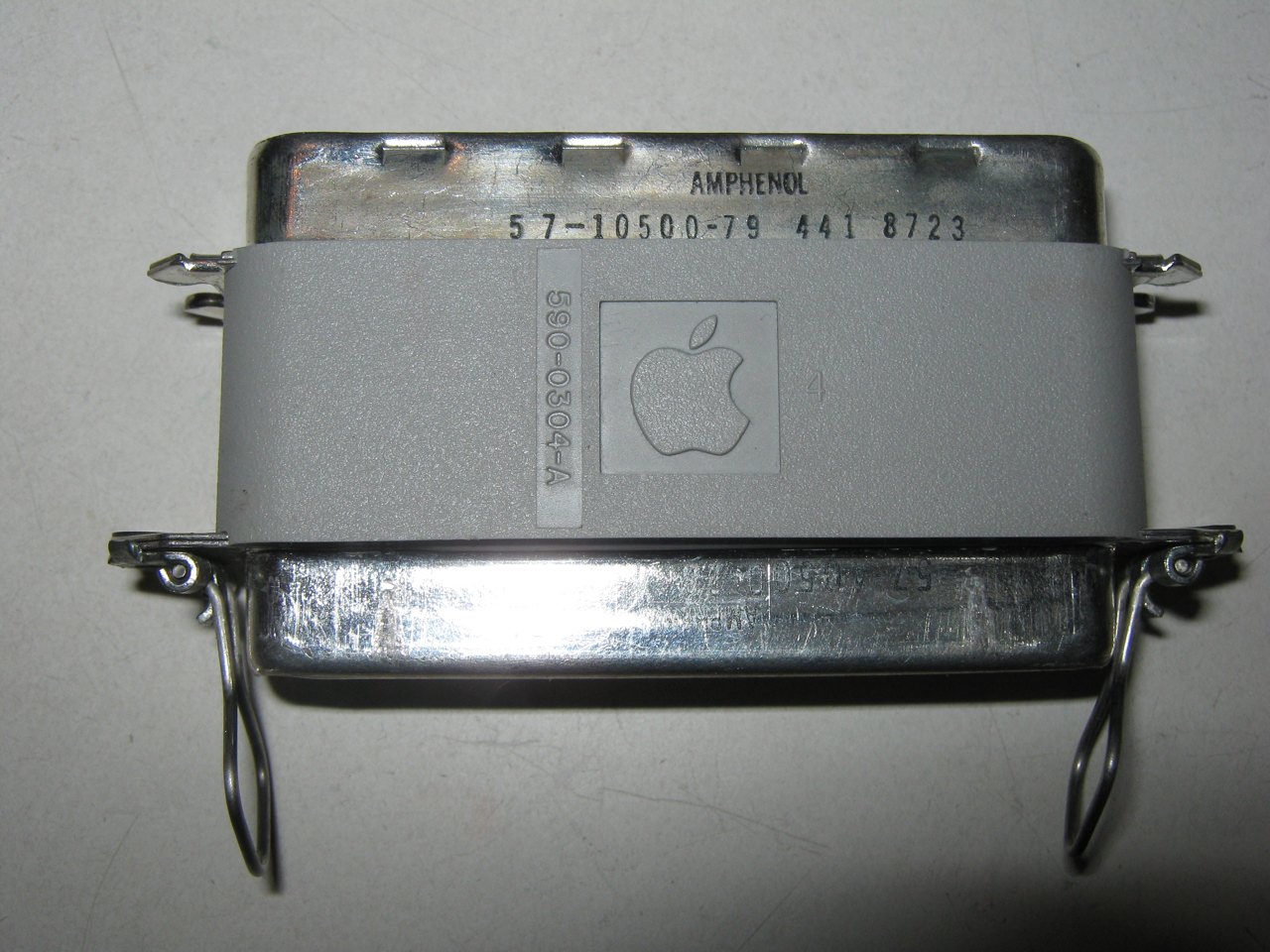
Many thanks to a friend for the Apple SCSI terminator.
Hints: Macintosh Plus can boot from Cartridges.
from Wikipedia:
SyQuest Technology, Inc., now known as SYQT, Inc., was an early entrant into the removable hard disk market for personal computers. The company was started in 1982 by Syed Iftikar; it was named partially after himself because of a company meeting wherein it was decided that “SyQuest” ought to be a shortened name for “Sy’s Quest”.
Its earliest products were 3.9″ (100mm) removable hard drives, and 3.9″ (100mm) ruggedized hard drives for IBM XT compatibles and military applications. Some of their early fixed drives appear to be rebranded Seagate drives, especially when one compares the drive lists on this data recovery site with this product table. For many years SyQuest held the market, particularly as a method of transferring large desktop publisher documents to printers.
SyQuest aim their products to give personal computer users “endless” hard drive space for data-intensive applications like desktop publishing, Internet information management, pre-press, multimedia, audio, video, digital photography, fast backup, data exchange, archiving, confidential data security and easy portability for the road.
source: wikipedia


Recent Comments