AspeQt v0.8.8 (Atari serial peripheral emulator for Qt)

March 18th, 2013 No comments

AspeQt is a cross-platform, free and open source Atari 8-bit serial peripheral emulator. The name is an acronym for Atari serial peripheral emulator for Qt, Qt being the cross-platform application development framework used by AspeQt.

AspeQt emulates various Atari 8-bit peripherals like disk drives and printers via an SIO-2-PC cable. If you are familiar with software like Sio2Pc, APE, Atari810, AtariSIO etc., you probably won’t have any problems getting used to AspeQt.

Even though AspeQt is not fully mature yet, it is easy to use and, despite its shortcomings, has many features that you may find useful, the highlights being:

  • Up to 15 disk drive emulation.
  • Up to 6x SIO speed (125,000bps)
  • Support for ATR, XFD, PRO and ATX (preliminary) disk images.
  • Mount folders as emulated disks.
  • Disk image explorer.
  • Directly boot Atari executables.
  • Text only printer emulation with PC print, save, and ATASCII font support.
  • Cassette image playback.
  • Multilingual GUI (English, Polish, Slovak, German, Turkish and Russian)
  • AspeQt client module (AspeCl) for Atari, communicates with the server and performs a variety of remote operations.

Changelog:

  • Added an option (Options/Emulation menu) to selectively enable/disable filtering of underscore character from file names in Folder Images (Ray Ataergin)
  • Fixed a problem where “Unmount All” menu item was only unmounting the first 8 images. (Marcin Sochacki)
  • Updated Polish language translations (Marcin Sochacki – TheMontezuma)

Download:

source: aspeqt.sourceforge.net

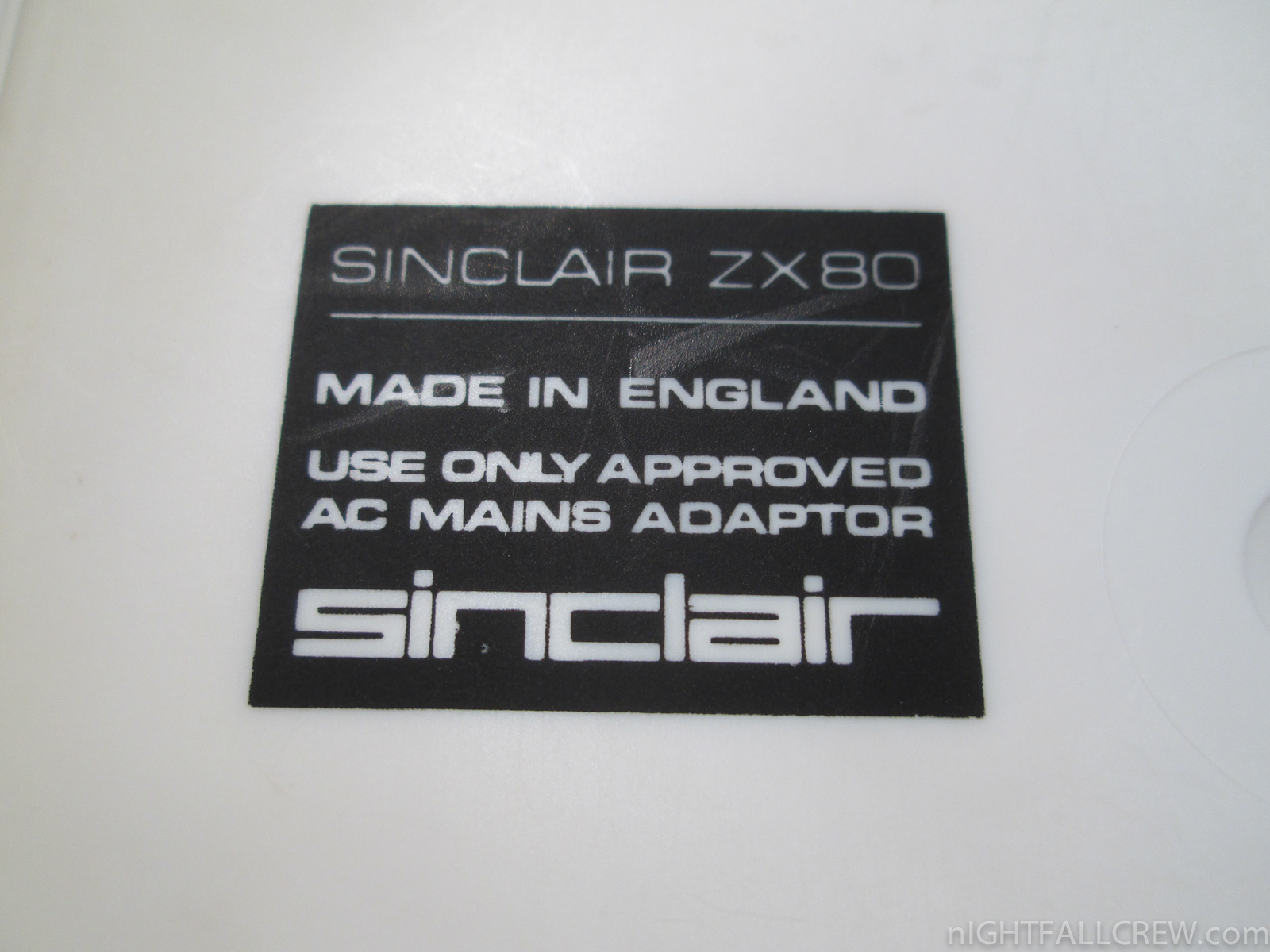
Sinclair ZX80

March 17th, 2013 No comments
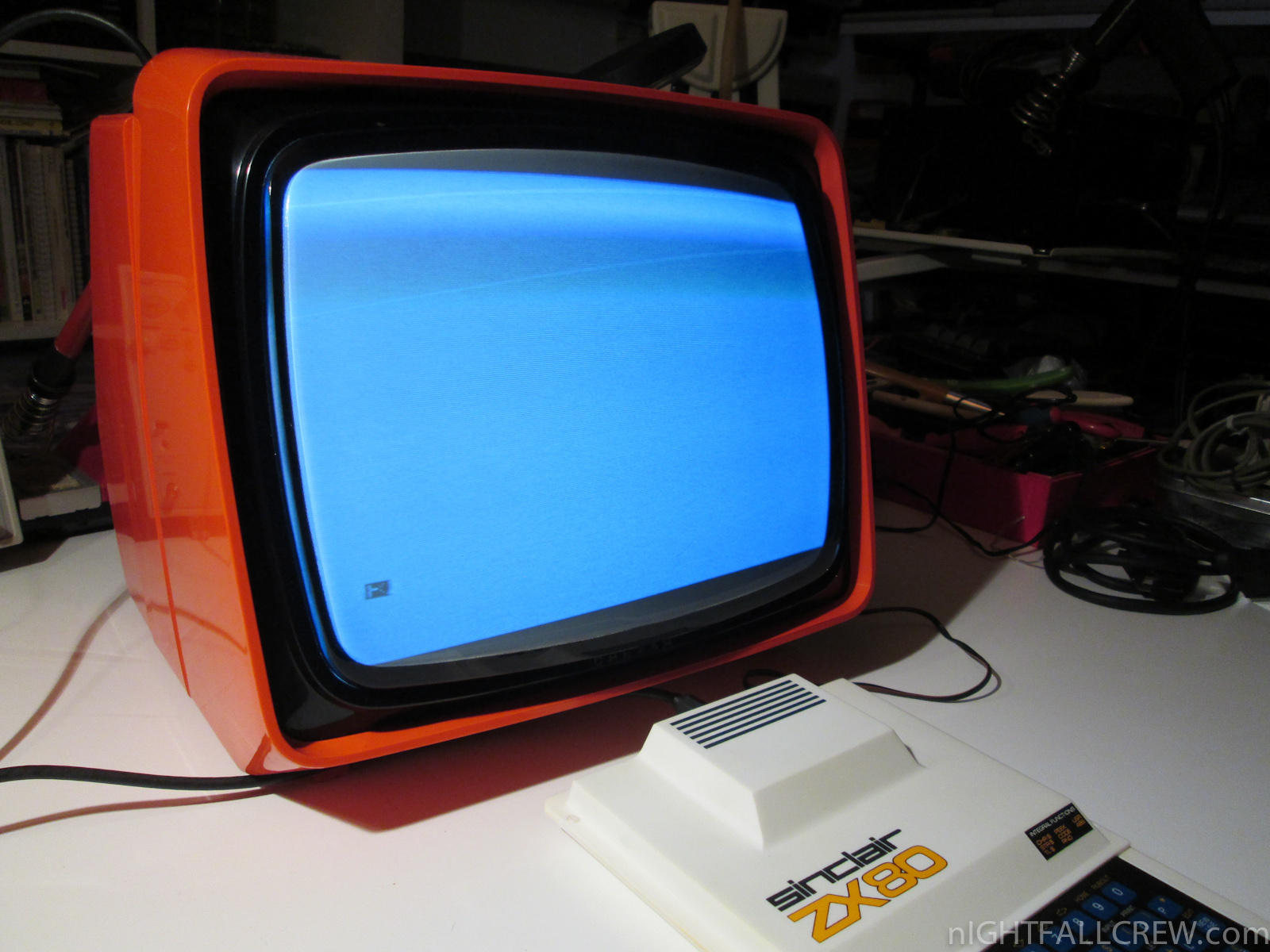
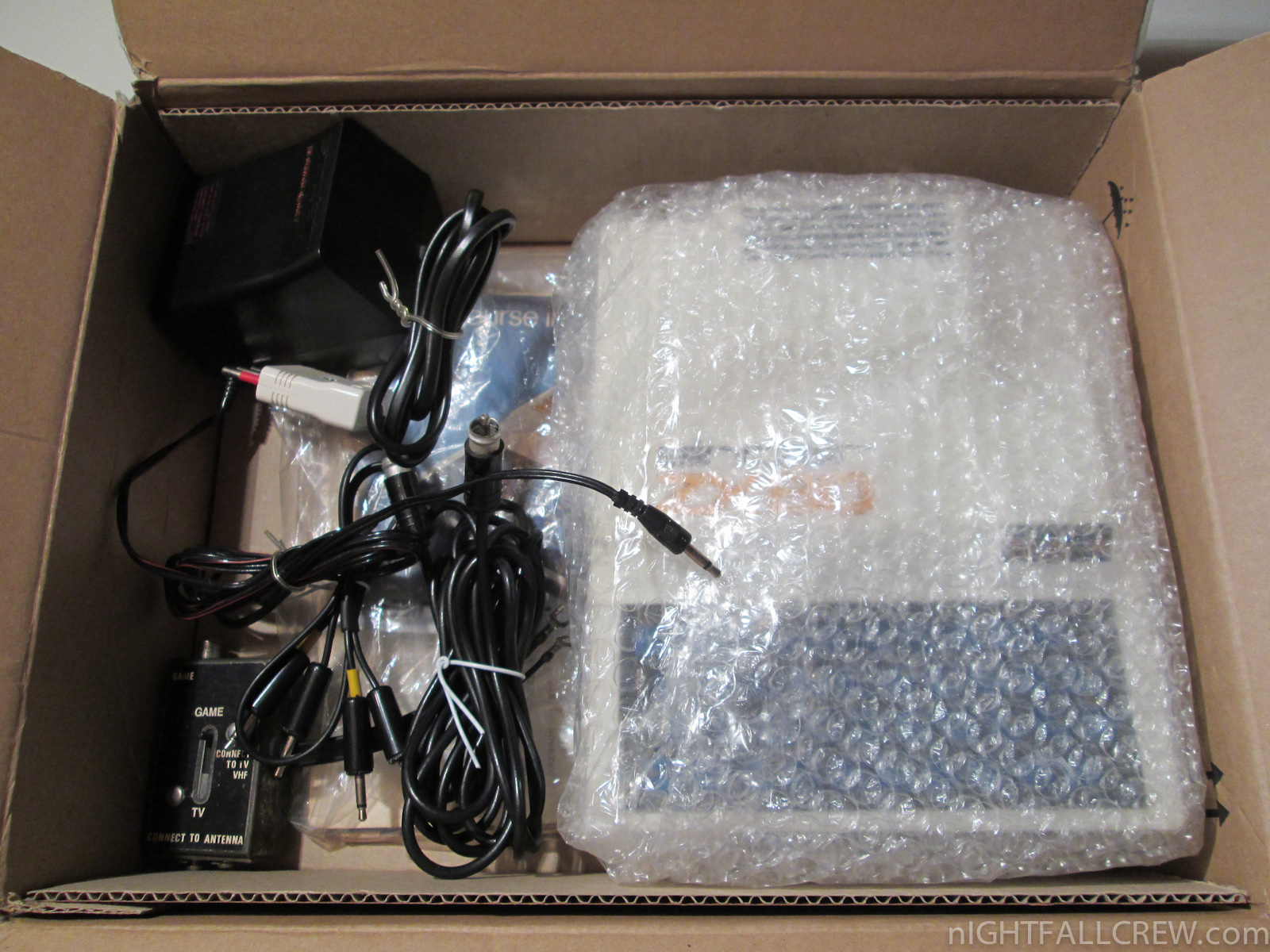
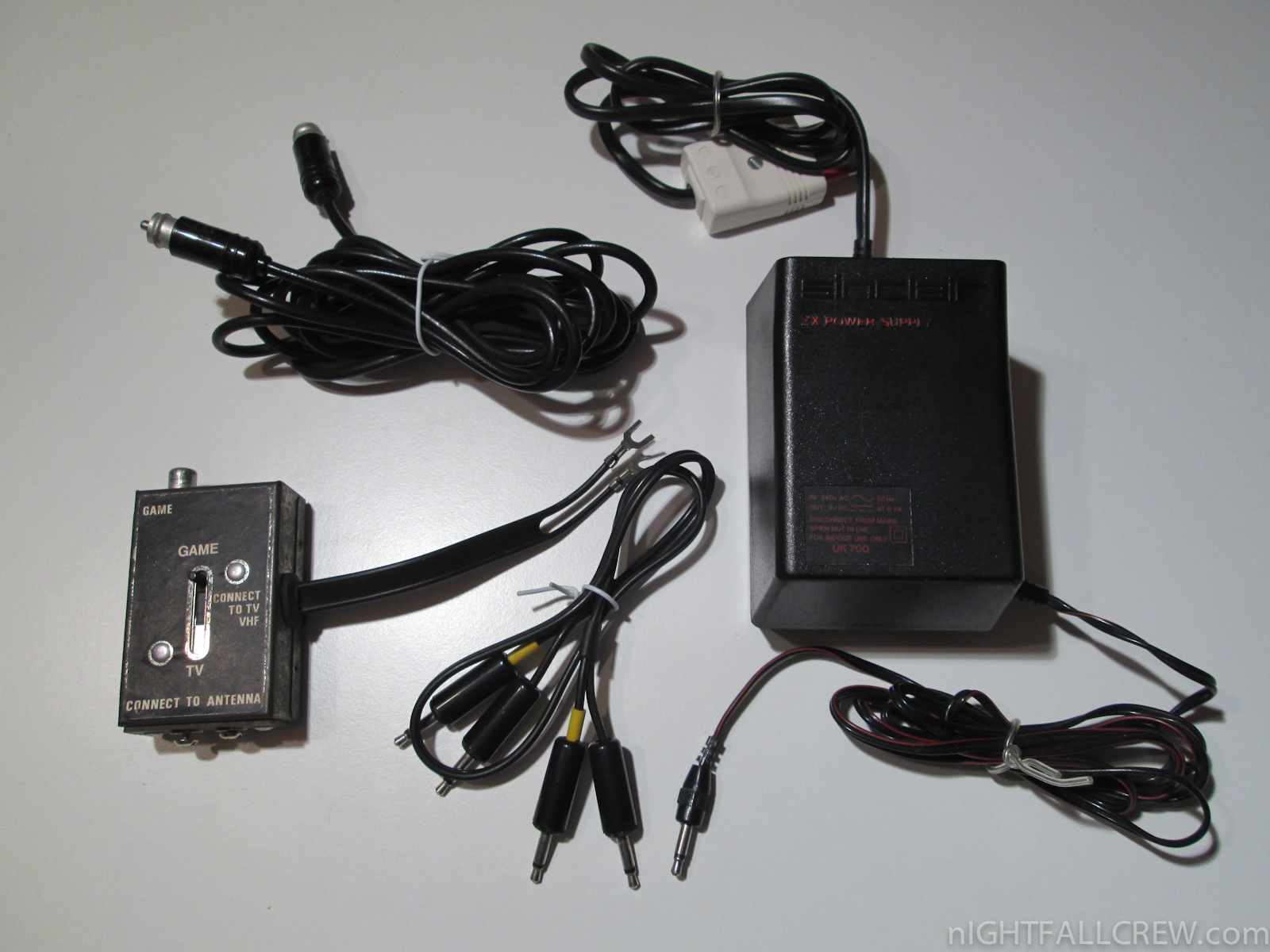
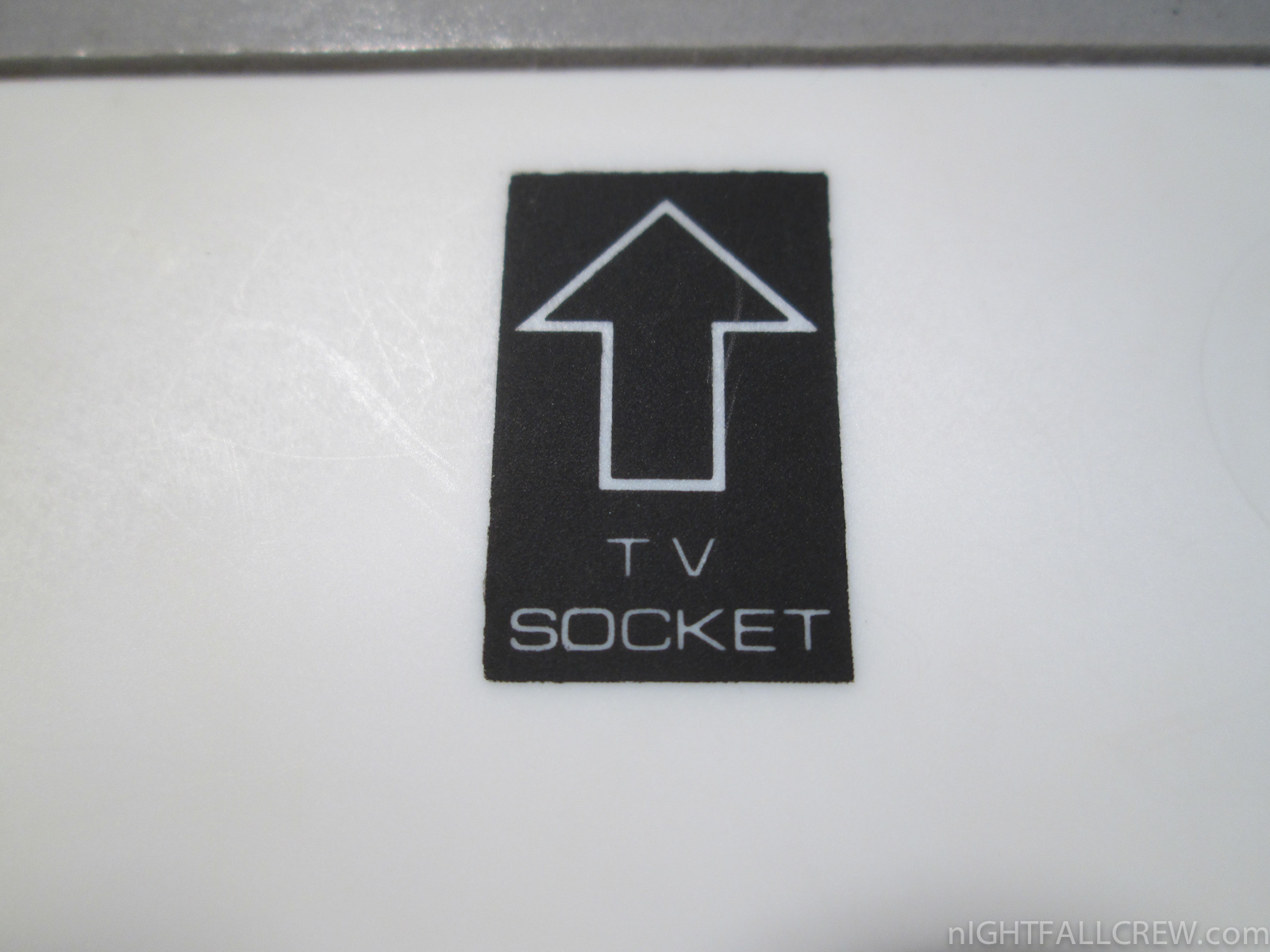
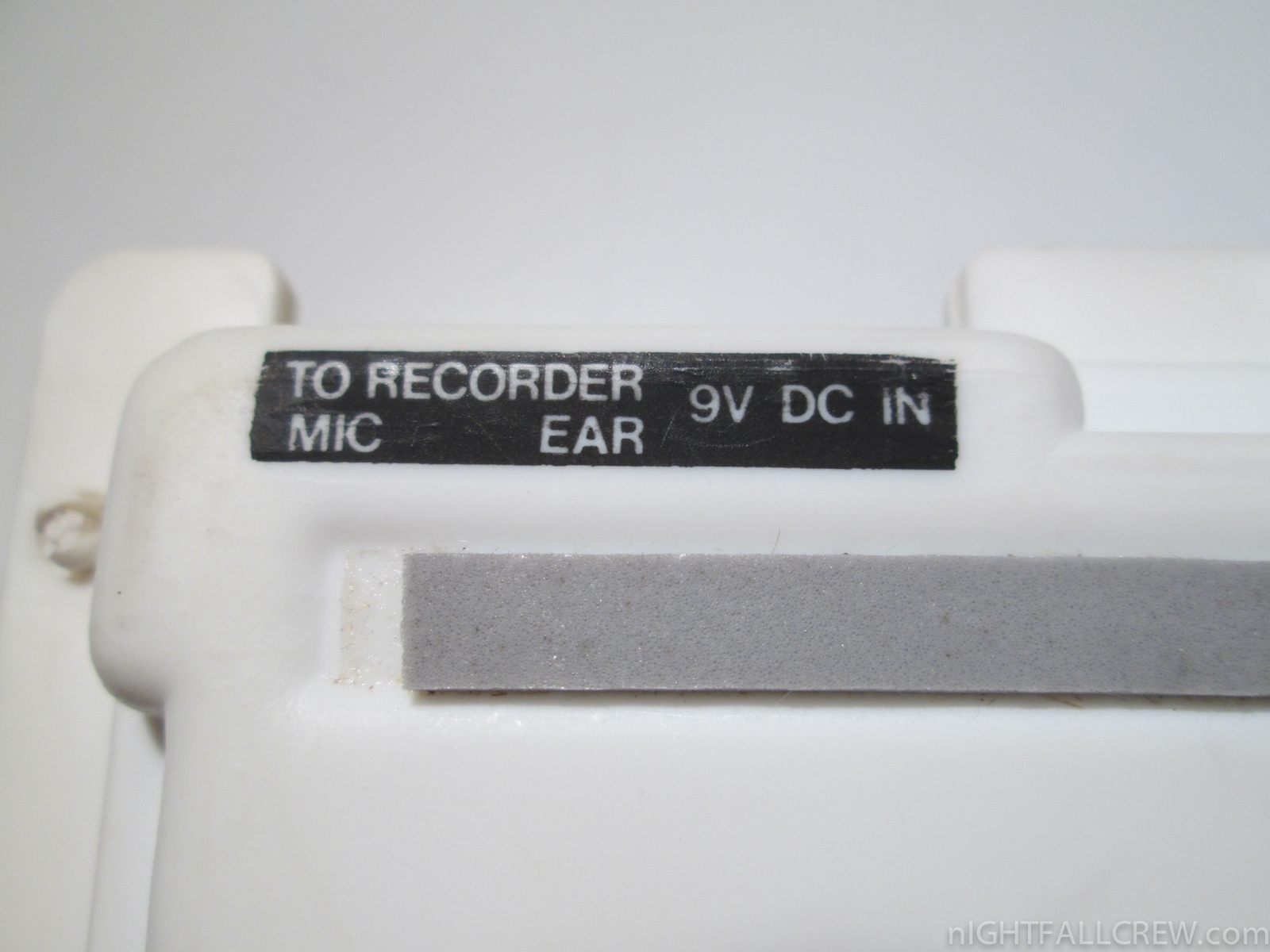
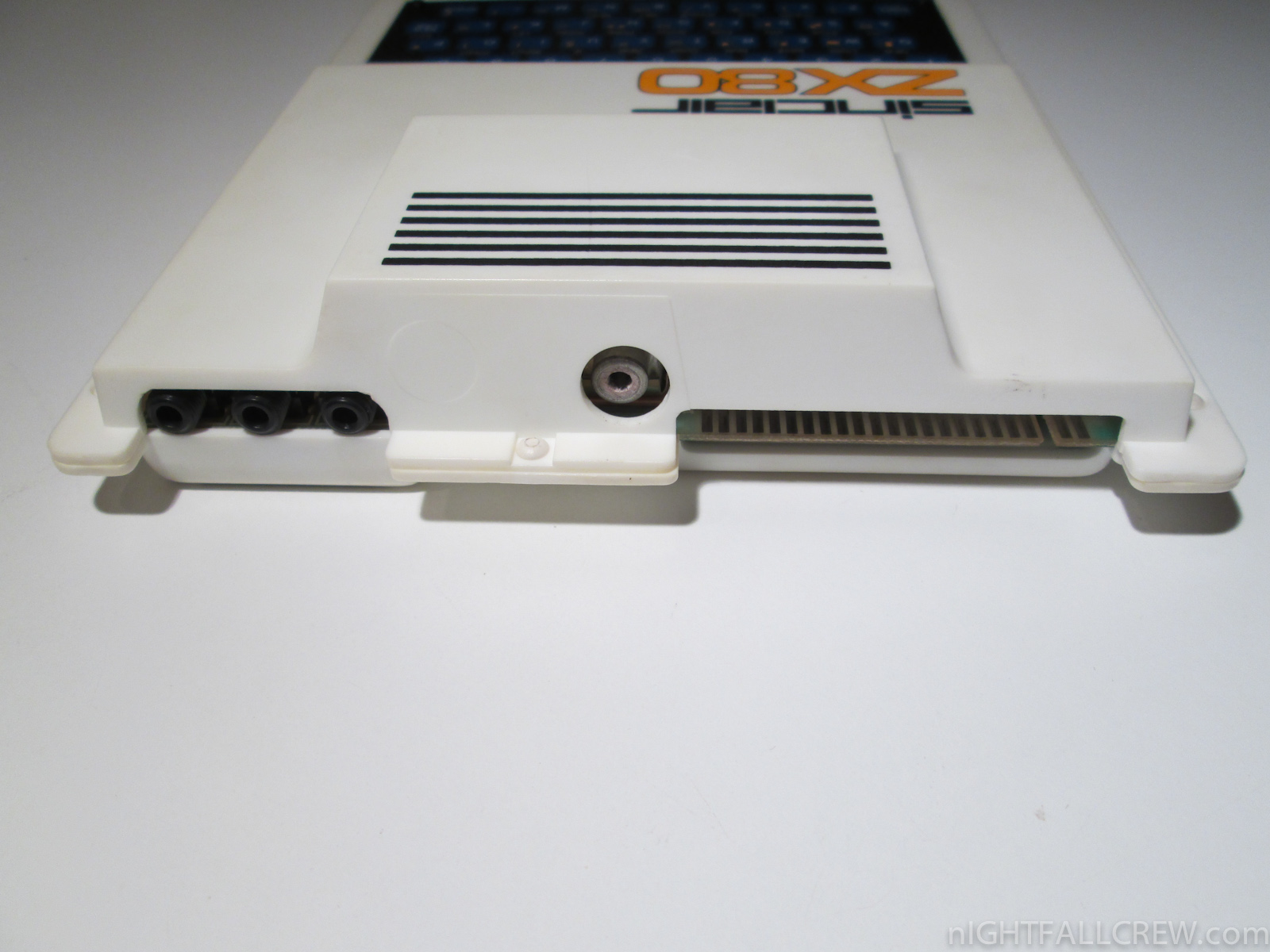
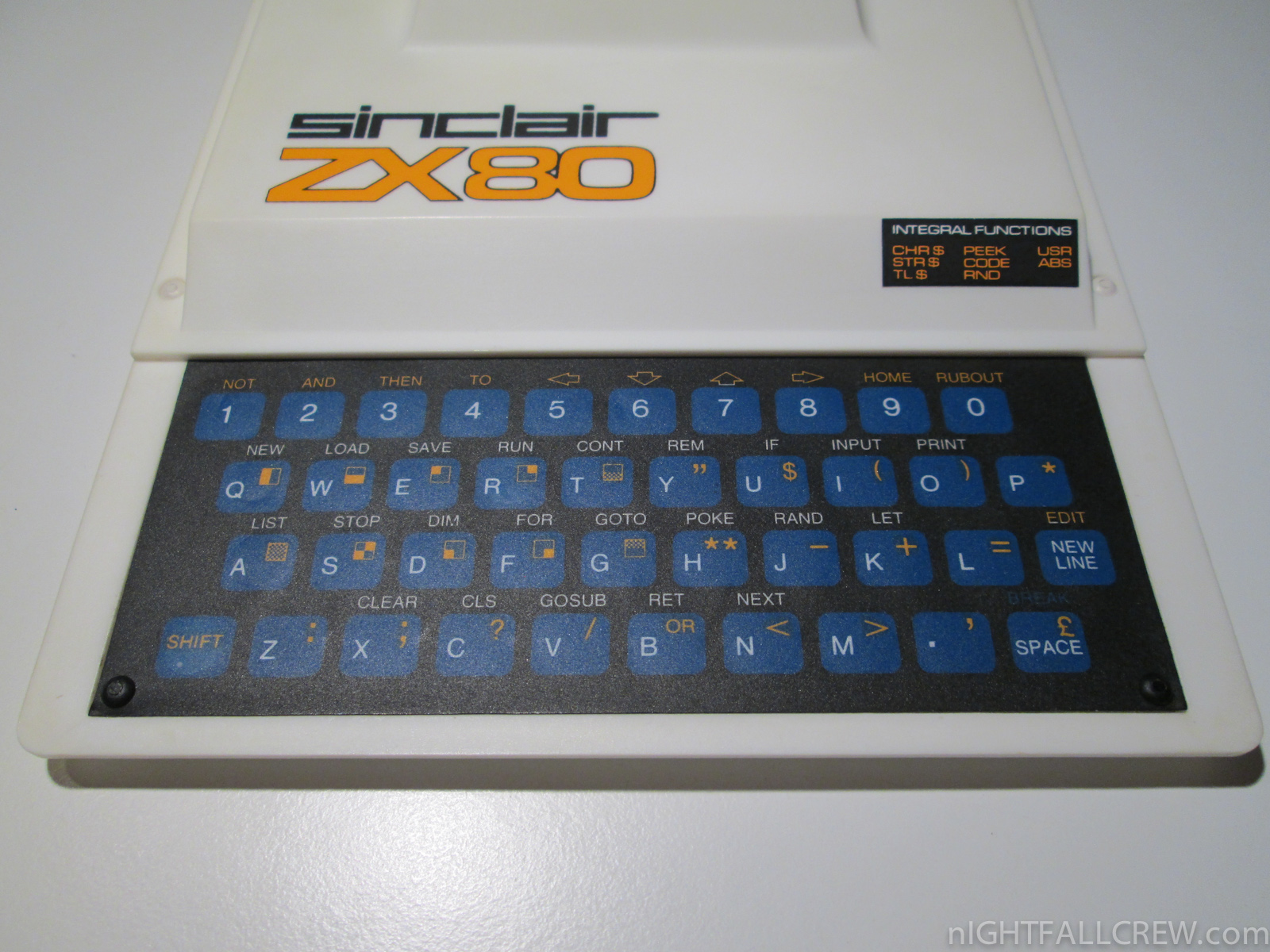
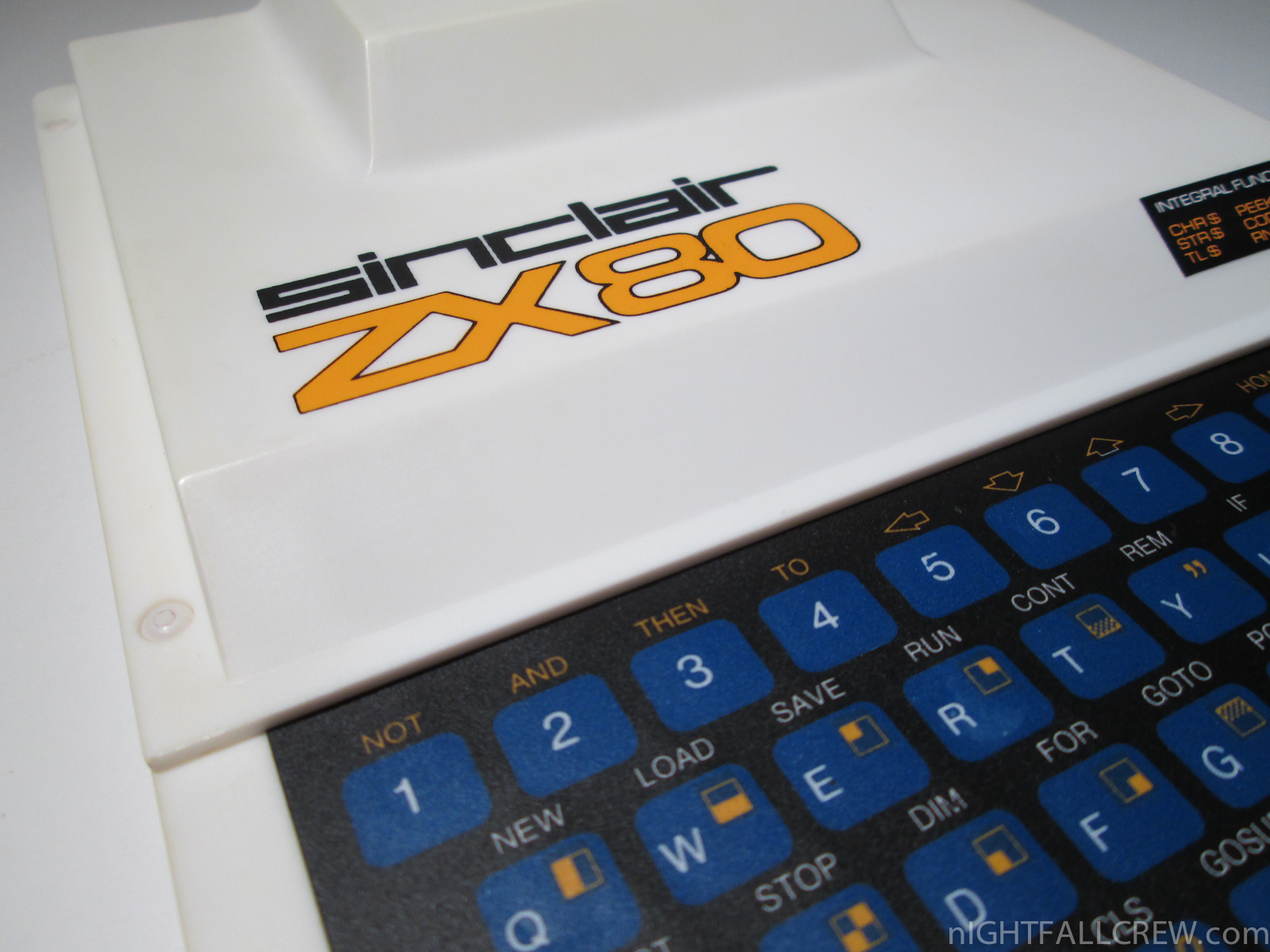
Sinclair ZX80 (details)

Autopsy:

from Wikipedia:

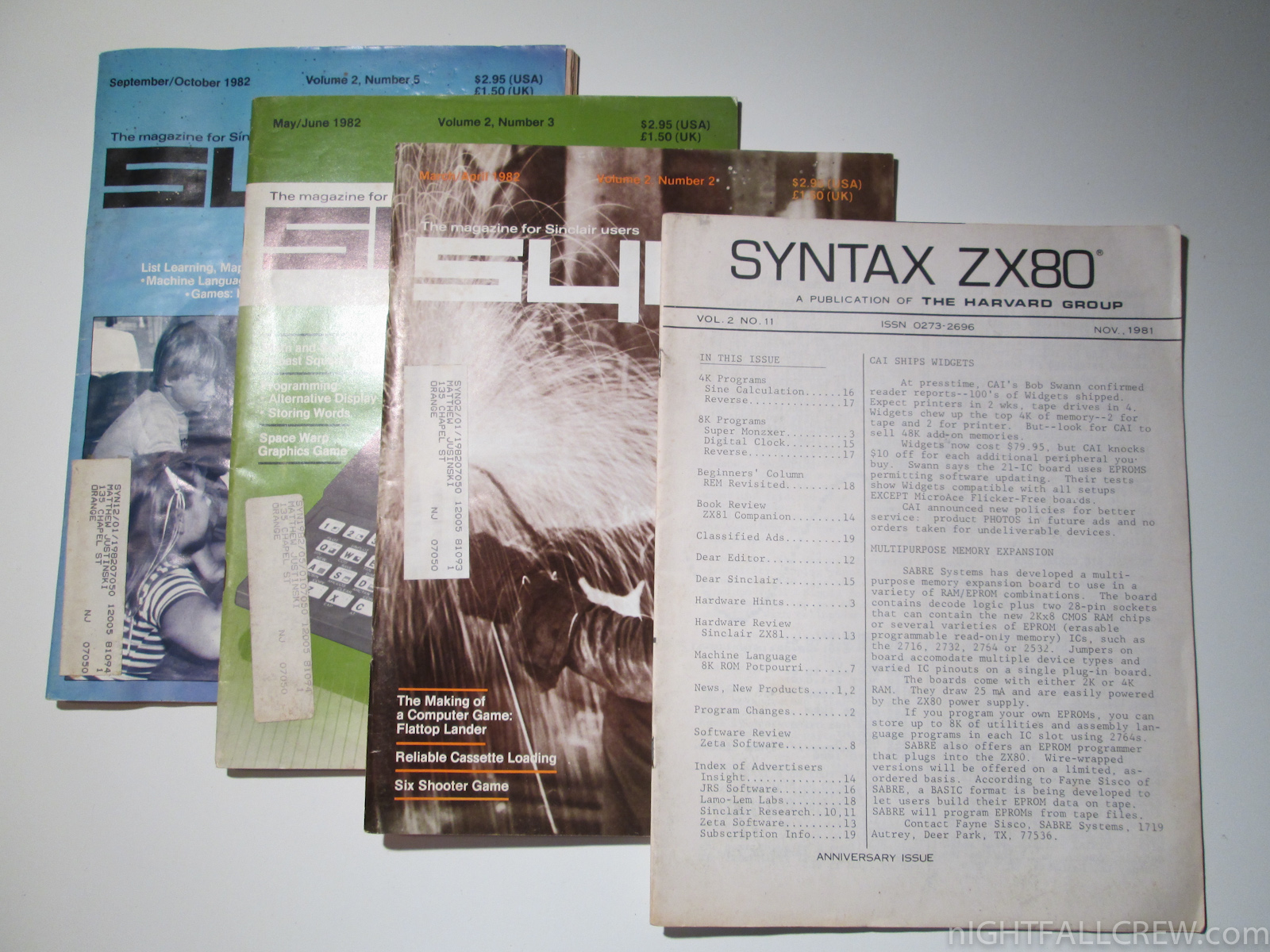
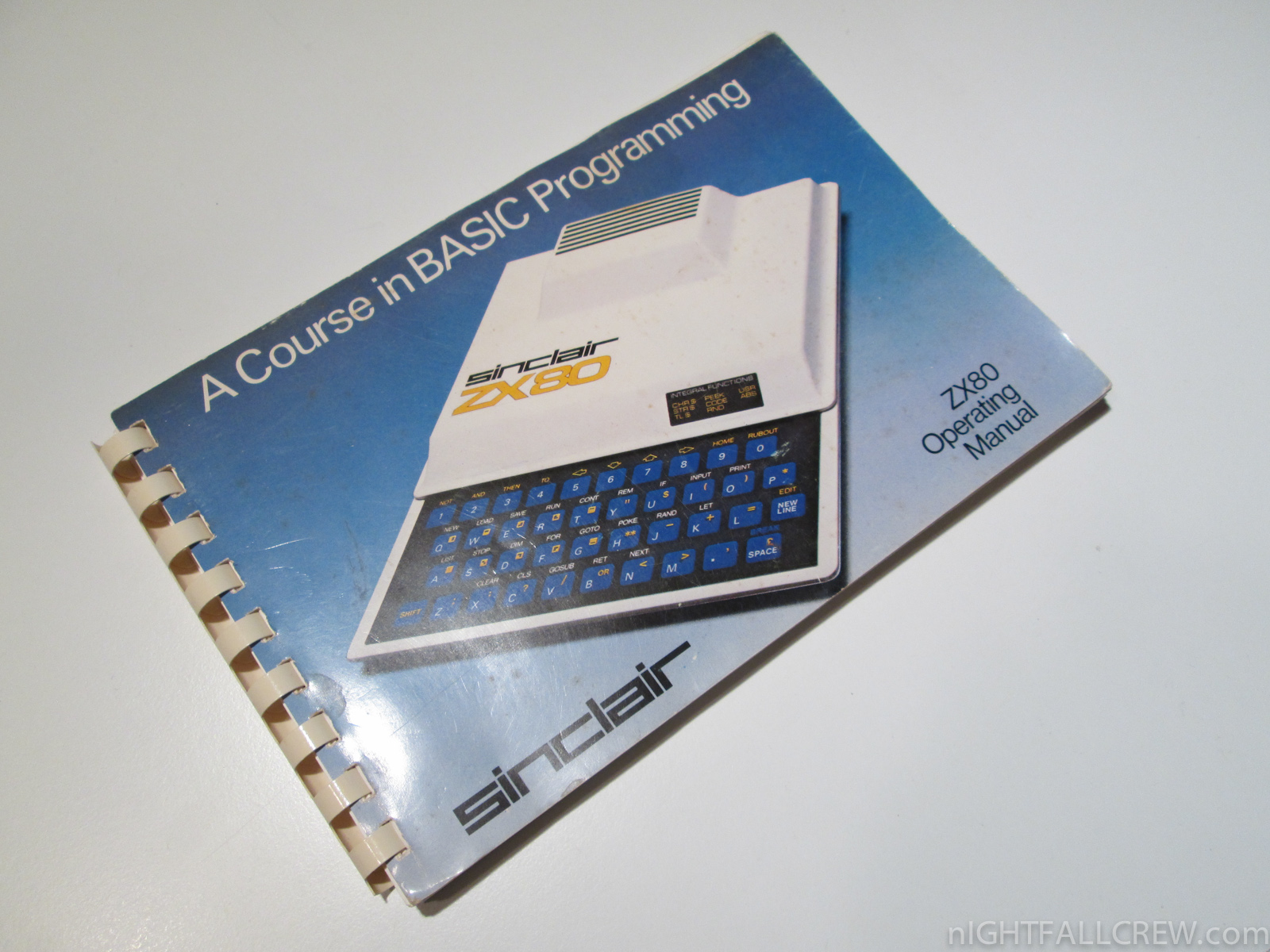
The Sinclair ZX80 is a home computer brought to market in 1980 by Science of Cambridge Ltd. (later to be better known as Sinclair Research). It is notable for being the first computer (unless one counts the MK14) available in the United Kingdom for less than a hundred pounds (£99.95). It was available in kit form, where purchasers had to assemble and solder it together and as a ready-built version at a slightly higher cost. The ZX80 was very popular straight away, and for some time there was a waiting list of several months for either version of the machine.

Internally, the machine was designed by Jim Westwood around a Z80 central processing unit with a clock speed of 3.25 MHz, and was equipped with 1 kB of static RAM and 4 kB of read-only memory (ROM). The ZX80 was designed around readily available TTL chips; the only proprietary technology was the firmware. While the successor ZX81 used a semi-custom chip (a ULA or Uncommitted Logic Array), this merely combined the functions of the earlier hardware onto a single chip — the hardware and system programs (except the BASIC versions) were very similar, with the only significant difference being the NMI-generator necessary for slow mode in the ZX81. (See ZX81 for technical details.) Both computers can be made by hobbyists using commercially available discrete logic chips or FPGAs.

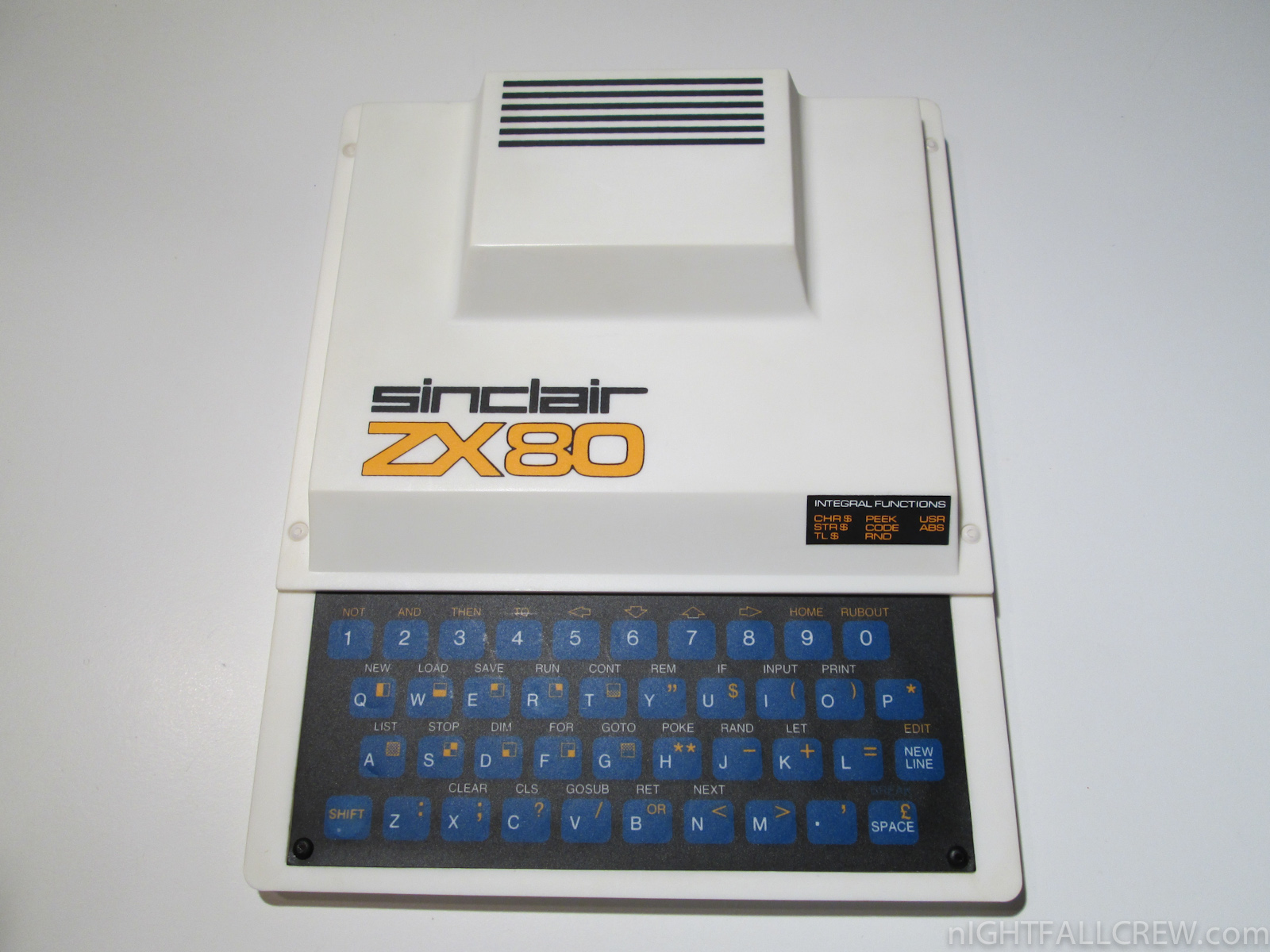
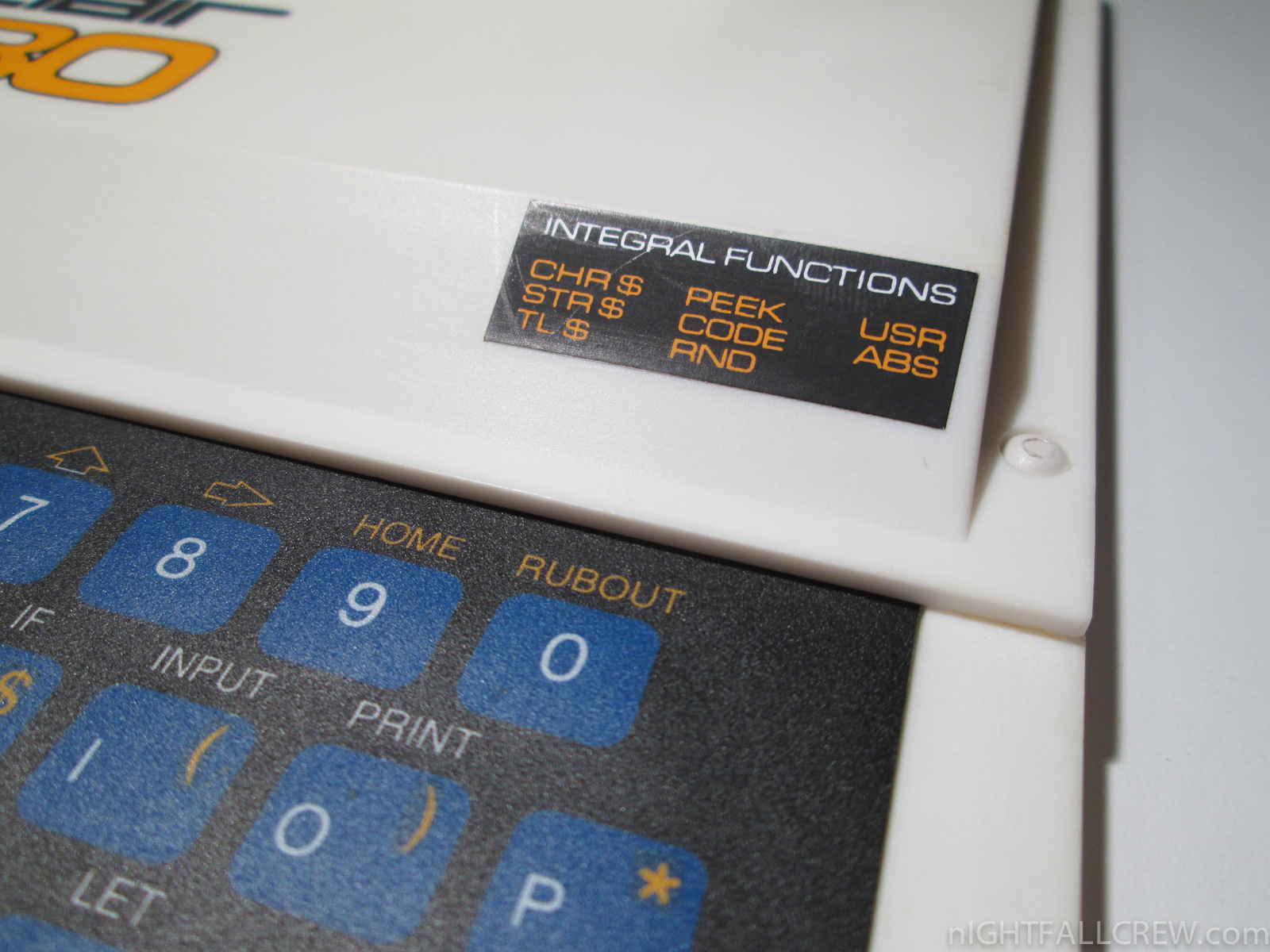
The ROM contained the Sinclair BASIC programming language, editor, and operating system. BASIC commands were not entered by typing them out but were instead selected somewhat similarly to a scientific calculator – each key had a few different functions selected by both context and modes as well as with the shift key.

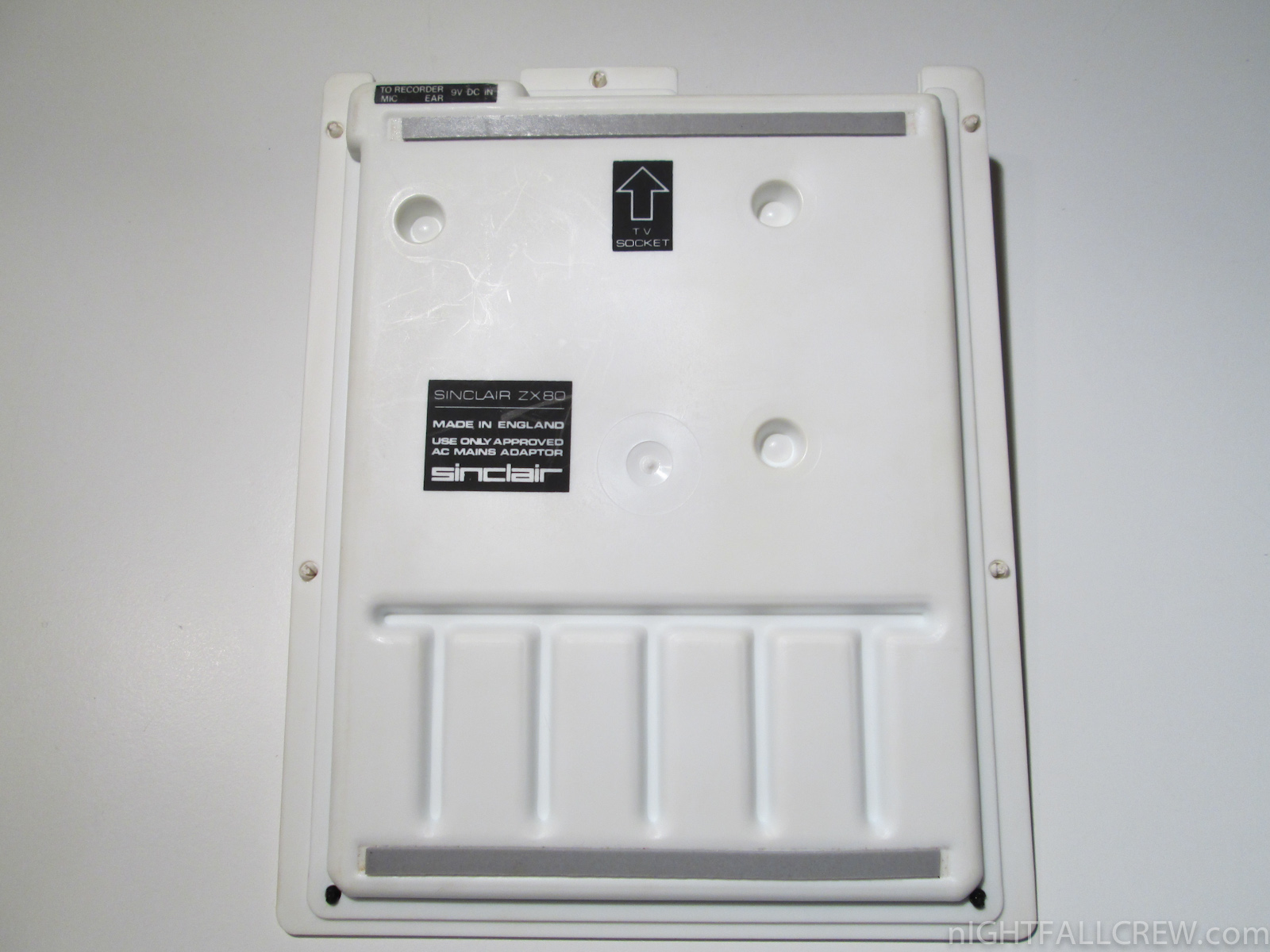
The machine was mounted in a tiny white plastic case, with a one-piece blue membrane keyboard on the front; it owed its distinctive appearance to industrial designer Rick Dickinson. There were problems with durability, reliability and overheating (despite appearances, the black stripes visible on the top rear of the case are merely cosmetic, and are not ventilation slots).

source: wikipedia

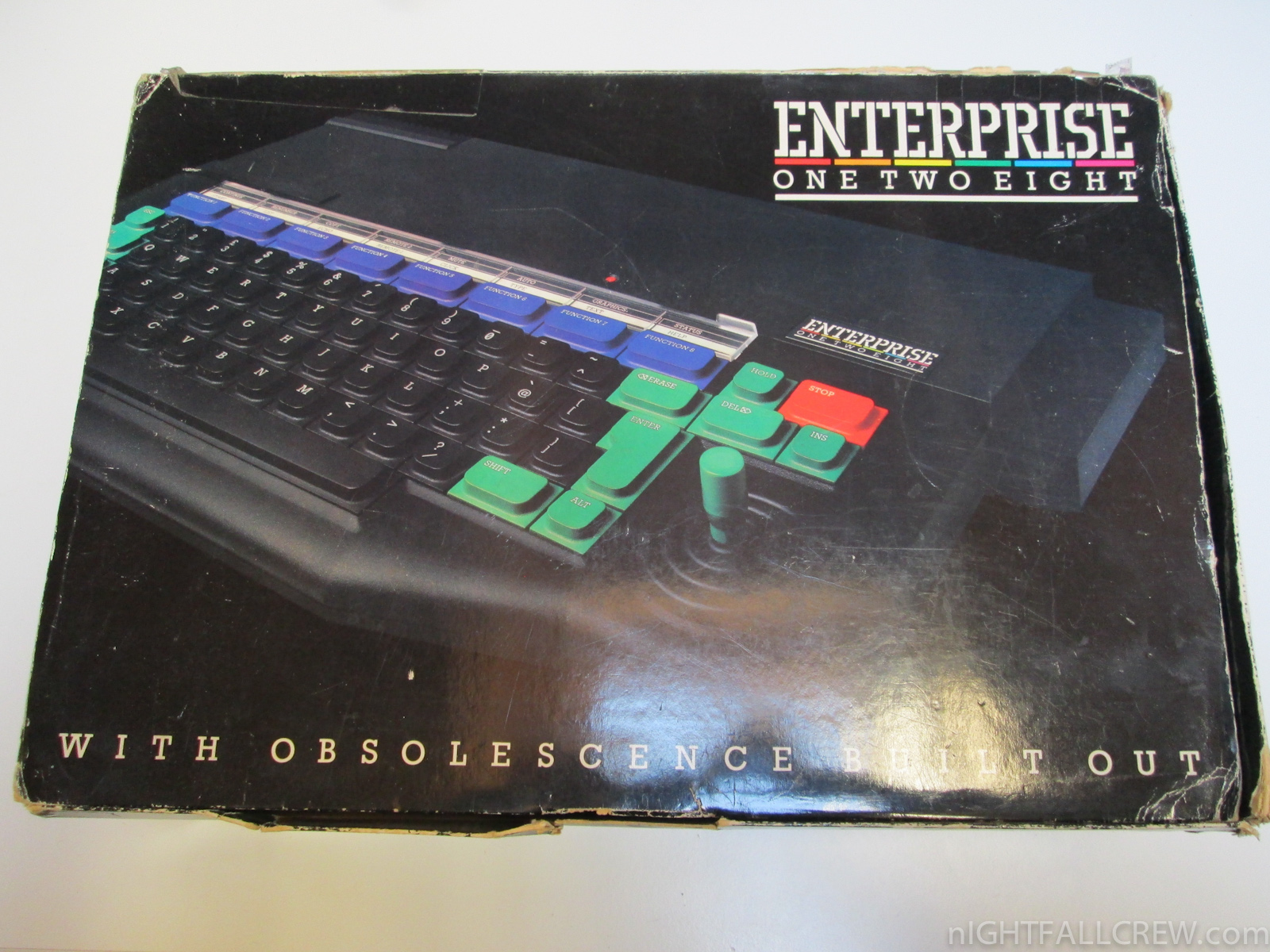
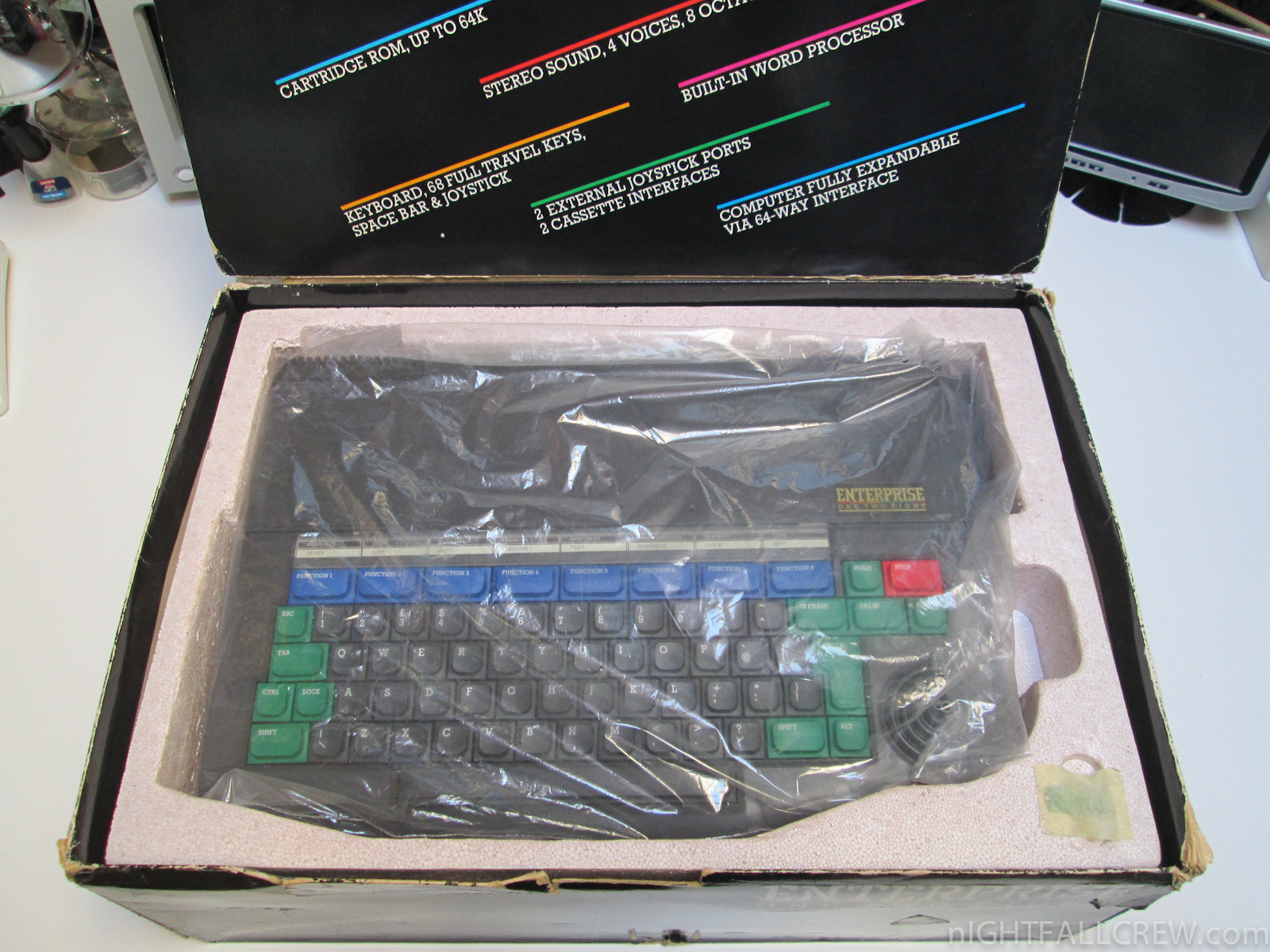
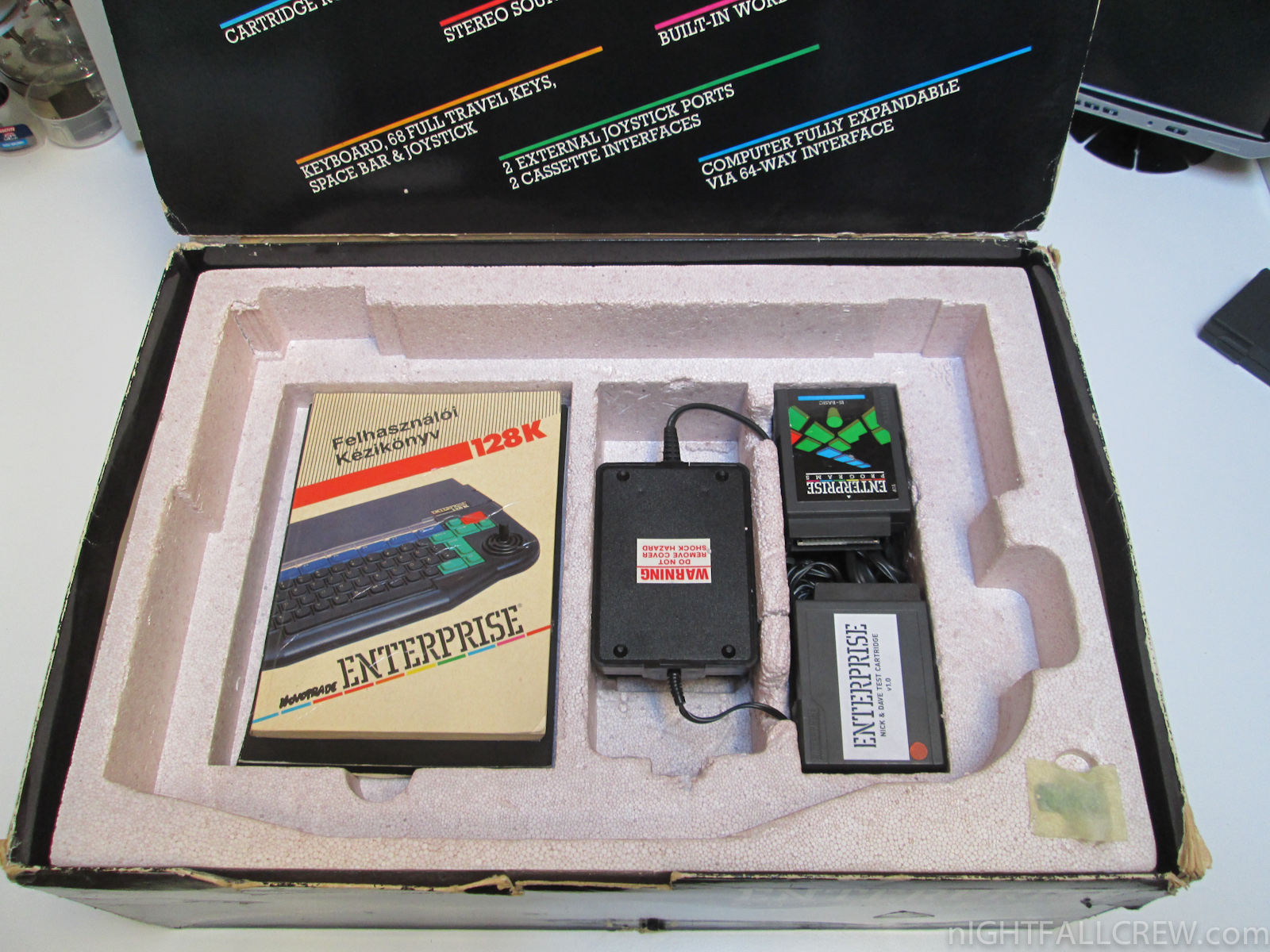
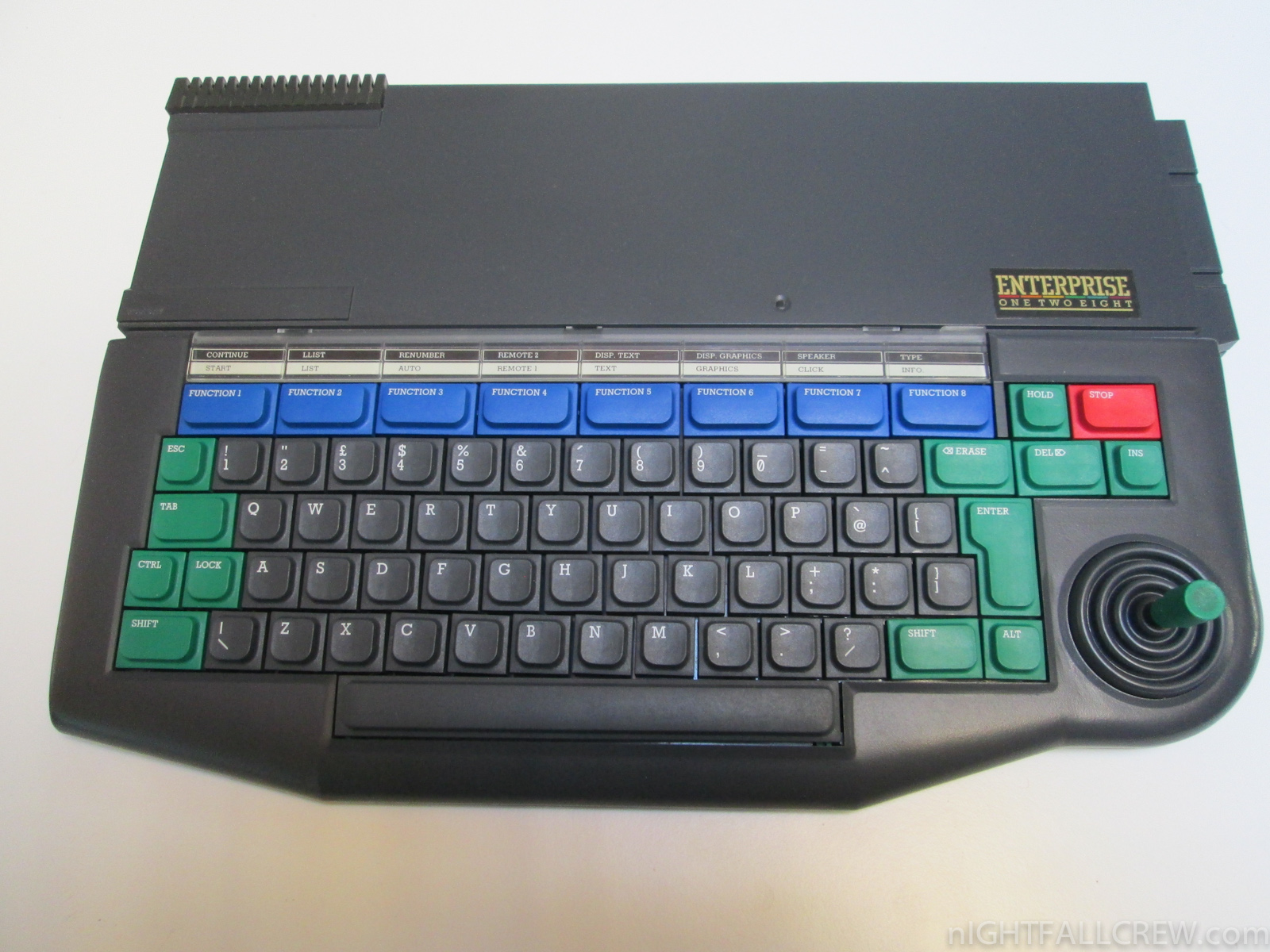
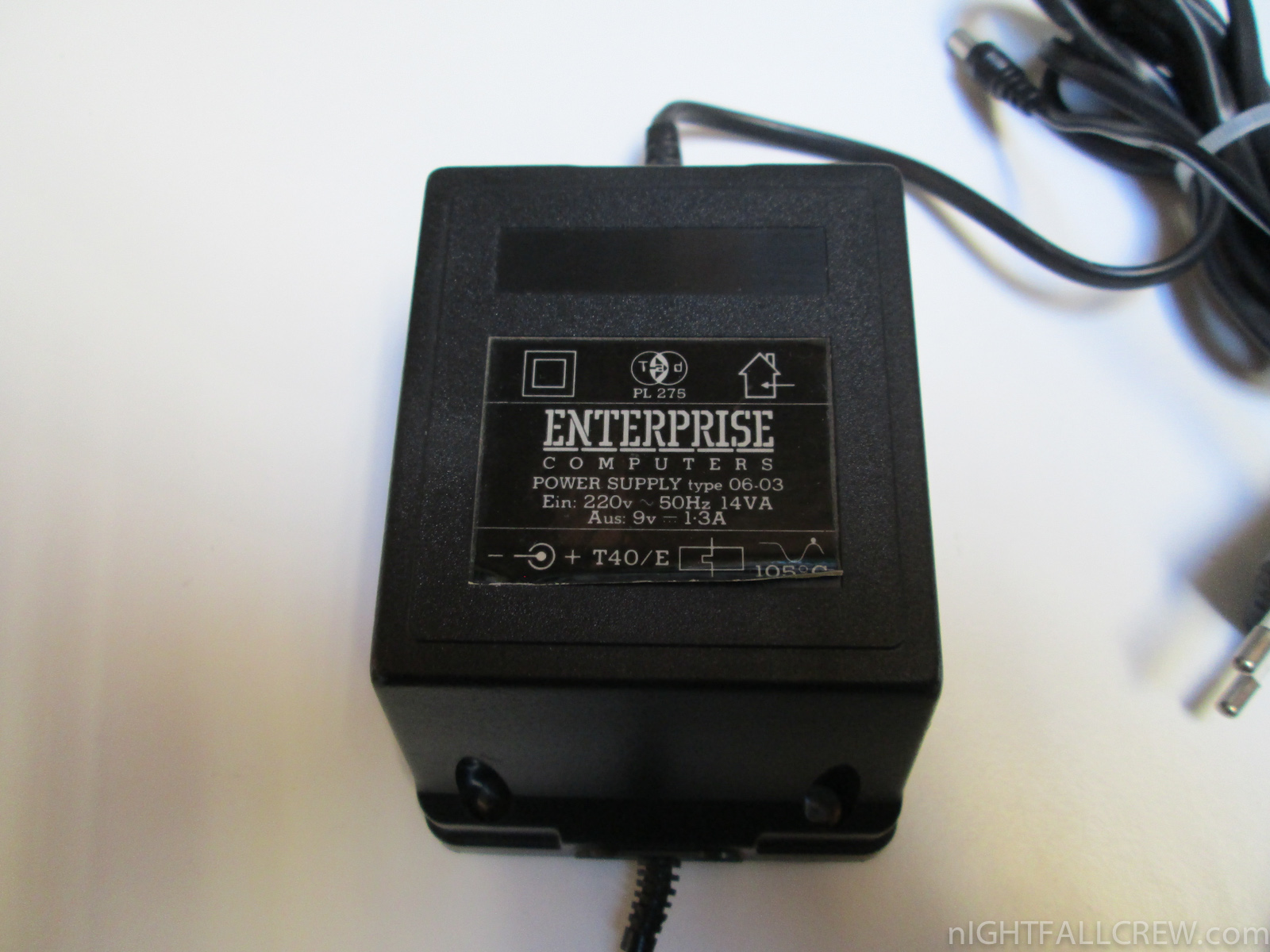
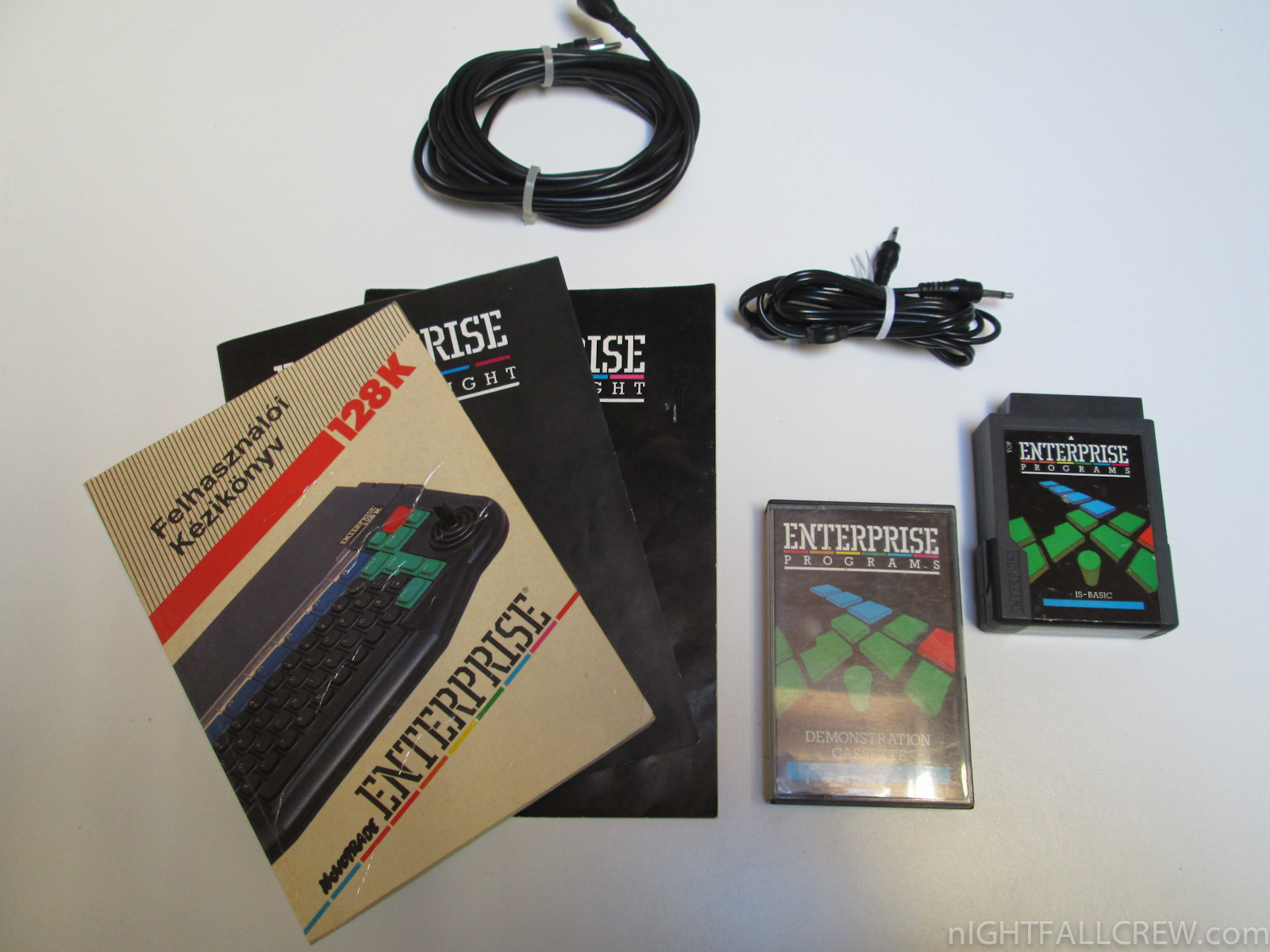
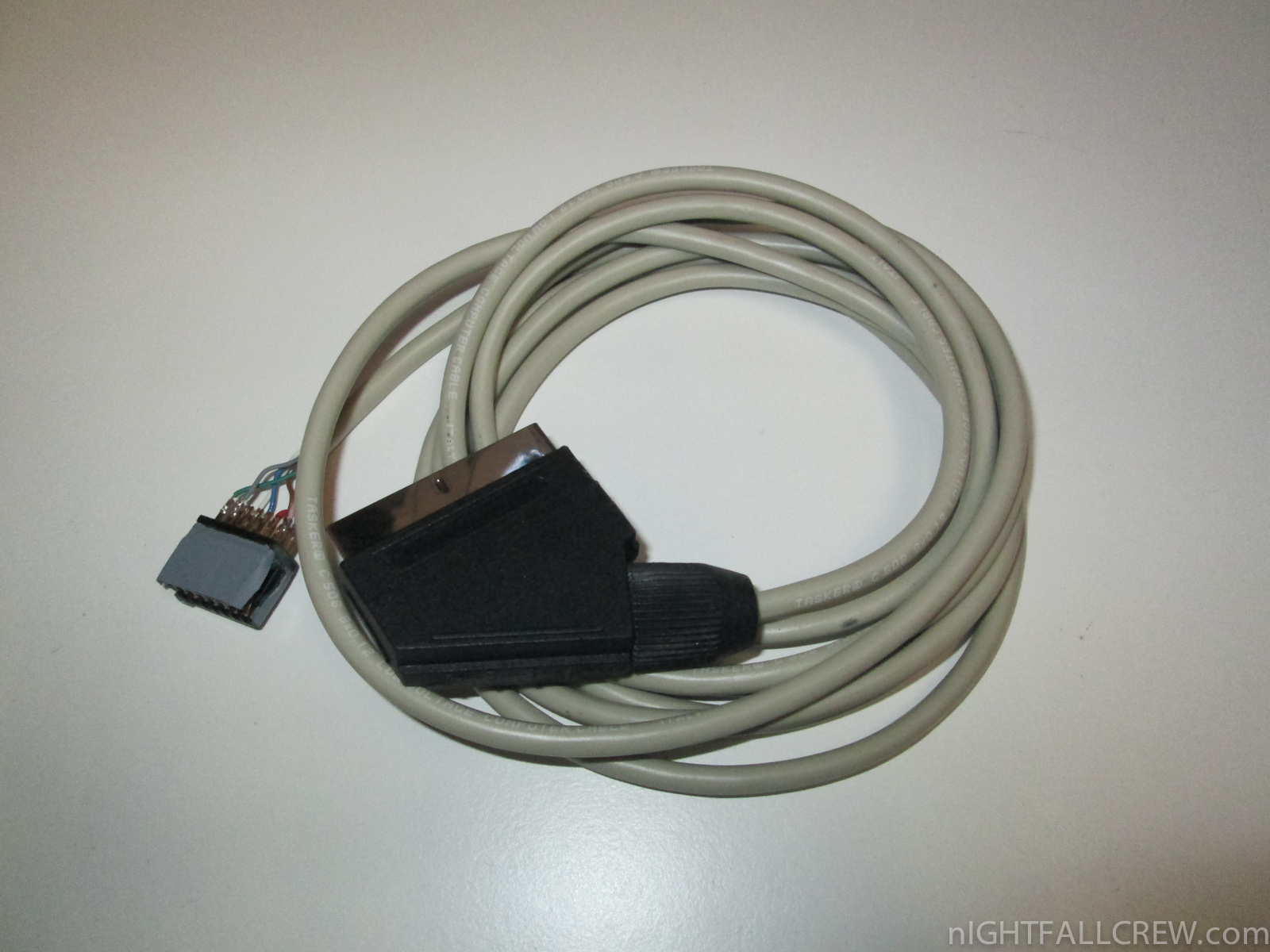
Enterprise 128 (One Two Eight) Boxed

March 16th, 2013 No comments
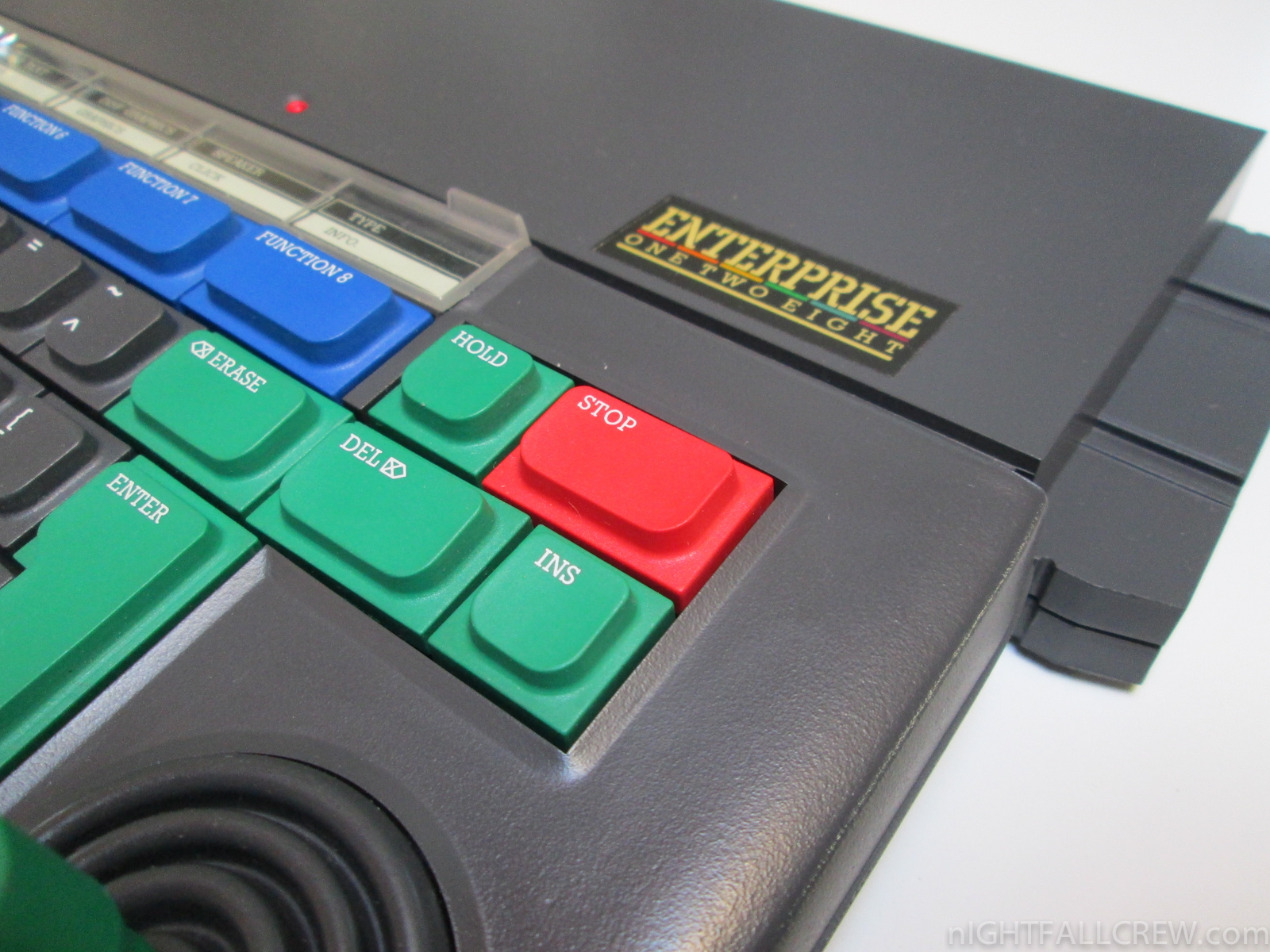
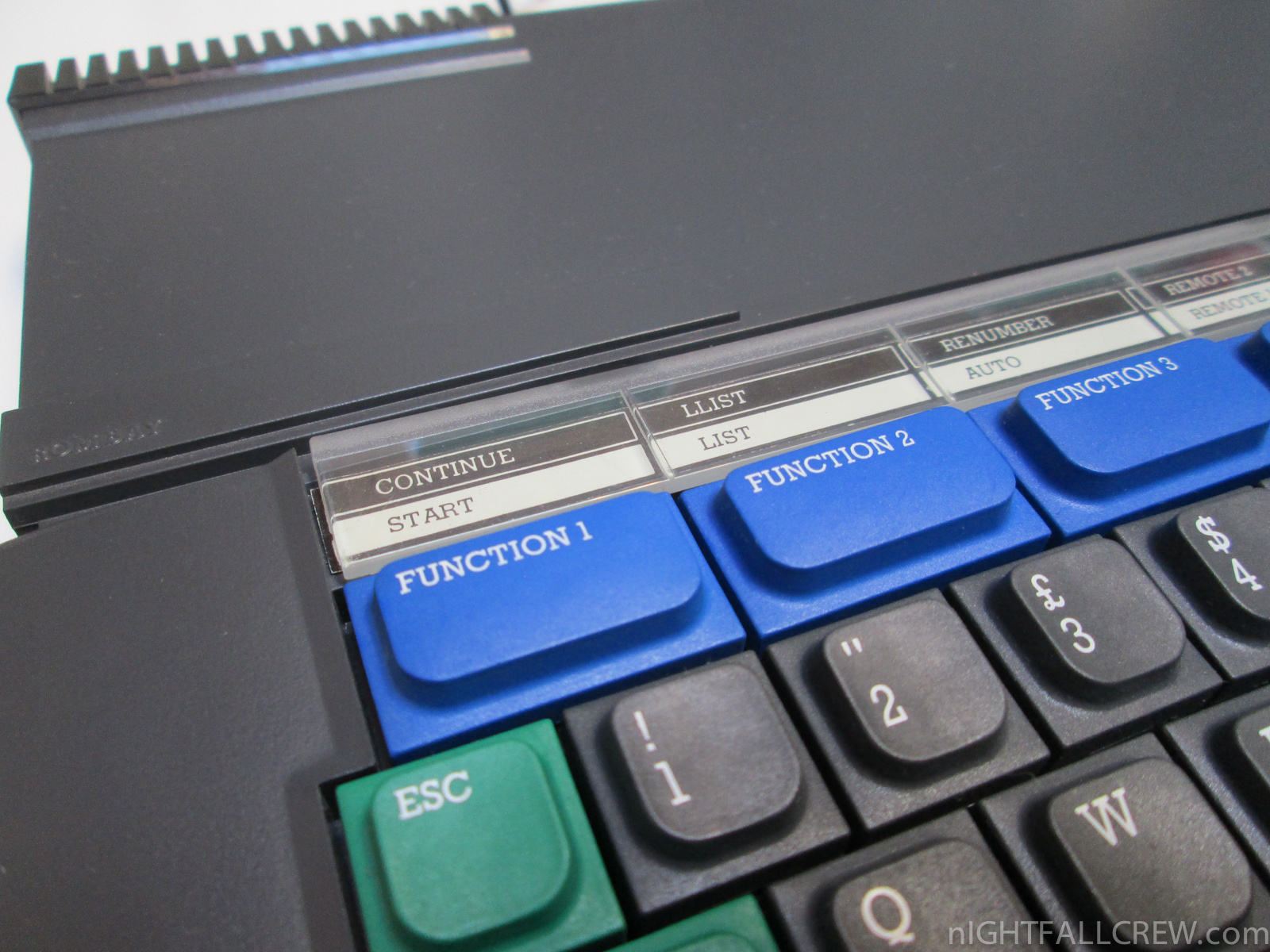
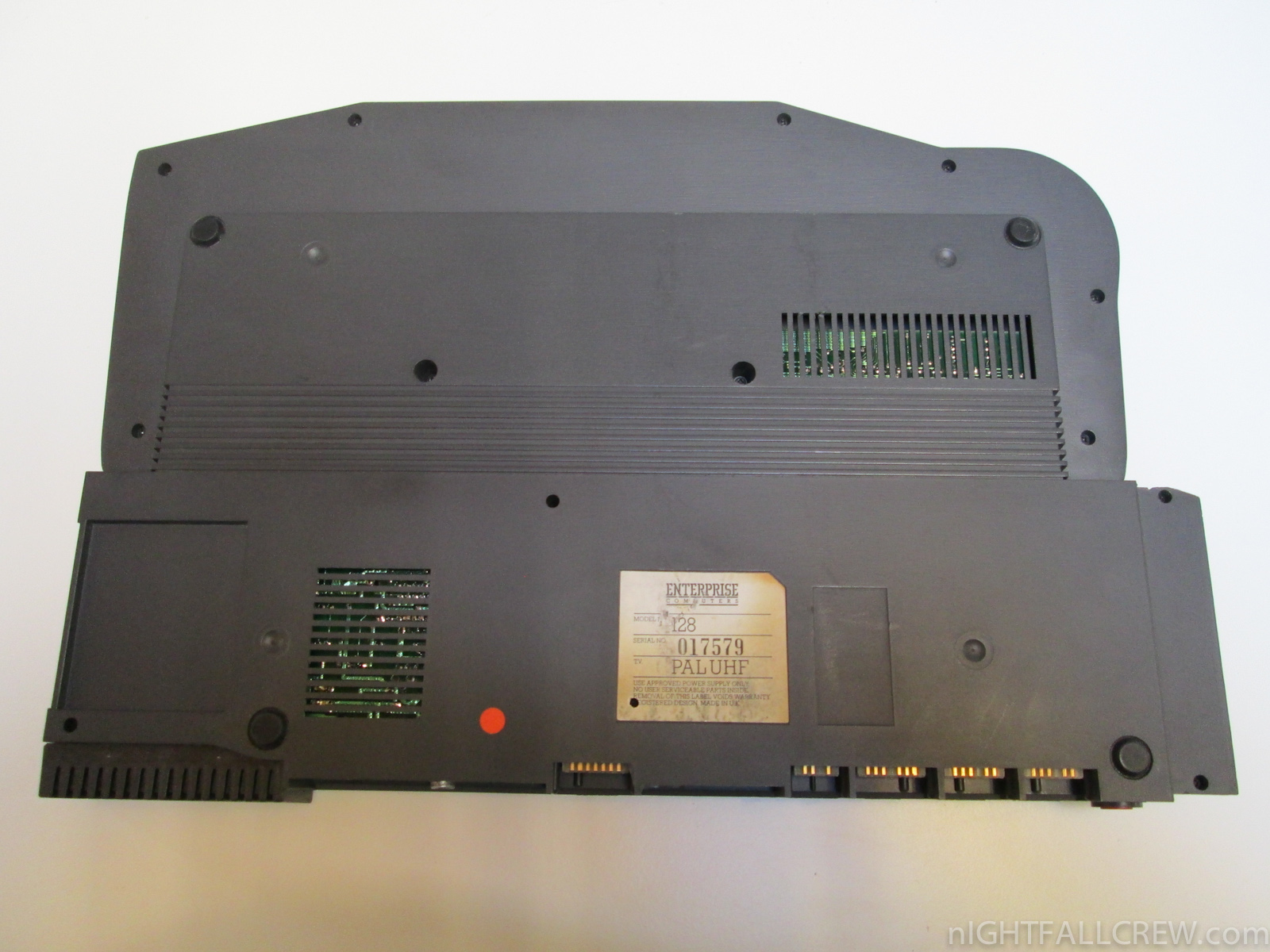
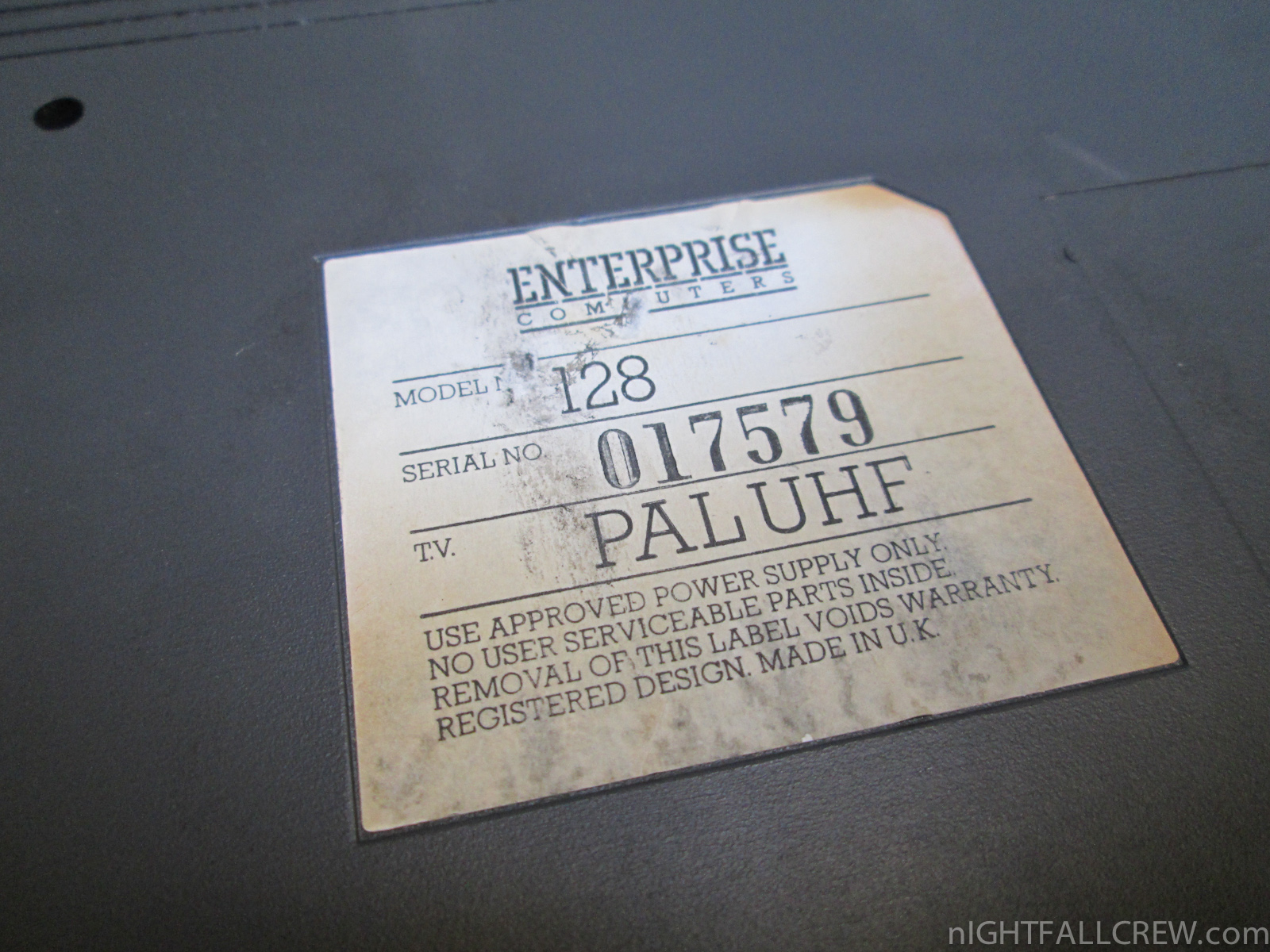
Enterprise 128 (One Two Eight) Details

Autopsy:

from Wikipedia:

The Enterprise is a Zilog Z80-based home computer first produced in 1985. It was developed by British company Intelligent Software and marketed by Enterprise Computers. Its two variants are the Enterprise 64, with 64 kilobytes (kB) of Random Access Memory (RAM), and the Enterprise 128, with 128 kB of RAM.

The Enterprise has a 4 megahertz (MHz) Z80 Central processing unit (CPU), 64 kB or 128 kB of RAM, and 32 kB of internal read-only memory (ROM) that contains the EXOS operating system and a screen editor / word processor. The BASIC programming language was supplied on a 16 kB ROM module.

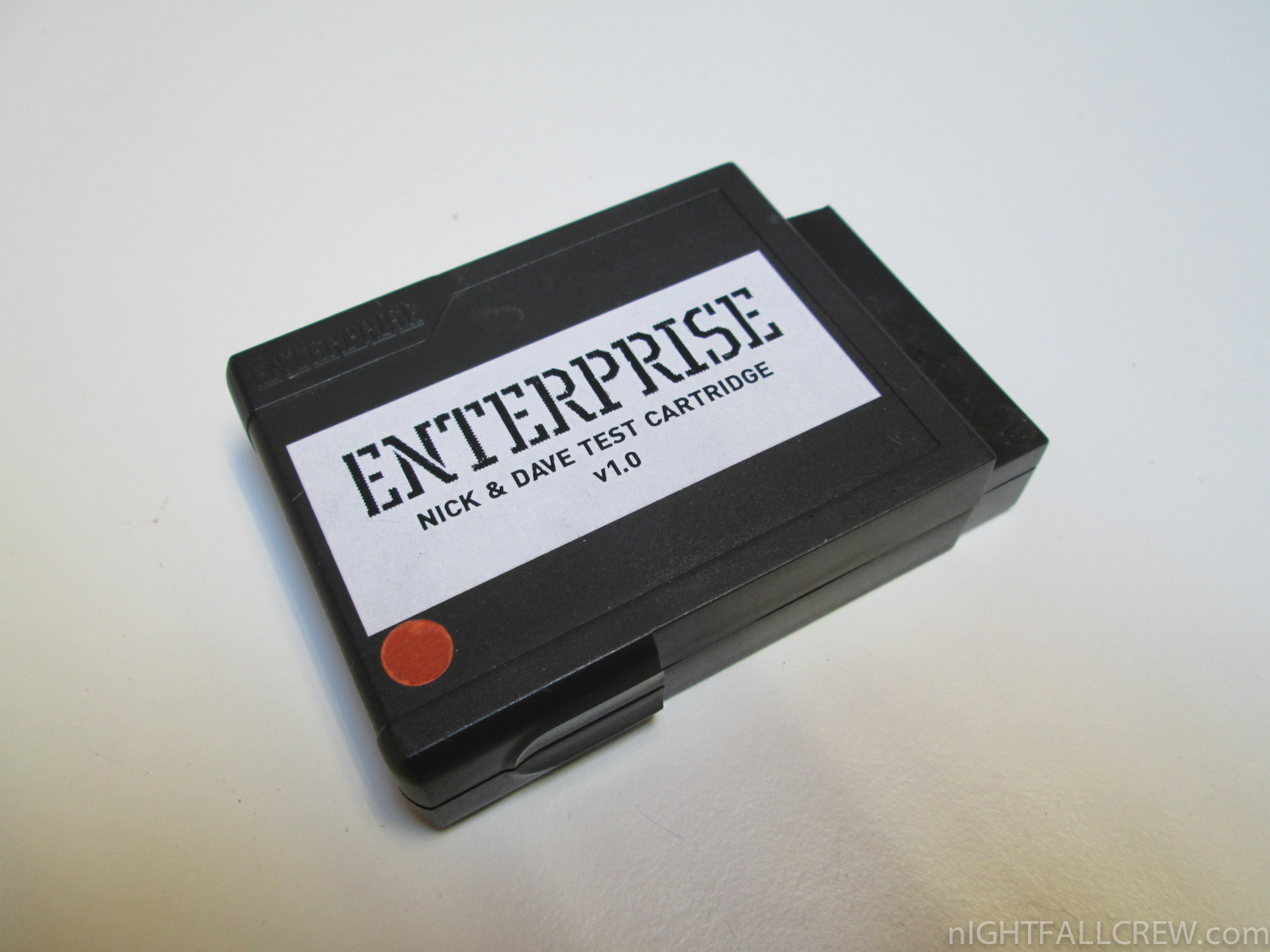
Two application-specific integrated circuit (ASIC) chips take some of the workload off of the central processor. They are named “Nick” and “Dave” after their designers, Nick Toop, who had previously worked on the Acorn Atom, and Dave Woodfield. “Nick” manages graphics, while “Dave” handles sound and memory paging (bank switching).

A bank switching scheme allows the memory to be expanded to a maximum of 4 megabytes (MB). The highest 2 address lines from the Z80 are used to select one of the four 8-bit Page Registers in Dave chip. The output from the selected register is used as the highest 8 bits of the 22-bit address bus, while the lowest 14 bits come directly from the Z80 address bus. Effectively, the 64 kB address space of the Z80 processor is divided into four 16k sections. Any 16k page from the 4 MB address space can be mapped to any of these sections. The lowest two pages (pages 0 and 1) of the 4 MB address space contain system ROM.

The next four pages (2 to 5) are reserved for a ROM cartridge (max 64 kB). The top four pages (pages 252 to 255, totaling 64 kB) are used as video RAM, but can be used for storage of program code and data as well. On the 128k model, the additional 64 kB of ram is mapped on pages 248 to 251. The remaining memory space can be used by external devices and memory modules connected to the expansion bus.

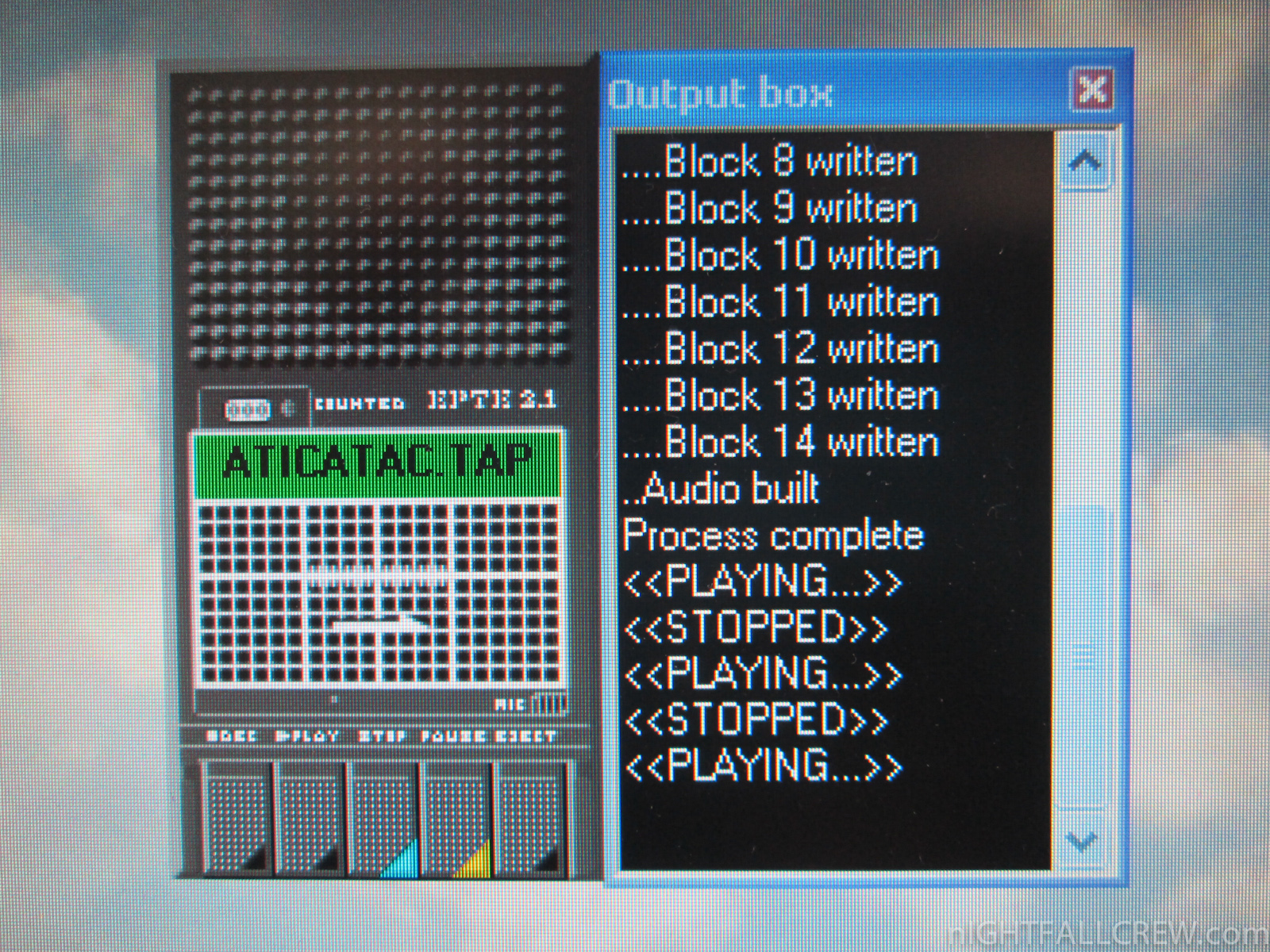
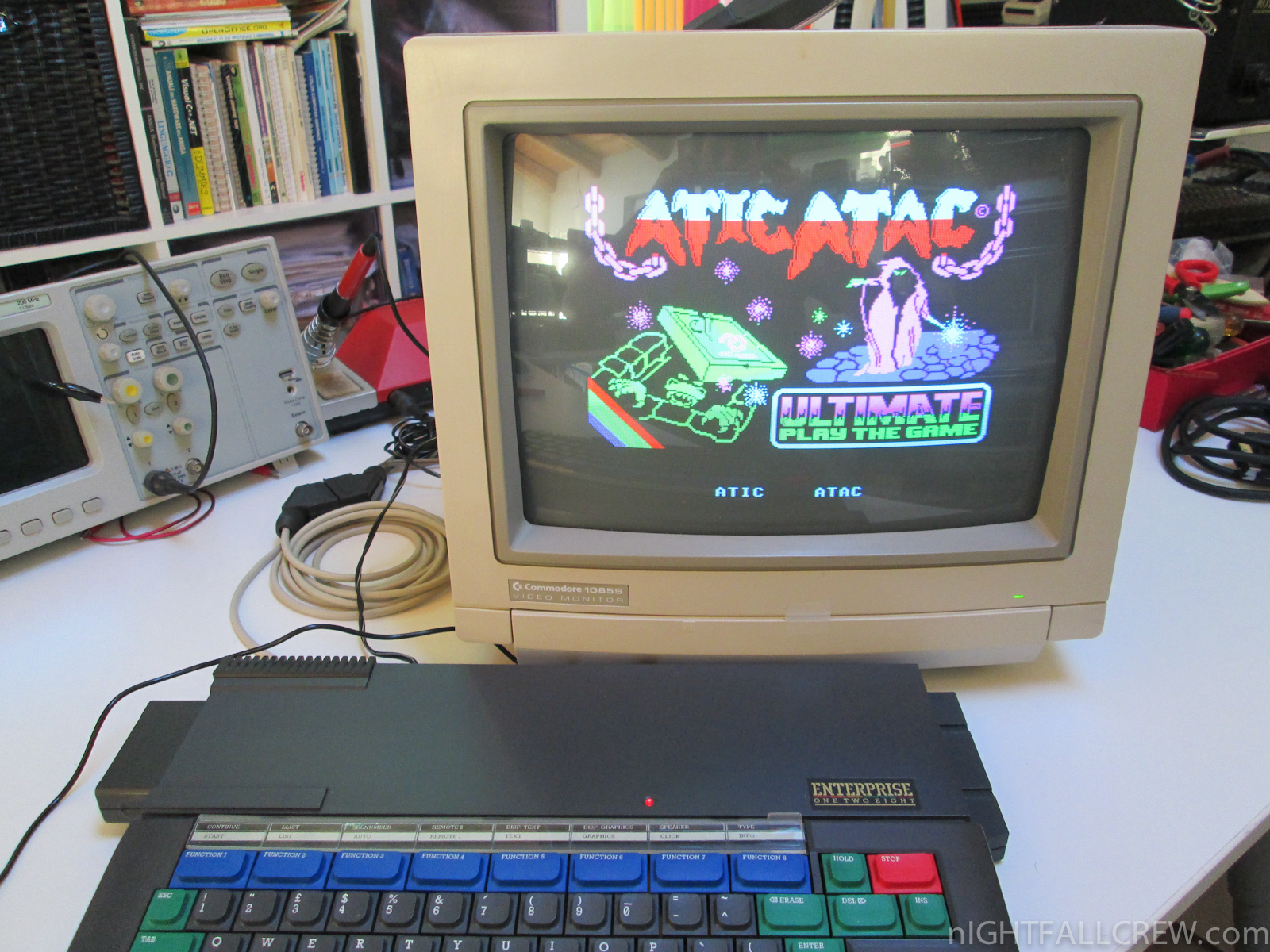
Loading a demo from Tape:

source: wikipedia ep128.hu

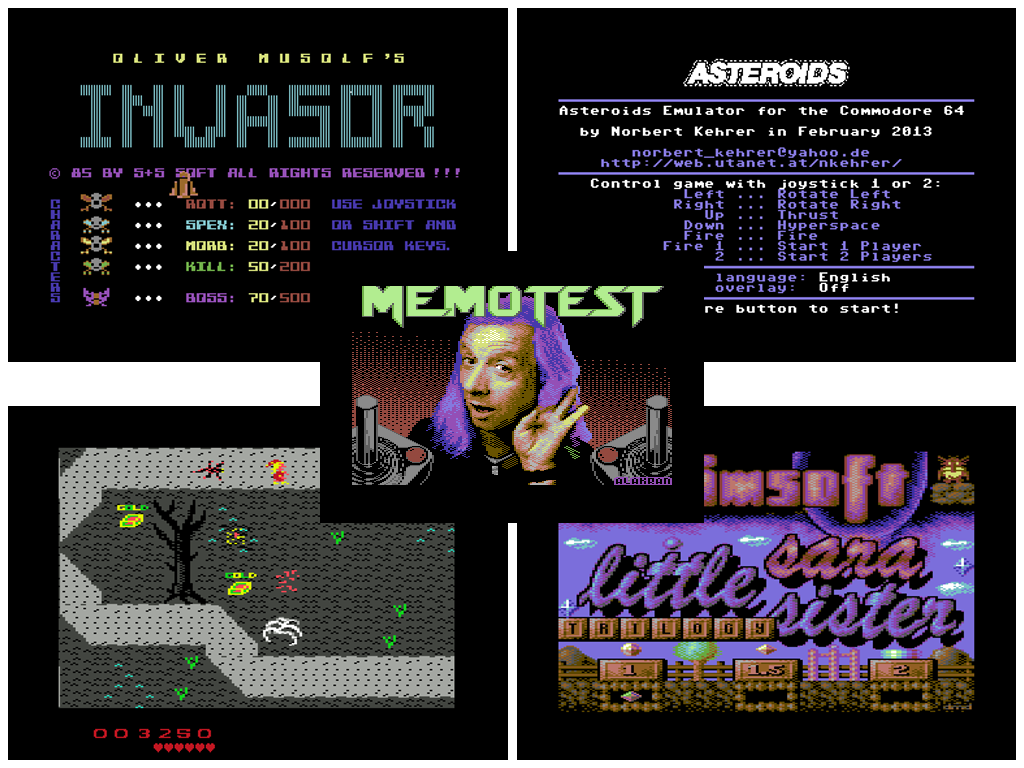
C64 Game: Little Sara Sister Trilogy 101% / Invasor +2 / Memotest …

March 15th, 2013 No comments

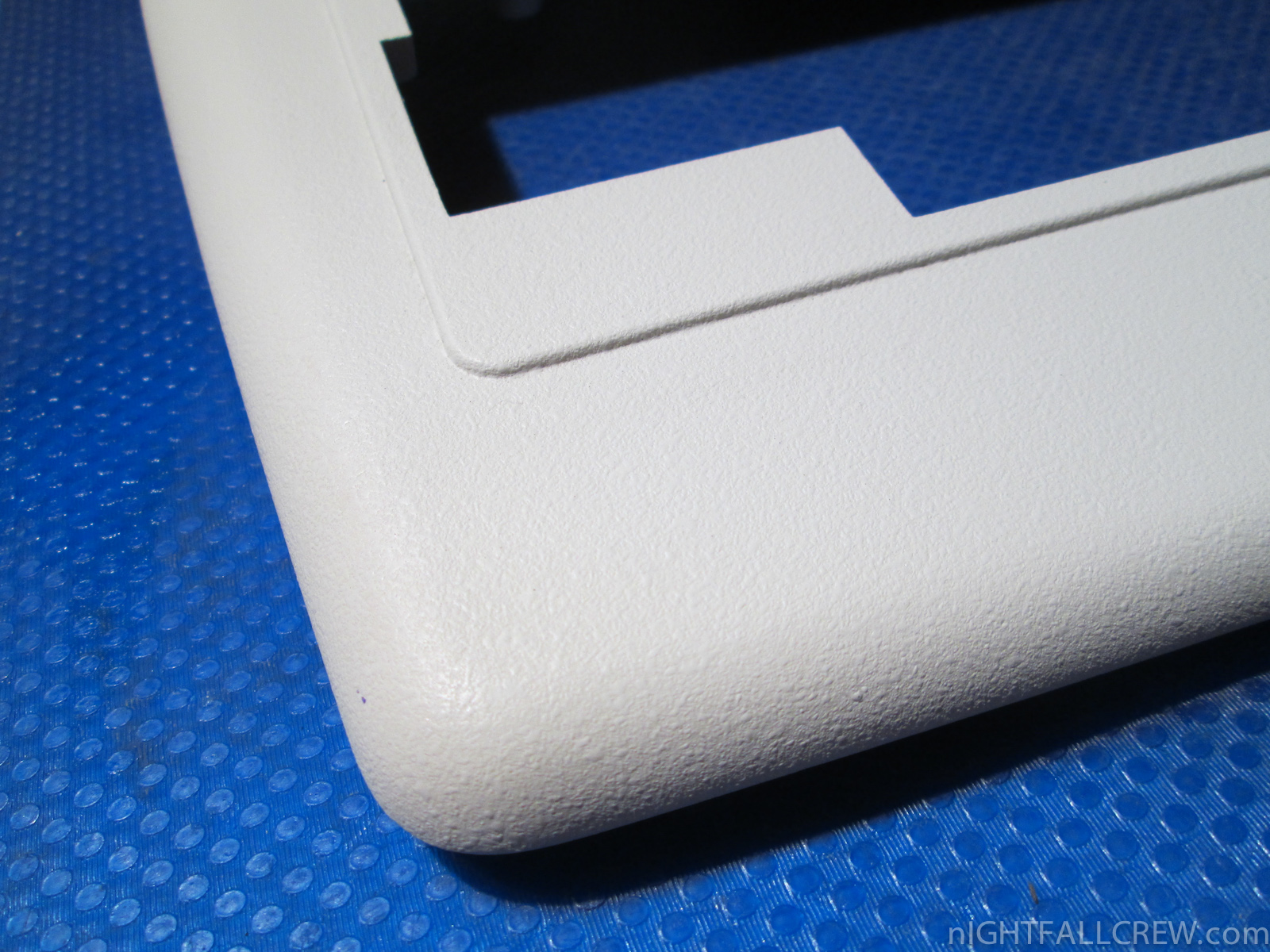
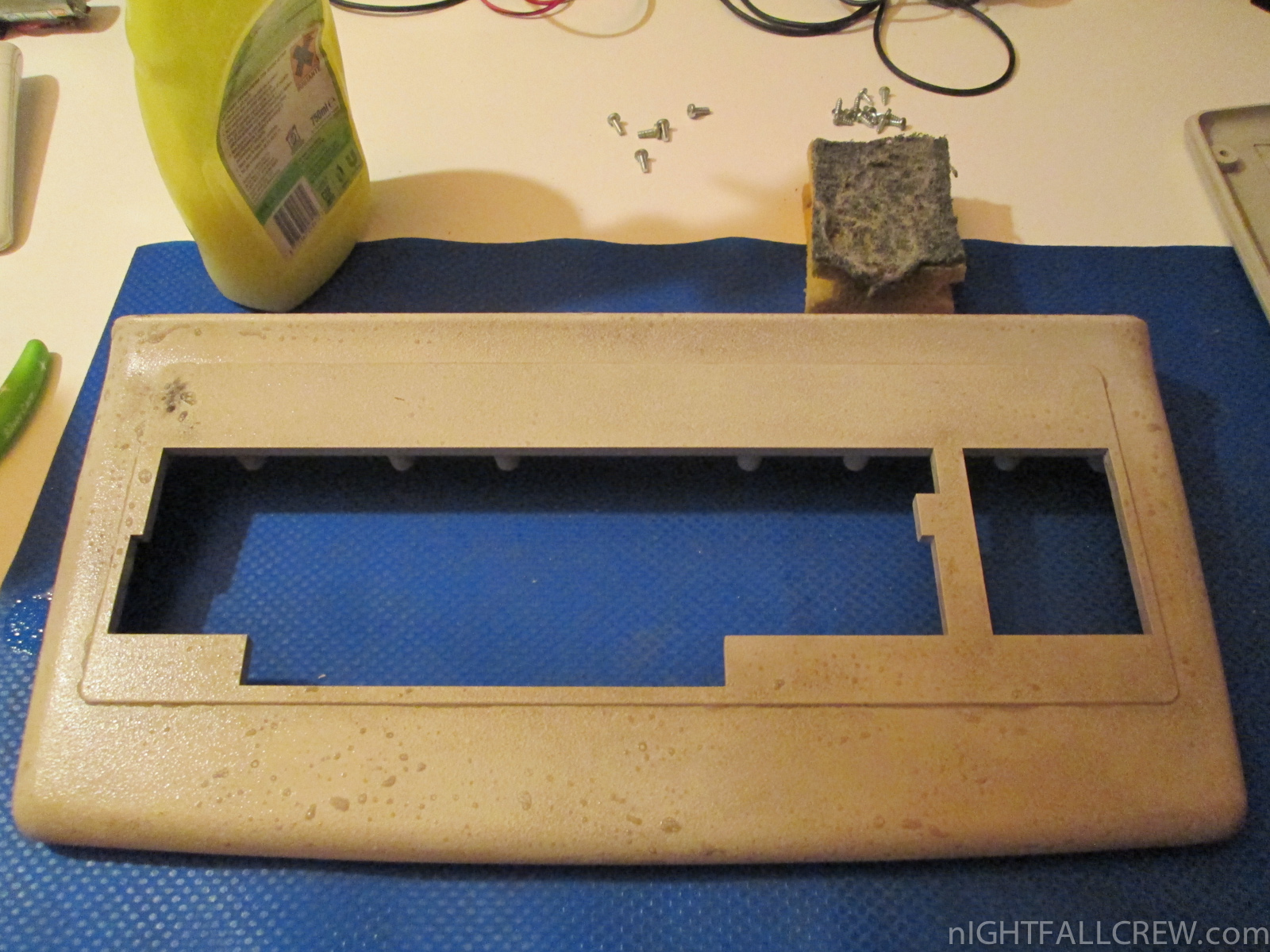
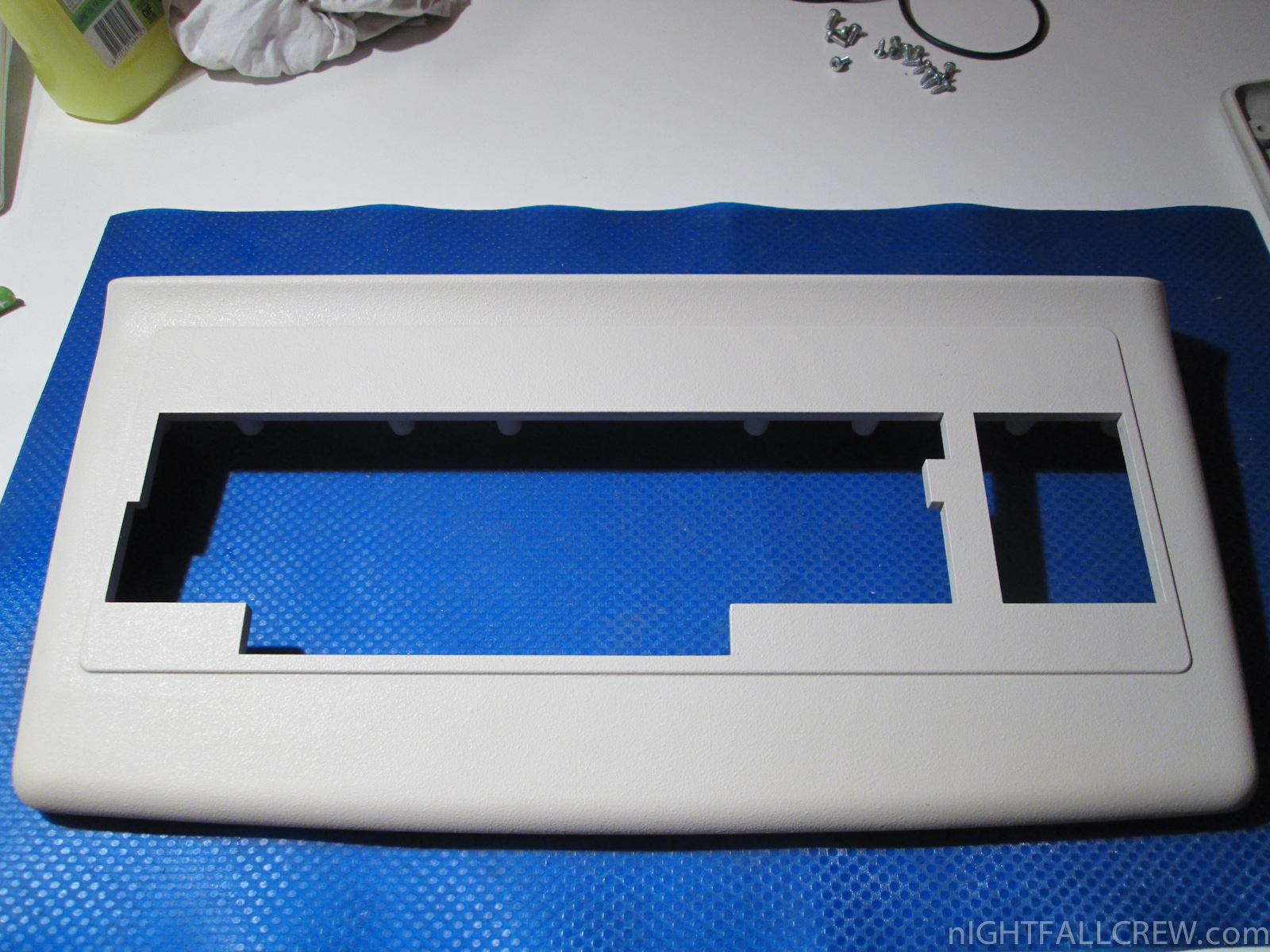
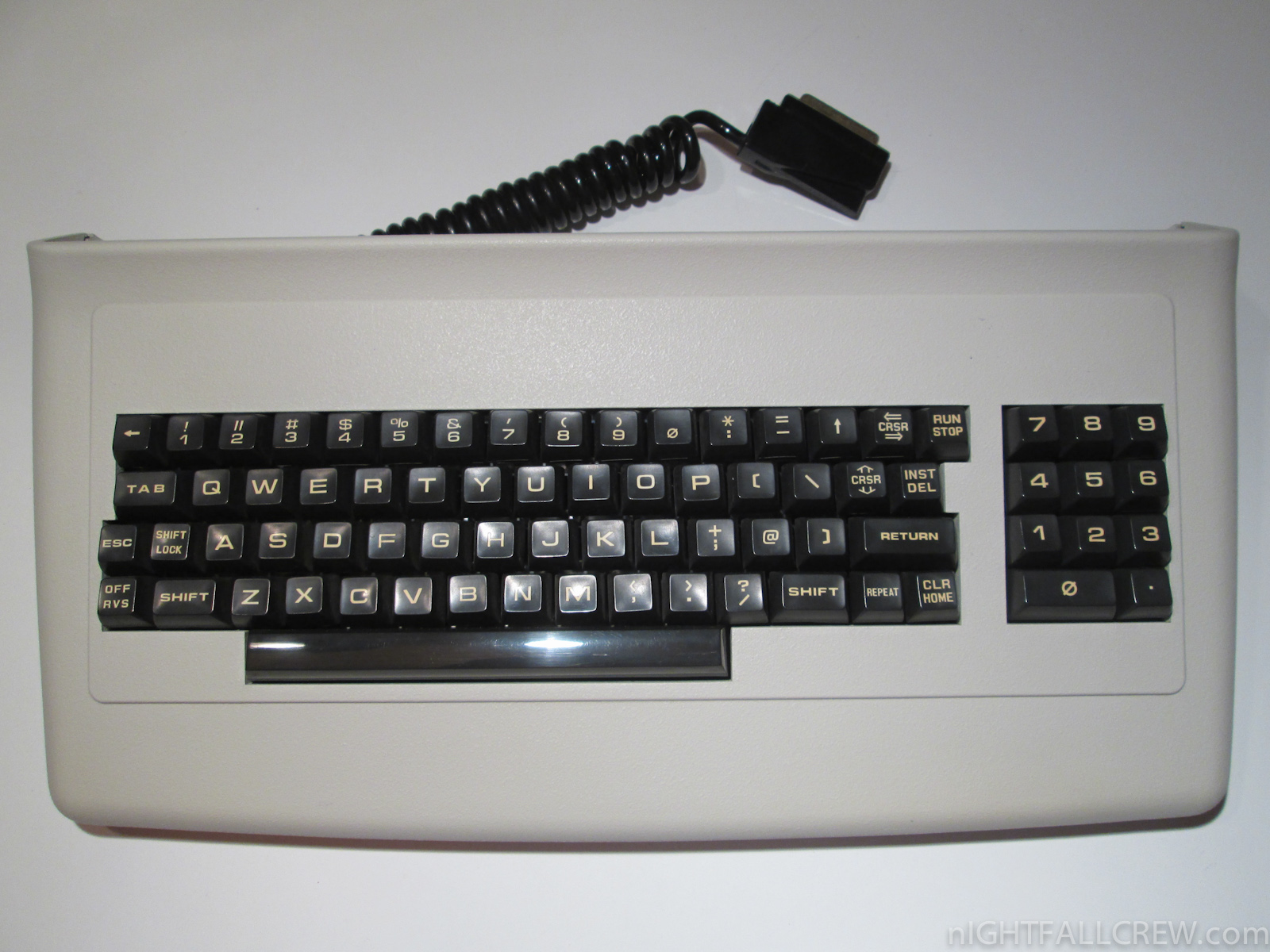
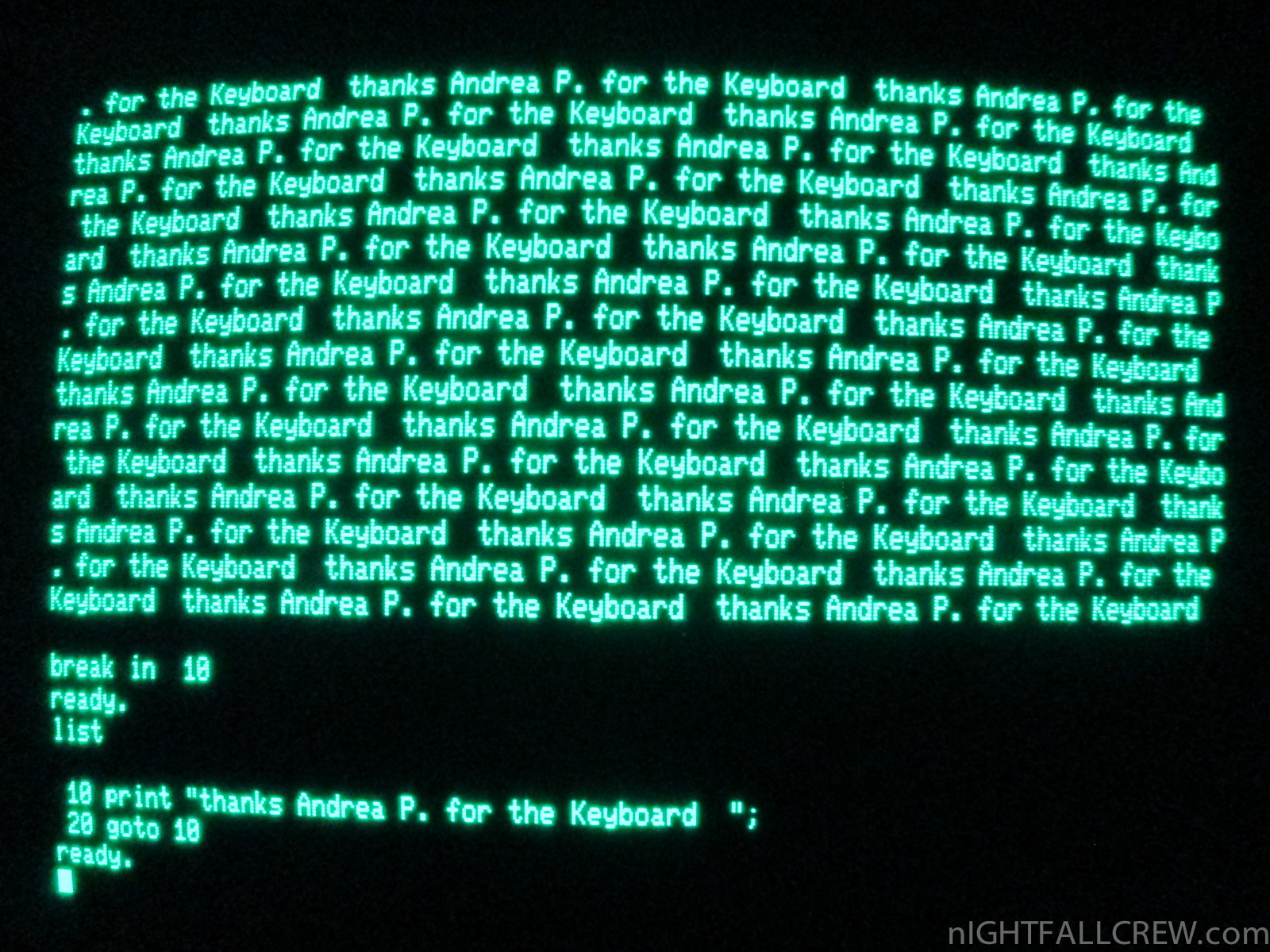
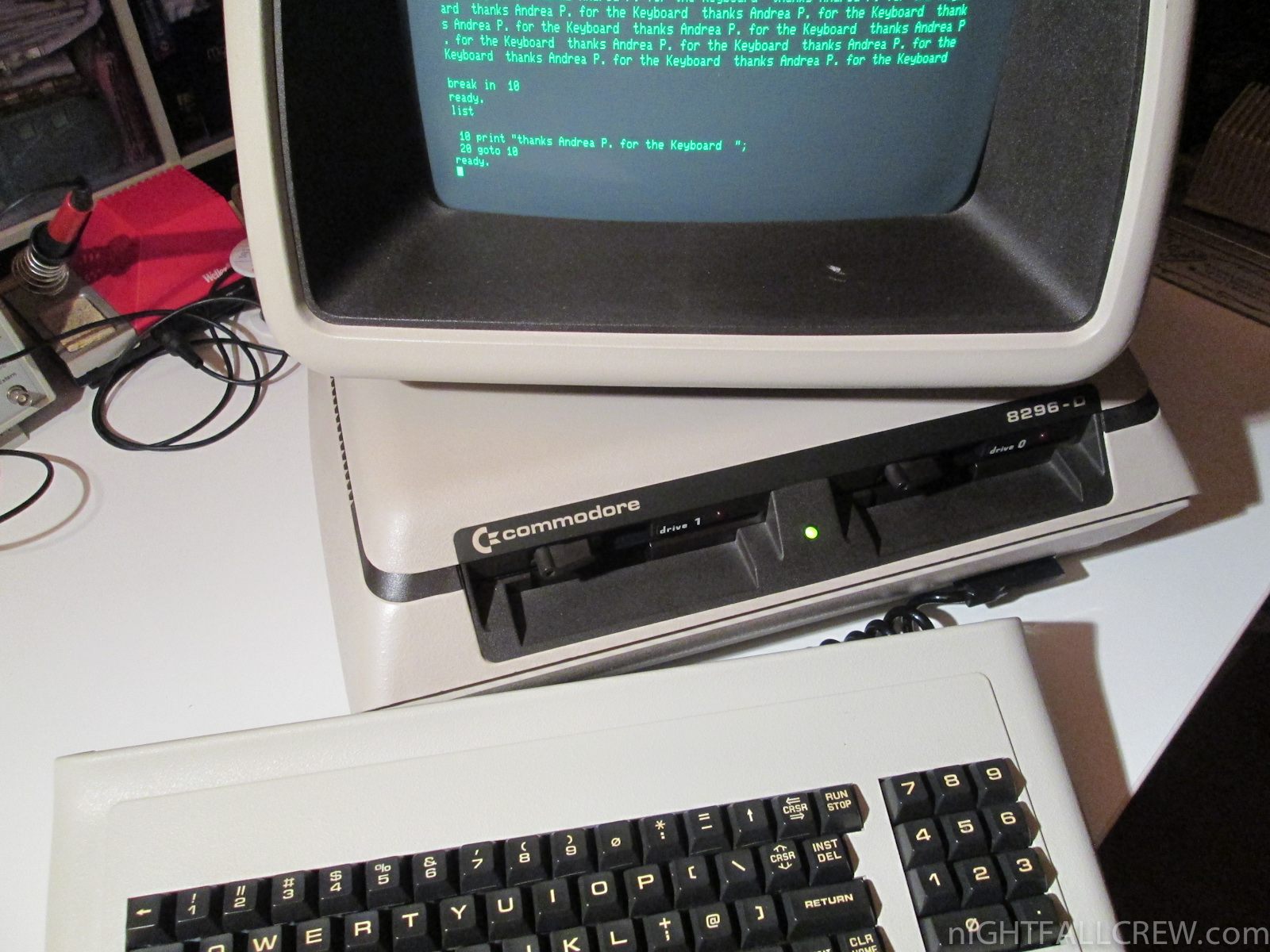
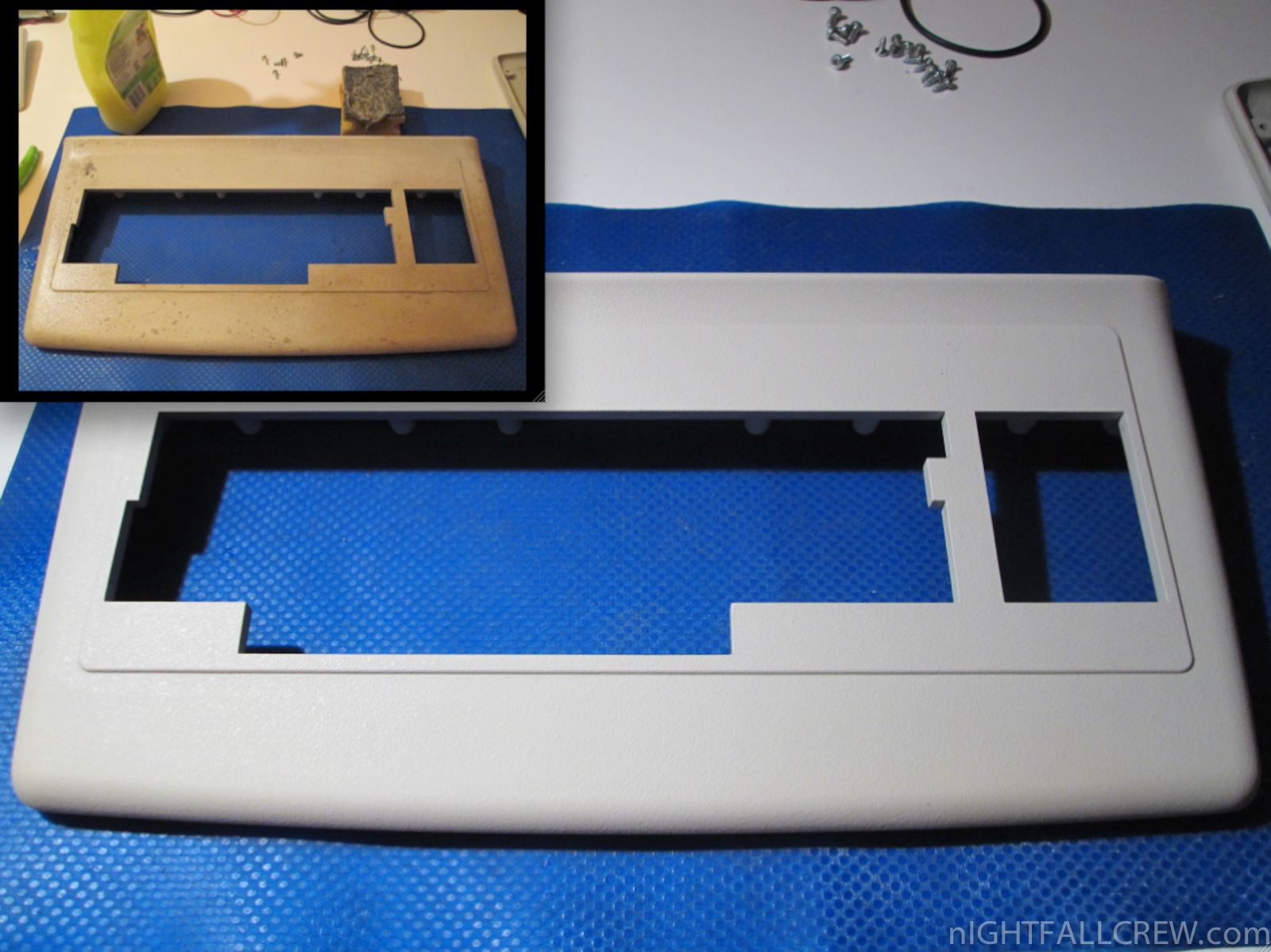
Commodore CBM 8032-SK Keyboard – Before and After cleaning

March 11th, 2013 4 comments

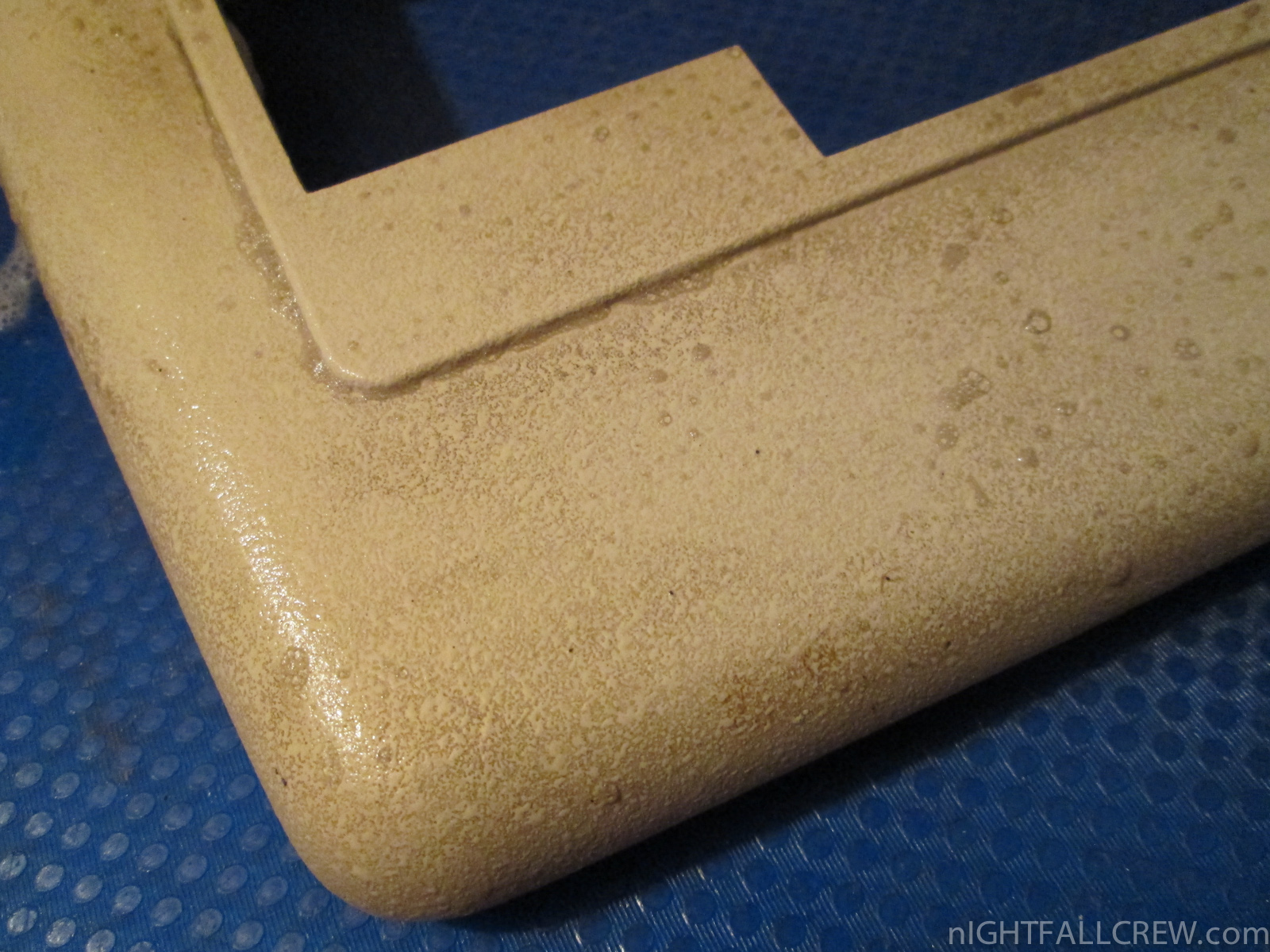
Commodore CBM 8032-SK Keyboard - Before and After cleaning Commodore CBM 8032-SK Keyboard - Before and After cleaning

Detailed photo:

I have used the CIF Power Clean and Sponge dishes, with the porous Bakelite (this keyboard) you can also use the rough side of the sponge without any problems. Don’t use the rough side with the plastic.

I have to thank Andrea for giving me this keyboard. The keyboard has replaced the wrong one of my 8296-D.

Crezar 12″ Black & White CRT of the 70′s

March 10th, 2013 8 comments
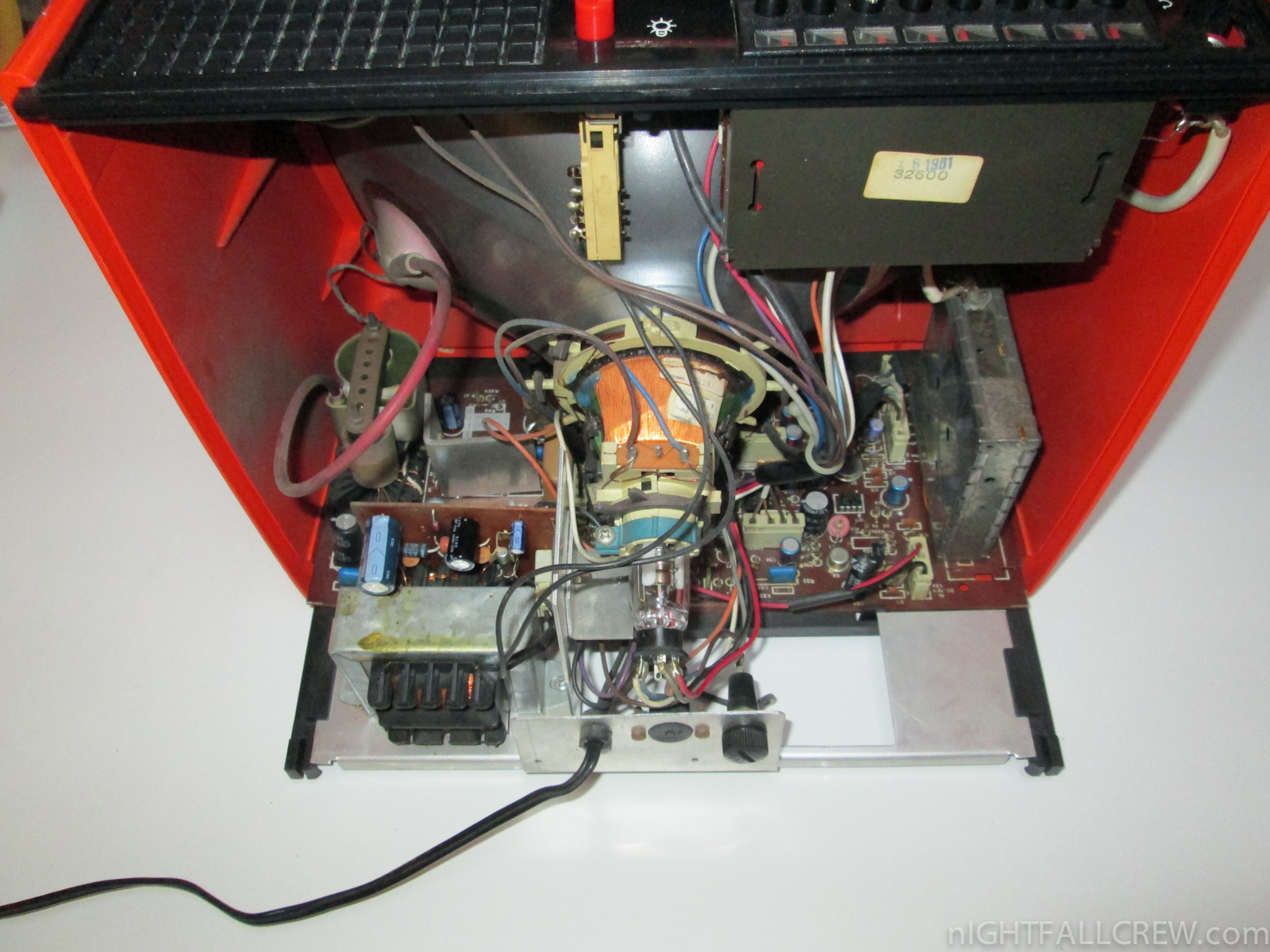
Crezar Black & White CRT of the 70's

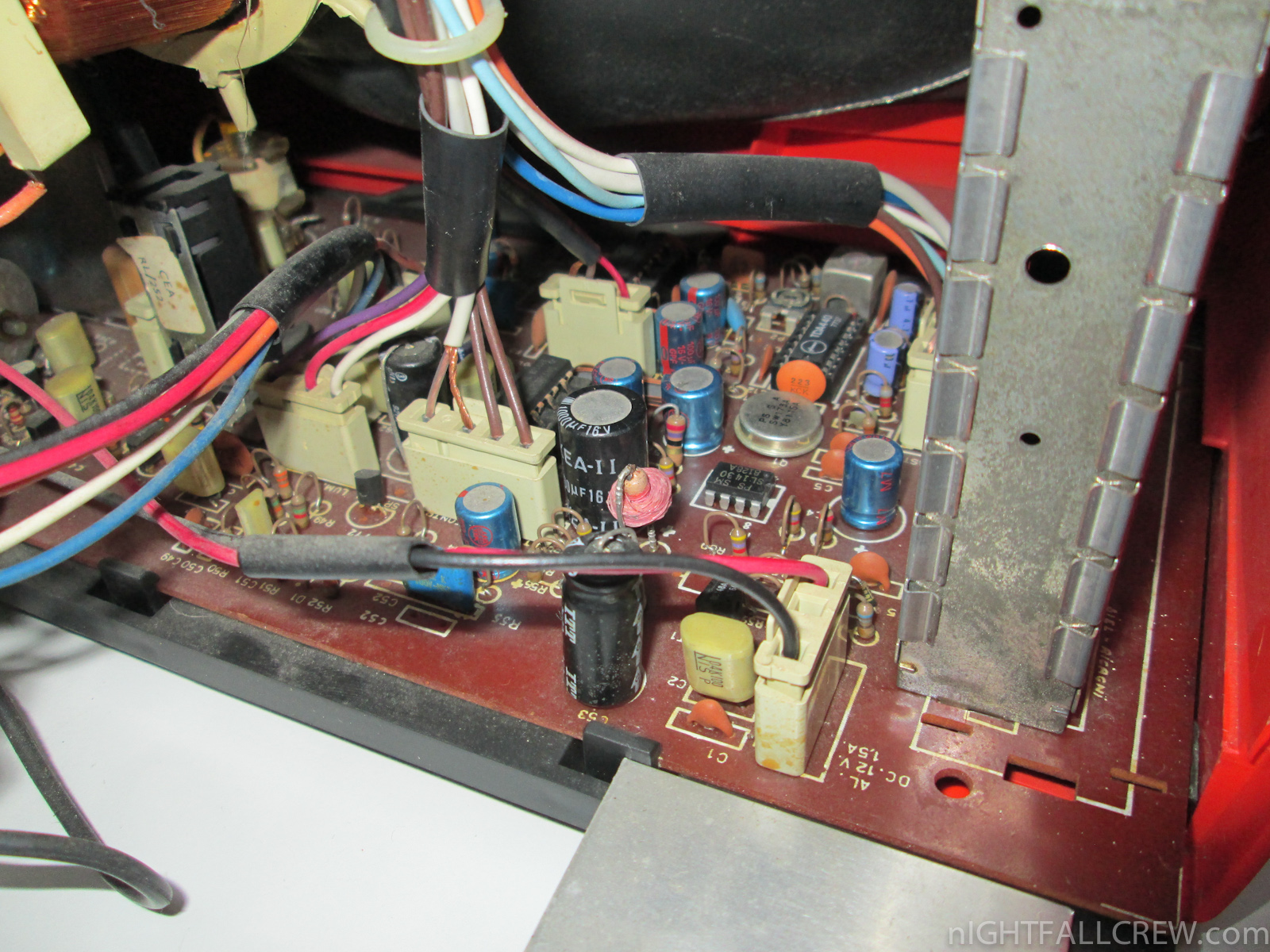
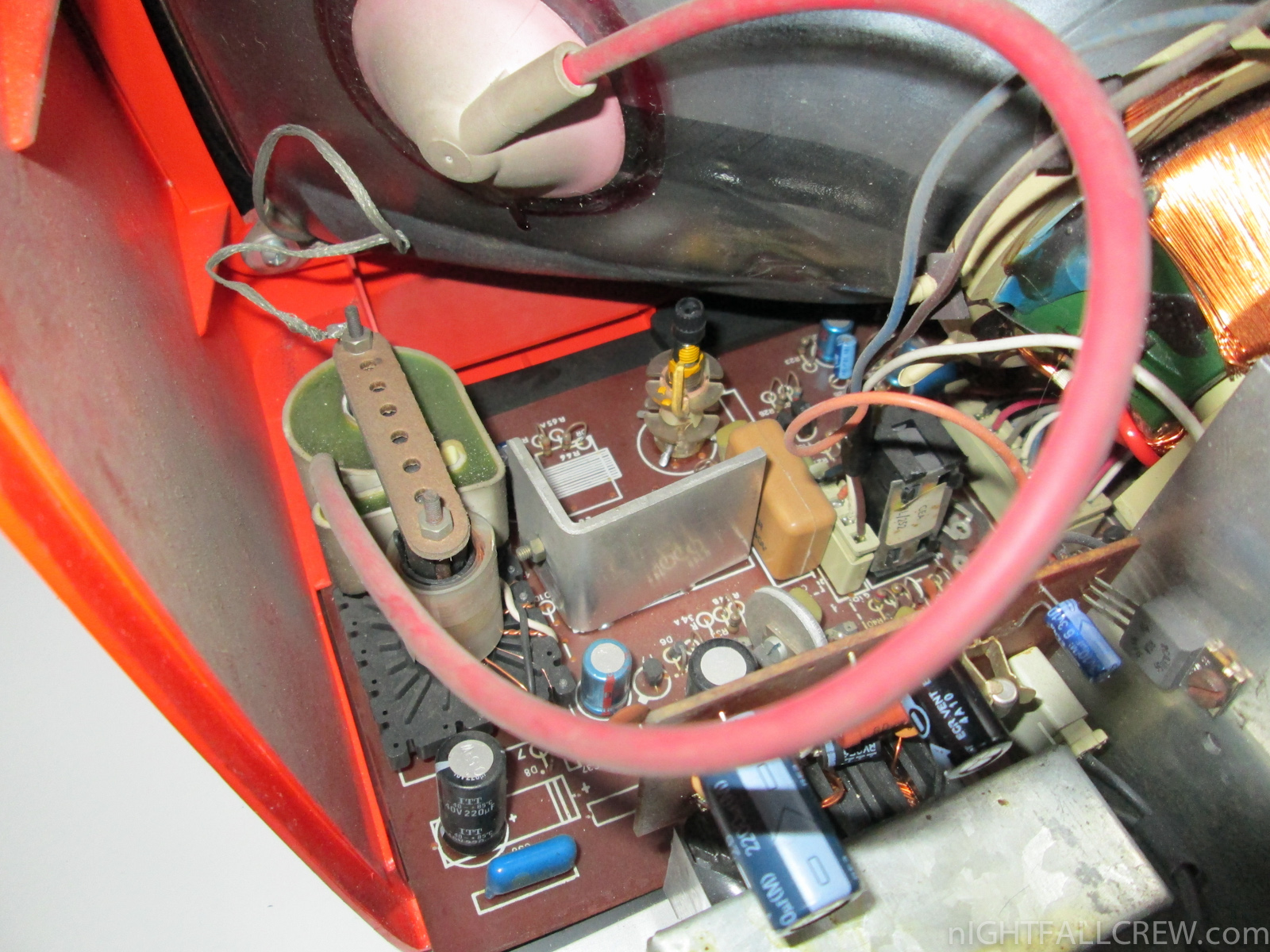
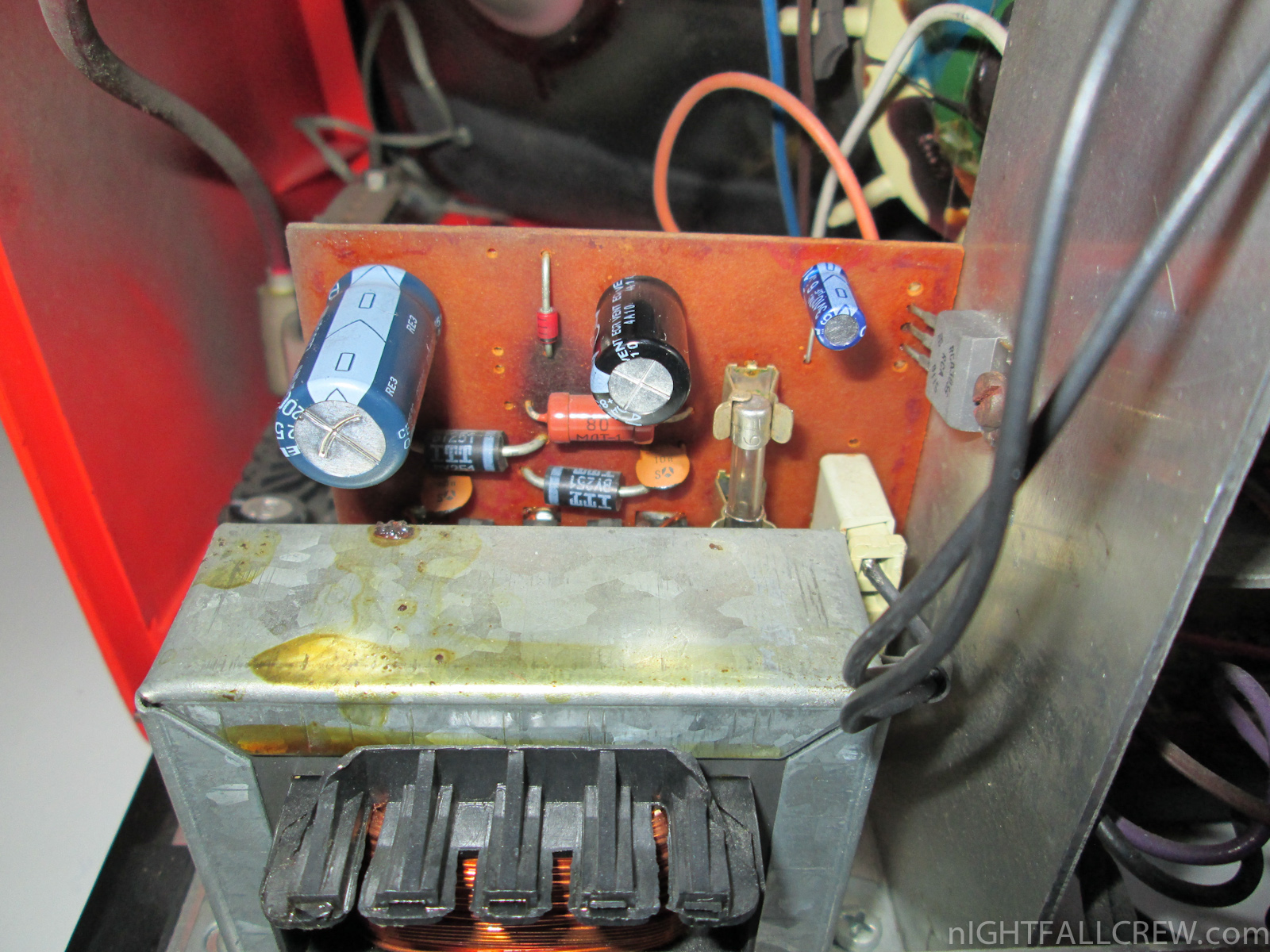
Autopsy:

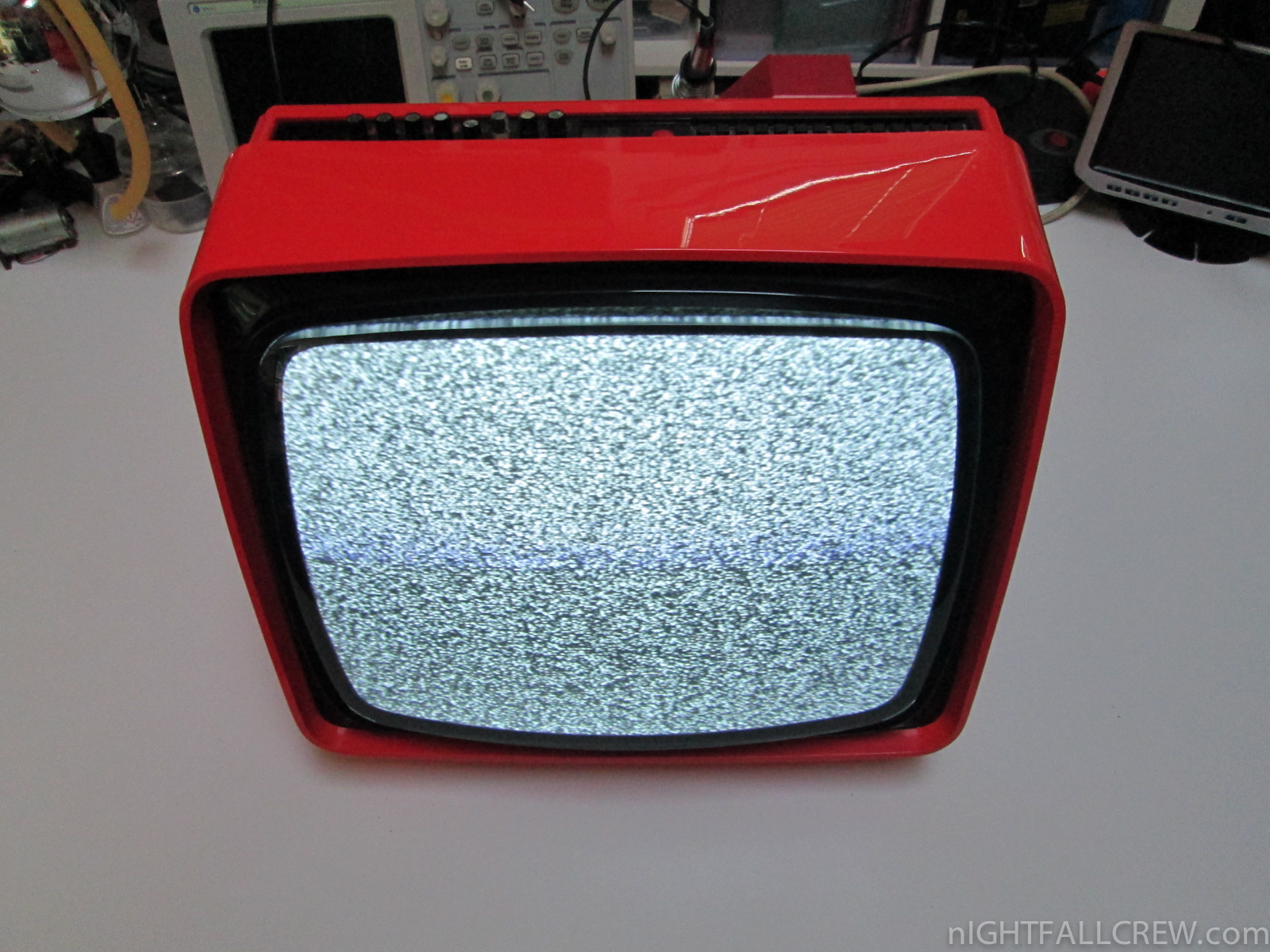
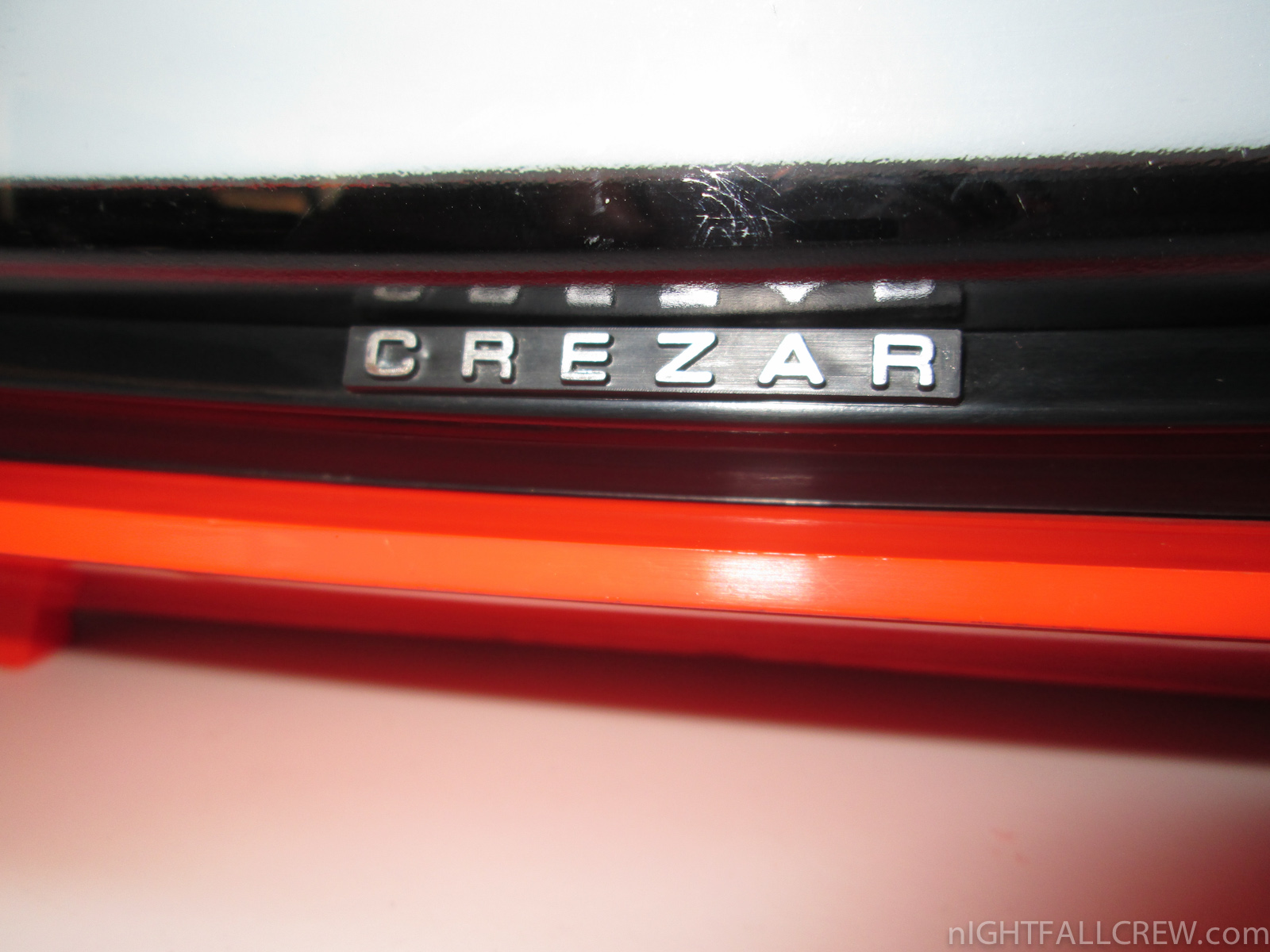
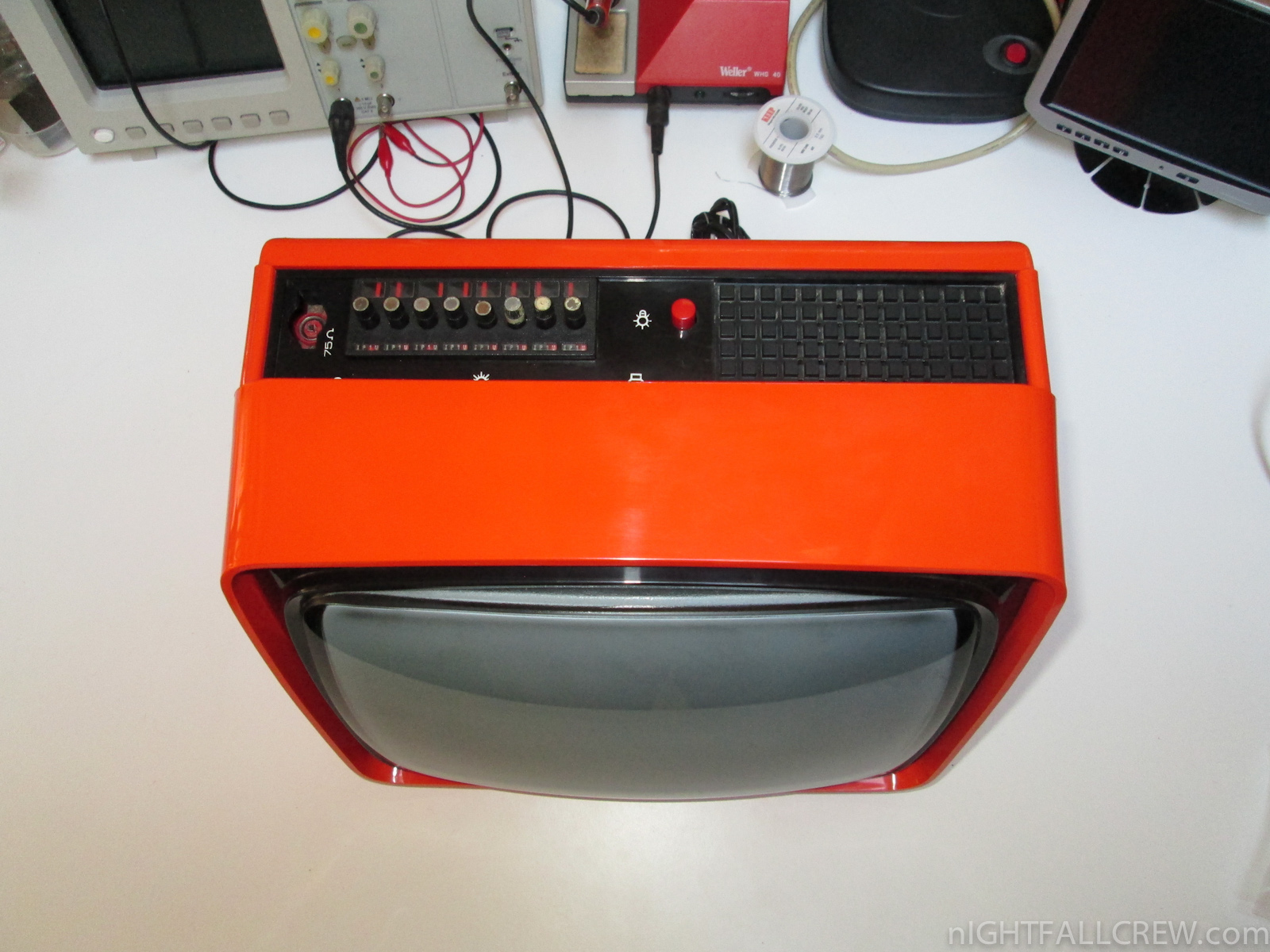
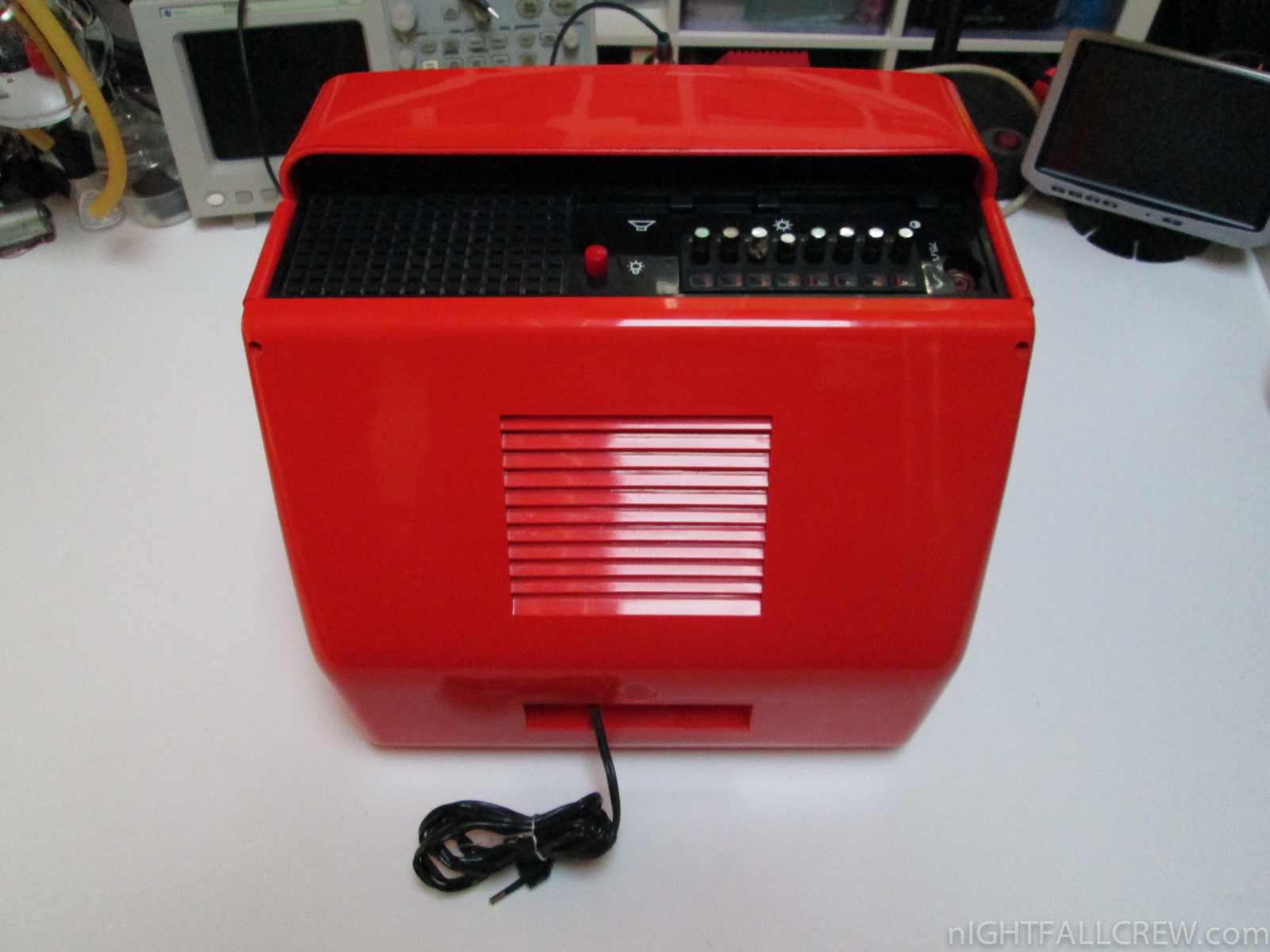
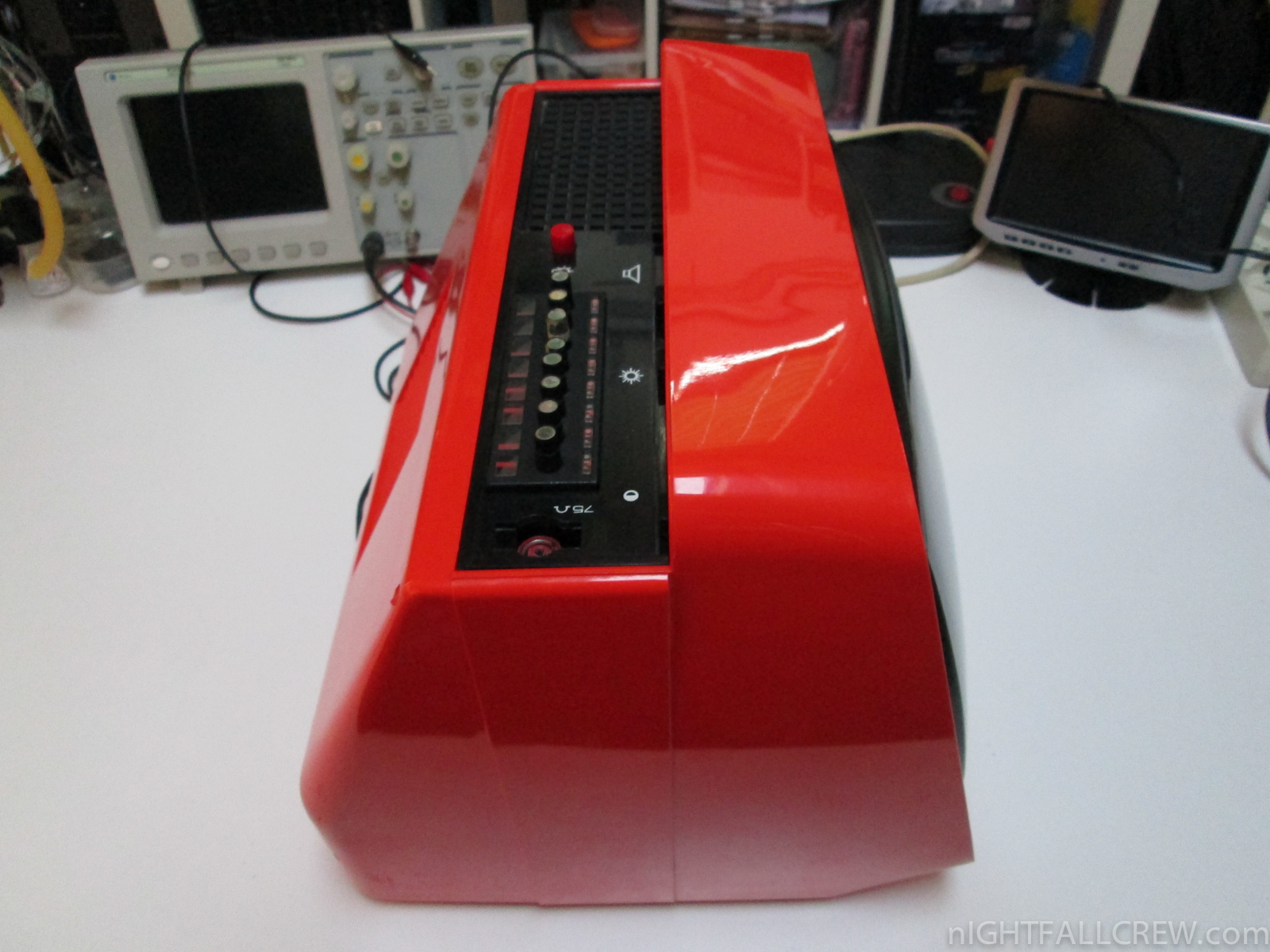
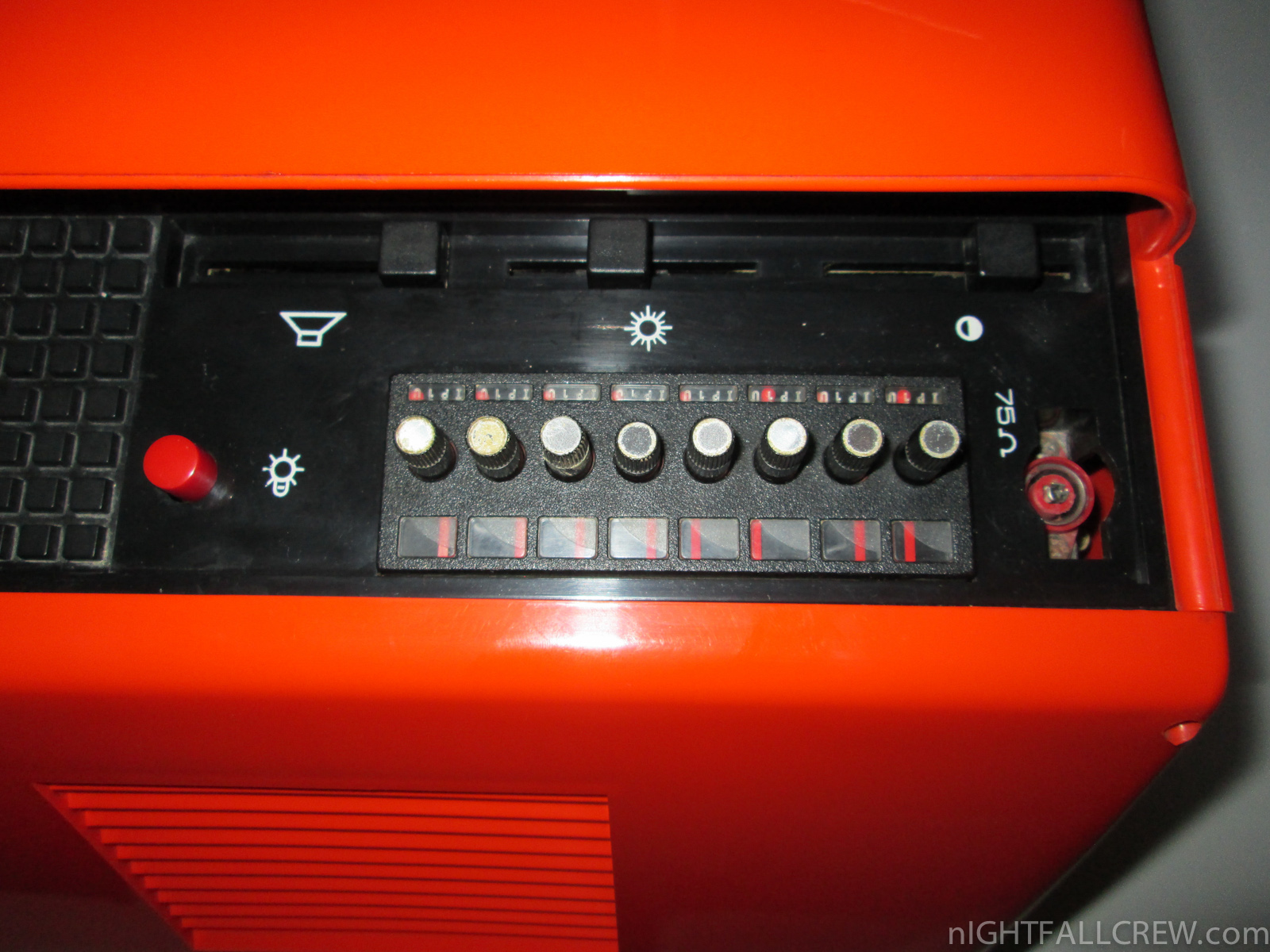
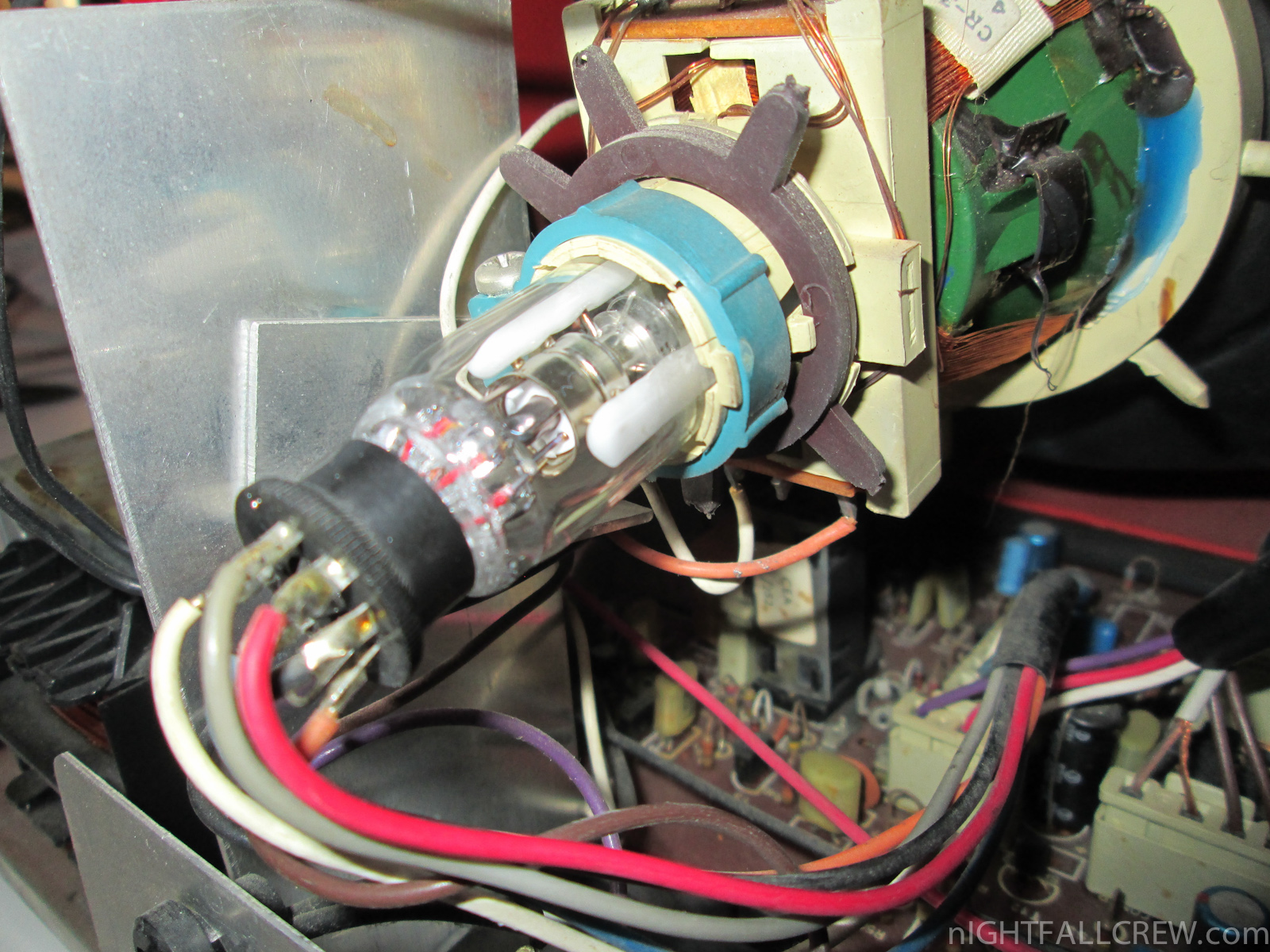
The Crezar CRT is a portable B/W television with 12 Inches screen format.

The quality of the picture are good even with a non excellent black level stabilization feedback, however was very reliable and almost faultless. Crezar was a little Italian manufacturer of cheap television sets in the 70′s. Crezar was a combination of  “Crespi e Zaretti” from Milano.

Video:

(Italian) Articolo sul Blog di Simone sulla riparazione dell’Atari 800XL

March 9th, 2013 No comments

Sorry, this entry is only available in Italian.

Categories: Event(s), News & Rumors, Today
(Italian) Jurassic News numero #46

March 8th, 2013 No comments

Sorry, this entry is only available in Italian.

Categories: Magazine, News & Rumors, Today

Stella v3.81 (multi-platform Atari 2600 VCS emulator)

March 7th, 2013 No comments

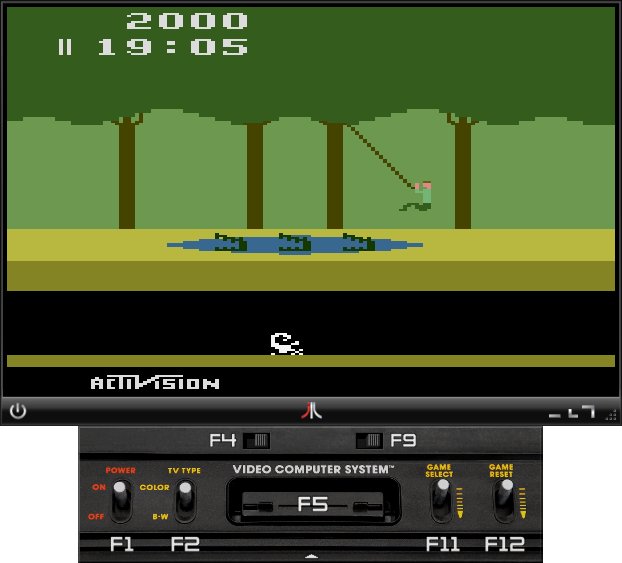
Stella release v3.8.1 for Linux, MacOS X and Windows is now available.

Changelog:

  • Added support for TIA RSYNC writes, thanks to Omegamatrix of AtariAge. This allows the recently released “Extra Terrestrials” ROM to run, as well as improving emulation of “Fatal Run” and several other test ROMs.
  • Fixed typo in TIA HMOVE writes, thanks to Thomas Jentzsch. This fixes the constant collision issues in “Kool-Aid Man”, and several other homebrew ROMs.
  • Fixed sound issues on OSX PPC machines (all sound was in little-endian format, but PPC is big-endian).
  • The OSX DMG archive now contains proper modification dates.

Download: Stella v3.81 (1324)

source: stella.sourceforge.net

Javatari v3.10 (Atari 2600 emulator)

March 6th, 2013 No comments

Javatari is a multiplayer Atari 2600 emulator written in pure Java with no external libs.

Features:

  • Unique Client-Server multiplayer mode. Runs great in low-latency networks such as LANs.
  • Cheat and turn off Collisions. Finally discover the ending of River Raid!
  • Complete Save State/Load State functions.
  • Scanlines and TV screen emulation modes.
  • Real Atari console user interface.

Changelog;

  • Better compatibility in Linux and Mac OSX.
  • AdAdded Joystick support (Windows and Linux):
    • Fully selectable axes with deadzone adjustment.
    • Paddles analog emulation with adjustable sensitivity and centering
    • Other console controls can be mapped to Joystick buttons

Download: Javatari JAR v3.10 (Needs Java 6) (918)

source: javatari.org

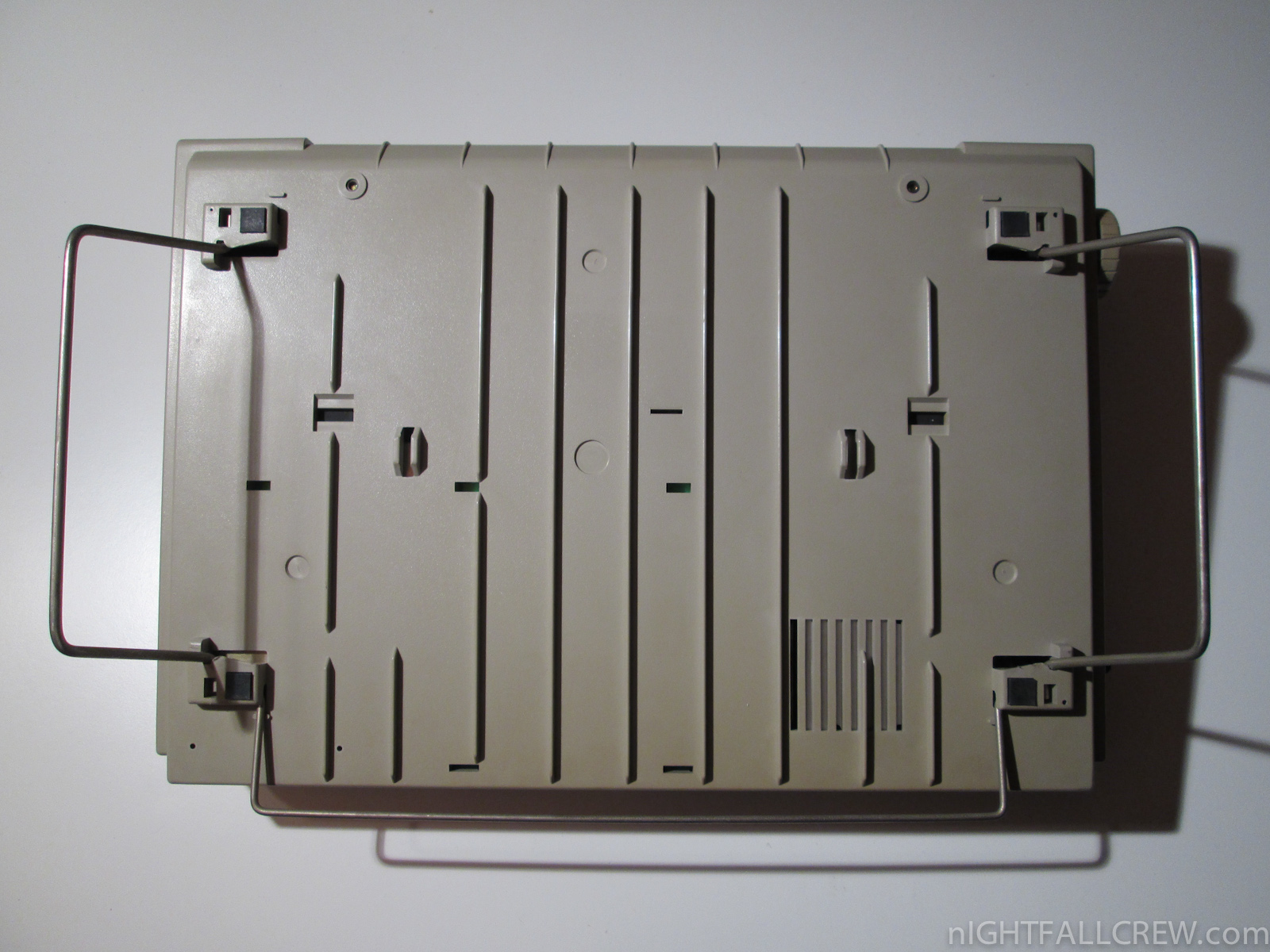
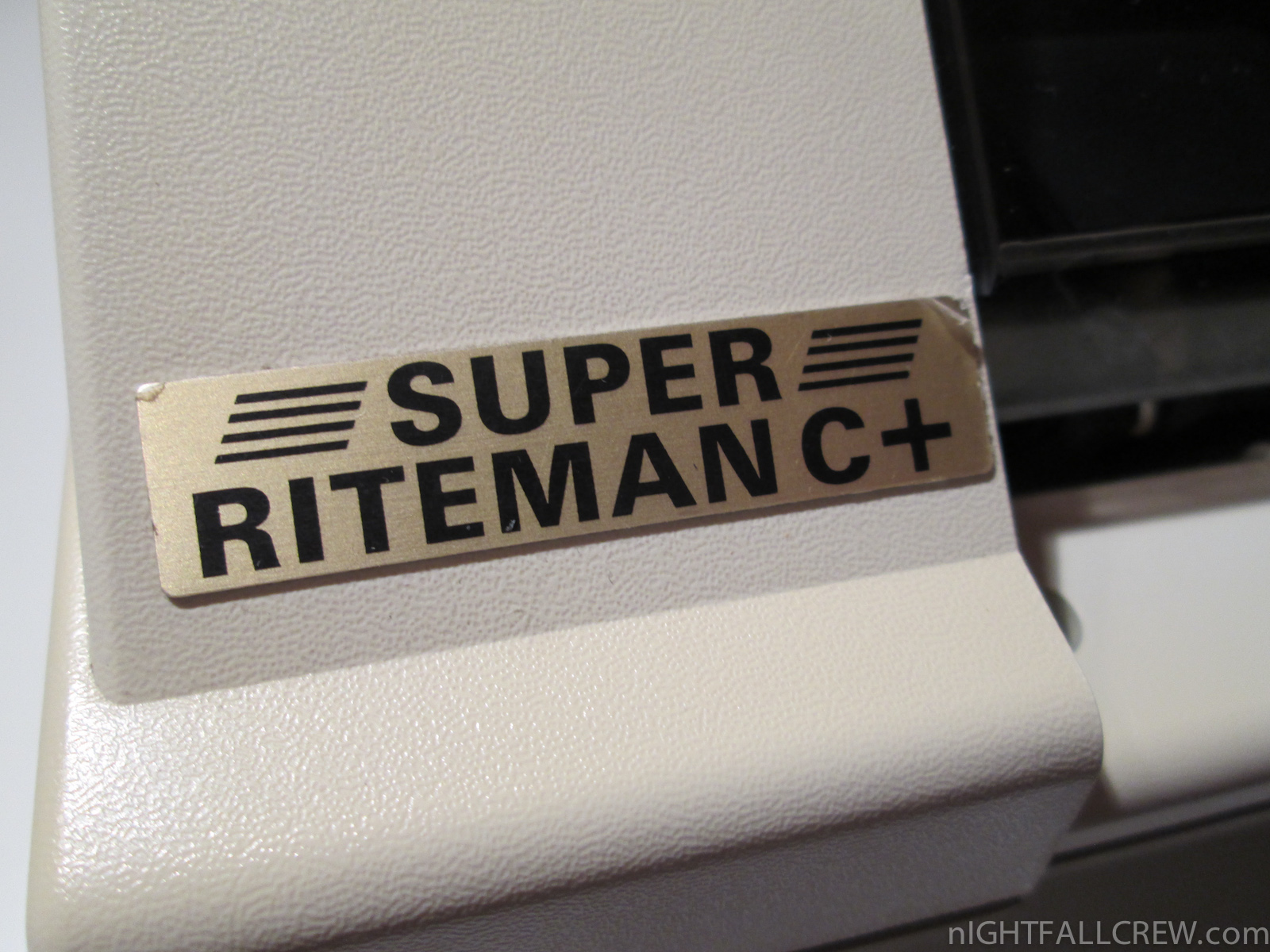
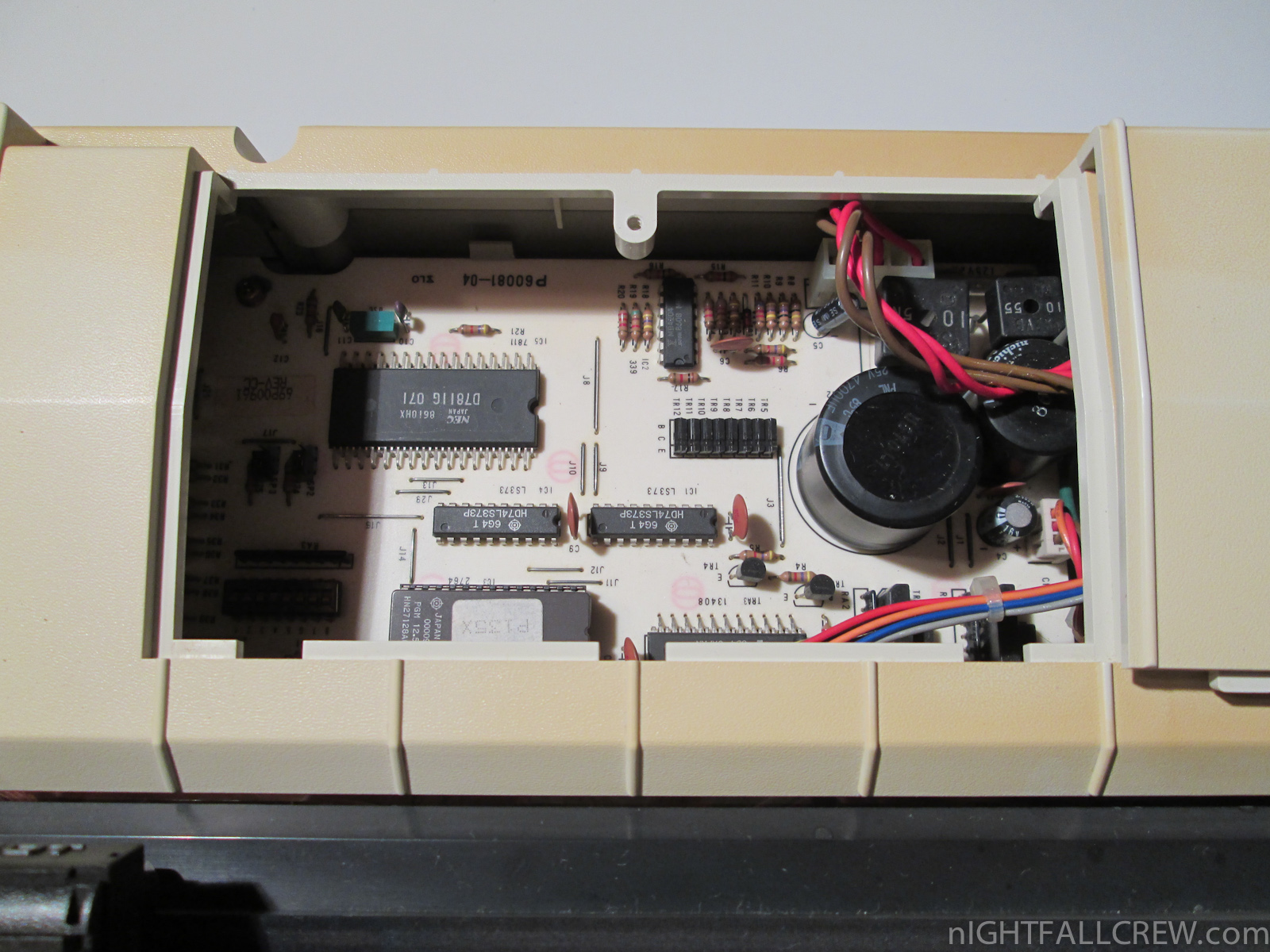
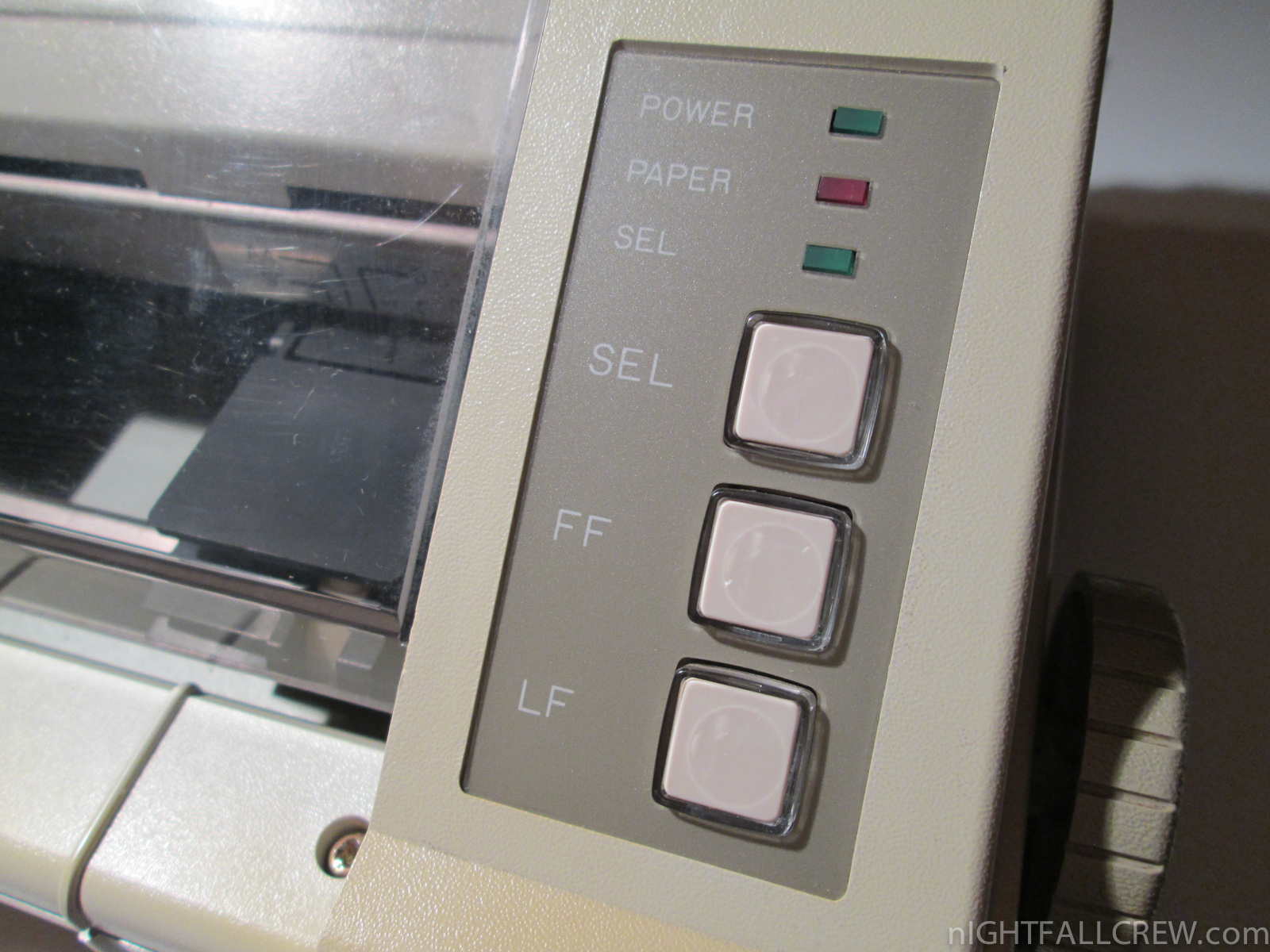
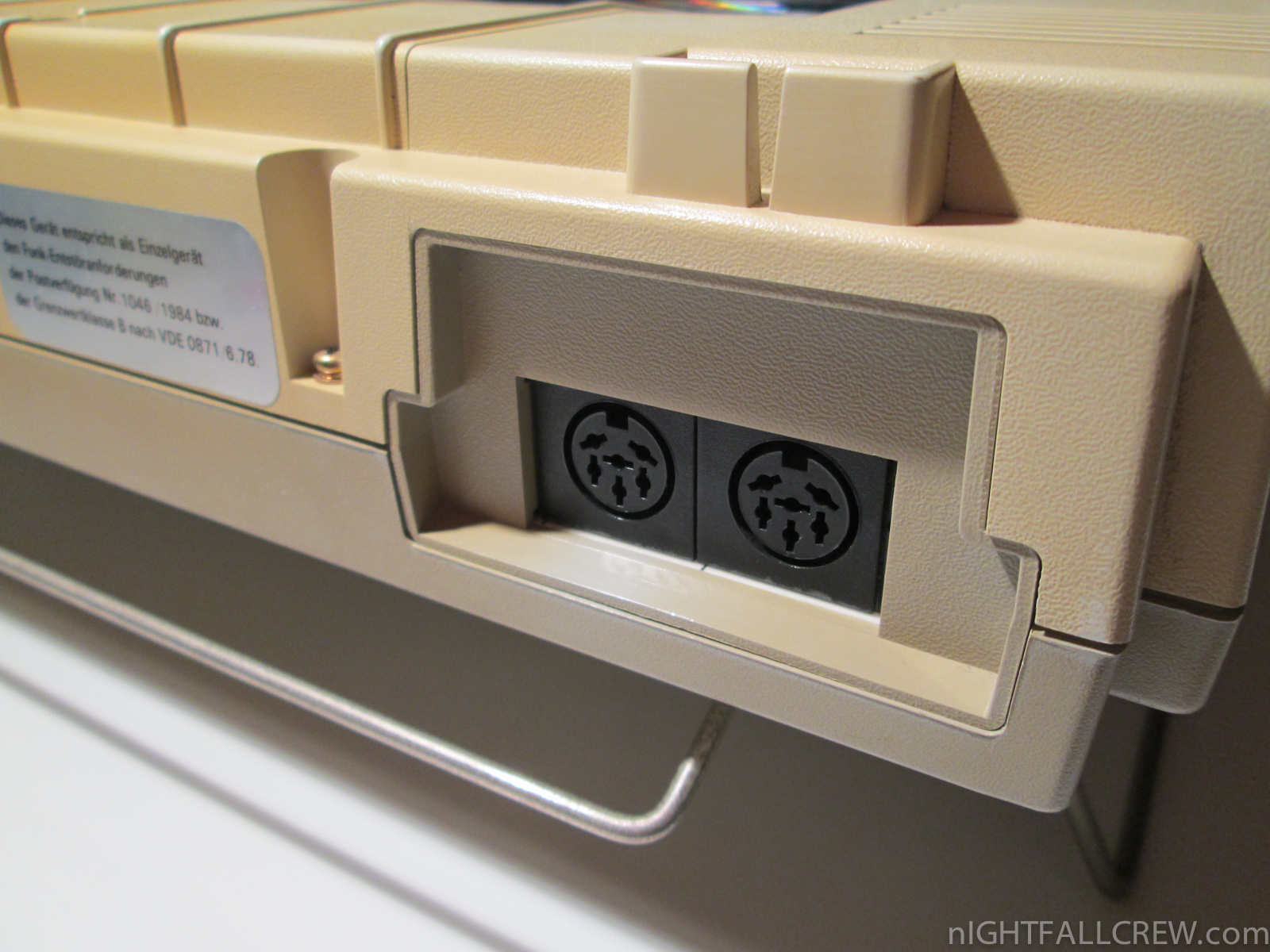
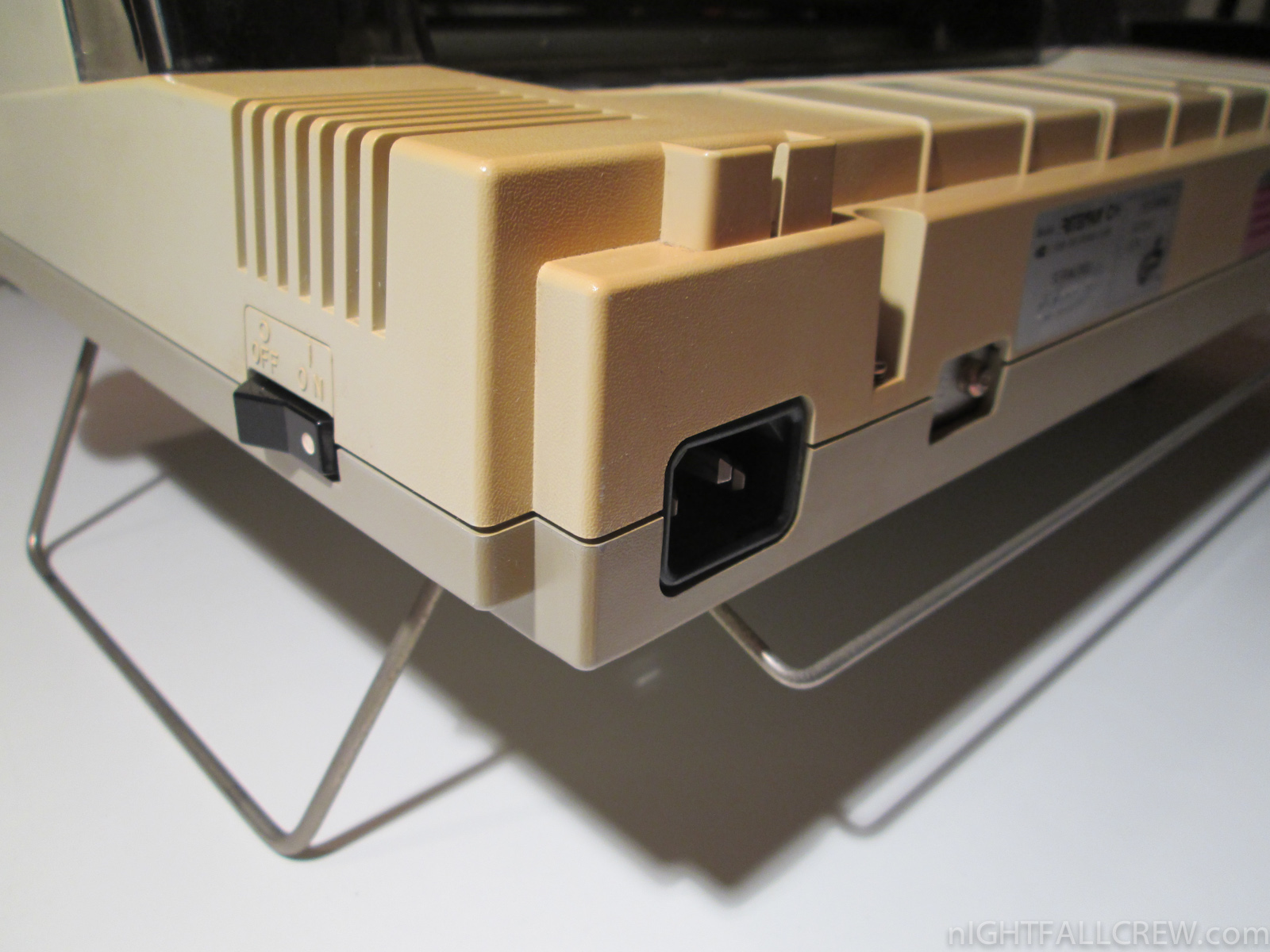
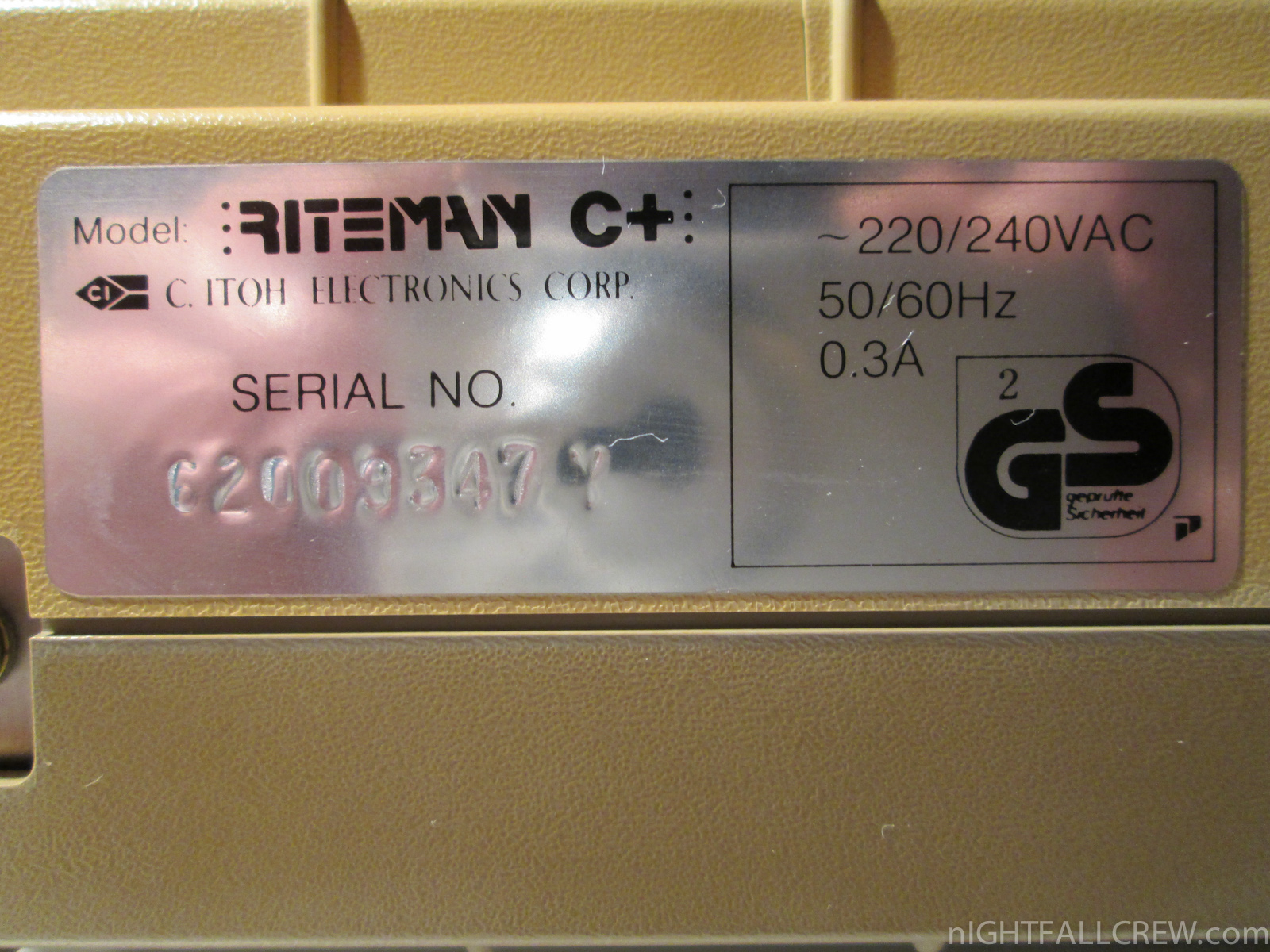
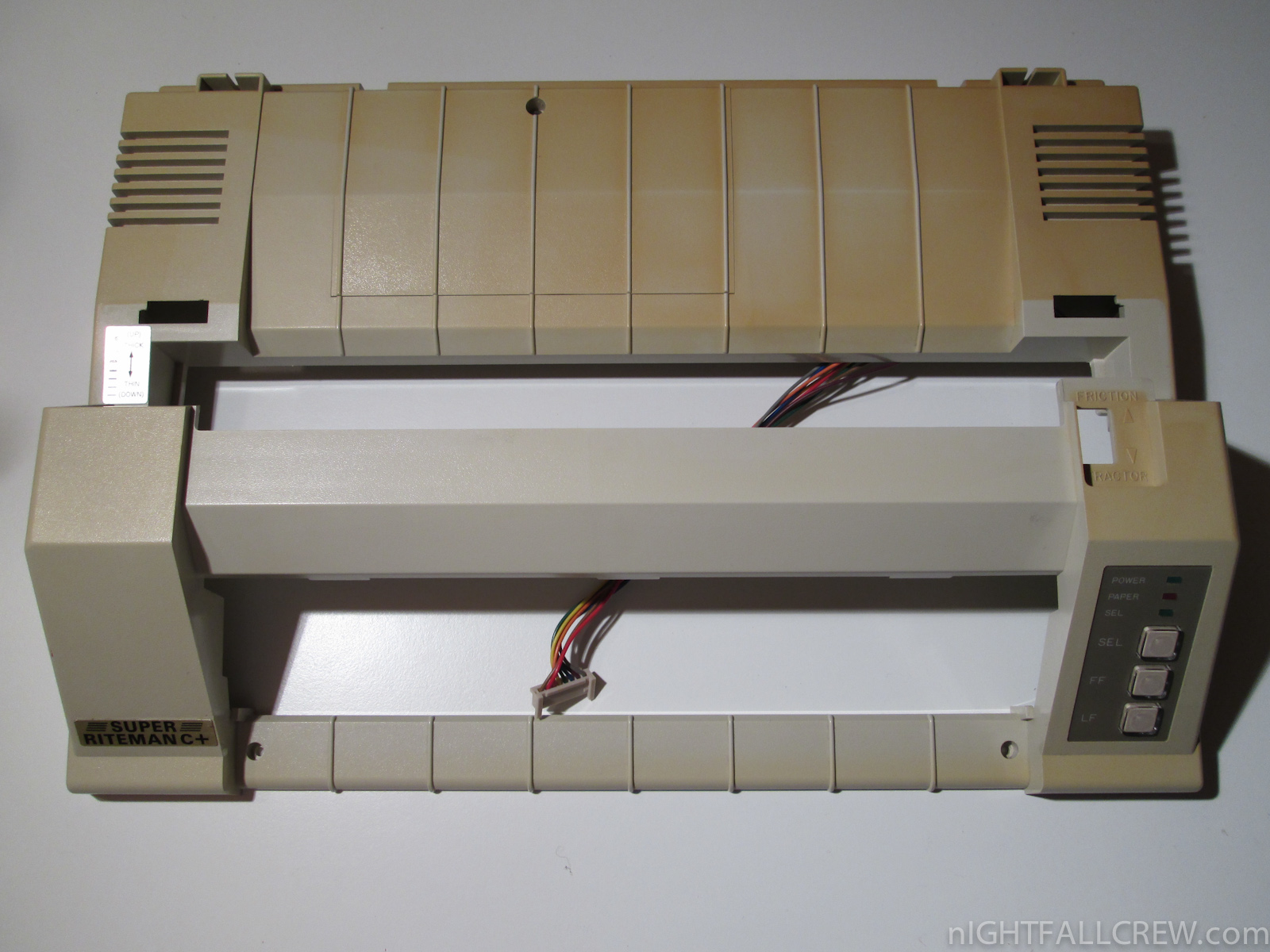
New donation: Super Riteman C+ a Printer for C64/128

March 5th, 2013 No comments
Super Riteman C+

Autopsy:

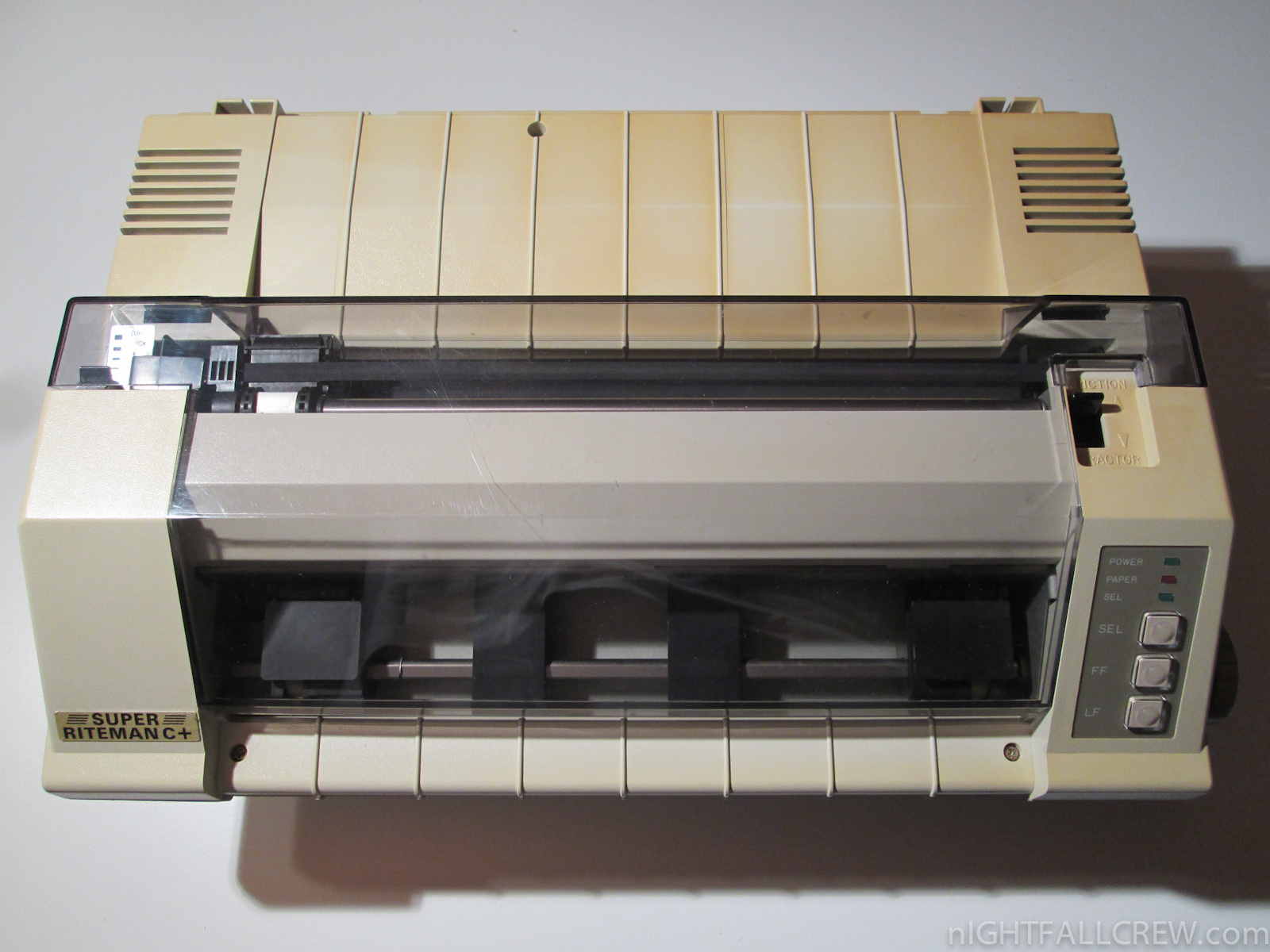
Super Riteman C+ is a Printer for Commodore 64/128 donated by Damiano Colombari (Manosoft). Thanks Damiano.

C64 Game: Q-hop +4GD / Assembloids +2HD / Shaolin+ +2HD…

March 5th, 2013 No comments

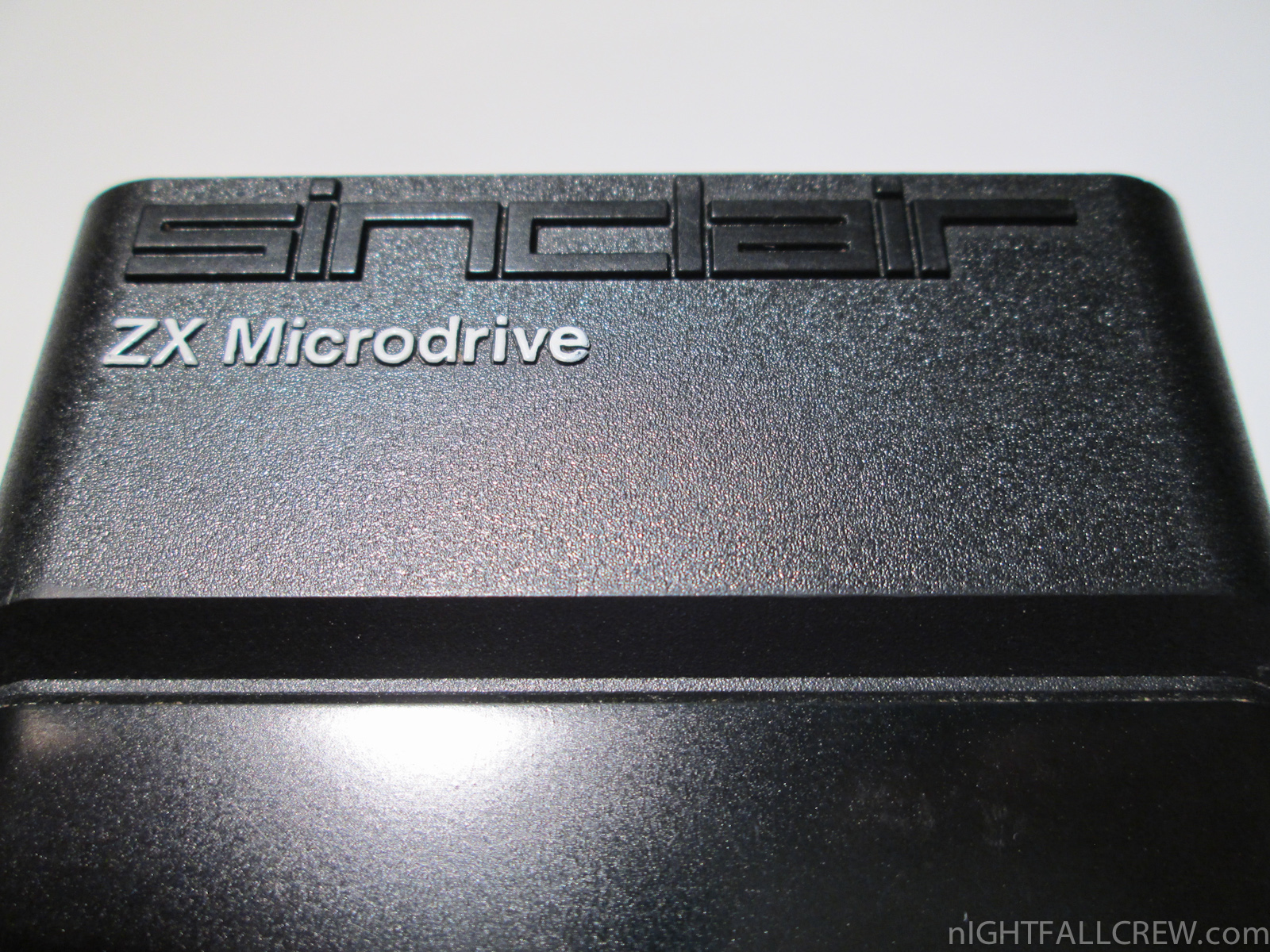
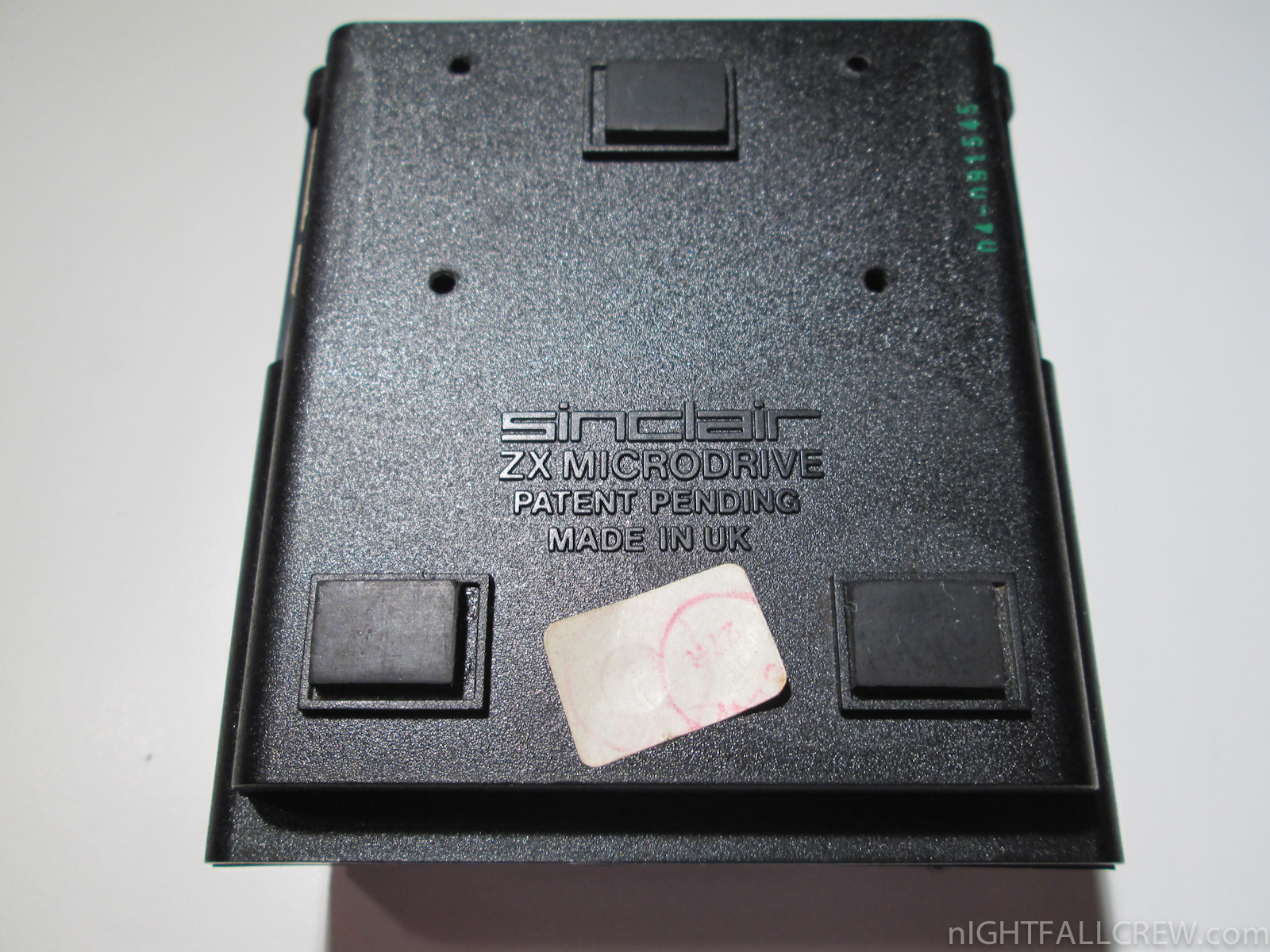
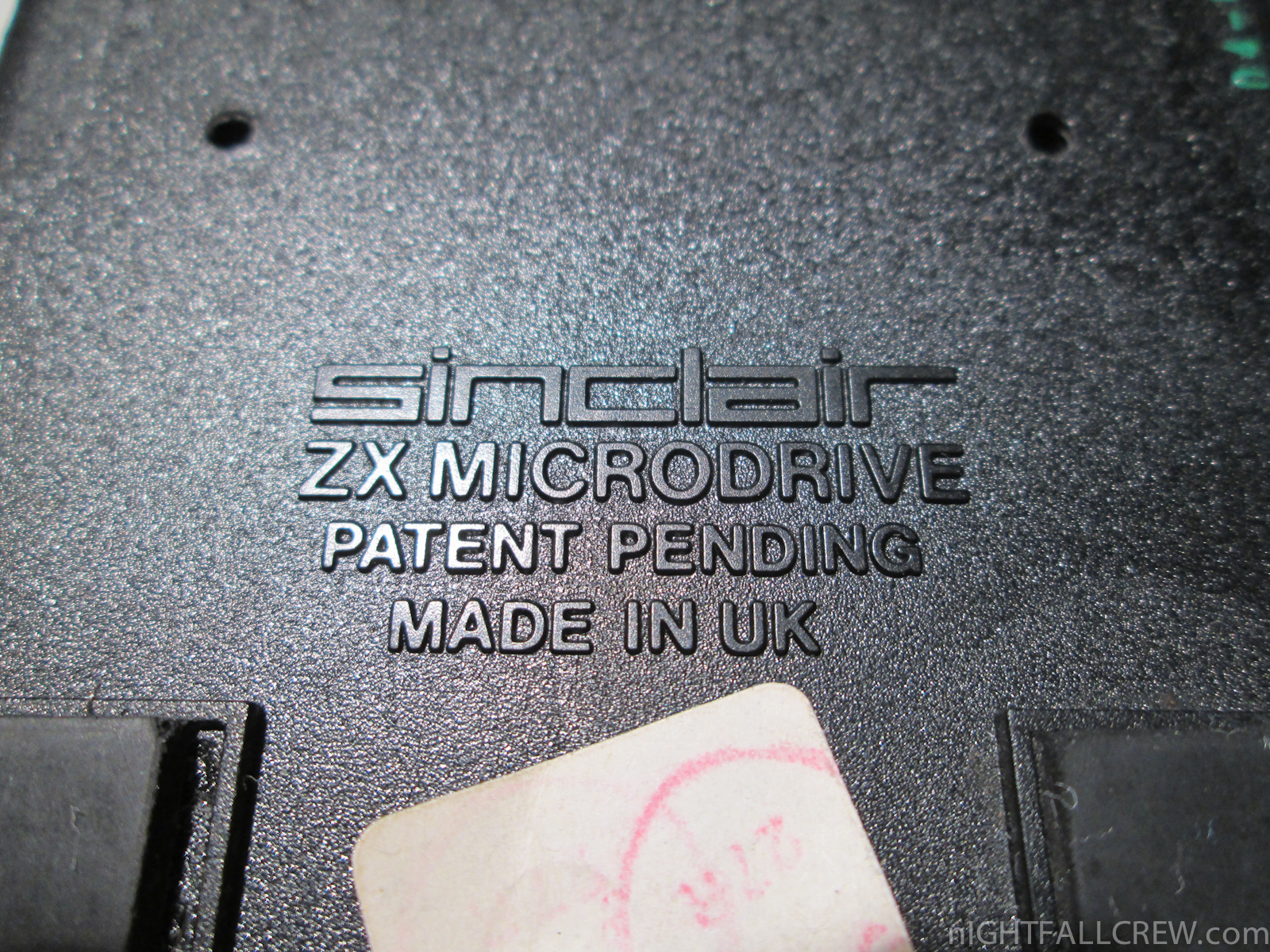
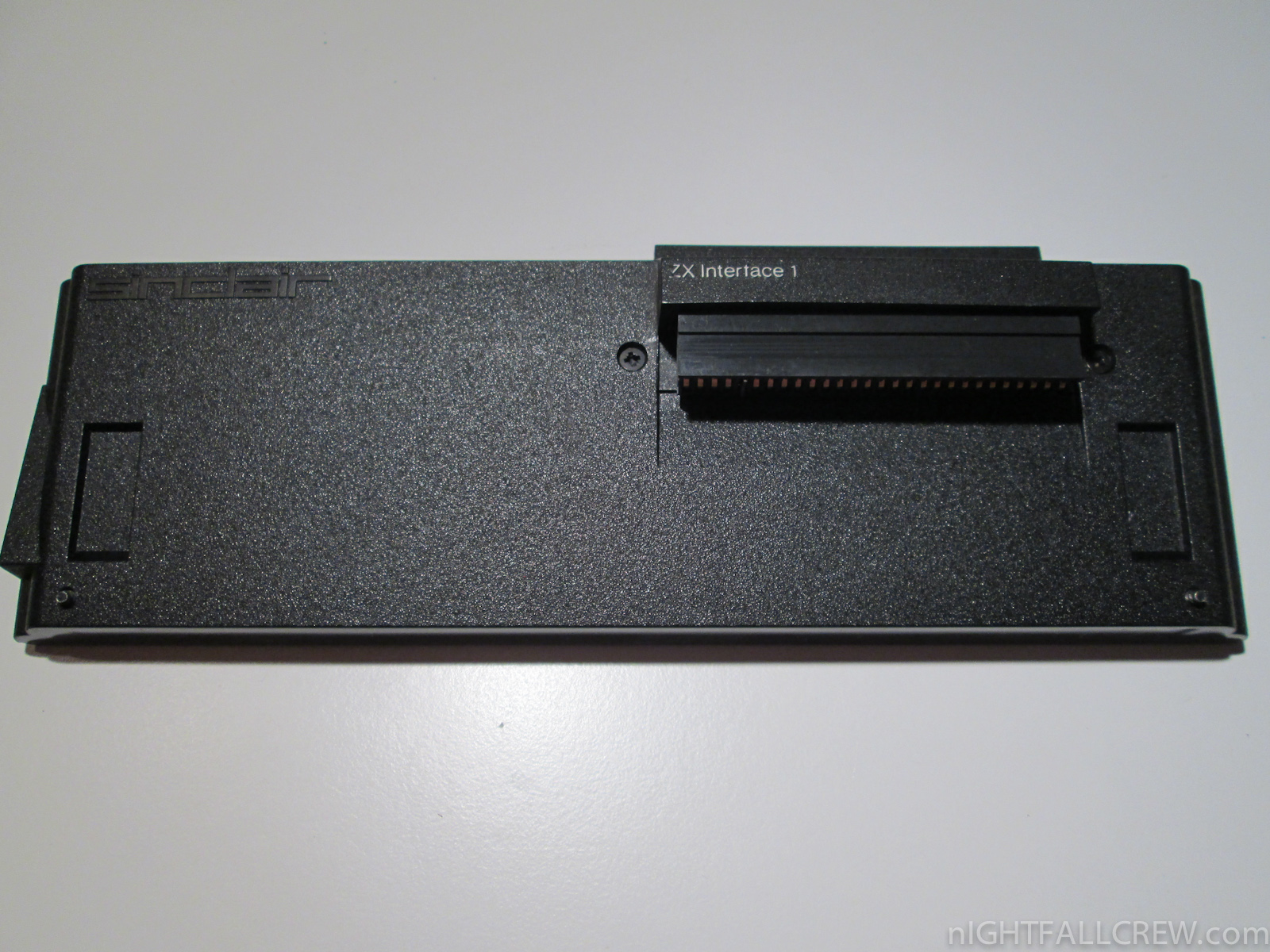
Sinclair ZX Interface 1 + ZX Microdrive

March 4th, 2013 No comments
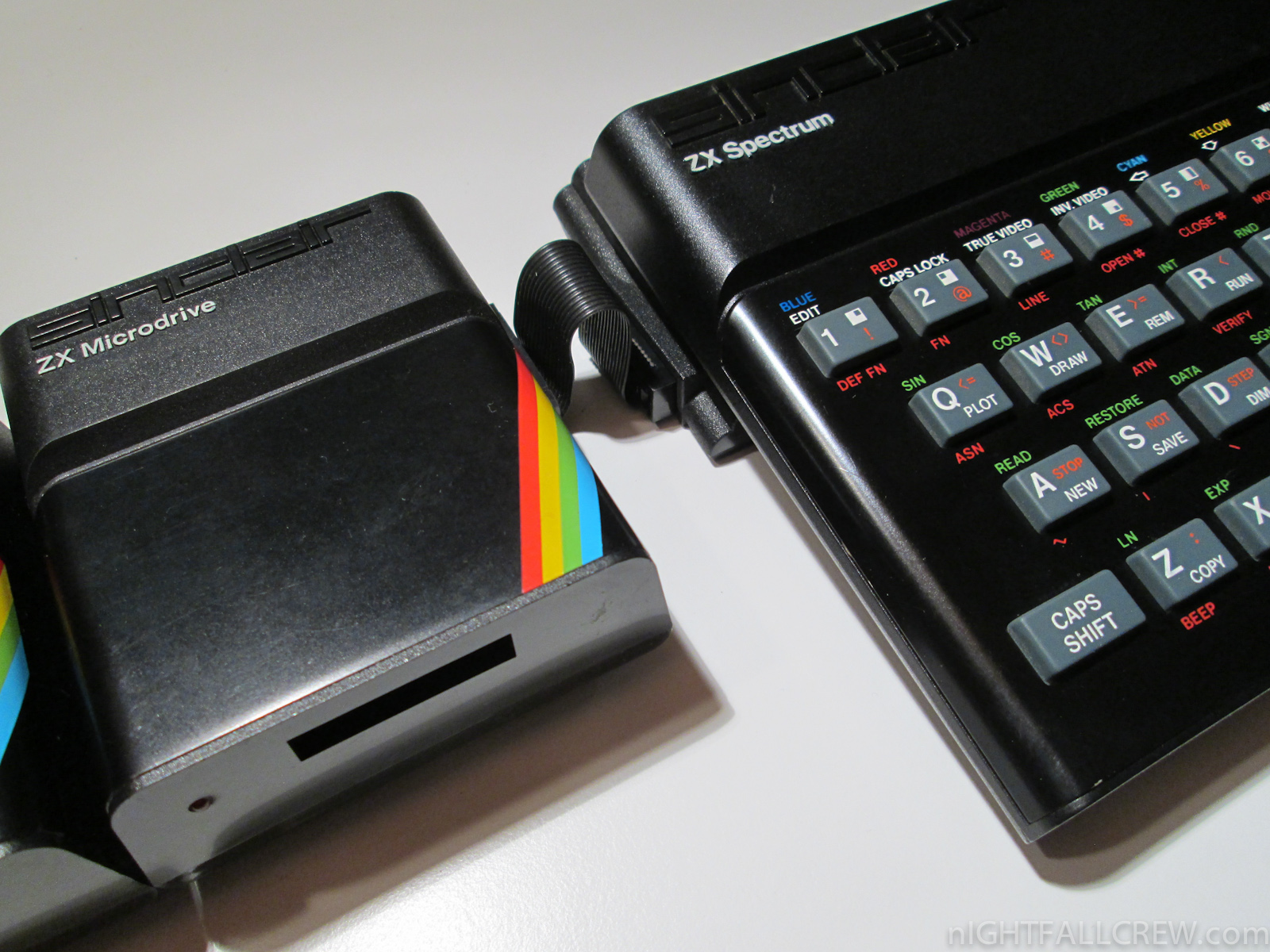
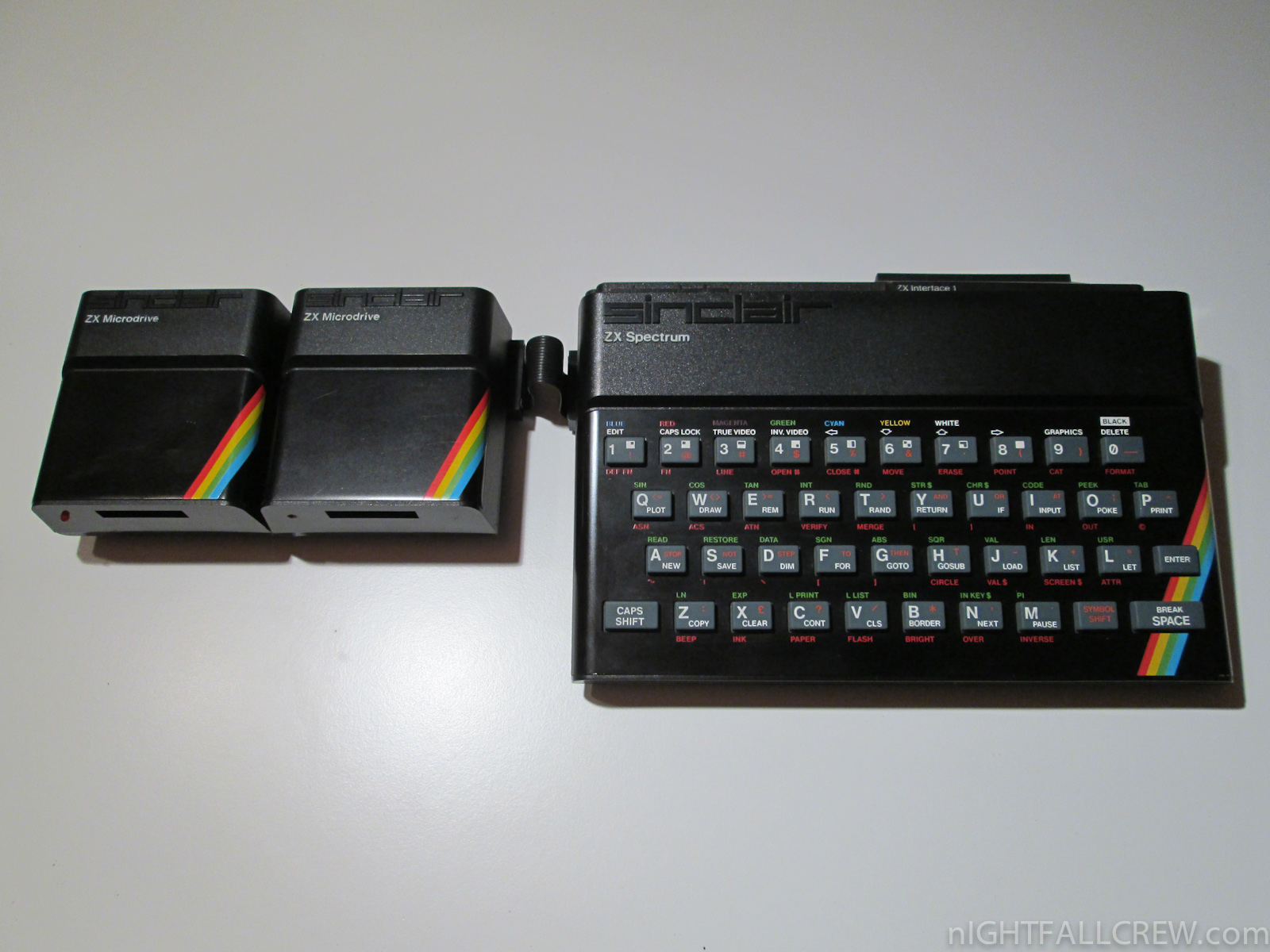
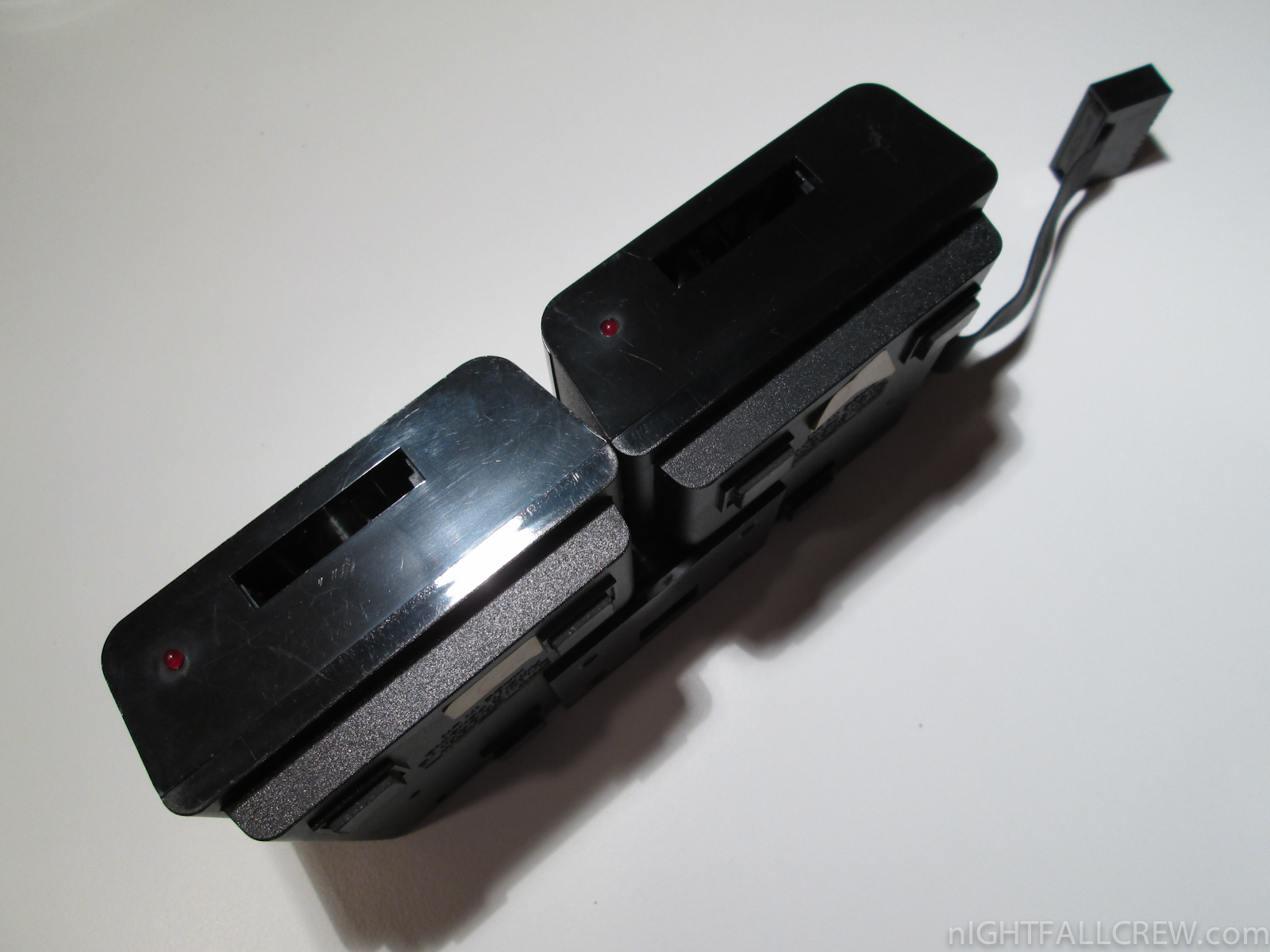
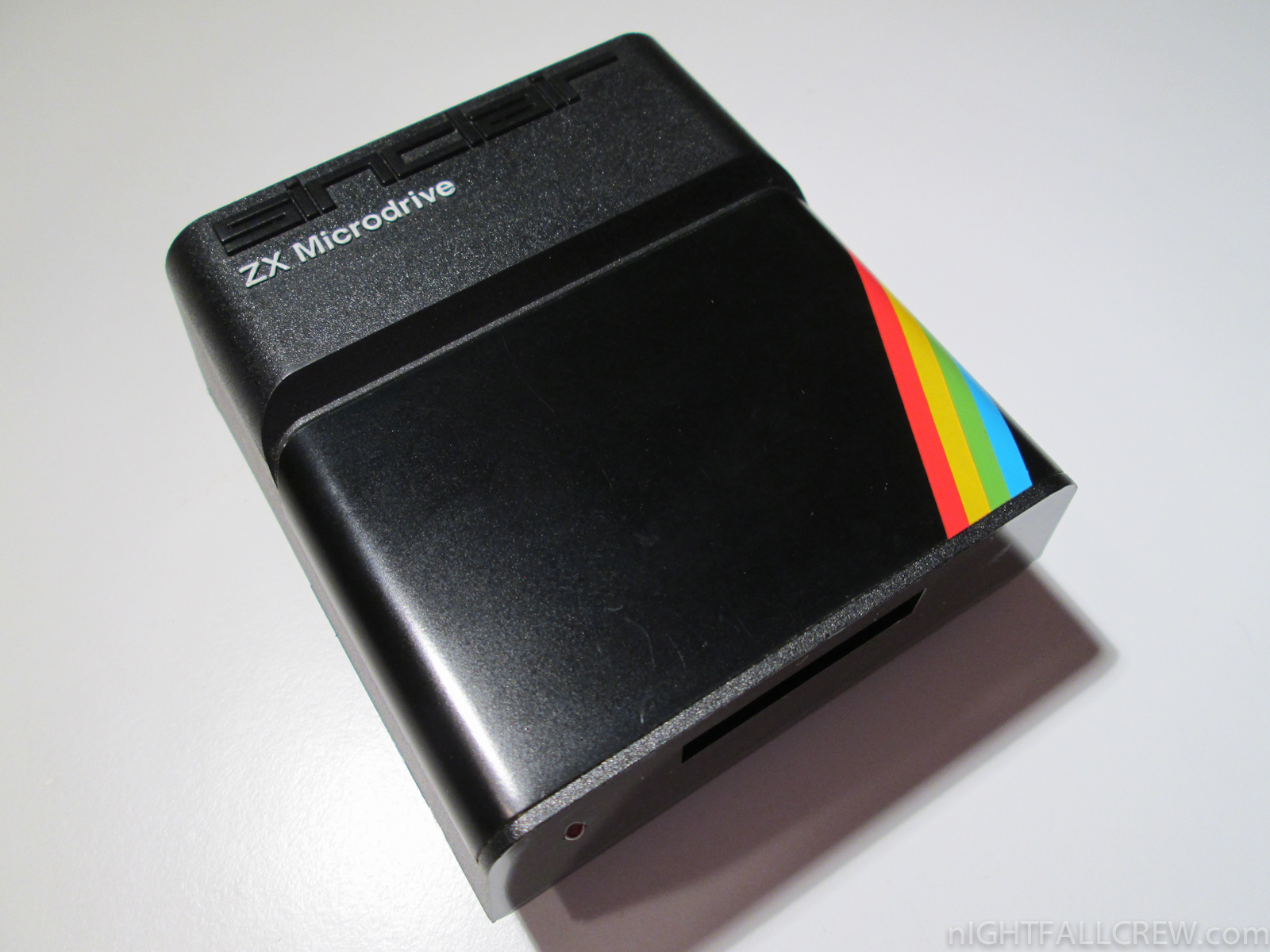
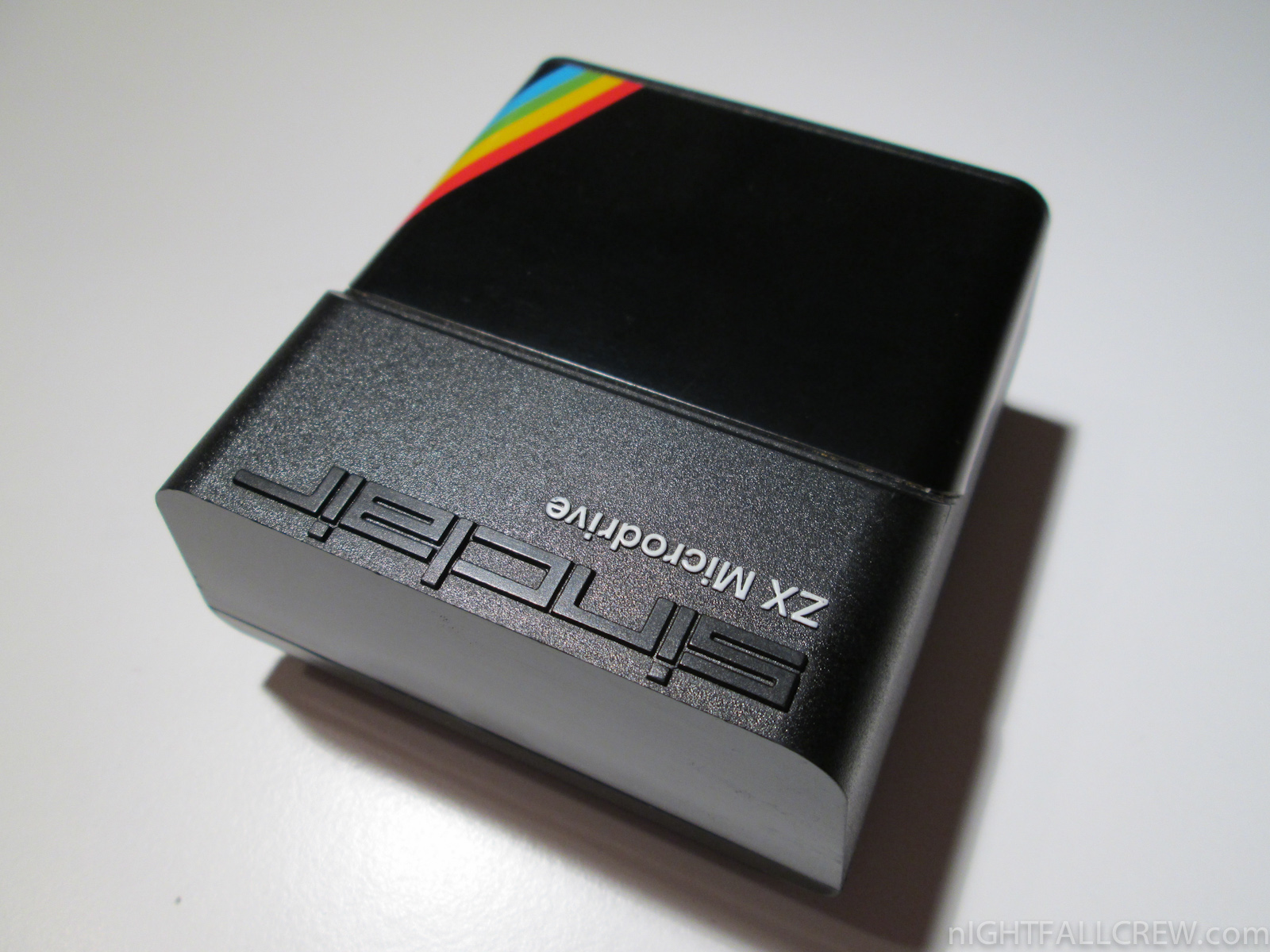
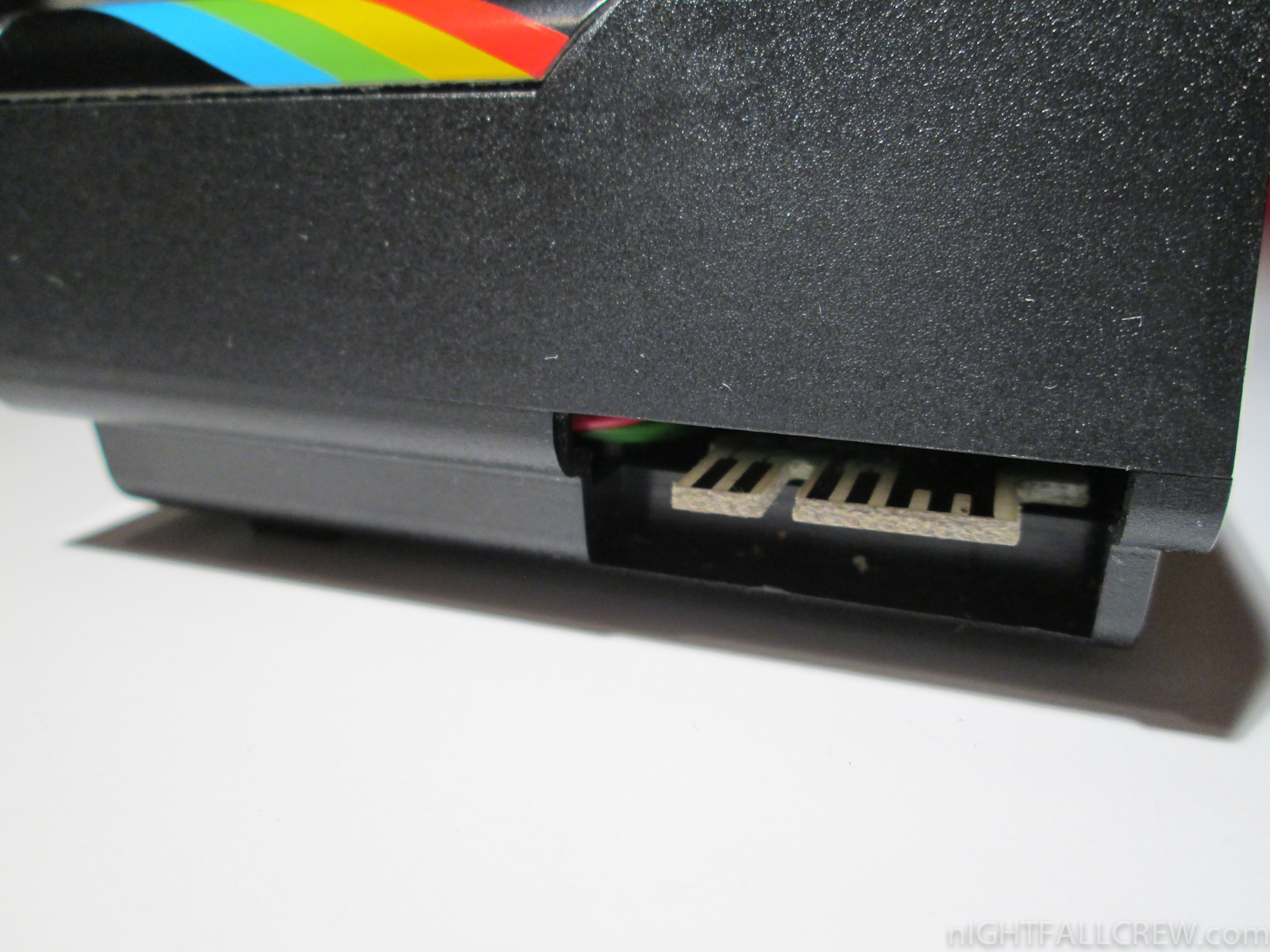
ZX Microdrive and Spectrum close-up

Autopsy:

from Wikipedia:

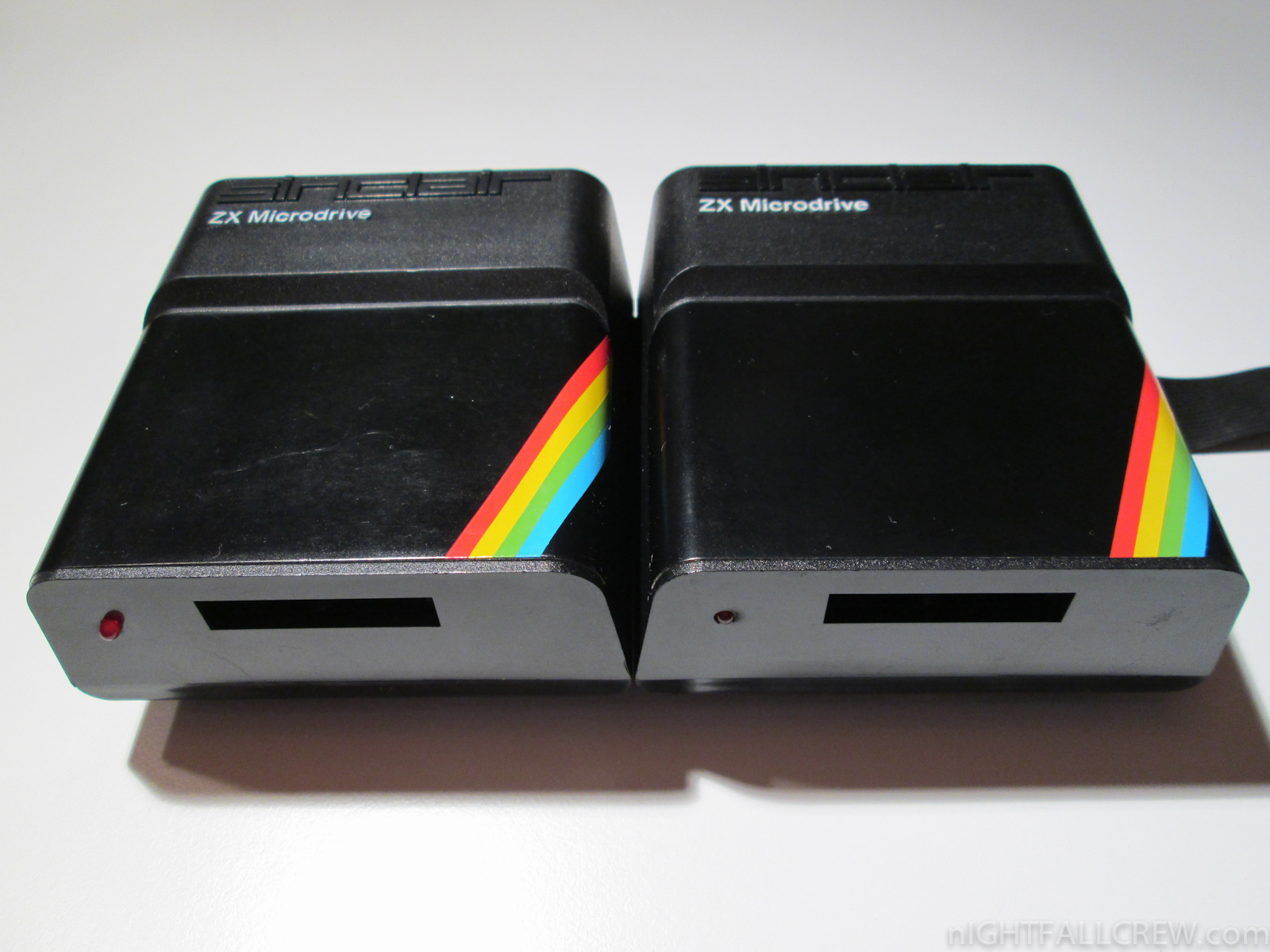
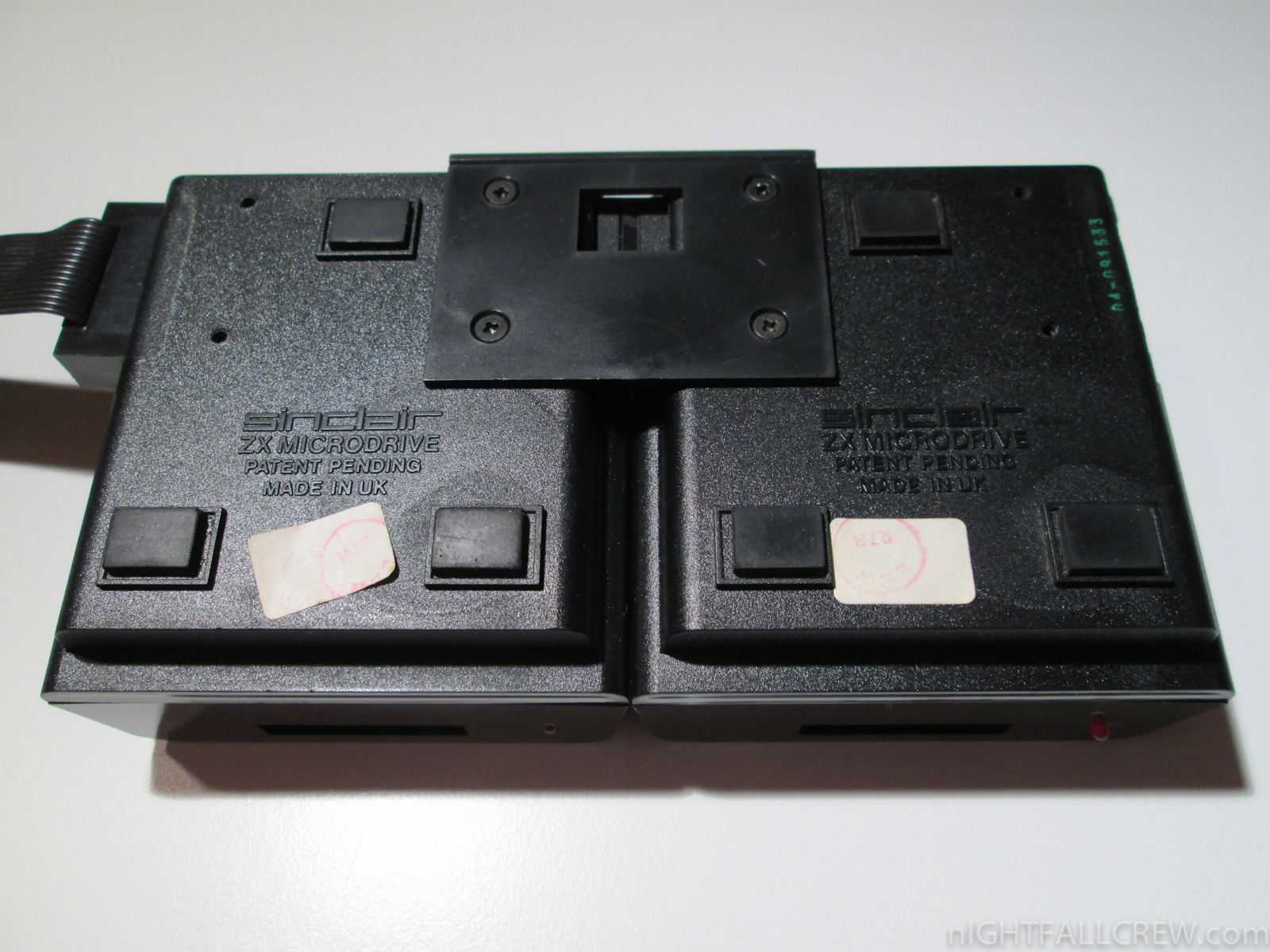
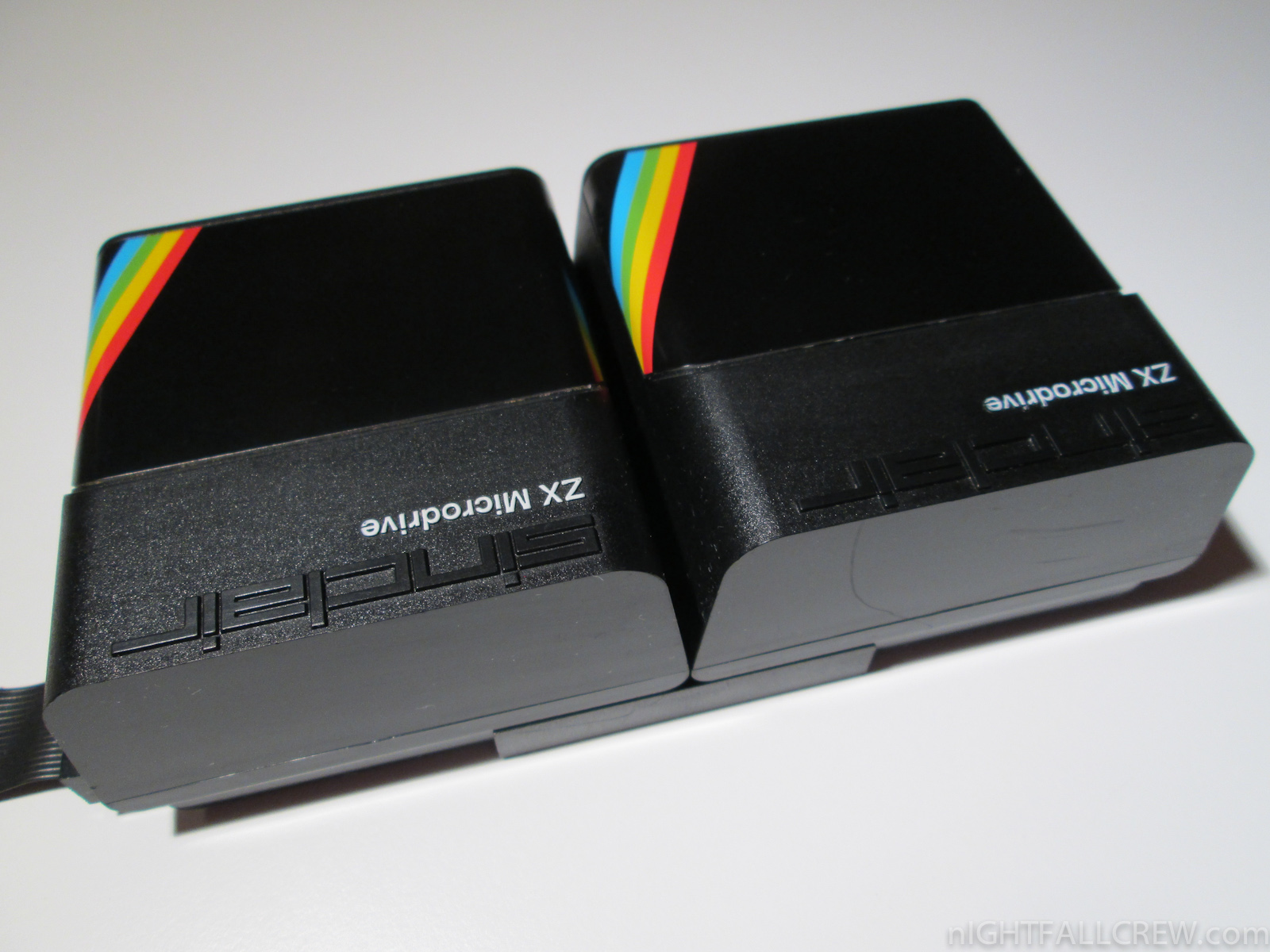
ZX Microdrive

The ZX Microdrive was a magnetic tape data storage system launched in July 1983 by Sinclair Research for its ZX Spectrum home computer. The Microdrive technology was later also used in the Sinclair QL and ICL One Per Desk personal computers.

Microdrives used tiny (44 × 34 × 8 mm including protective cover) cartridges containing a 5-metre (200-inch) endless loop of magnetic tape, 1.9 mm wide, driven at 76 cm/second (30 in/second); thus performing a complete circuit in approximately 8 seconds. The cartridges held a minimum of 85 kB when formatted on a ZX Microdrive (exact capacity depended on the number of “bad” sectors found and the precise speed of the Microdrive motor when formatting). The data retrieval rate was 15 kB/s, i.e., 120 kbit/s. It was possible to “expand” the capacity of a fresh microdrive cartridge by formatting it several times. This caused the tape to stretch slightly, increasing the length of the tape loop so that more sectors can be marked out on it. This procedure was widely documented in the Sinclair community magazines of the 1980s.

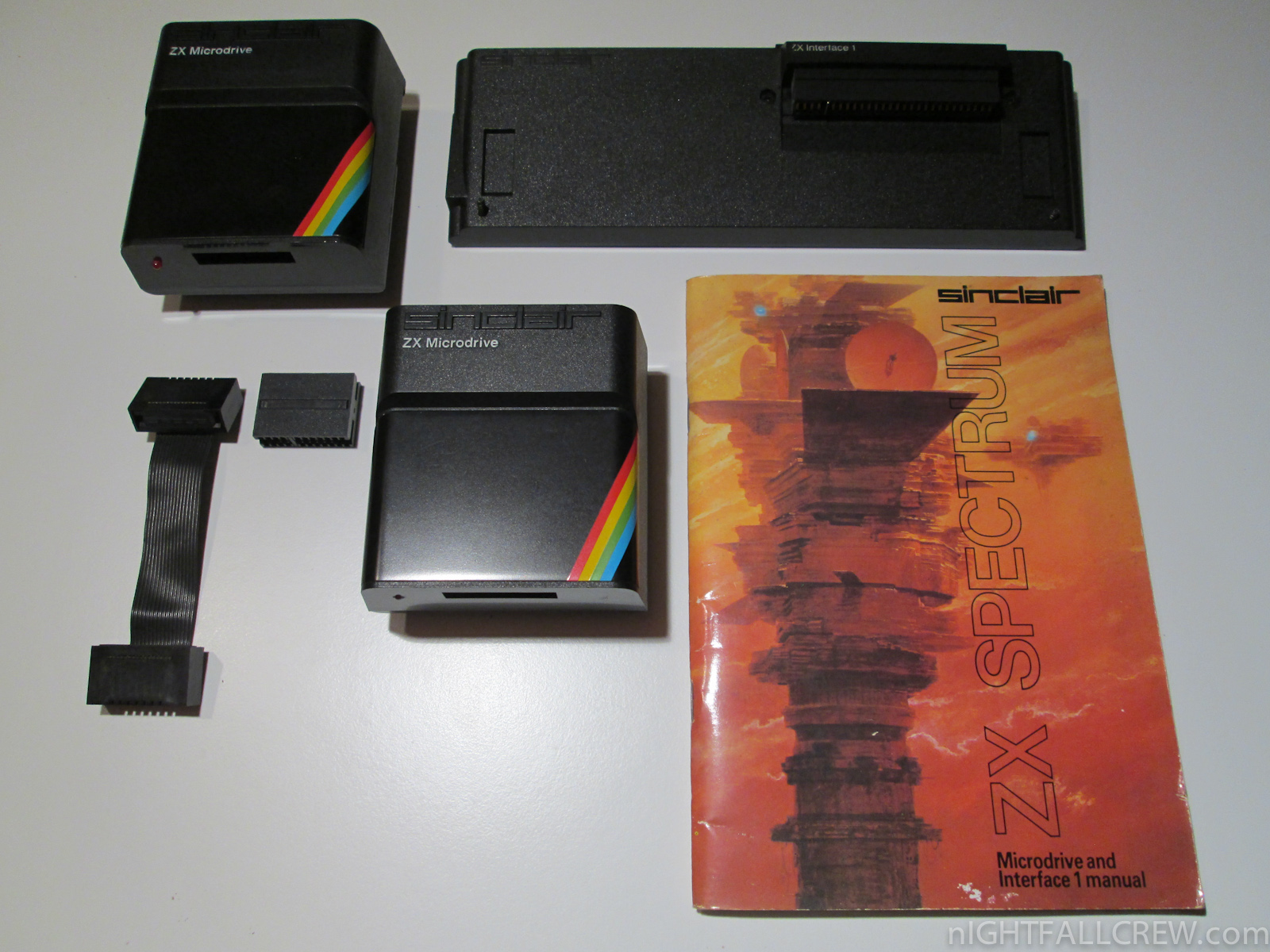
ZX Interface 1

A peripheral from Sinclair Research for its ZX Spectrum home computer, the ZX Interface 1 was launched in 1983. Originally intended as a local area network interface for use in school classrooms, it was revised before launch to also act as the controller for up to eight ZX Microdrive high-speed tape-loop cartridge drives. It also included a DE-9 RS-232 interface capable of operating at up to 19.2 kbit/s — a rare instance of Sinclair using an industry-standard connector. At hardware level it was mainly a voltage adapter, the serial protocol being implemented in software by bit-banging. This led to problems when receiving data, but not when transmitting.

A wedge-shaped device fitting underneath the ZX Spectrum, ZX Interface 1 contained 8 kB of ROM comprising the control software for the Microdrives, RS-232 port and network interface. This extended the error handler in the Sinclair BASIC to allow extra keywords to be used. As this became an official standard, other developers quickly used this mechanism to create language extensions to Sinclair BASIC.

Download: ZX Microdrive and Interface 1 Manual (PDF) (1194)

source: wikipedia

CBM FileBrowser v1.5 by NBLA000

March 3rd, 2013 No comments

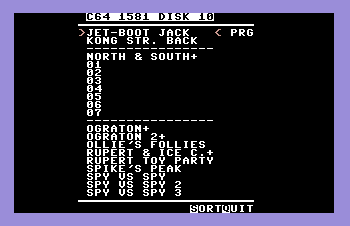
This program works as a program launcher for Commodore machines. Even if it was originally intended for a device with sd2iec firmware, it works also with any CBM drive (without sd2iec functions of course).

It is a multi-system version derived from the discontinued sd2brwse v.0.6 by Hannu Nuotio (fork() of sdbrowse v.0.7)

The Vic-20 Mega-Cart Installer is based on sys.asm sources of mega-tools by Daniel Kahlin, sort routine by Michael Kircher.

Current supported machines:

  • C64.
  • C64DTV.
  • Vic-20 unexpanded.
  • Vic-20 +3K RAM.
  • Vic-20 +8K RAM or plus (for FE3 use this version)
  • Vic-20 with Mega-Cart.
  • C16 / C116 / Plus4.
  • C128 in 64 mode.
  • C128 80 Columns.

Changelog:

  • v.0.1 – 01-Sep-2009 (Start of project, C64/C64DTV only)
  • v.0.2 – 21-Oct-2009 (First working version for Vic-20 +8K RAM)
  • v.0.3 – 06-Jan-2010 (Added memory config auto-detection for Vic-20 selected program)
  • v.0.4 – 19-Jan-2010 (Added support for Vic-20 with Mega-Cart and manual start mode)
  • v.0.5 – 10-Feb-2010 (Added support for Vic-20 unexpanded and Vic-20 +3K RAM)
  • v.1.0 – 05-Mar-2010 (First public version, minor issues fixed, C64 and Vic-20 supported)
  • v.1.1 – 22-Jun-2010 (Added support for D41 and DNP file images, sd2iec firmware v.0.9.0 or higher required)
  • v.1.2 – 09-Oct-2010 (Added SJLOAD speed-up option to the manual mode of the Mega-cart version)
  • v.1.3 – 31-May-2012 (Added support for C16/C116/Plus4, Sort directories, cosmetic changes)
  • v.1.4 – 19-Jul-2012 (Added JIFFYDTV speed-up support for C64-DTV, Clear screen before RUN)
  • v.1.5 – 03-Mar-2013 (Added support for C128, and uppercases disk images D64,D81,D71 etc.)

Download: CBM FileBrowser v1.5 (4119)

source: vic20.it/cbmfilebrowser

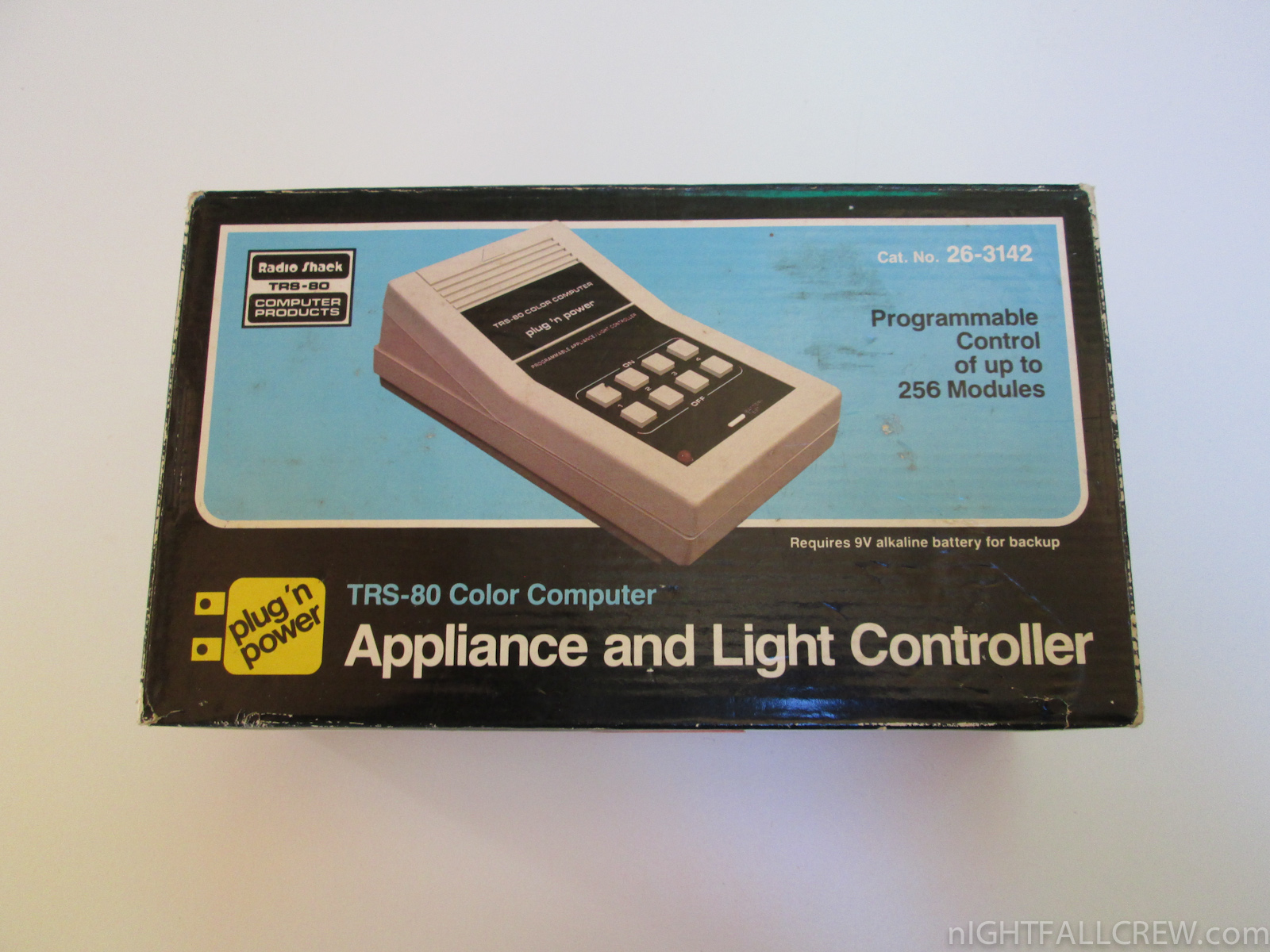
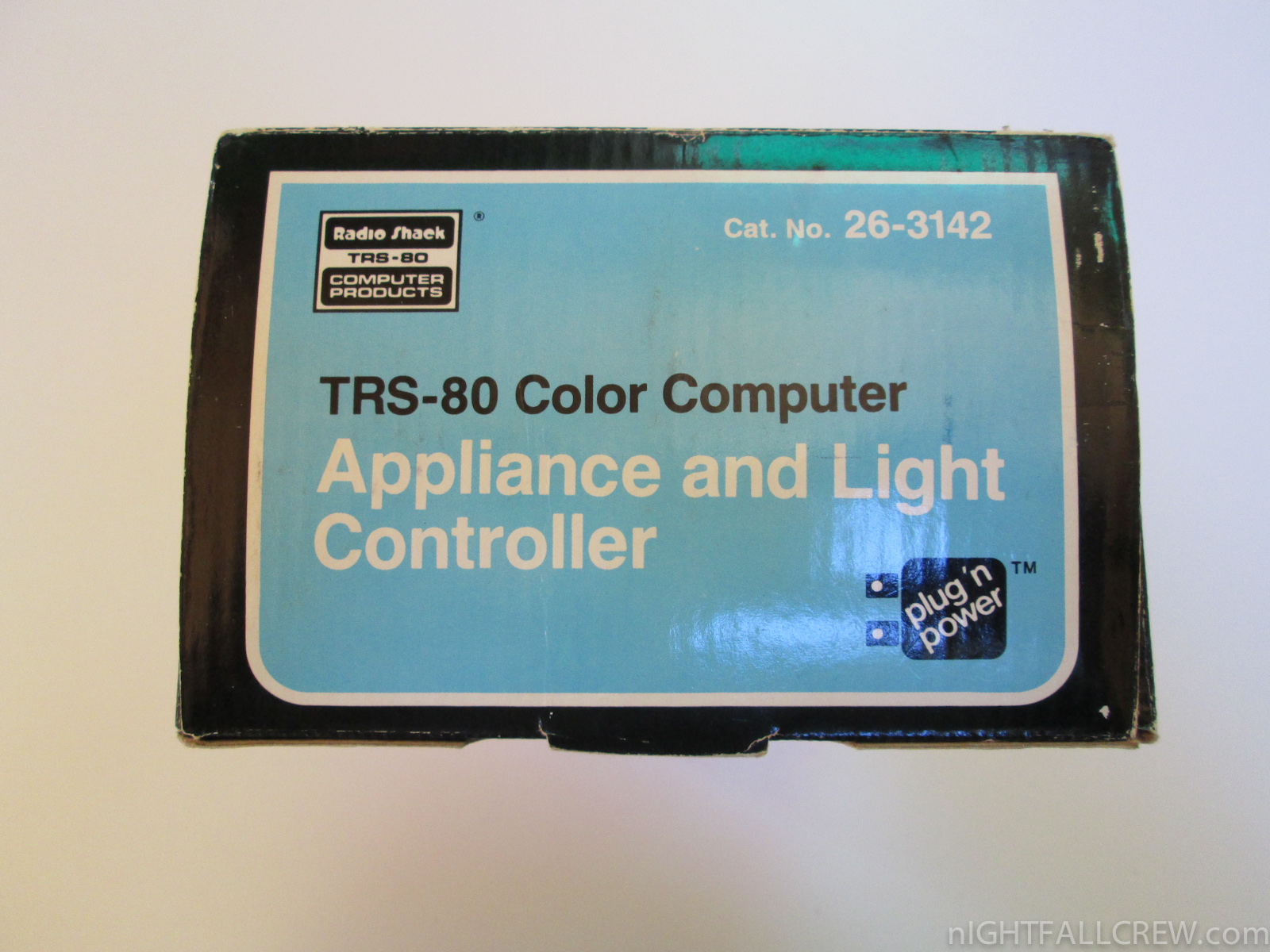
TRS-80 Coco Plug’n'Power Appliance and Light Controller Boxed

March 3rd, 2013 No comments
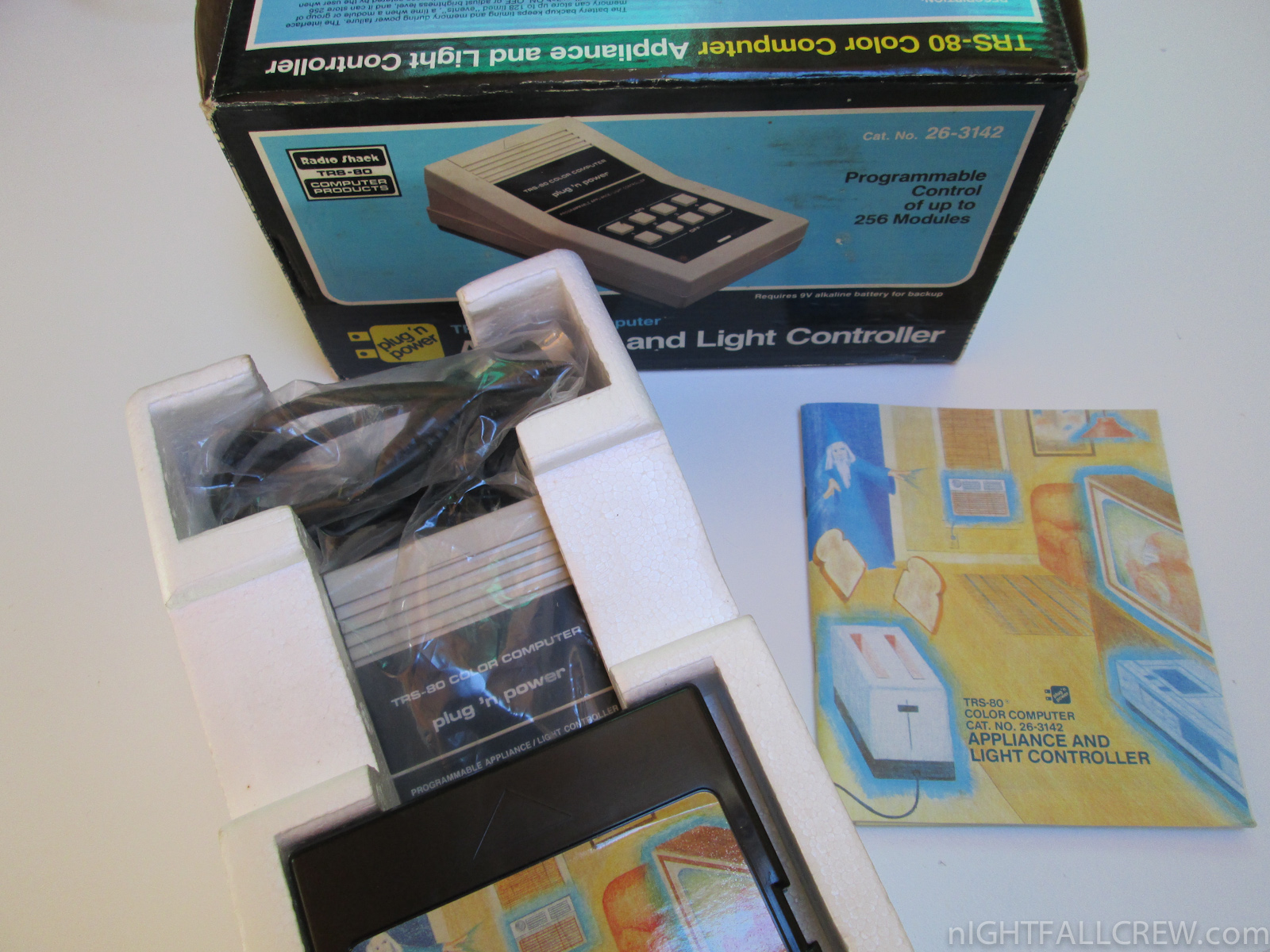
TRS-80 Coco Plug'n'Power Appliance and Light Controller Boxed

Autopsy:

Thanks to Paolo Cognetti for giving me this device in good conditions.

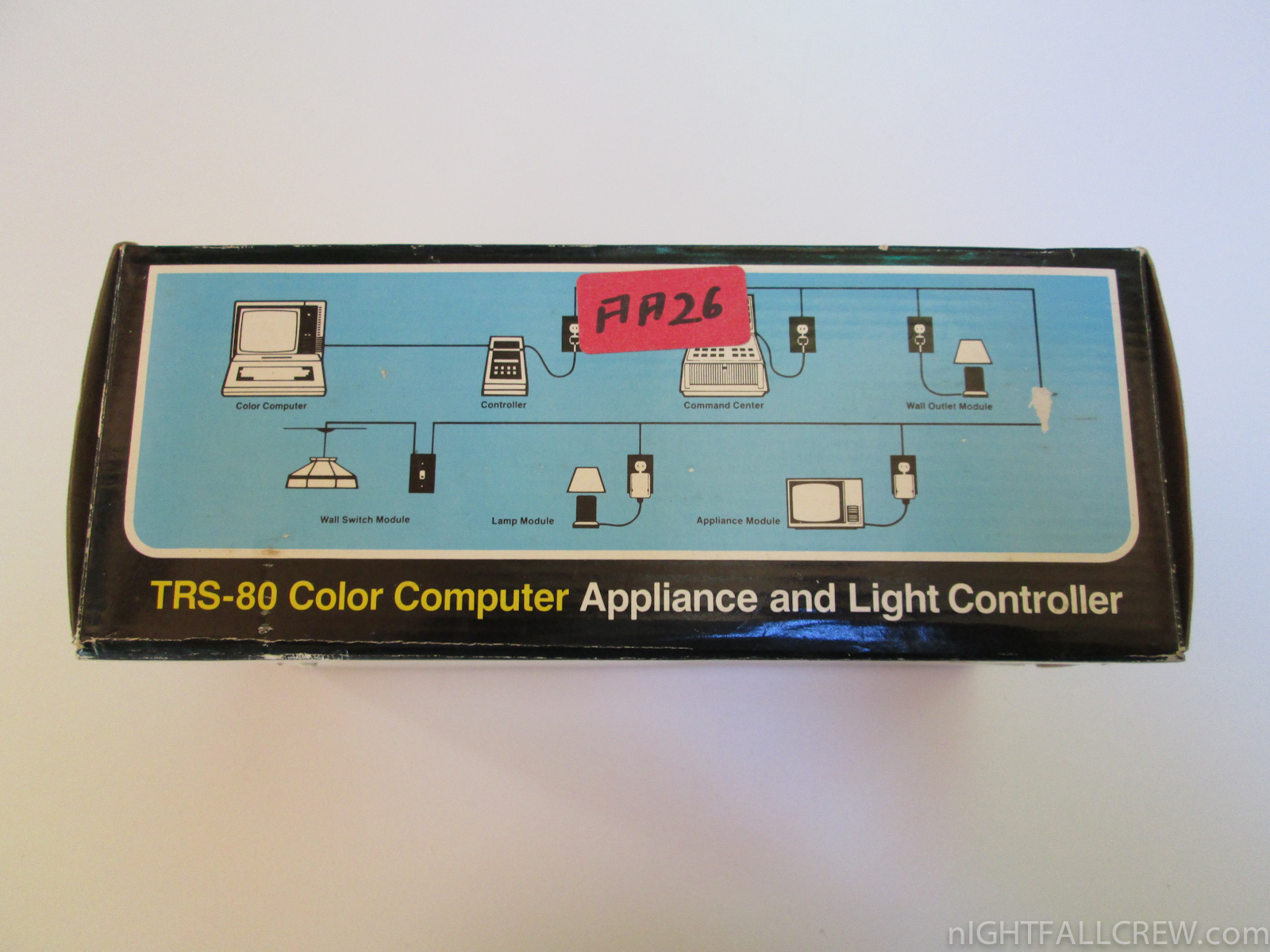
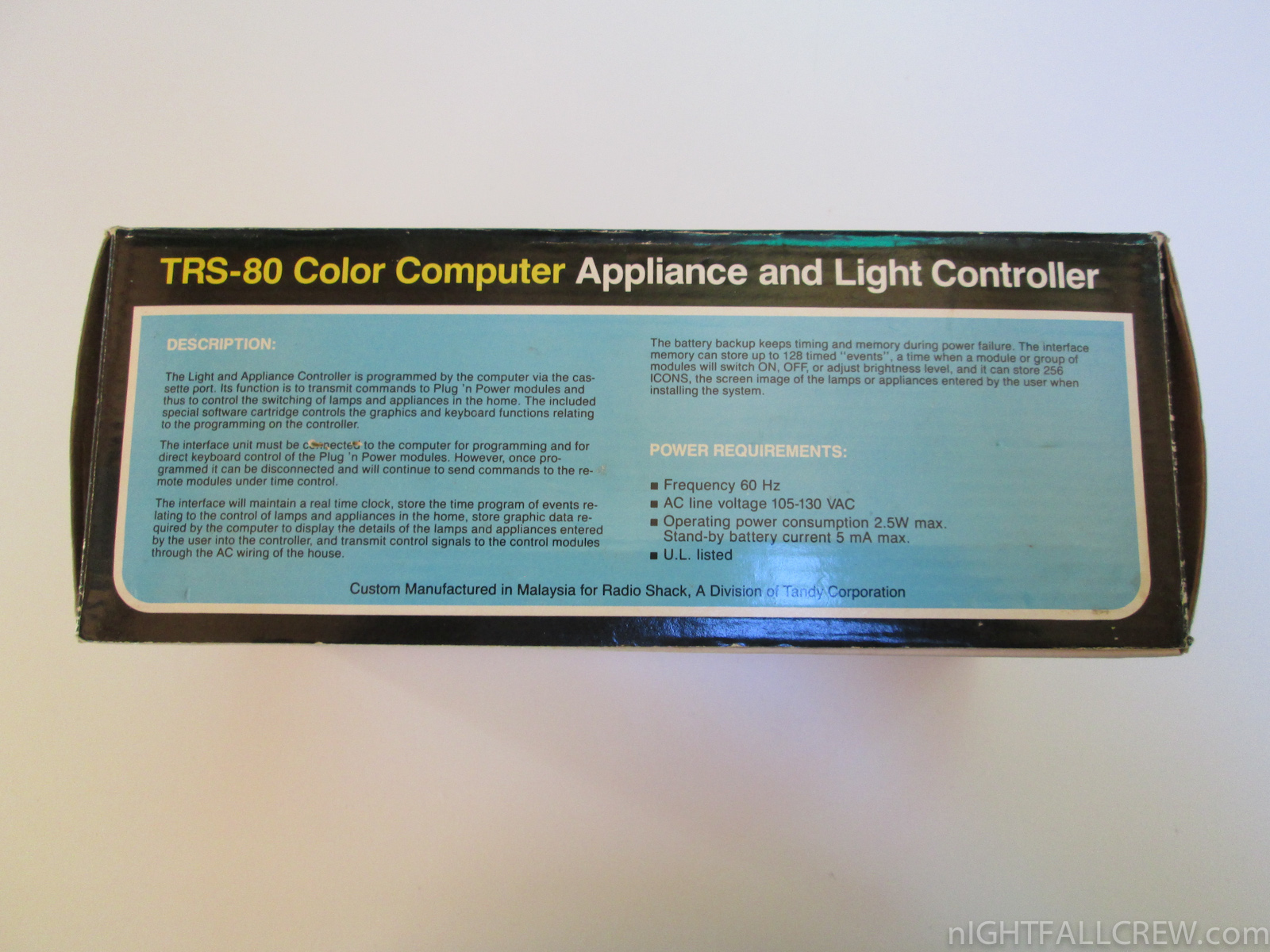
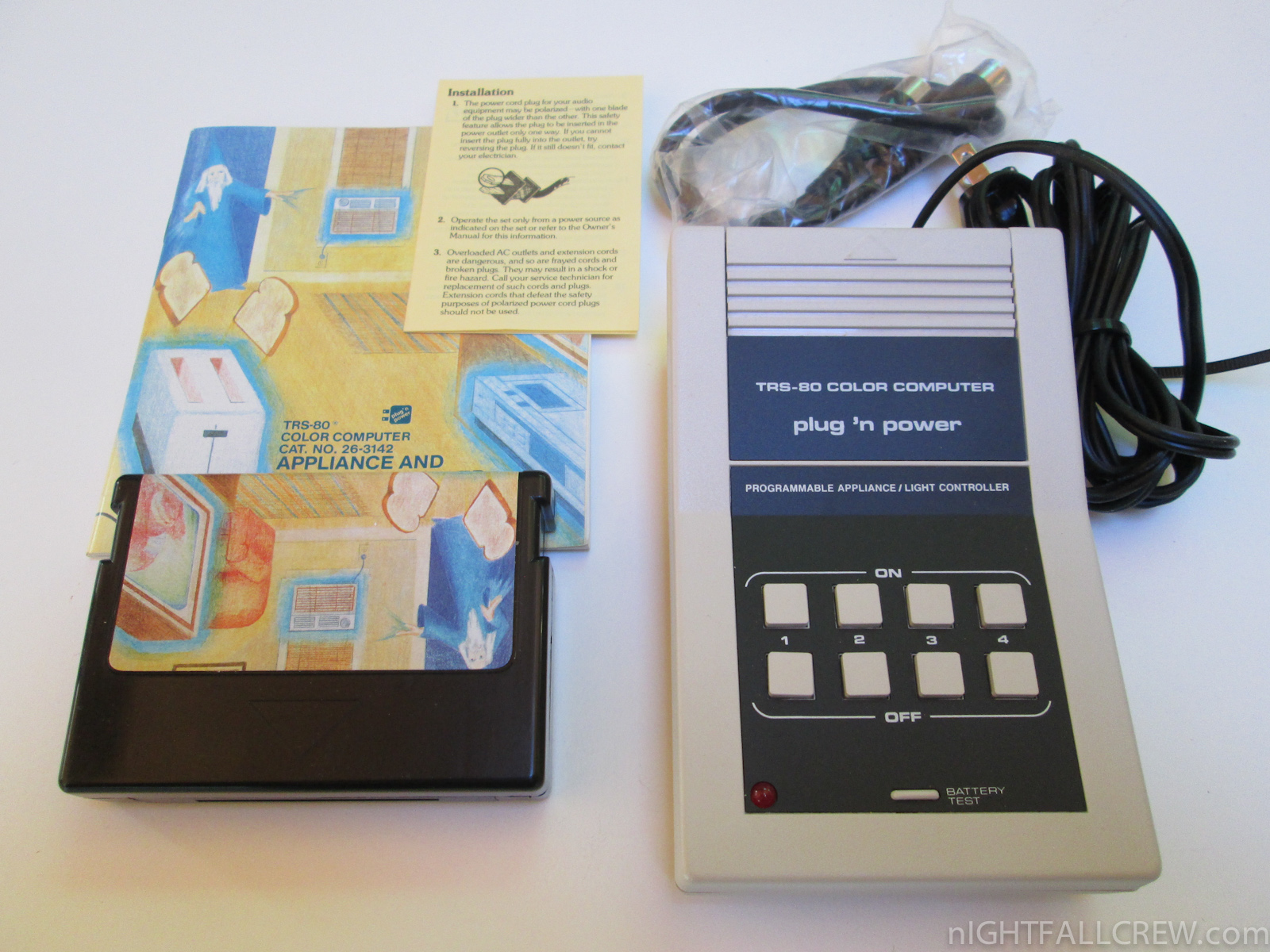
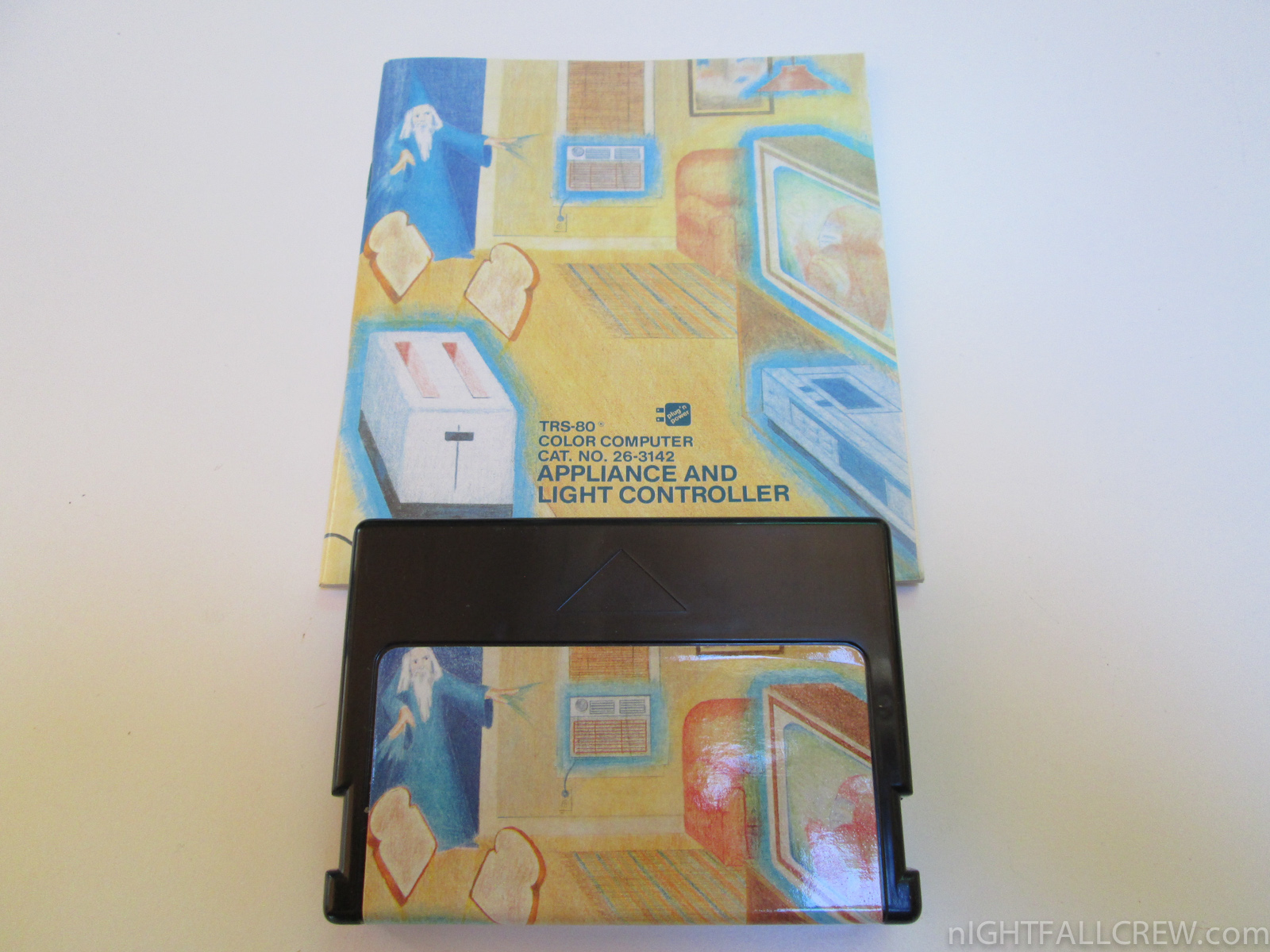
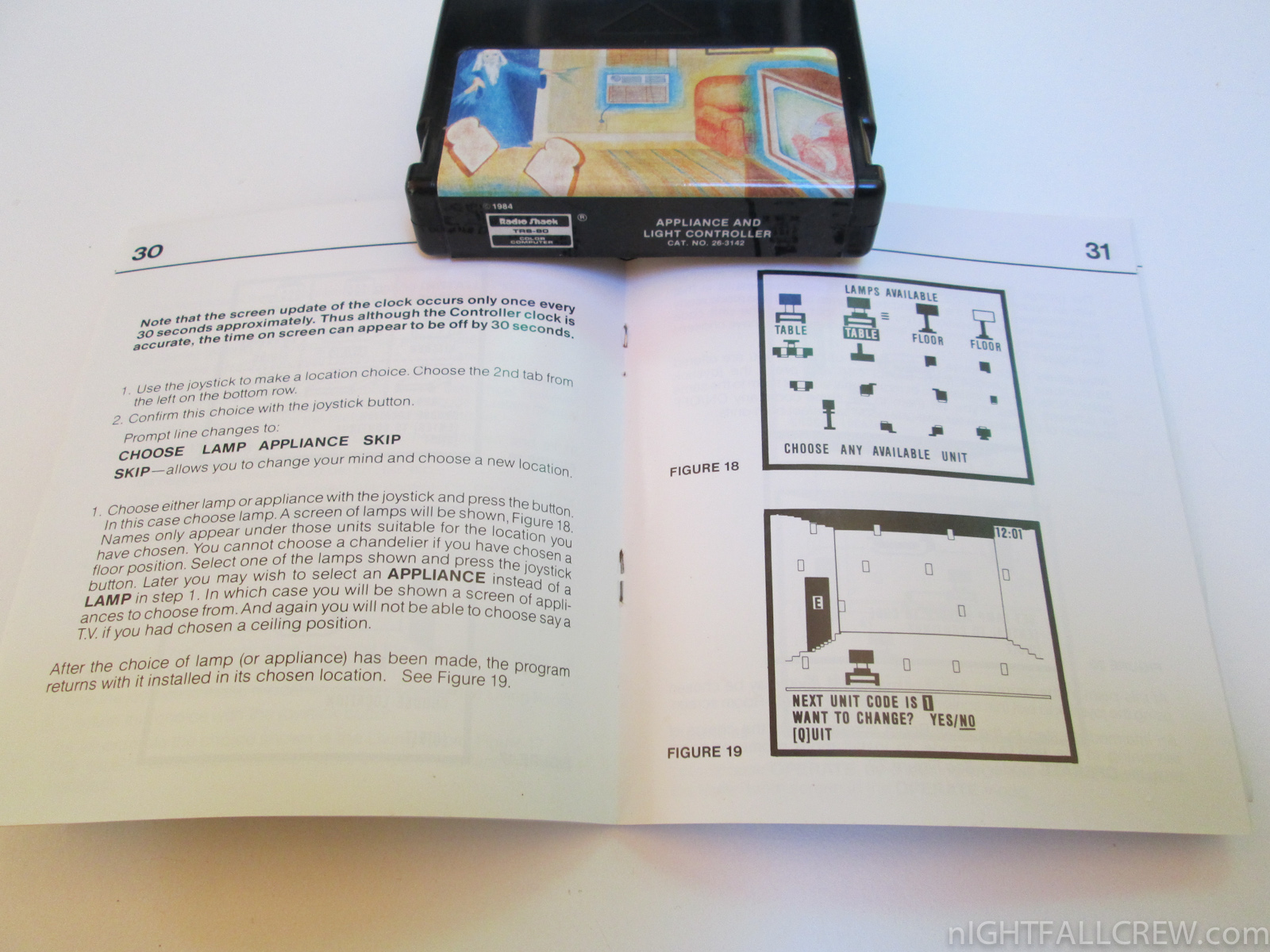
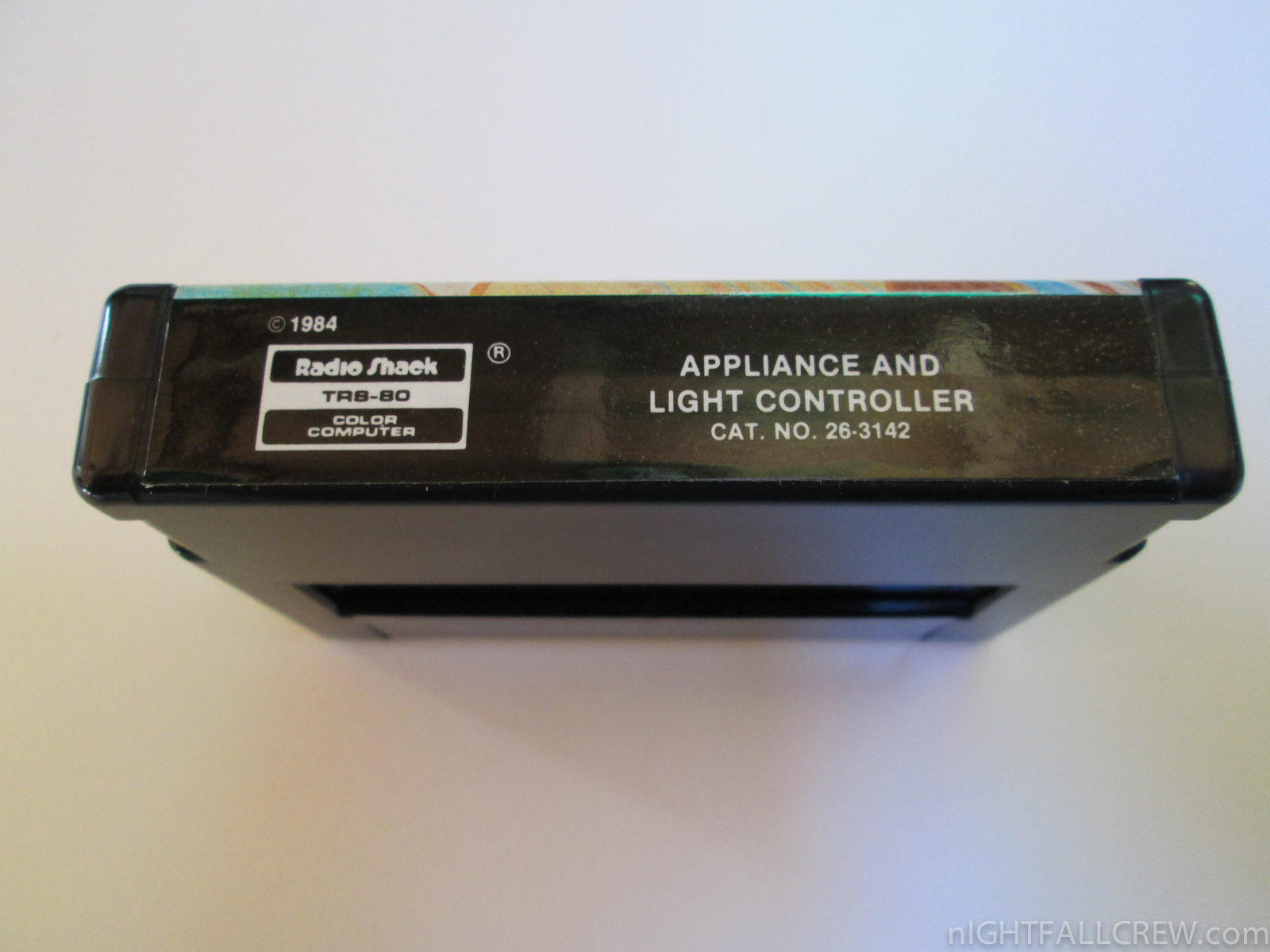
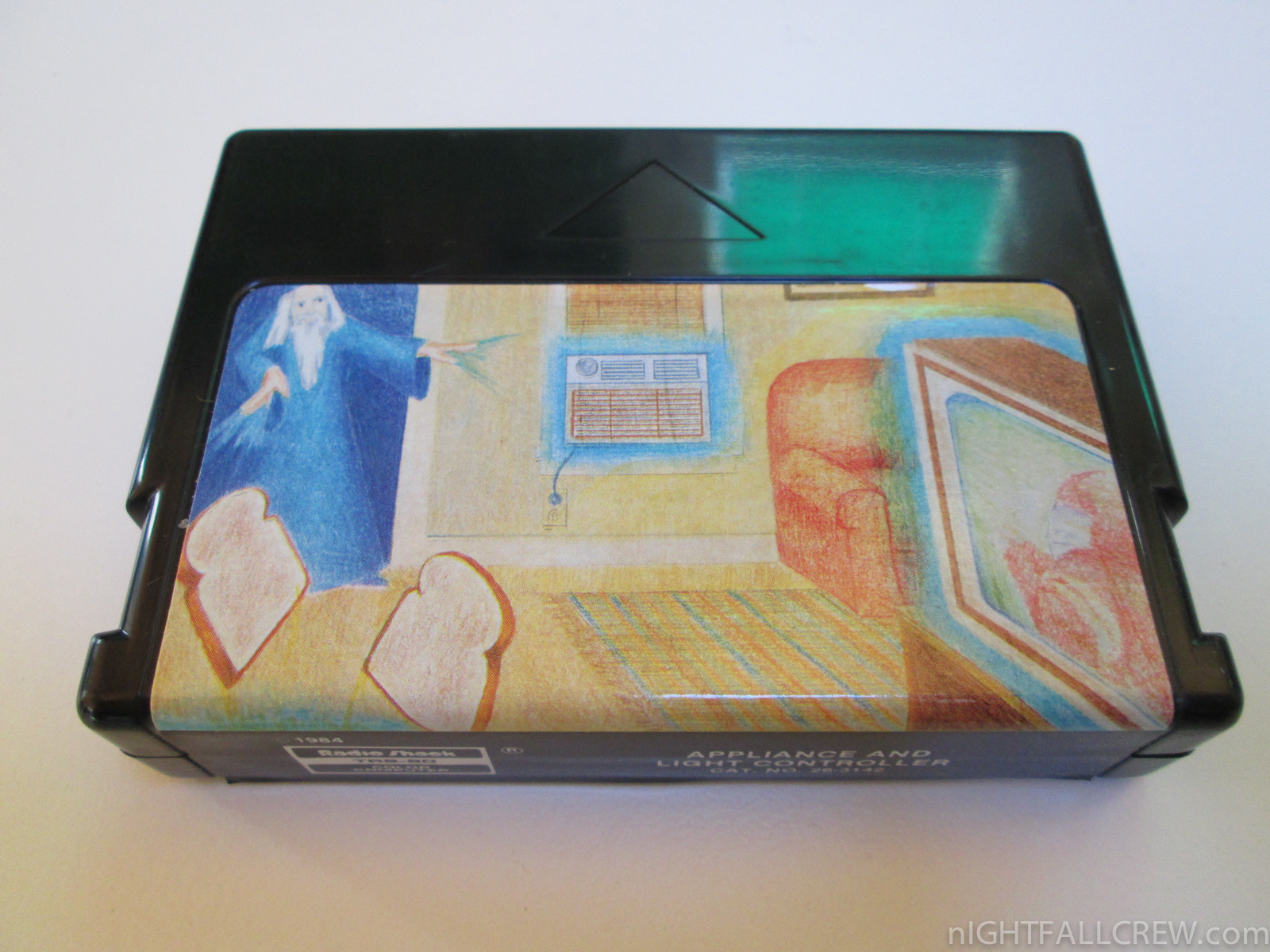
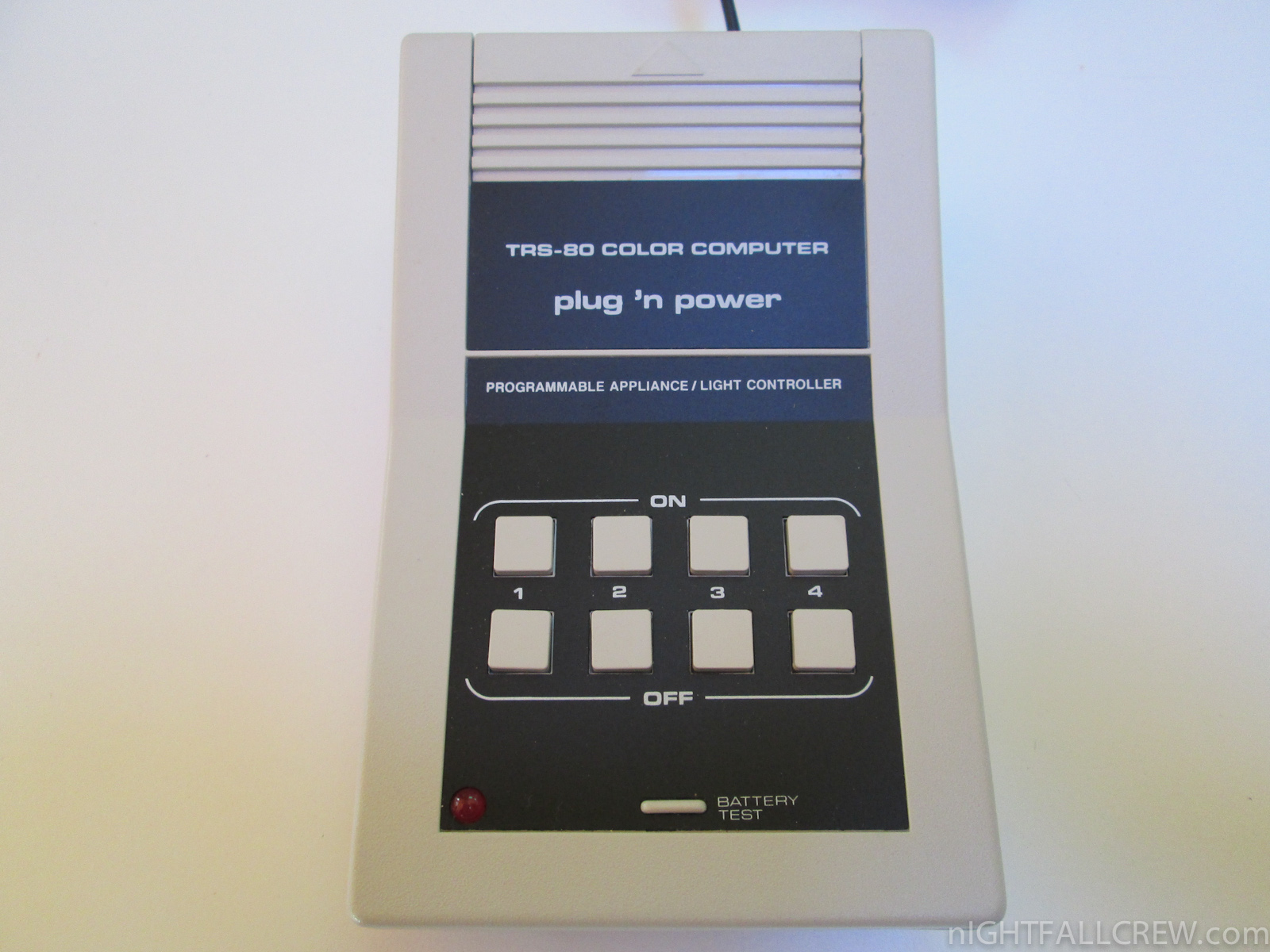
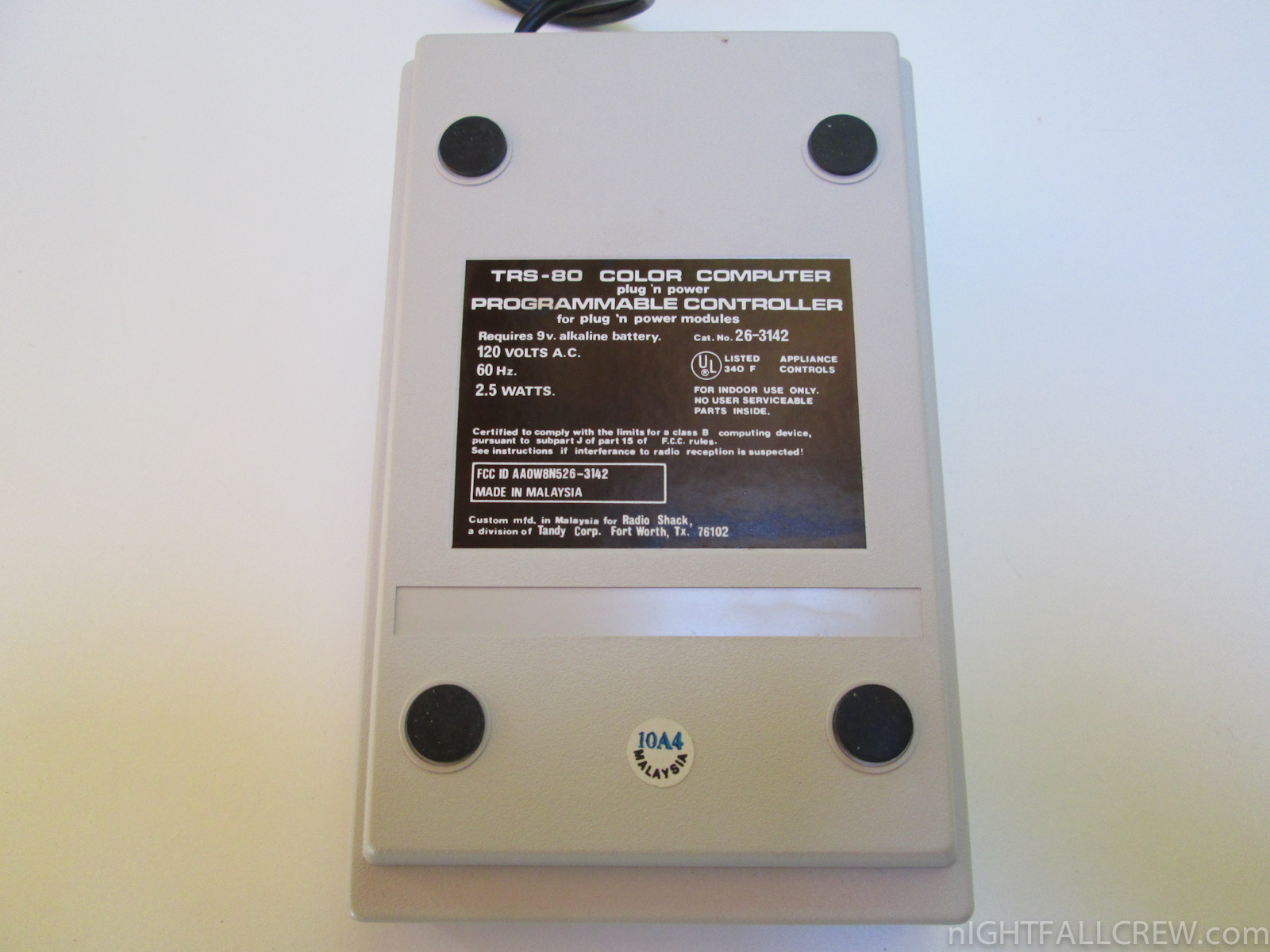
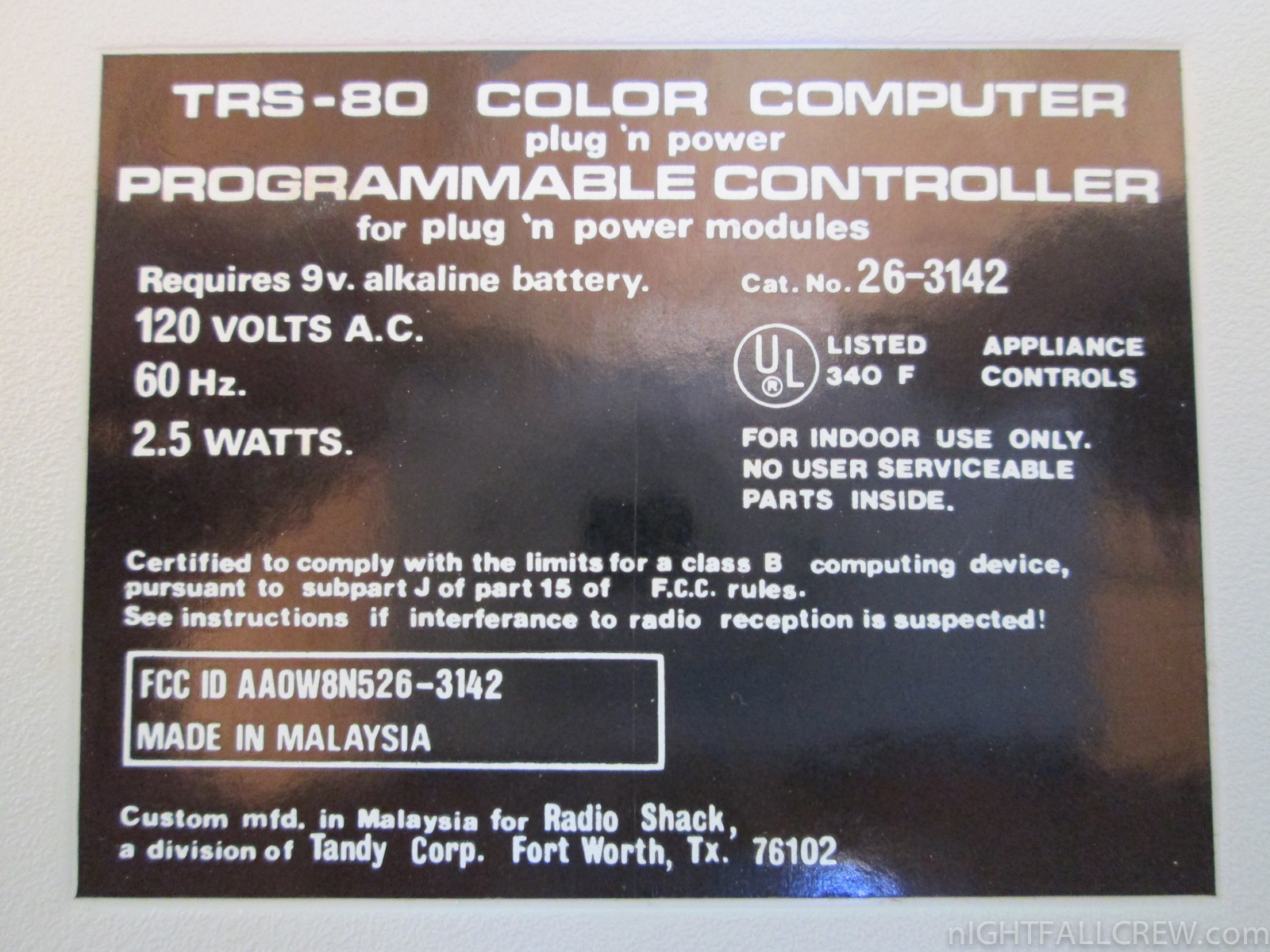
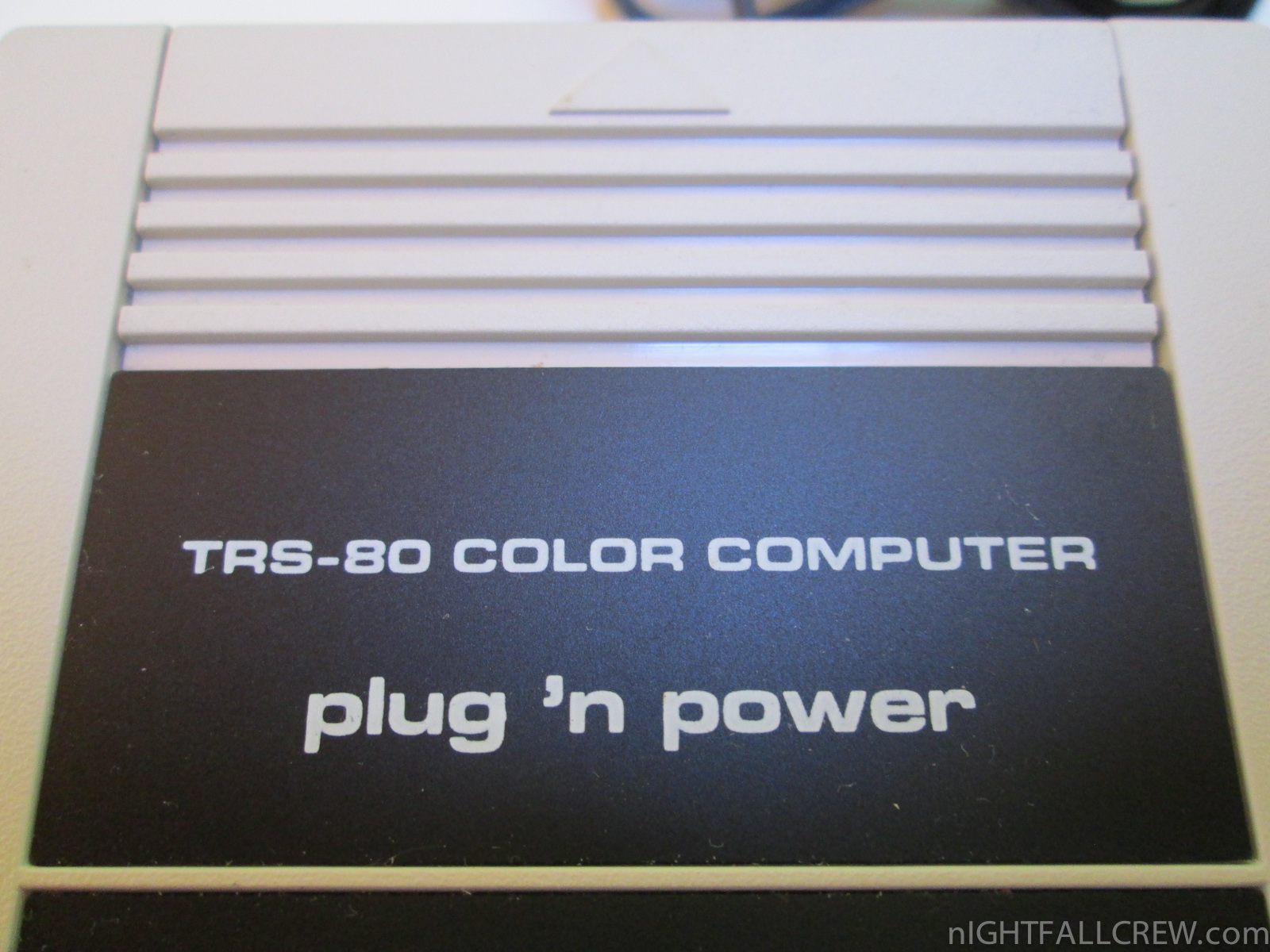
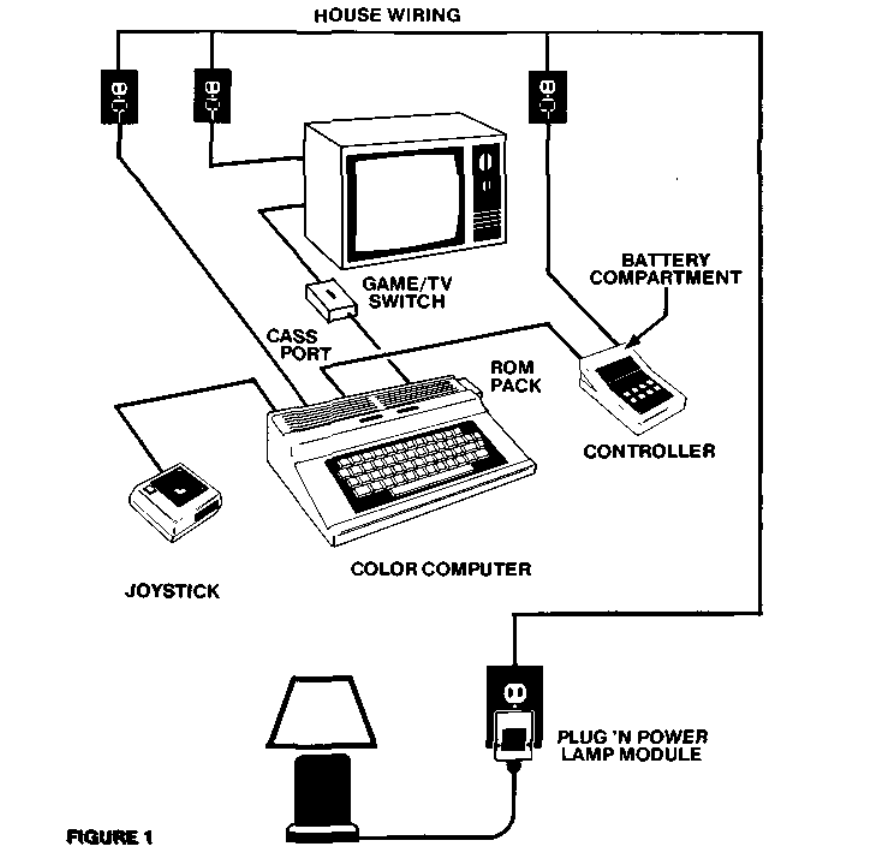
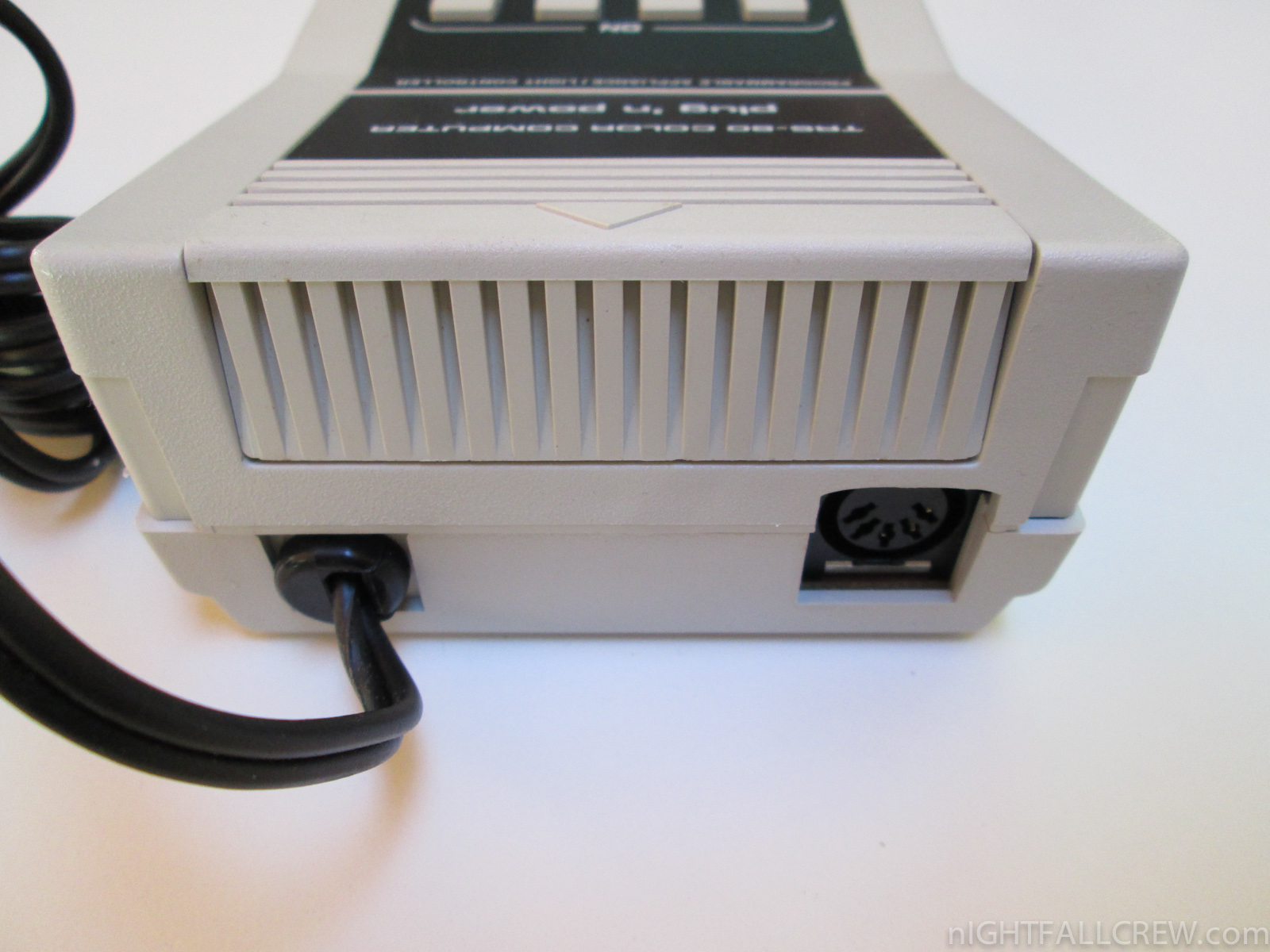
Plug ‘n Power Programmable Appliance/Light Controller it’s an old device for the TRS-80 Color Computer for home automation.

Object consists of Plug ‘n Power, Appliance and Light Controller, two cords, a manual, and battery test card.

Download: Plug & Power Appliance and Light Controller (PDF) (2785)