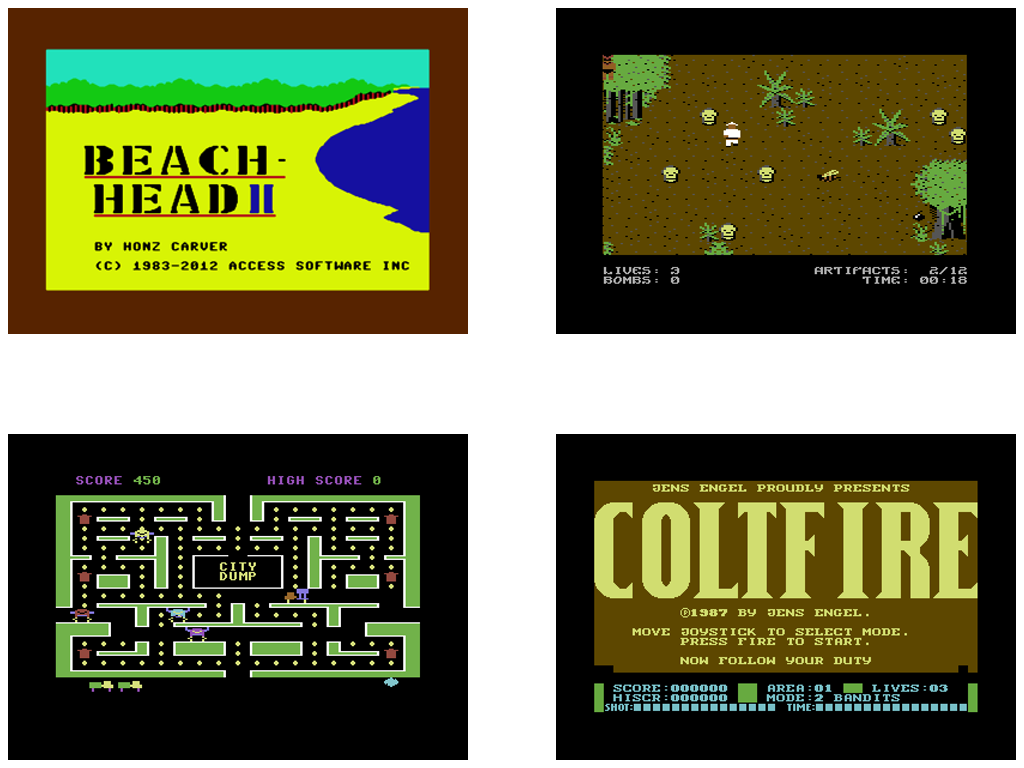
A new Promotional Spot of Manosoft C64SD Infinity v2.0 Blue version
This is a new promotional spot released a few hours ago for the interface C64SD Infinity v2.0 Blue version by Manosoft
Watch the Promotional Spot:
source: manosoft.it
This is a new promotional spot released a few hours ago for the interface C64SD Infinity v2.0 Blue version by Manosoft
Watch the Promotional Spot:
source: manosoft.it
Commodore Free Magazine Issue #64
Free to download Commodore magazine dedicated to Commodore Computers.
| In this issue you can find: | ||
| Editorial Commodore Free E-Cover Tape #1 NEWS BBC: 30 Years of the C64 Flimsoft Reveal Working Preview Fifteen 3D Game Released PDXCUG.org Meeting Tortured Hearts RPG Game More ComVEx Photos New VIC 20 Website Opens Cubase64 |
Comet+ Internet Modem/Disk Drive Greenrunner/Redrunner/Retroskoi+ AmiSystemRestore Individual Computers Hollywood Player 5.1 for Android Leaderboard Collection SID-Wizard 1.0 RC C64 – The Journey Continues Commodore C=64 Special Edition Commodore 64 Monitors Lost In The CLOUDs
|
AmigaOS Beta Testers. First Computer or The Evolution of a Commodore Addict My Early C64 Memories Commodore 64 And Versions Review: Knight n Grail The Making Of Soulless [Mini] Game Reviews Corner In Review: The SD2IEC C64 Absolute Beginners Guide Writing About The Commodore 64 The VC 314 – Raspberry PI in a C64 Commodore 64 |
Download:
source: commodorefree.com
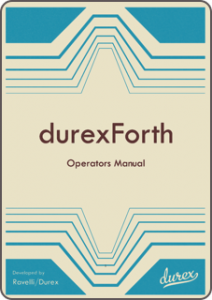
Forth, the Language.
Forth is a different language. It’s aged and a little weird.
What’s cool about it? It’s a very low-level and minimal language without any automatic memory management. At the same time, it easily scales to become a very high-level and domain-specific language, much like Lisp. Compared to C64 Basic, Forth is more attractive in almost every way.
It is a lot more fast, memory effective and powerful. Compared to C, specifically cc65, the story is a little different. It’s hard to make a fair comparison. Theoretically Forth code can be very memory efficient, and it’s possible to make Forth code that is leaner than C code. But it is also true that cc65 code is generally much faster than Forth code.
Download: durexForth v1.21 (1145)
source: noname.c64.org
Present a pet 2001/3032 intro called: it could be better.
Many years have passed since our last release. It’s time to release a demo for the Commodore PET 2001/3032.
Stay tuned, the next demo might be for the Commodore 64 or for other retro computers.
Creditz for this intro go to:
Video demostration on real hardware:
The archive contains the. PRG and the .TAP and a description in “FILE_ID.DIZ” format.
Download: It could be better by Nightfall (1772)
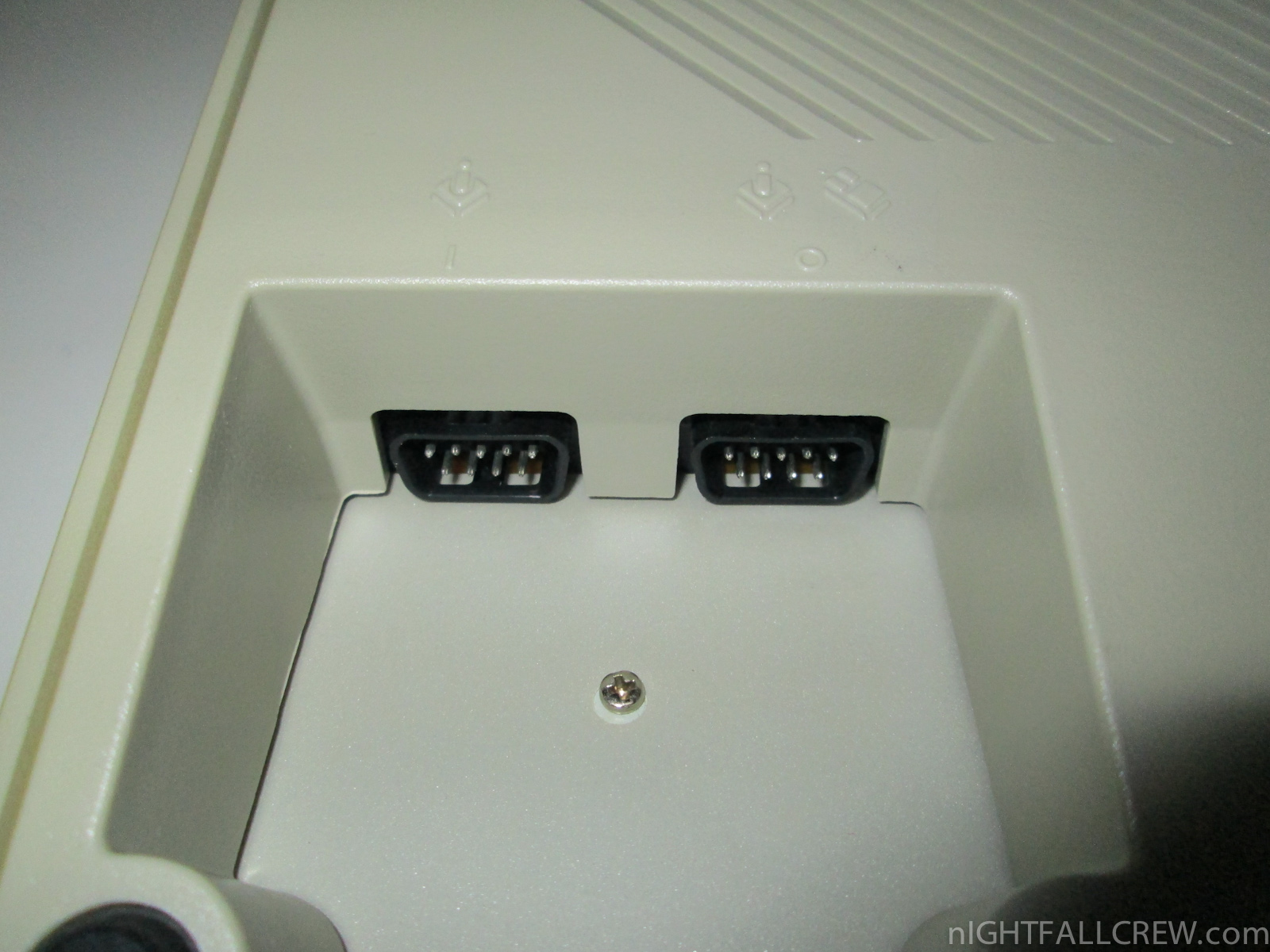
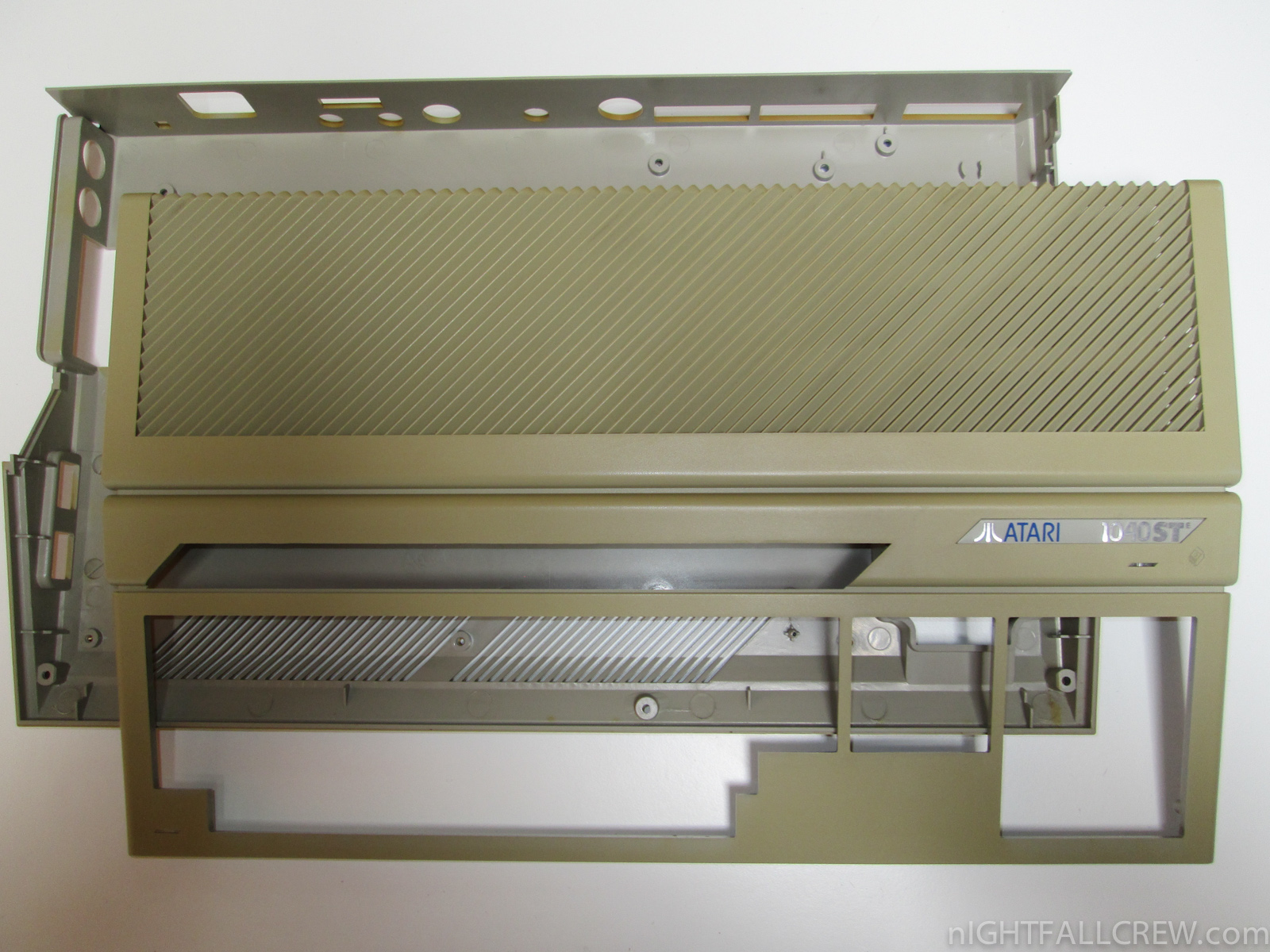
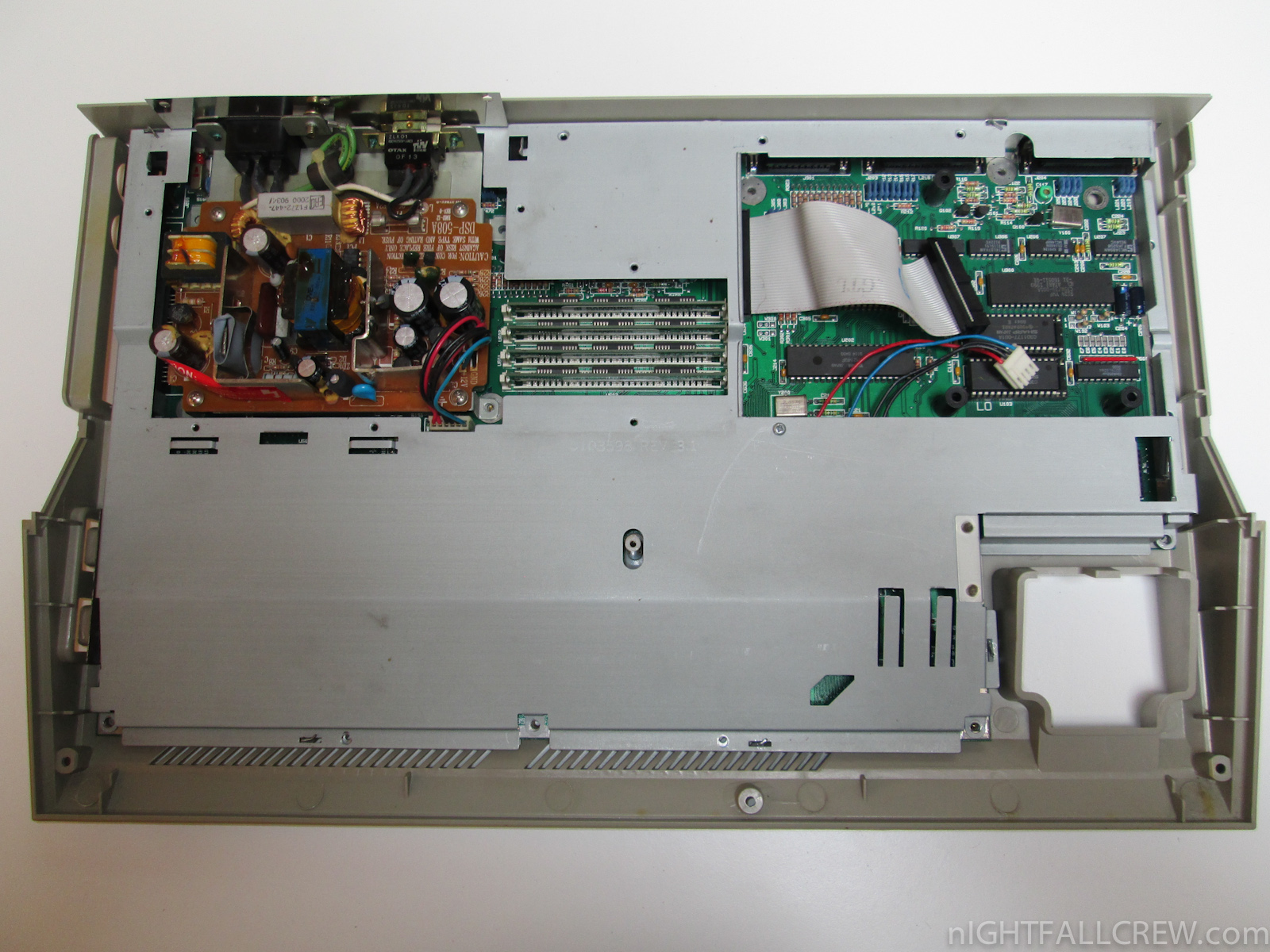
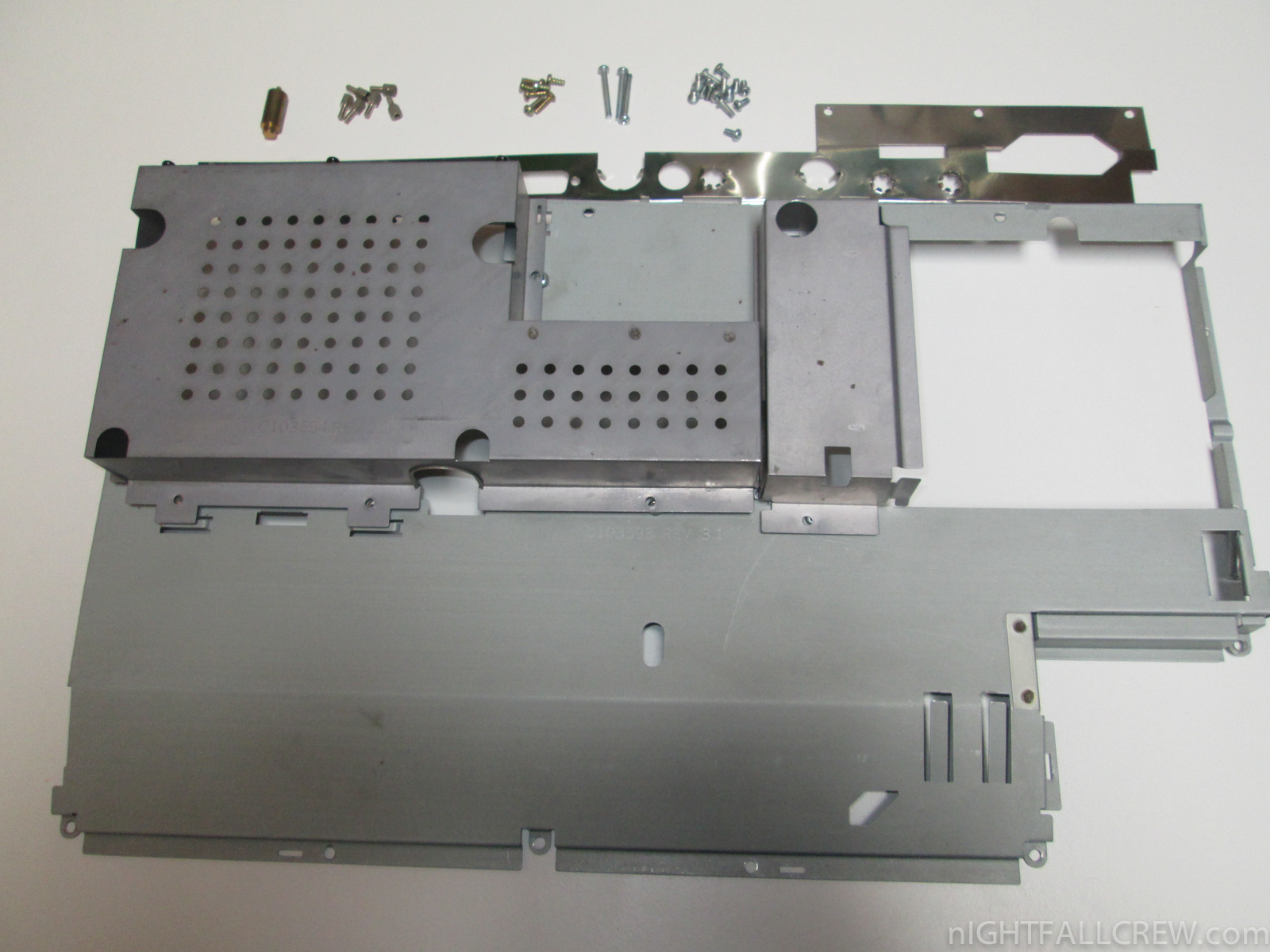
Autopsy:
from MyOldComputers.com:
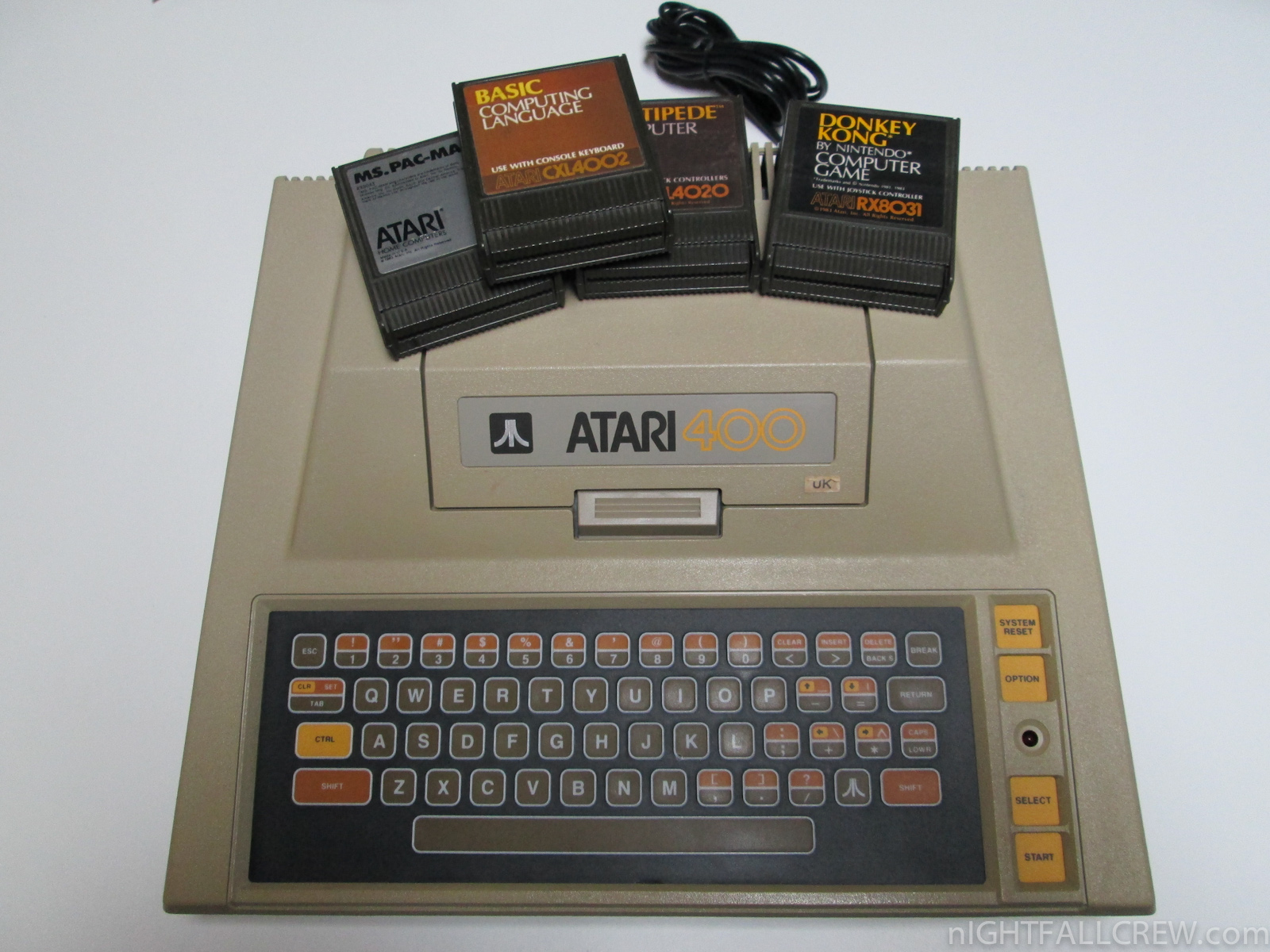
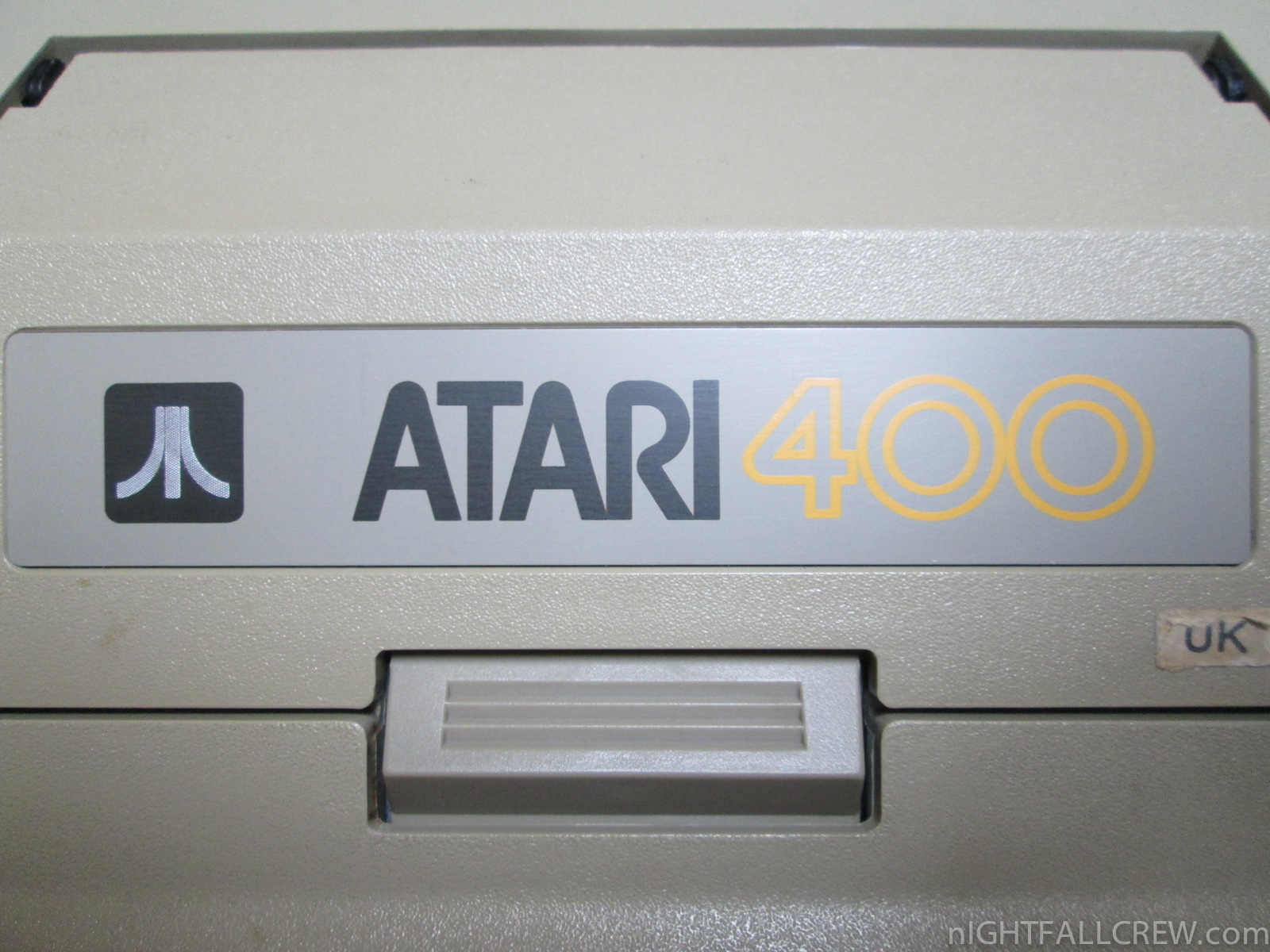
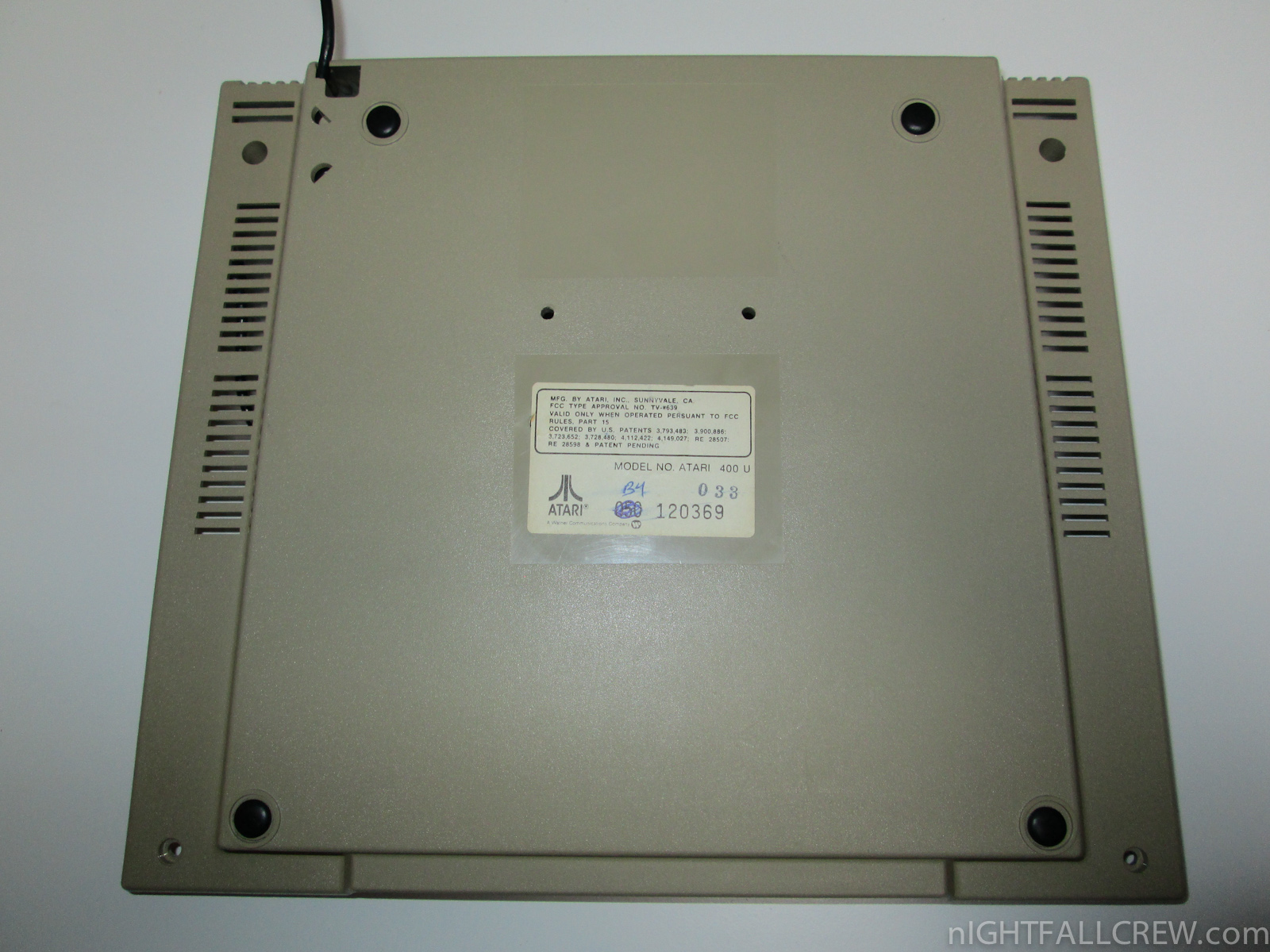
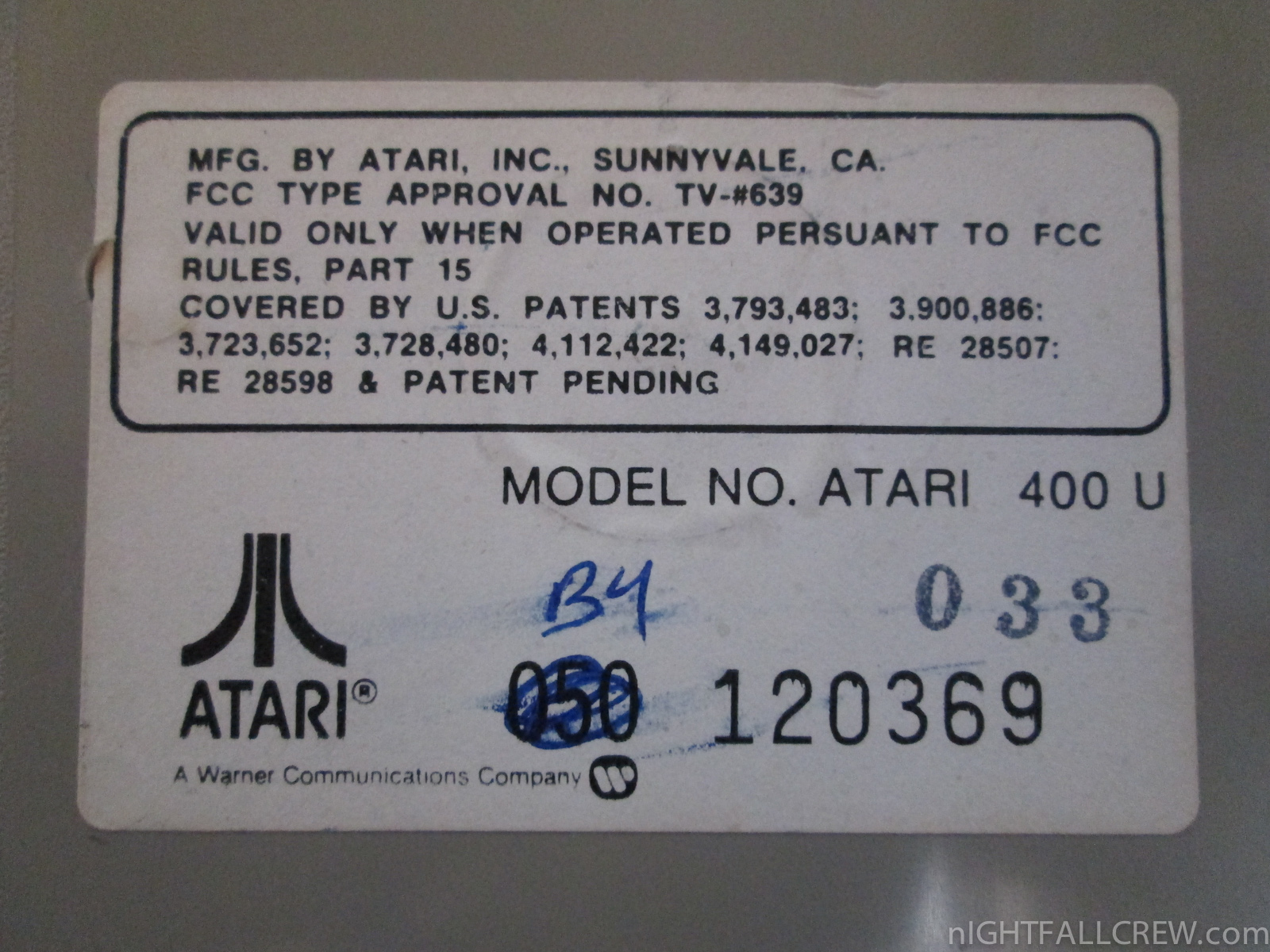
The year was 1978. Atari was at the top of the video gamming world with its 2600 VCS game console. Atari management looked around and saw a new and potentially lucrative market just beginning to take shape. This market was the Home Computer Market. They saw a market with relatively few major competitors and Atari was in a great position to market a computer of their own. They, after all, were a trusted household name, everyone owned an Atari or knew someone who did!
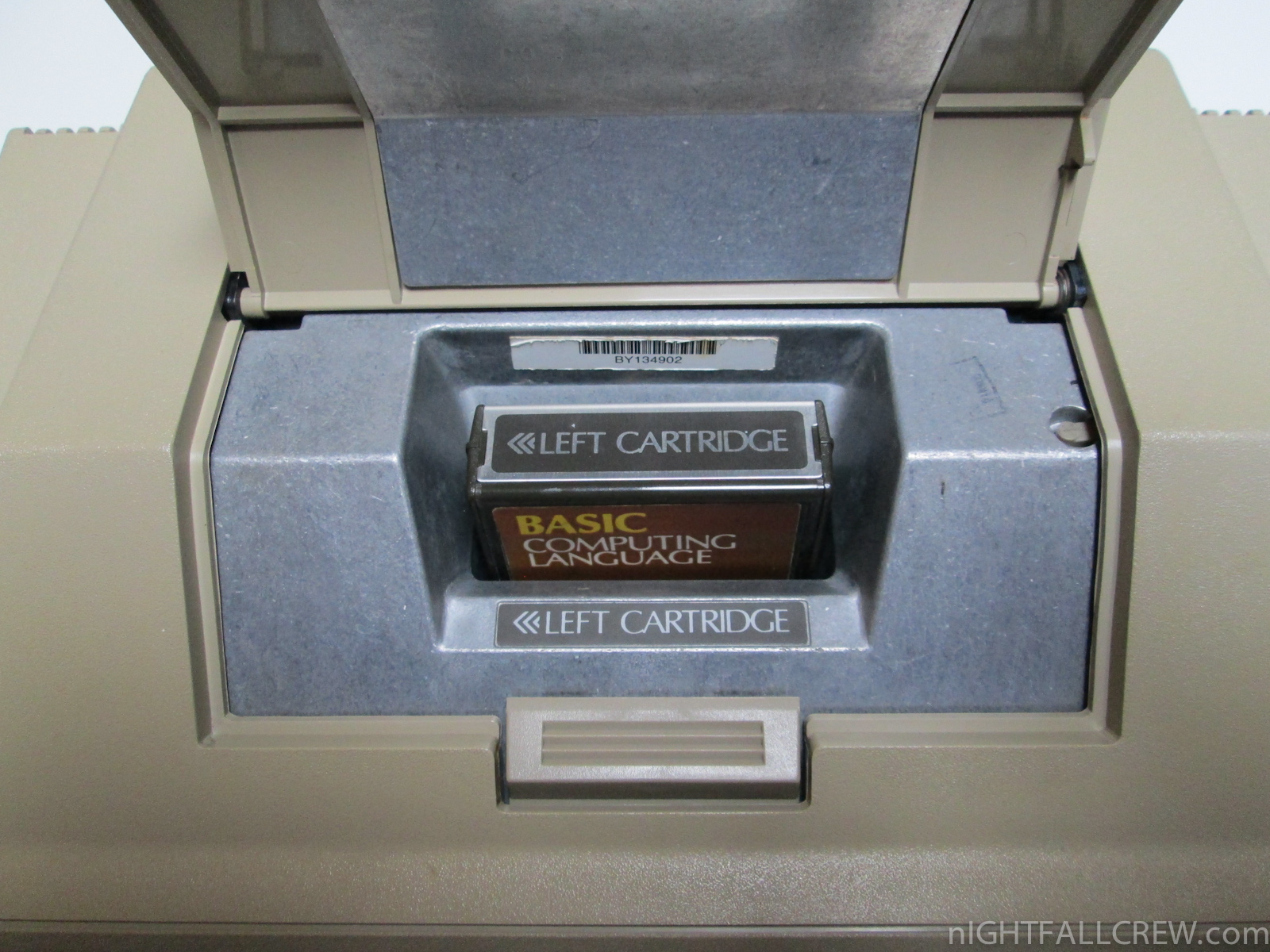
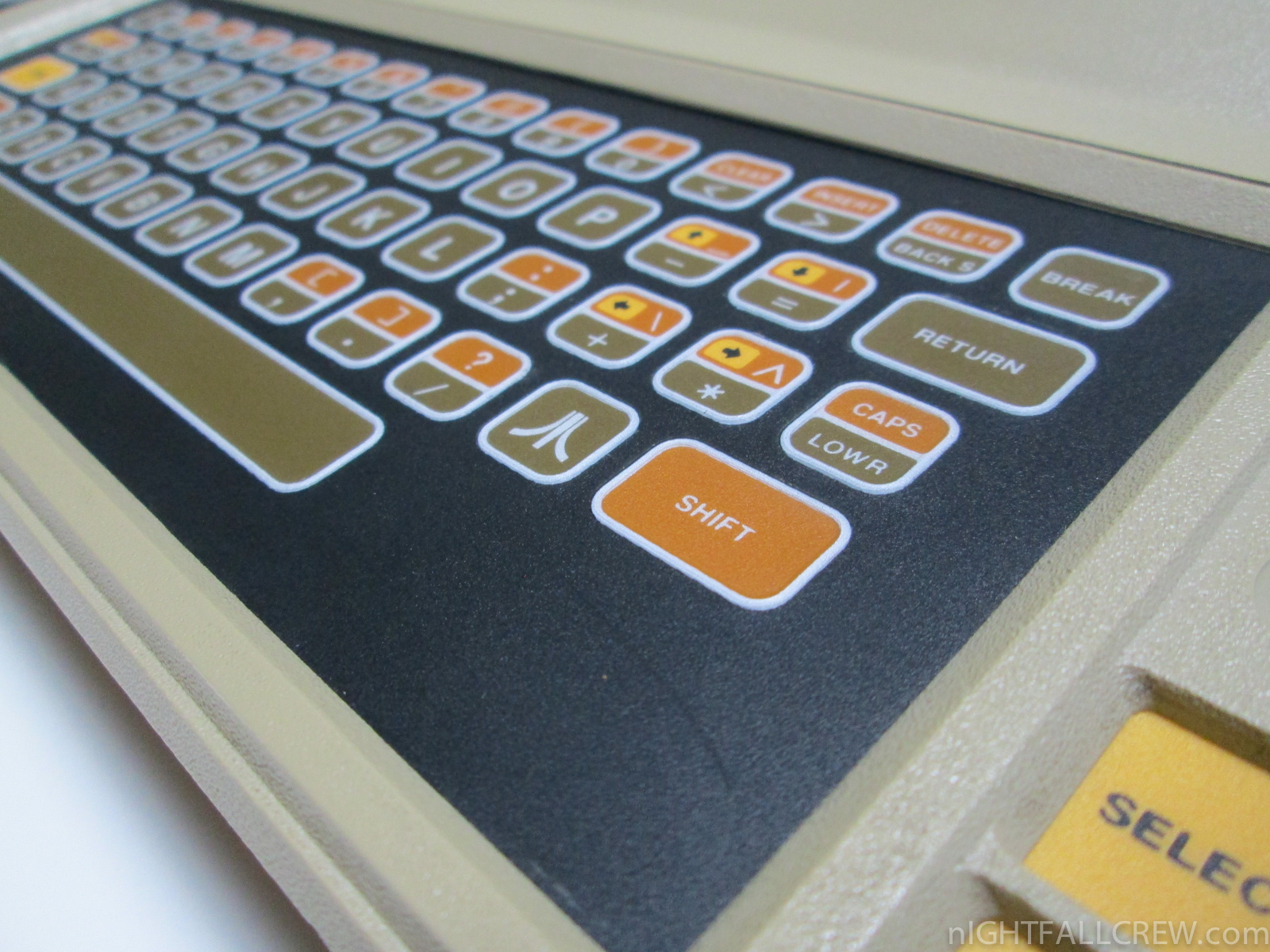
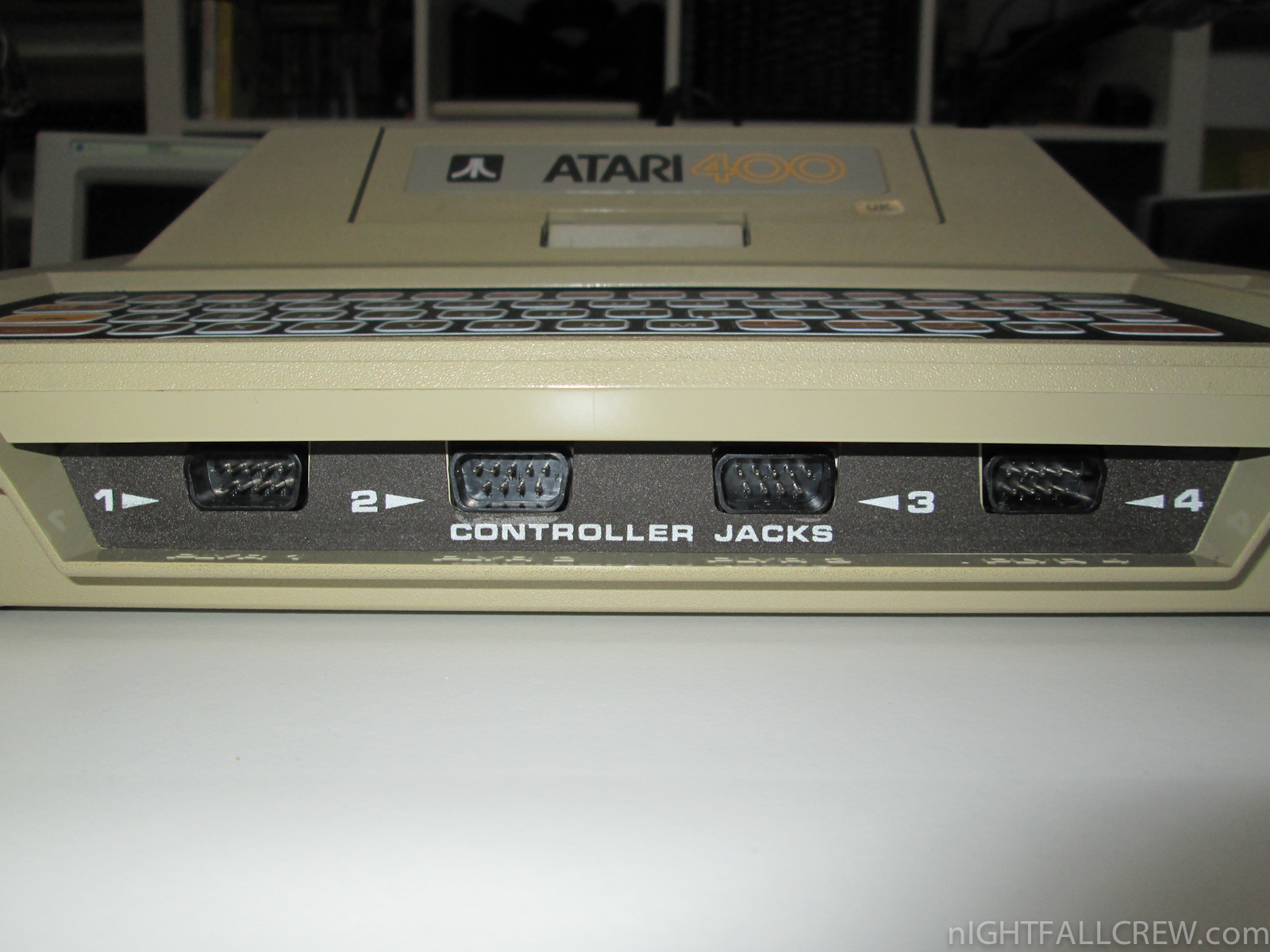
So December of 1978 Atari introduced the 400 and 800 series computers. The actual computers were not delivered until late 1979 due to production problems. The 400 was a scaled down version of the Atari 800. Introduced as an entry level computer based on the same MOSTEK 6502A processor running at 1.70 MHz with 16K of user RAM built in. It had a membrane style keyboard (not very touch type friendly) with 62 touch sensitive keys and 4 special keys to the right of the keyboard.
It stood out amongst the other computer offerings of the day with its graphics and sound capabilities. It was capable of producing 128 colors on the screen using the CTIA video processor and up to 256 colors with the upgraded GTIA video processor chip used on later versions of the computer. The 400 was first amongst the early computers to be able to display 4 programmable screen objects simultaneously called ‘Player-missiles’ (also known as ‘Sprites’ on Commodore computers). This was at a time when the most computers produced only monochrome displays or very primitive 8 color screens. The graphics were handled by a custom chip called the “ANTIC” (CTIA/GTIA). This chip was designed to work as a sort of co-processor to take the work load away from the main processor to display graphics and color on the screen.
The team that developed the custom chips inside the 400 and 800 was headed by Jay Miner who later, after leaving Atari, headed the teams who developed the custom chips that surrounded the Motorola MC68000 processor that powered arguably the most advanced computer of its time, The Amiga 1000!
source: myoldcomputers.com
Autopsy:
from Wikipedia:
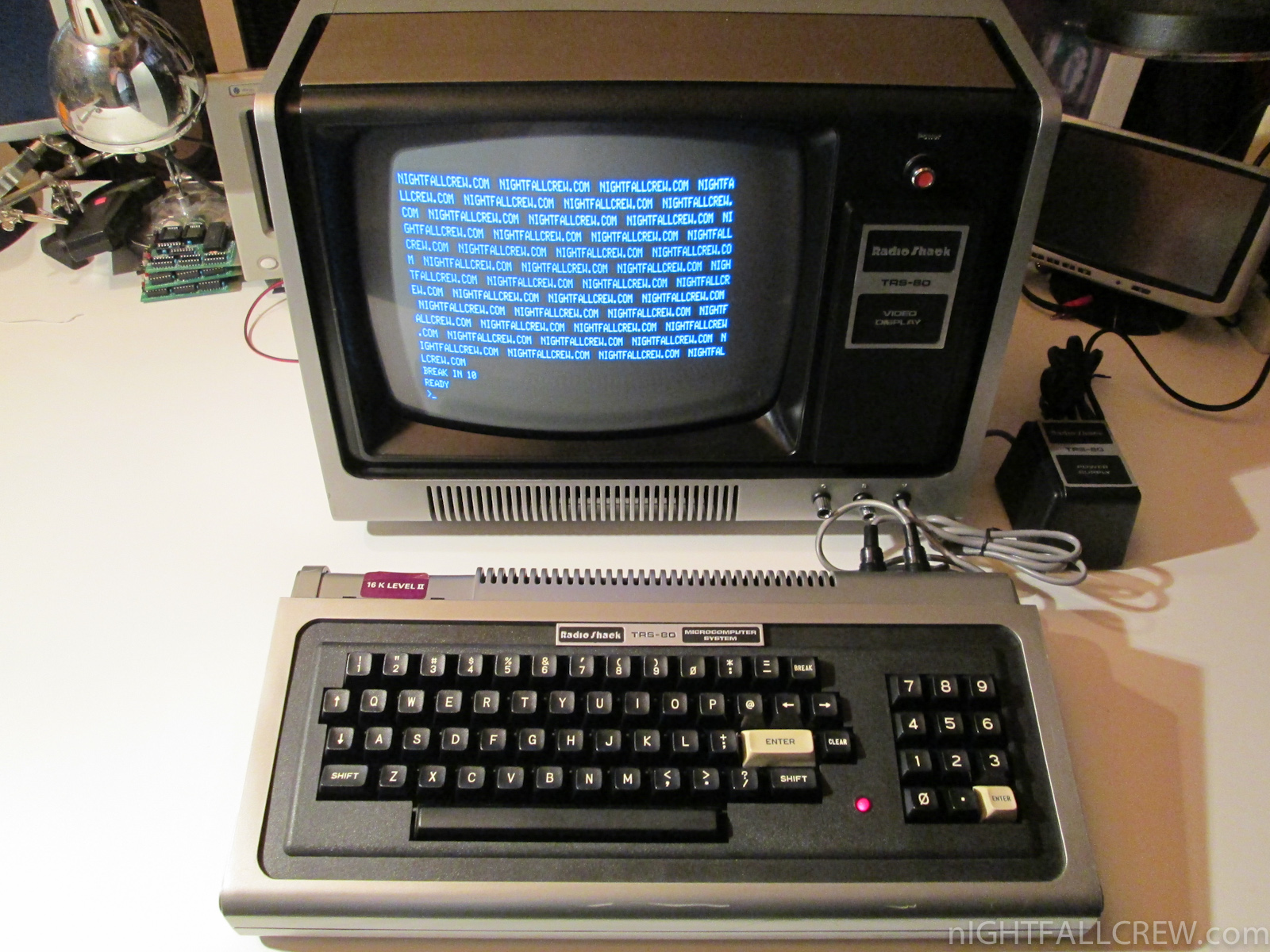
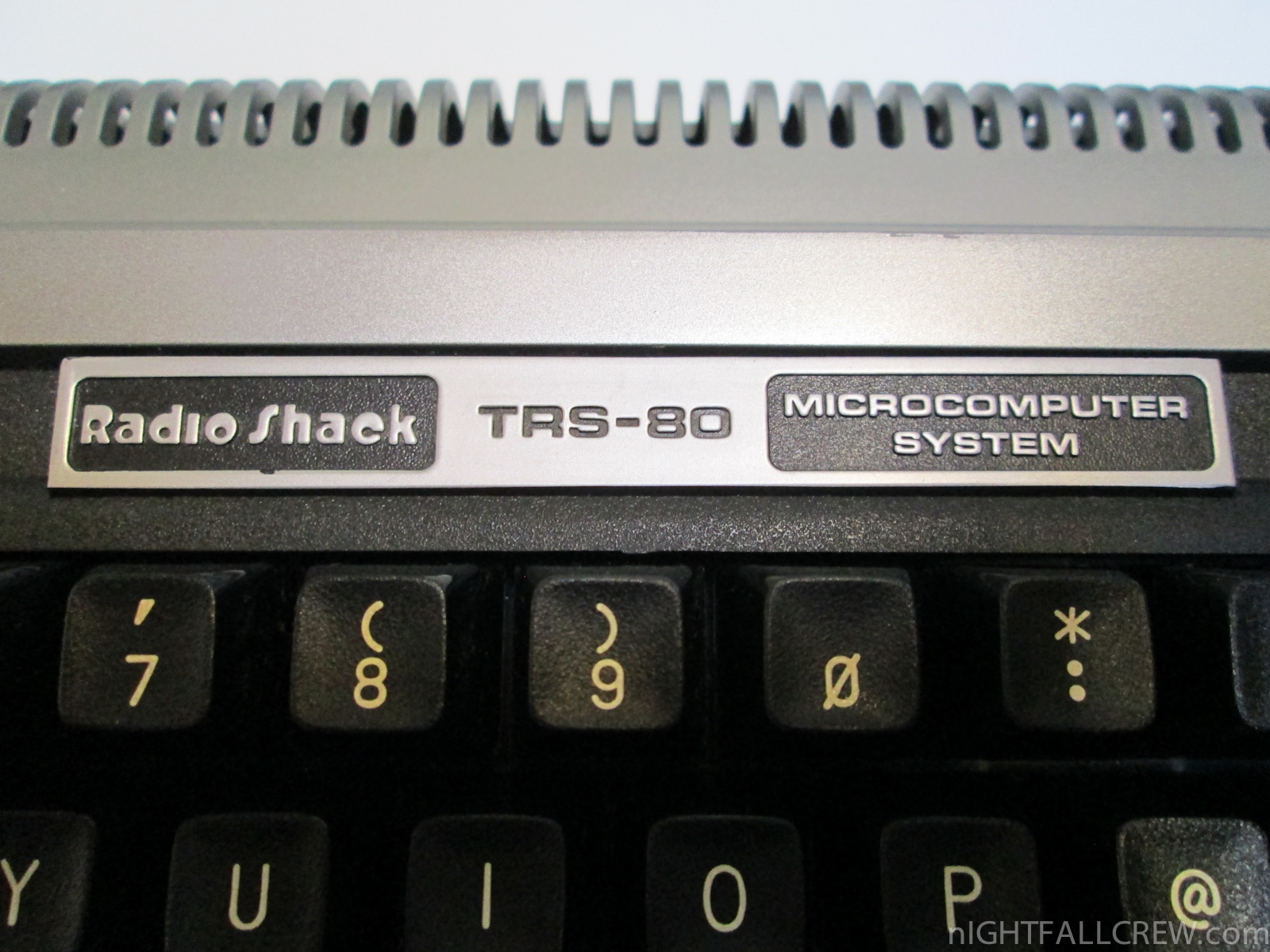
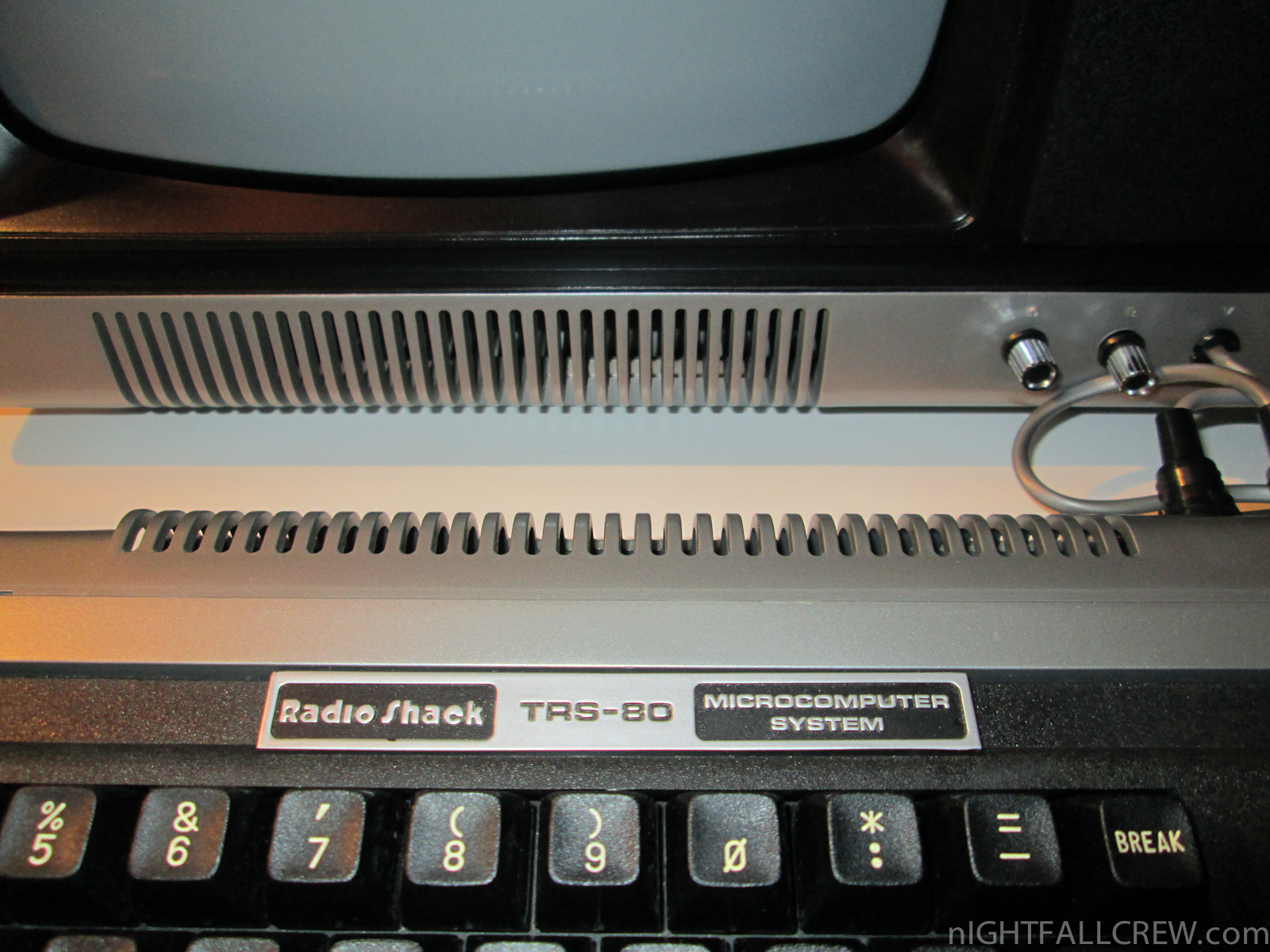
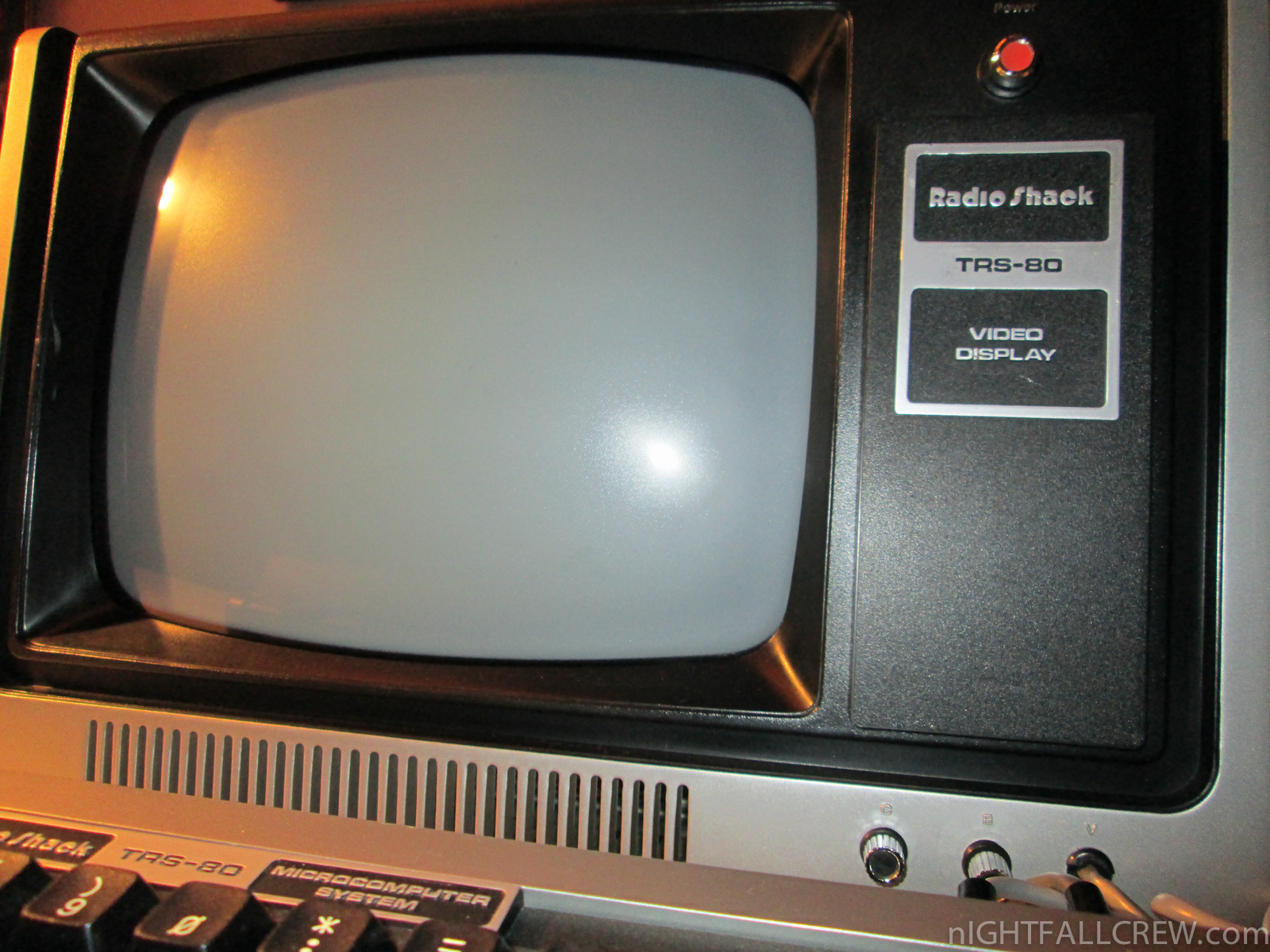
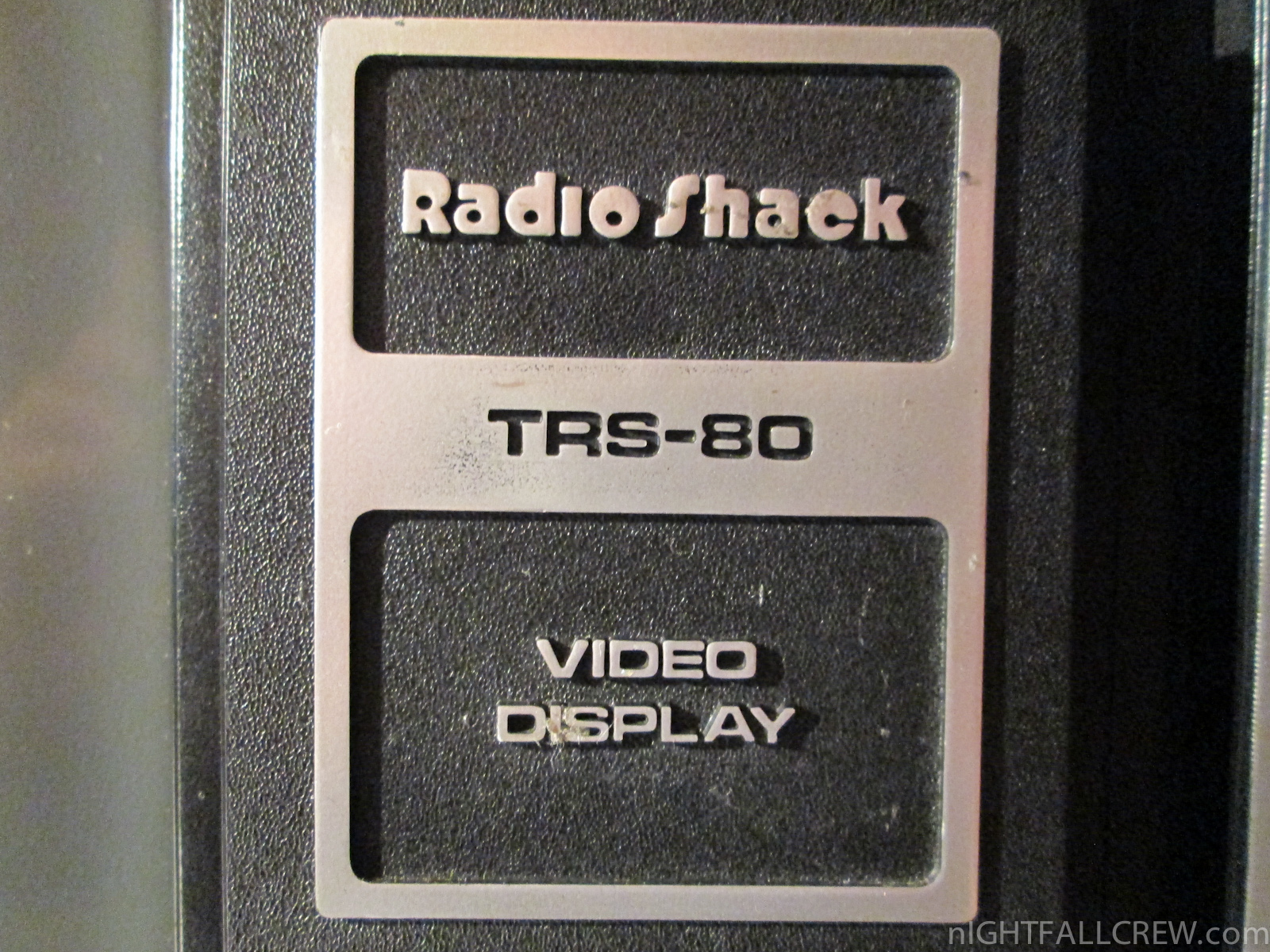
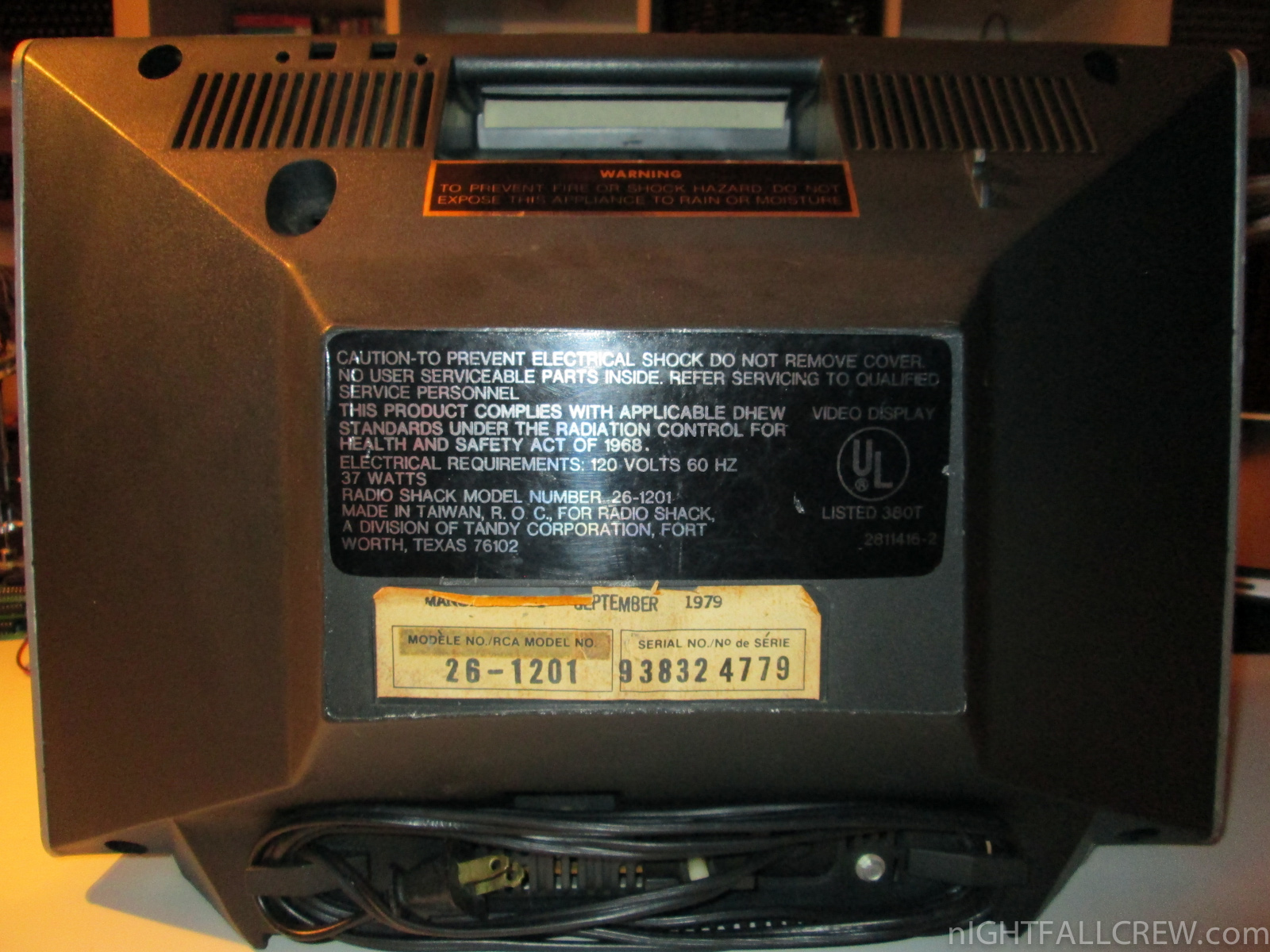
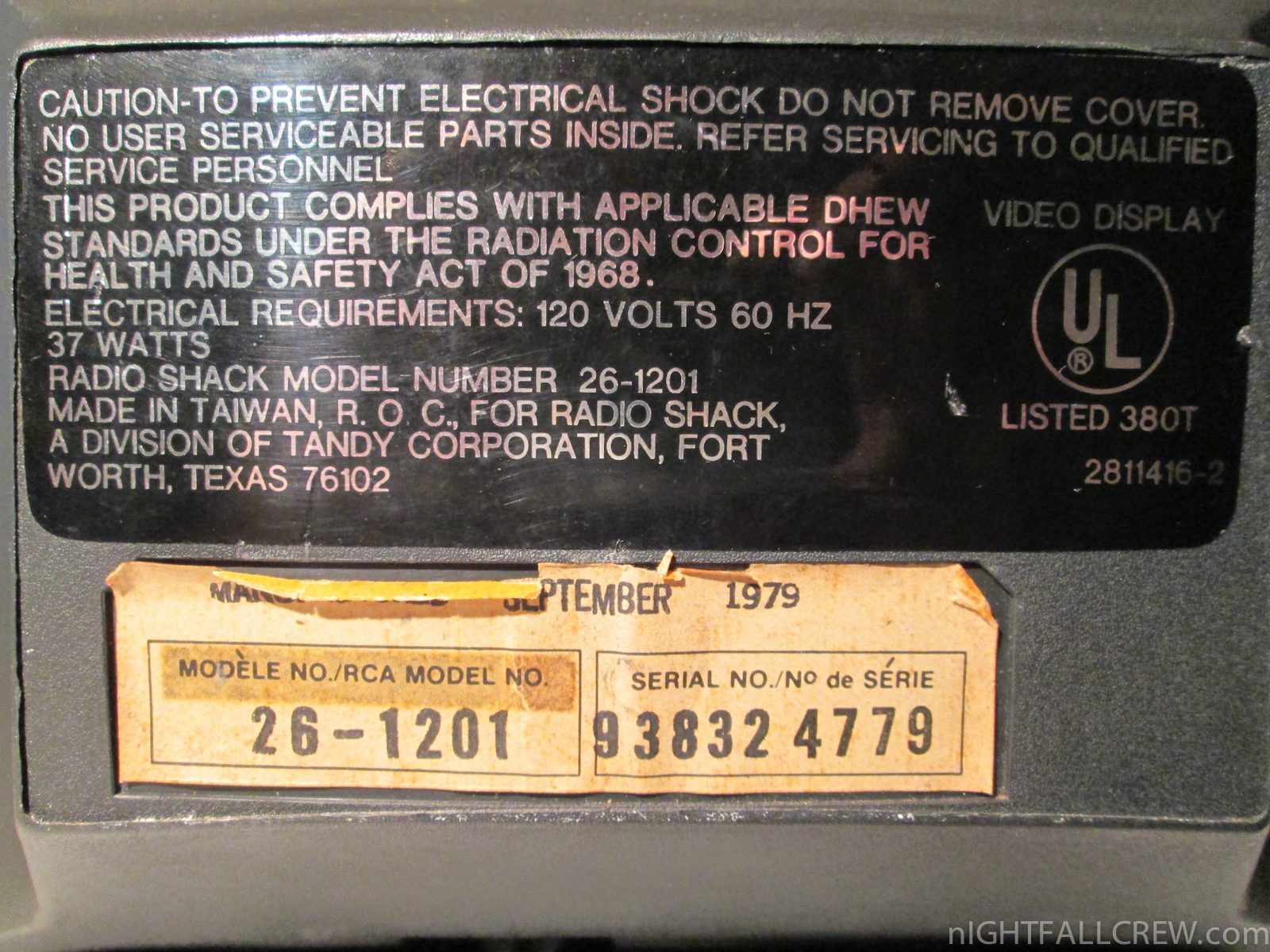
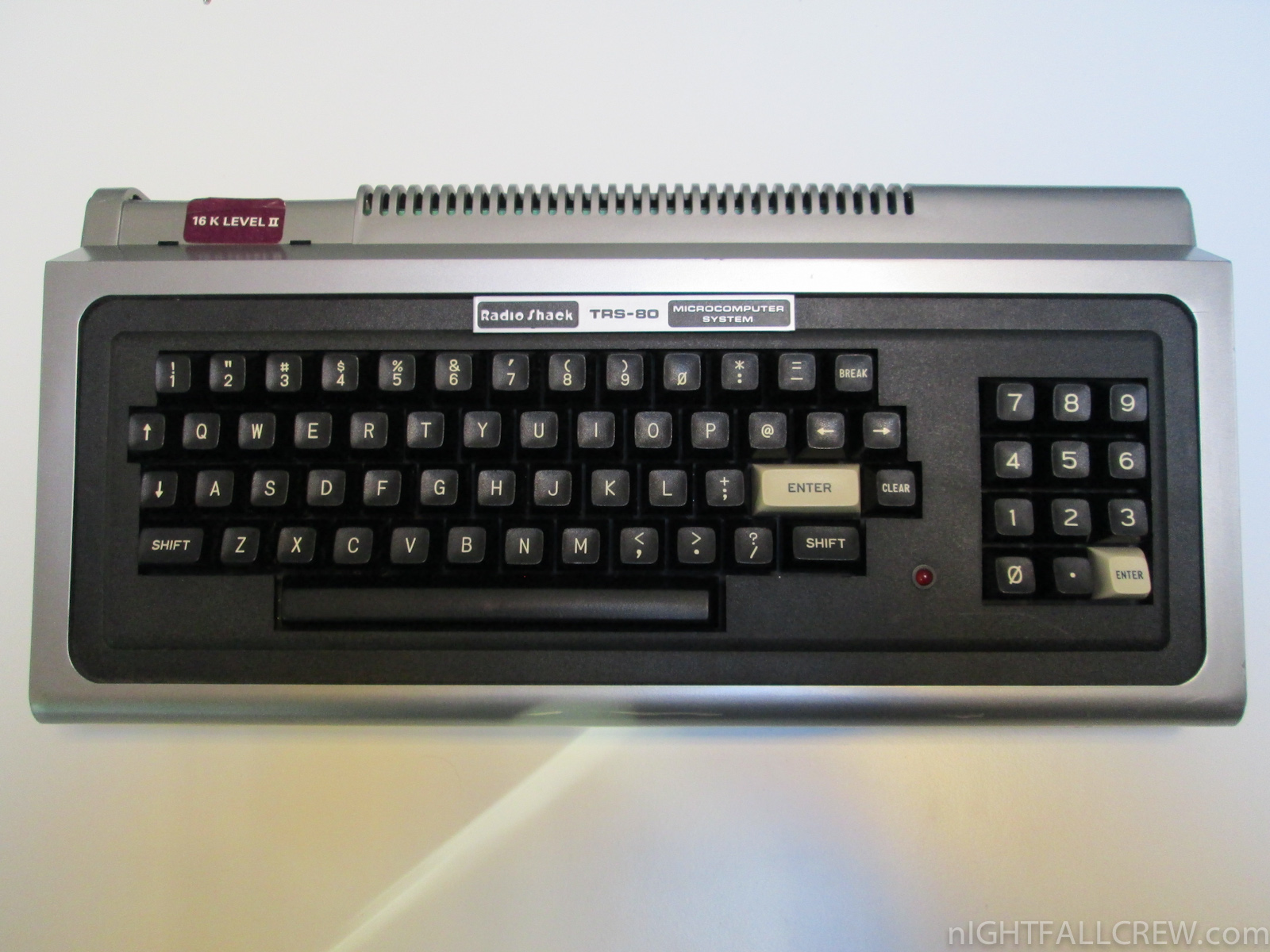
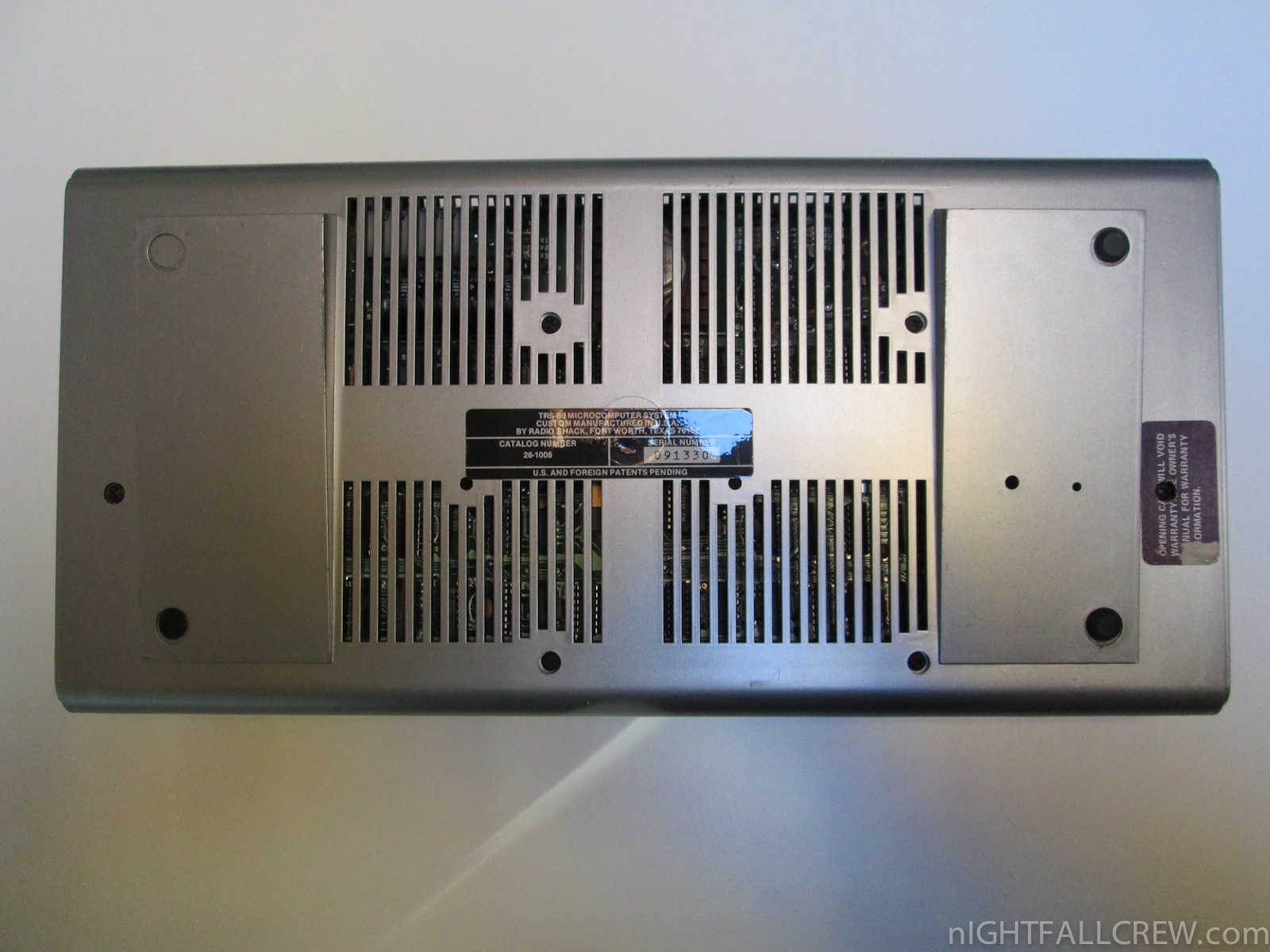
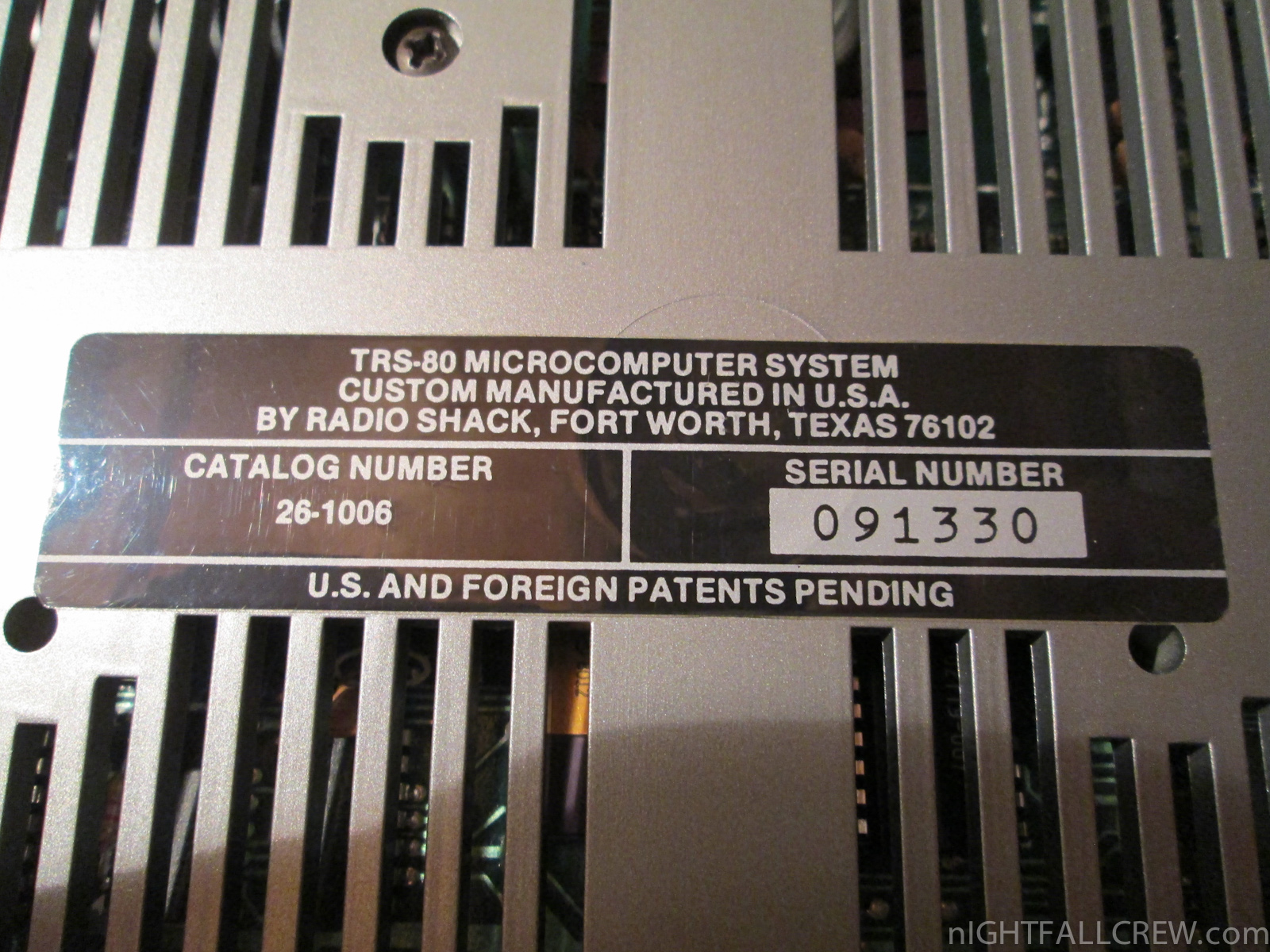
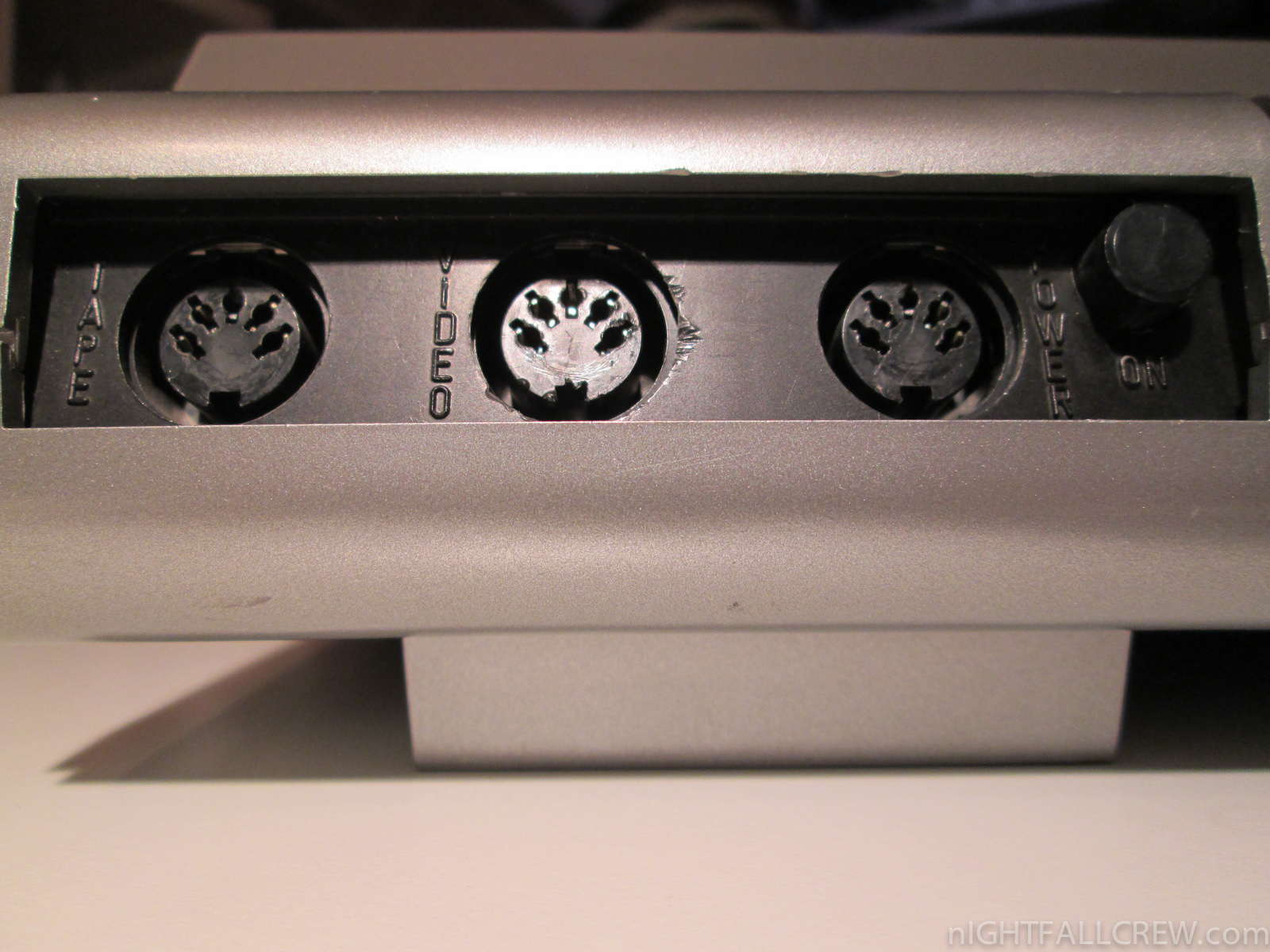
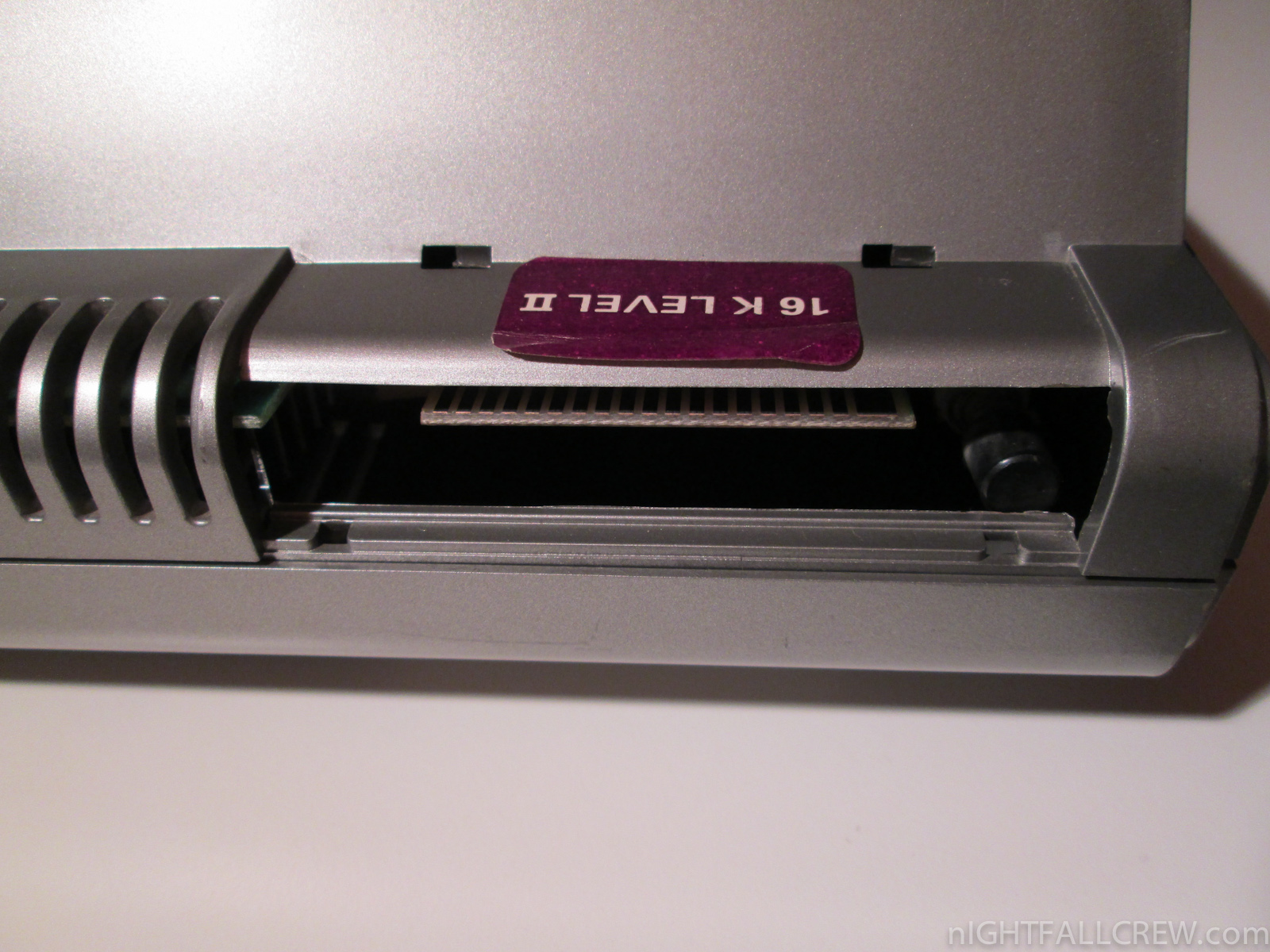
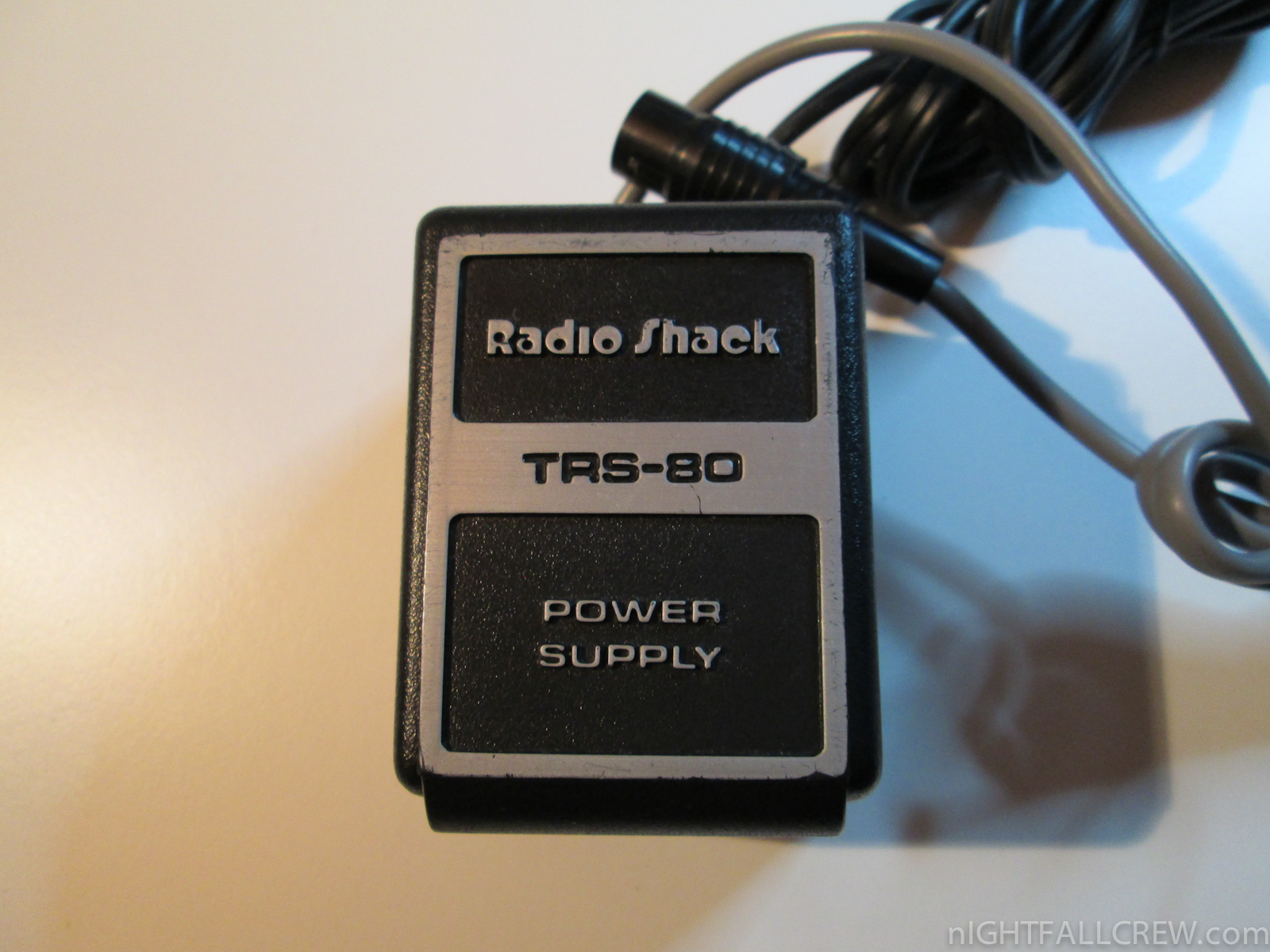
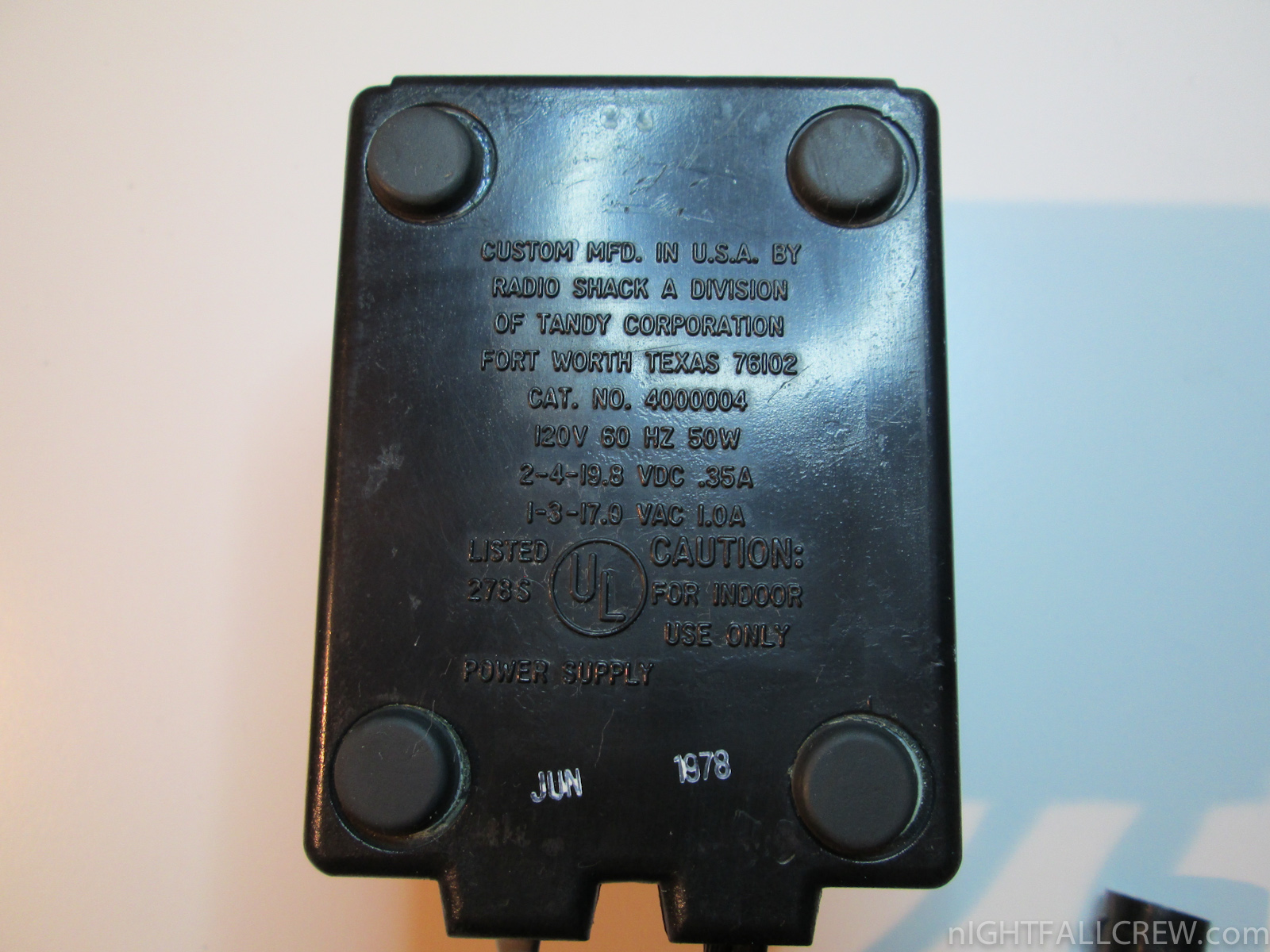
TRS-80 was Tandy Corporation’s desktop microcomputer model line, sold through Tandy’s Radio Shack stores in the late 1970s and early 1980s, and one of the earliest mass-produced personal computers. The first units, ordered unseen, were delivered in November 1977, and rolled out to the stores the third week of December.
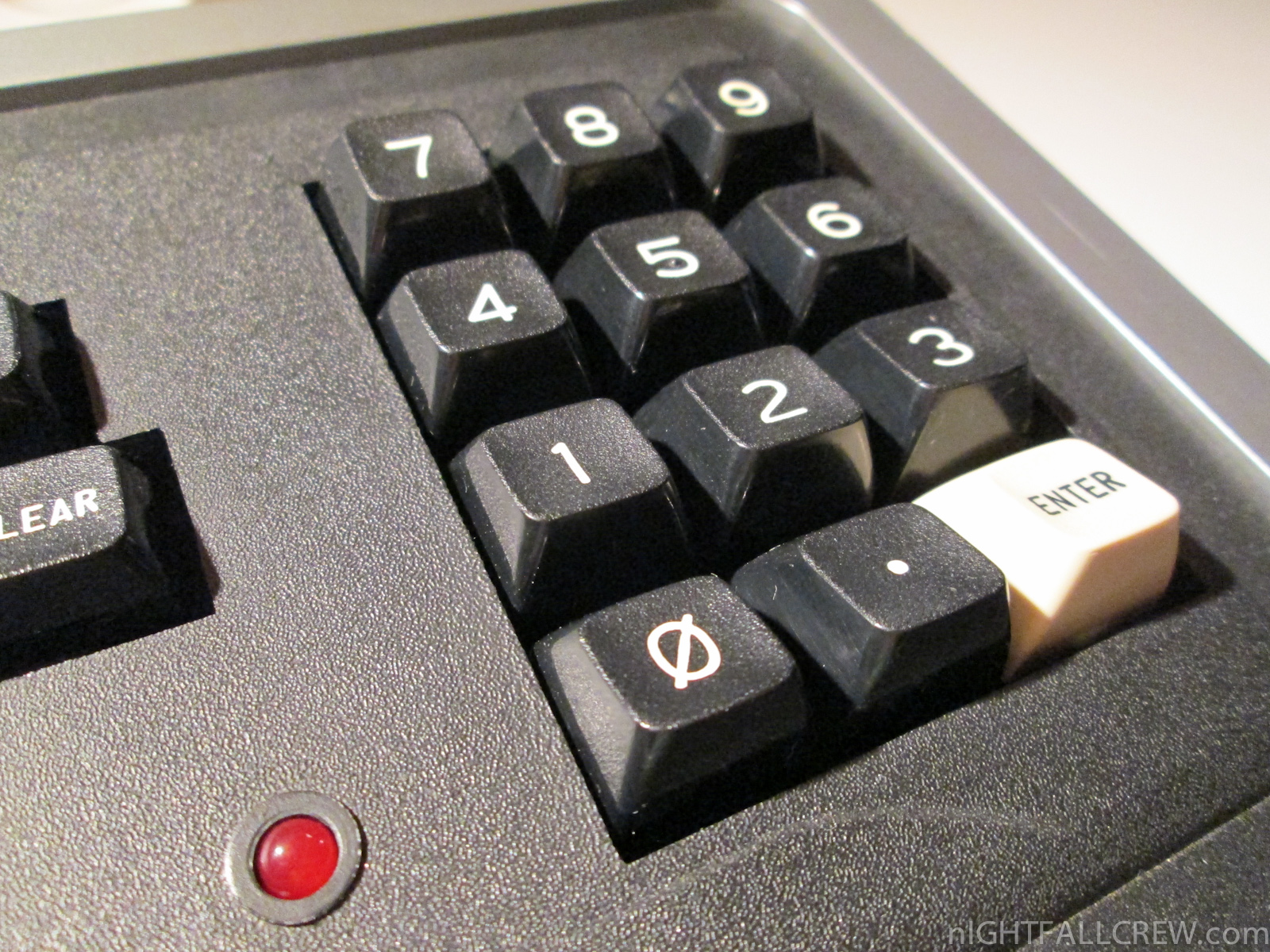
The line won popularity with hobbyists, home users, and small-businesses. Tandy Corporation’s leading position in what Byte Magazine called the “1977 Trinity” (Apple, Commodore and Tandy) had much to do with Tandy’s retailing the computer through more than 3,000 of its Radio Shack storefronts. Notable features of the original TRS-80 included its full-stroke QWERTY keyboard, small size, its floating point BASIC programming language, an included monitor, and a starting price of $600.
The pre-release price was $500 and a $50 deposit was required, with a money back guarantee at time of delivery. One major drawback of the original system was the massive RF interference it caused in surrounding electronics. Stricter FCC regulations on interference led to the Model I’s replacement by the Model III.
Radio Shack announced the TRS-80 (Tandy Radio Shack) at a New York City press conference on August 3, 1977. It cost $399, or $599 with a 12″ monitor and a Radio Shack tape recorder as datacassette storage. Before this, the most expensive product Radio Shack sold was a $500 stereo.
The company hoped that the new computer would help Radio Shack move into higher-priced products, and improve its “schlocky” image among customers. Small businesses were the primary target market, followed by education, then consumers and hobbyists. Despite its hobbyist customer base, Radio Shack saw hobbyists as “not the mainstream of the business”. Although the press conference did not receive much media attention due to a terrorist bombing elsewhere in the city that day, “six sacks of mail” arrived at company headquarters asking about the computer, and over 15,000 people called Tandy to purchase a TRS-80, paralyzing its switchboard.
Unlike competitor Commodore—which had announced its PET several months earlier but had not yet shipped any—Radio Shack began shipping computers by September. Still forecasting 3,000 sales a year, the company sold over 10,000 TRS-80s Model Is in its first one and a half months of sales, and over 200,000 during the product’s lifetime.
source: wikipedia
Turbo Chameleon 64 is an extremely user-friendly cartridge that can be used without opening the computer. It is just plugged to the expansion port of the C64.
The Turbo Chameleon 64 cartridge can also be operated as a stand-alone unit (since it’s basically an FPGA computer like the C-One or the Minimig in a C64 cartridge case), replacing the computer, the floppy drive and the heavy power supply.
When used as a stand-alone unit, a USB power adapter or active USB hub can be used as a power source.
Changelog:
Download: Chameleon 64 beta firmware 8b (1814)
source: beta.icomp.de
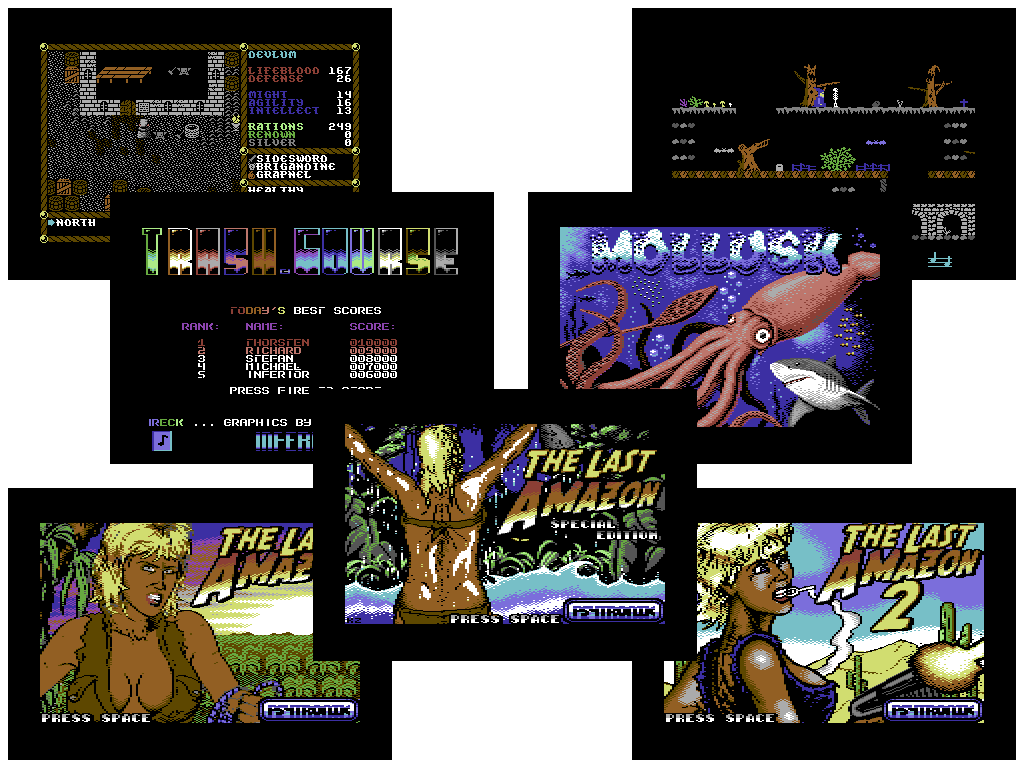
Some new games (Cracked / Trained or Unrealeased) for Commodore 64 have been released from your favorites groups: Genesis Project and Laxity.
Download:
source: csdb.dk
SNDH archive v3.4 released. 73 SNDH-files added or updated!
Ever since the birth of the Atari ST, different chip music formats have had different ways to use them. If you are coding a chip music player for the Atari ST you would have to use dozens and dozens of special ways to replay music.
But in the mid 90′s, BDC of Aura crew became tired of this inelegant system and decided to fix the issue once and for all. He then created the ‘SNDH’ file format. SNDH is actually the original songfile and replaycode with a header bolted on top of the music and replayer. The header has a unified calling interface no matter what type of chip music is hidden beneath it, and it has extended datas about the music.
download: SNDH Atari ST YM2149 Archive v3.4 (1819)
source: sndh.atari.org
Some new games (Cracked / Trained or Unrealeased) for Commodore 64 have been released from your favorites groups: Mayday!, Antarctica and Laxity.
Download:
source: csdb.dk
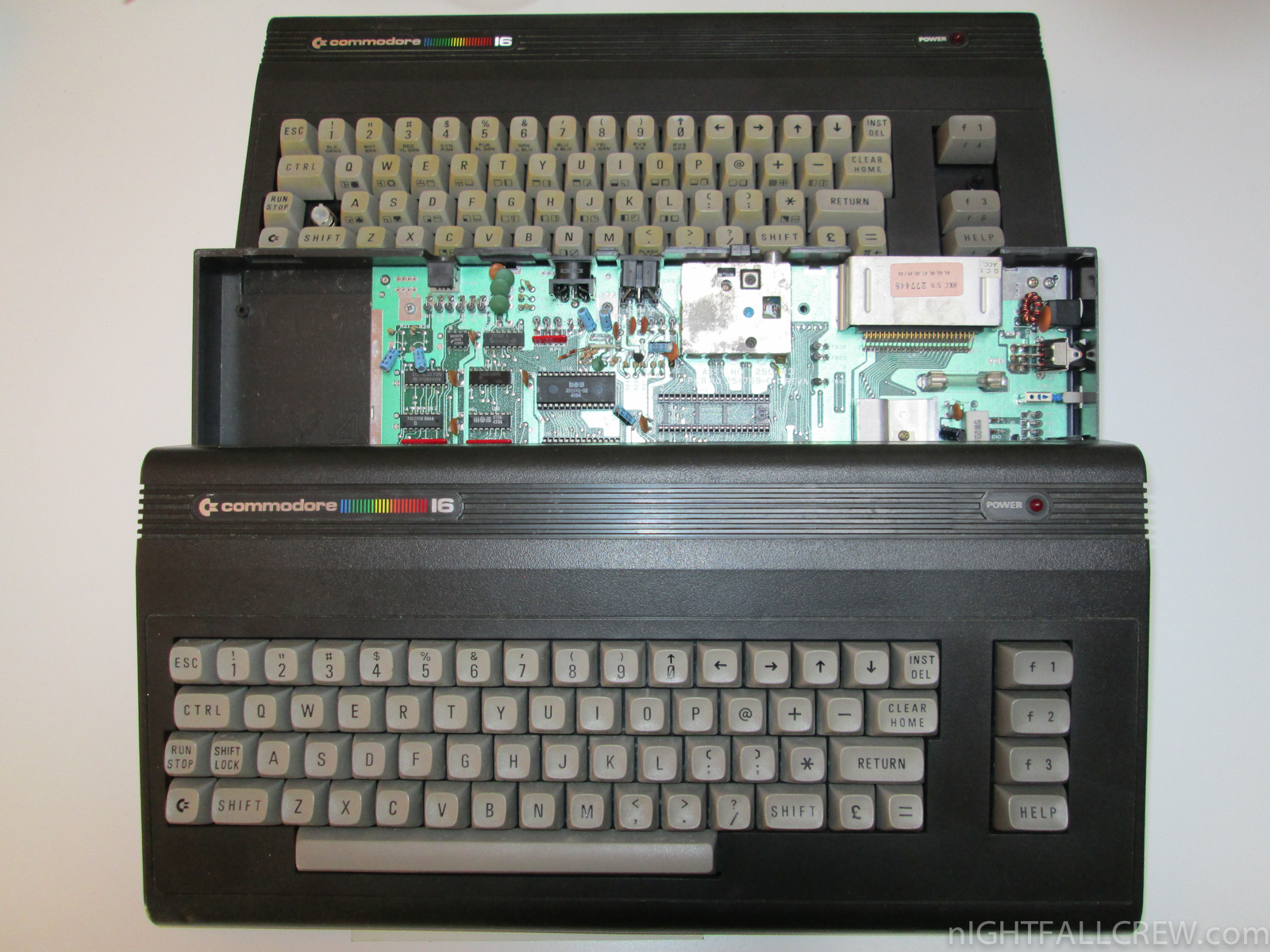
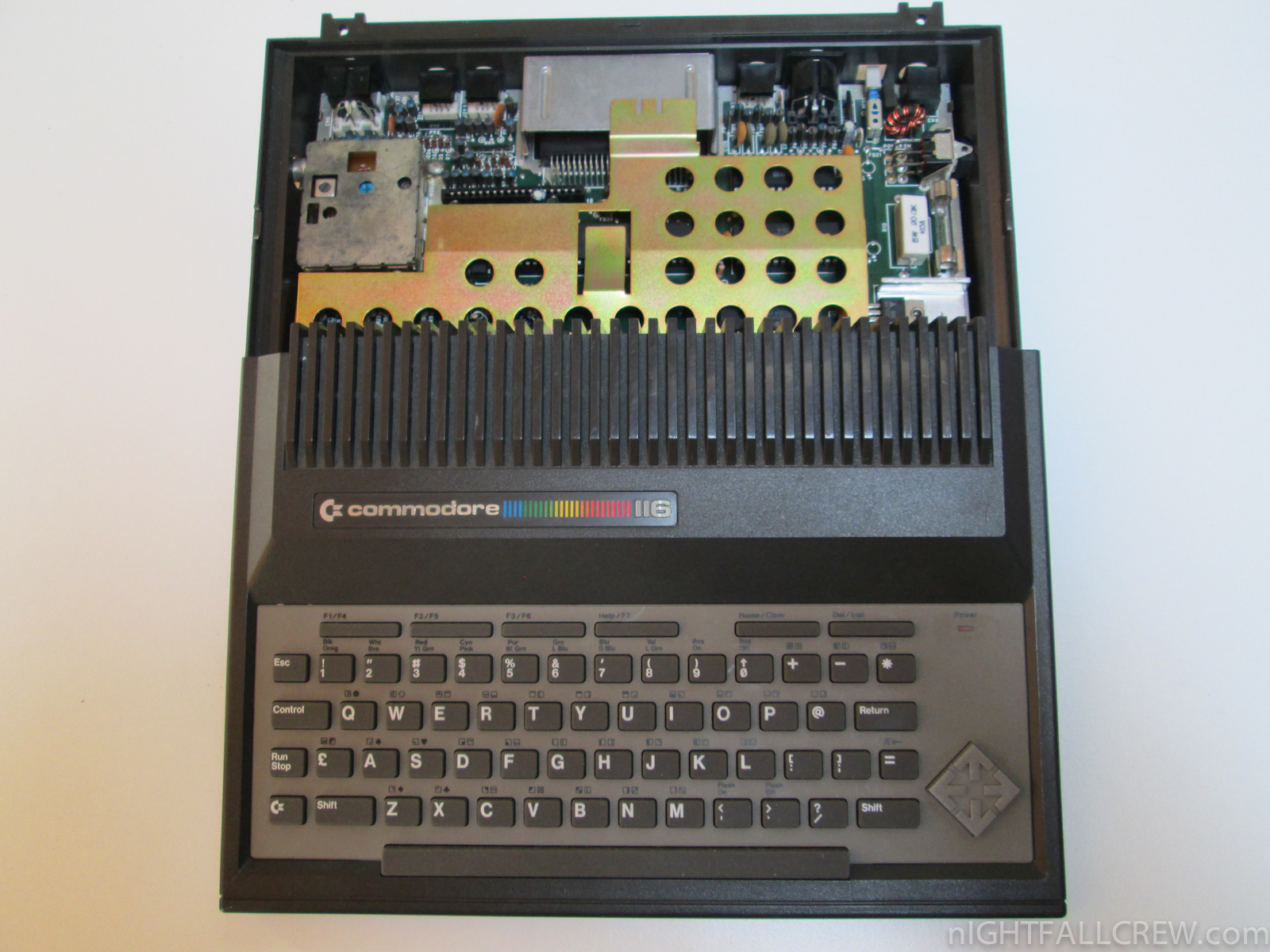
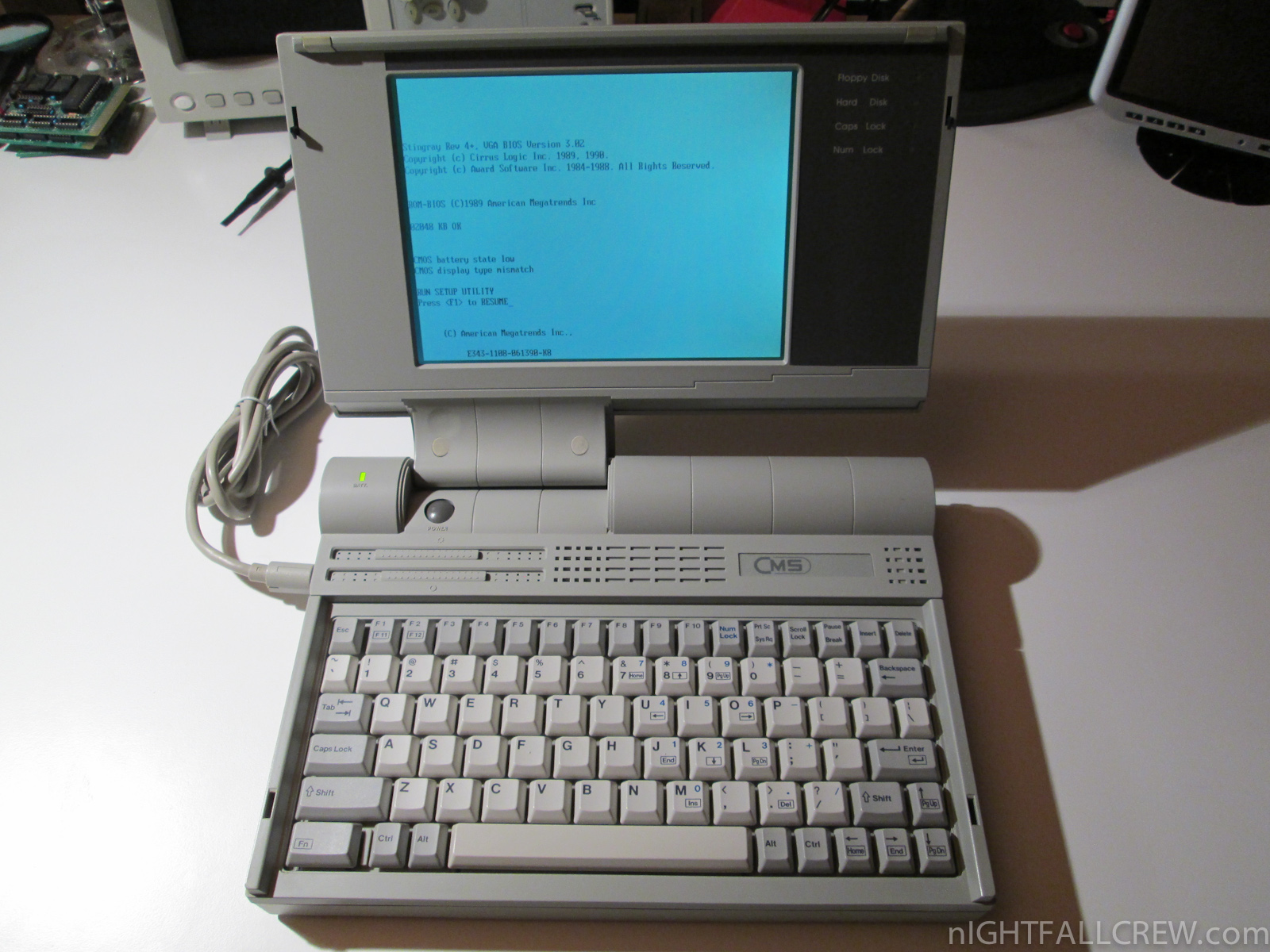
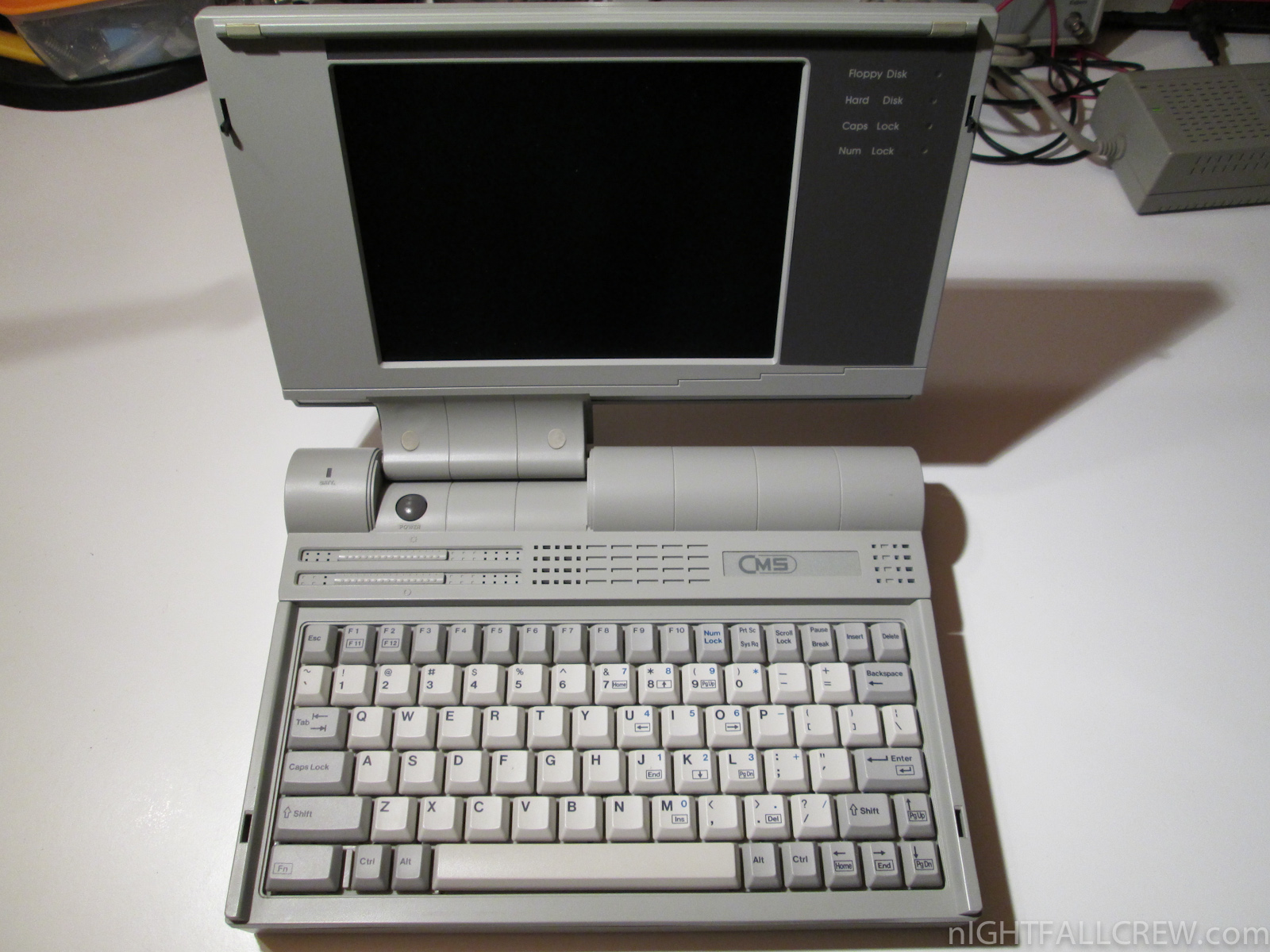
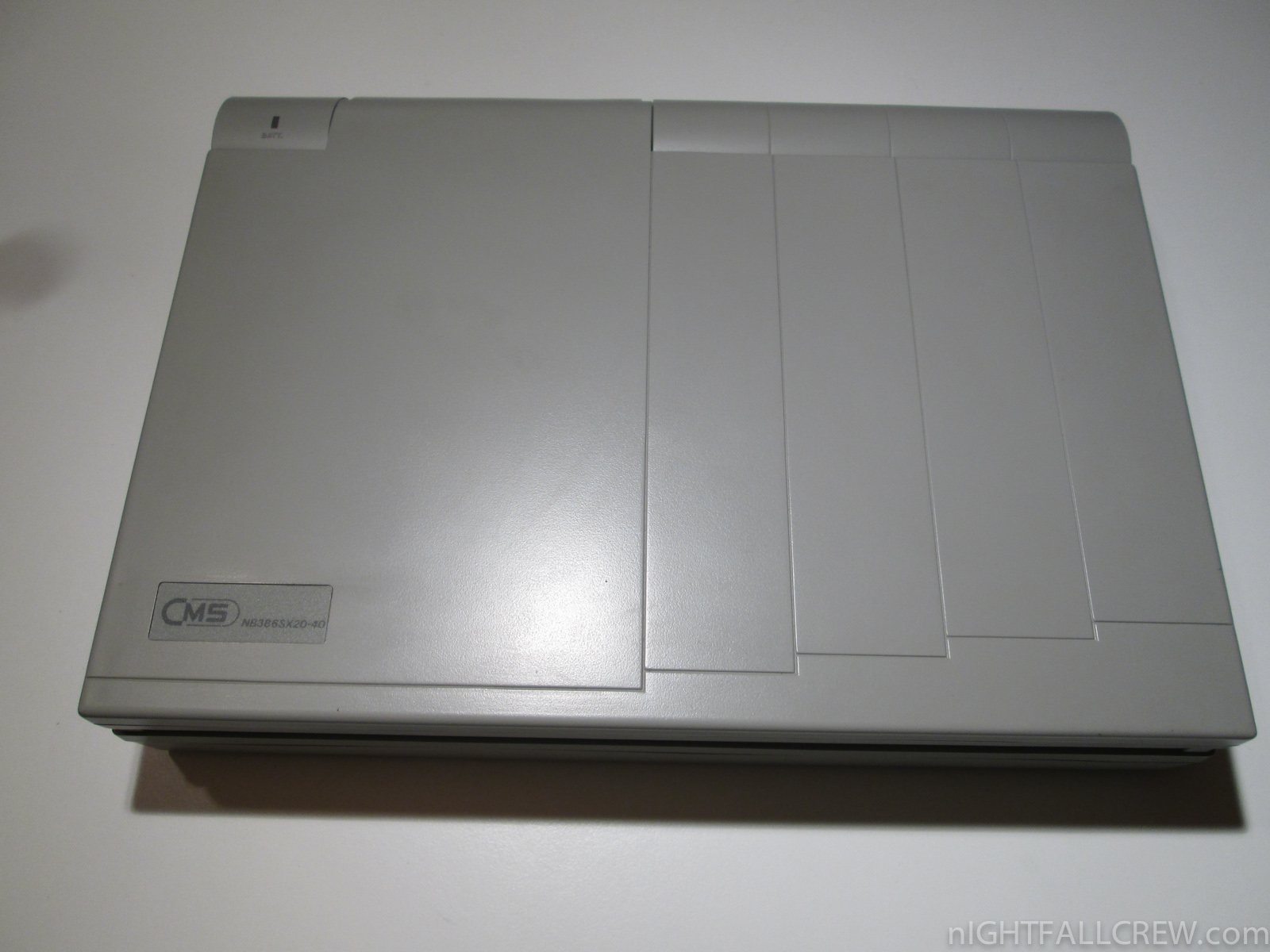
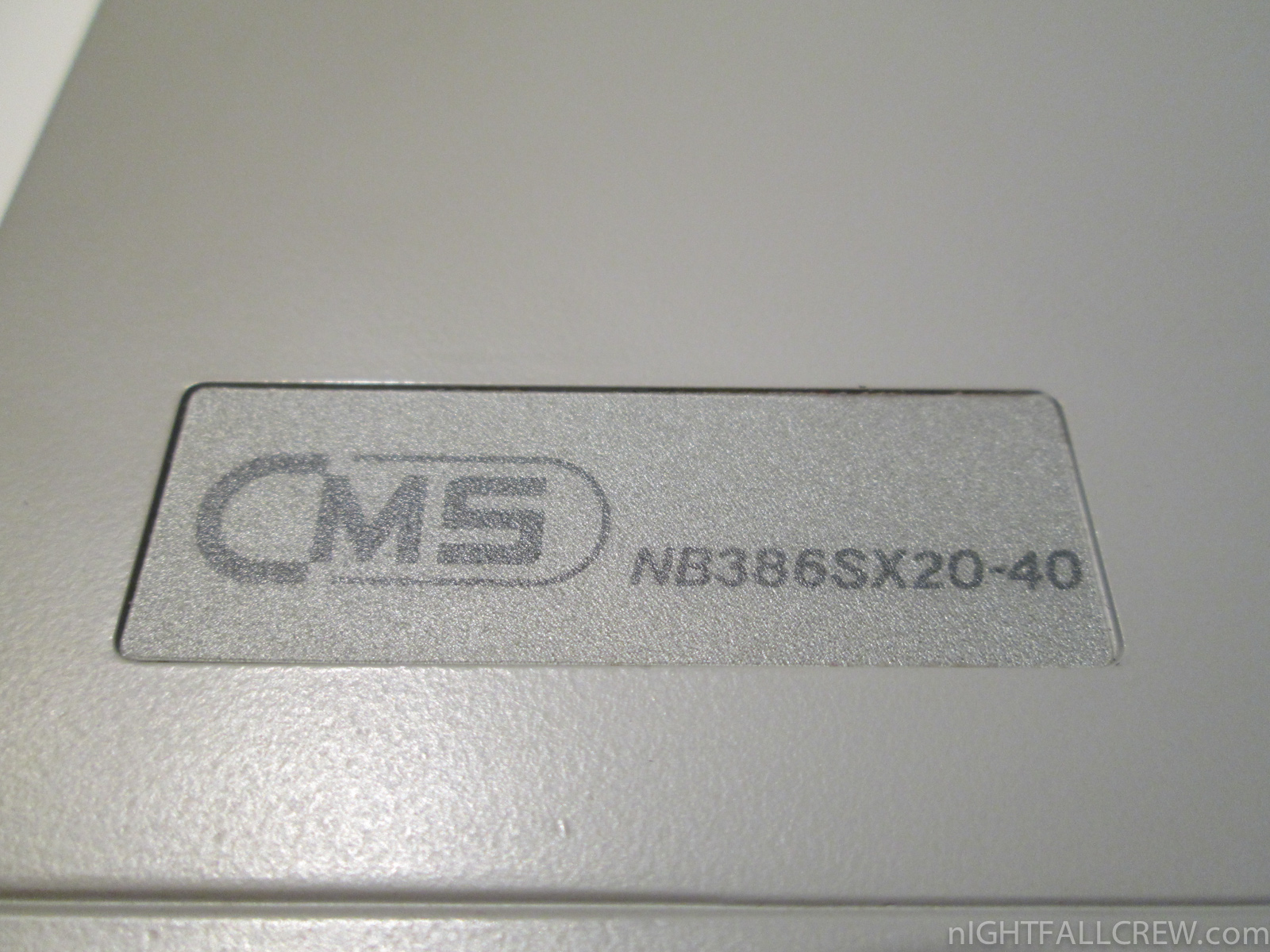
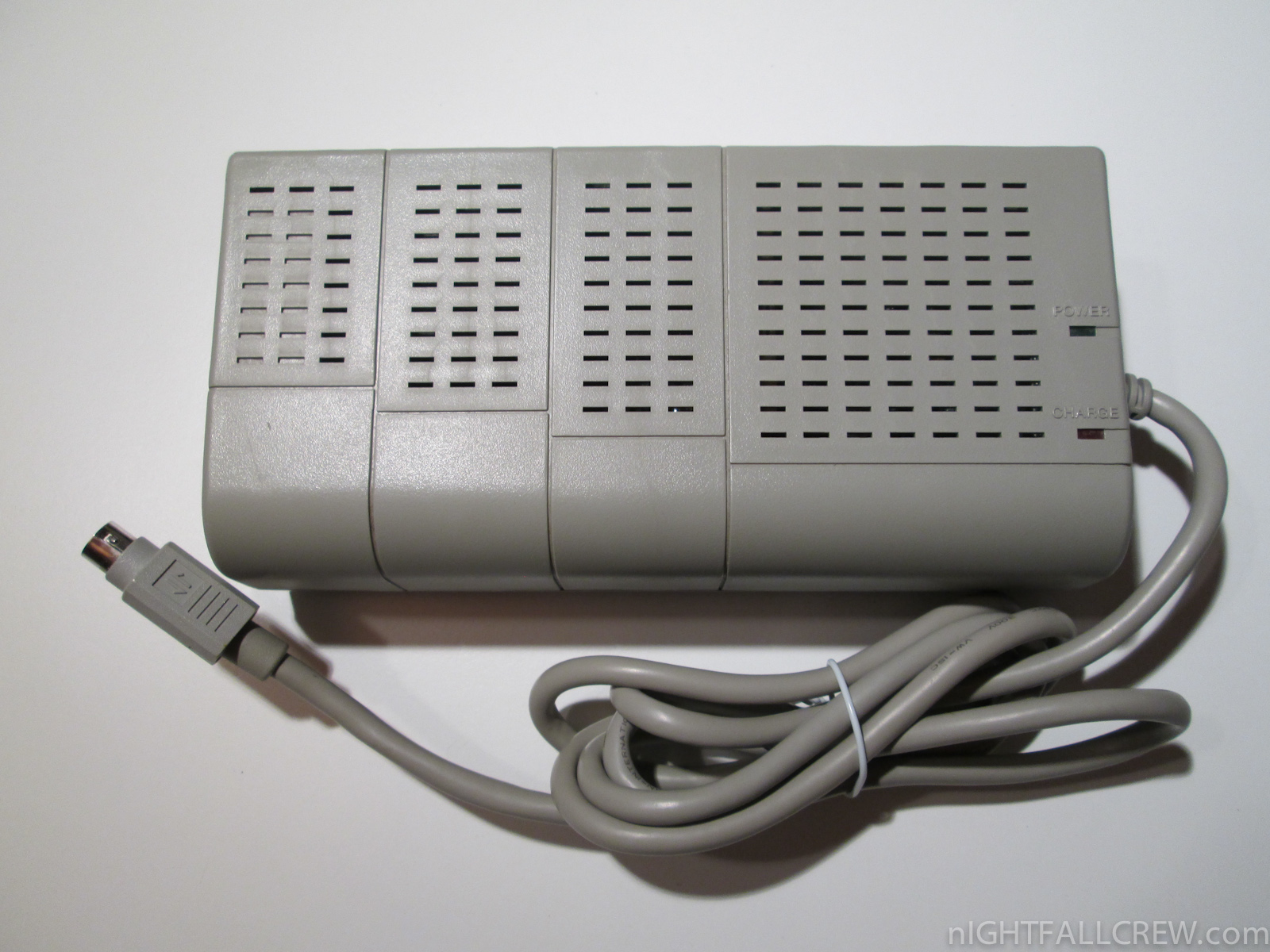
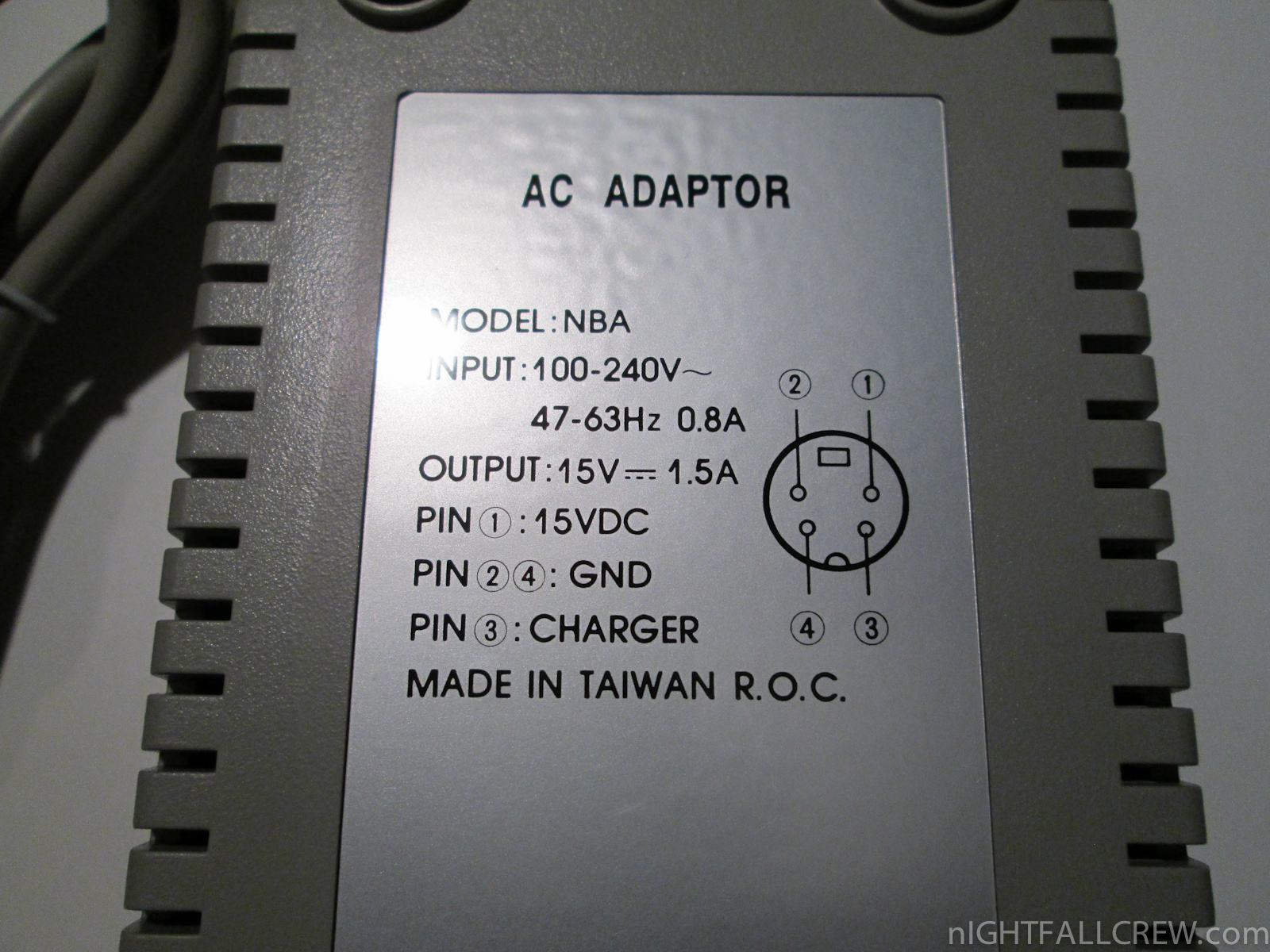
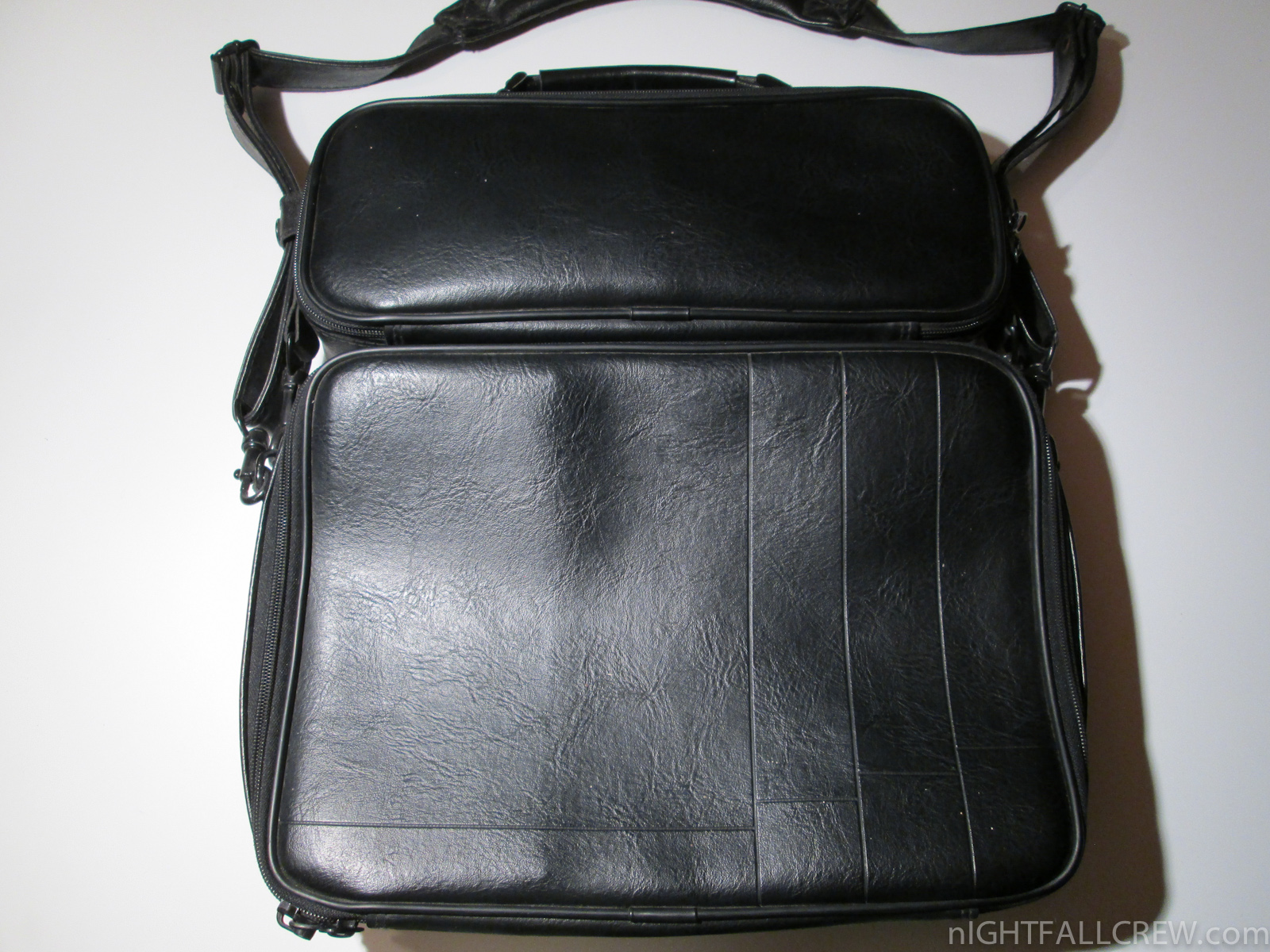
Commodore C16/C116 for Spare Parts donated by Damiano Colombari (Manosoft). Thanks Damiano.
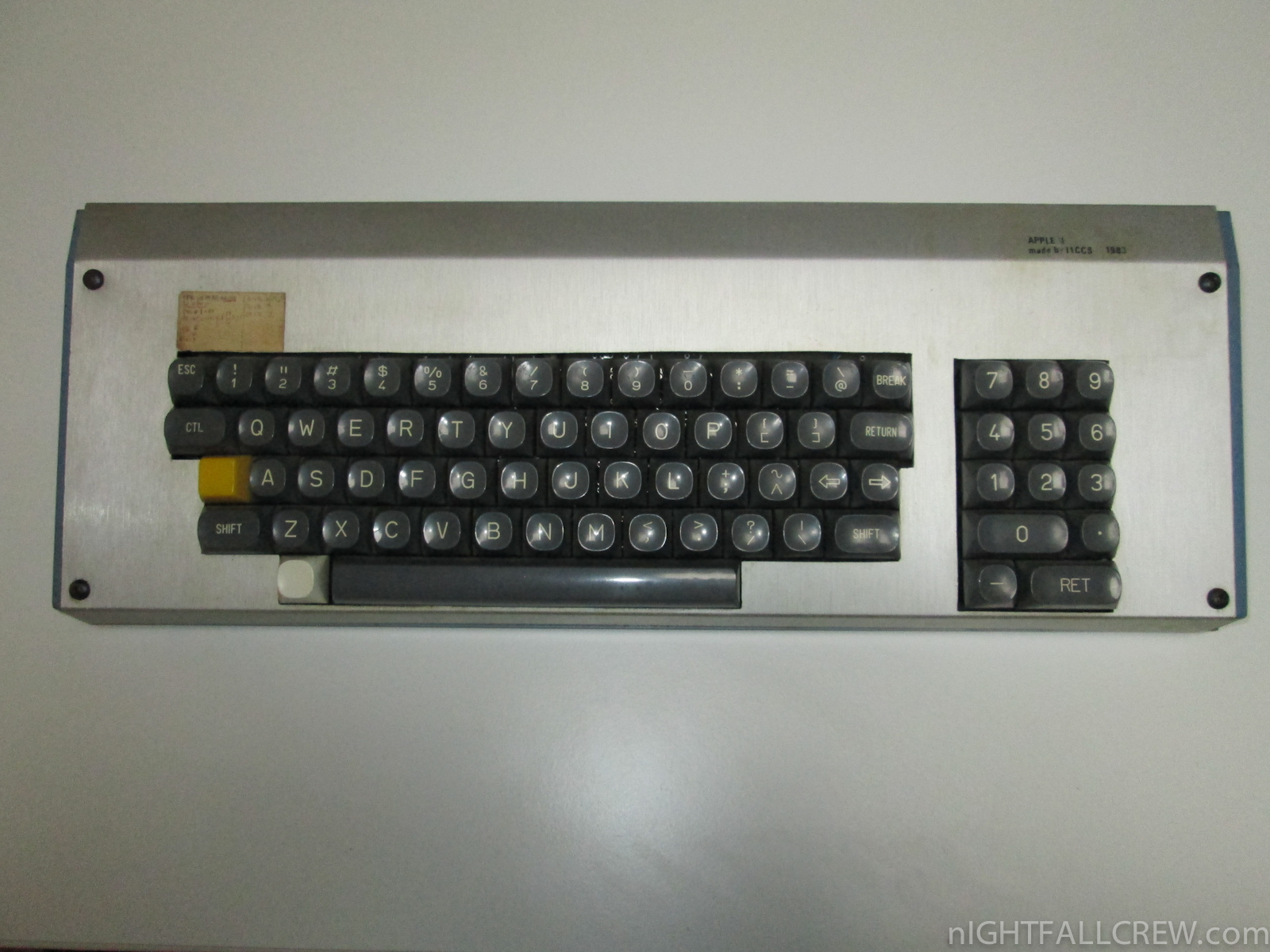
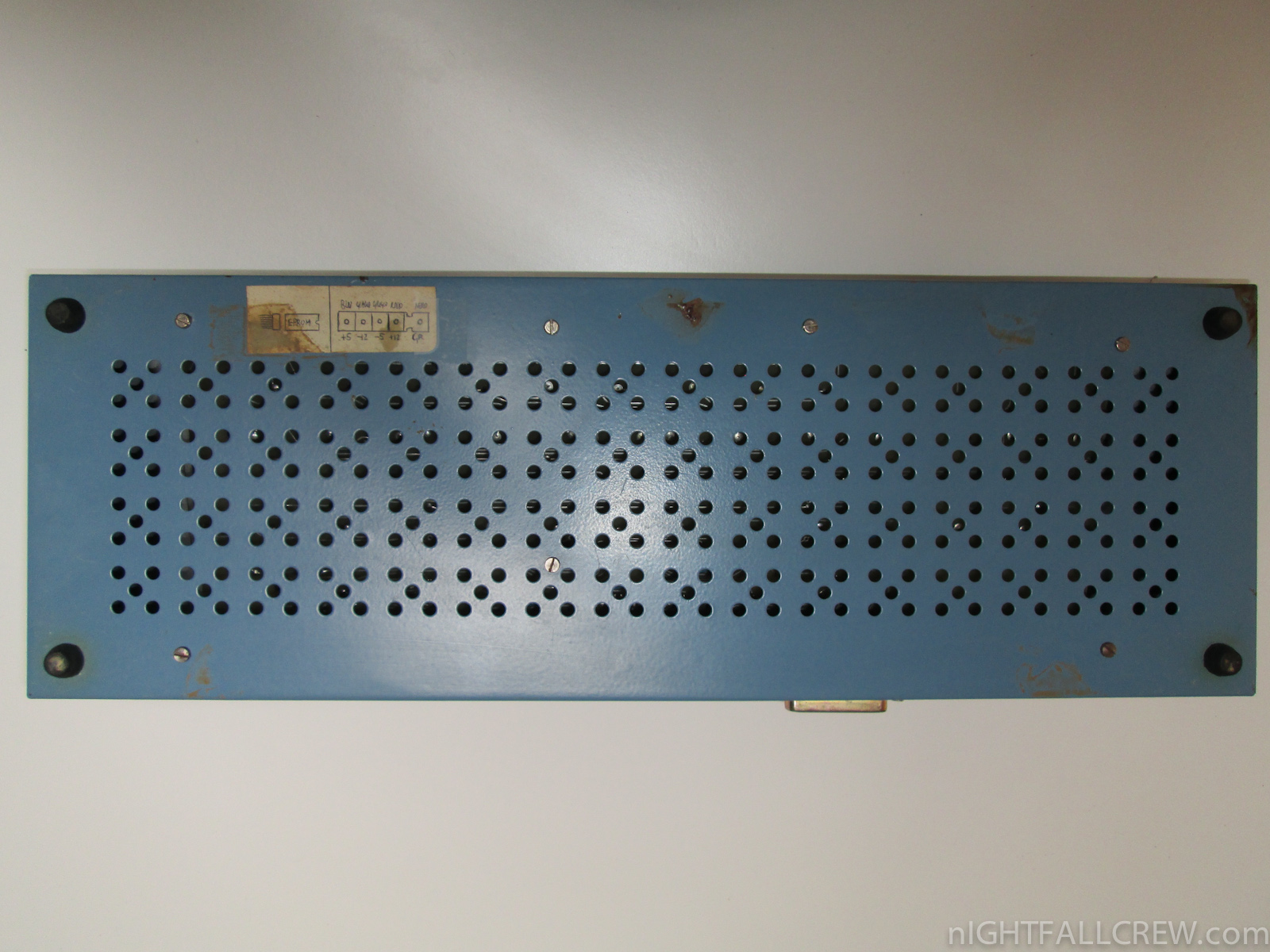
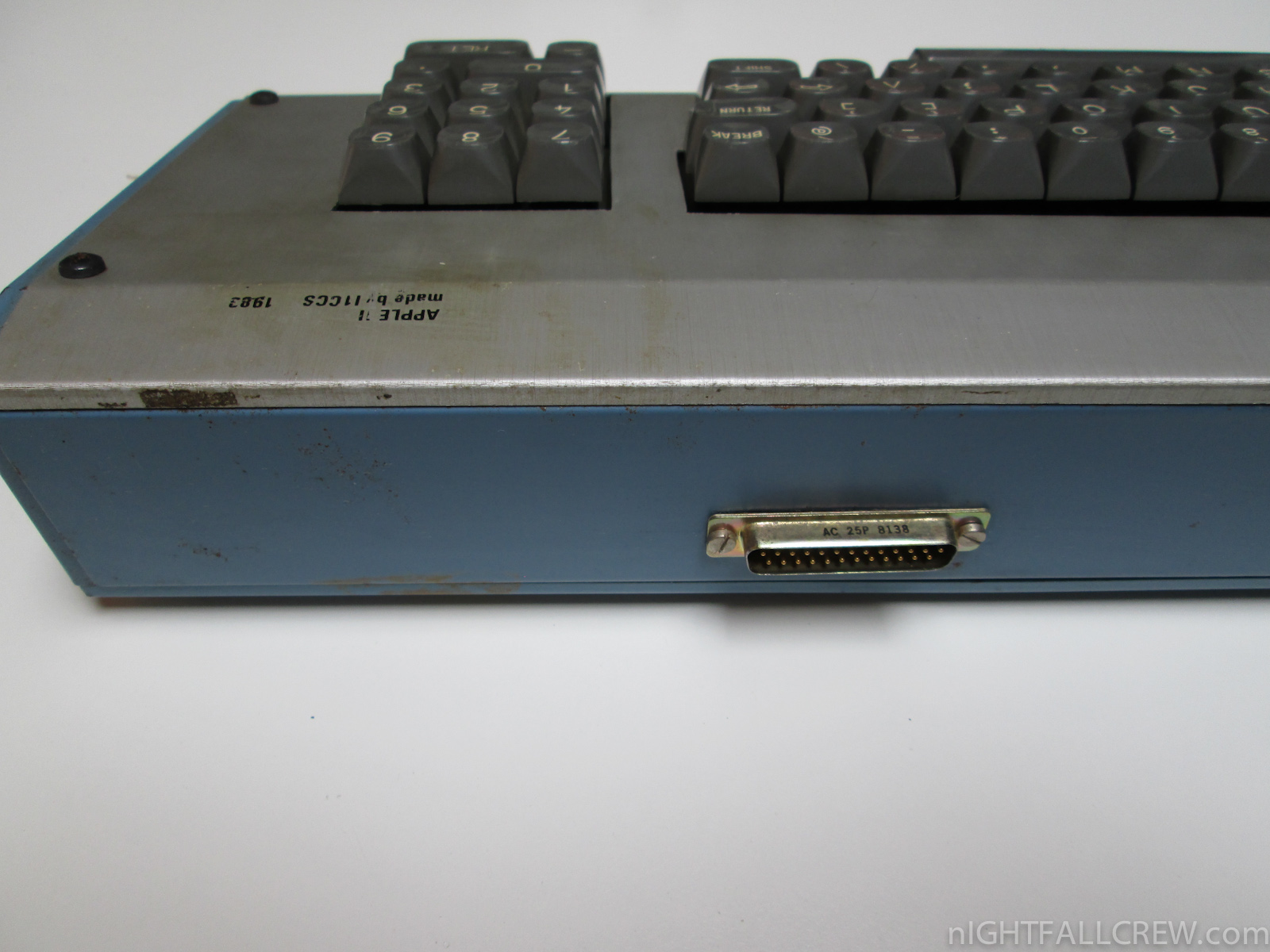
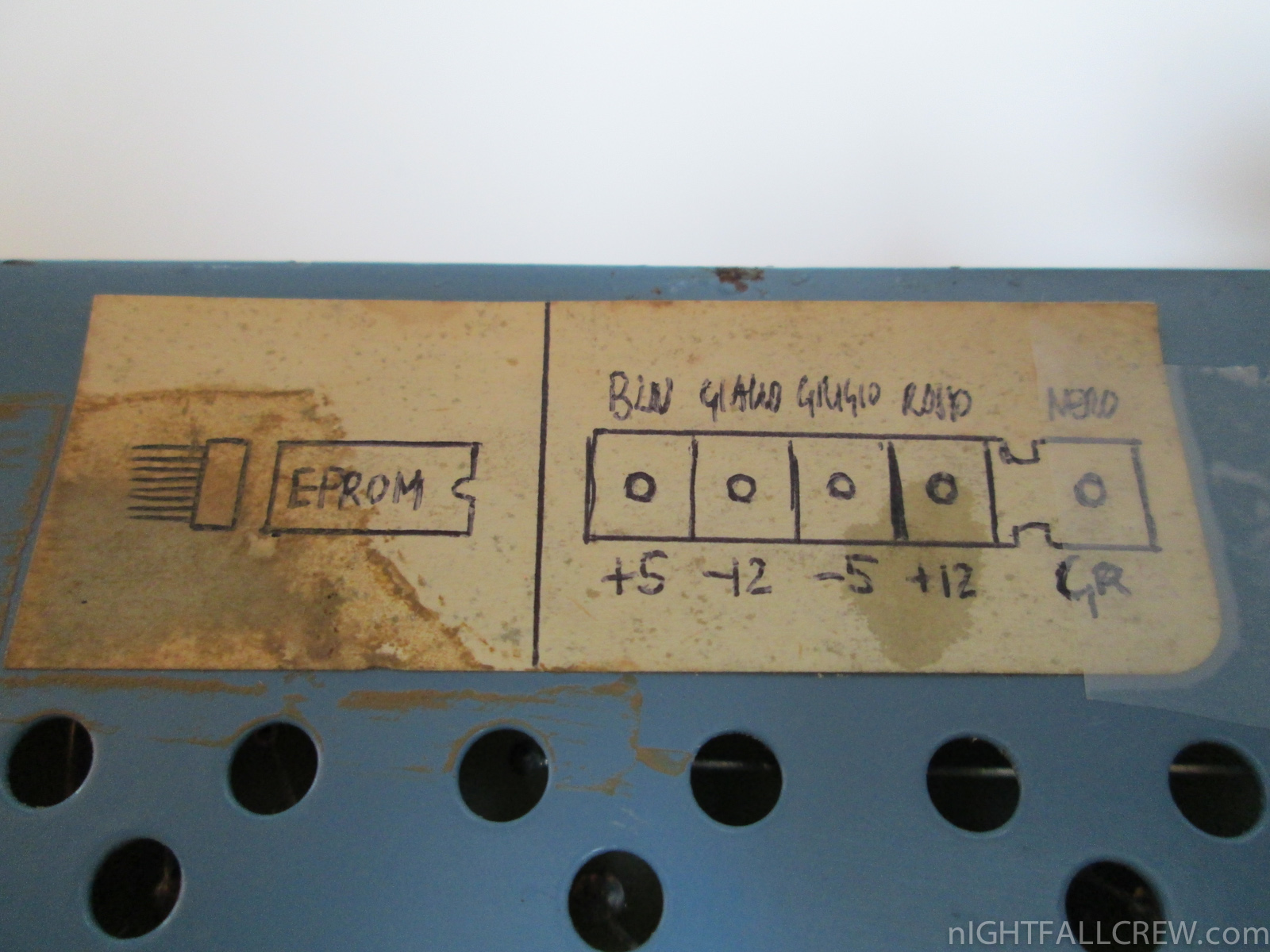
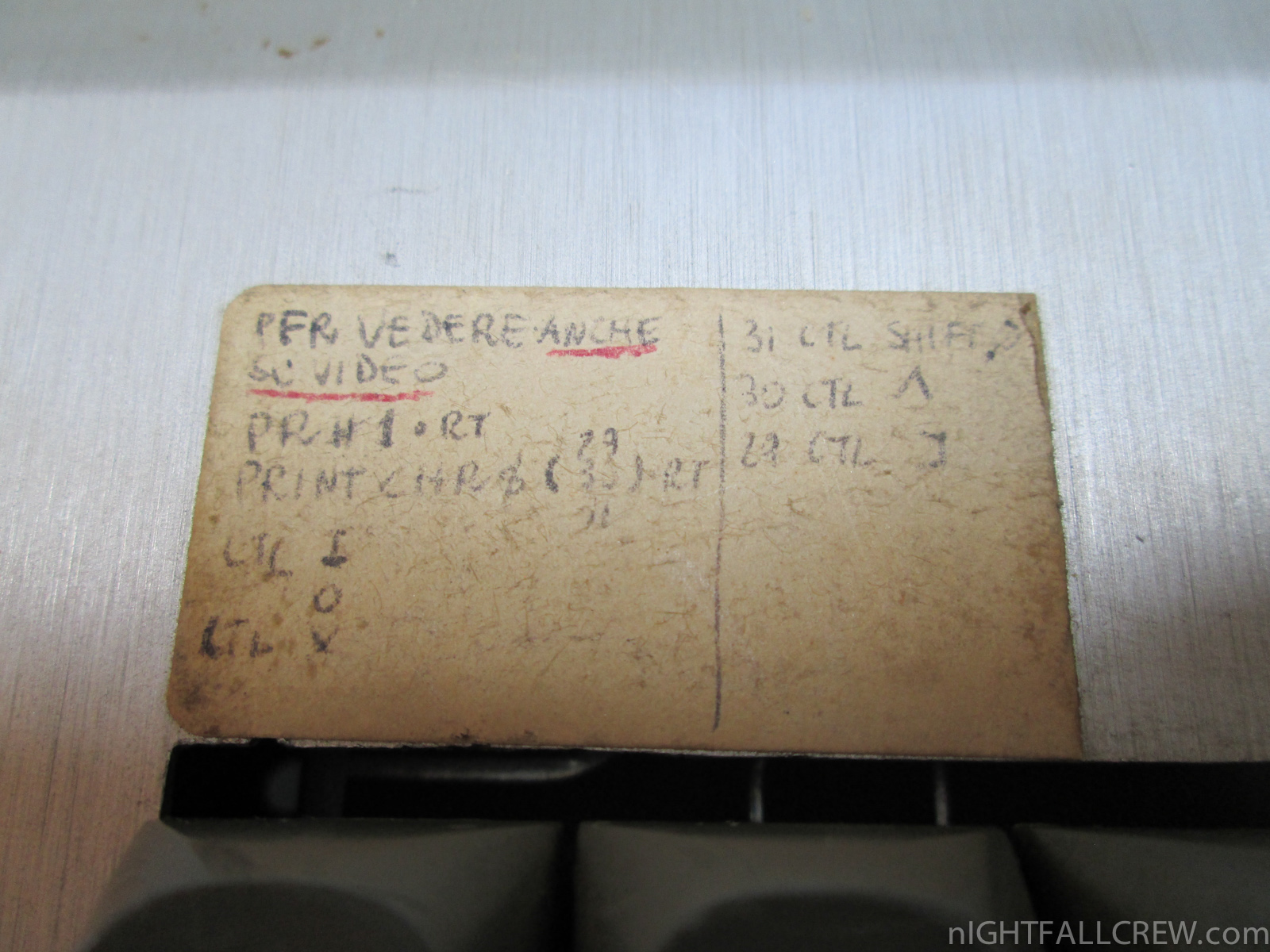
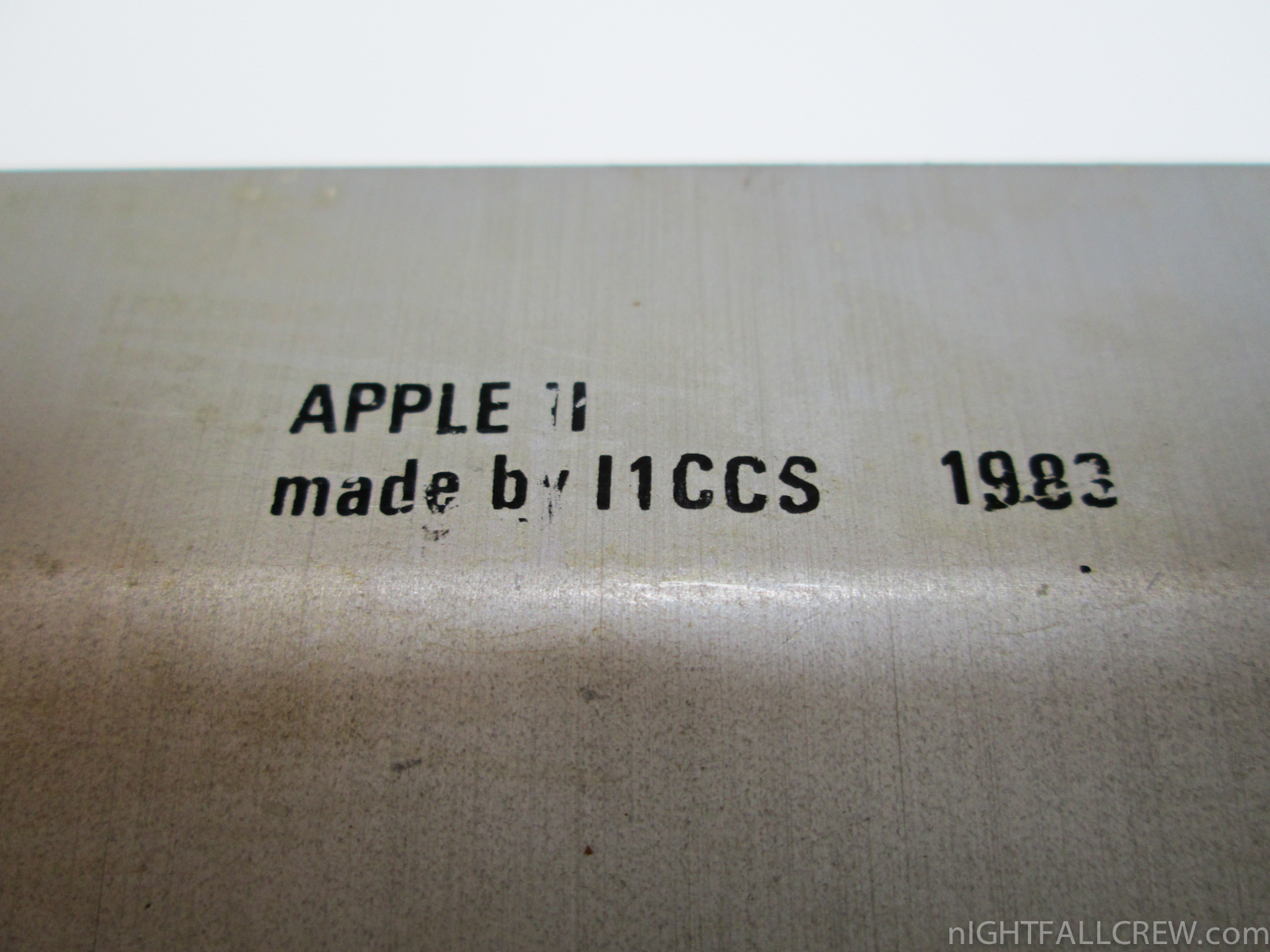
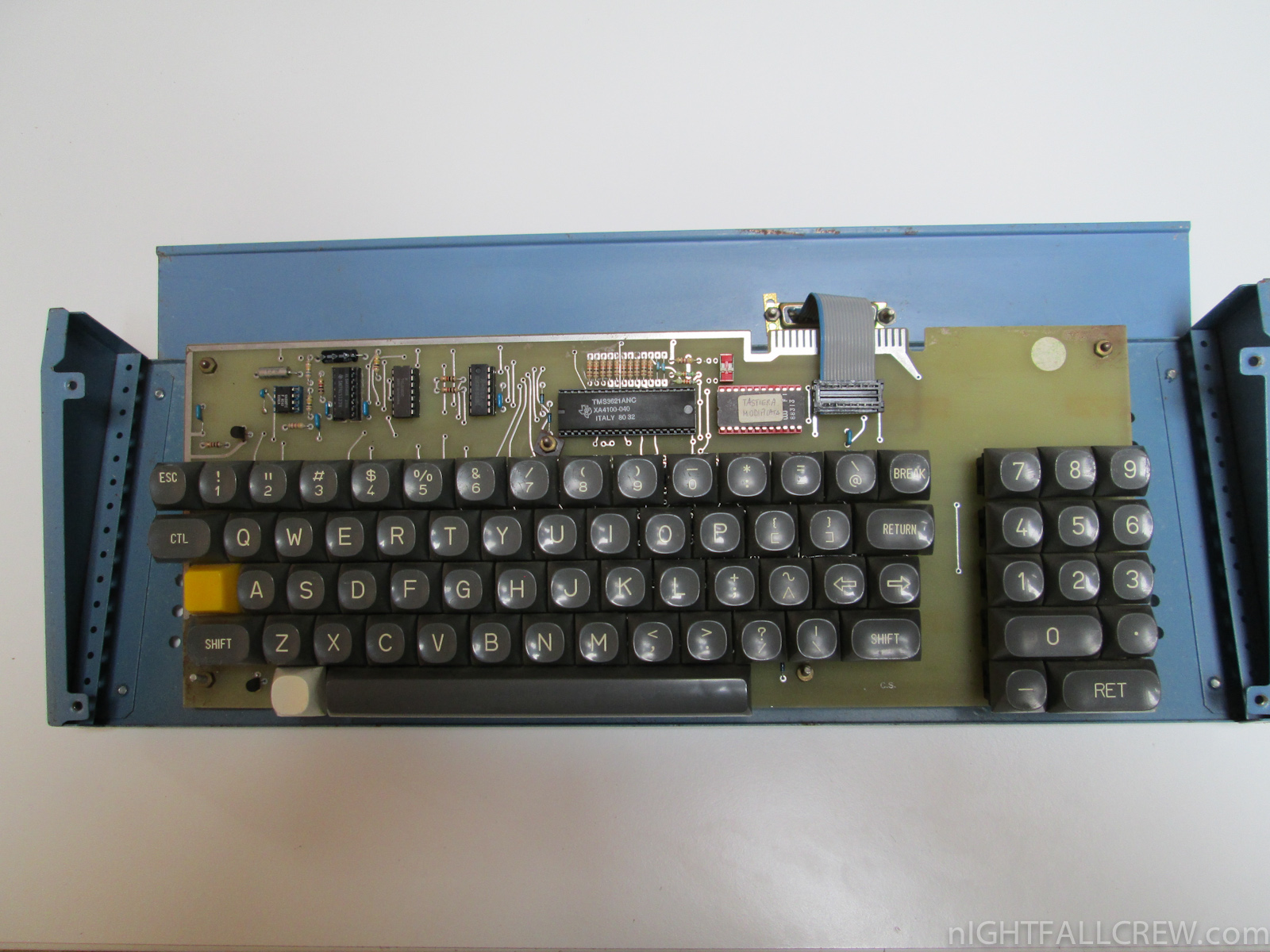
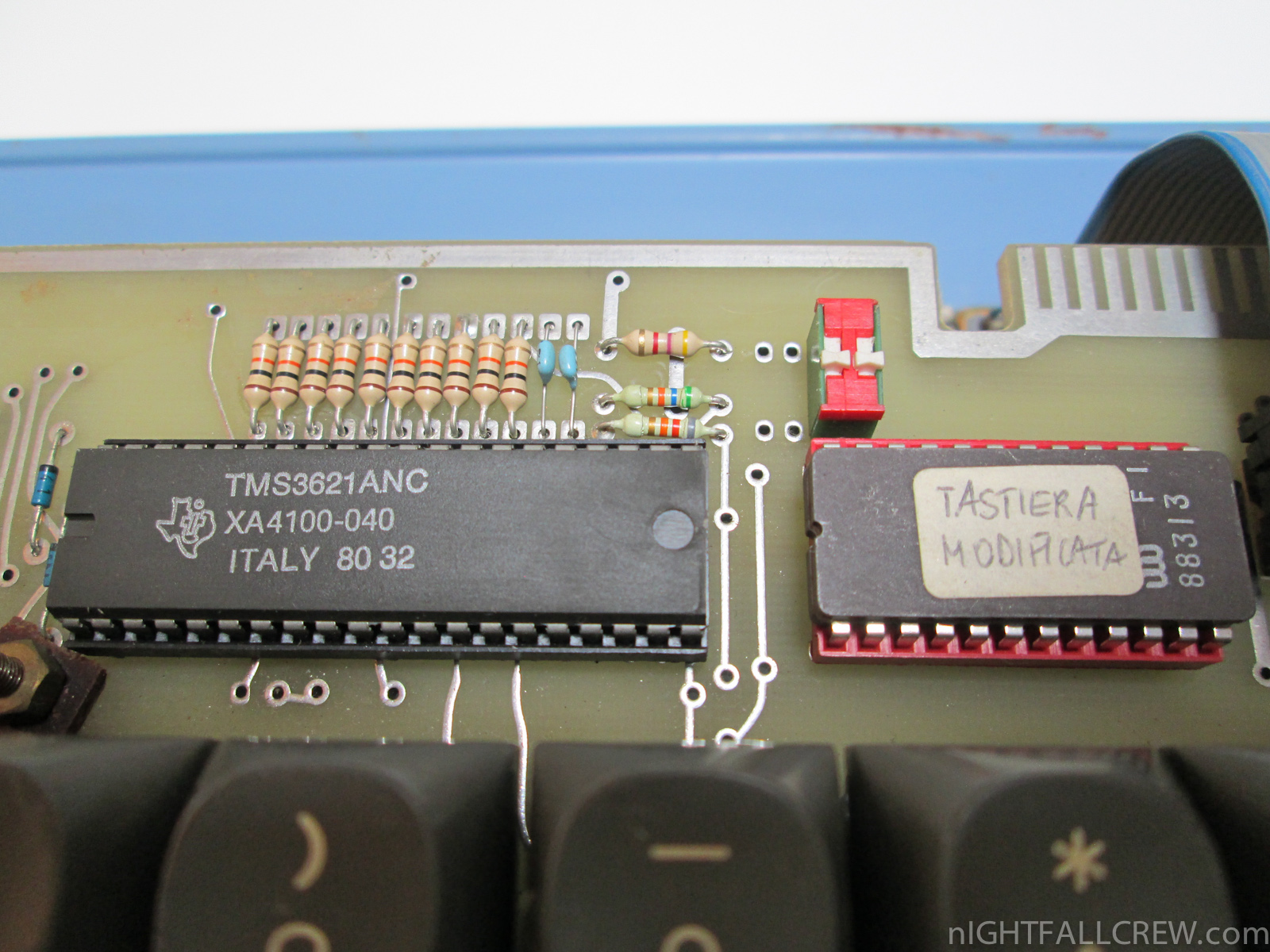
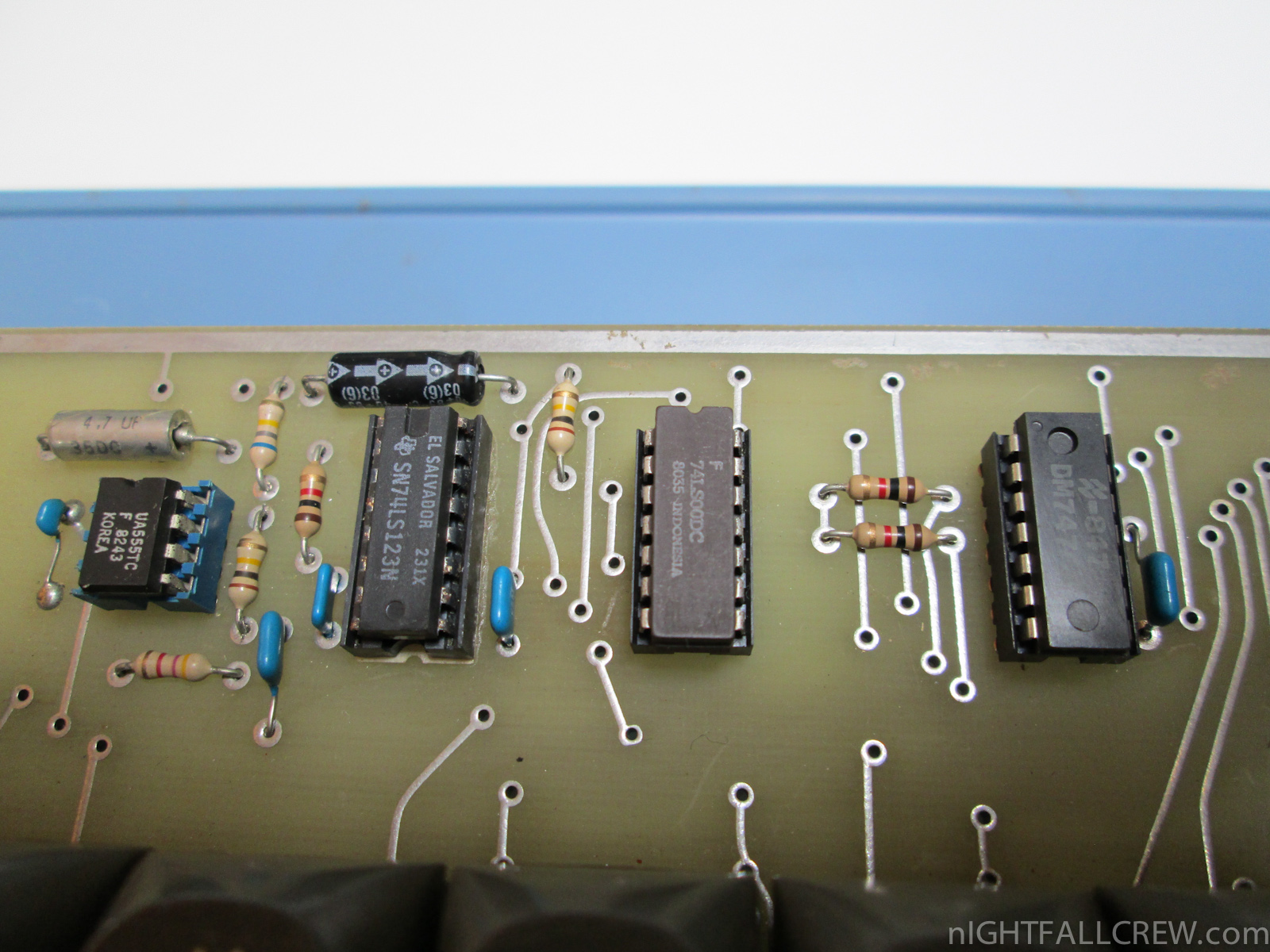
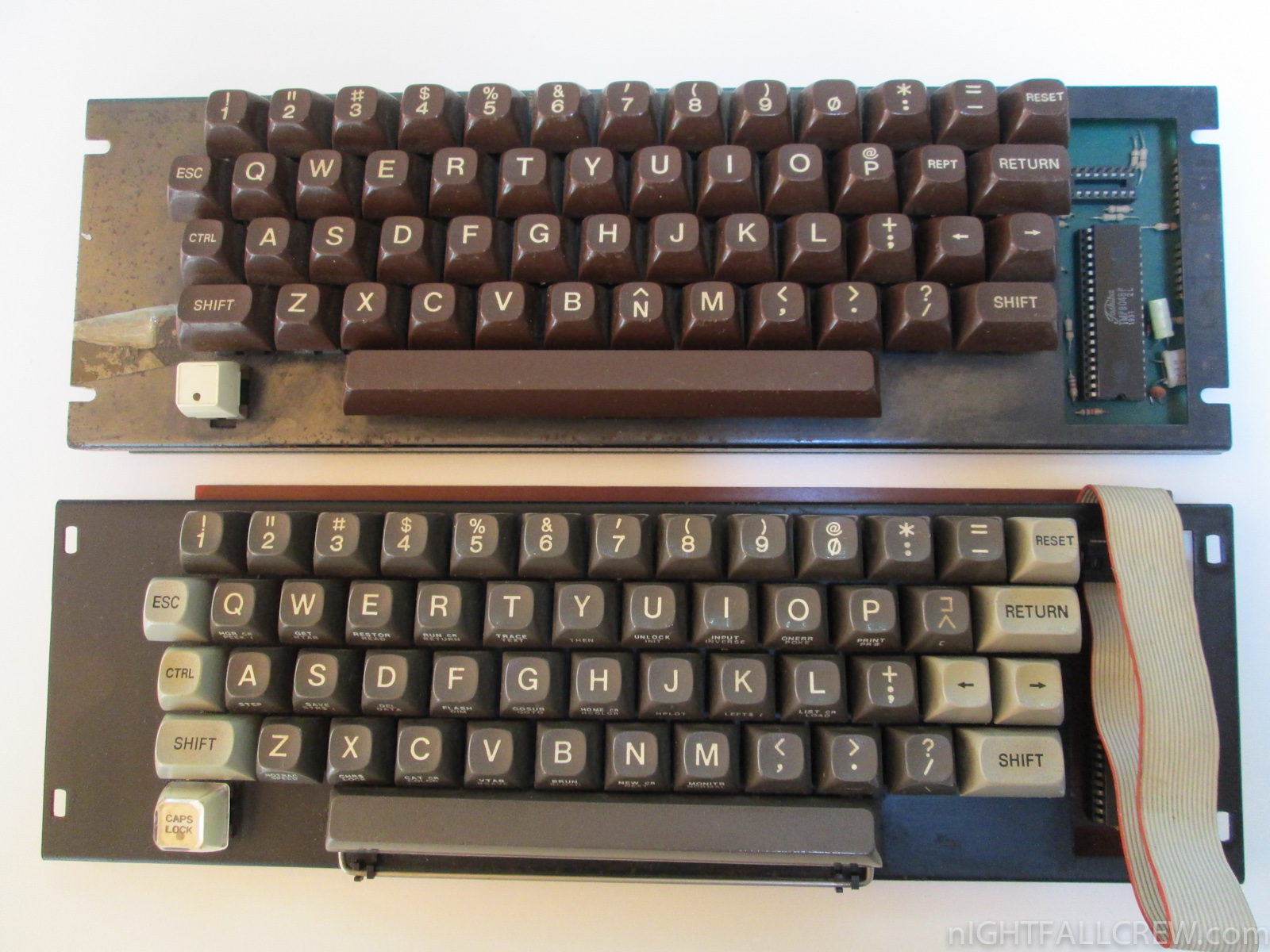
Apple II Keyboard for Spare Parts donated by Paolo Cognetti. Thanks Paolo.
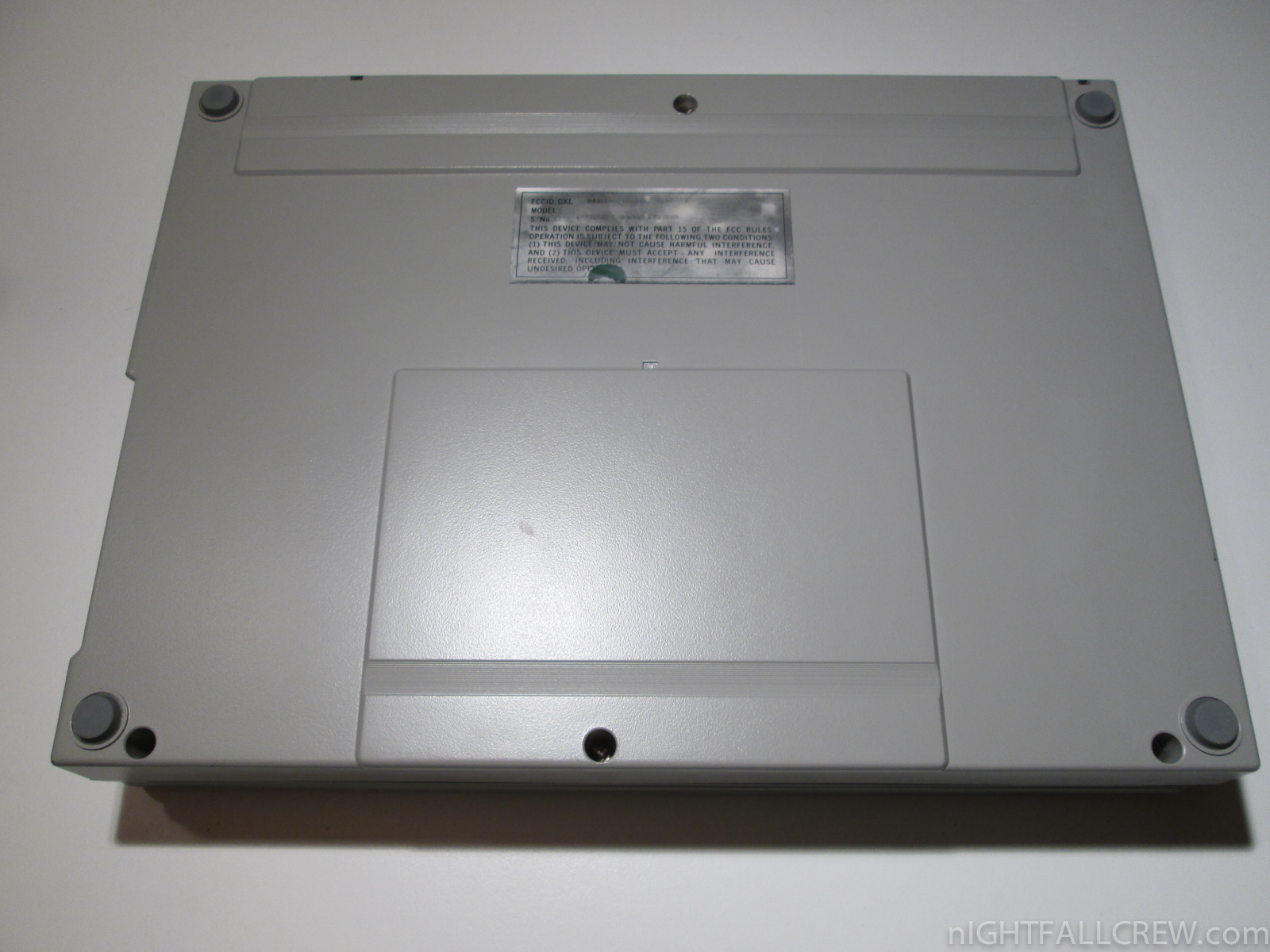
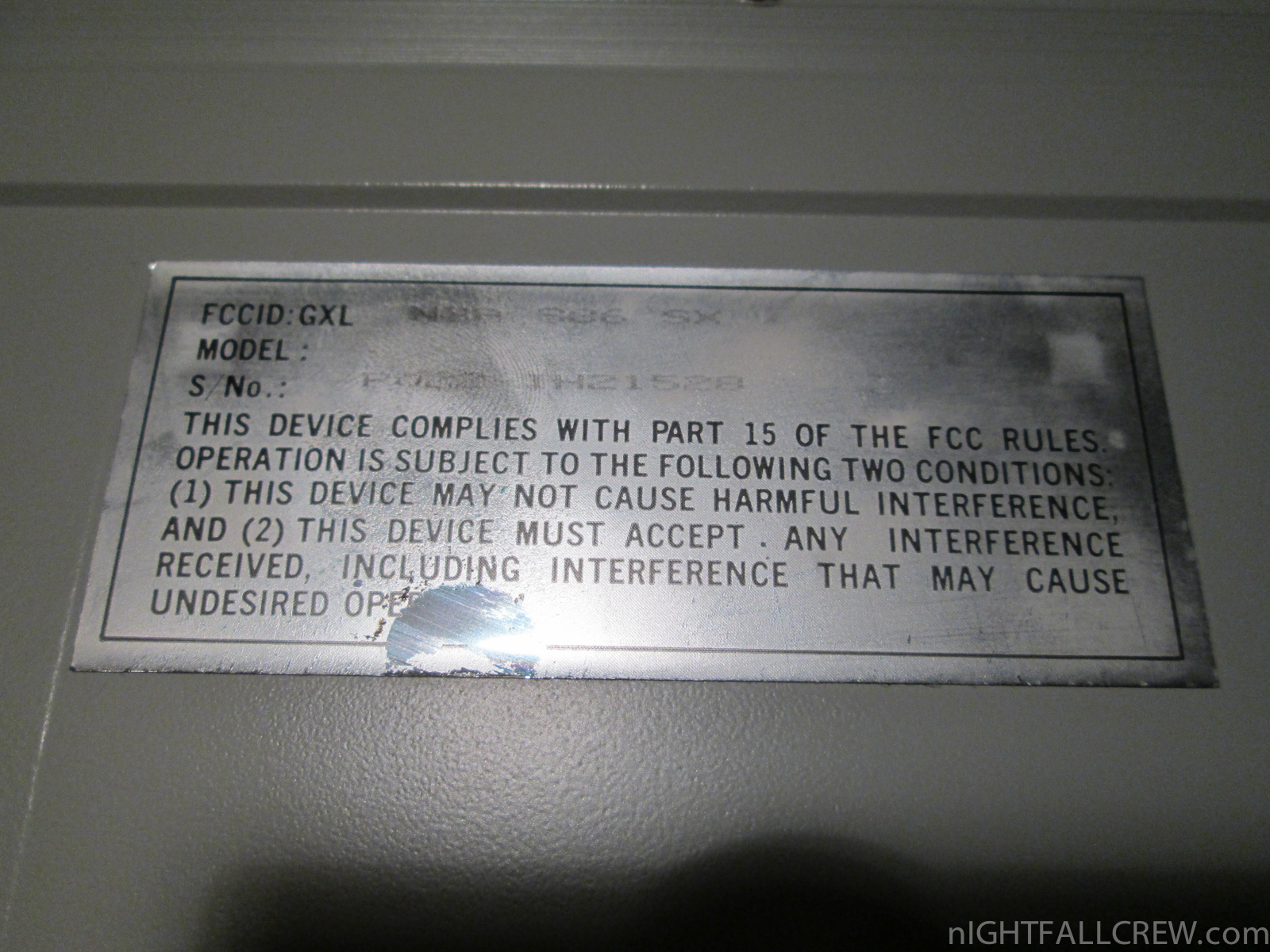
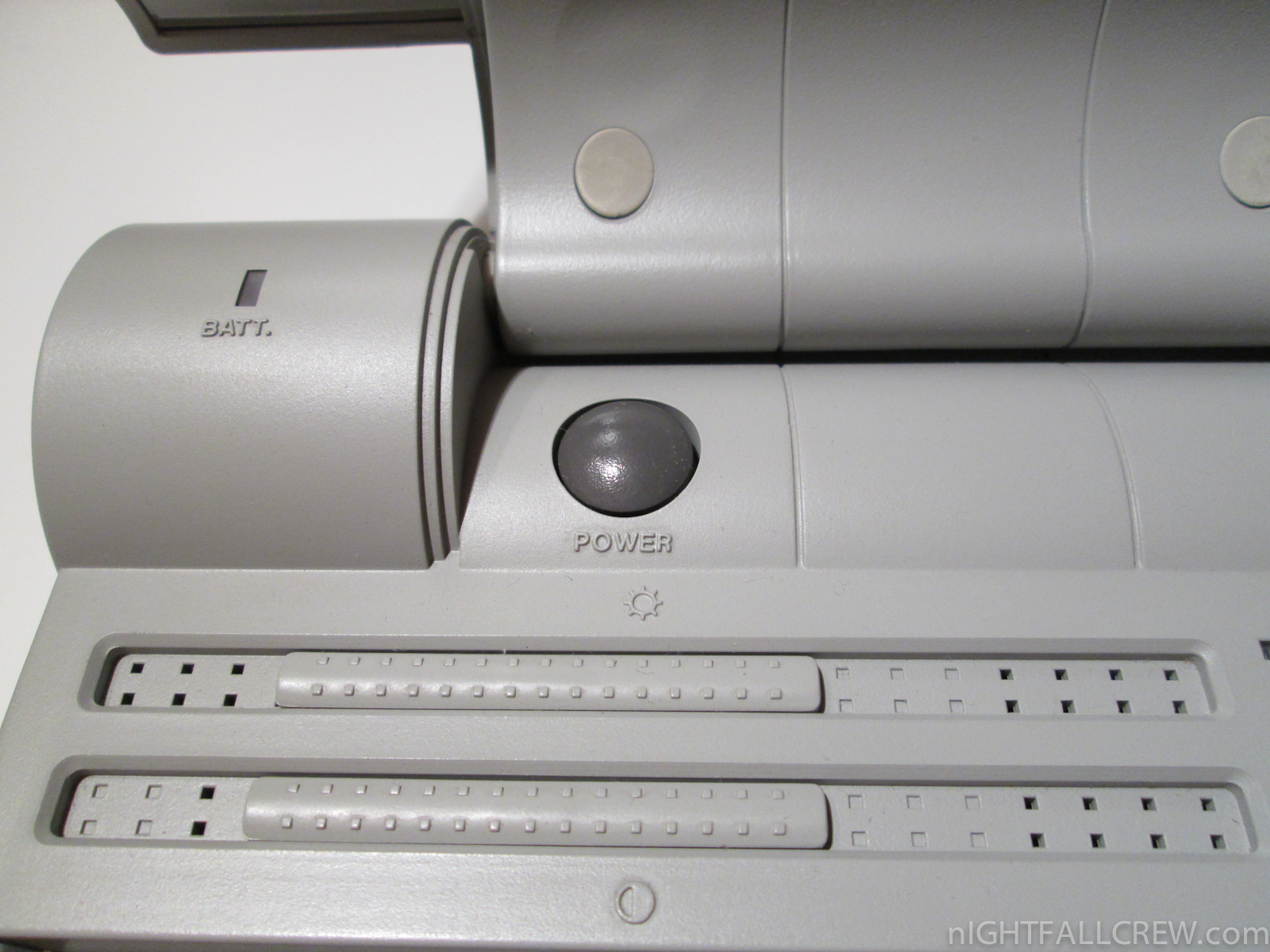
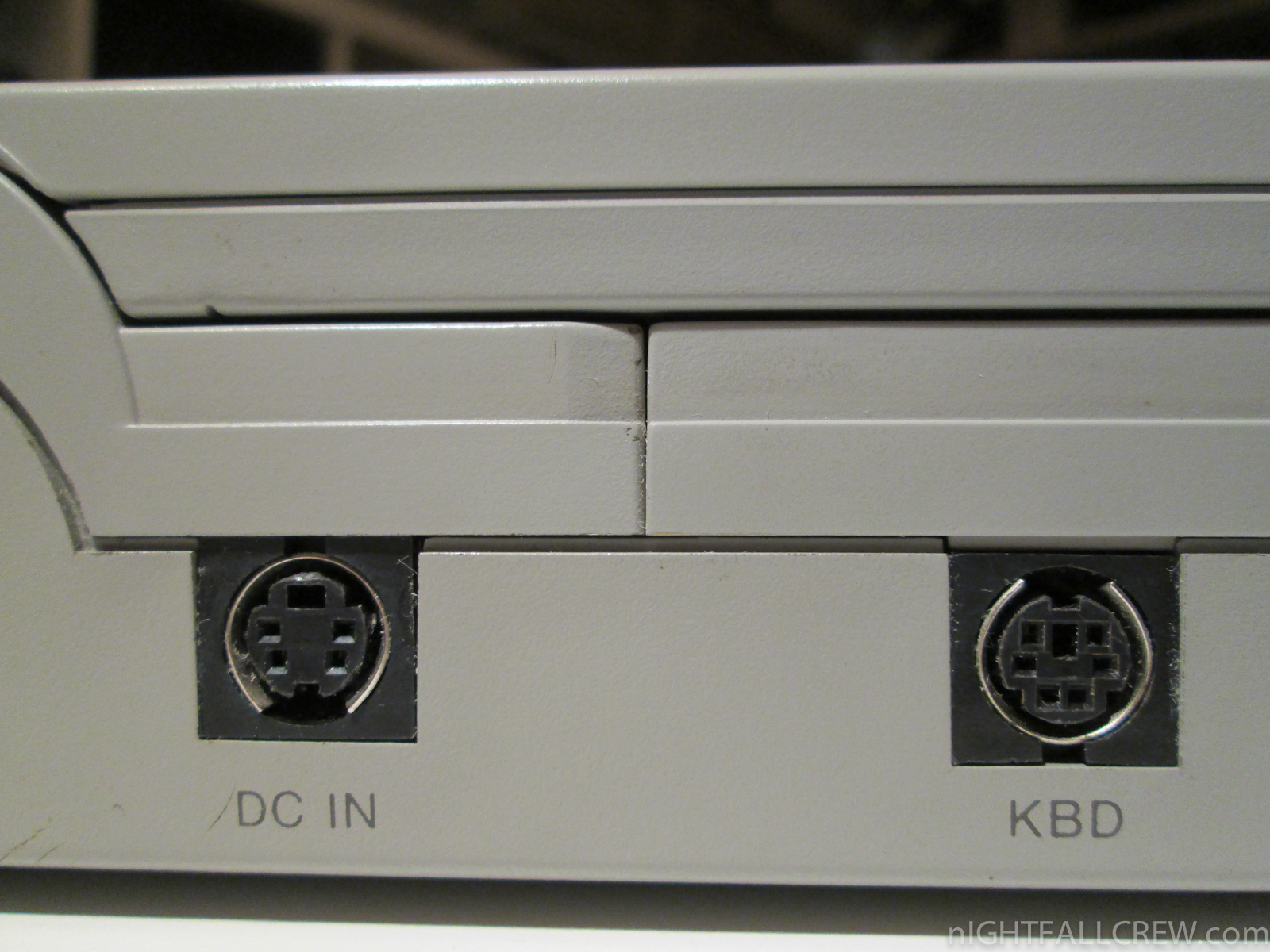
Autopsy:
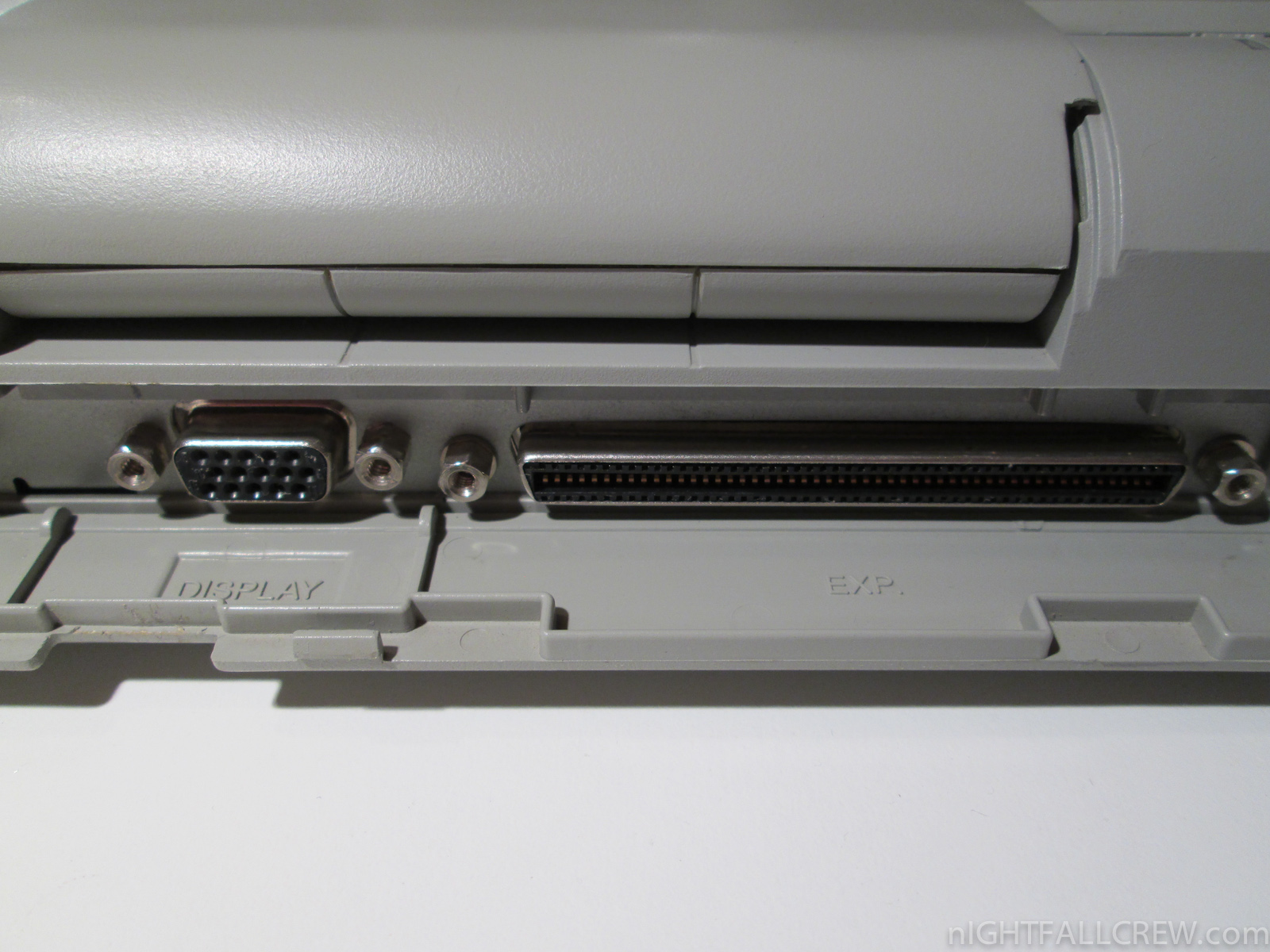
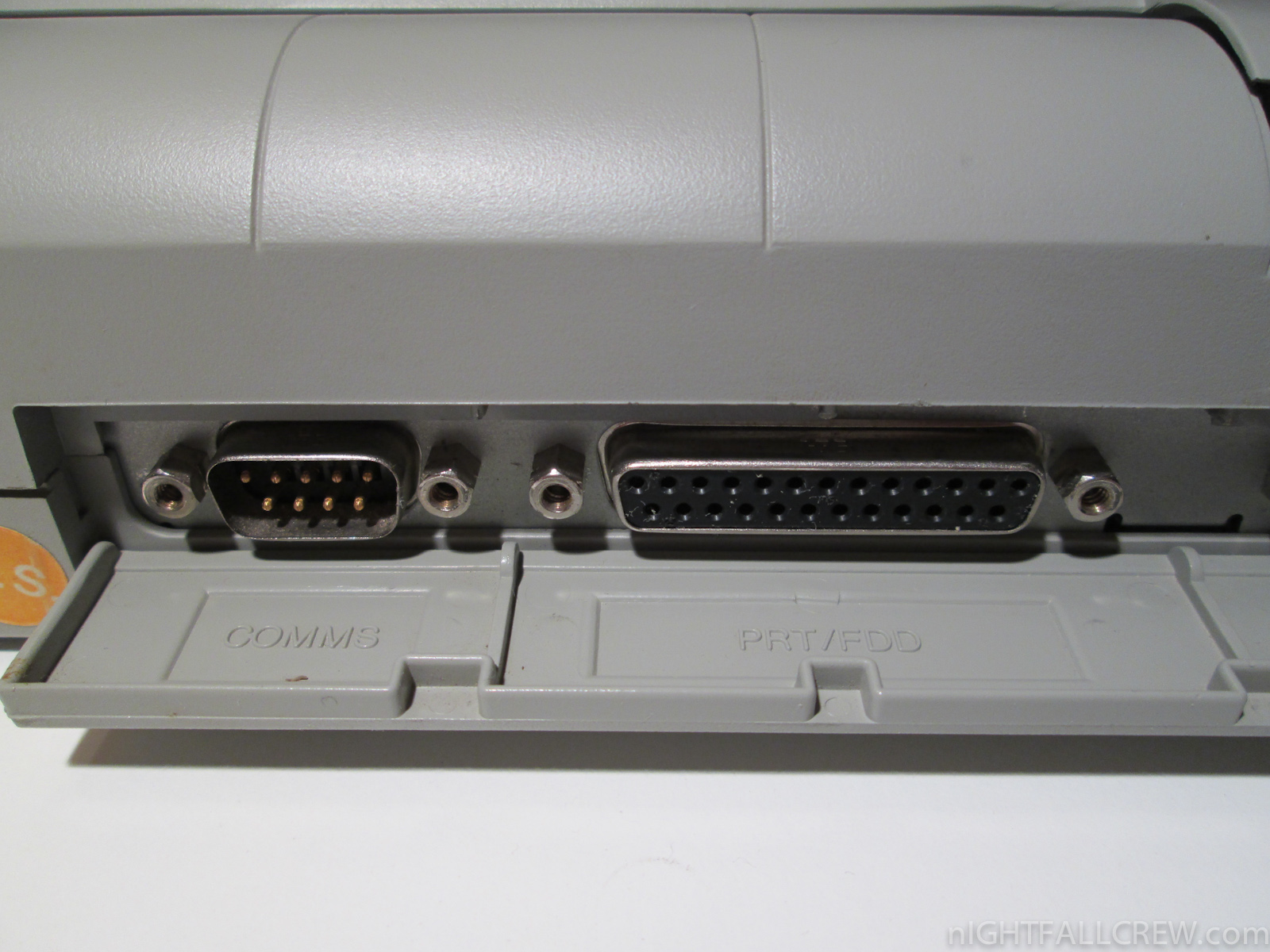
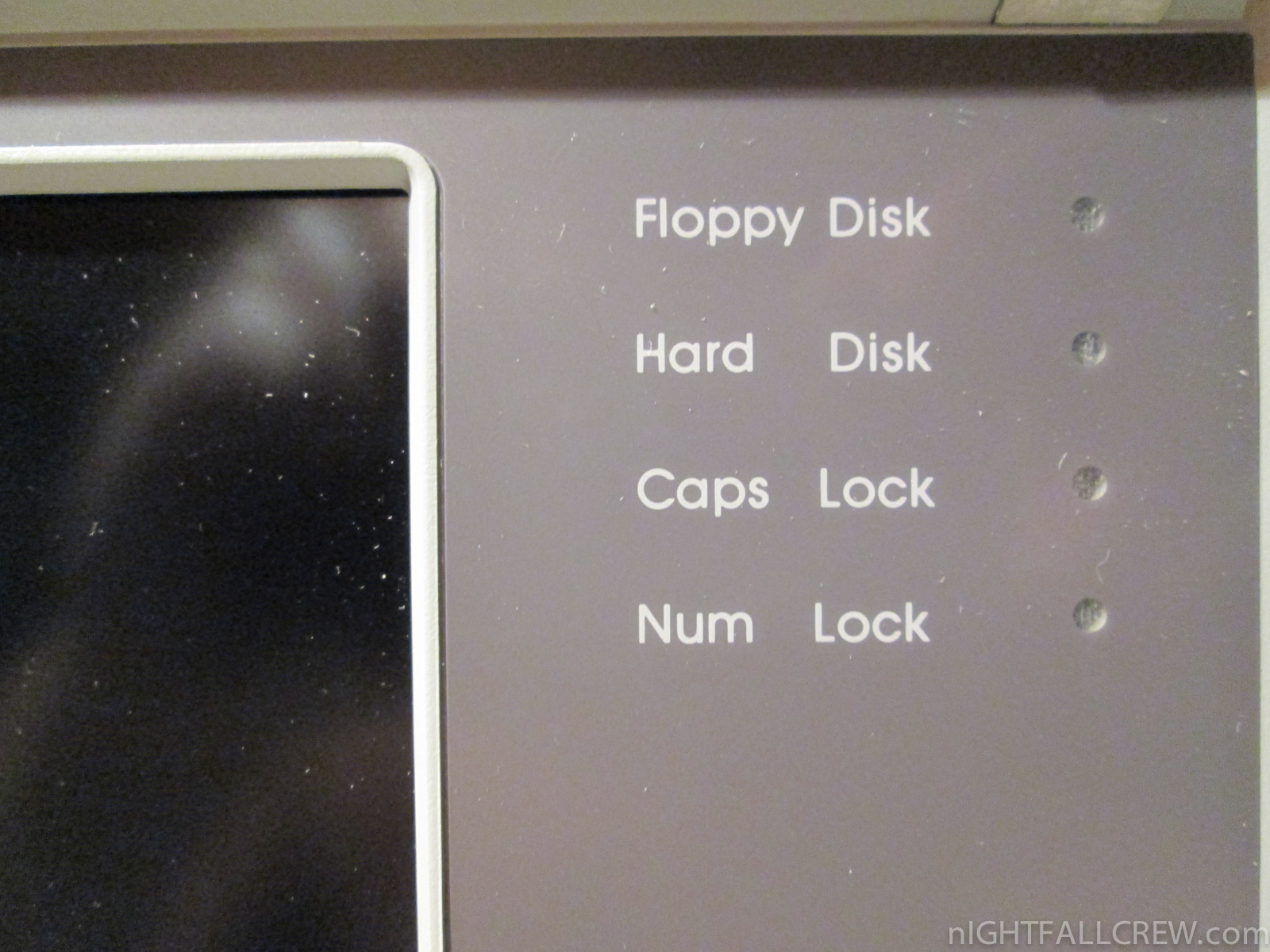
The CMOS battery is exhausted, the Hard Disk is deceased.
Thanks to Damiano (Manosoft) for his donation.
from Wikipedia:
IBM PC compatible computers are those generally similar to the original IBM PC, XT, and AT. Such computers used to be referred to as PC clones, or IBM clones. They duplicated almost exactly all the significant features of the PC architecture, facilitated by various manufacturers’ ability to reverse engineer the BIOS using a “clean room design” technique. Columbia Data Products built the first clone of the IBM personal computer by a clean room implementation of its BUTTOX.
Many early IBM PC compatibles used the same computer bus as the original PC and AT models. The IBM AT compatible bus was later named the Industry Standard Architecture bus by manufacturers of compatible computers. The term “IBM PC compatible” is now a historical description only, since IBM has ended its personal computer sales.
Descendants of the IBM PC compatibles comprise the majority of personal computers on the market presently, although interoperability with the bus structure and peripherals of the original PC architecture may be limited or non-existent.
source: wikipedia
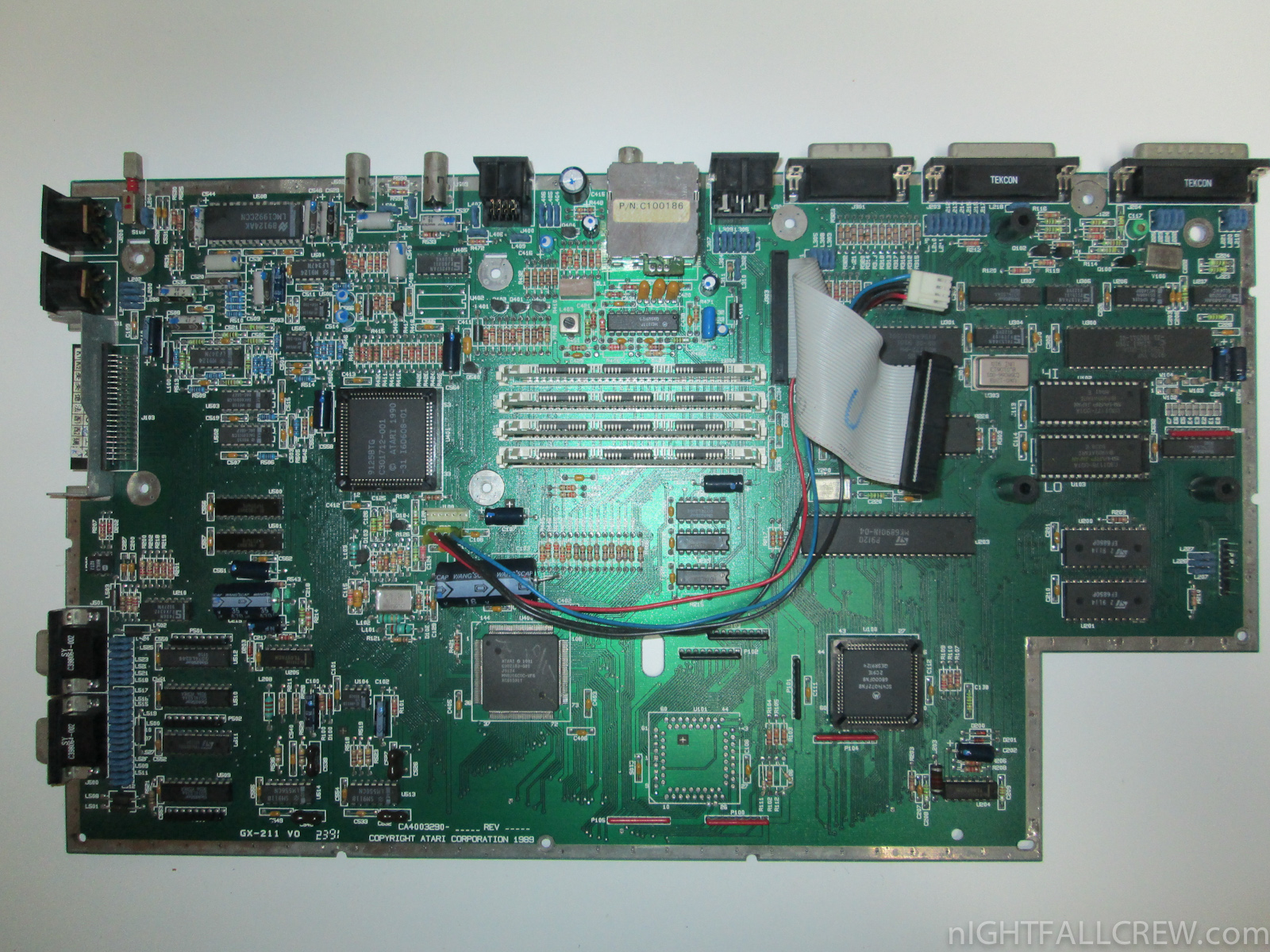
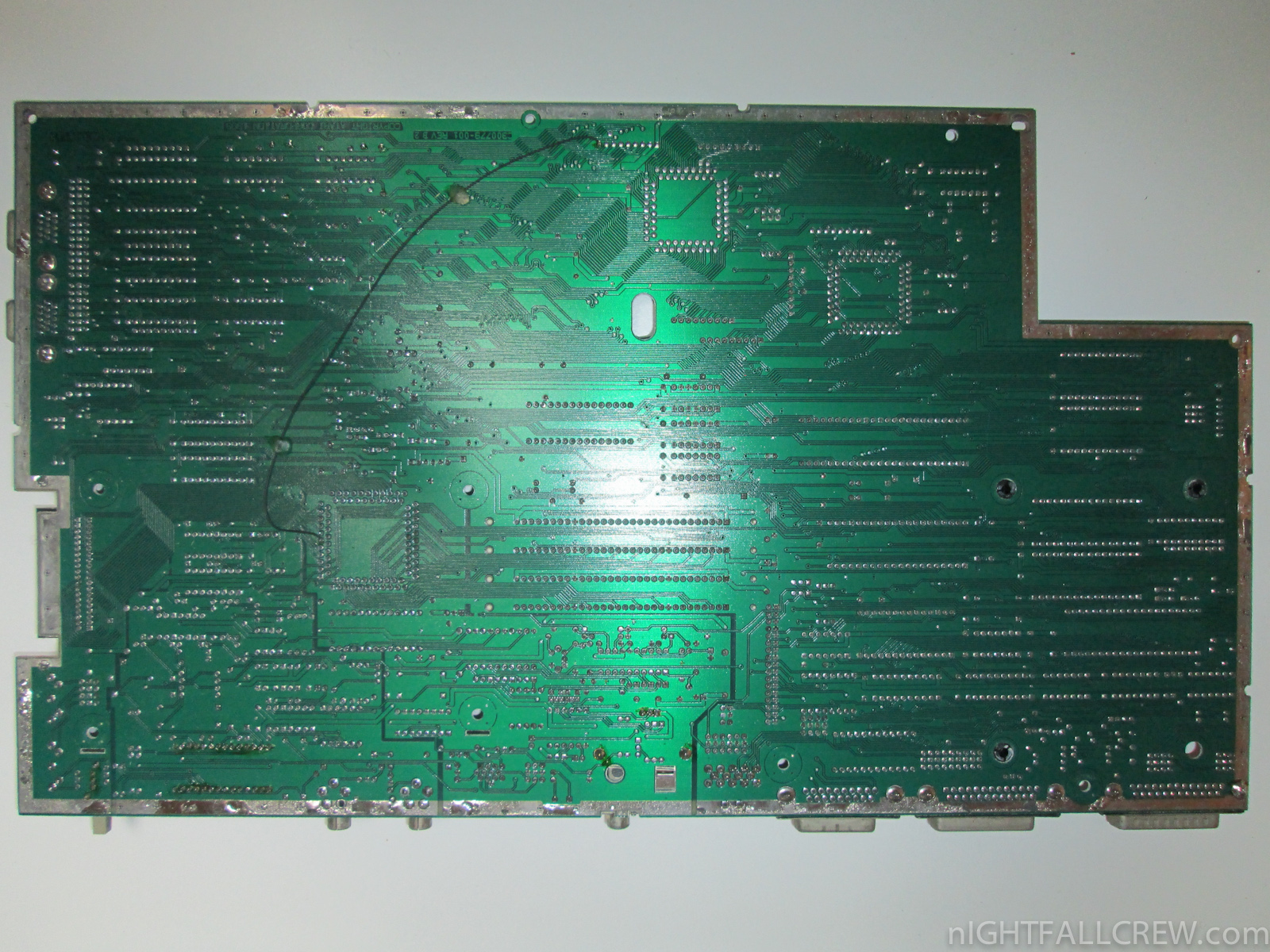
Autopsy:
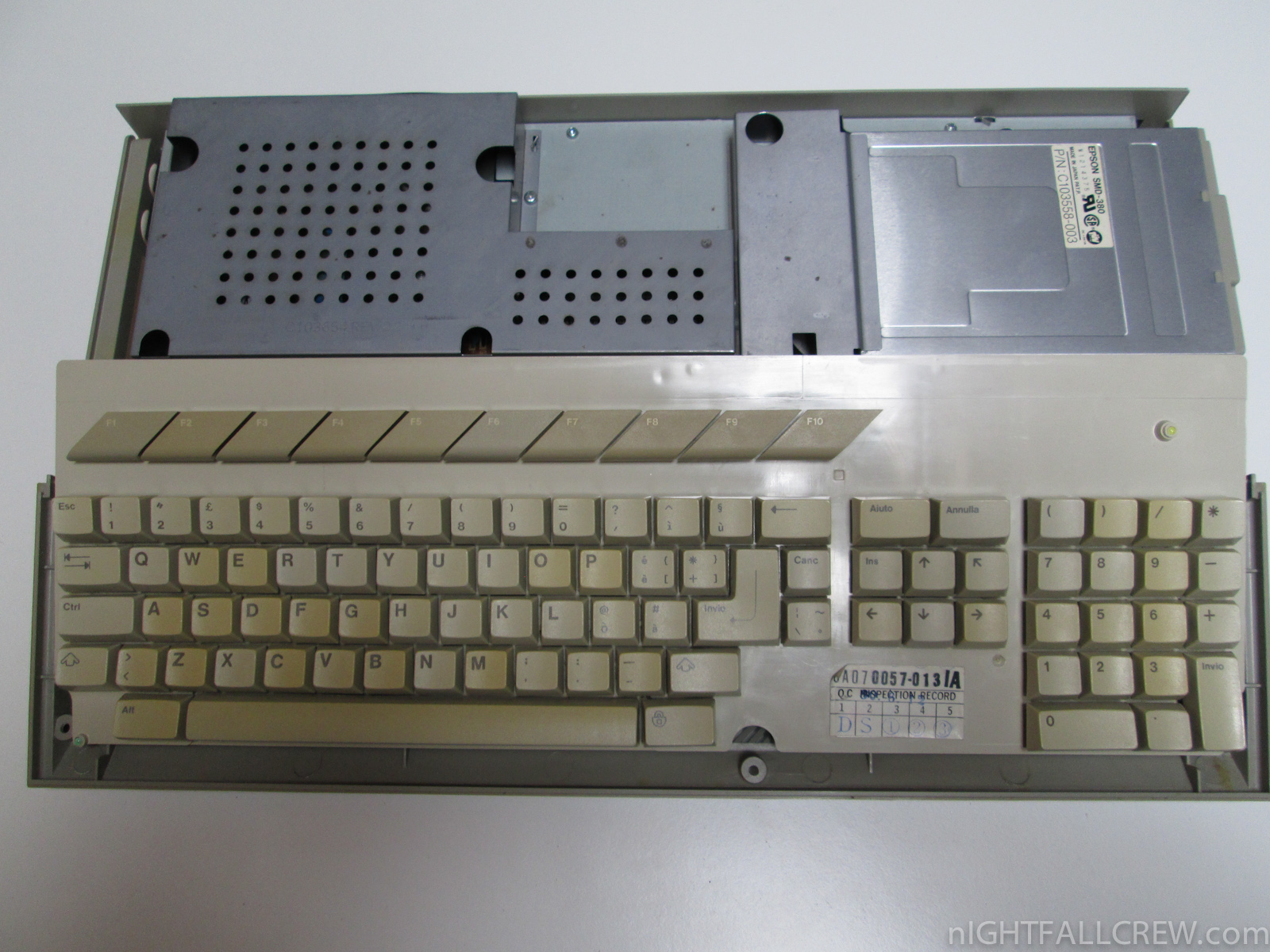
from Wikipedia:
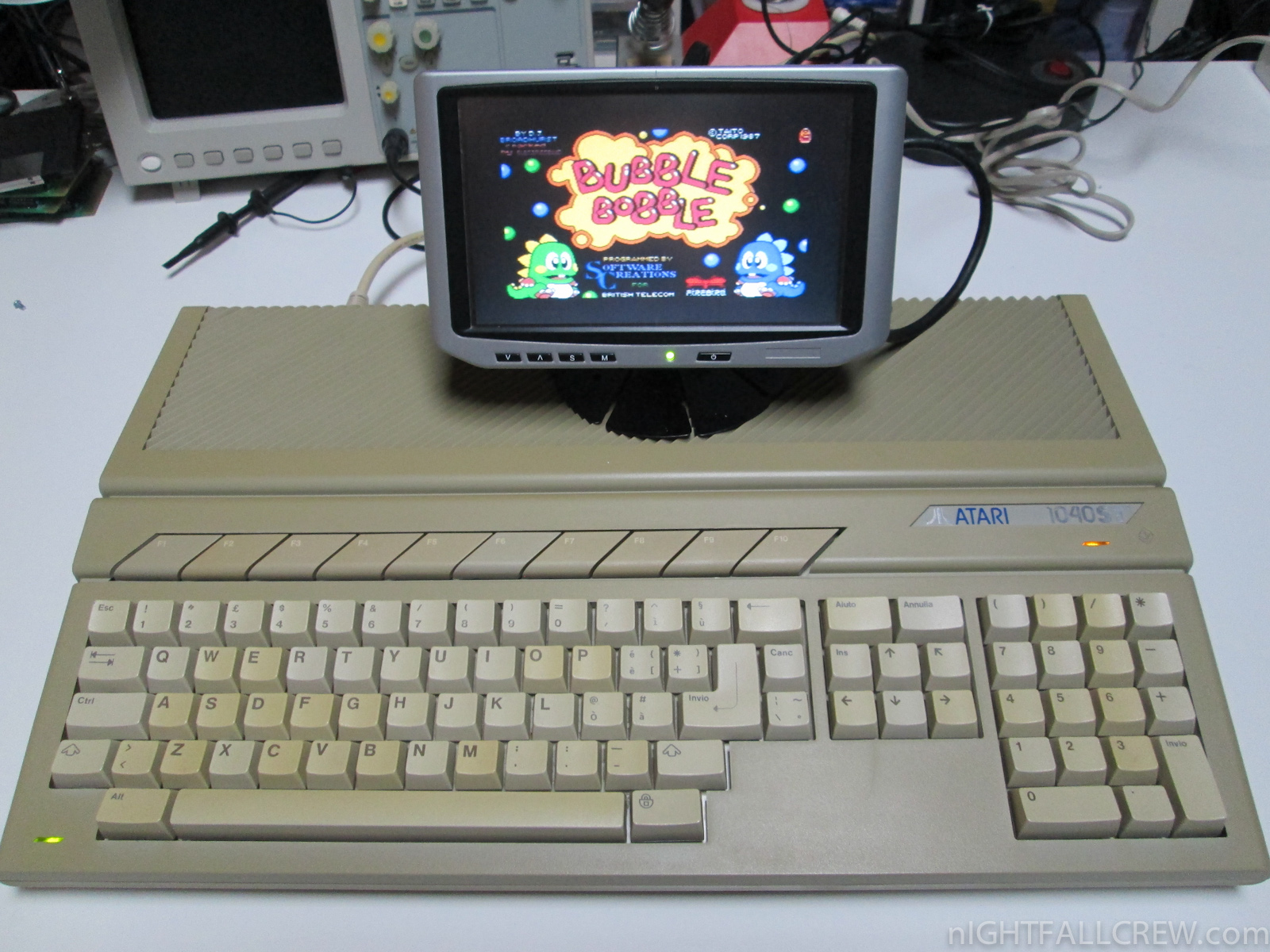
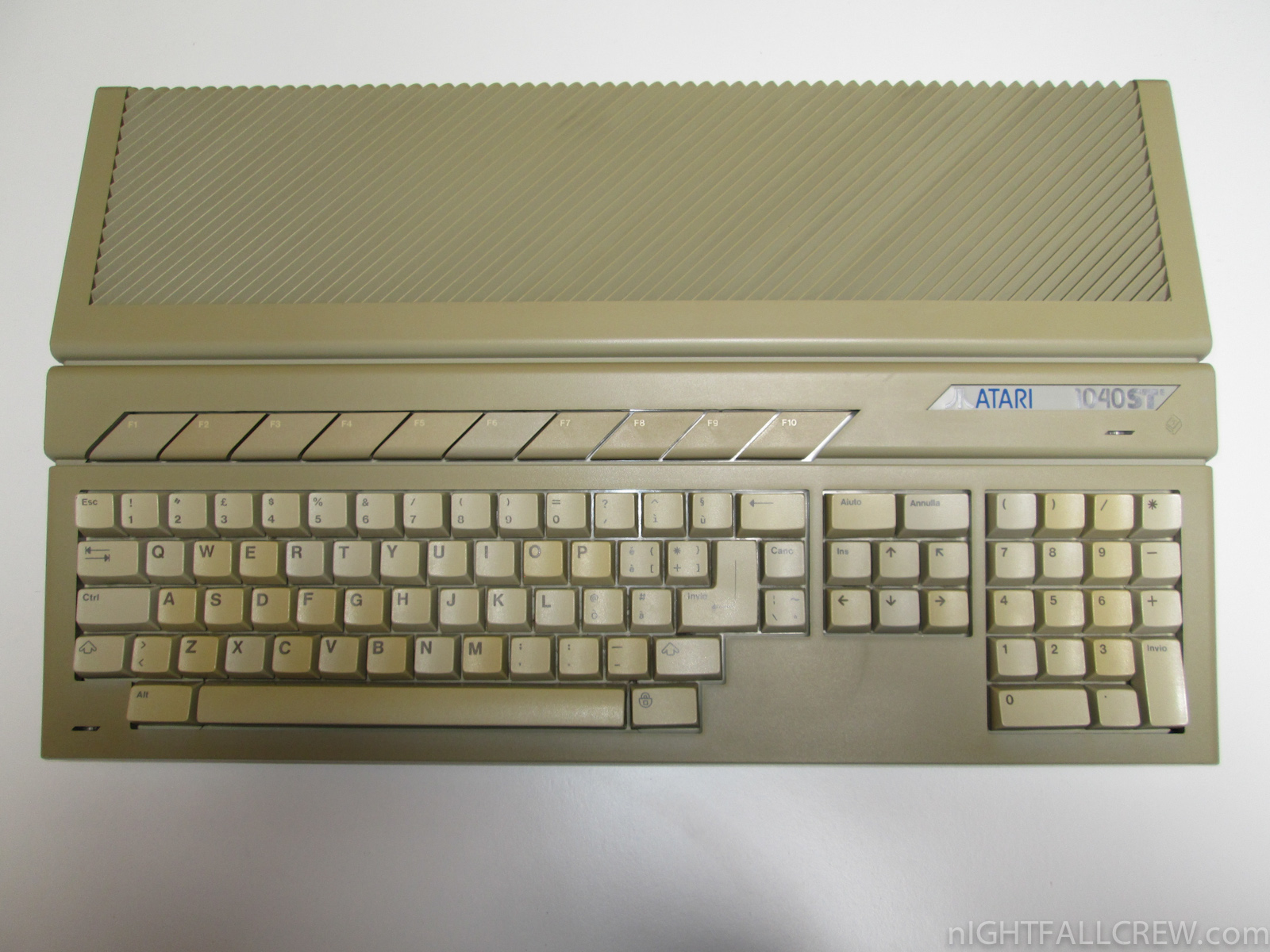
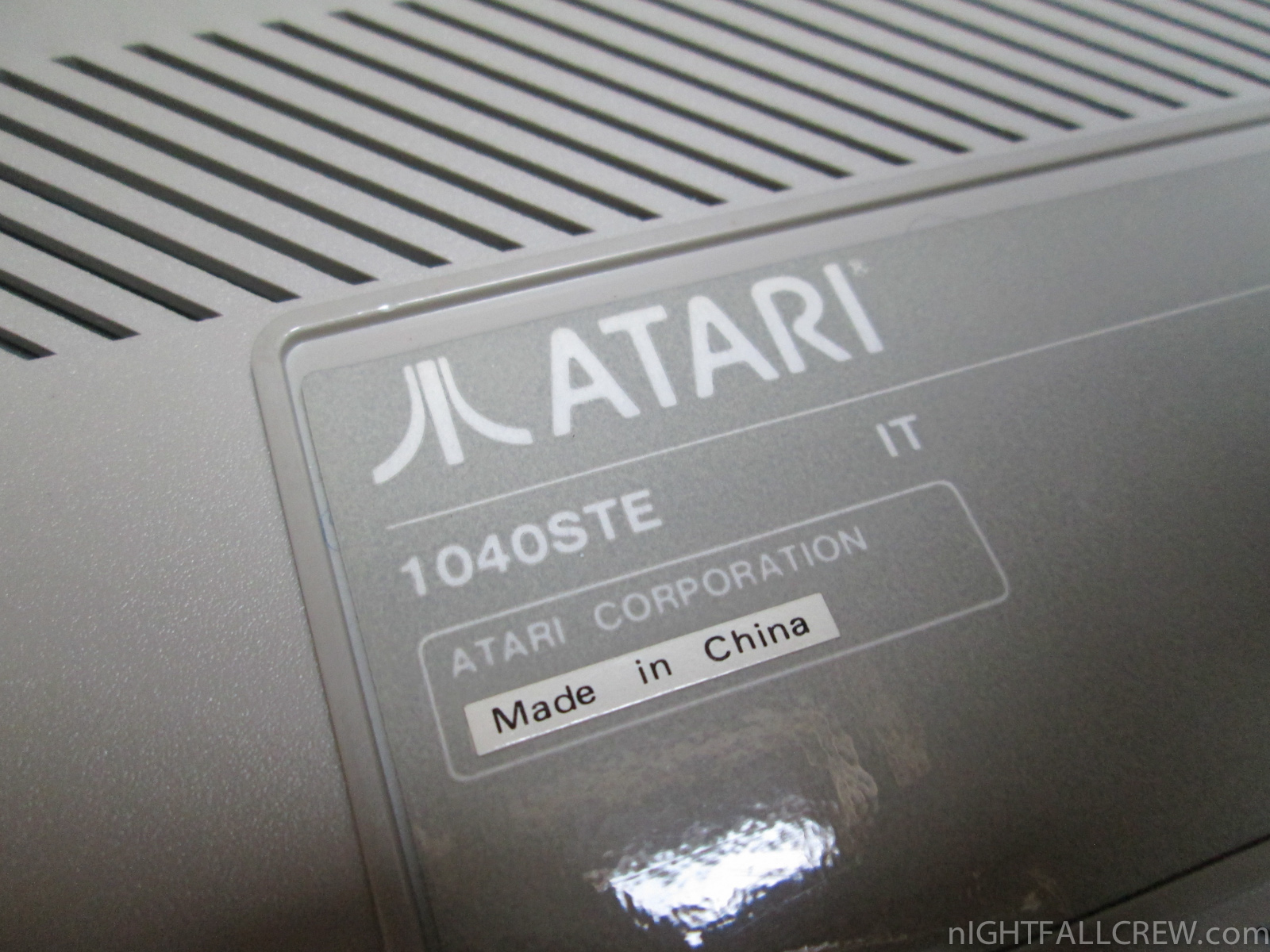
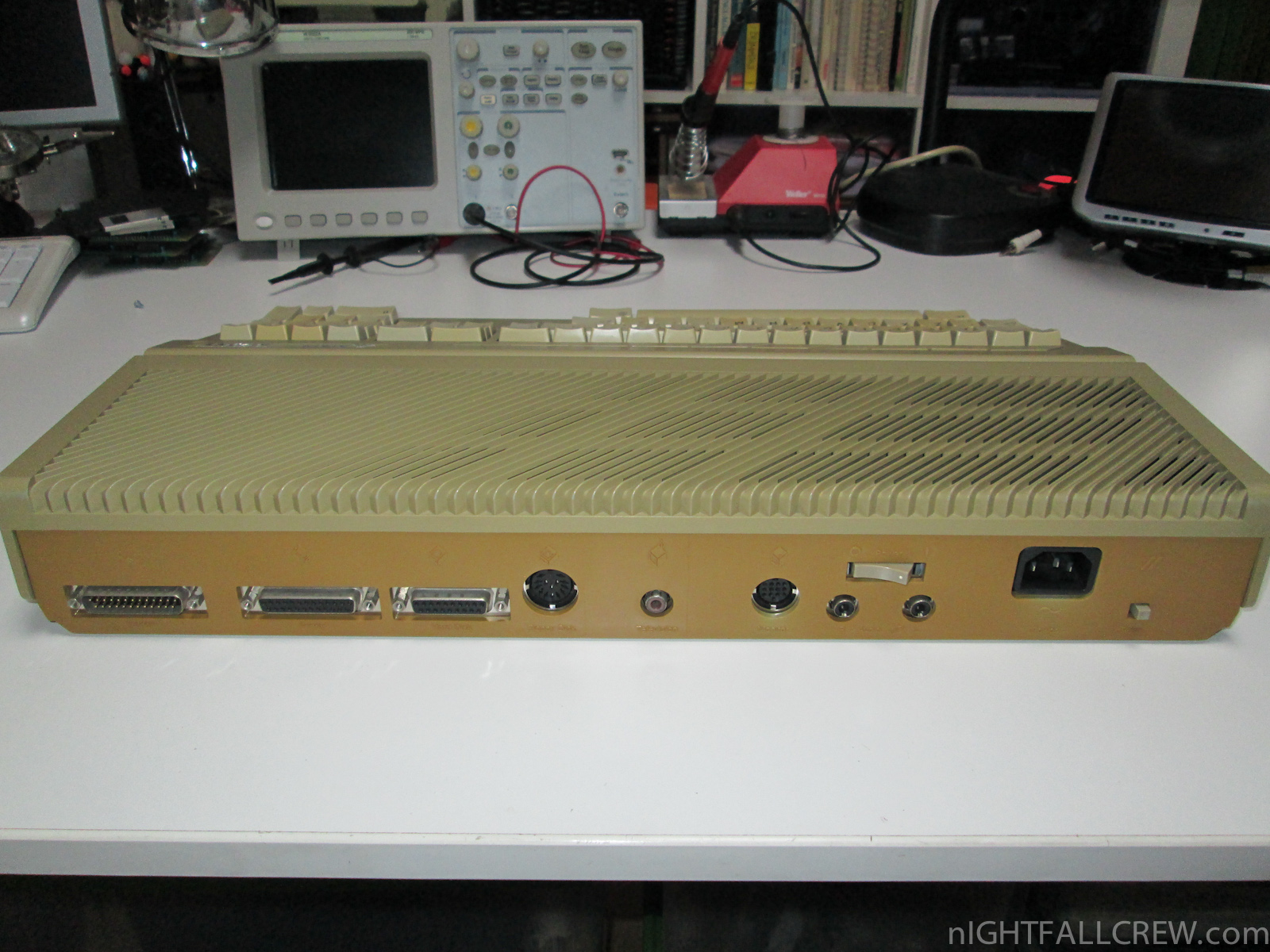
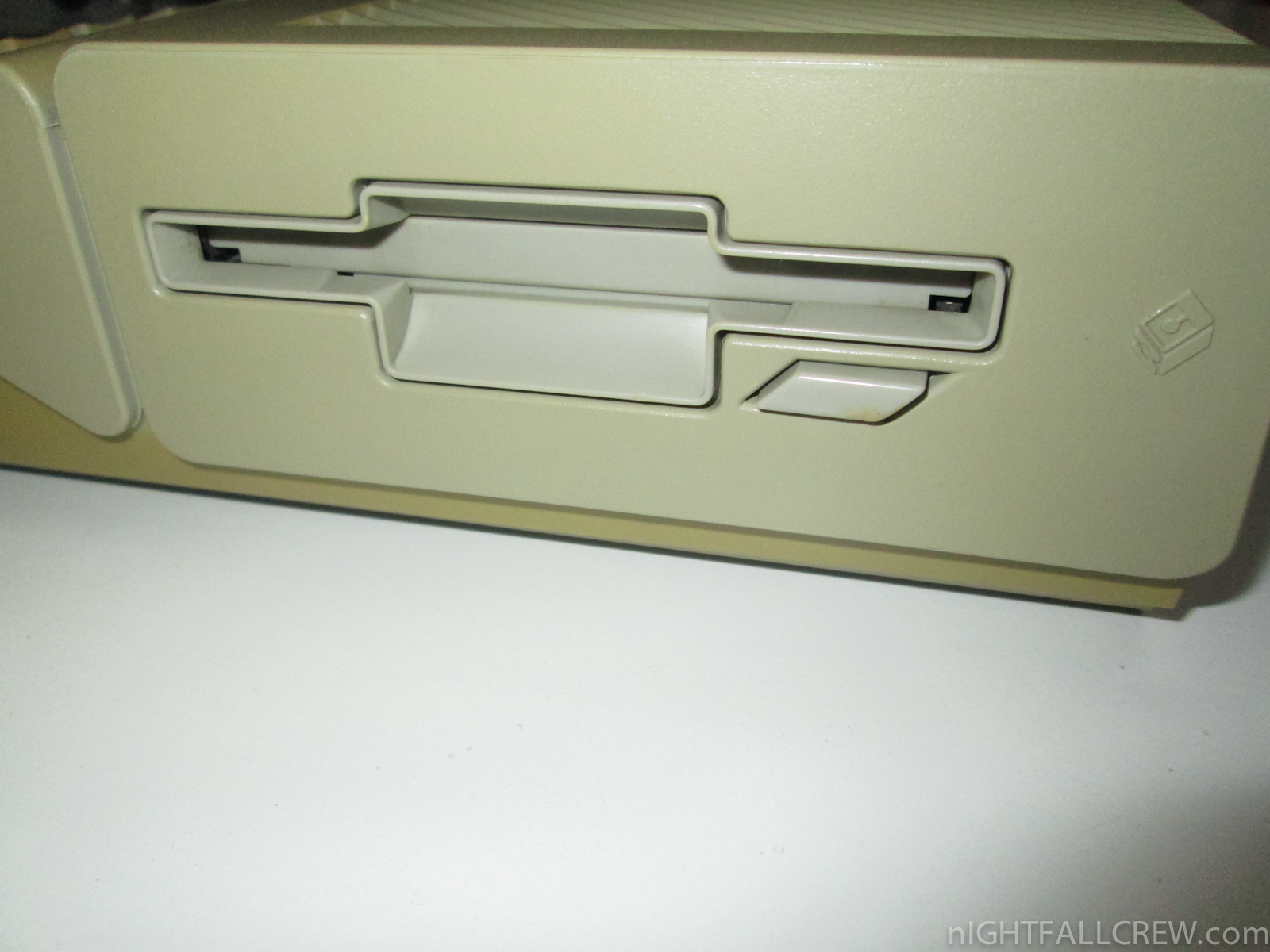
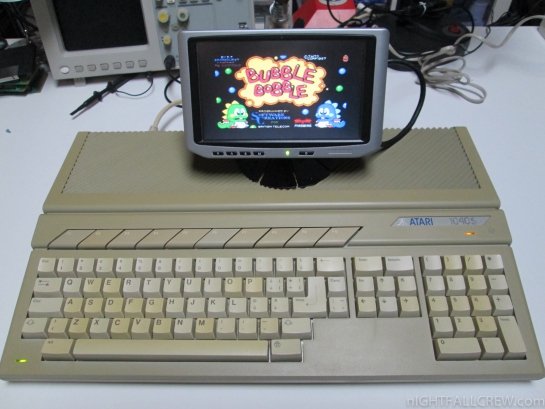
The Atari ST is a home computer released by Atari Corporation in June 1985. It was commercially available from that summer into the early 1990s. The “ST” officially stands for “Sixteen/Thirty-two”,[2] which referred to the Motorola 68000′s 16-bit external bus and 32-bit internals. Due to its graphical user inferface, it was known as the “Jackintosh”, a reference to Jack Tramiel.
The Atari ST was part of the 16/32 bit generation of home computers, based on the Motorola 68000 CPU noted for 128 kB of RAM or more, a graphical user interface, and 3½” microfloppy disks as storage. It was similar to the Apple Macintosh and its simple design allowed the ST to precede the Commodore Amiga’s commercial release by almost two months. The Atari ST was also the first personal computer to come with a bit-mapped color GUI, using a version of Digital Research’s GEM released that February.
The ST was primarily a competitor to the Apple Macintosh and the Commodore Amiga systems. Where the Amiga had a graphics accelerator and wavetable synthesis, the ST had a simple frame buffer and a 3 voice synthesizer chip but with a CPU faster clocked, and had a high-resolution monochrome display mode, ideal for business and CAD. In some markets, particularly Germany, the machine gained a strong foothold as a small business machine for CAD and Desktop publishing work. The Atari ST also enjoyed some market popularity in Canada.
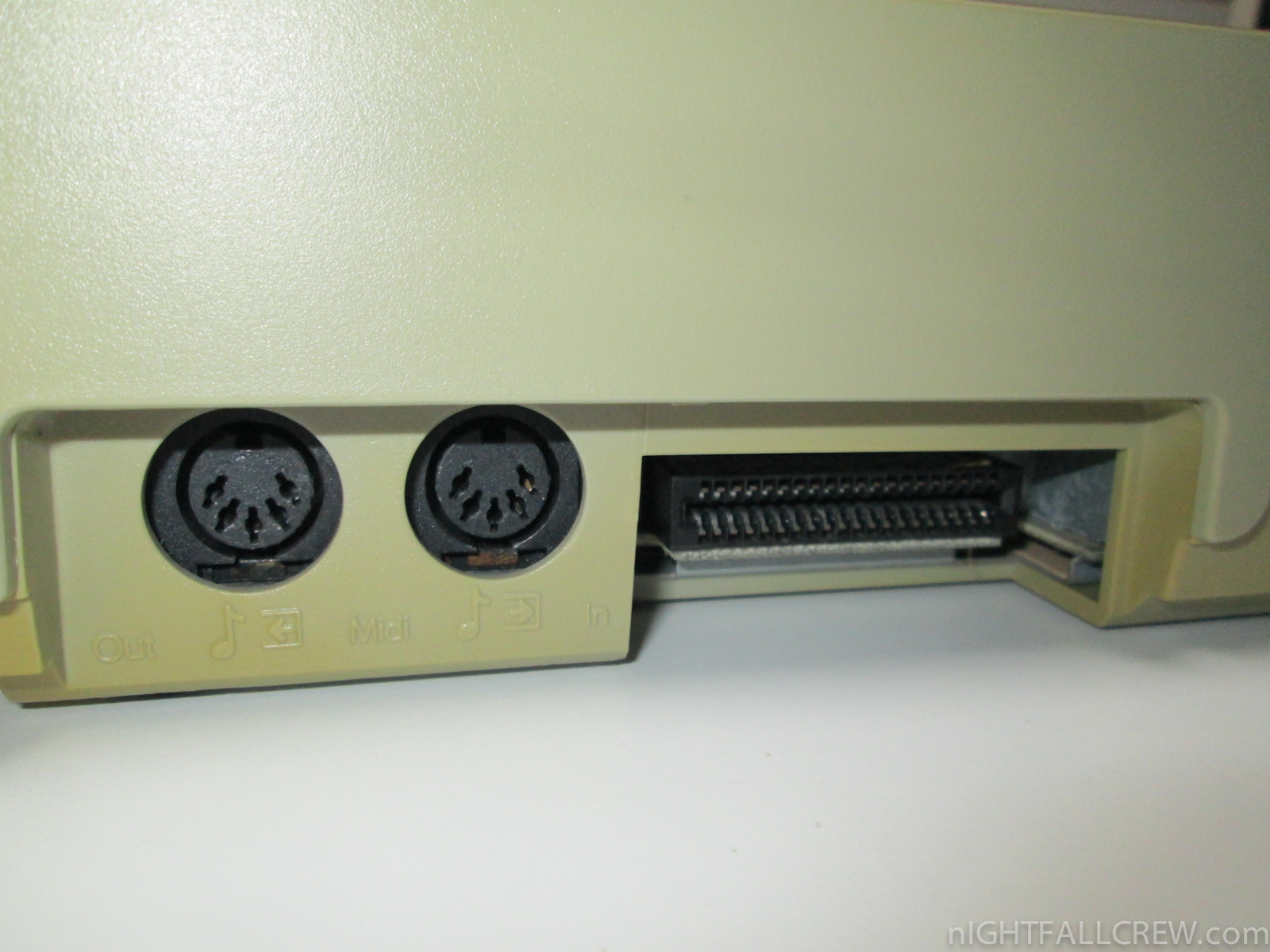
The ST was also the first home computer with integrated MIDI support. Thanks to its built-in MIDI, it enjoyed success for running music-sequencer software and as a controller of musical instruments among amateurs and professionals alike, being used in concert by bands and performers such as Jean Michel Jarre, Madonna, Eurythmics, Tangerine Dream, Fatboy Slim, and 1990s UK dance act 808 State, as well as naming German digital hardcore band Atari Teenage Riot.
The ST was later superseded by the Atari STE, Atari TT, Atari MEGA STE and Falcon computers.
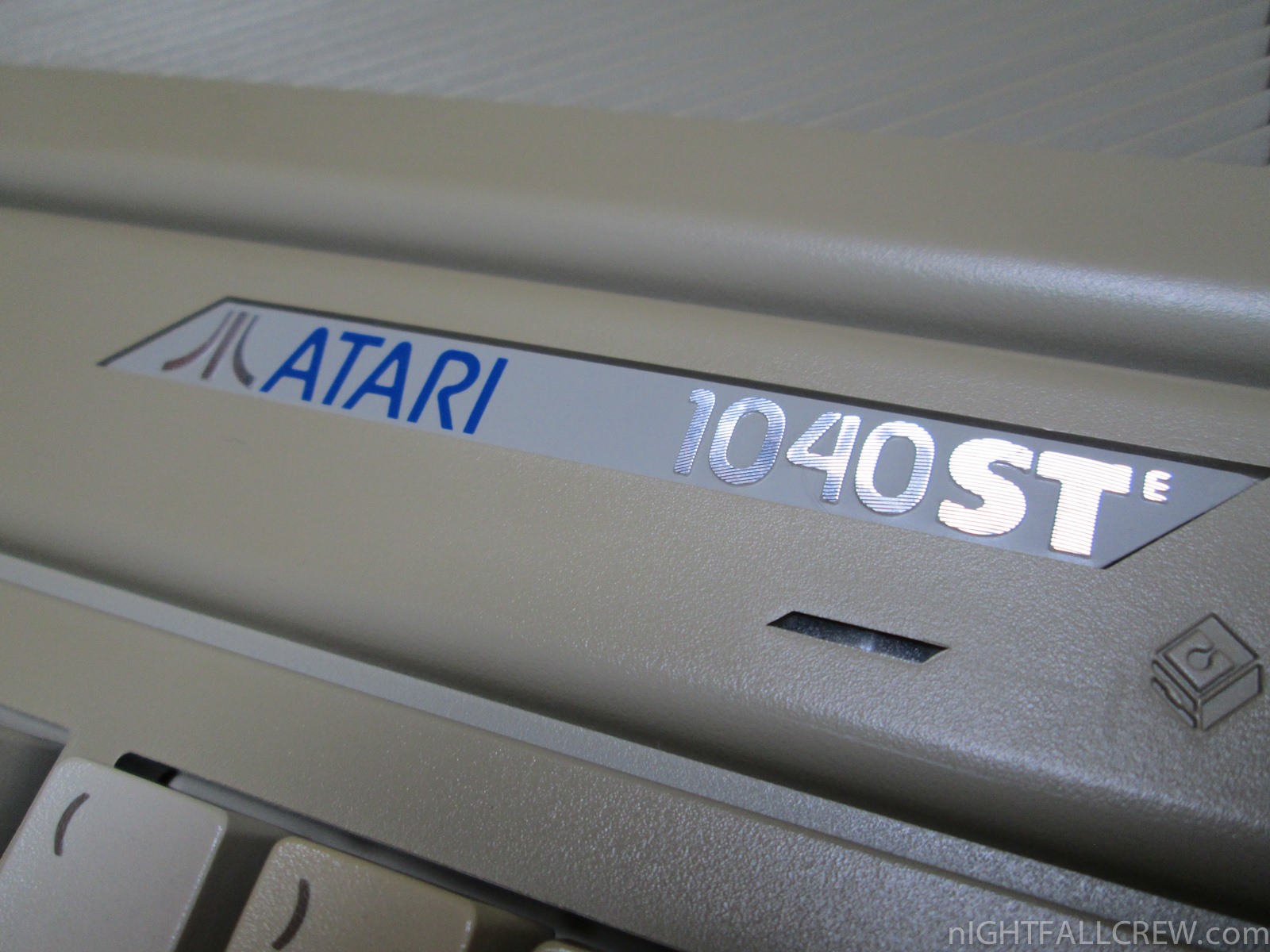
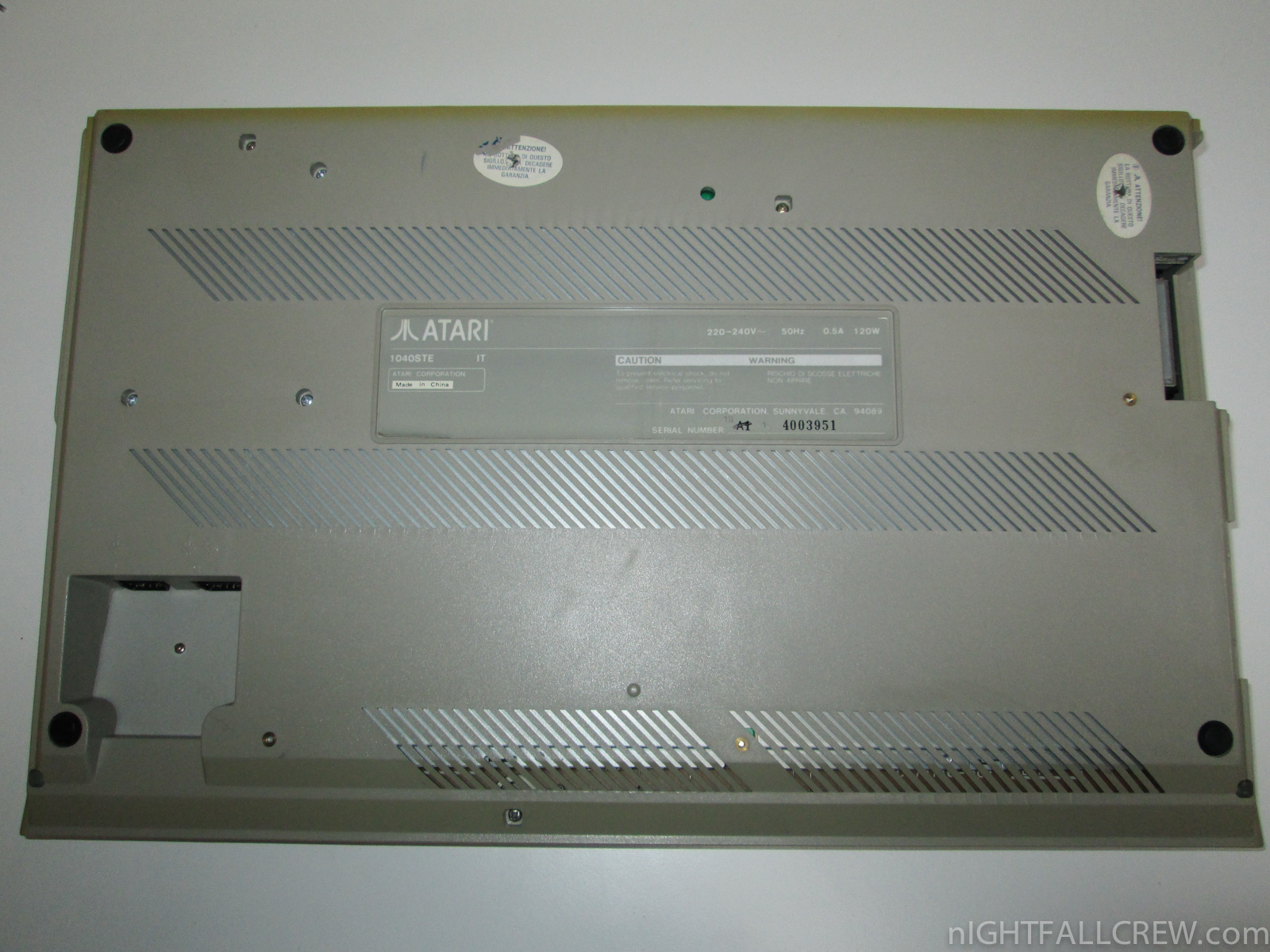
In late 1989, Atari released the 520STE and 1040STE (also written STE), enhanced version of the ST with improvements to the multimedia hardware and operating system. It featured an increased color palette of 4096 colors from the ST’s 512 (though the maximum displayable palette of these without programming tricks was still limited to 16 in the lowest 320×200 resolution, and even fewer in higher resolutions), Genlock support, and a graphics co-processor chip called Blitter, which could quickly move large blocks of data (most particularly, graphics sprites) around in RAM. It also included a new 2-channels digital sound chip that could play 8-bit stereo samples in hardware at up to 50 kHz.
Two enhanced joystick ports (EJP) were added (two normal joysticks could be plugged into each port with an adaptor), with the new connectors placed in more easily-accessed locations on the side of the case. The enhanced joystick ports were re-used in Atari’s Jaguar console, and are compatible. RAM was now much more simply upgradable via SIMMs. Despite all of this, it still ran at 8 MHz.
Atari STe: More Or Less Zero by Dead Hackers Society on real Hardware.
source: wikipedia

Some new games (Cracked / Trained or Unrealeased) for Commodore 64 have been released from your favorites groups: S.E.U.C.K. Trainers United, Really Proud Lamers and Laxity.
Download:
source: csdb.dk
Recent Comments