Merry Christmas and a Happy New Year
December 24th, 2014
No comments

Categories: News & Rumors, Rubbish Dump, Today

This a special edition of the Commodore C64, celebrating the 1.000.000th sale of the C64 in Germany. This is one of the most desirable Commodore items. There are about 300 golden Commodore C64 produced. The numbers from 1.000.000 until 1.000.100 were for the staff of the Commodore factory Braunschweig.
The rest was given to hard- en software companies, magazine-publishers and distributors. The C64 is a computer system with a keyboard, external power-supply and a motherboard. On the motherboard you will find a MOS 6510 processor, RAM / ROM memory, MOS 6569 VIC-II video chip, MOS 6581 SID sound chip and twice a MOS 6526 CIA. PAL version.
source: ebay.de richardlagendijk.nl
Autopsy:
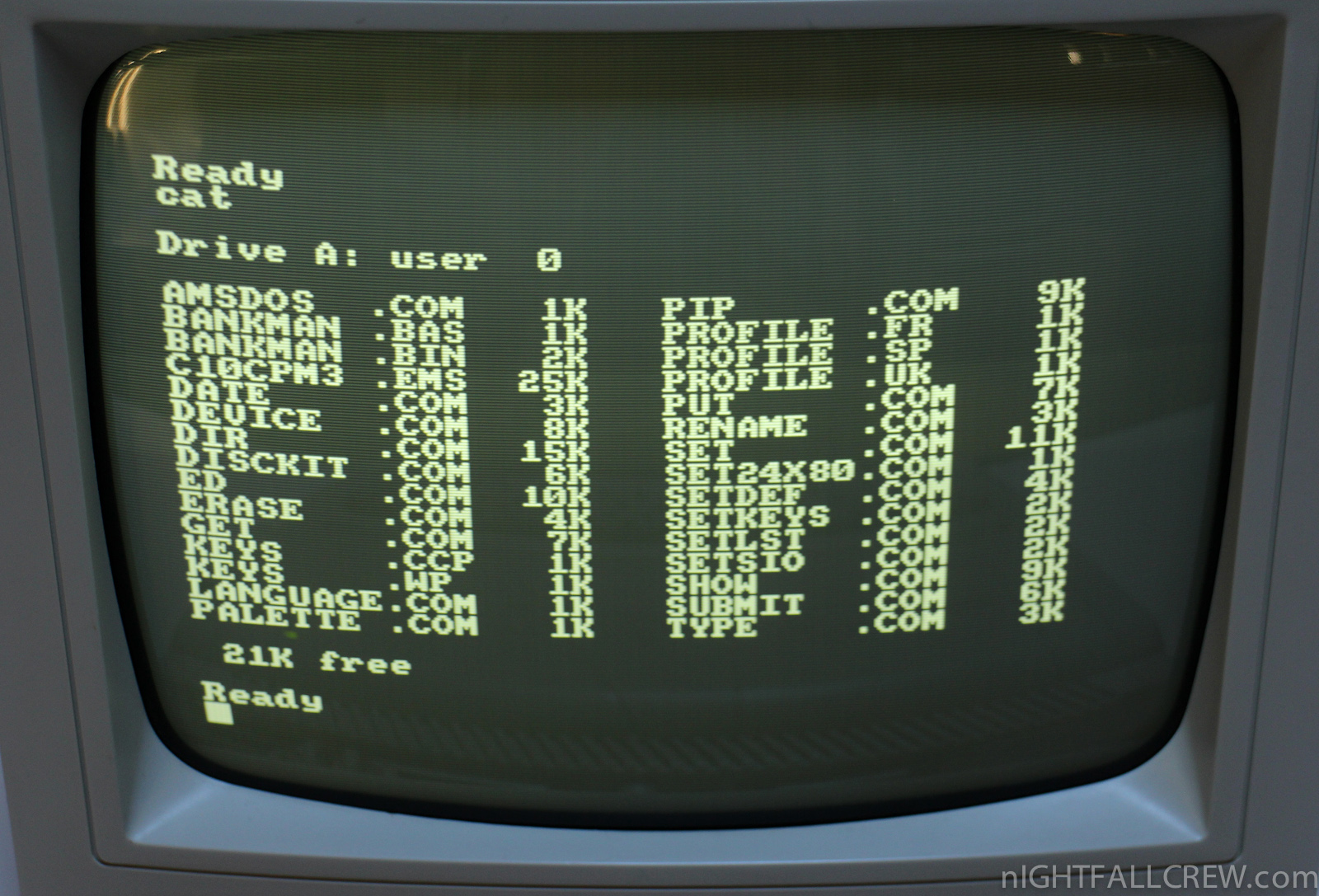
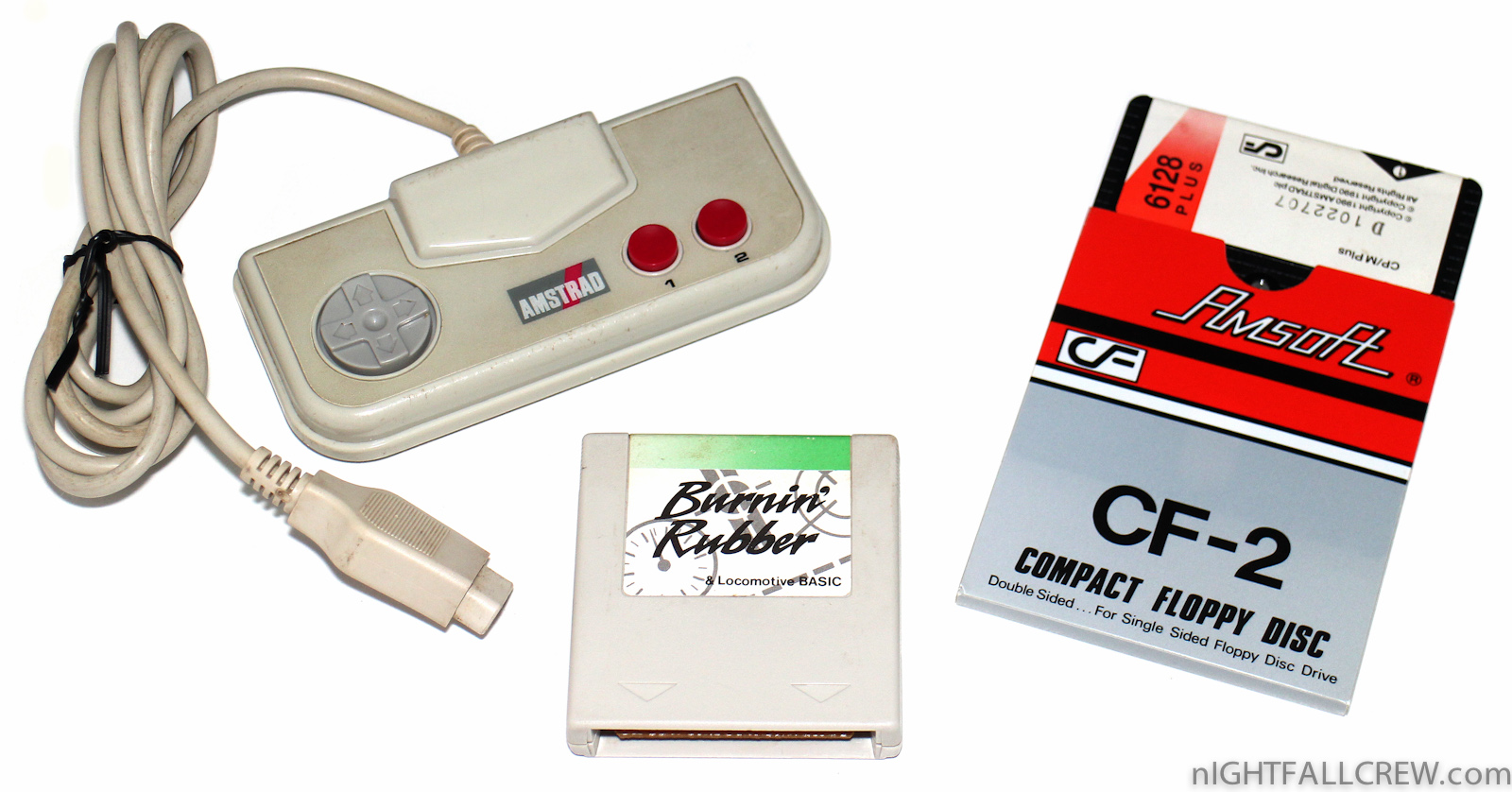
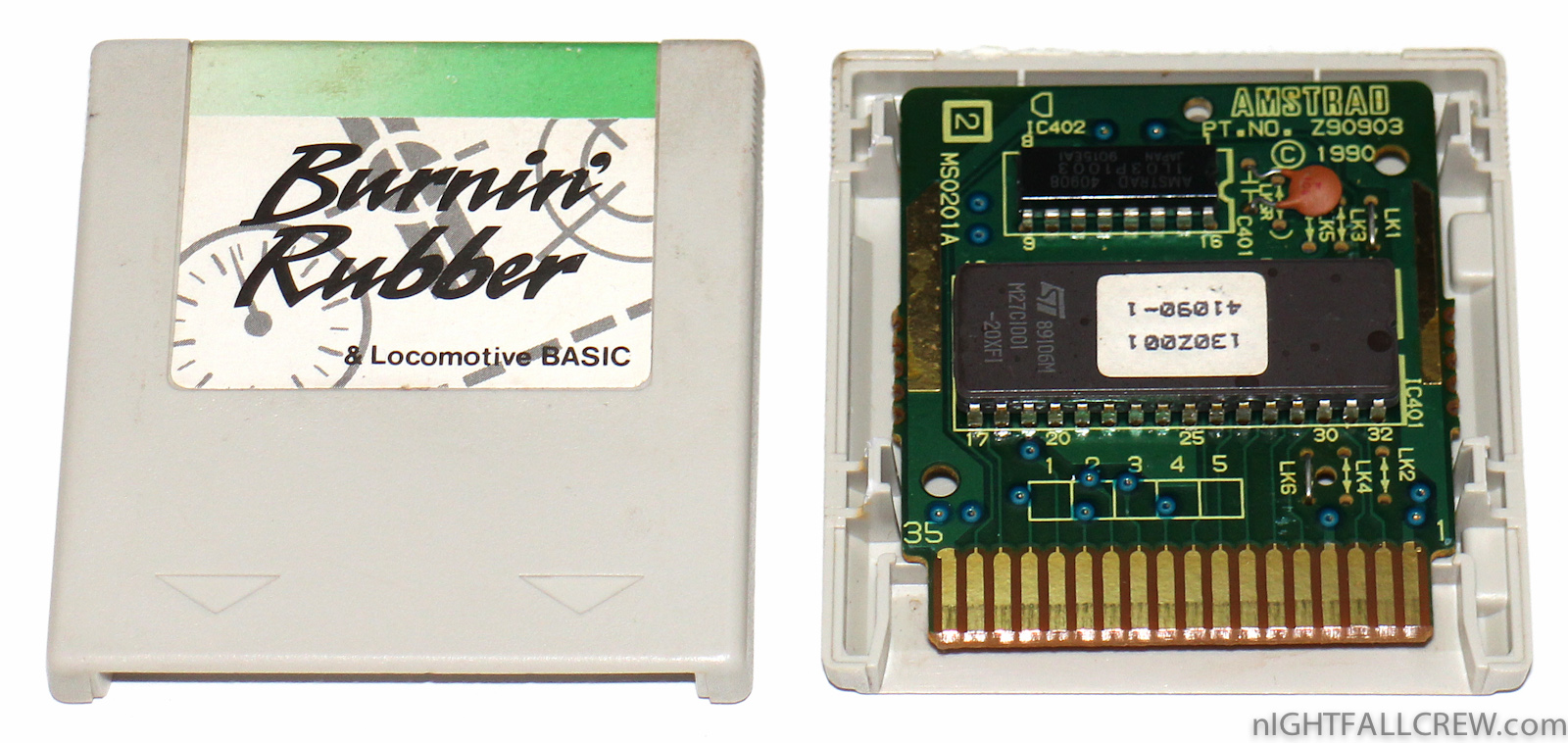
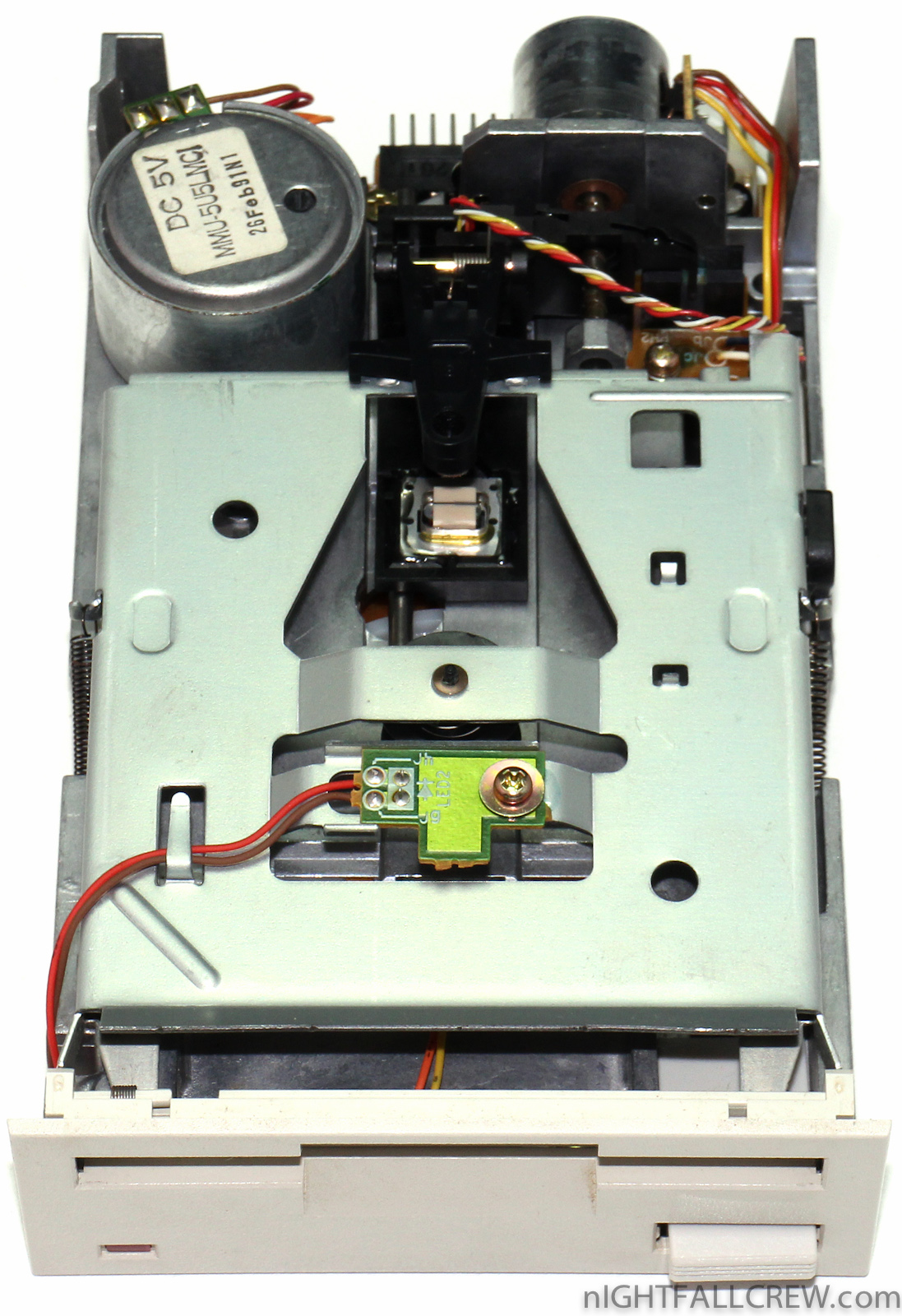
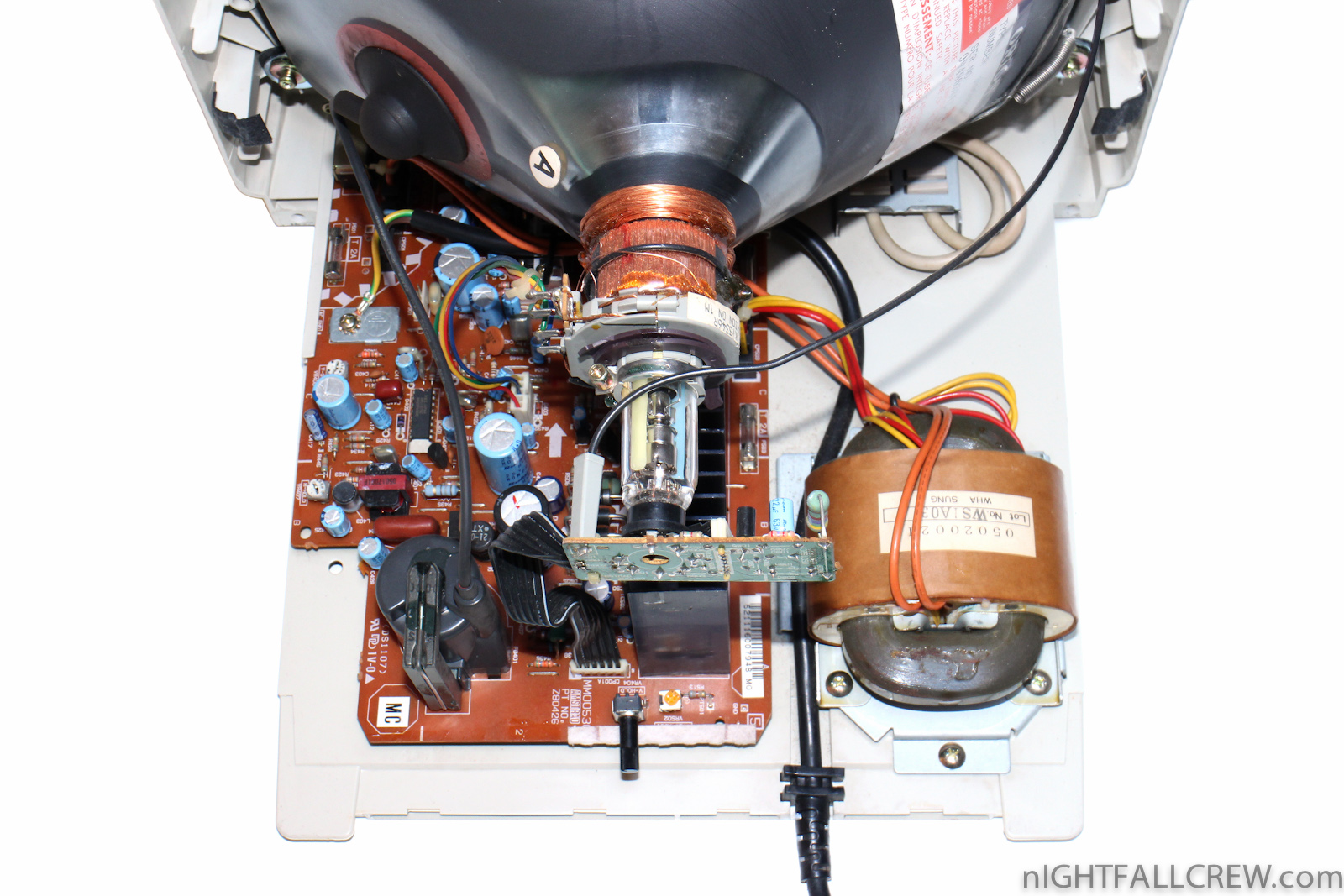
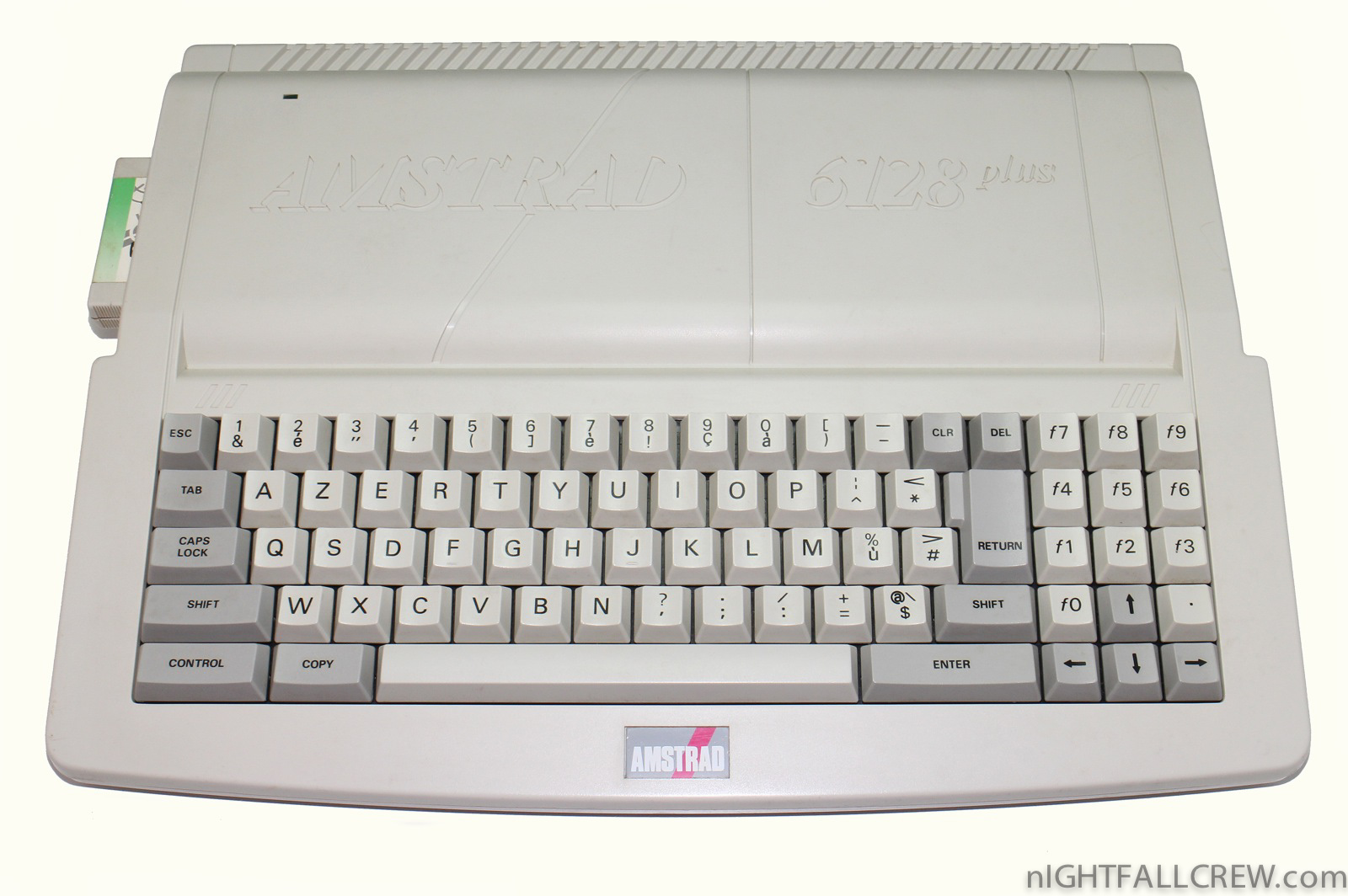
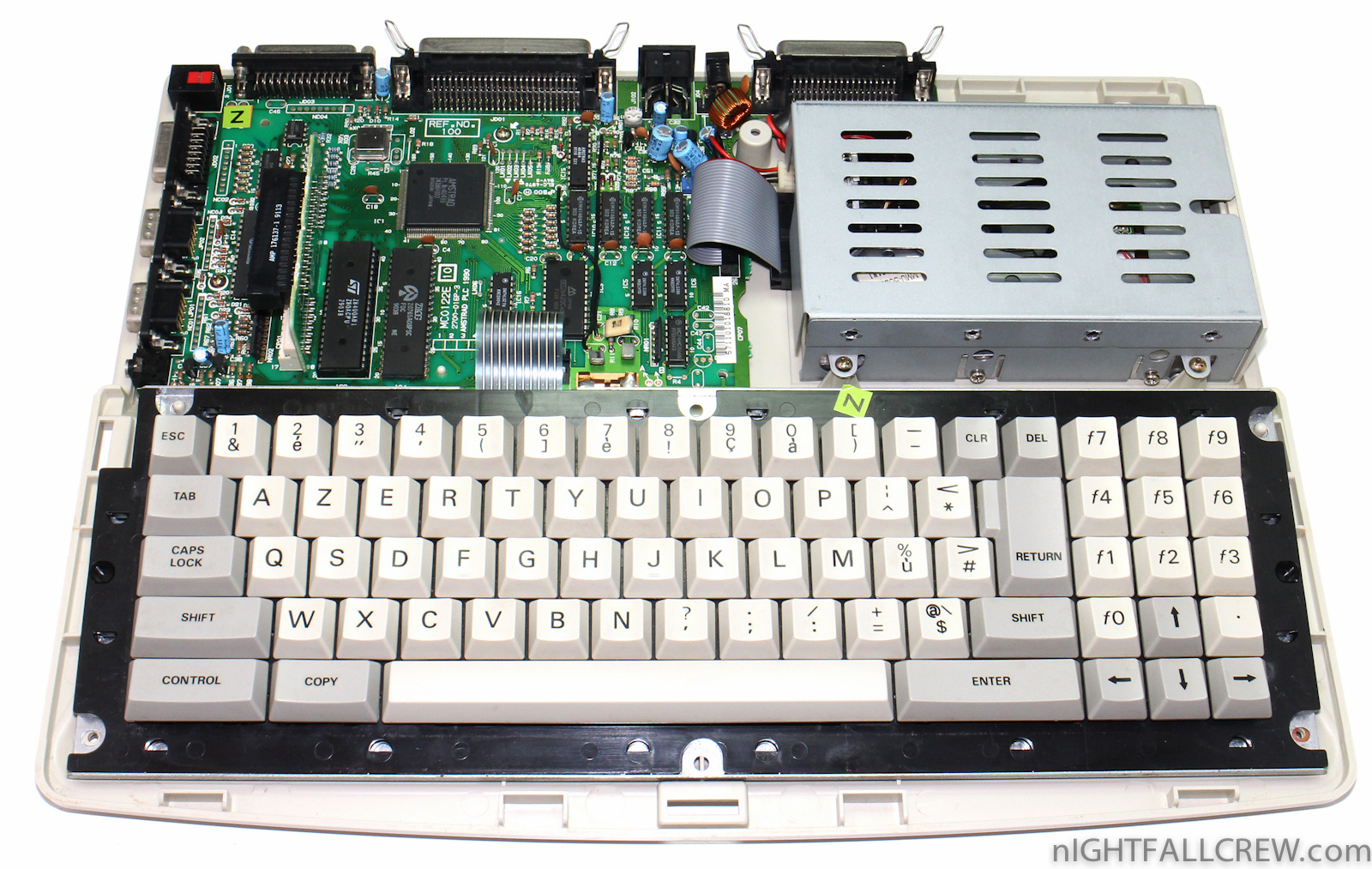
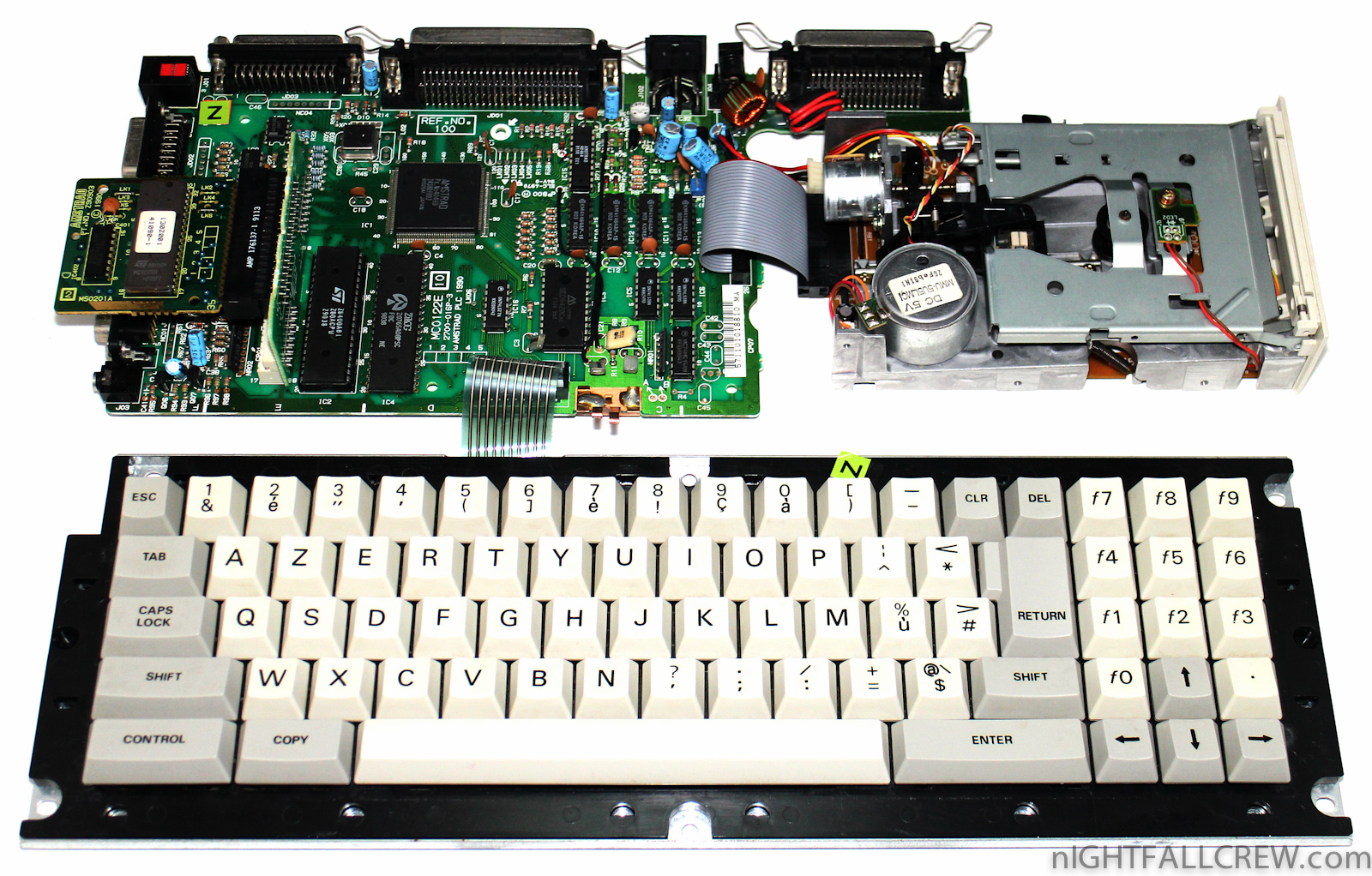
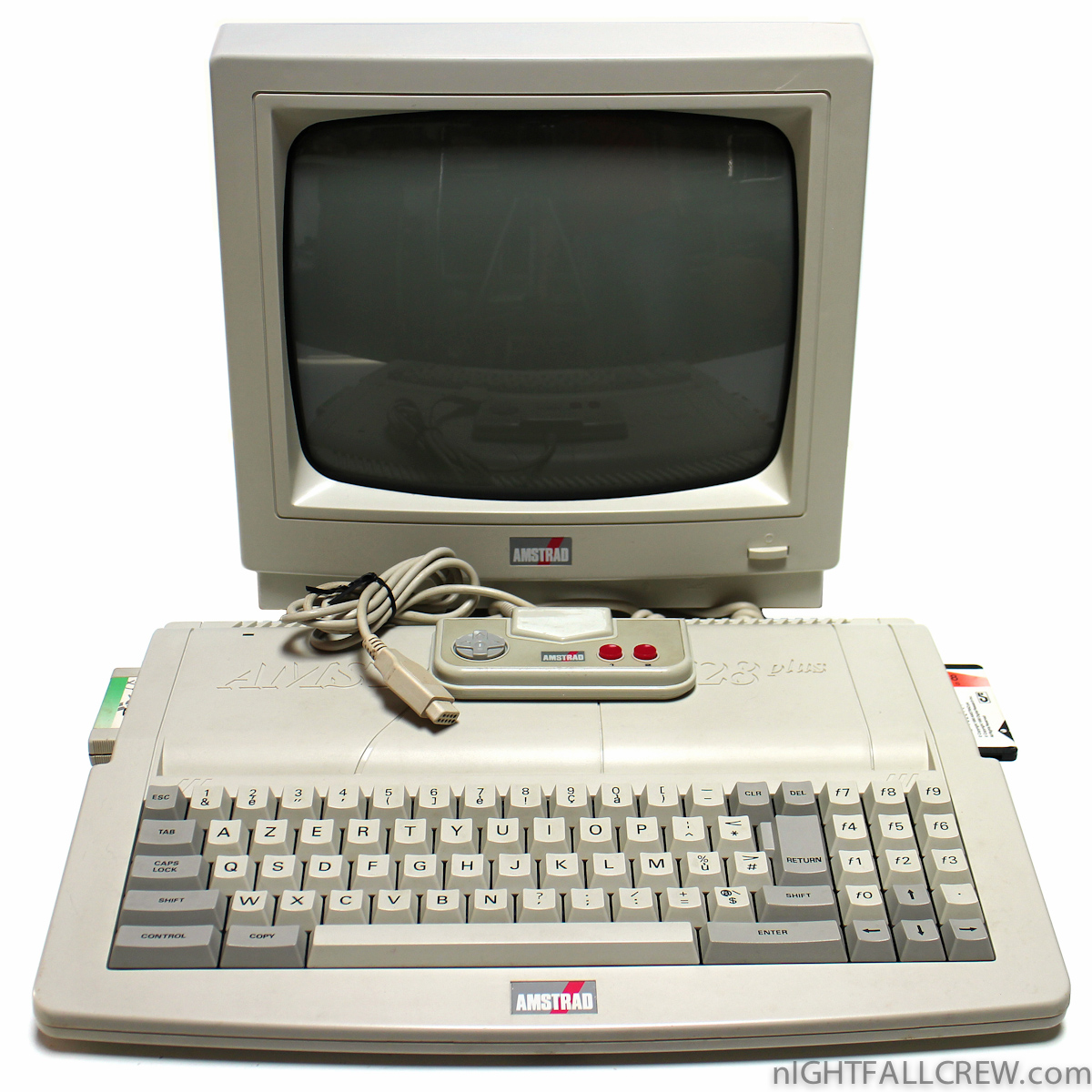
In 1990 Amstrad introduced the “Plus” range which tweaked the hardware in many ways and added a cartridge slot to all models. The Plus included the 464 Plus, 6128 Plus and the GX4000 video game console (which is a cut down Plus without the keyboard nor support for non-cartridge media). All of the range included a cartridge slot and additional hardware improvements.
Most improvements were to the video display which saw an increase in palette to 4096 colours and gained the capability of hardware sprites. Splitting the display into two separate windows and pixel scrolling both became full supported hardware features although both were possible on the non-”Plus” hardware using clever programming of the existing Motorola 6845. An automatic DMA transfer system for feeding the sound chip was also added but the sound chip itself remained unchanged. Additionally, the BASIC command set for disc access was improved.
These models did not do very well in the marketplace, failing to attract any substantial third party support. The 8-bit technology behind the Plus was starting to look a little out of date by 1990 and users resented the substantial price hike for cartridge games compared to their tape and disc counterparts. However, the Plus machines did sell well in France where Amstrad still had a large following due to the success of the classic CPC range there.
The range was officially titled as ‘Amstrad 464 Plus’, ‘Amstrad 6128 Plus’ and ‘GX4000′ and the ‘CPC’ (standing for Colour Personal Computer) abbreviation used in the older generation was dropped. However, many Amstrad users refer to the Plus range as ‘CPC Plus’ or ‘CPC+’ due to the inherent similarities of the two ranges.
from: cpcwiki.eu
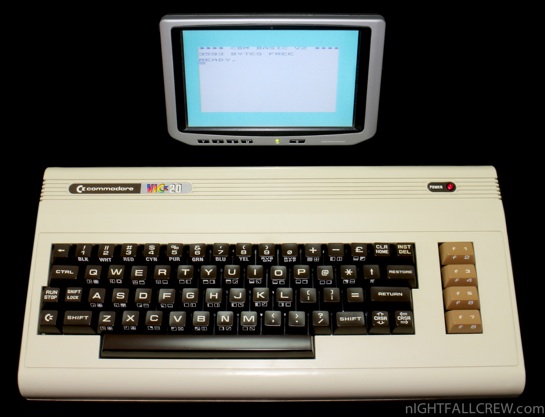
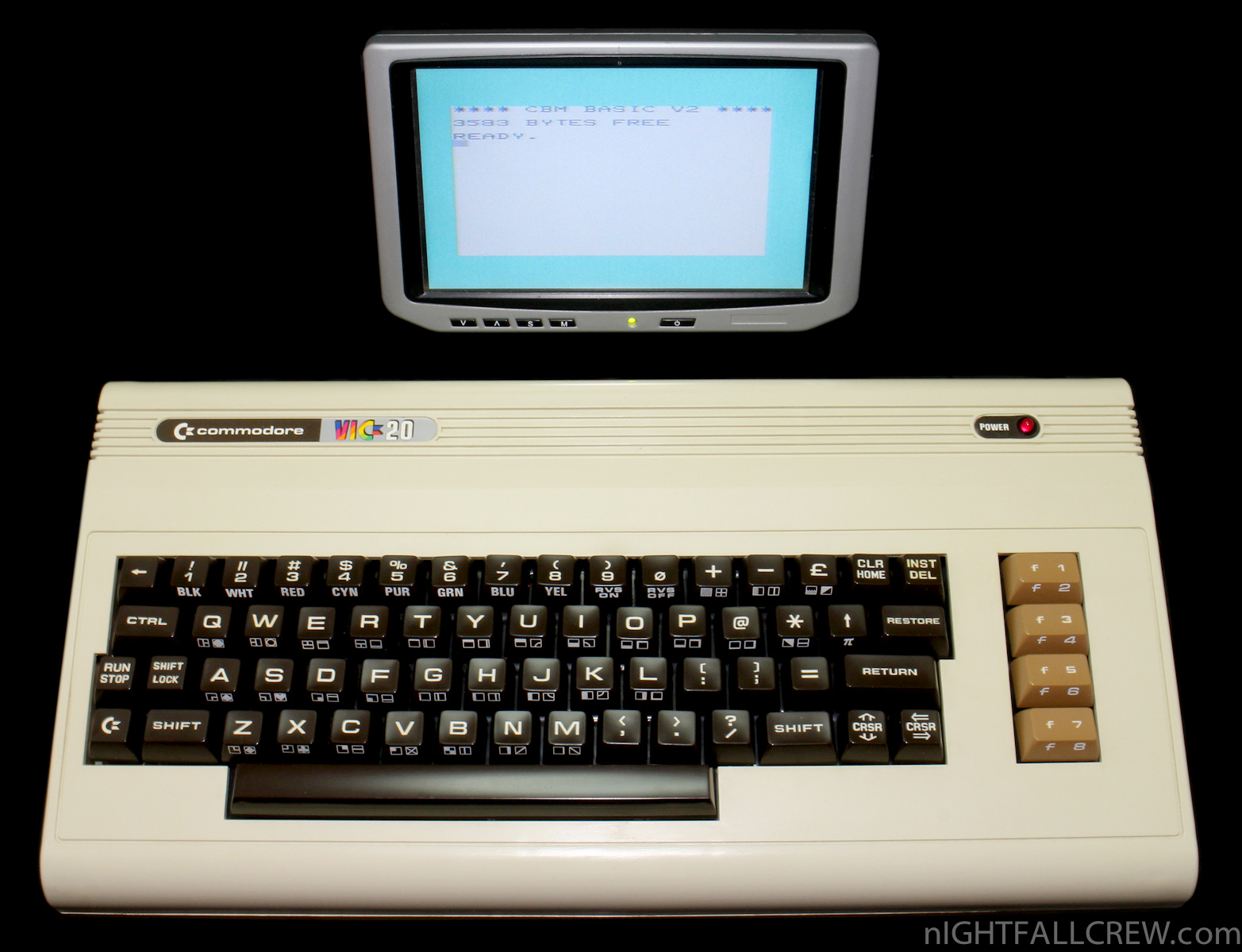
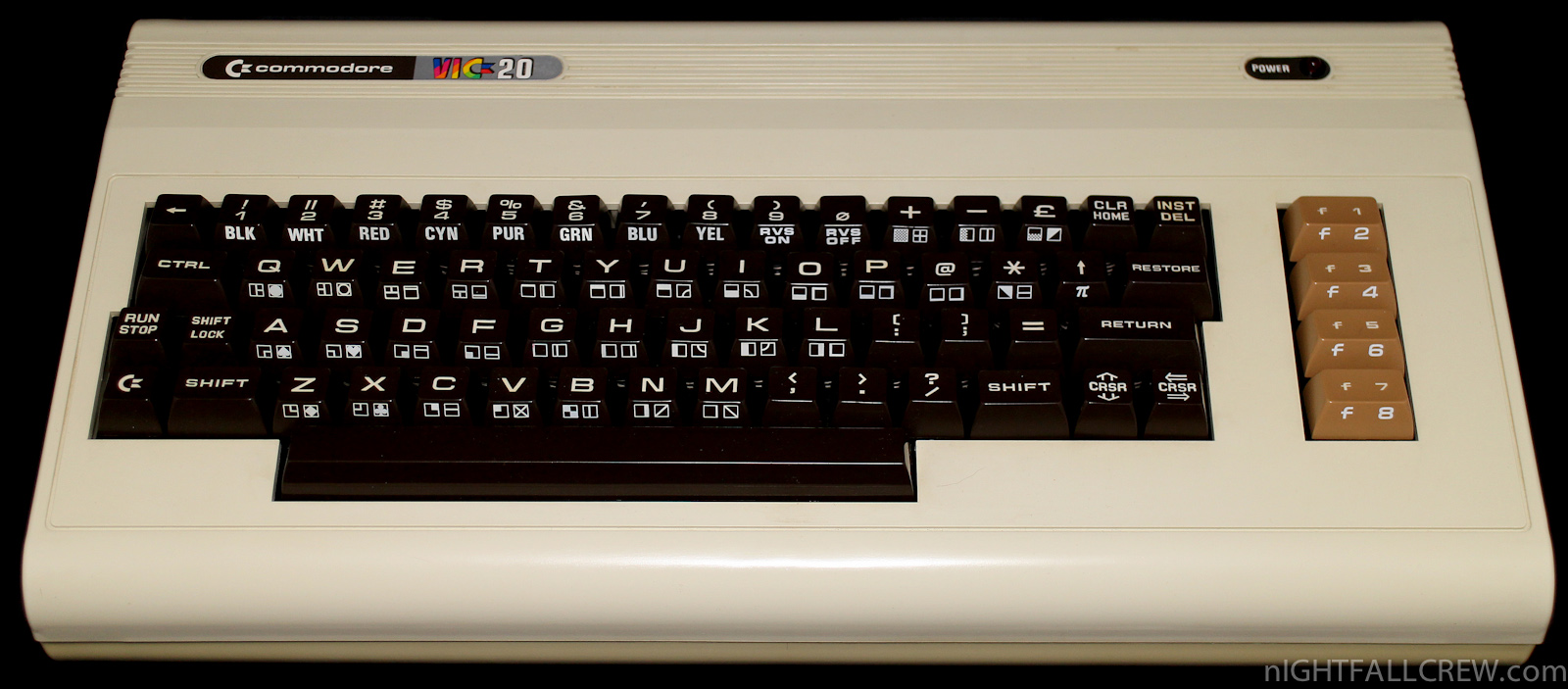
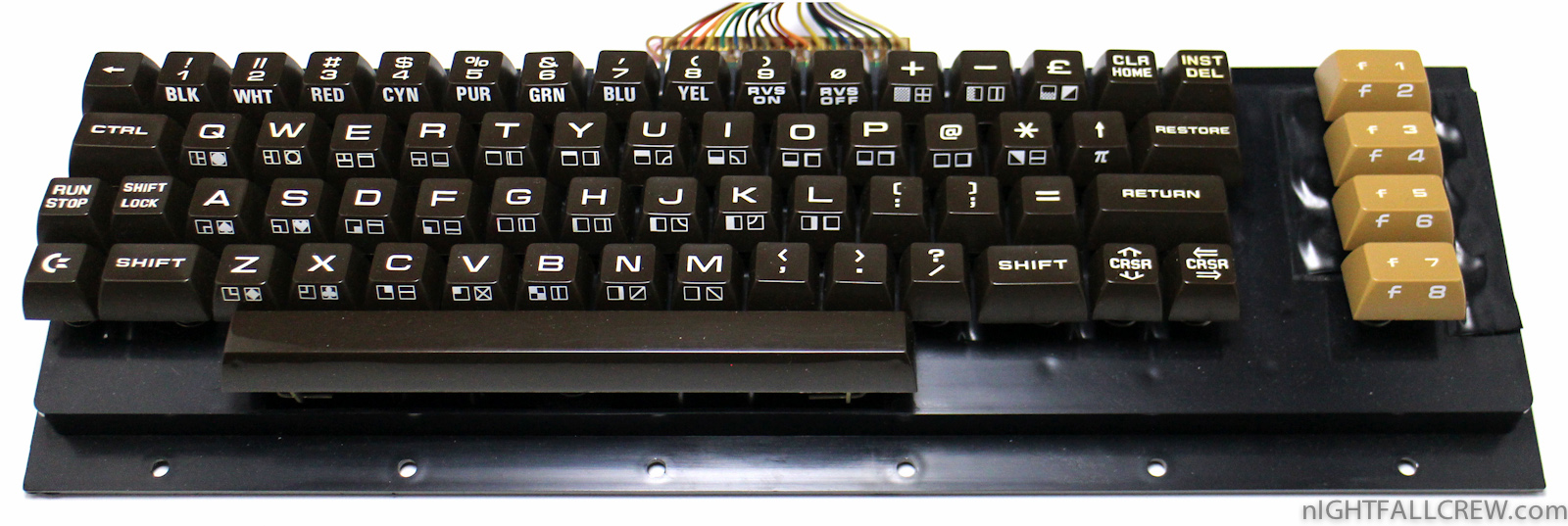
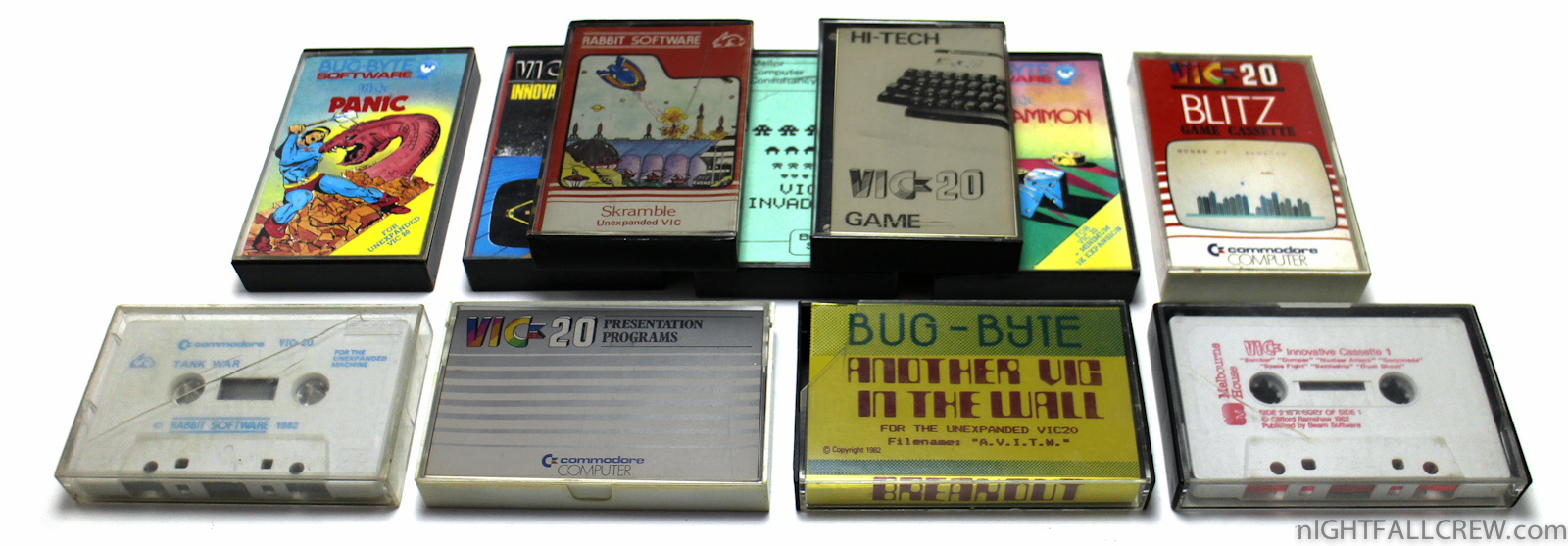
This is an old Commodore VIC-20 Home Computer (PAL) with a “Microgramma Extended Fonts” keyboard. The same keyboard is also used in the Commodore PET computer.
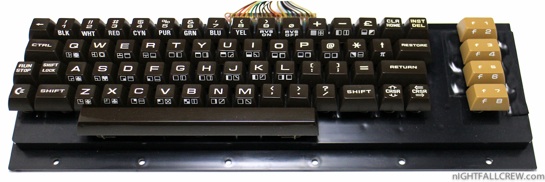
The “PET” style keyboard used on the VIC-1001 and early VIC-20s
The keyboards used in VIC-20 computers were manufactured for Commodore by Matsushita Corporation of Japan. Those used on the very first VIC-20s were almost completely flat-topped and identical in shape to that of Commodore’s PET computer (however, on the VIC-20 the PET’s number pad was replaced by four wide function keys).
The keyboards on later VIC-20s were manufactured with slightly concave tops. The concavity of the “F” and “J” keys was slightly more prominent to provide tactile feedback for touch-typists seeking the “home” position.
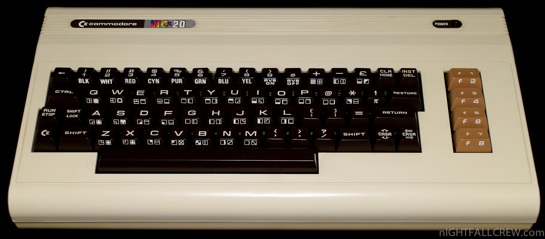
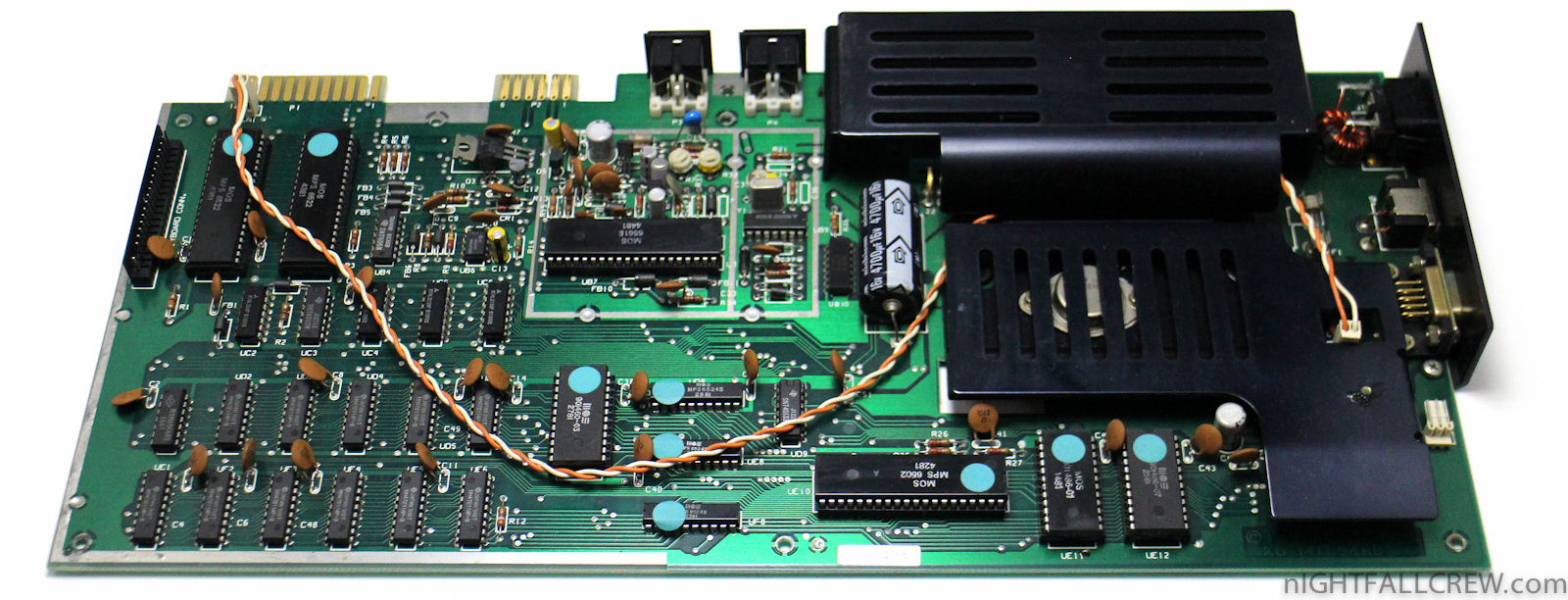
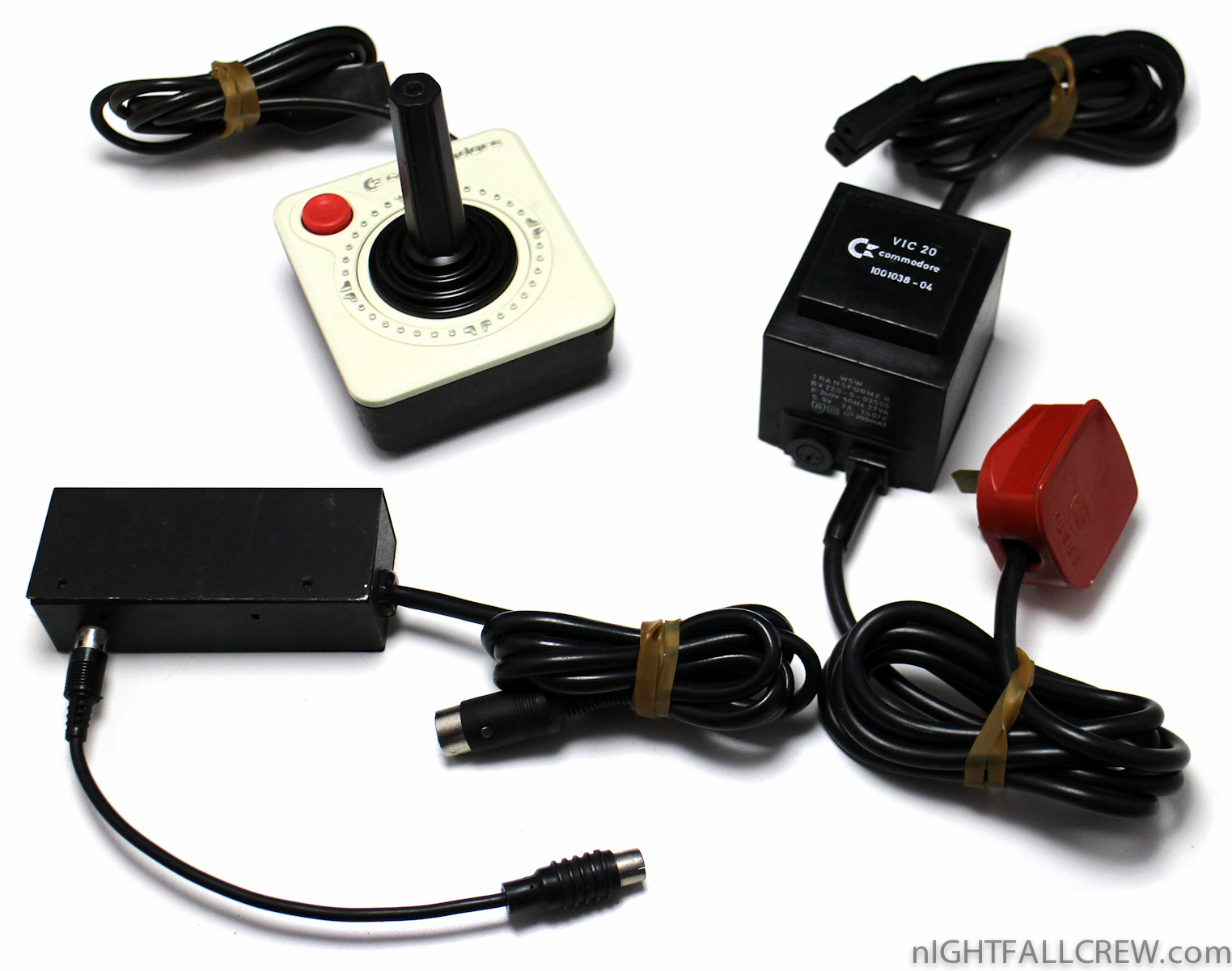
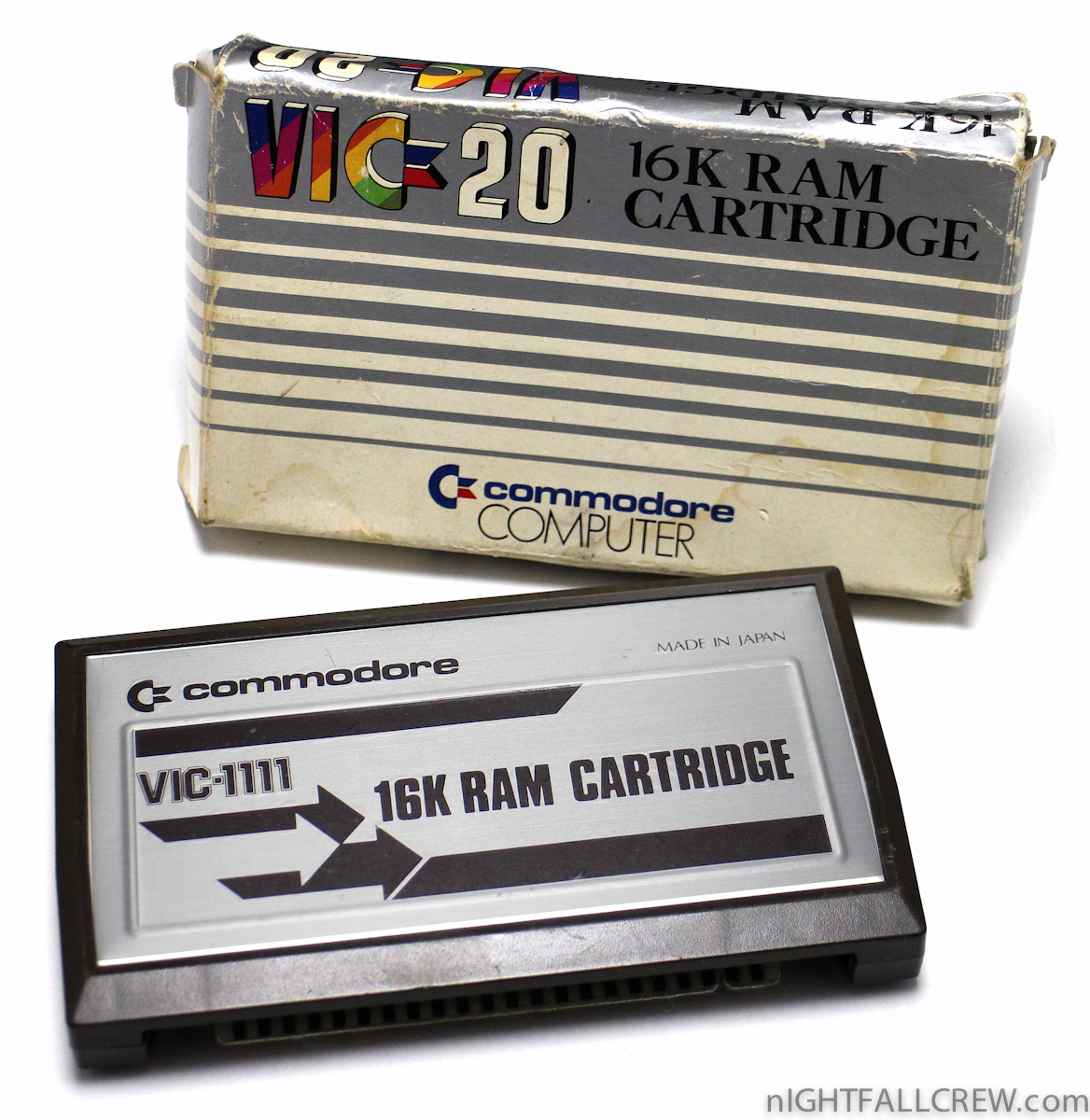
Commodore VIC-20 8-bit Home Computer
The VIC-20 (Germany: VC-20; Japan: VIC-1001) is an 8-bit home computer which was sold by Commodore Business Machines. The VIC-20 was announced in 1980, roughly three years after Commodore’s first personal computer, the PET. The VIC-20 was the first computer of any description to sell one million units.
The VIC-20 was intended to be more economical than the PET computer. It was equipped with only 5 kB of RAM (of this, only 3.5 KB were available to the BASIC programmer) and used the same MOS 6502 CPU as the PET. The VIC-20′s video chip, the MOS Technology VIC, was a general-purpose color video chip designed by Al Charpentier in 1977 and intended for use in inexpensive display terminals and game consoles, but Commodore could not find a market for the chip. As the Apple II gained momentum with the advent of VisiCalc in 1979, Jack Tramiel wanted a product that would compete in the same segment, to be presented at the January 1980 CES. For this reason Chuck Peddle and Bill Seiler started to design a computer named TOI (The Other Intellect).
Gallery:

Some new games or tools (Cracked / Trained or Unrealeased) for Commodore 64 have been released from your favorites groups.
Titles:
Download: All Games in One Archive (3384)
source: csdb.dk

Some new games or tools (Cracked / Trained or Unrealeased) for Commodore 64 have been released from your favorites groups.
Titles:
Download: All Games in One Archive (3377)
Gallery:
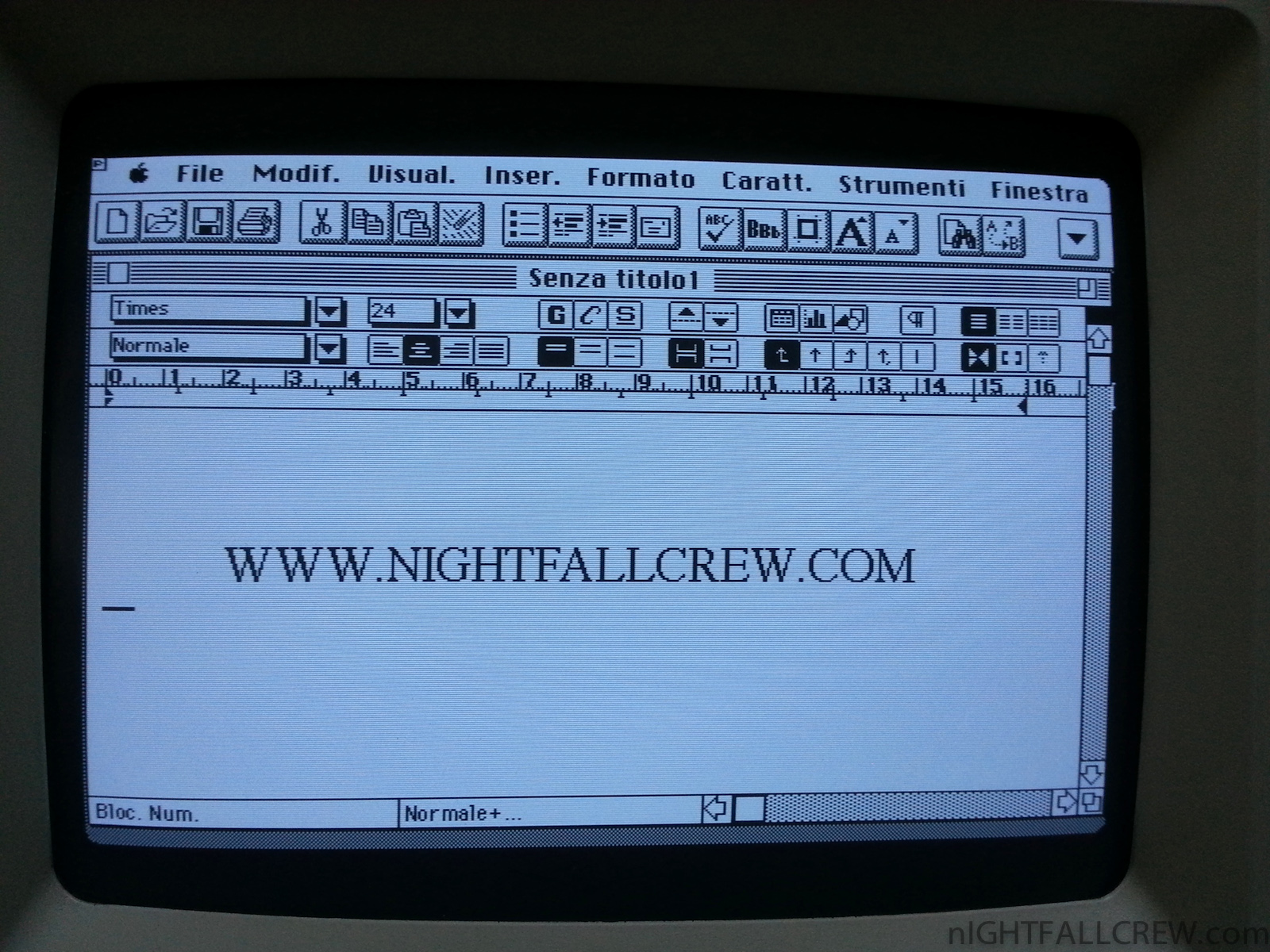
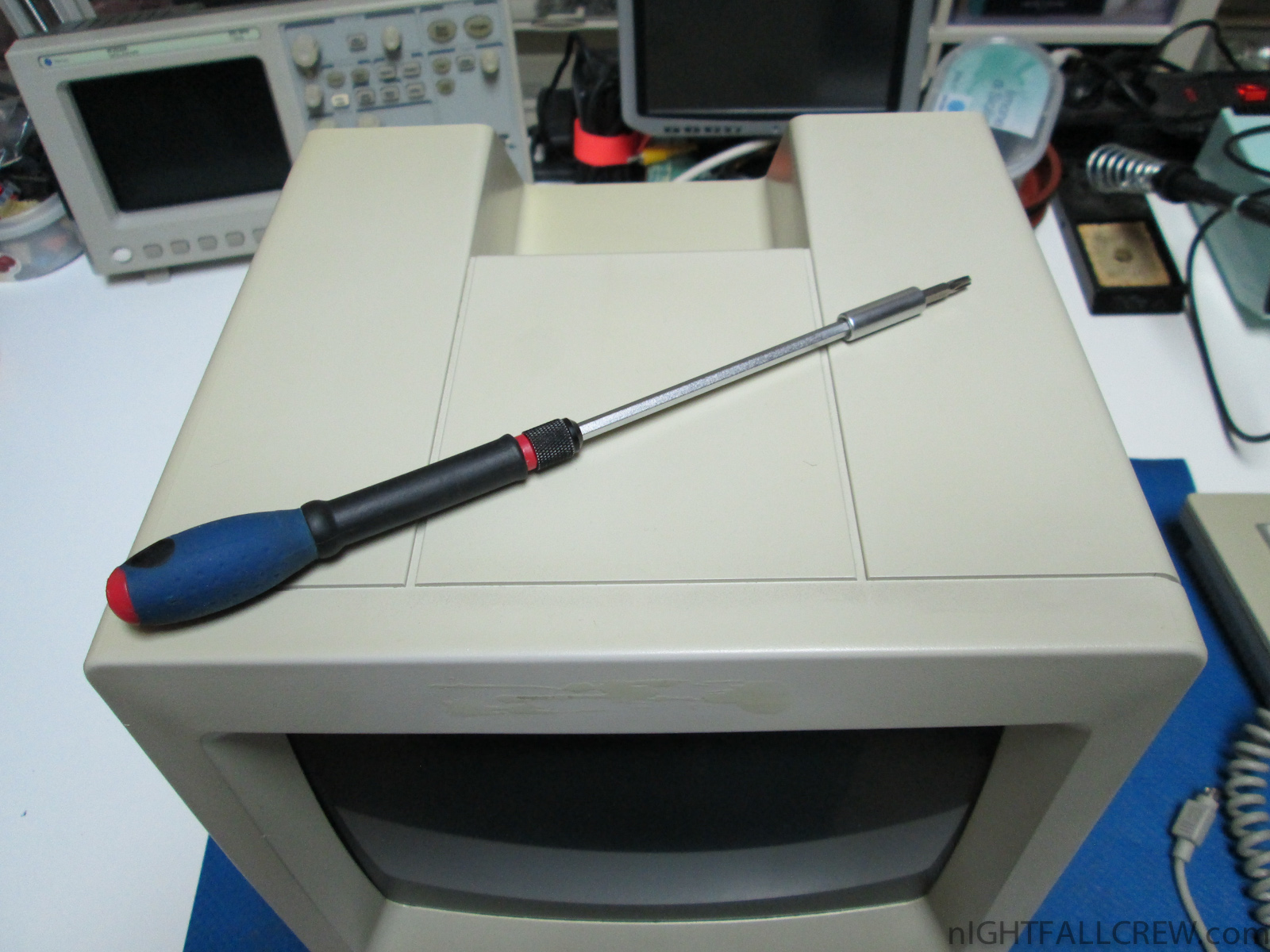
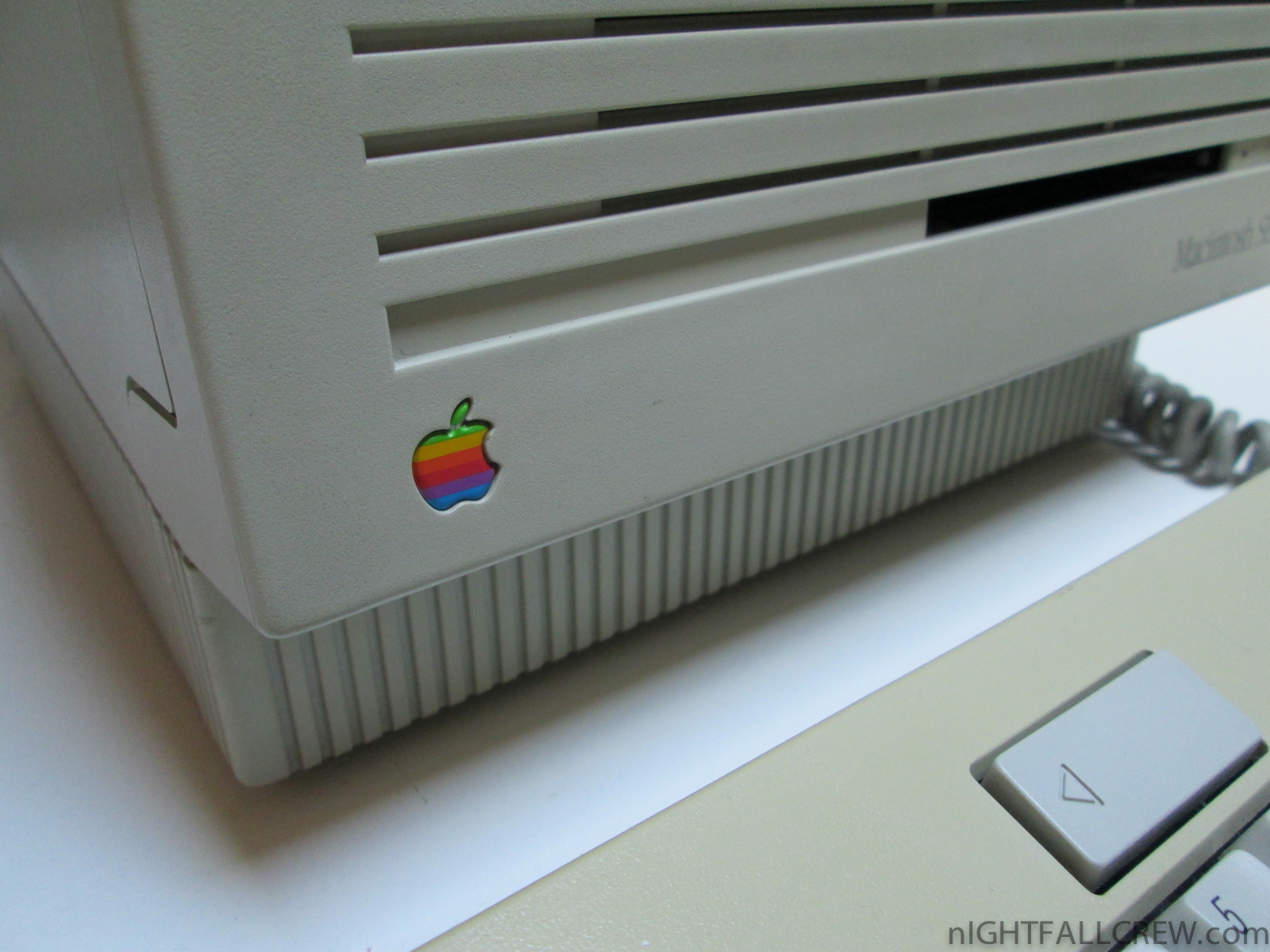
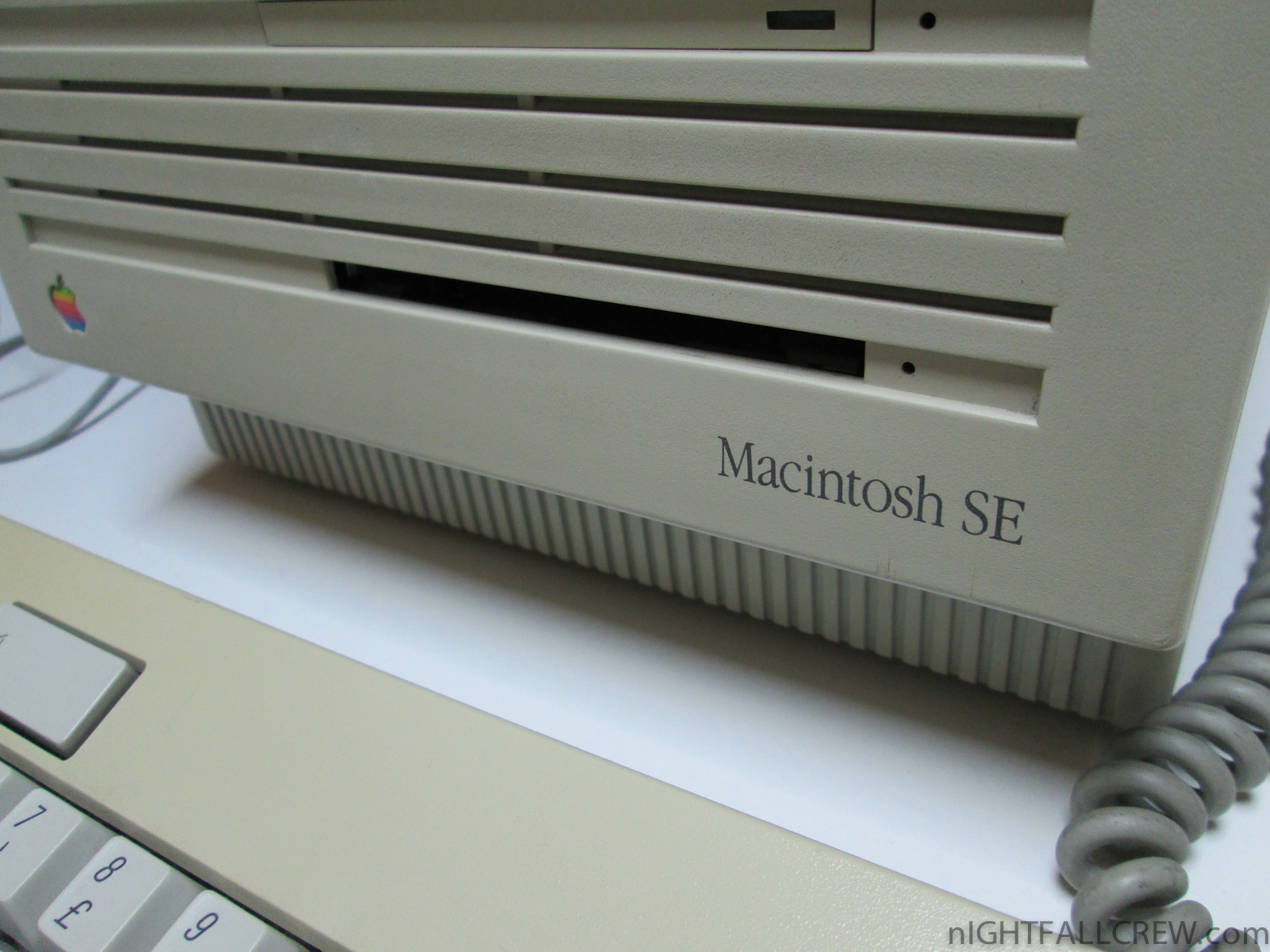
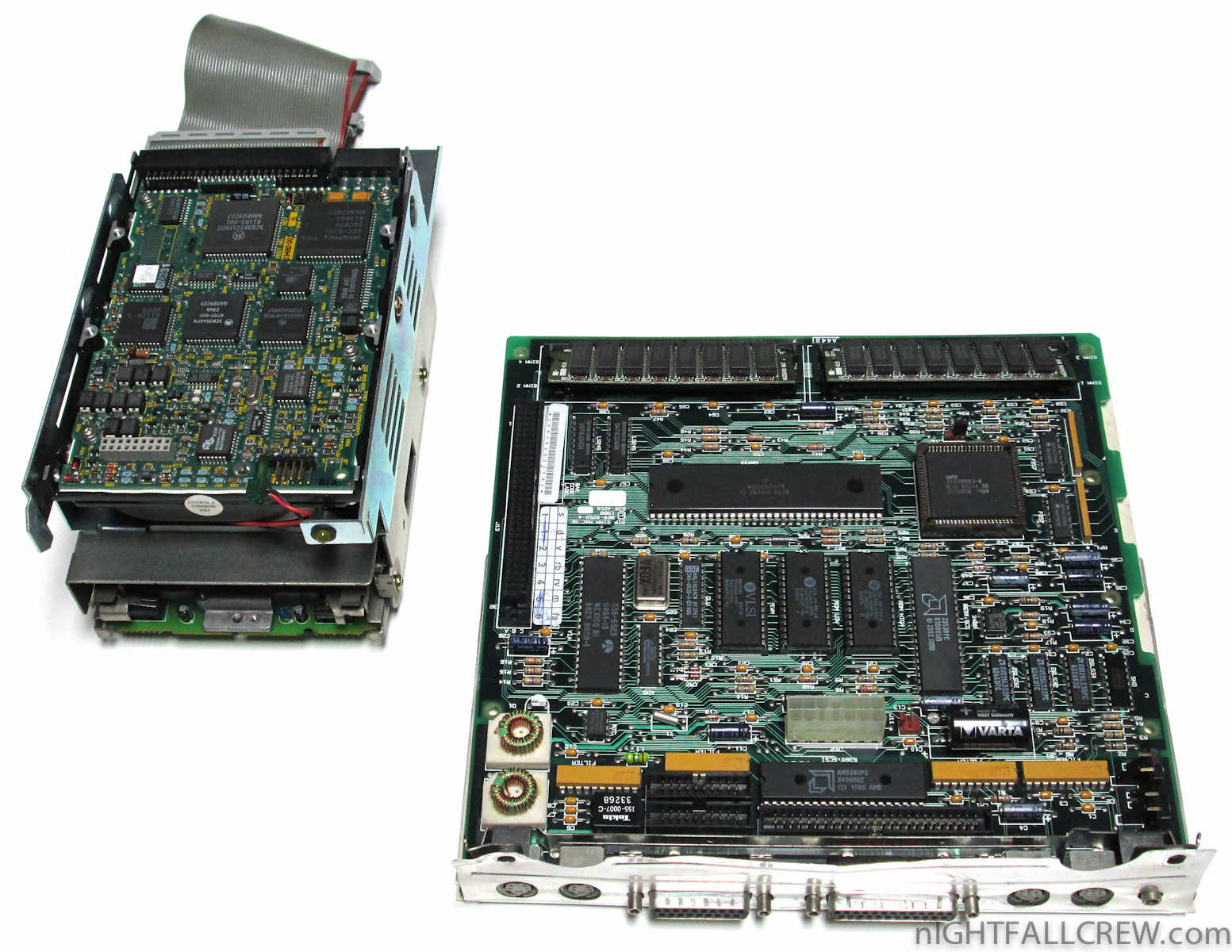
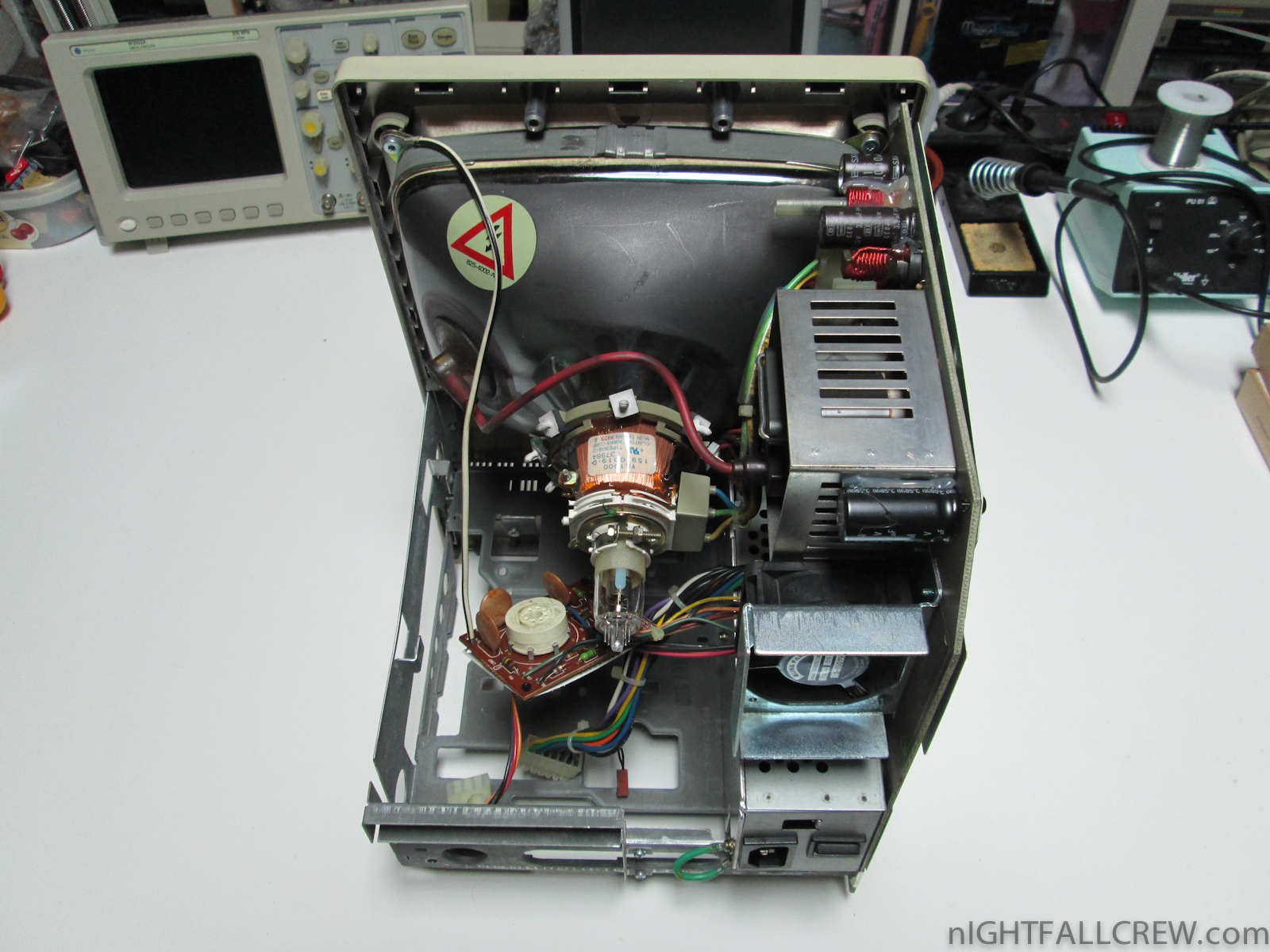
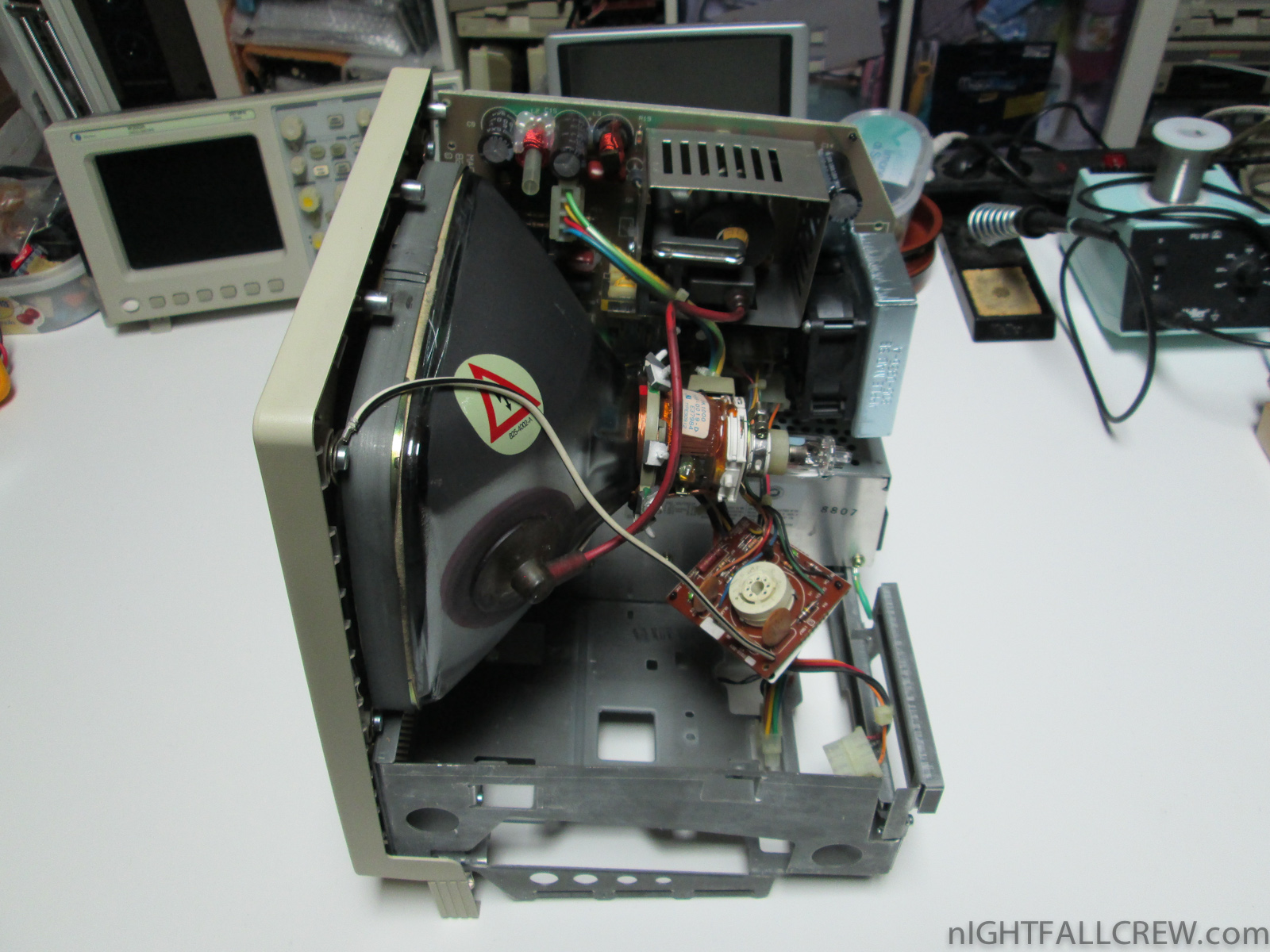
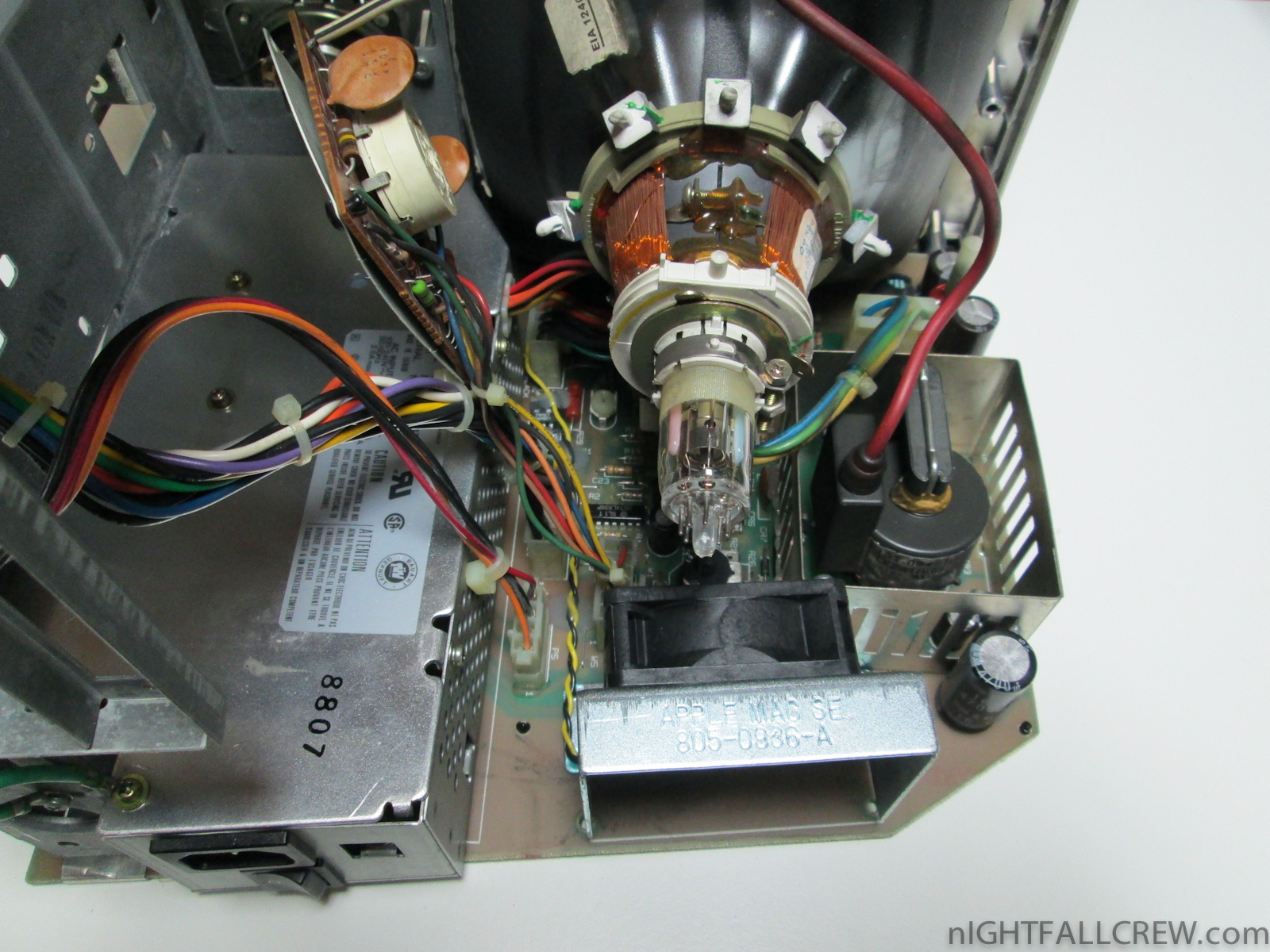
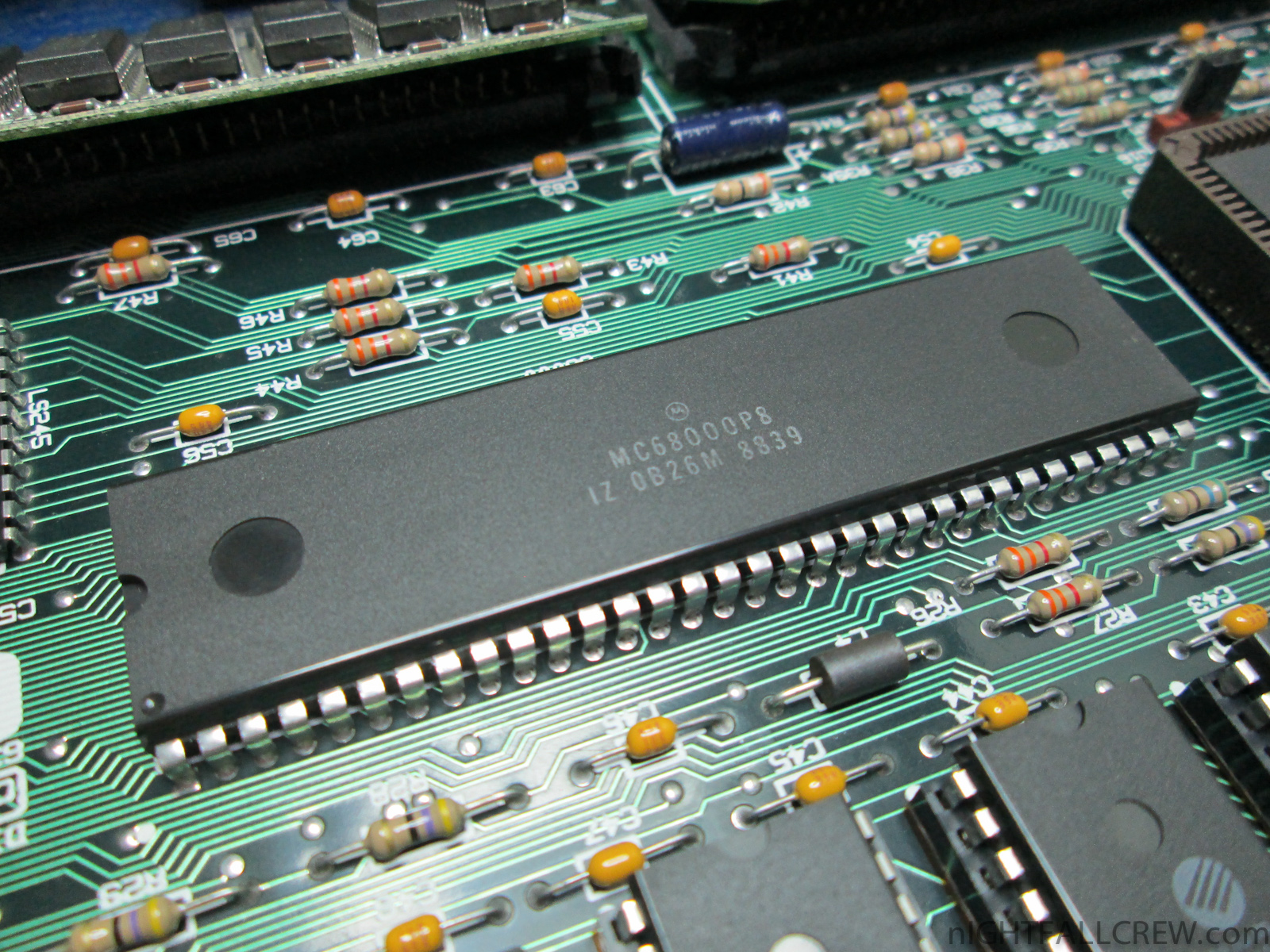
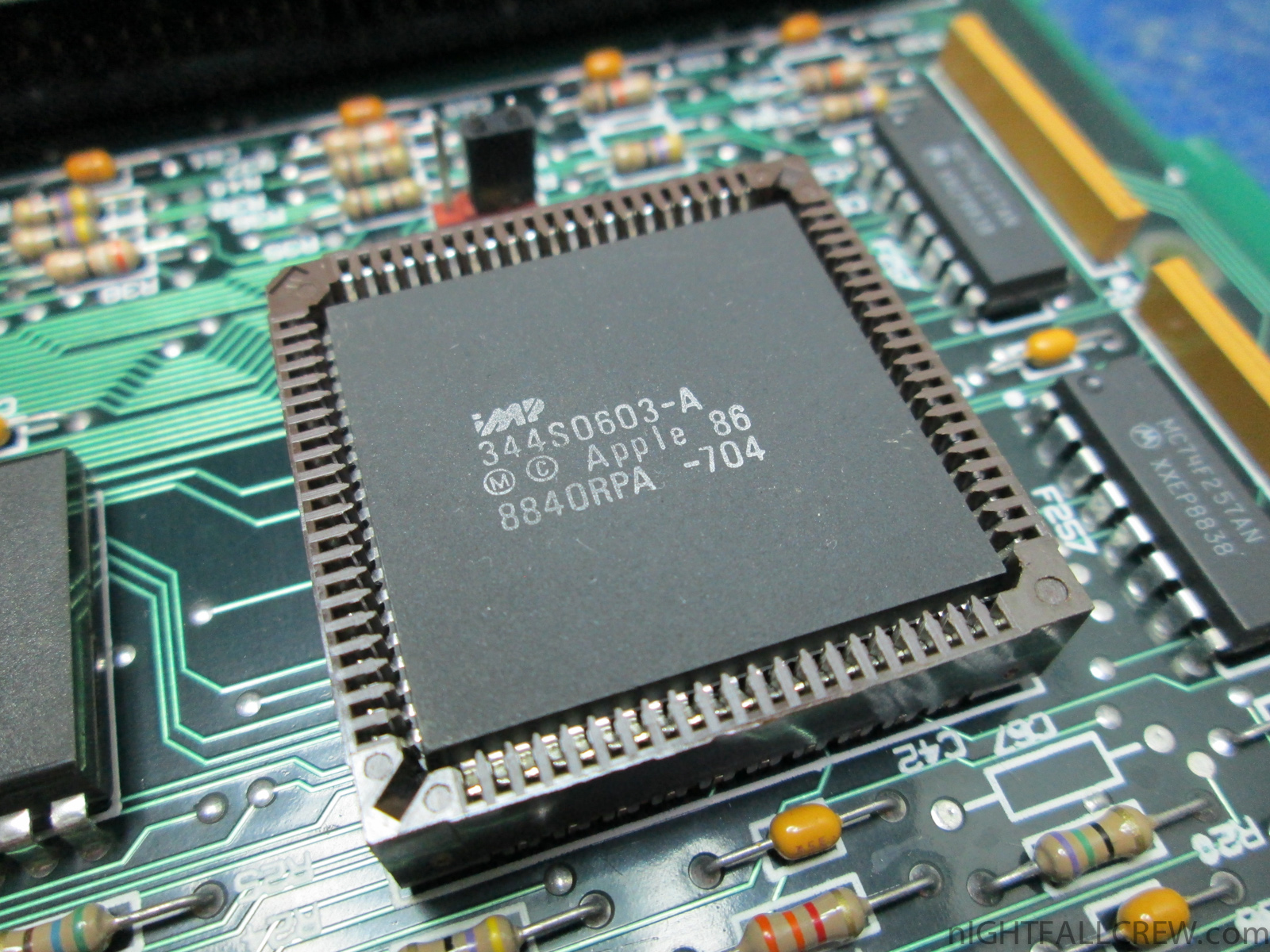
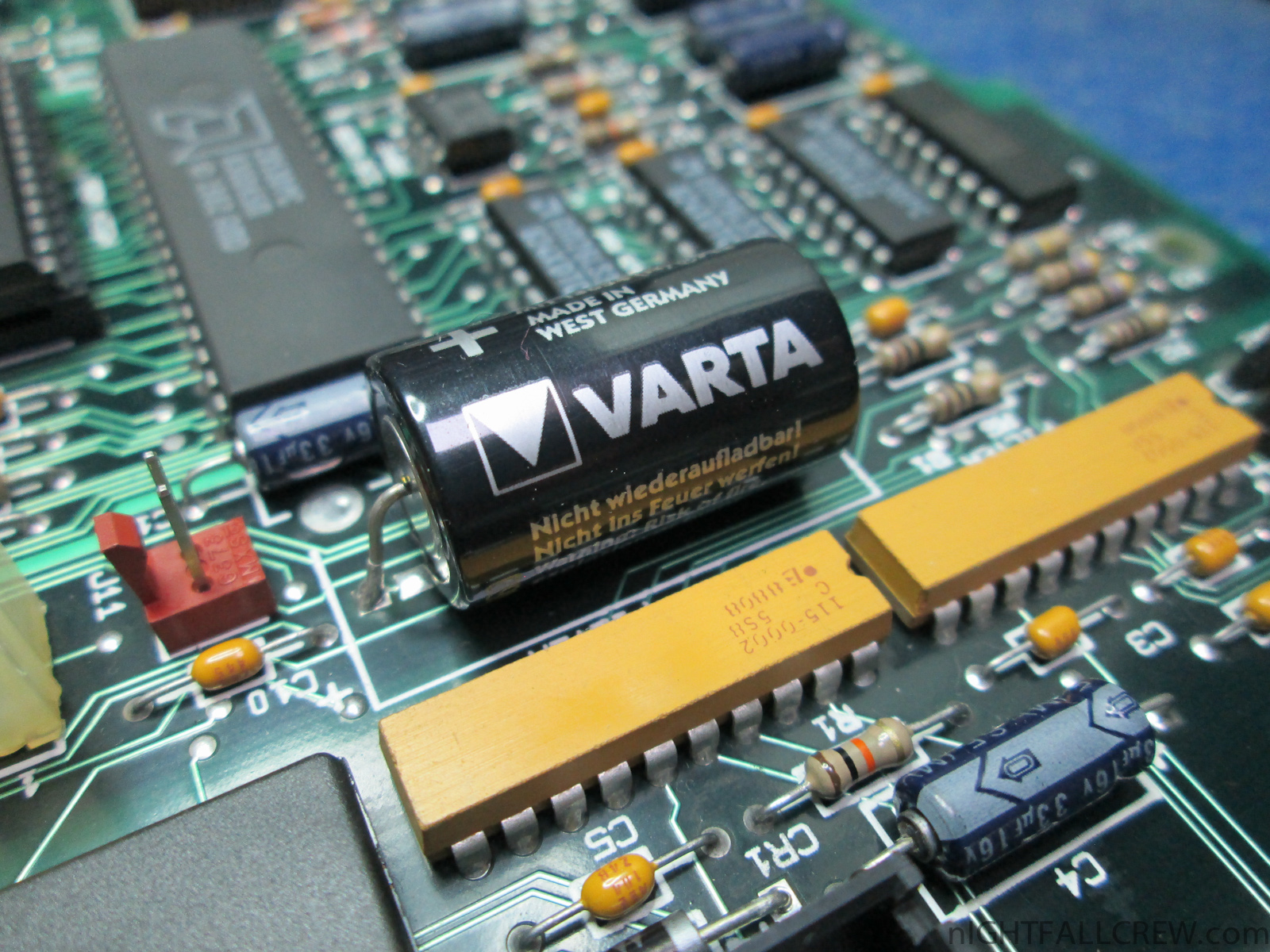
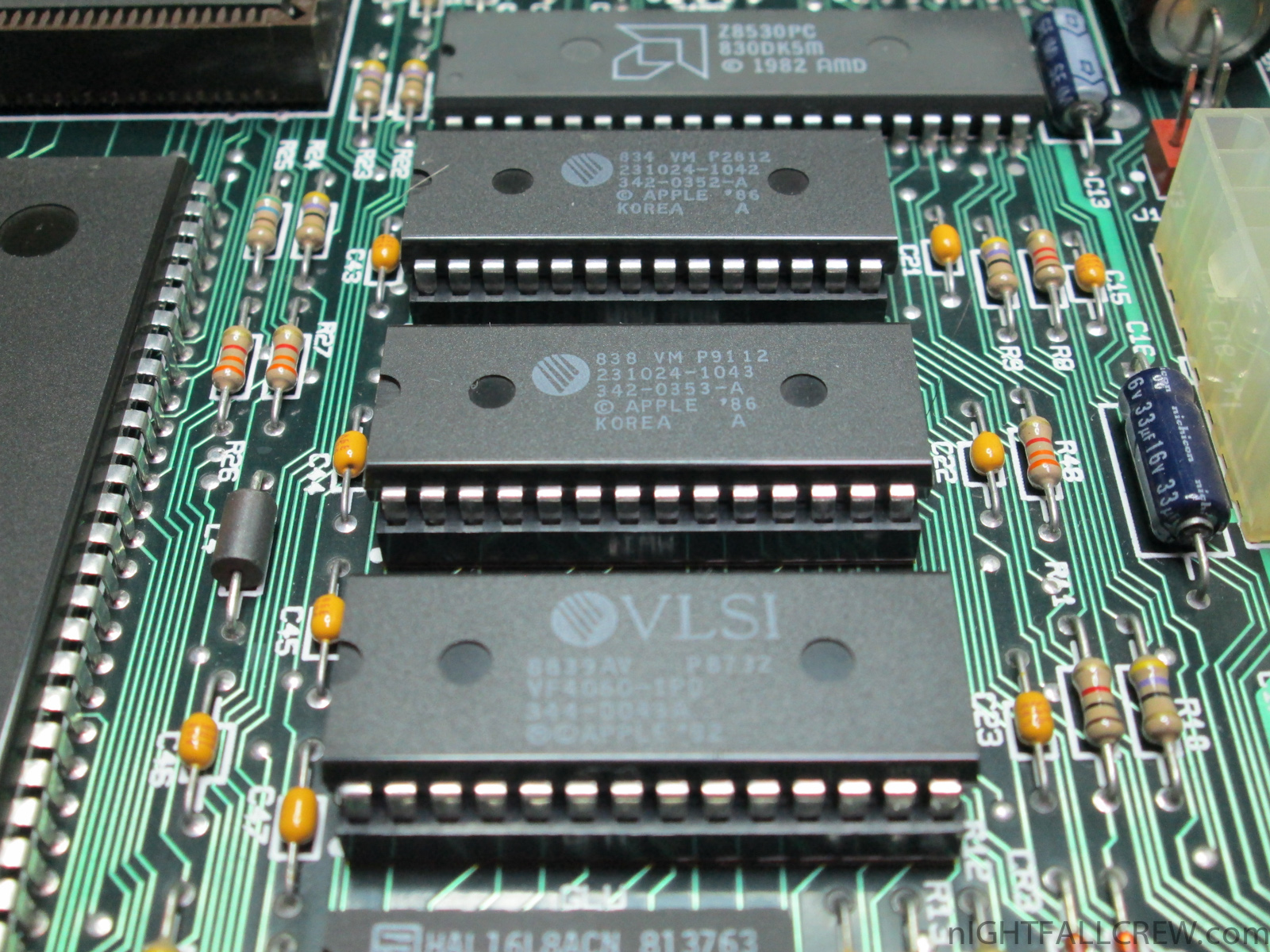
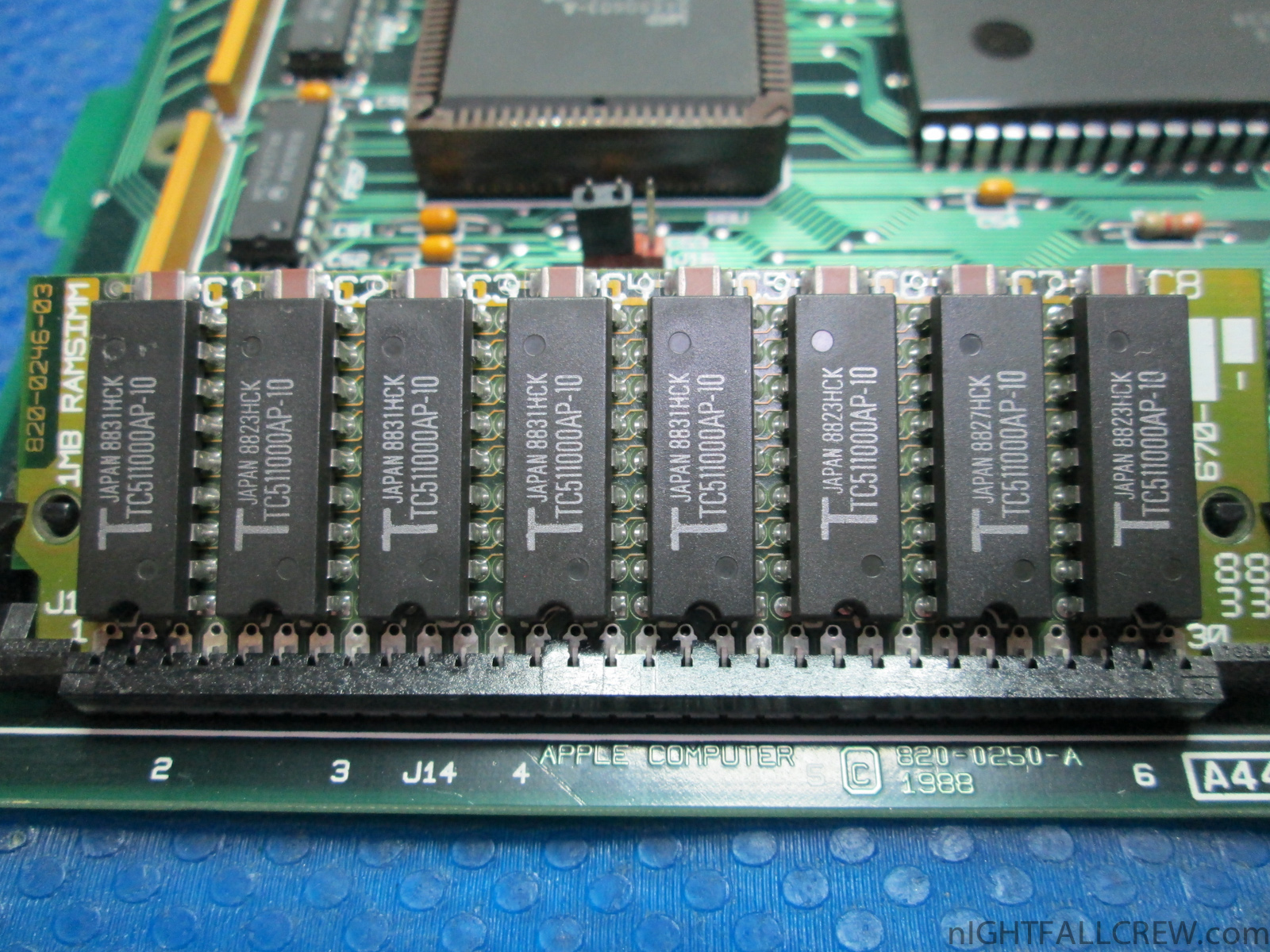
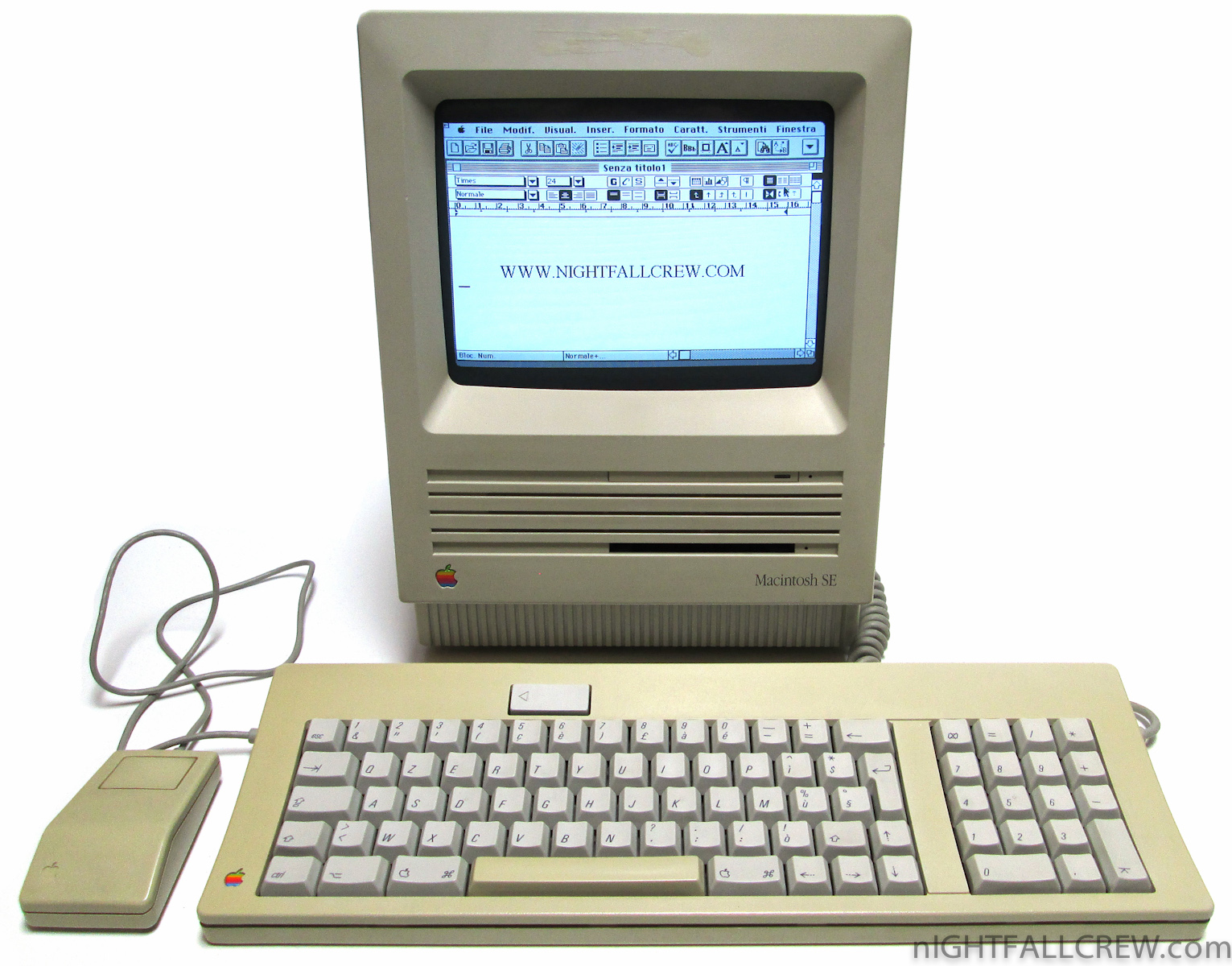
The Macintosh SE is a personal computer manufactured by Apple between March 1987 and October 1990.
This computer marked a significant improvement on the Macintosh Plus design and was introduced by Apple at the same time as the Macintosh II. It had a similar case to the original Macintosh computer, but with slight differences in color and styling.
Features:
The SE’s notable new features, compared to its similar predecessor the Macintosh Plus, were:
source: wikipedia
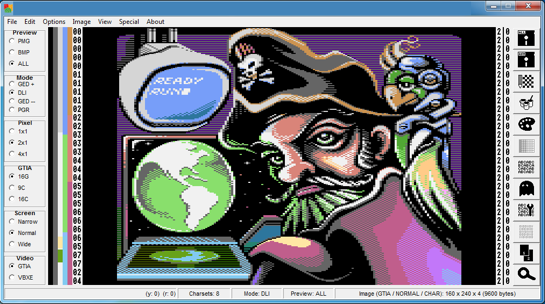
Tomasz “Tebe” Biela has released an update of the program Graph2Font v3.9.9.3 and the Atari Graphics Studio v2.9.9.
This project began many years ago as a simple graphics converter for Atari but over the years the features are significantly increased. The converter runs under Windows.
Download:
source: g2f.atari8.info
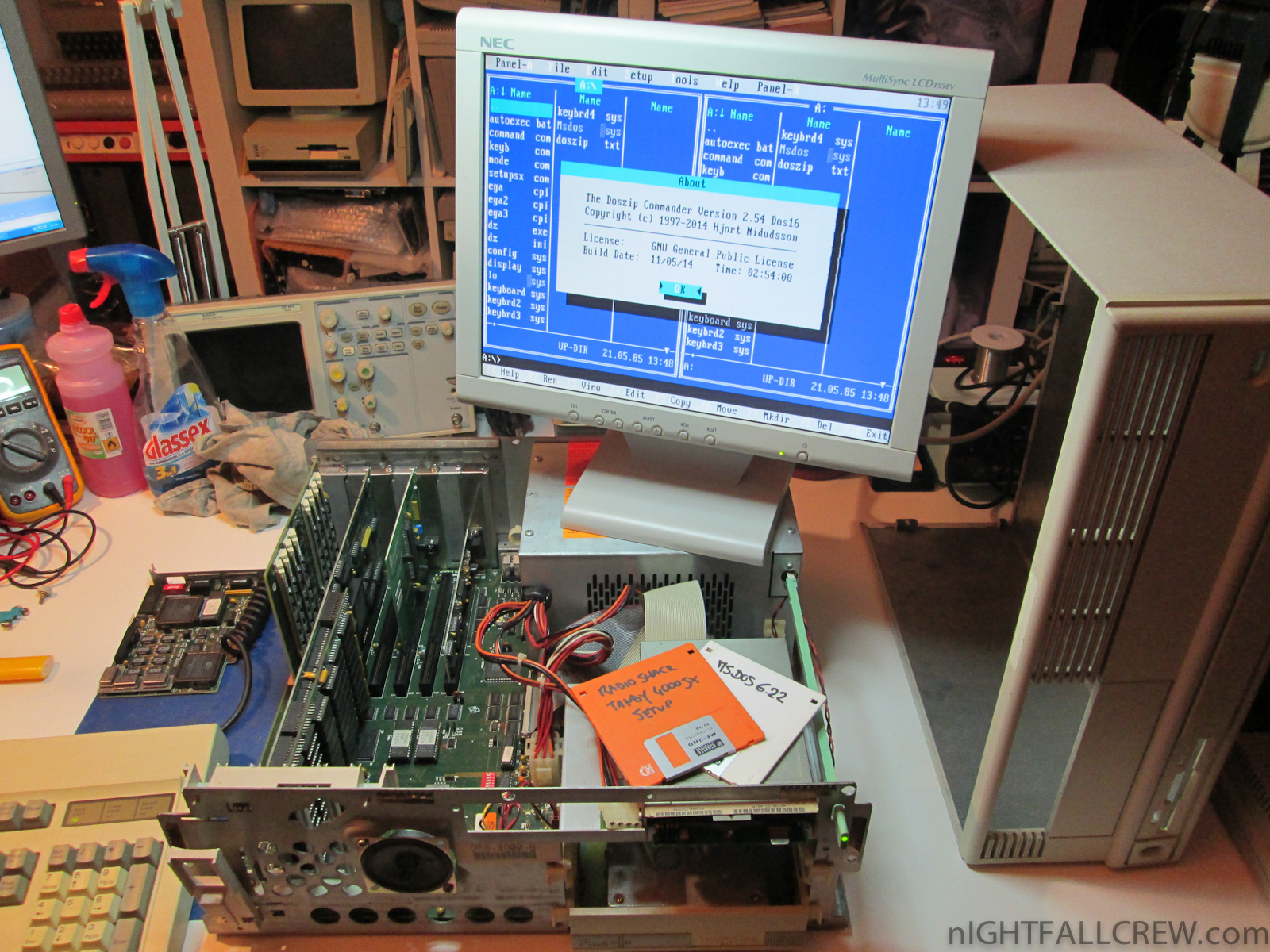
I thank my dear friend Ciro (www.ti99iuc.it) for giving me the Personal Computer Radio Shack Tandy 4000SX.
Some photo:
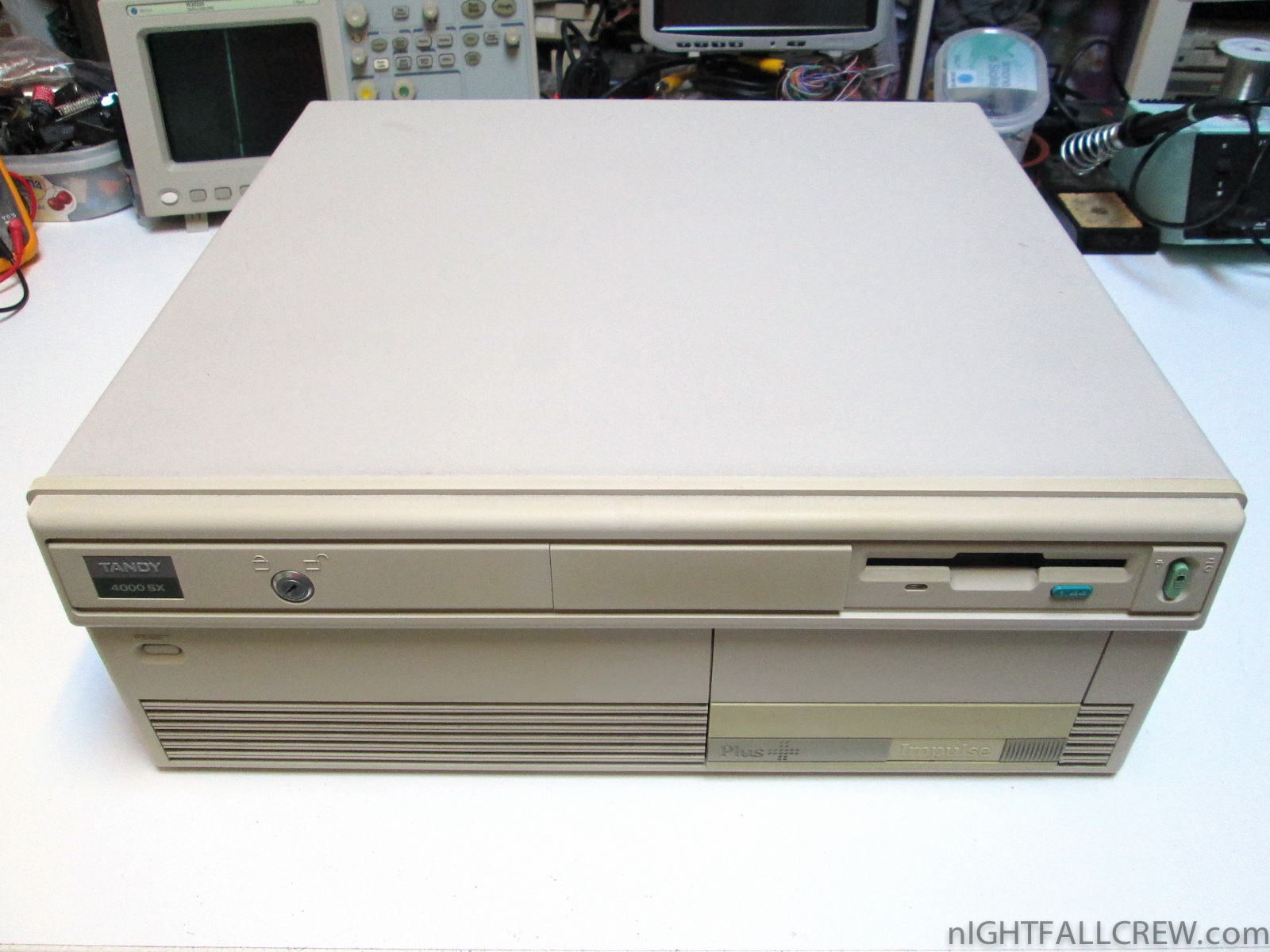
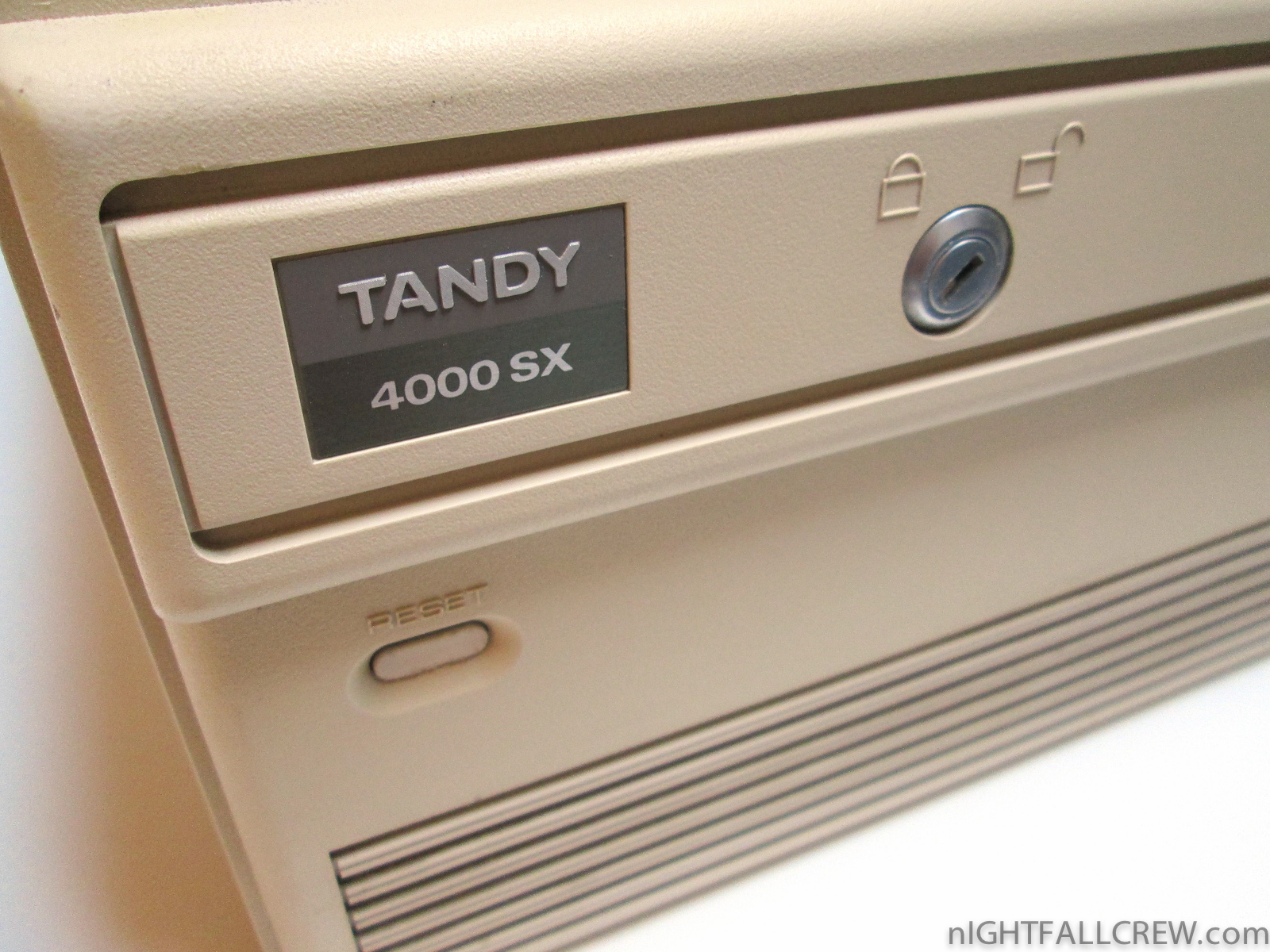
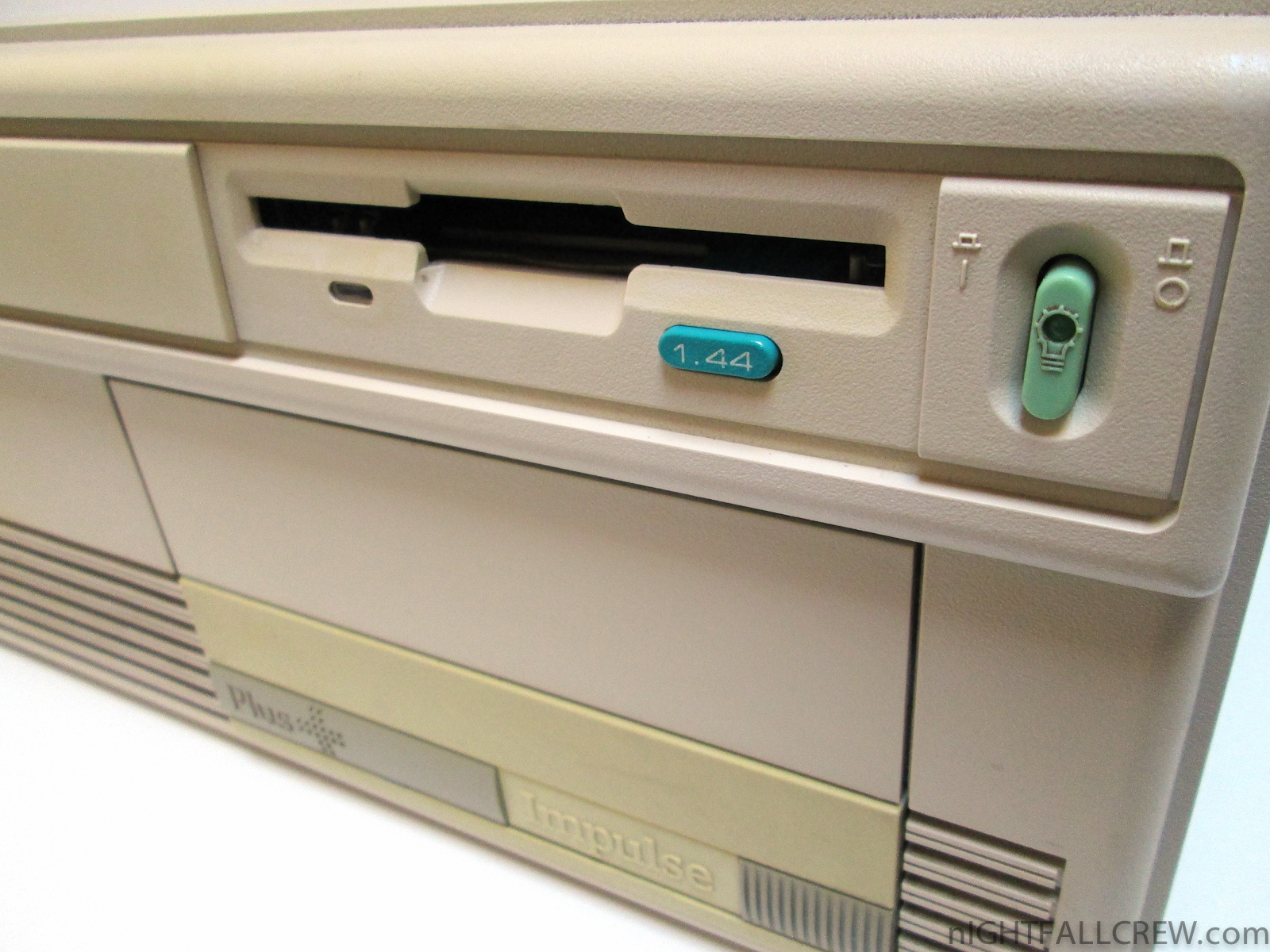
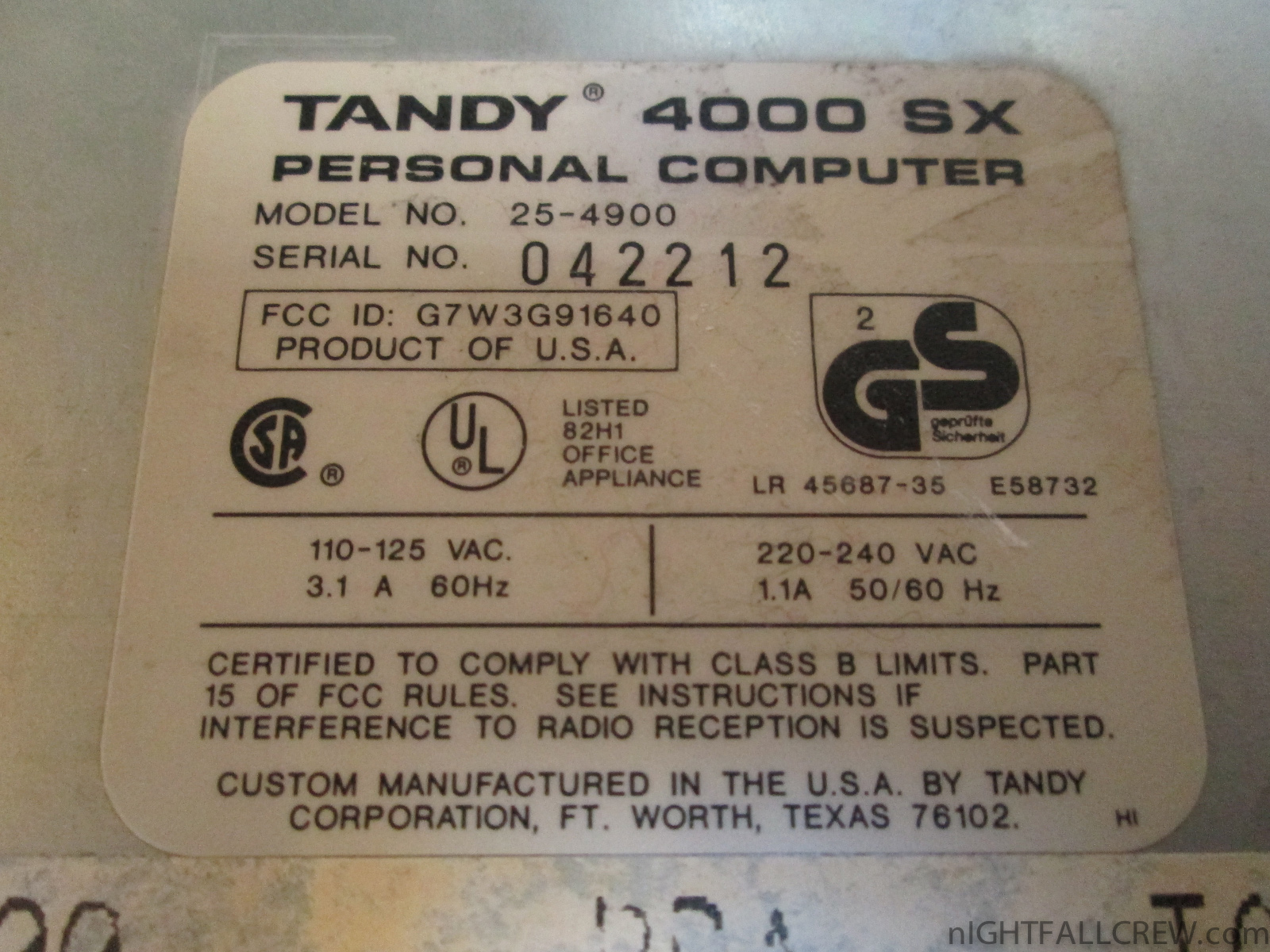
Tandy 4000SX uses a intel 80386SX microprocessor at 16 megahertz, 32-bit CPU Offers true Intel 386 processing in a 286 hardware environment.
Tandy designed and engineered with full IBM PC/AT compatibility. Uses hardware and software compatible with the IBM standard for IBM PC/XT/AT computers.
source: radioshack.com
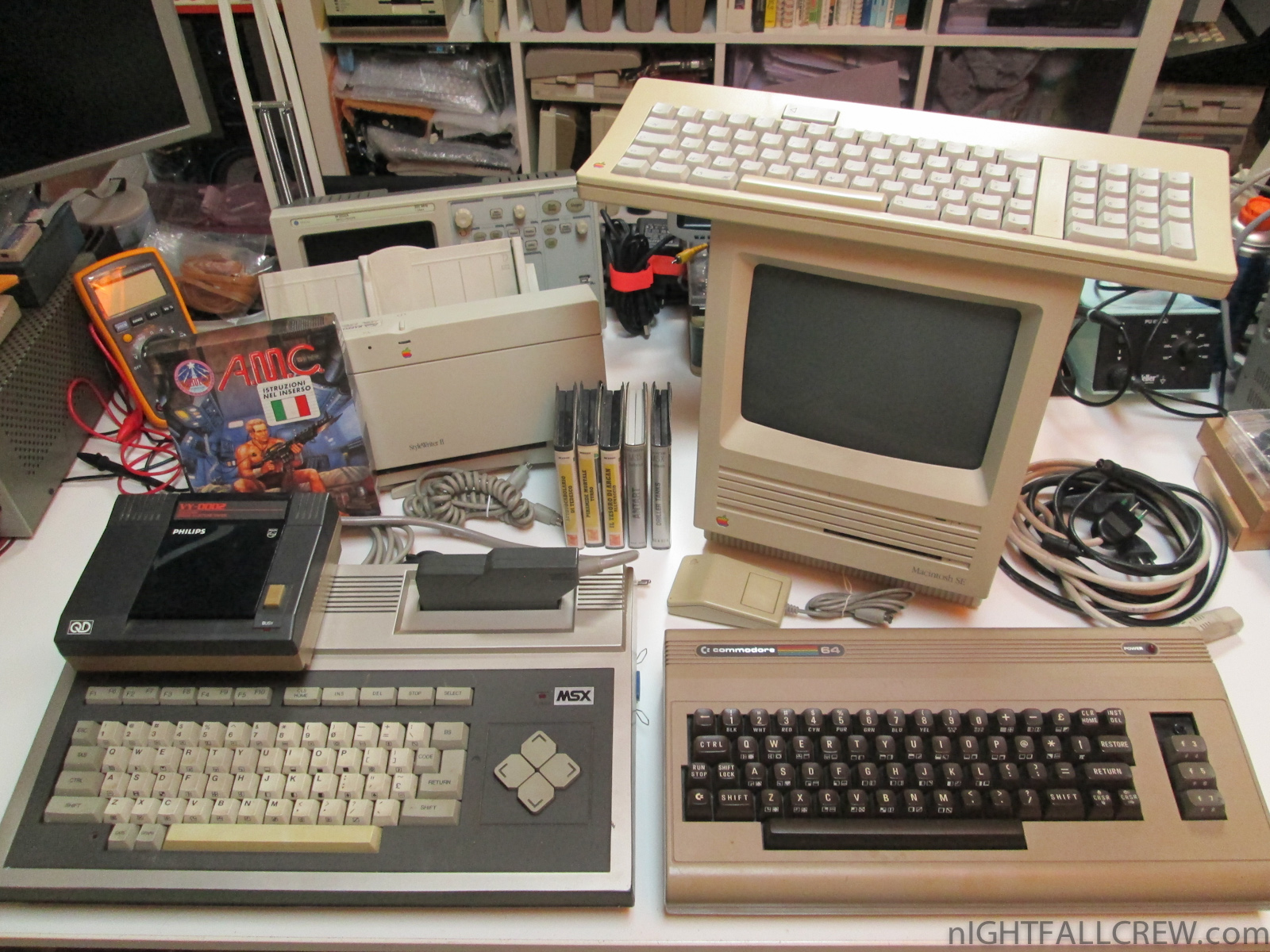
For this donation i thank: Andrea C. from Trieste.
Donated items:

Some new games or tools (Cracked / Trained or Unrealeased) for Commodore 64 have been released from your favorites groups.
Titles:
Download: All Games in One Archive (3504)
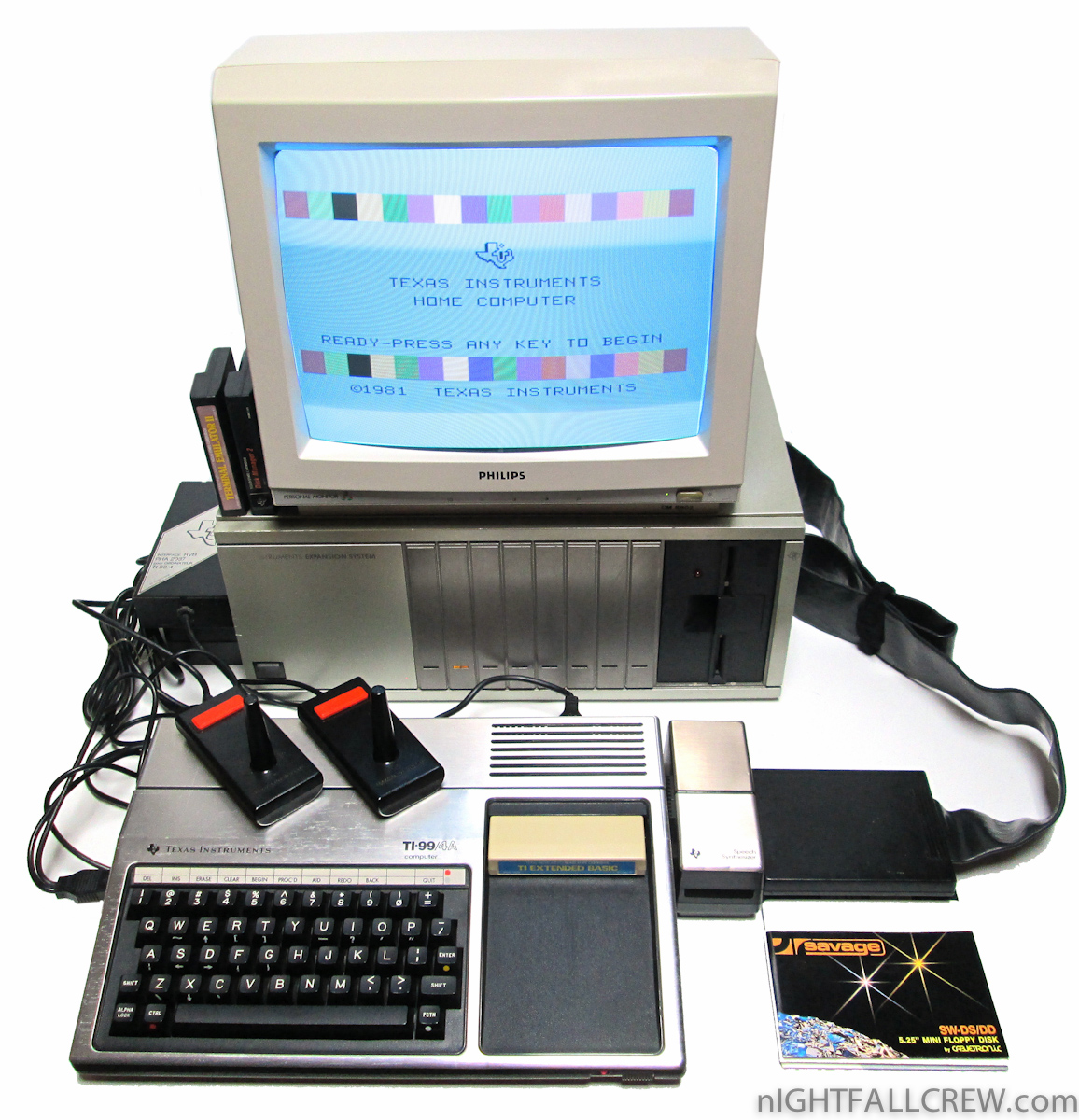
I thank my dear friend Ciro (www.ti99iuc.it) for giving me the “Peripheral Expansion System” and for making me discover a whole new world of the Home Computer Texas Instruments TI-99/4A.
Gallery:
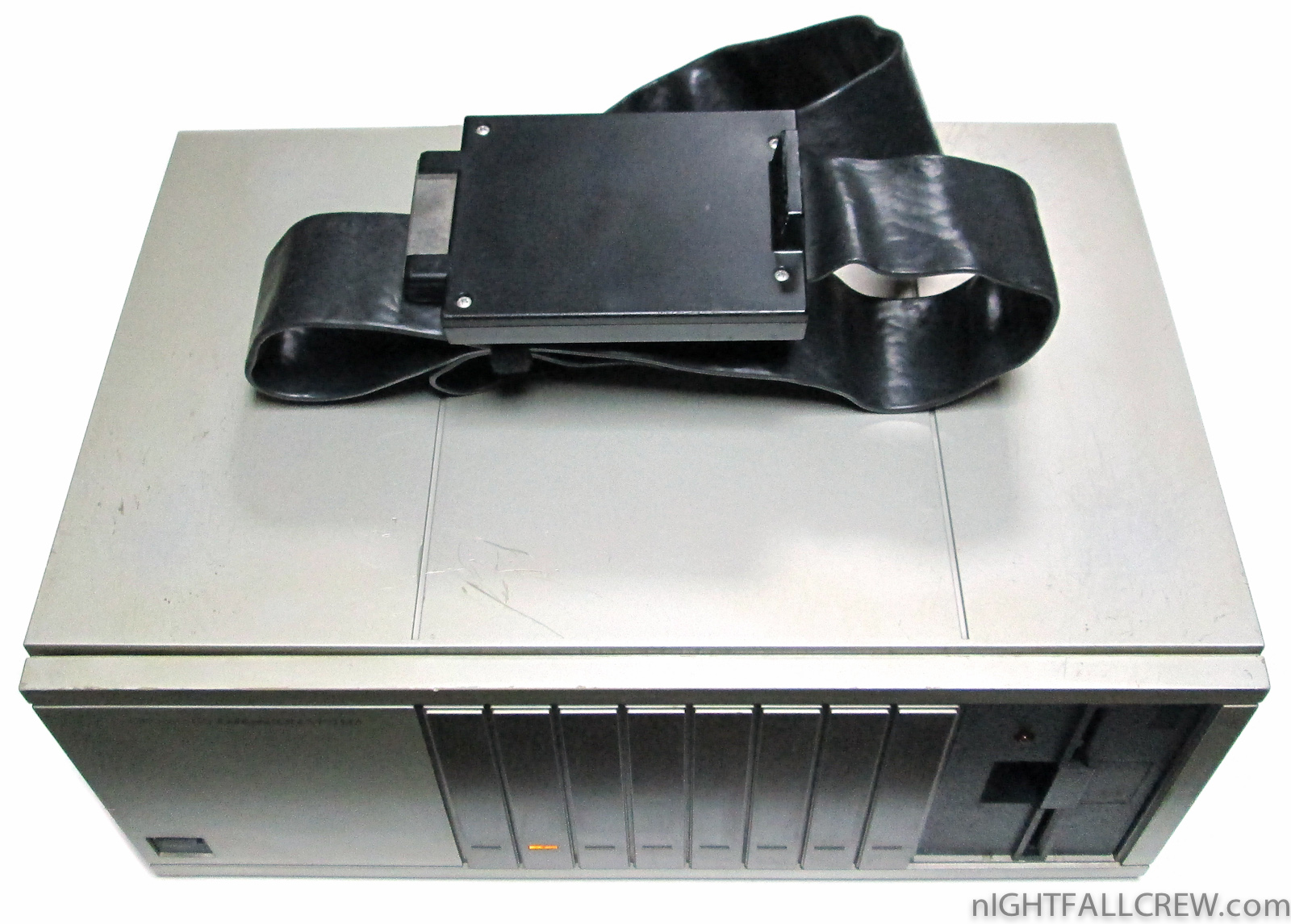
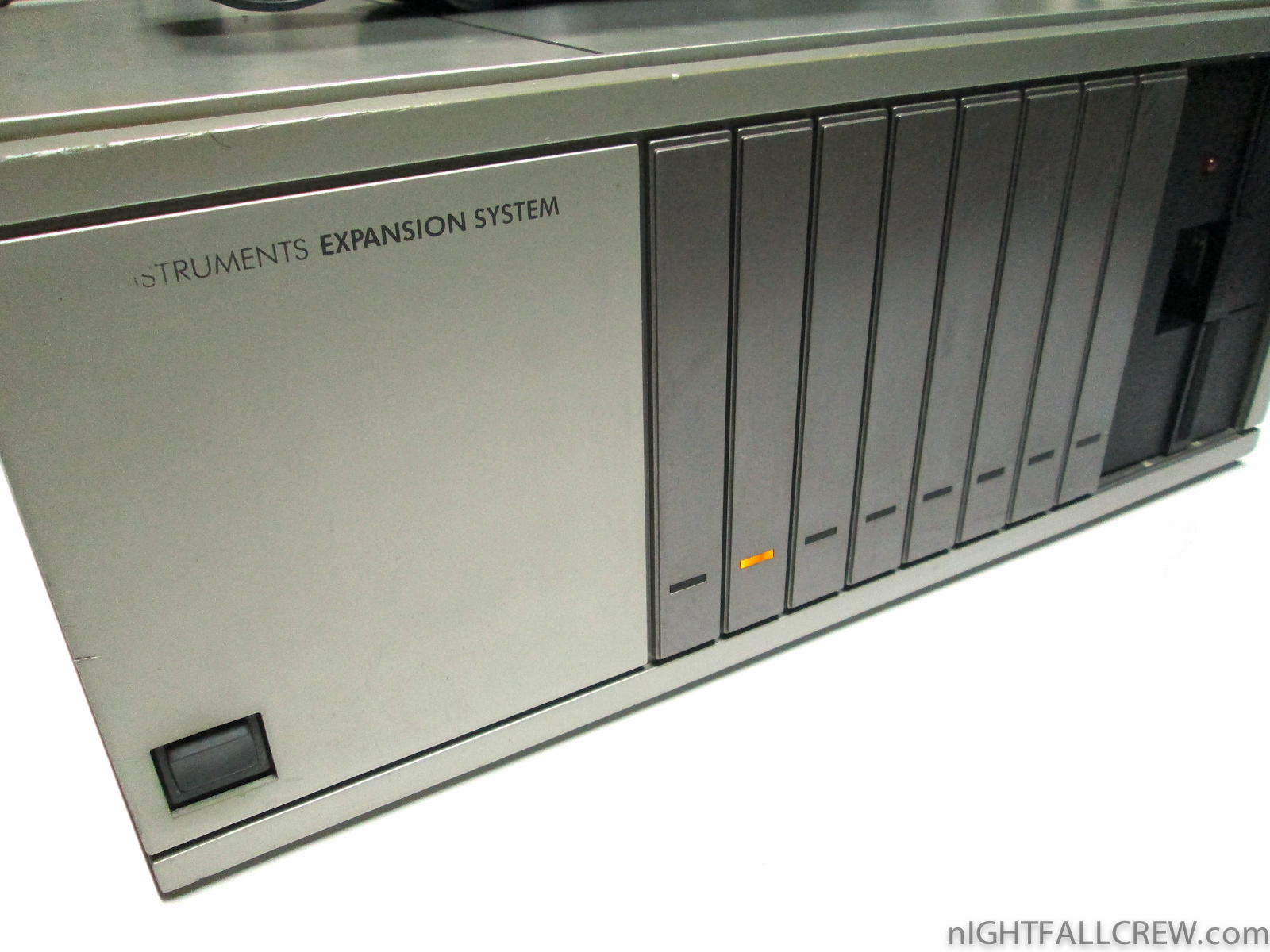
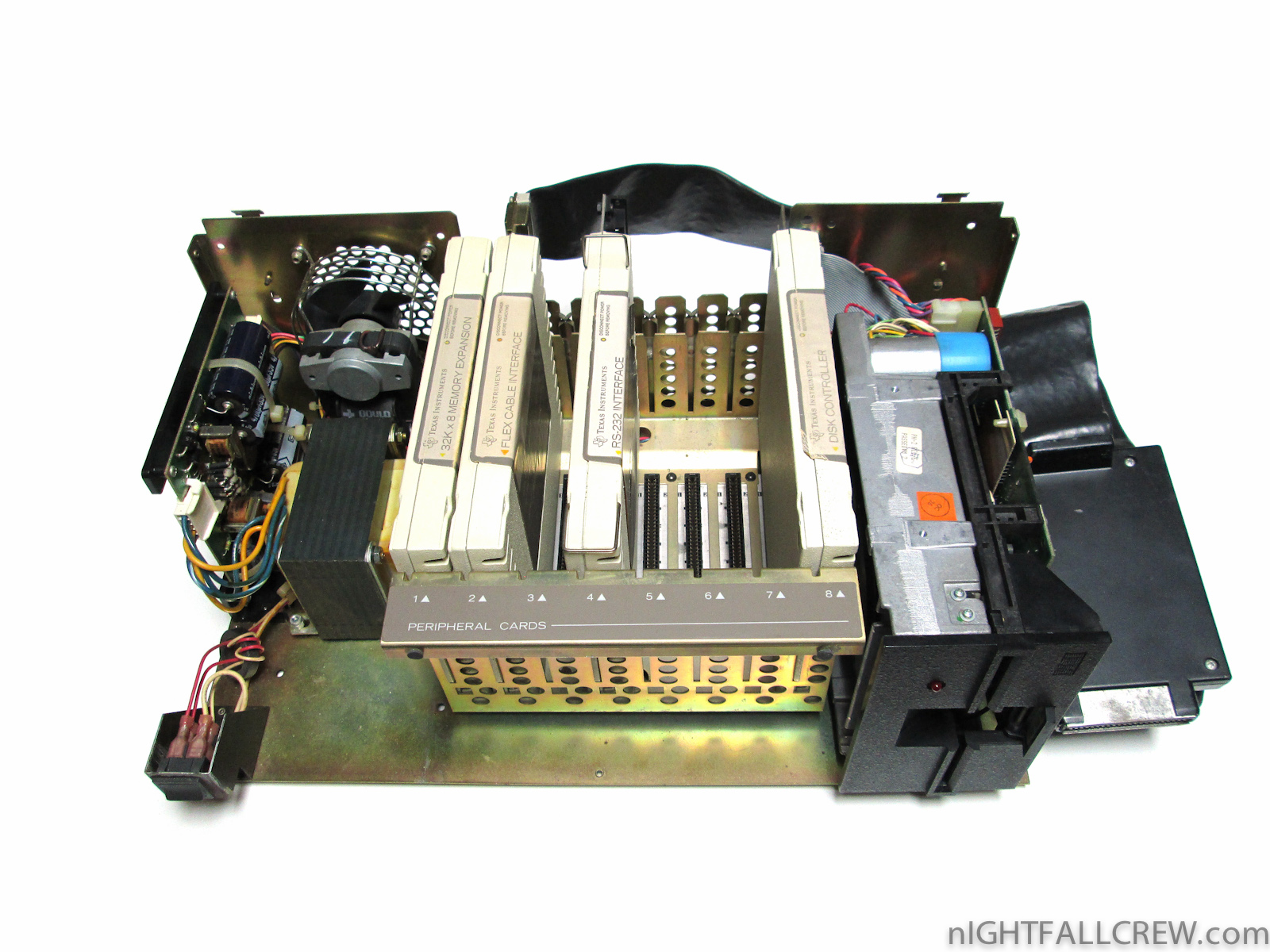
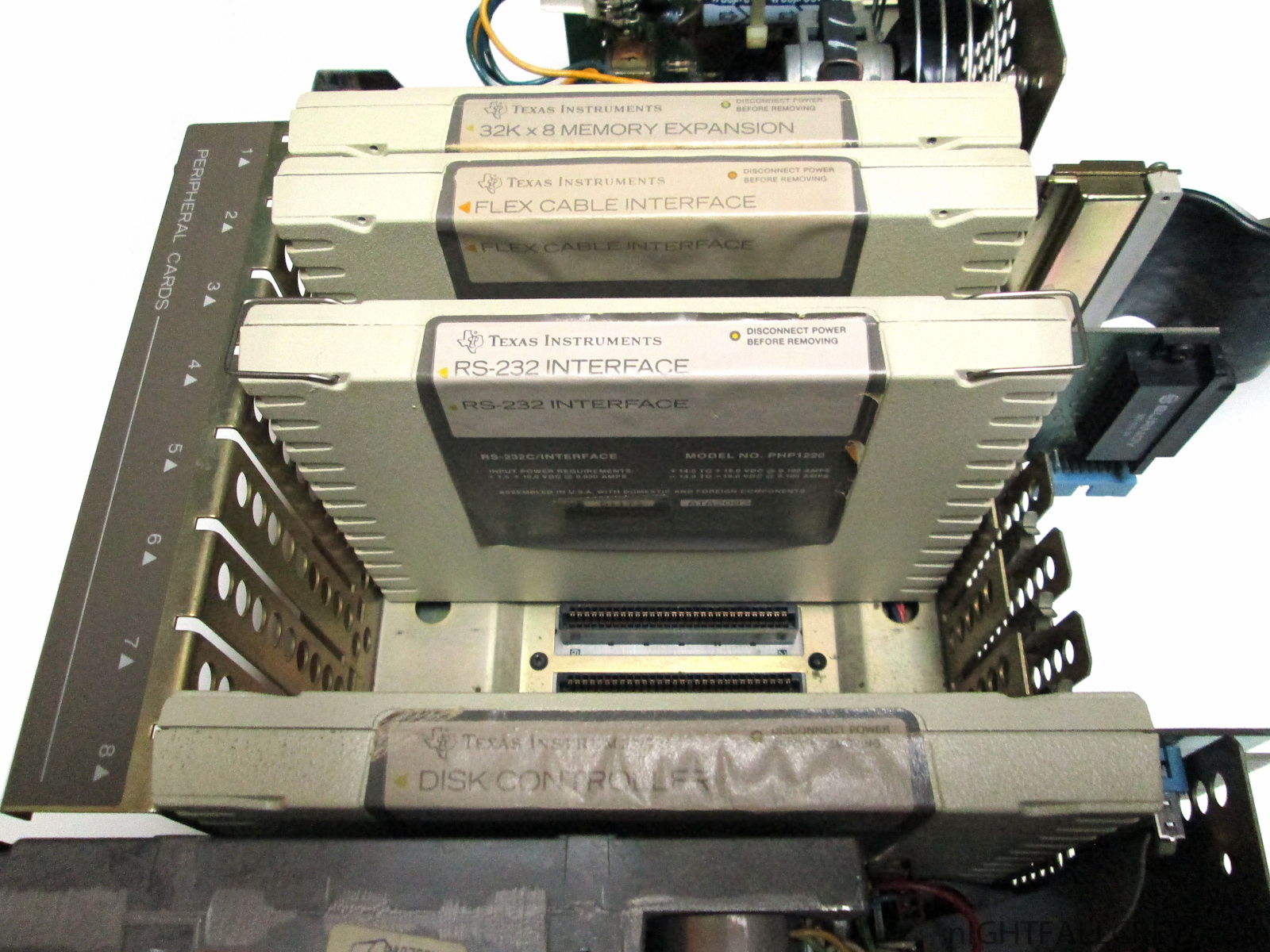
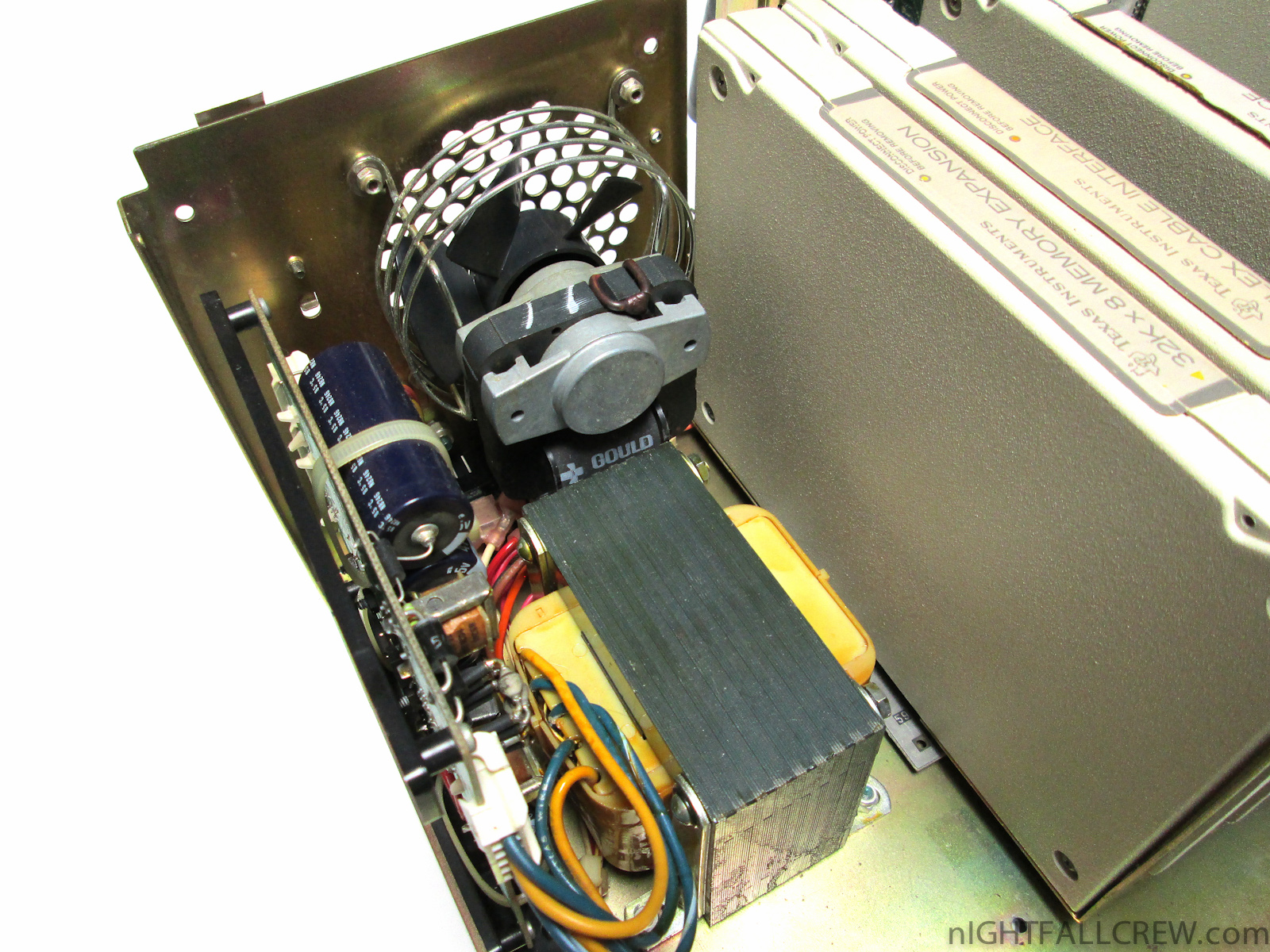
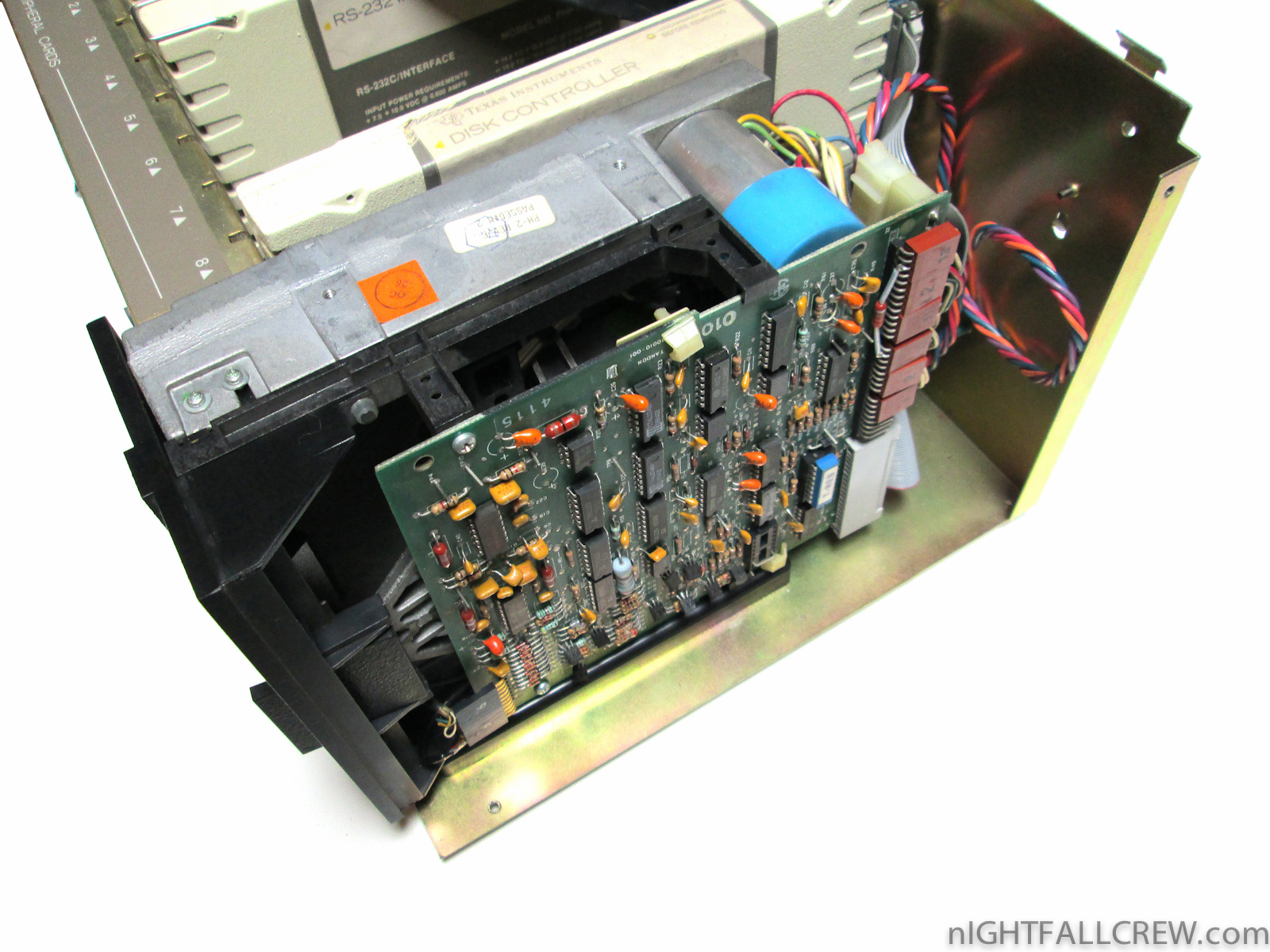
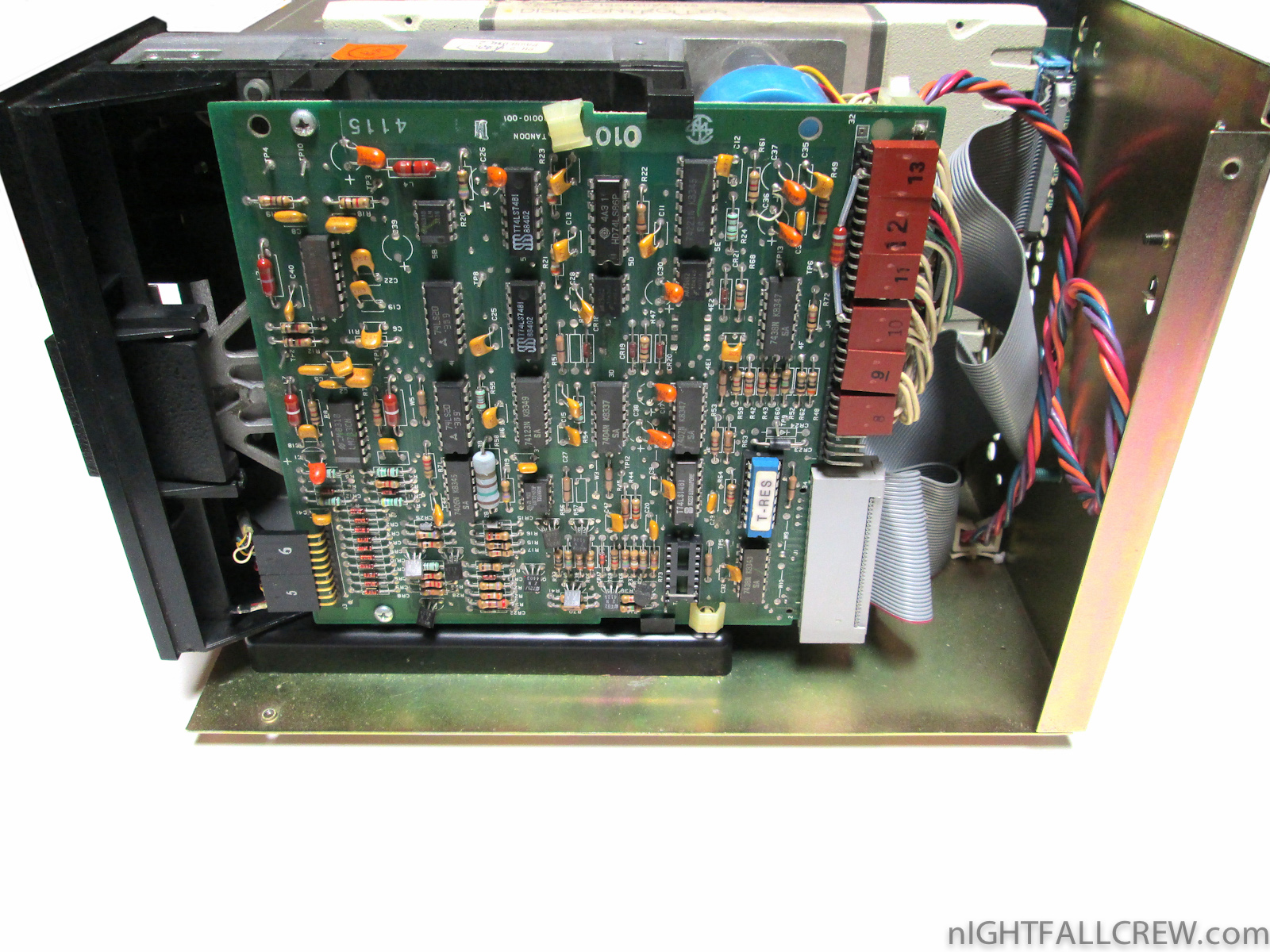
The Peripheral Expansion Box (aka P-Box or PEB) is a stable, silver/gray plastic and die-cast metal box containing eight slots for peripheral expansion cards and a compartment for a floppy drive or two drives of half height (“slim-line”, slim as understood in the 70ies and 80ies; today it is the normal height of 5,25″ drives for PCs).
The PEB offers space for 8 expansion cards. All slots are wired in parallel, and the power supply is designed to supply all cards including up to two floppy drives. Floppy drives may be put into the right compartment of the box.
With the appearance of hard disk controller cards, users tried to mount hard drives into the box into the floppy compartment. However, the power supply is not designed to sustain the current required for the hard drives; thus, a separate power supply is recommended.
All peripheral cards are expected to provide their own voltage regulators. Therefore, it is not recommended to replace the power supply by today’s PC switched power supplies, as those already provide regulated power which may cause the regulators on the cards to lower the voltage below the acceptable range.
Zoe playing at Ms.Pac man on the TI-99/4A:
source: ninerpedia.org
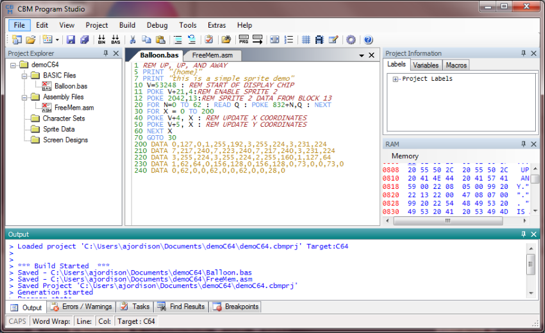
CBM prg Studio Version 3.2.0 is released. There are a lot of new features in this version. I’d really appreciate it if you report any bugs you find or have any suggestions/comments.
CBM prg Studio allows you to type a BASIC or Machine Code program in using a nice Windows environment and convert it to a ‘.prg’ file which you can run on an emulator, or even a real C64 / VIC20 or PET if you’re feeling brave and have the right kit.
CBM prg Studio is the result of merging C64PrgGen and VIC20PrgGen. Adding new features and fixing bugs in two apps which were 95% similar was a bit of a nightmare so merging them made sense.
It was also a good opportunity for a face lift and to add some new features, such as:
What CBM prg Studio isn’t is a front-end for tok64, cbmcnvrt, bastext or any other tokeniser / detokeniser / assembler. It’s all been written completely from scratch.
New features:
Bug Fixed:
Download: CBM prg Studio v3.2.0 (1227)
source: ajordison.co.uk
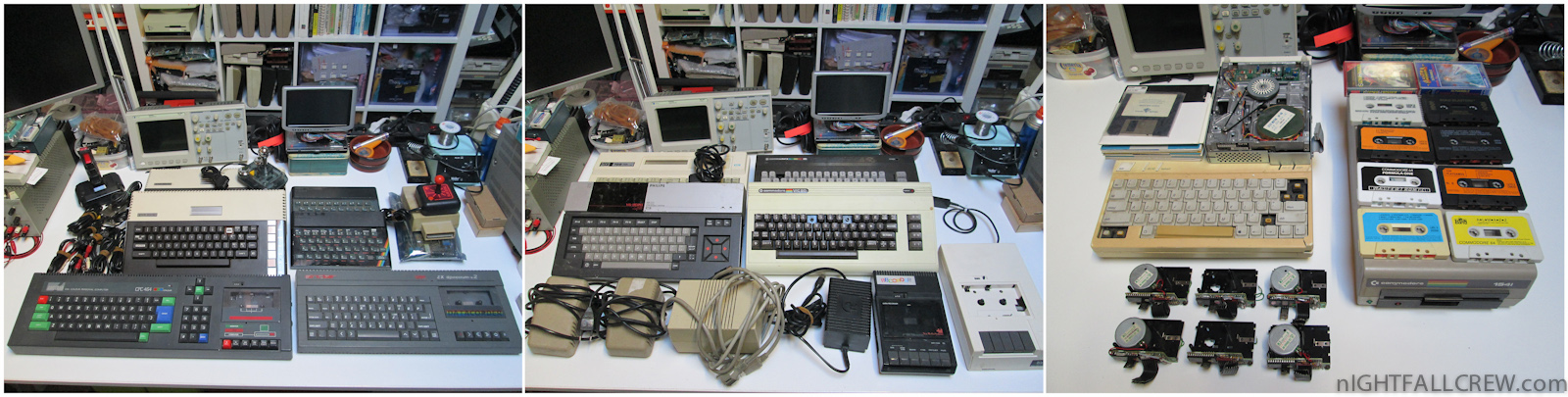 I must thank my friends which have contributed to the growth of my Repair Laboratory with donations of spare parts.
For this donation i thank: Andrea Pierdomenico, Paolo M.R, Paolo Cognetti.
The items listed below are in poor condition and they are not working.
Donated items:

This is the official demo party results from X-2014 (Top 3 Entries only). See also the CSDB X2014 section for more informations and downloads.
C64 Demo Competition:
C64 Graphics Competition:
C64 Music Competition:
Download:
Video:
source: csdb.dk


Recent Comments