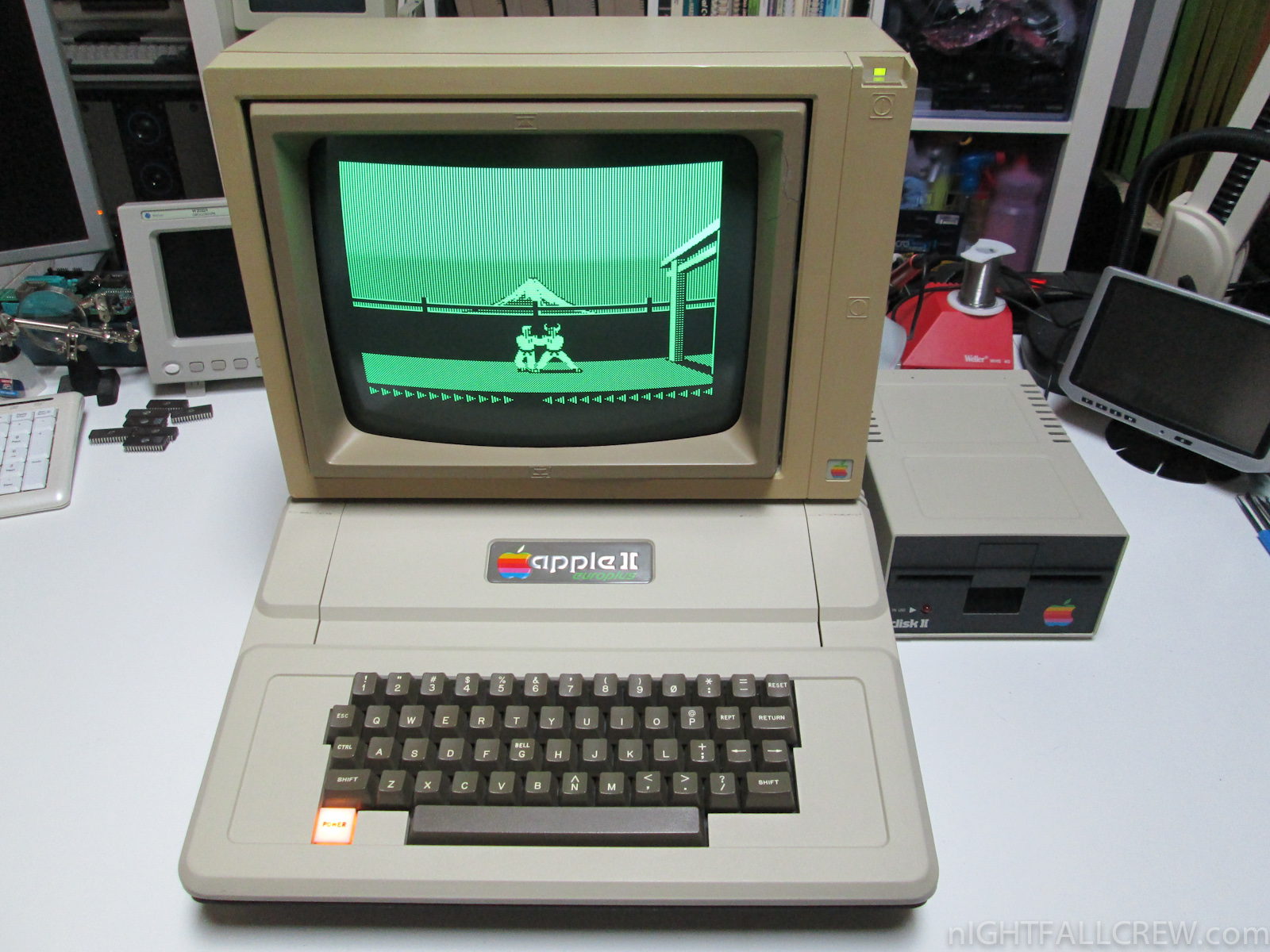
![Apple ][ EuroPlus with a Apple Monitor III](https://www.nightfallcrew.com/wp-content/gallery/cache/9284__545x409_IMG_8188.jpg?9eec8a "Apple ][ EuroPlus with a Apple Monitor III")
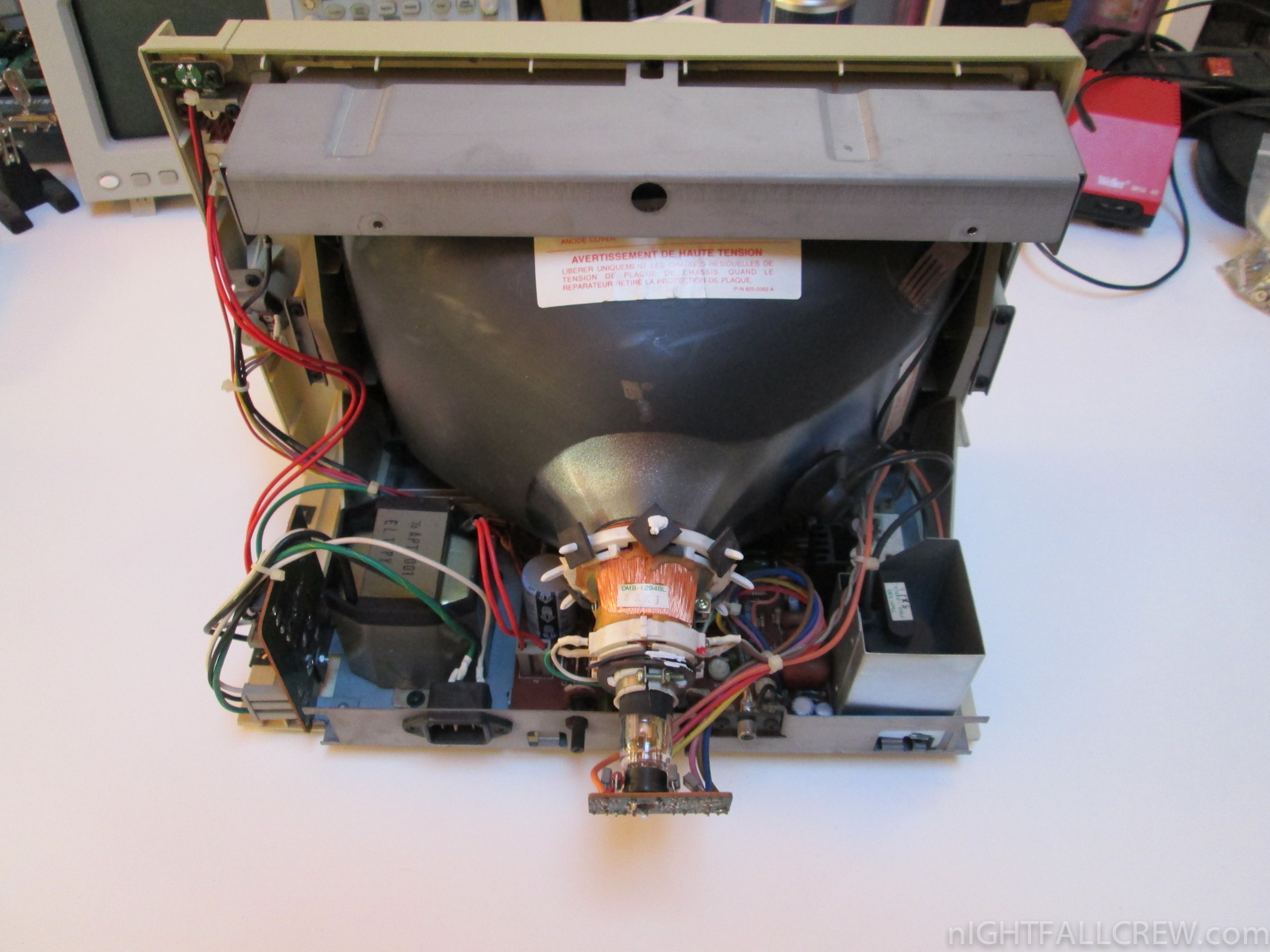
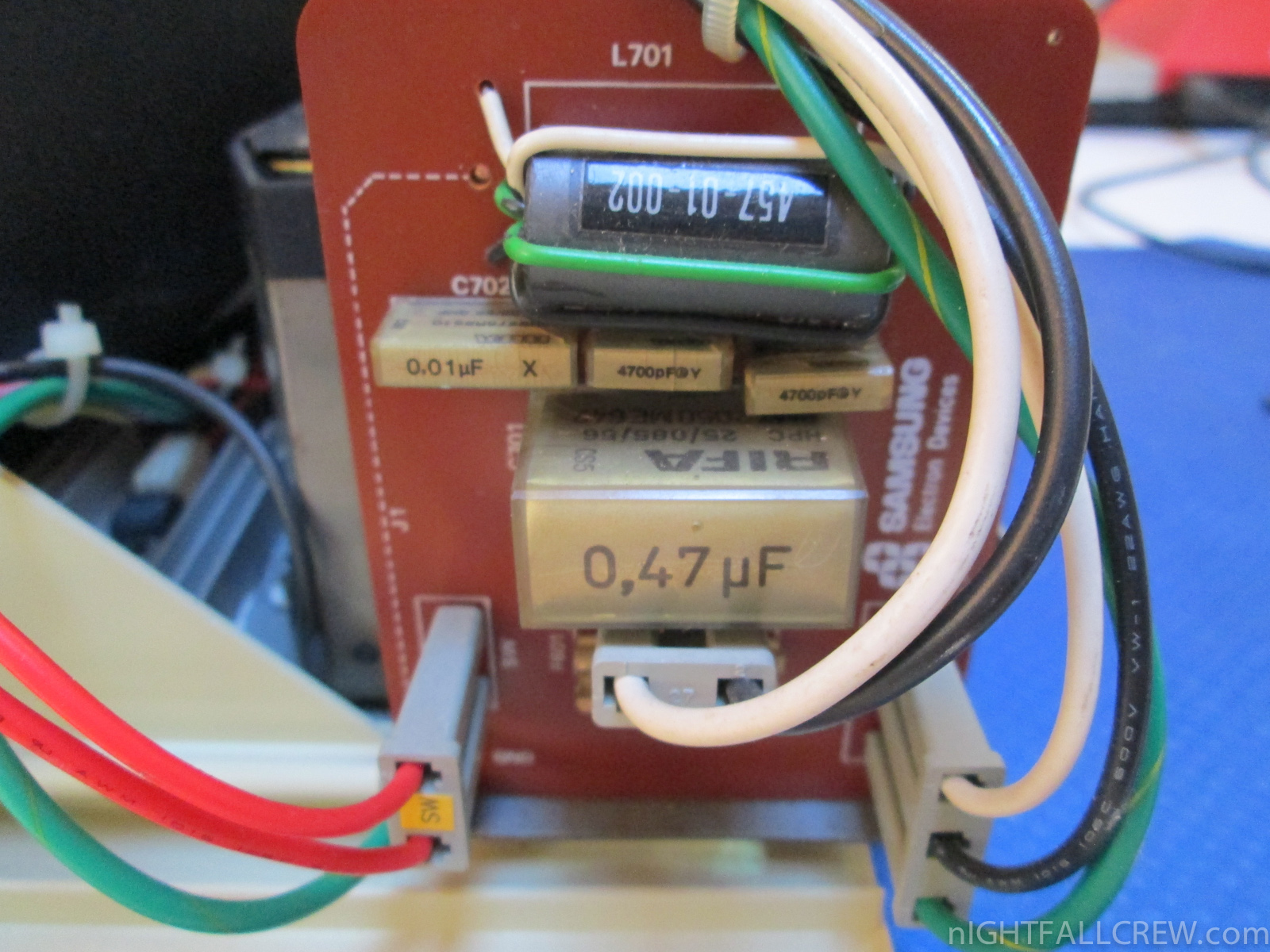
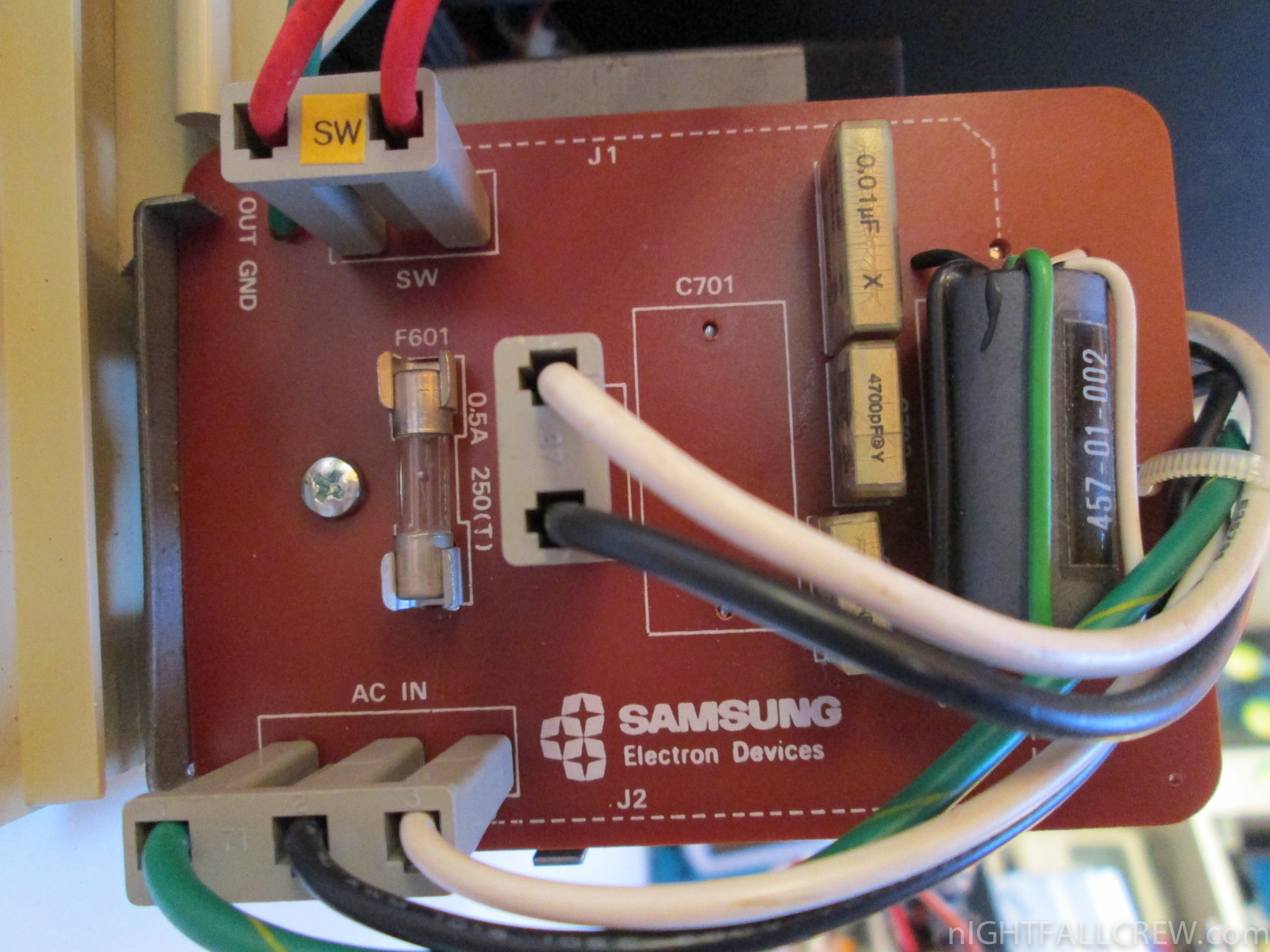
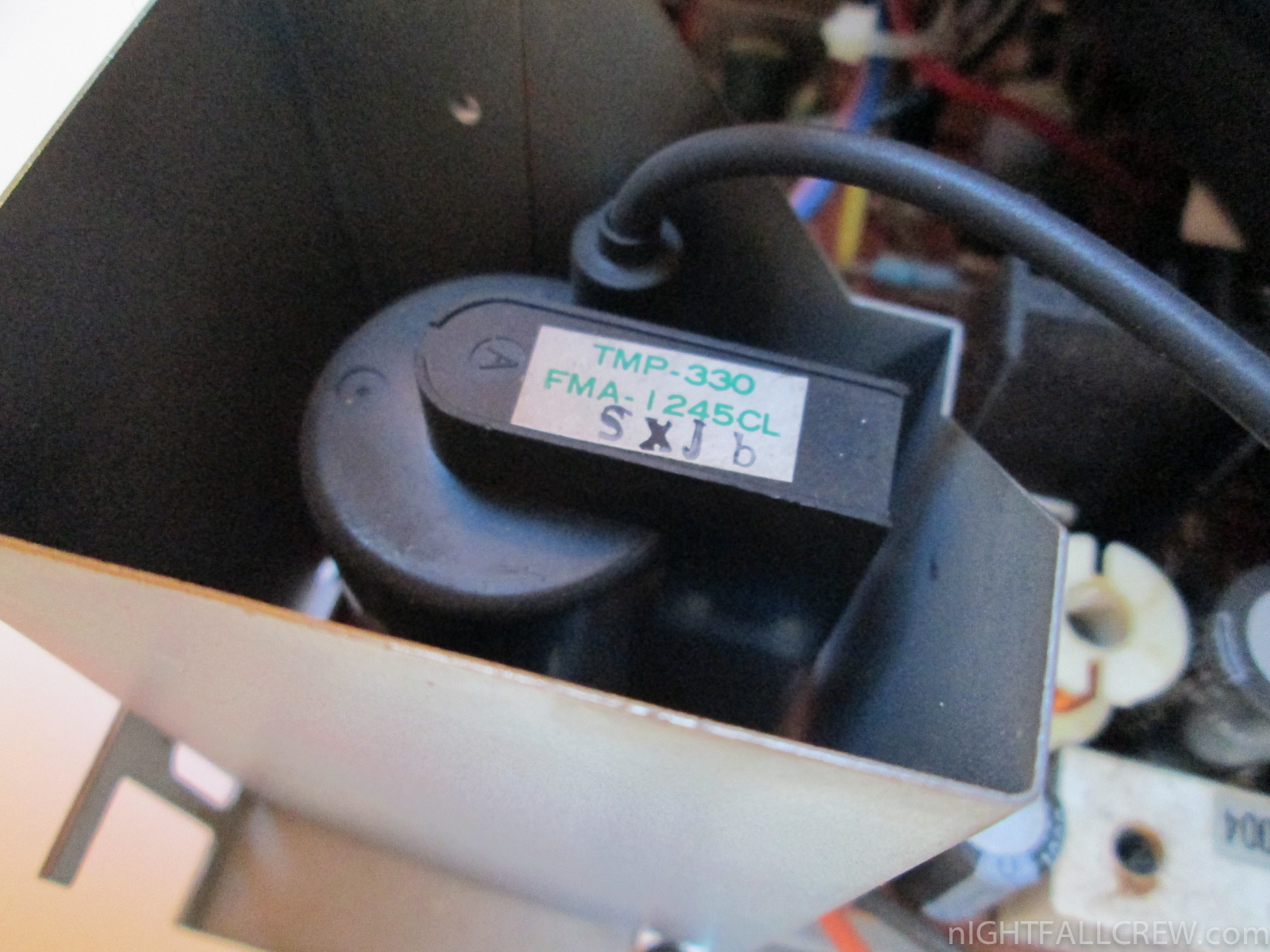
Autopsy:
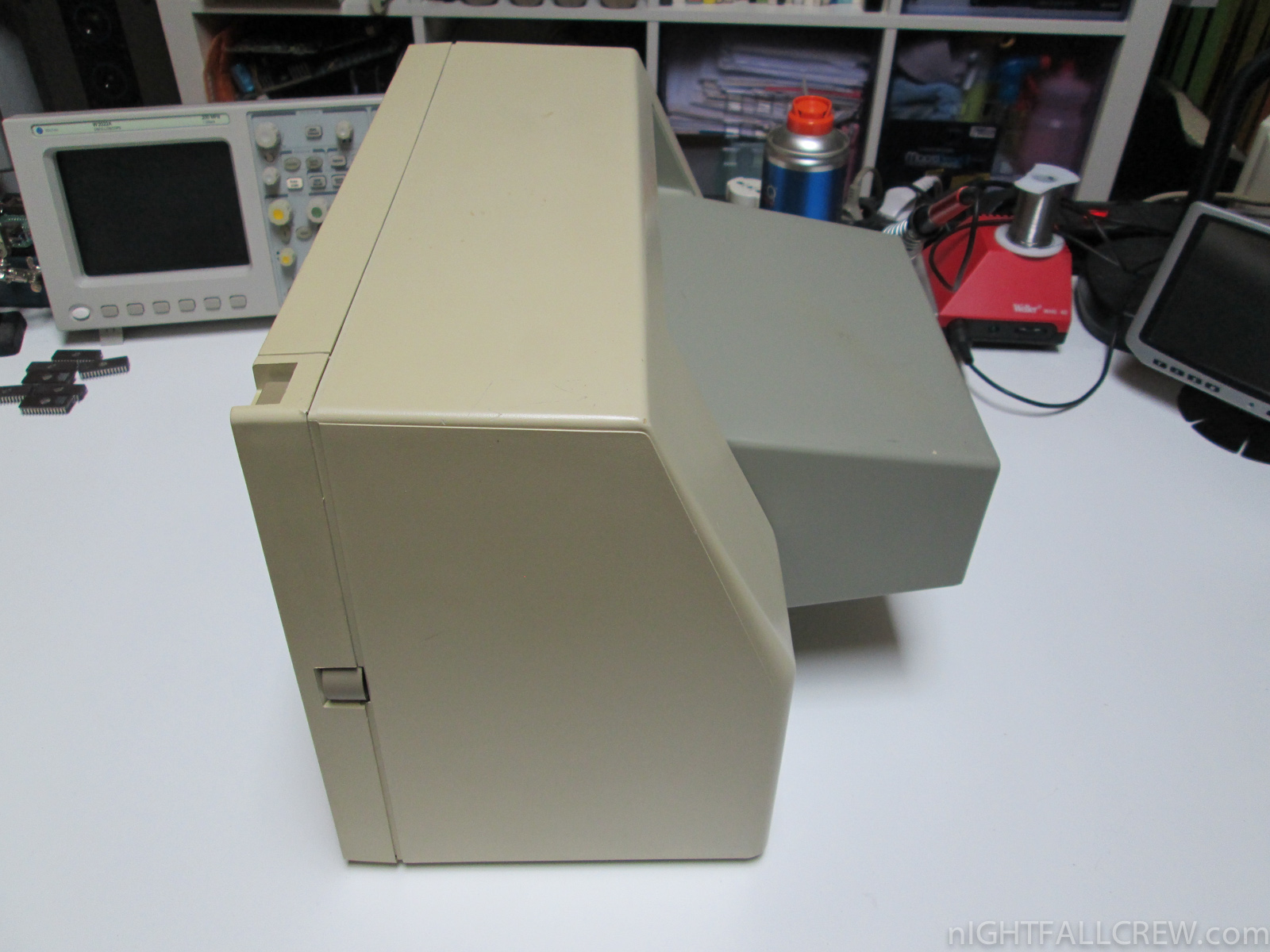
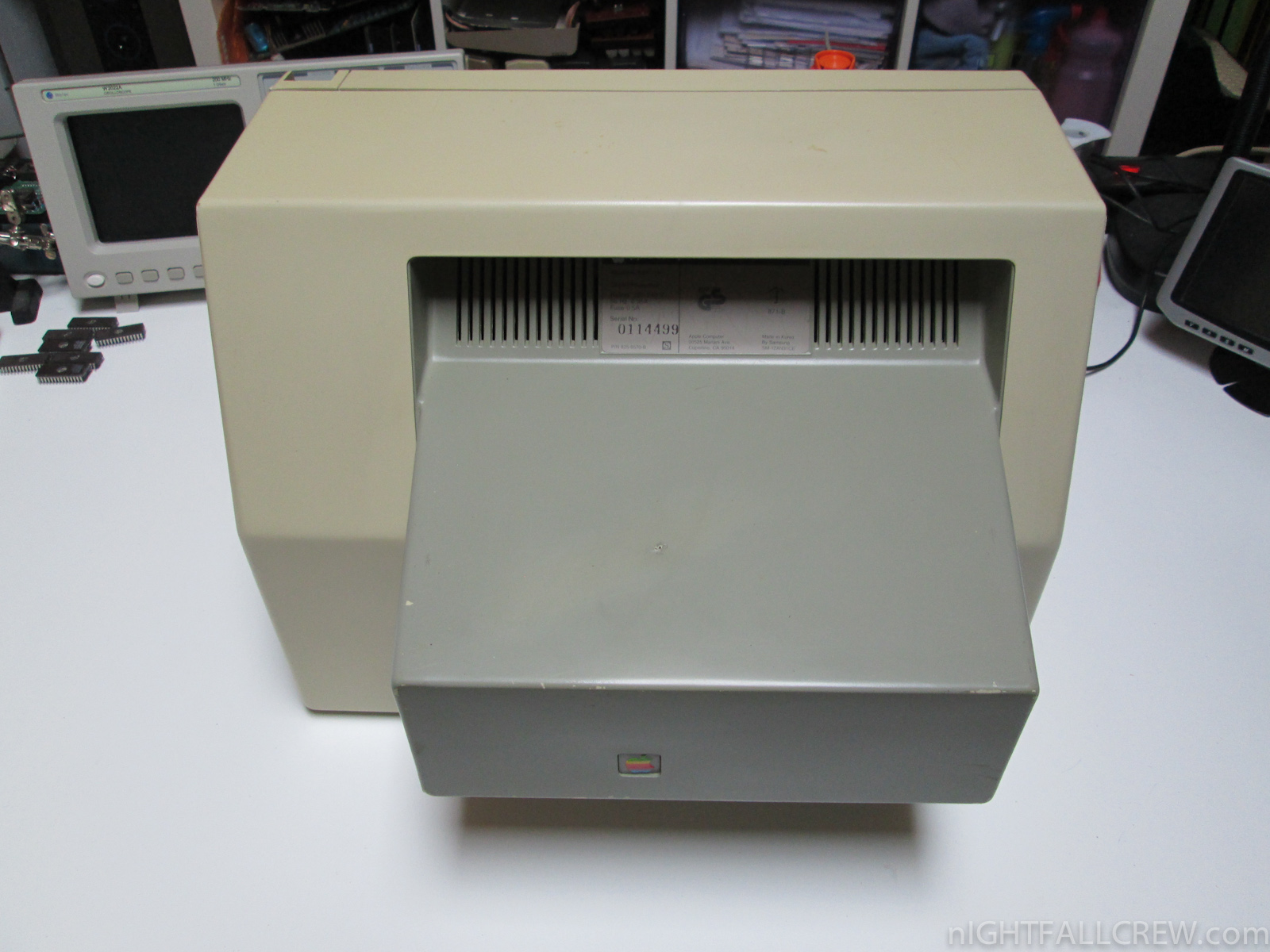
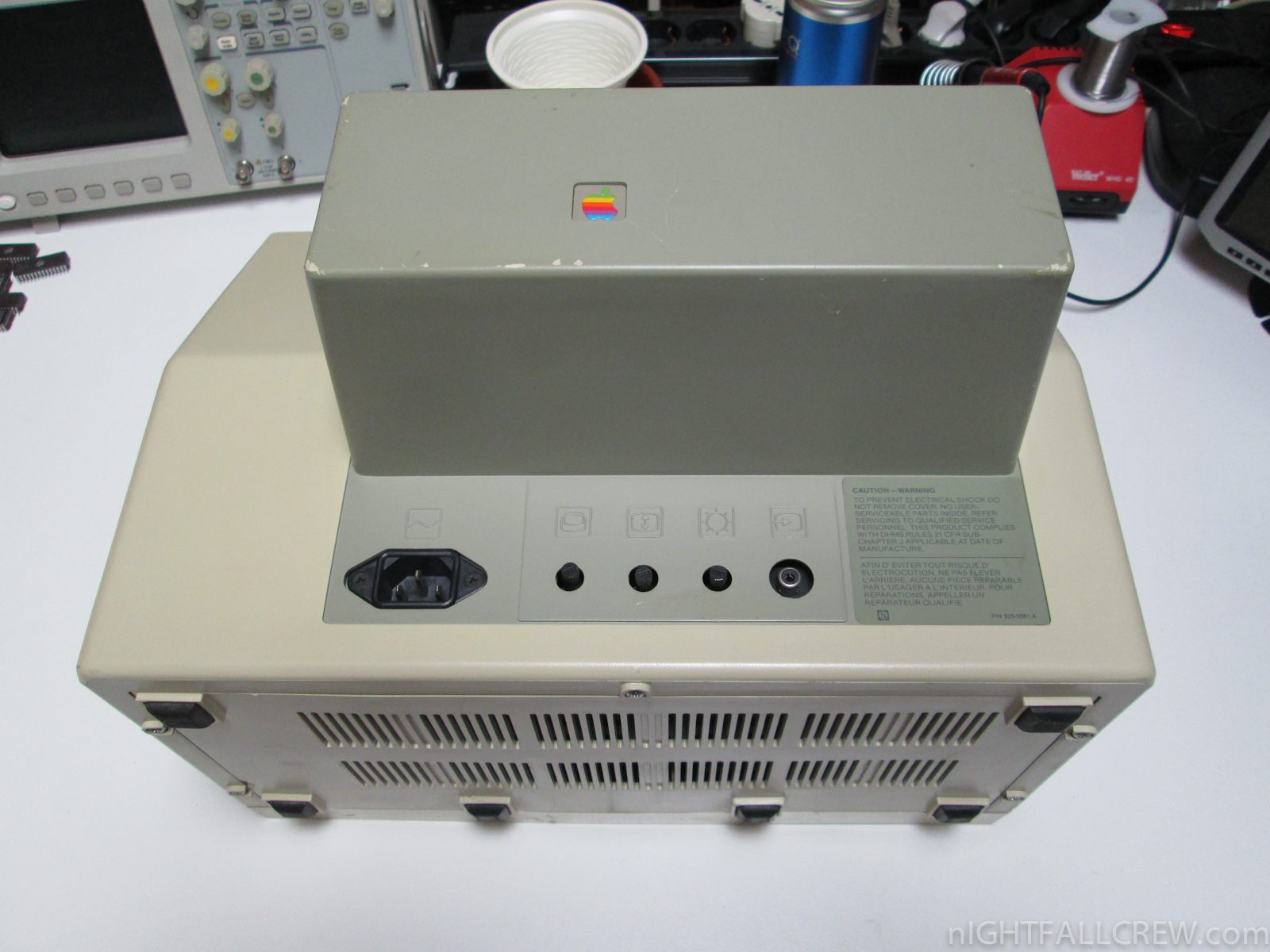
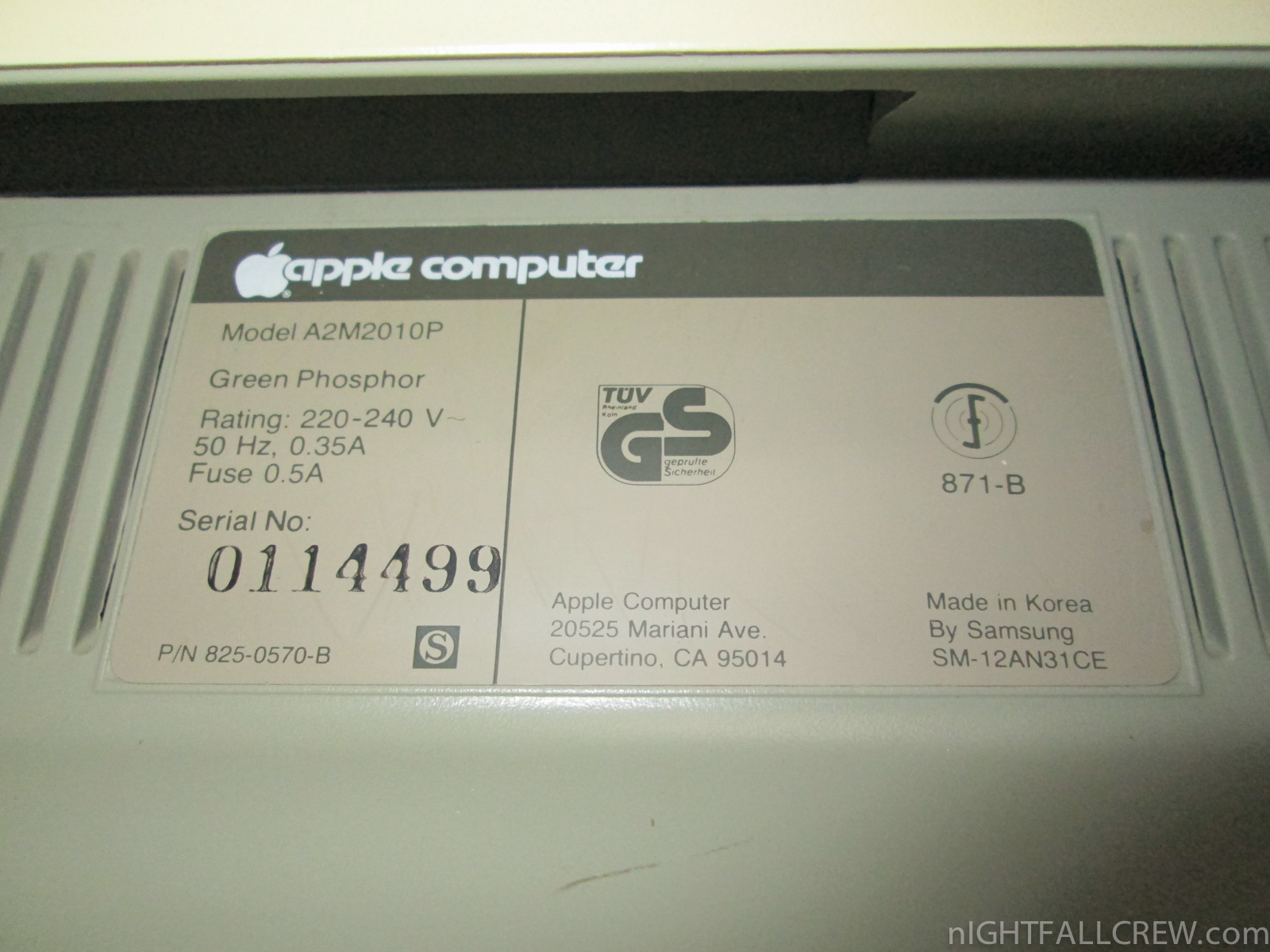
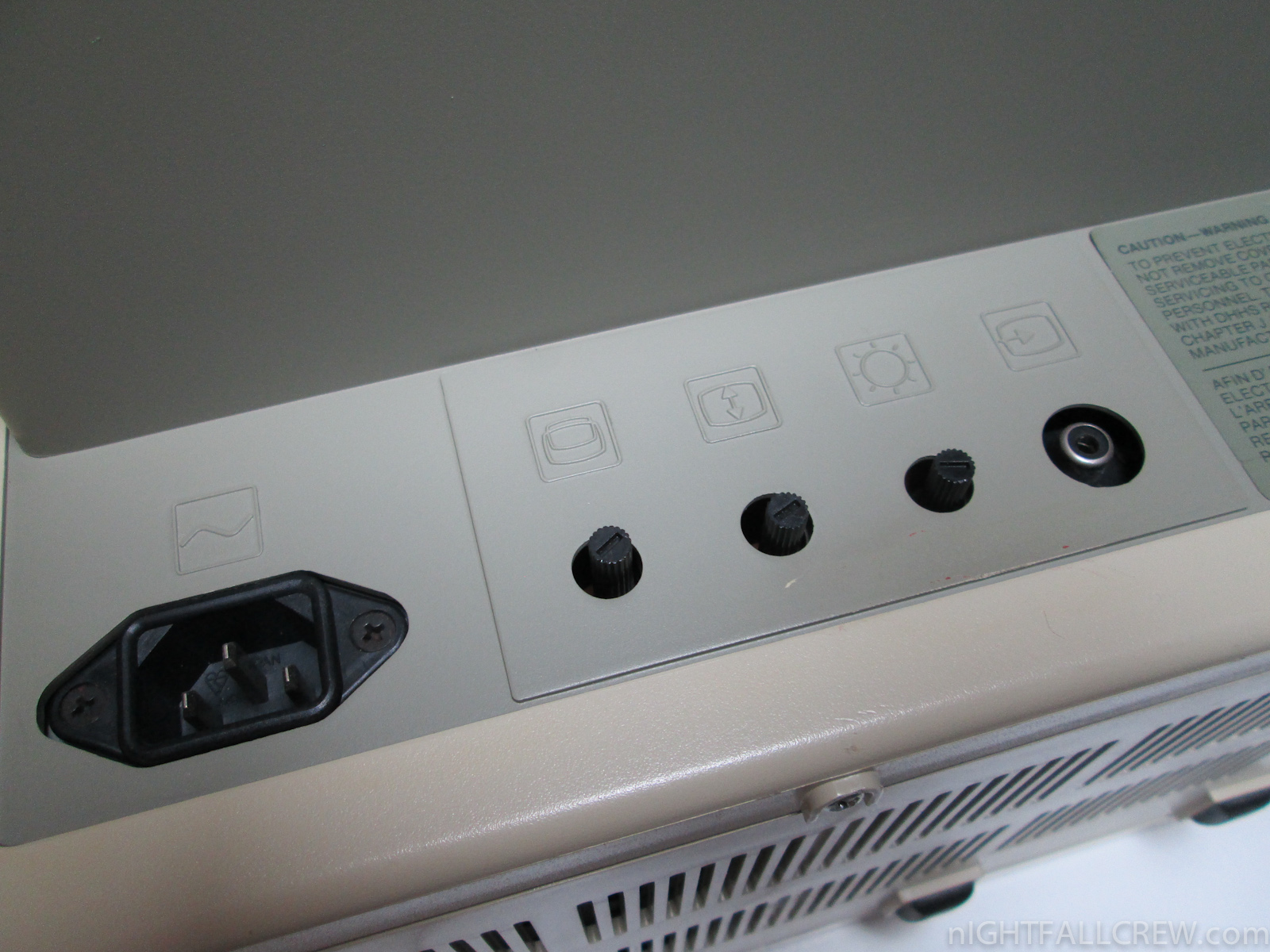
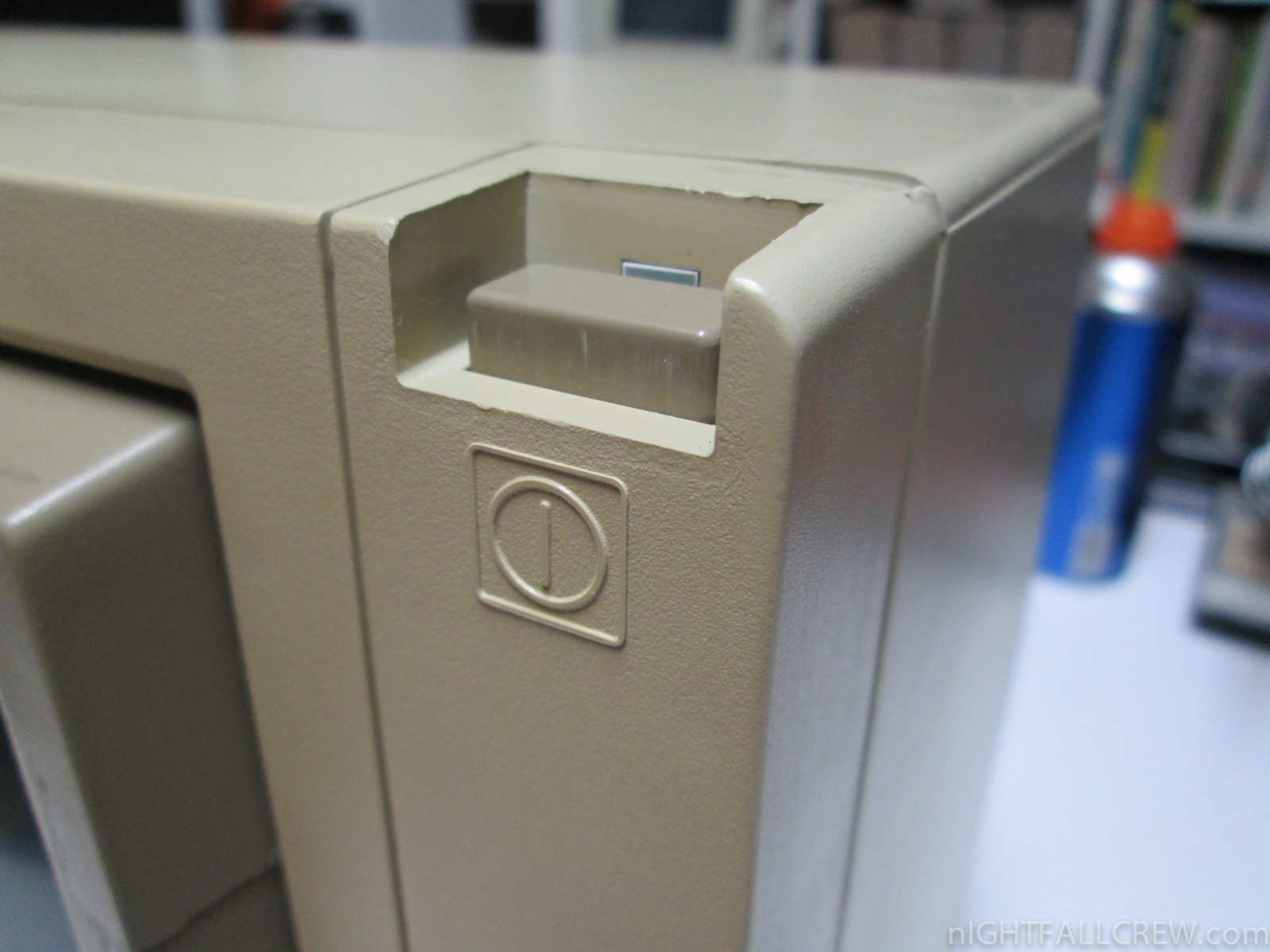
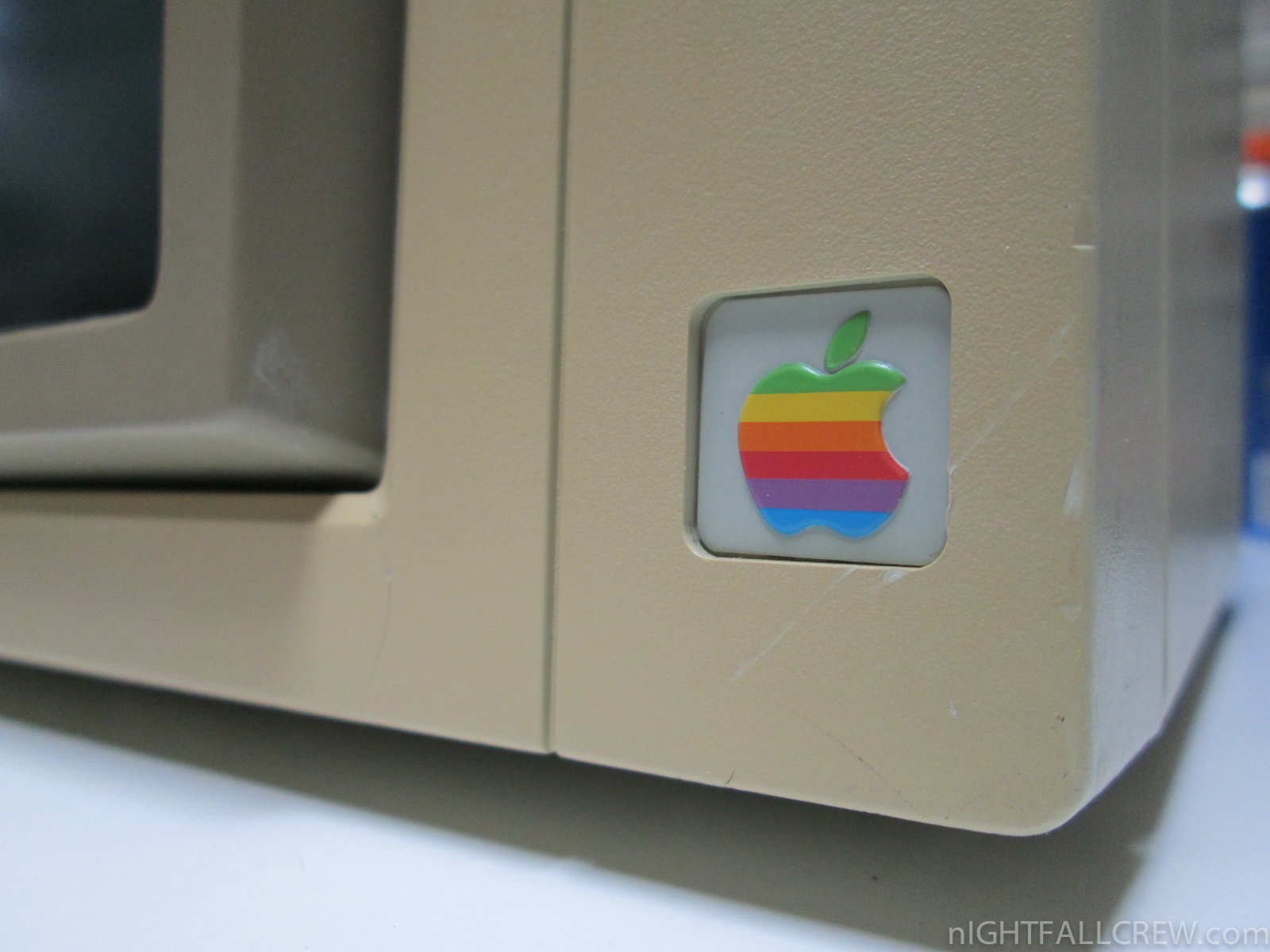
The gallery of the Apple /// Monitor can be viewed by clicking here
from Wikipedia:
The Apple II series (trademarked with square brackets as “Apple ][") is a set of 8-bit home computers, one of the first highly successful mass-produced microcomputer products, designed primarily by Steve Wozniak, manufactured by Apple Computer (now Apple Inc.) and introduced in 1977 with the original Apple II. In terms of ease of use, features and expandability the Apple II was a major technological advancement over its predecessor, the Apple I, a limited-production bare circuit board computer for electronics hobbyists that pioneered many features that made the Apple II a commercial success. Introduced at the West Coast Computer Faire on April 16, 1977, the Apple II was among the first successful personal computers; it launched the Apple company into a successful business (and allowed several related companies to start). Throughout the years, a number of models were sold, with the most popular model remaining relatively little changed into the 1990s. It was first sold on June 10, 1977. By the end of production in 1993, somewhere between five and six million Apple II series computers (including about 1.25 million Apple IIGS models) had been produced.
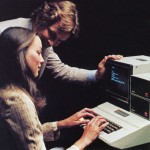 The Apple II Plus, introduced in June 1979,included the Applesoft BASIC programming language in ROM. This Microsoft-authored dialect of BASIC, which was previously available as an upgrade, supported floating-point arithmetic, and became the standard BASIC dialect on the Apple II series (though it ran at a noticeably slower speed than Steve Wozniak's Integer BASIC).
Except for improved graphics and disk-booting support in the ROM, and the removal of the 2k 6502 assembler/disassembler to make room for the floating point BASIC, the II+ was otherwise identical to the original II. RAM prices fell during 1980–81 and all II+ machines came from the factory with a full 48k of memory already installed. The language card in Slot 0 added another 16k, but it had to be bank switched since the remaining CPU address space was occupied by the ROMs and I/O area. For this reason, the extra RAM in the language card was bank-switched over the machine’s built-in ROM, allowing code loaded into the additional memory to be used as if it actually were ROM. Users could thus load Integer BASIC into the language card from disk and switch between the Integer and Applesoft dialects of BASIC with DOS 3.3′s INT and FP commands just as if they had the BASIC ROM expansion card. The language card was also required to use the UCSD Pascal and FORTRAN 77 compilers, which were released by Apple at about the same time. These ran under the UCSD p-System operating system, which had its own disk format and emitted code for a “virtual machine” rather than the actual 6502 processor. The UCSD P-system had a curious approach to memory management, which became even more curious on the Apple III.
A TEMPEST-approved version of the Apple II Plus was created in 1980 by the Georgia Tech Research Institute for U.S. Army FORSCOM, and used as a component in the earliest versions of the Microfix system. Fielded in 1982, the Microfix system was the first tactical system using video disk (Laserdisk) map technology providing zoom and scroll over map imagery coupled with a point database of intelligence data such as order of battle, airfields, roadways, and bridges.
After the success of the first Apple II in the United States, Apple expanded its market to include Europe, Australia and the Far East in 1978, with the Apple II Europlus (Europe, Australia) and the Apple II J-Plus (Japan). In these models, Apple made the necessary hardware, software and firmware changes in order to comply to standards outside of the U.S. The power supply was modified to accept the local voltage, and in the European and Australian model the video output signal was changed from color NTSC to monochrome PAL – an extra video card was needed for color PAL graphics, since the simple tricks Wozniak had used to generate a pseudo-NTSC signal with minimal hardware did not carry over to the more complex PAL system. In the Japanese version of the international Apple, the keyboard layout was changed to allow for Katakana writing (full Kanji support was clearly beyond the capabilities of the machine), but in most other countries the international Apple was sold with an unmodified American keyboard; thus the German model still lacked the umlauts, for example. For the most part, the Apple II Europlus and J-Plus were identical to the Apple II Plus. Production of the Europlus ended in 1983.
source: wikipedia
 The HxC Floppy Drive Emulator is a software and hardware system created by jfdn aka Jeff.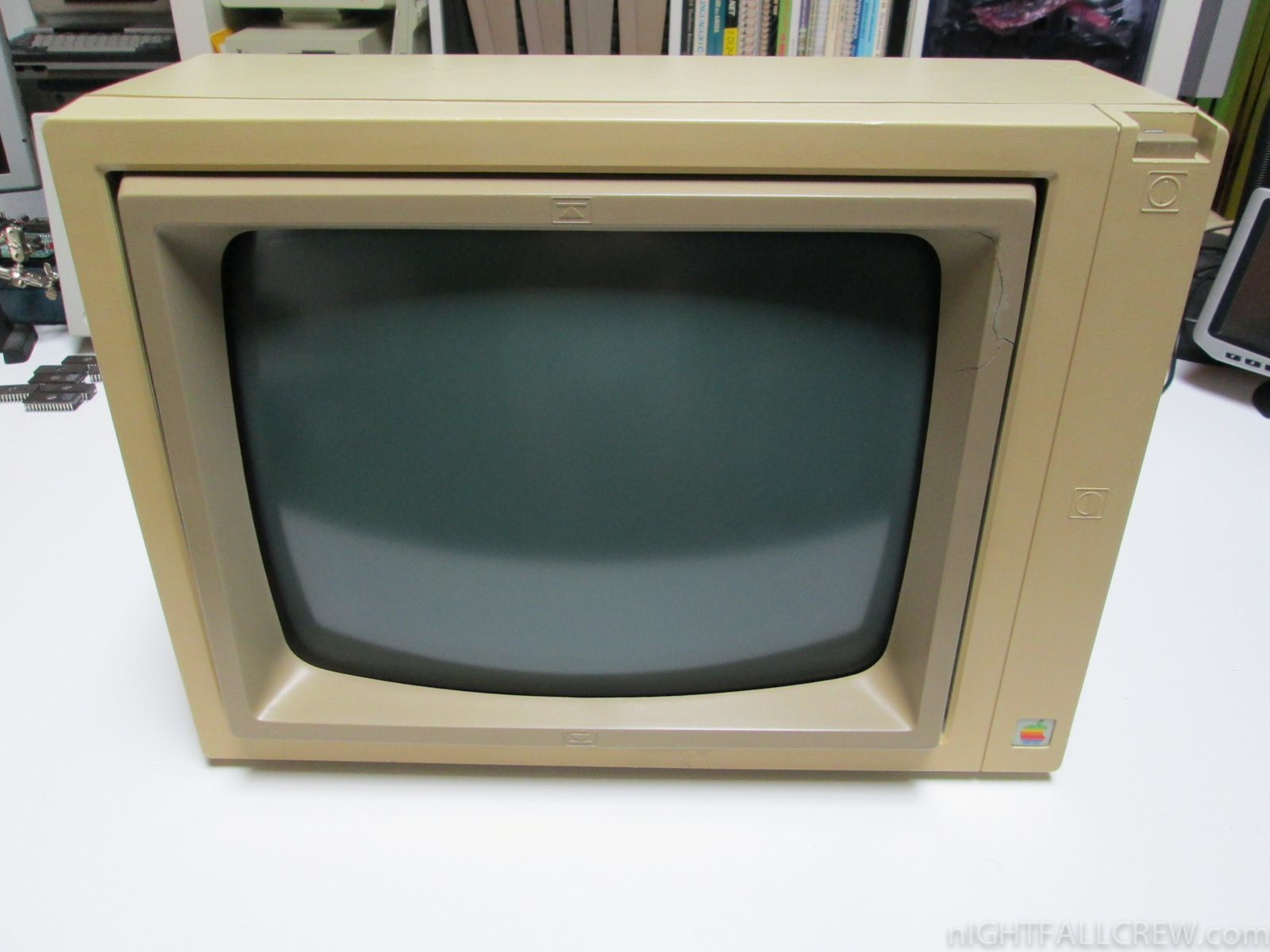
 A new version of the firmware for the interface 1541 Ultimate II is released. This version runs only on the 1541 Ultimate II cartridge (new fpga).
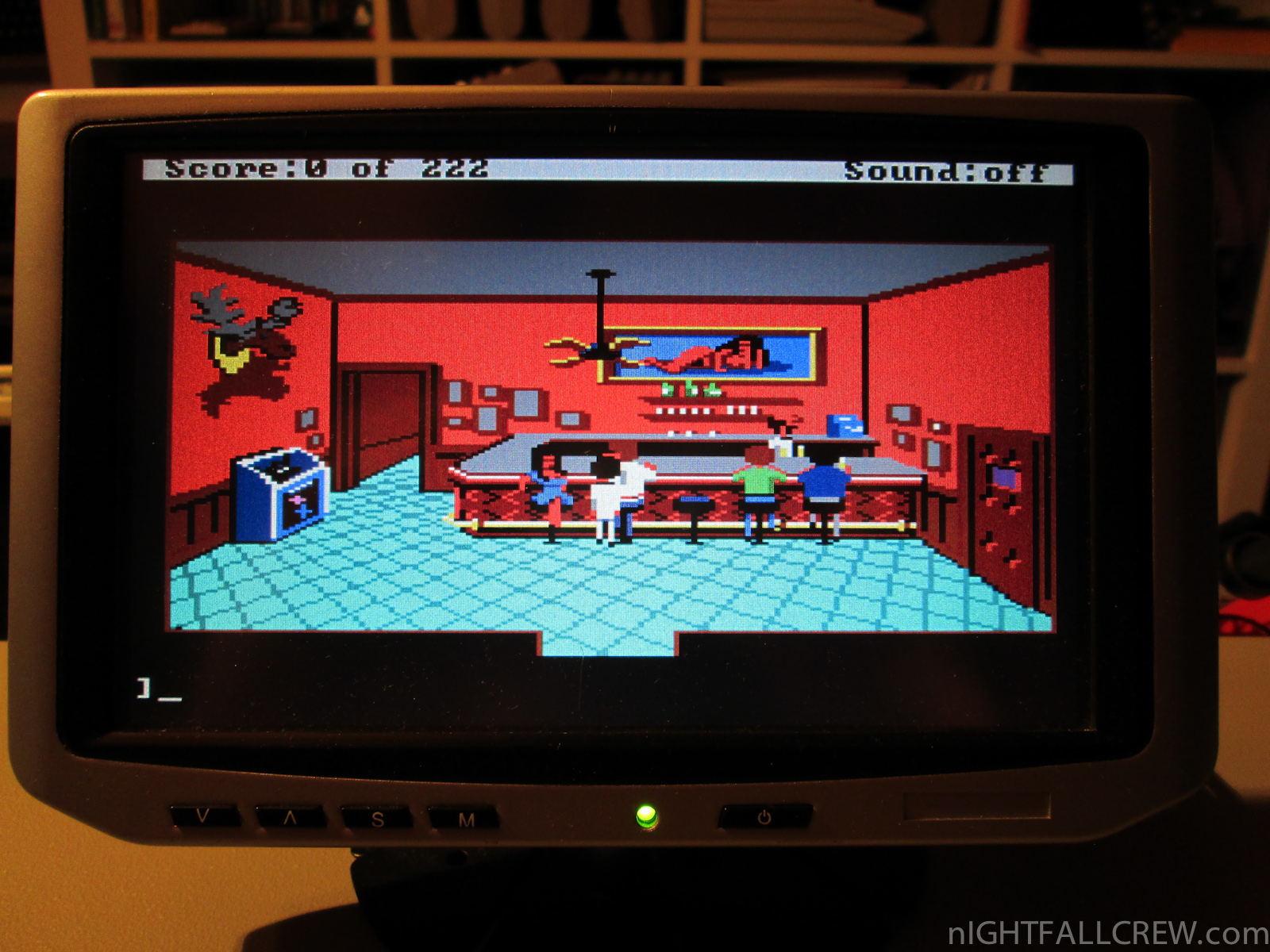
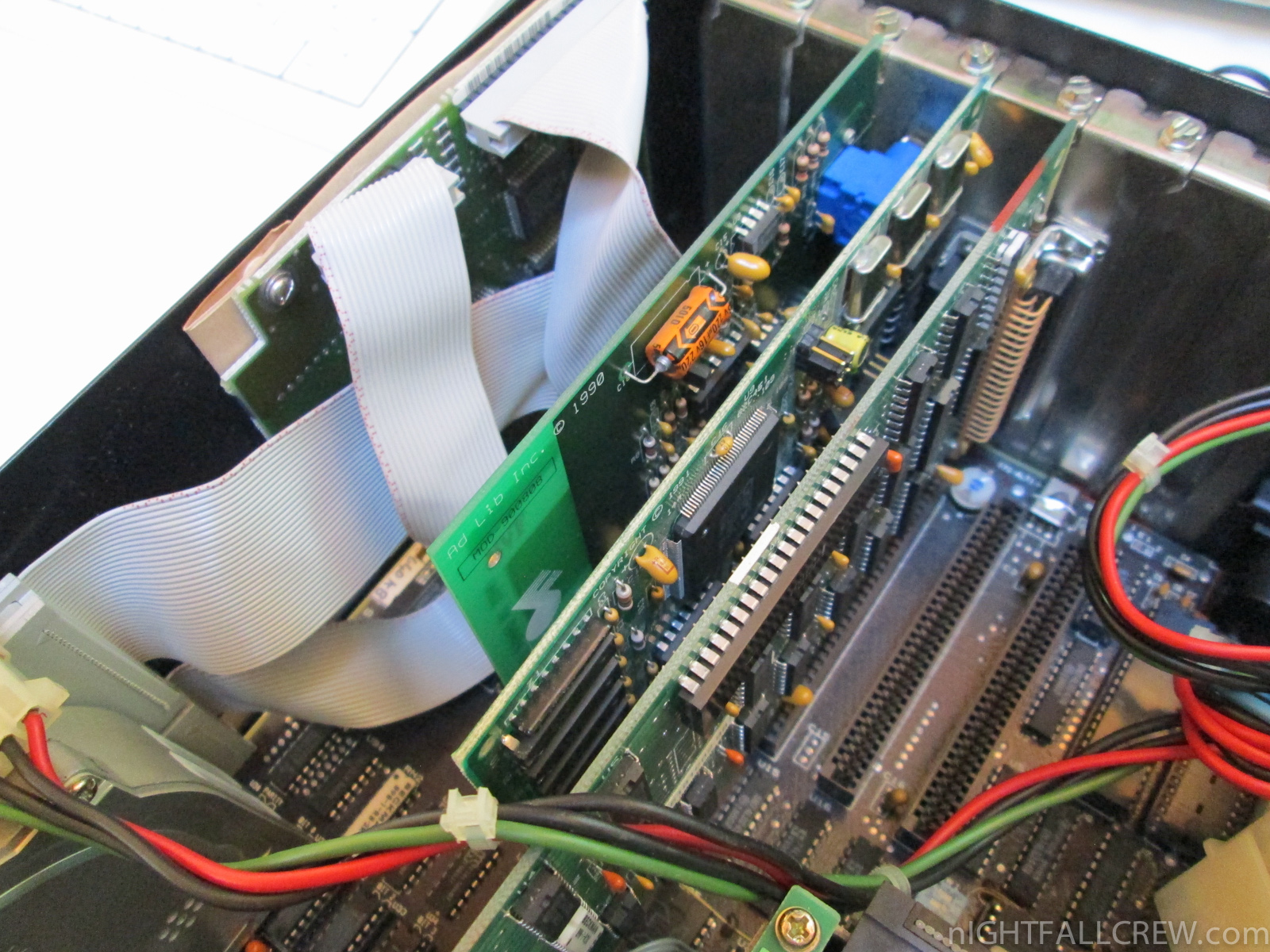
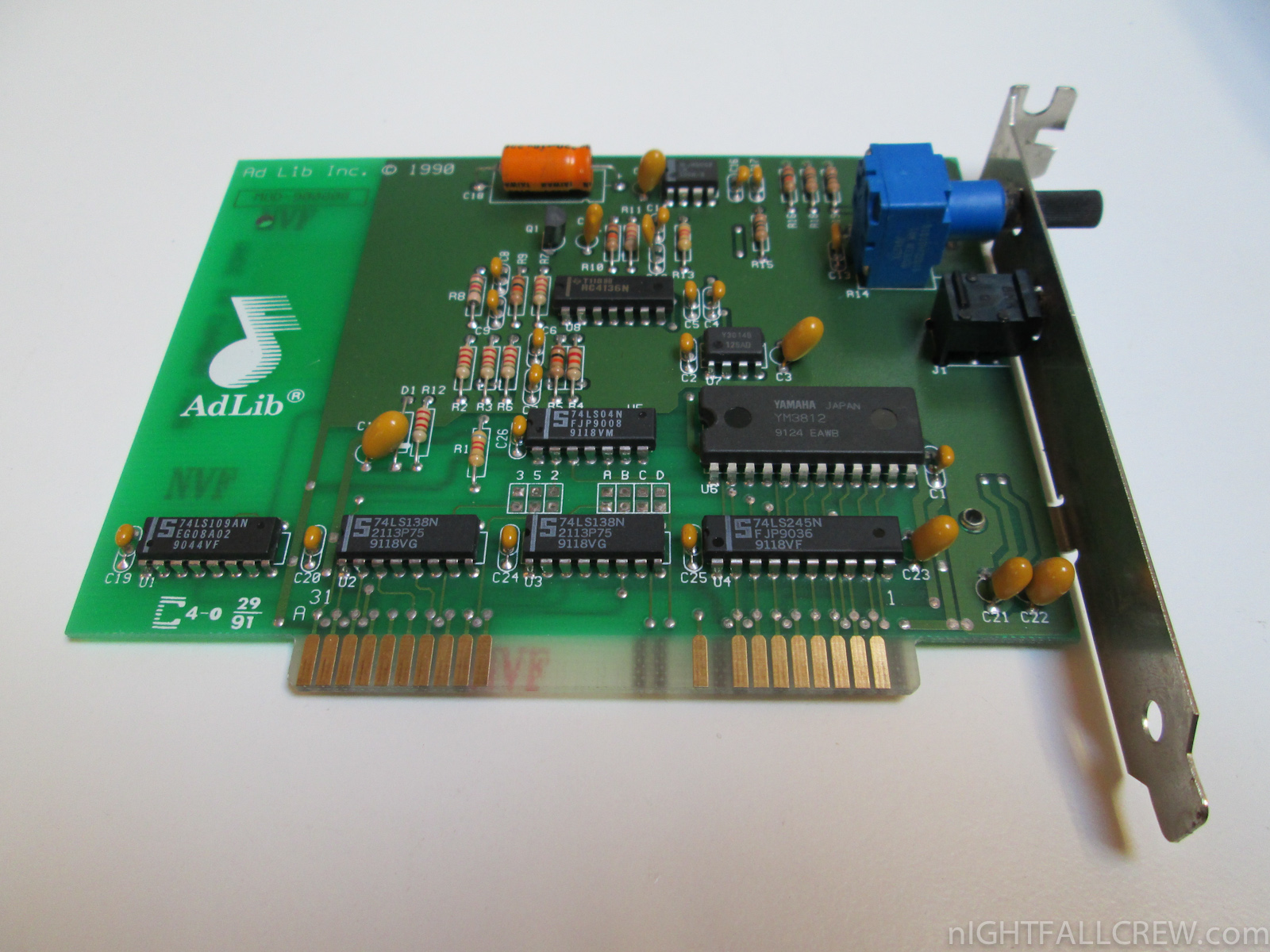
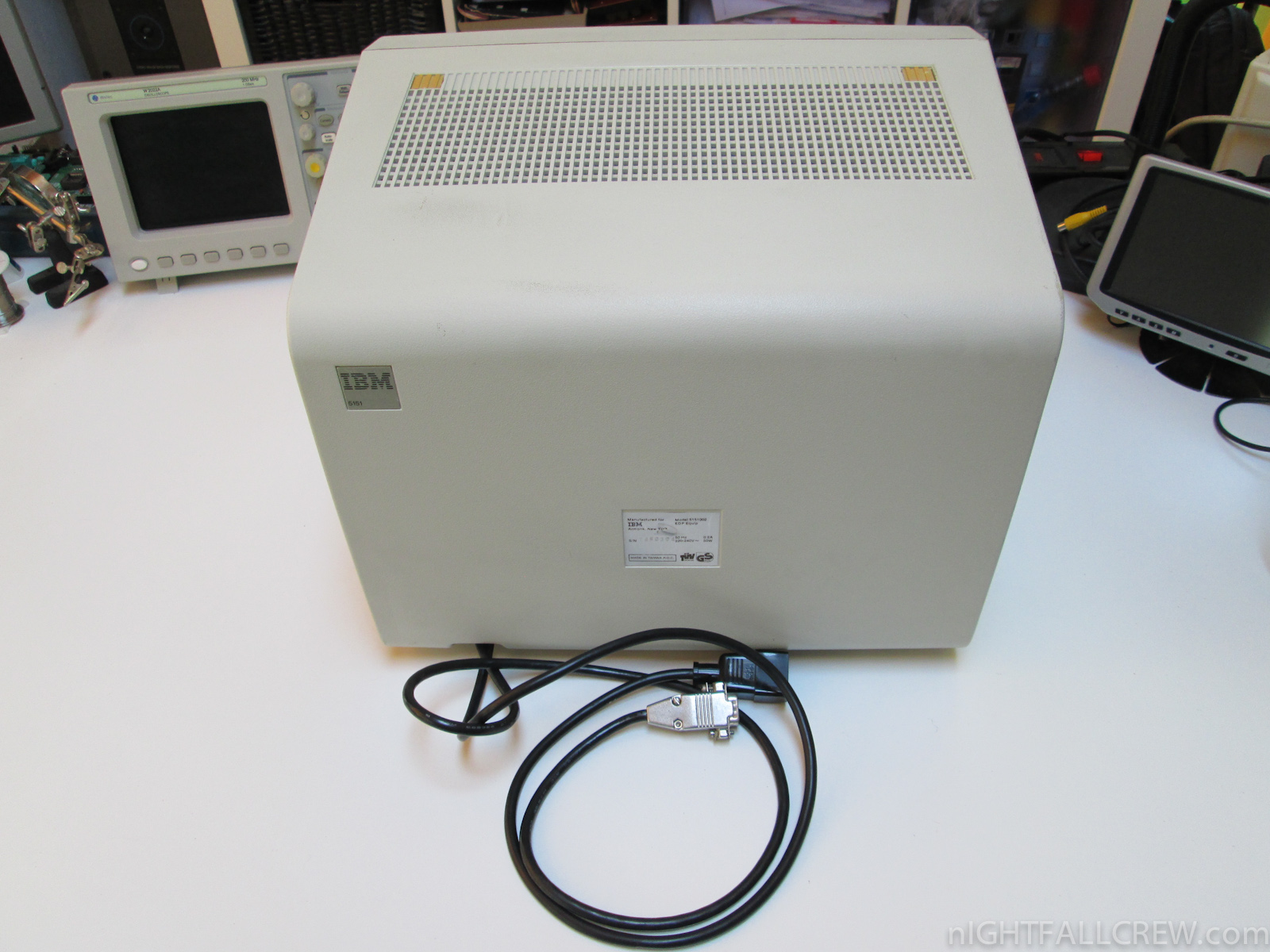
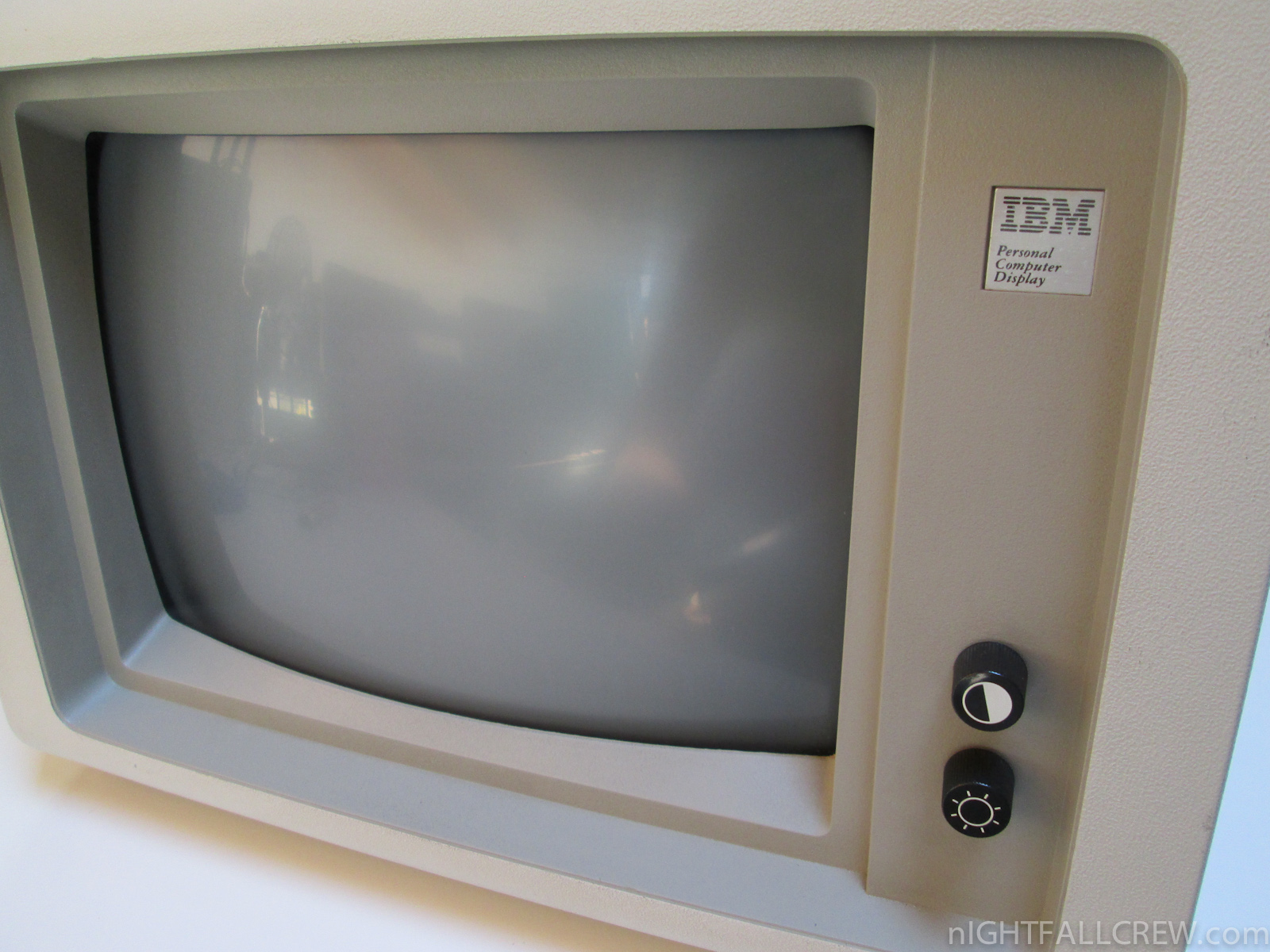

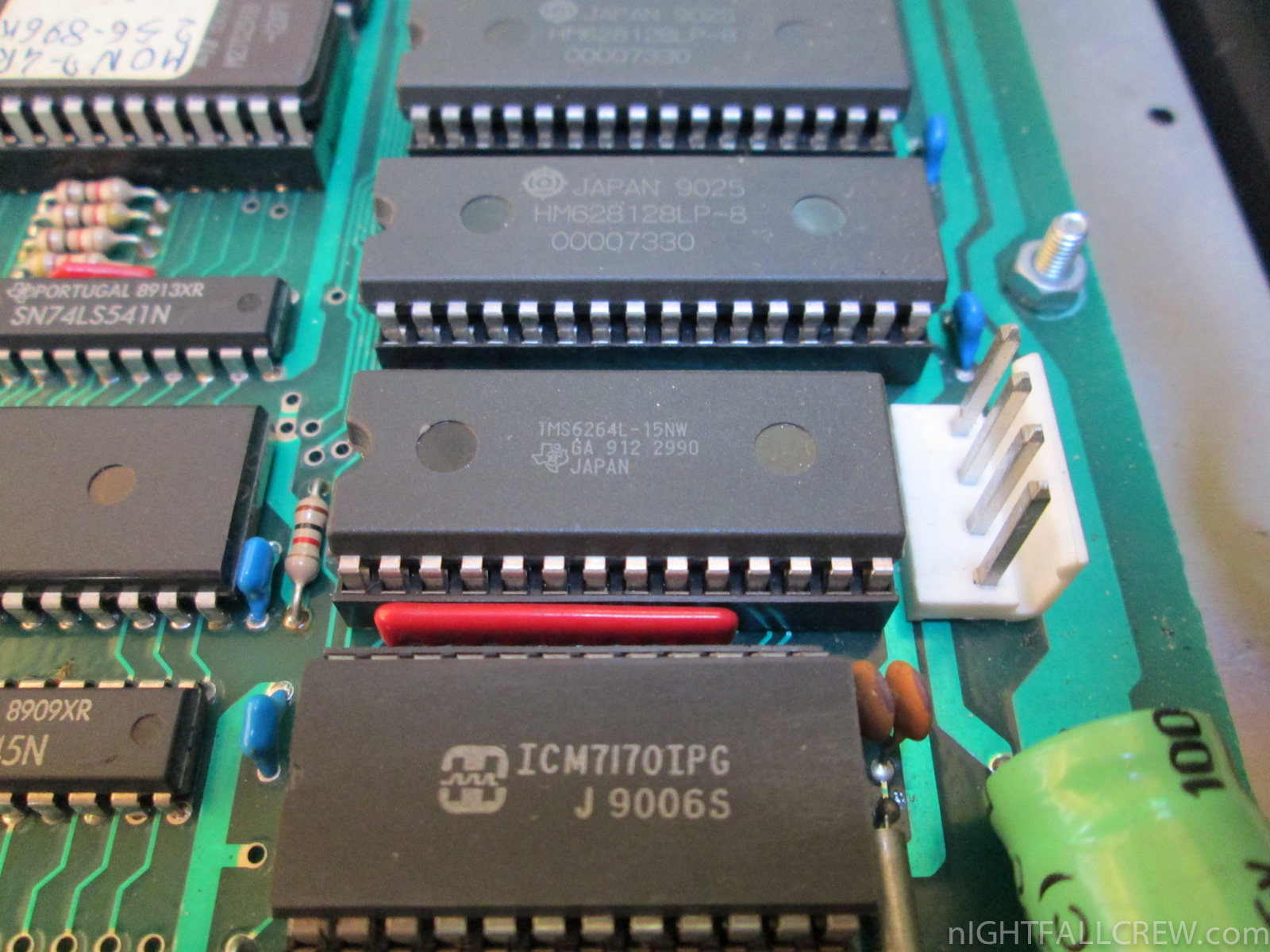
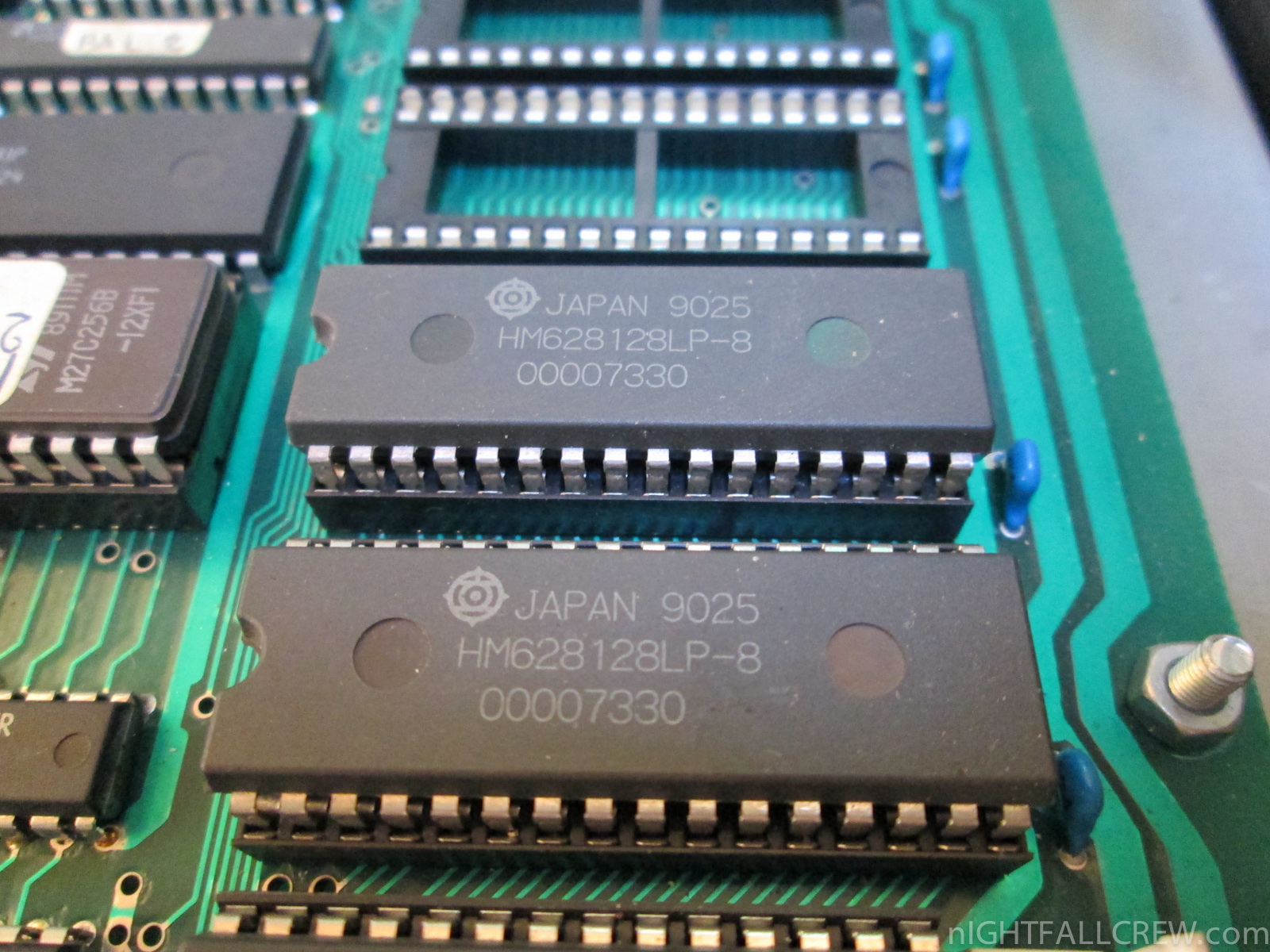
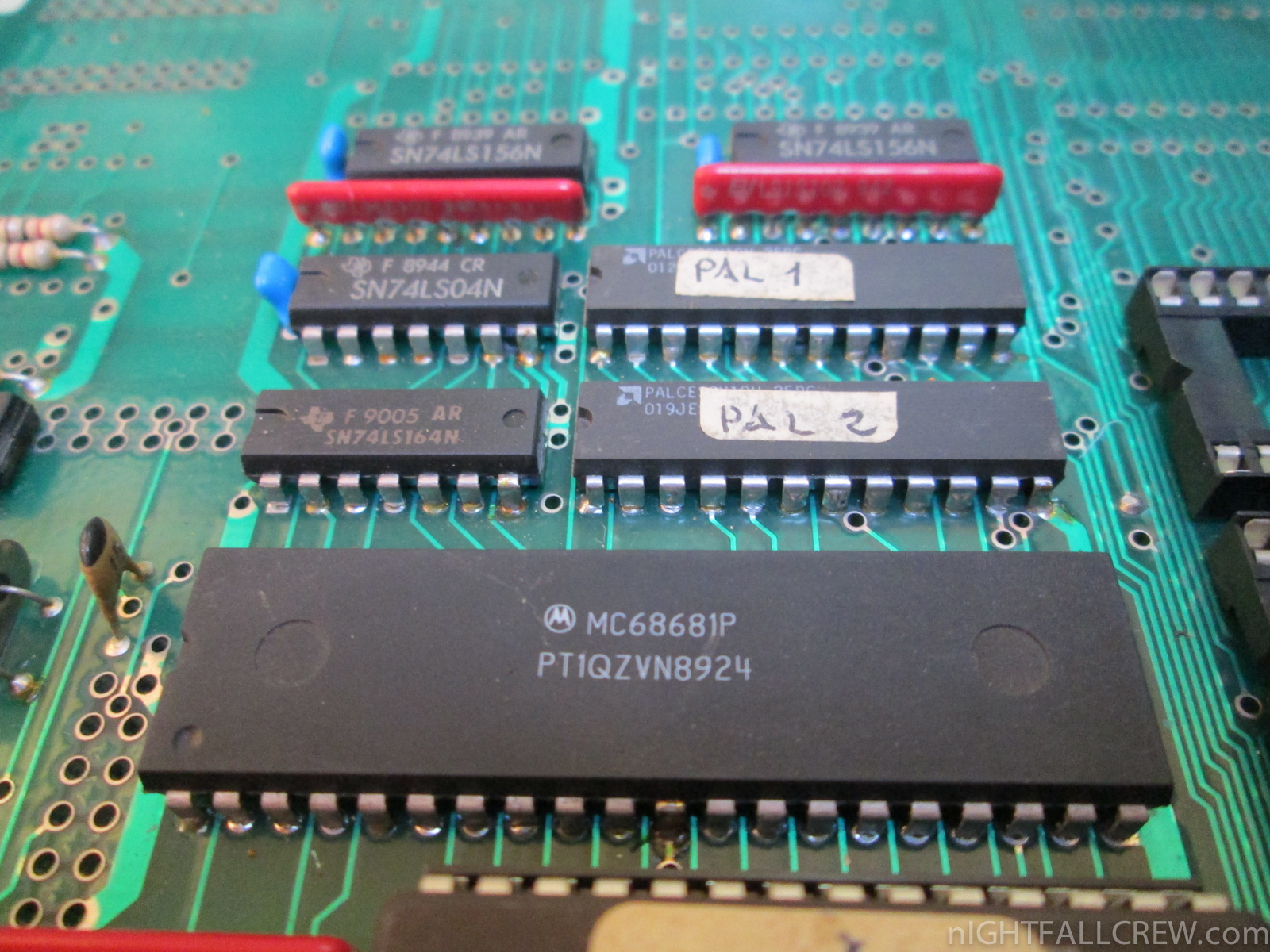
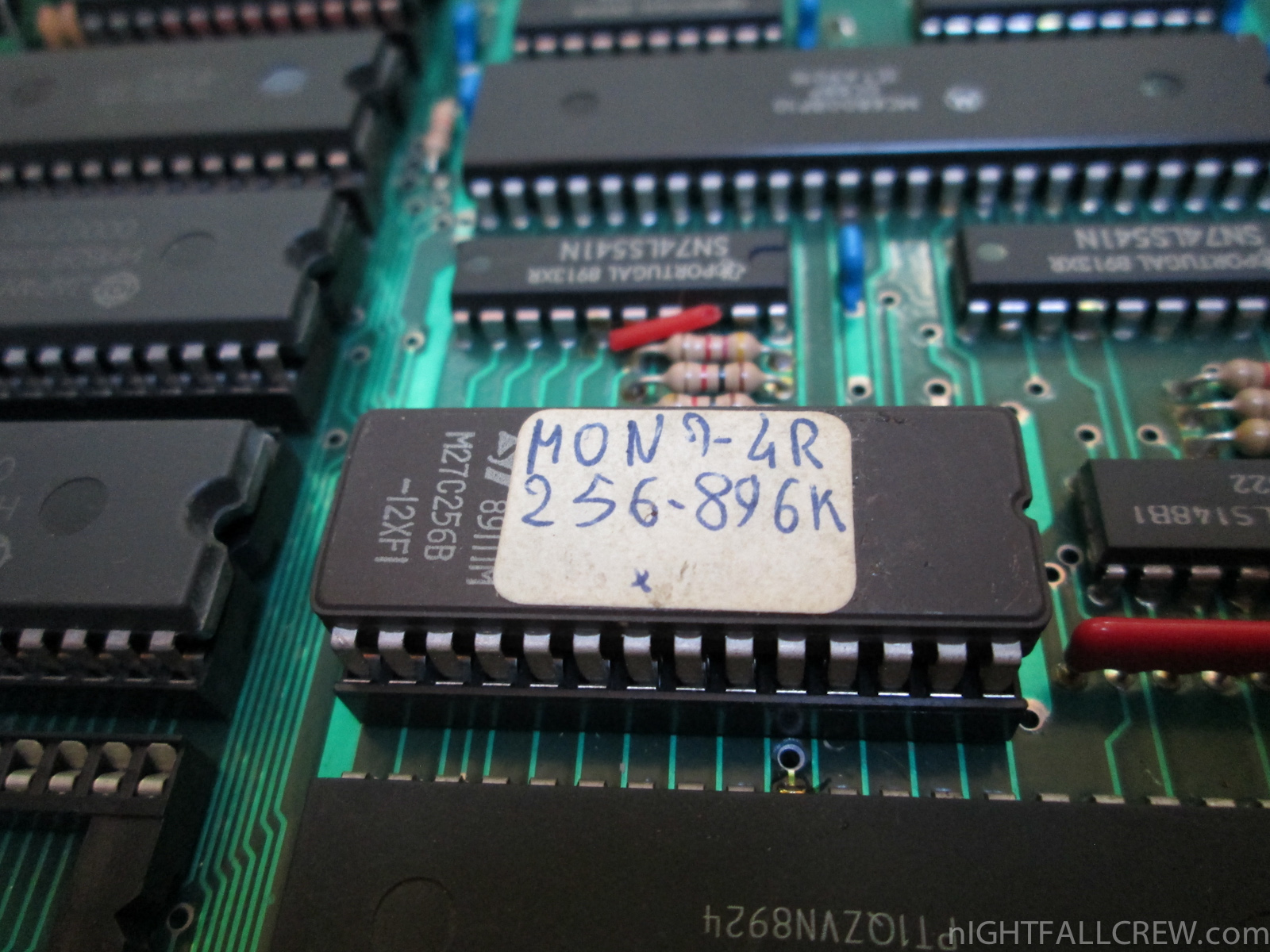

![Apple ][ EuroPlus with a Apple Monitor III](https://www.nightfallcrew.com/wp-content/gallery/apple-ii-europlus/IMG_8188.jpg?9eec8a "Apple ][ EuroPlus with a Apple Monitor III")
![Apple ][ EuroPlus (close-up)](https://www.nightfallcrew.com/wp-content/gallery/apple-ii-europlus/IMG_8161.jpg?9eec8a "Apple ][ EuroPlus (close-up)")
![Apple ][ EuroPlus](https://www.nightfallcrew.com/wp-content/gallery/apple-ii-europlus/IMG_8172.jpg?9eec8a "Apple ][ EuroPlus")
![Apple ][ EuroPlus](https://www.nightfallcrew.com/wp-content/gallery/apple-ii-europlus/IMG_8168.jpg?9eec8a "Apple ][ EuroPlus")
![Apple ][ EuroPlus](https://www.nightfallcrew.com/wp-content/gallery/apple-ii-europlus/IMG_8170.jpg?9eec8a "Apple ][ EuroPlus")
![Apple ][ EuroPlus with a Apple Monitor III (close-up)](https://www.nightfallcrew.com/wp-content/gallery/apple-ii-europlus/IMG_8193.jpg?9eec8a "Apple ][ EuroPlus with a Apple Monitor III (close-up)")
![Apple ][ EuroPlus (close-up)](https://www.nightfallcrew.com/wp-content/gallery/apple-ii-europlus/IMG_8142.jpg?9eec8a "Apple ][ EuroPlus (close-up)")
![Apple ][ EuroPlus (rear side)](https://www.nightfallcrew.com/wp-content/gallery/apple-ii-europlus/IMG_8194.jpg?9eec8a "Apple ][ EuroPlus (rear side)")
![Apple ][ EuroPlus (rear side close-up)](https://www.nightfallcrew.com/wp-content/gallery/apple-ii-europlus/IMG_8195.jpg?9eec8a "Apple ][ EuroPlus (rear side close-up)")
![Apple ][ EuroPlus (rear side close-up)](https://www.nightfallcrew.com/wp-content/gallery/apple-ii-europlus/IMG_8196.jpg?9eec8a "Apple ][ EuroPlus (rear side close-up)")
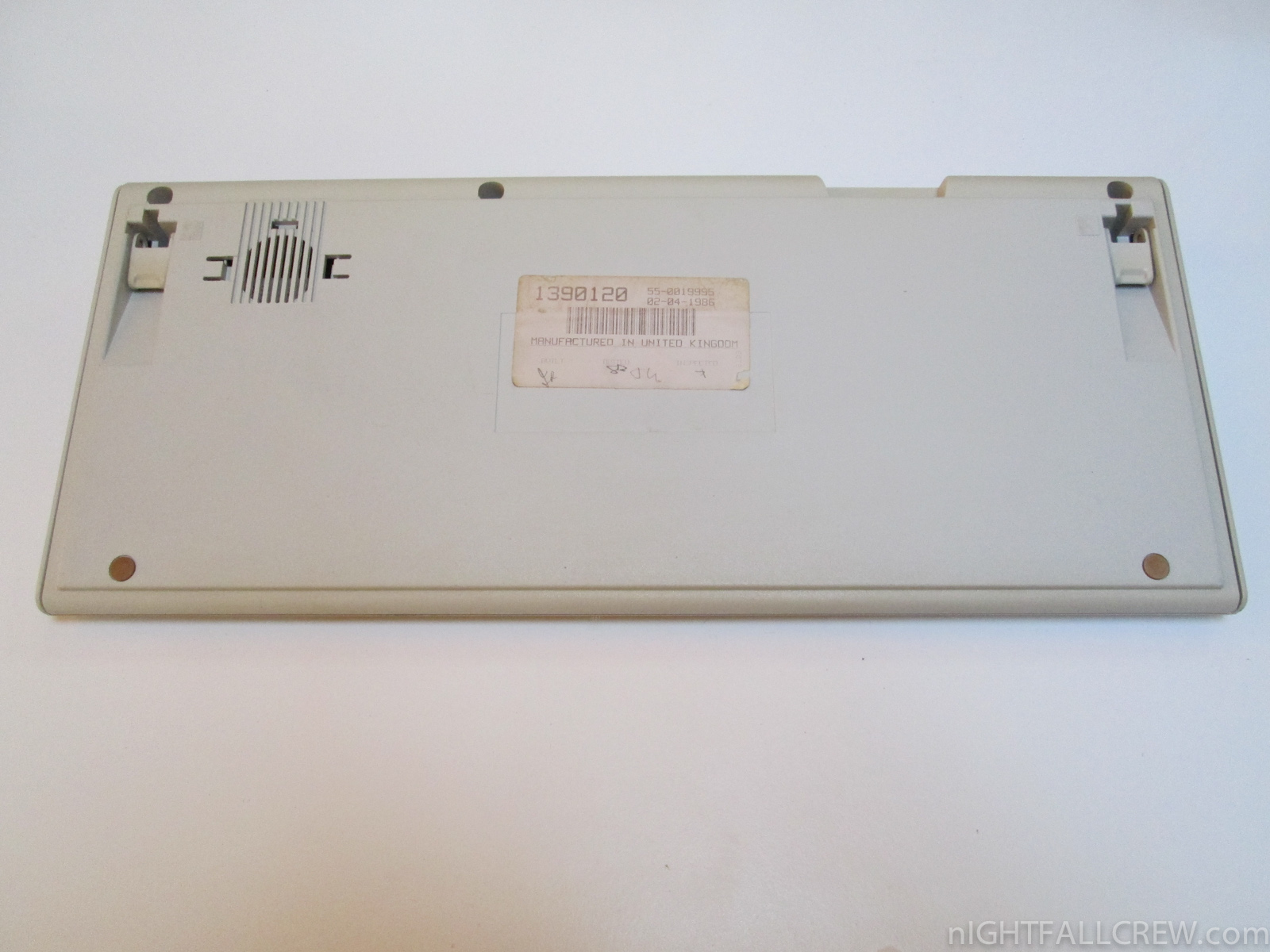
![Apple ][ EuroPlus (bottom side)](https://www.nightfallcrew.com/wp-content/gallery/apple-ii-europlus/IMG_8200.jpg?9eec8a "Apple ][ EuroPlus (bottom side)")
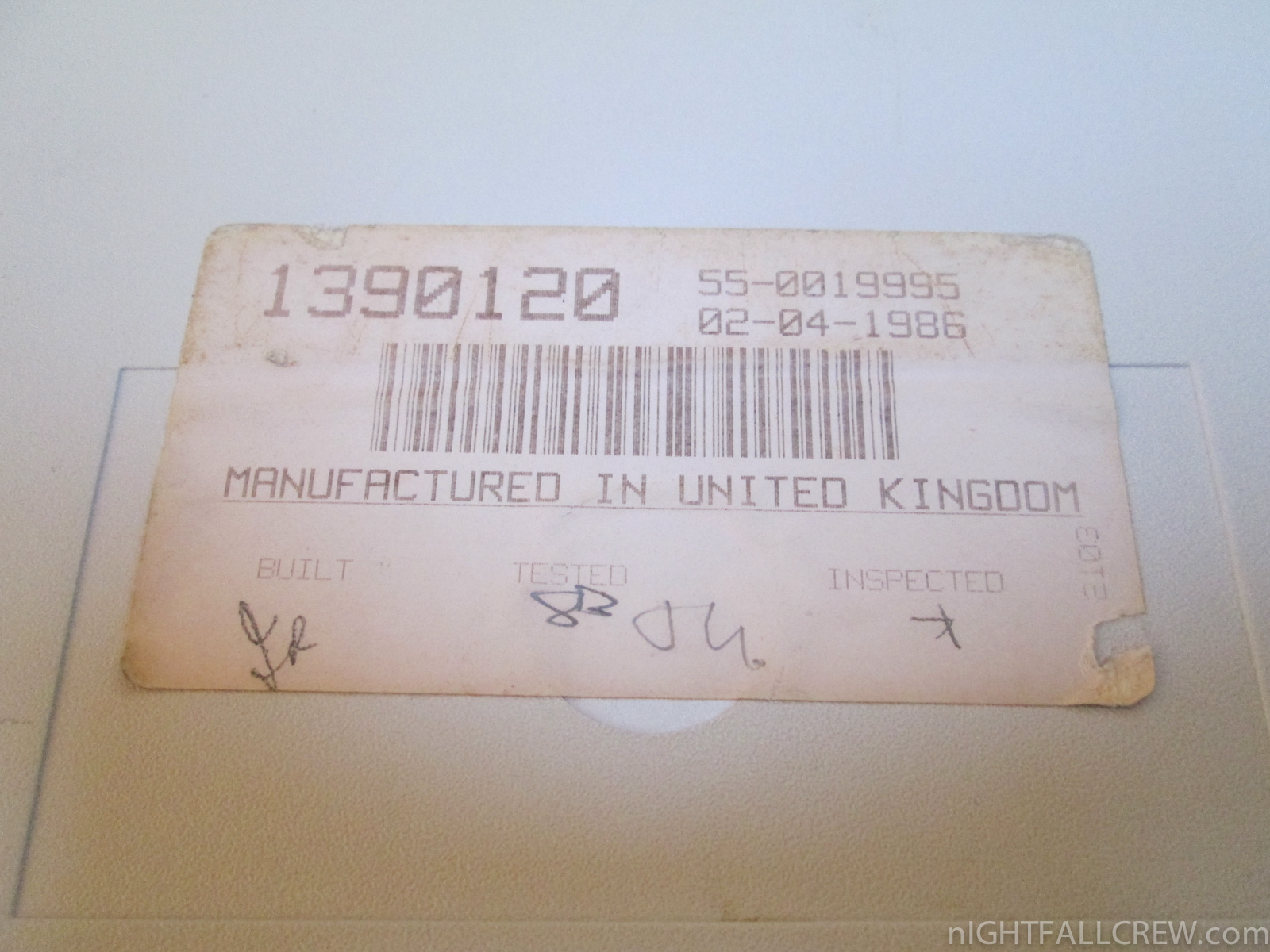
![Apple ][ EuroPlus (bottom side close-up)](https://www.nightfallcrew.com/wp-content/gallery/apple-ii-europlus/IMG_8198.jpg?9eec8a "Apple ][ EuroPlus (bottom side close-up)")
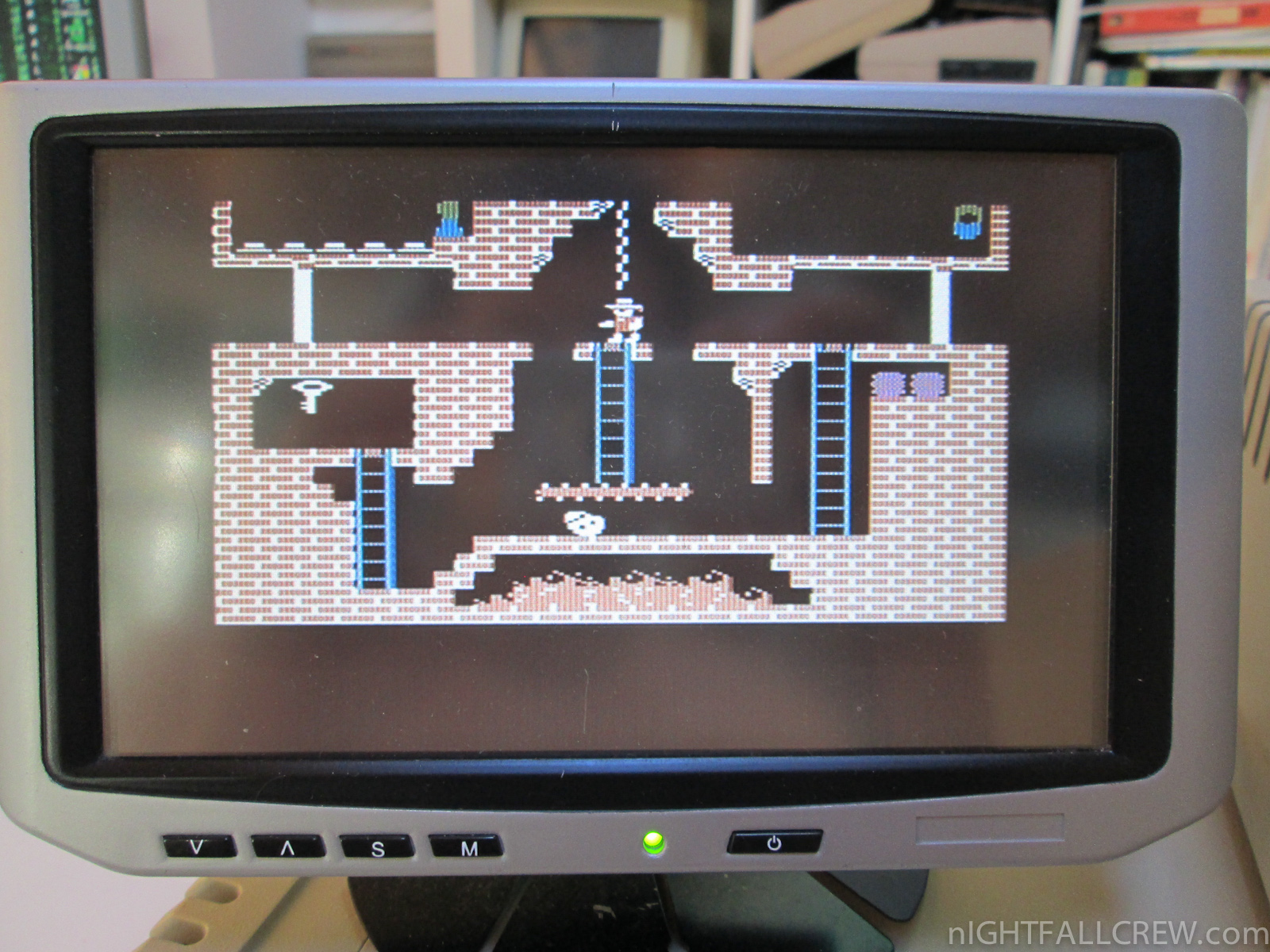
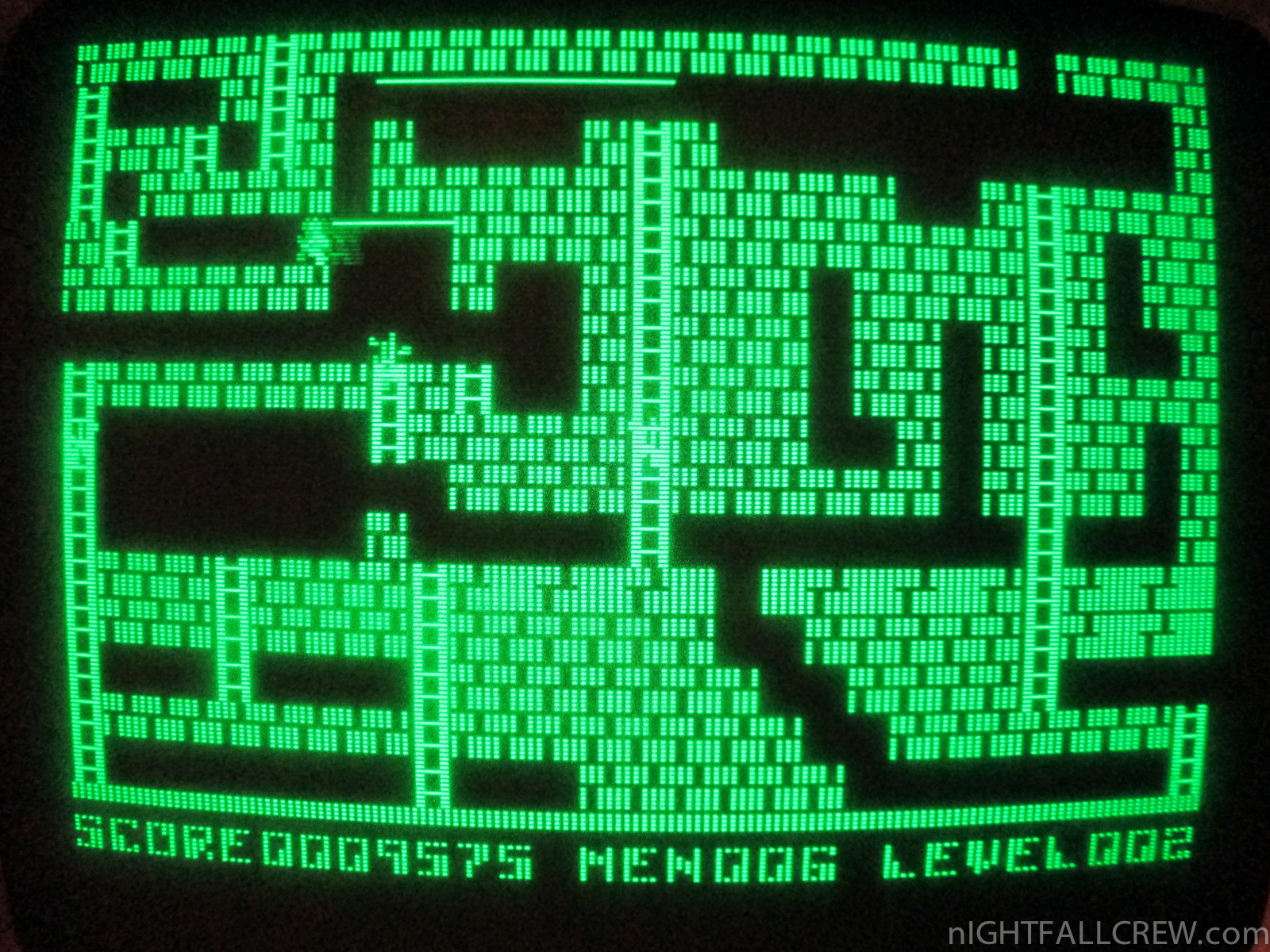
![Apple ][ EuroPlus](https://www.nightfallcrew.com/wp-content/gallery/apple-ii-europlus/IMG_8158.jpg?9eec8a "Apple ][ EuroPlus")


Recent Comments